
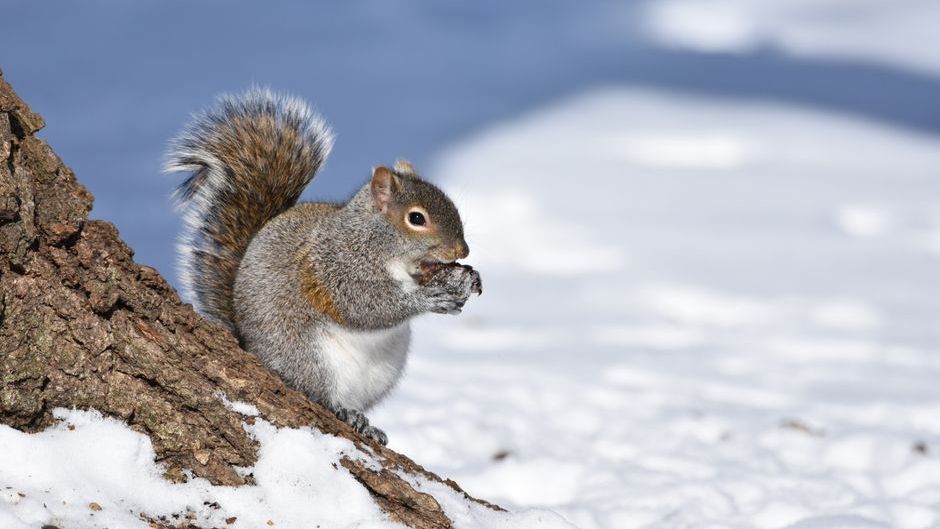
Most people glance at a gray squirrel, assume it’s just another small creature rummaging around the yard, and move on. That’s a reasonable reaction, honestly. They’re everywhere. Ubiquitous, even. Sitting on fences, darting up oaks, raiding bird feeders with almost theatrical confidence.
What most people don’t realize is that the animal doing all of that is running a surprisingly complex inner life. Gray squirrels are deceptive strategists, architectural engineers, and memory athletes, all packed into a half-pound body with a magnificent tail. The details behind that ordinary-looking creature are genuinely worth paying attention to.
#1: They Don’t Just Bury Nuts Randomly – They Have a Filing System
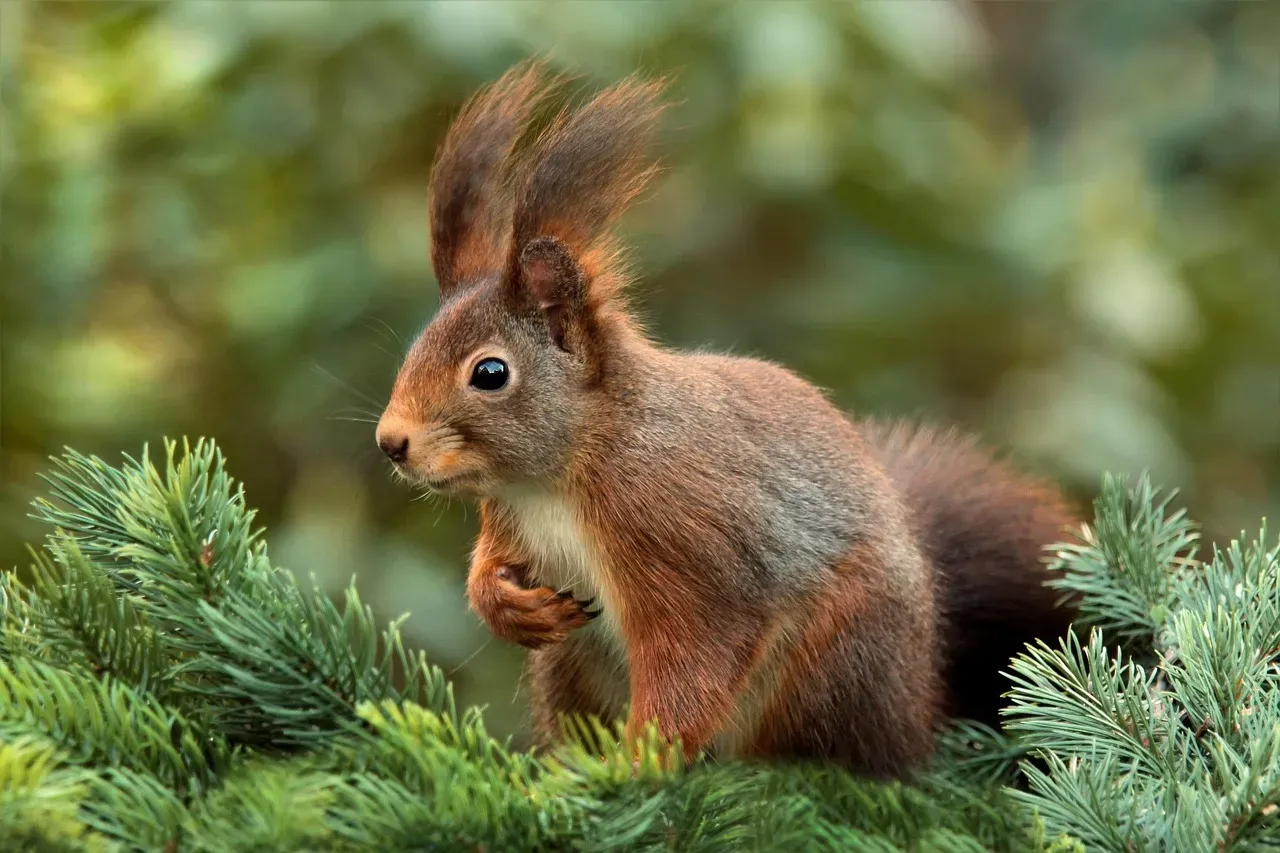
It’s tempting to picture a squirrel burying an acorn and promptly forgetting where it went. The reality is quite different. Like many members of the squirrel family, the eastern gray squirrel is a scatter-hoarder, hiding food in numerous small caches for later recovery – some temporary, stored near a sudden abundance of food and retrieved within hours or days, and others permanent, not retrieved until months later.
Each squirrel is estimated to make several thousand caches each season, and they have very accurate spatial memory for the locations of these caches, using distant and nearby landmarks to retrieve them. The system isn’t random at all. It’s a kind of living, distributed pantry spread across their entire territory.
#2: Their Memory Is Sharper Than Scientists Expected
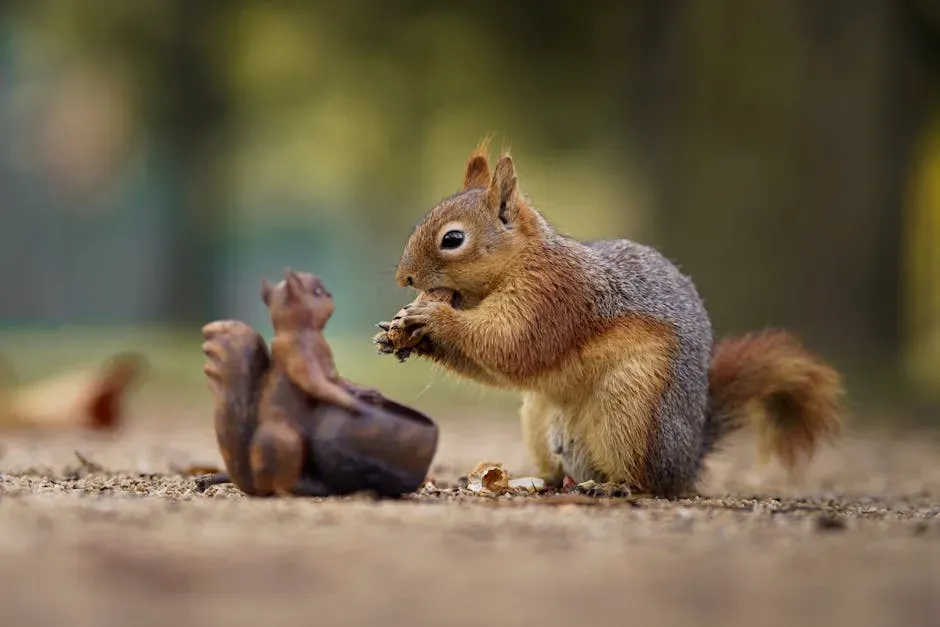
It was long believed that squirrels simply relied on their sense of smell to find their food. While smell definitely comes into it, a growing body of research suggests that memory plays a much more crucial role – a seminal 1991 research paper published in the journal Animal Behavior showed that even when multiple grey squirrels bury their stash in close proximity to one another, individuals will remember and return to the precise locations of their personal cache.
Gray squirrels in experiments could remember up to 24 cache locations for up to two months, and research has also shown that lab-reared squirrels can use the relative position of nearby landmarks such as bushes and trees to guide them to their caches. According to a study on hippocampal plasticity, gray squirrels’ hippocampus – the memory region of the brain – actually increases in volume during the autumn caching season due to spatial memory use.
#3: They Practice Deliberate Deception
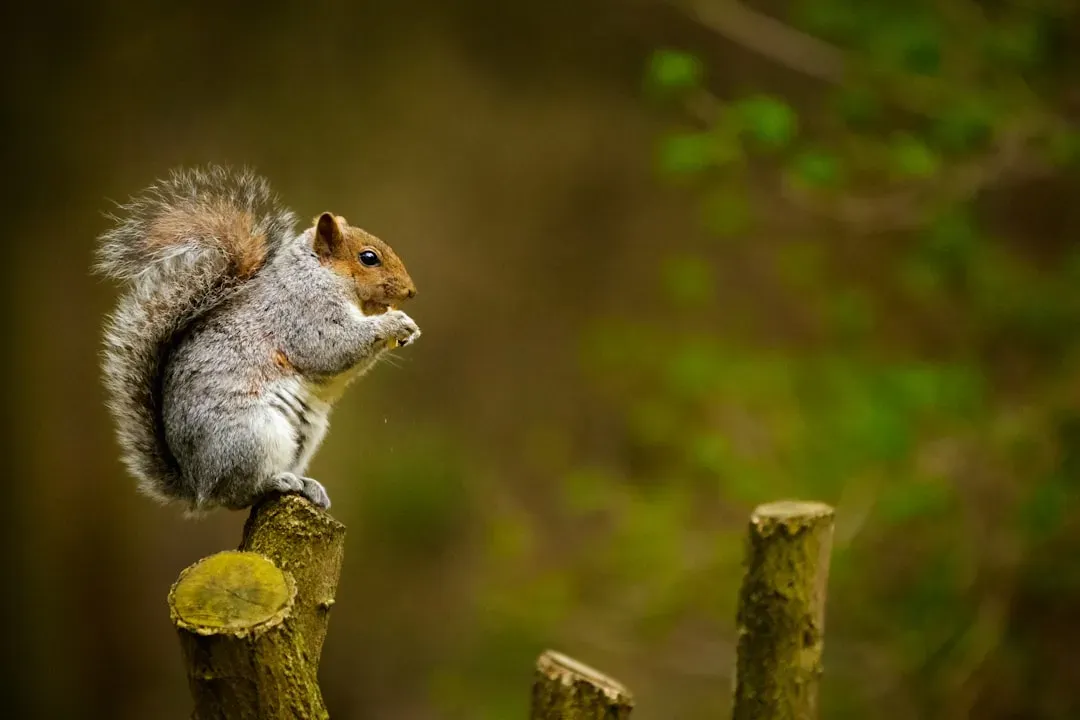
Gray squirrels don’t just hide food. They actively mislead other animals watching them do it. Eastern gray squirrels will pretend to hide food if they are being watched, in order to trick other animals. It’s a calculated bluff, and it works. Squirrels sometimes use deceptive behavior specifically to prevent other animals from retrieving cached food.
To prevent their food stashes from being stolen, grey squirrels have been observed pretending to bury nuts to fool other squirrels that may be watching. When scientists removed their cache to see the result, the squirrels responded by increasing the frequency of false burying, which suggests grey squirrels understand the meaning of stealing. That’s a level of social awareness that surprises most backyard watchers.
#4: Their Hind Ankles Rotate Nearly 180 Degrees
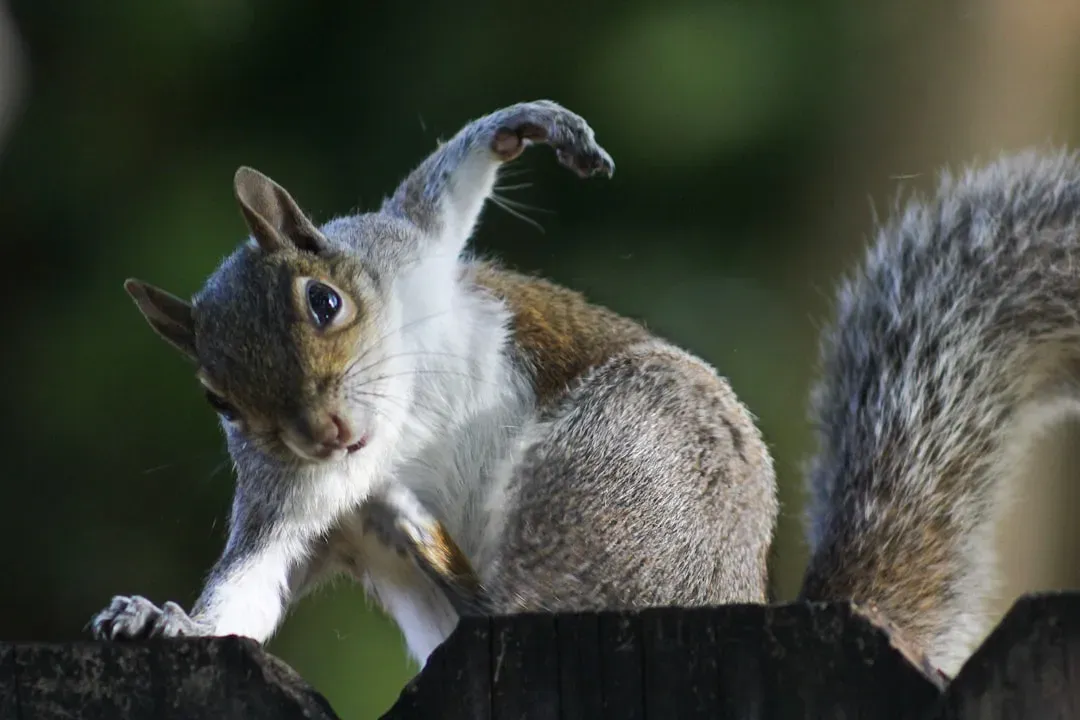
Watch a gray squirrel descend a tree trunk headfirst sometime. Most animals can’t do this – it requires an anatomical trick that very few mammals possess. Tree squirrels have a specialised ankle joint that allows them to rotate the hind foot to point backwards, giving them a stable, clawed grip on vertical bark in either direction of travel.
When descending, the rear feet are rotated virtually 180 degrees. This adaptation allows them to place their feet flat against the trunk, meaning they can move up and down a trunk headfirst. It’s a quiet, easy-to-miss moment, but it represents one of the more remarkable physical adaptations in any common backyard animal.
#5: Their Teeth Never Stop Growing
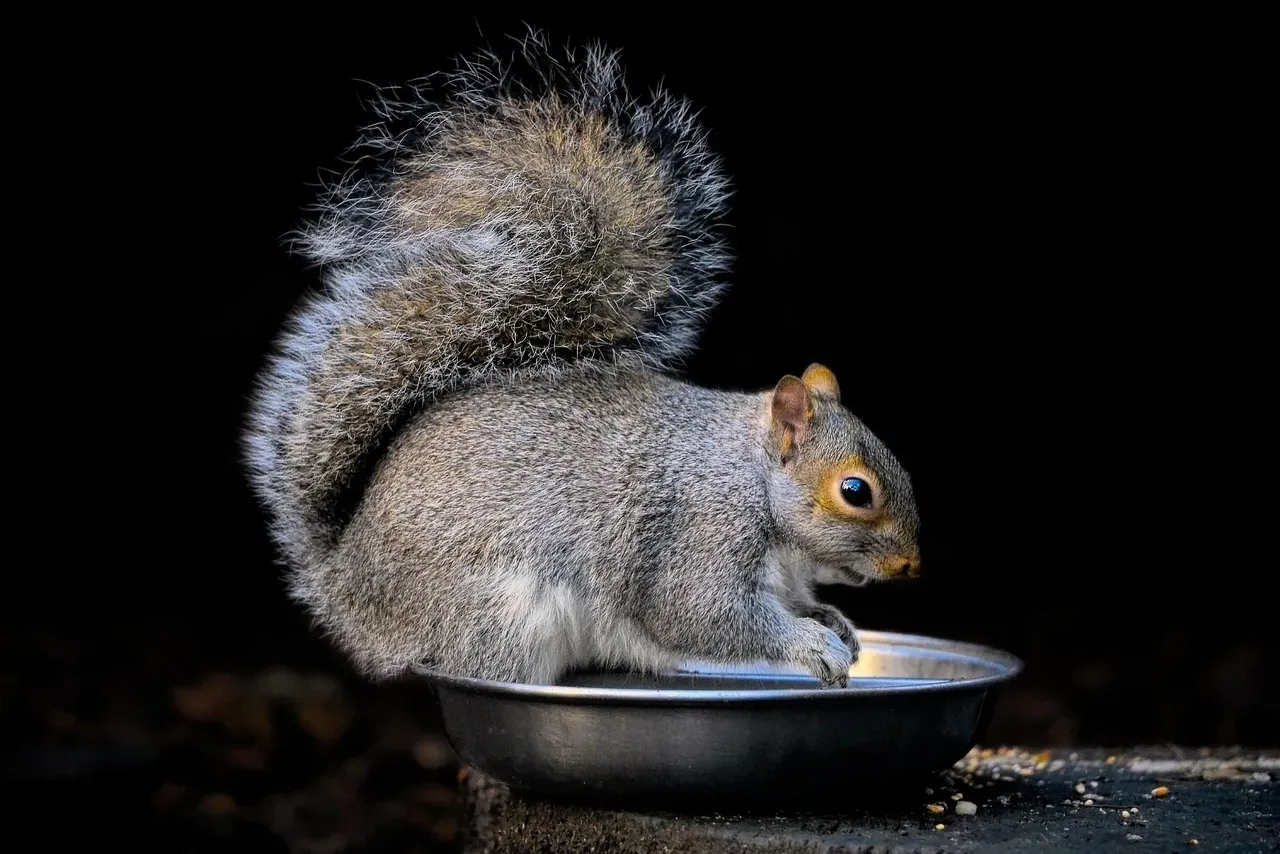
Gray squirrels are rodents, and like all rodents, their front incisors grow continuously throughout their entire lives. Grey squirrels have four front teeth that continuously grow – squirrel incisors grow roughly 14 centimetres a year. Therefore, grey squirrels need to constantly gnaw to keep them trim and to prevent them from growing into the upper jaw.
Their front teeth are sharp and adapted for gnawing through a variety of materials, including nuts, seeds, and even tree bark. Interestingly, the eastern gray squirrel actually has 22 teeth – two more than most other squirrel species, due to two extra premolars on their top row. That chewing behavior you might notice on wooden porch railings or feeders is less mischief and more biological necessity.
#6: They Don’t Hibernate – Not Even Close
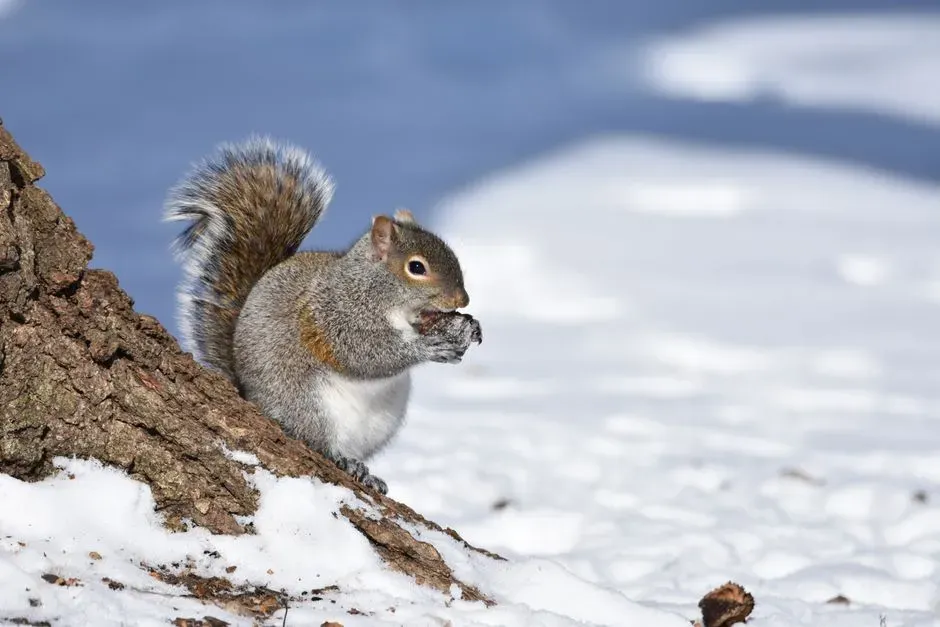
A common assumption is that squirrels disappear during winter because they’re sleeping it off. That’s not what’s happening. Eastern gray squirrels exhibit diurnal or crepuscular behavior depending on the season, tending to avoid the heat in the middle of a summer day – and they do not hibernate. They stay active year-round, relying on their cached food stores to survive cold months.
Squirrels can detect the smell of food buried under more than a foot of snow, and after the food has been detected, they dig a tunnel to retrieve their meal. In cold weather they will curl up and use their bushy tail as a blanket to keep warm, and will also share their nests with other squirrels in order to stay warm throughout the coldest winter months.
#7: The Tail Is a Multi-Tool, Not Just Decoration
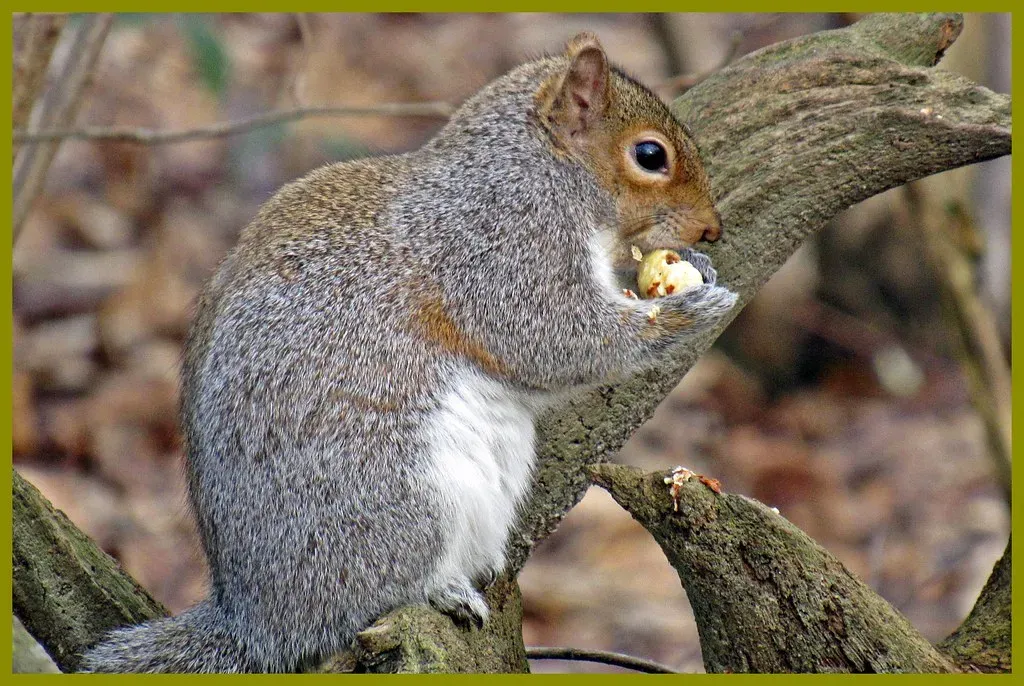
The gray squirrel’s tail is one of the most functional pieces of anatomy on any backyard animal. Their large, bushy tails serve multiple functions: acting as a balancing pole during acrobatic leaps, a parachute during falls, and a communication device during social interactions. Most people only notice the fluffy visual appeal and miss the full picture.
The tail provides balance in jumps, adds surface area for thermoregulation – offering shade in the heat and wrap-around insulation in the cold – and boosts visual signaling. Tail flicking and specific calls are used to ward off and warn other squirrels about predators, as well as to announce when a predator has left the area. In squirrel communication, the tail is essentially a flag, a blanket, and a rudder, all at once.
#8: Black Squirrels Are Gray Squirrels in Disguise
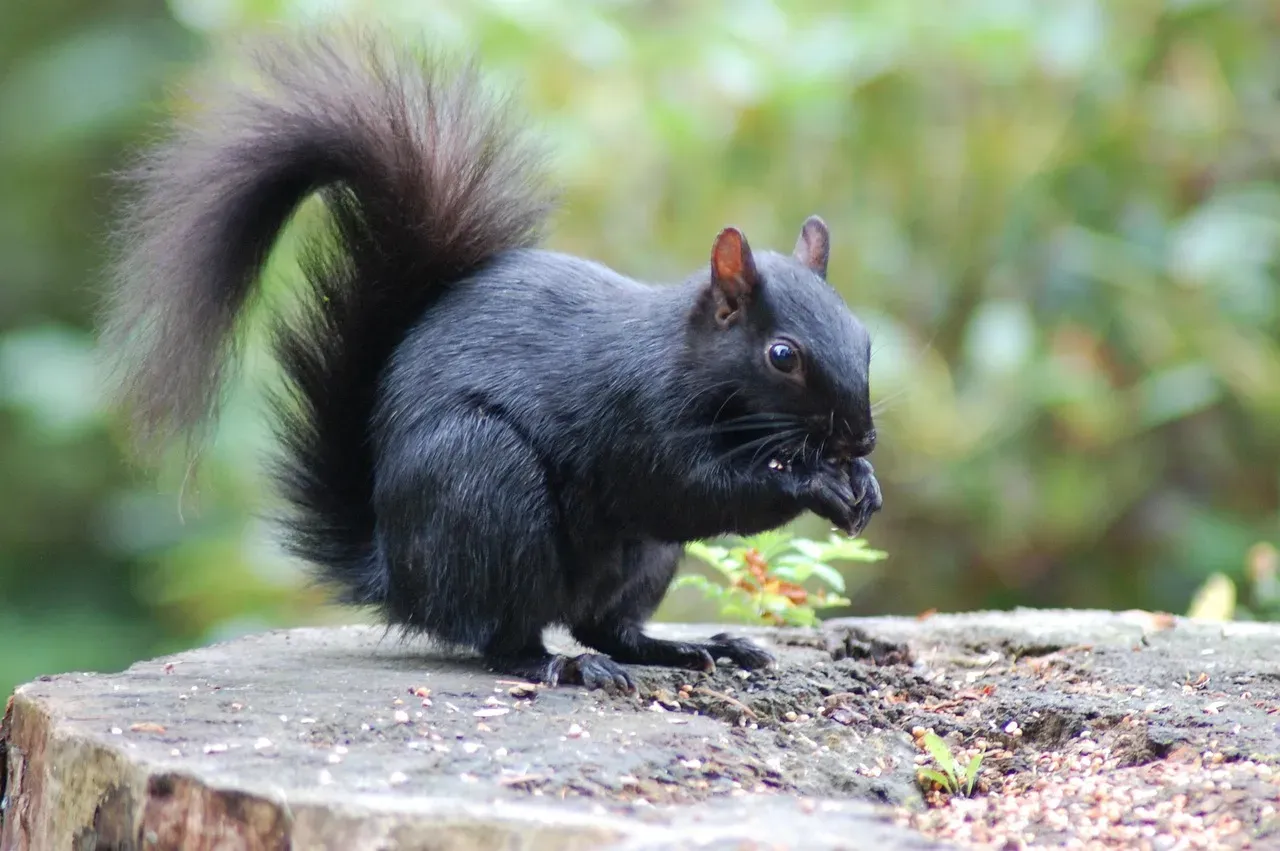
If you’ve ever spotted a jet-black squirrel in a park and wondered what species it was, the answer is almost certainly the same animal you already know. If you notice a black squirrel in a U.S. park, it is likely a gray squirrel. Gray squirrels are sometimes black because of a genetic mutation that causes an excess of melanin and the development of dark pigmentation.
Melanistic squirrels appear to exhibit a higher cold tolerance than the common gray form. When exposed to very cold temperatures, black squirrels showed a measurable reduction in heat loss and basal metabolic rate, and an increase in non-shivering thermogenesis capacity compared to common gray individuals. Studies show black squirrels can comprise up to roughly one fifth of populations in northern regions, where their dark coloration offers superior heat absorption during harsh winters.
#9: They Have a Rich, Varied Vocal Language
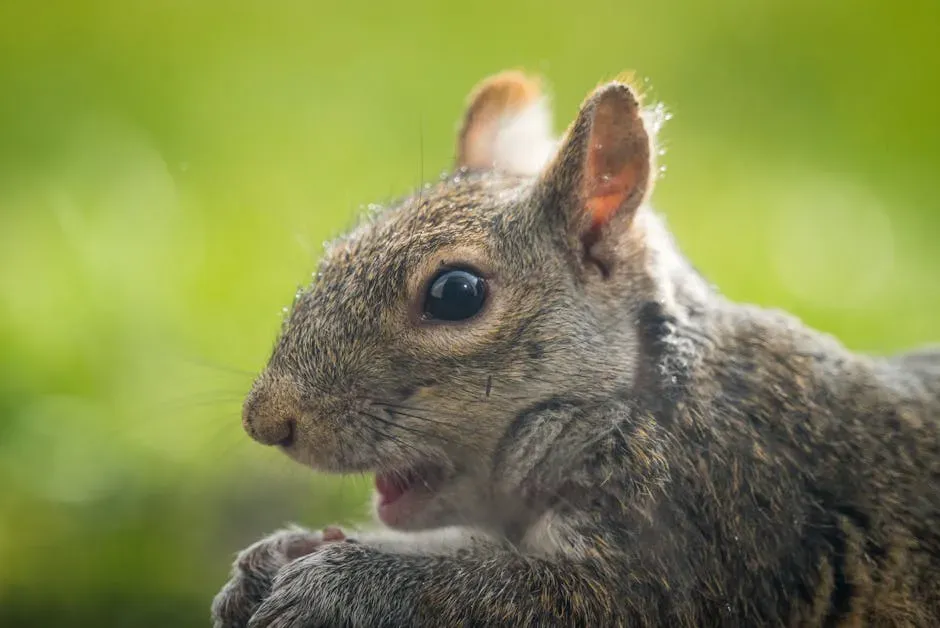
Gray squirrels don’t simply chatter. They communicate through a surprisingly varied repertoire of sounds, each with specific social meaning. The species has vocalizations including a squeak similar to that of a mouse, a low-pitched noise, a chatter, and a raspy “mehr mehr mehr,” while other methods of communication include tail-flicking and gestures, including facial expressions.
Squirrels also make an affectionate coo-purring sound that biologists call the “muk-muk” sound. This is used as a contact sound between a mother and her kits and, in adulthood, by the male when he courts the female during mating season. The use of vocal and visual communication has been shown to vary by location, based on elements such as noise pollution and the amount of open space. They’re adapting their language to their environment, which is worth pausing on.
#10: Their Nests Are More Sophisticated Than They Look
The leaf-and-twig ball you might spot high in a tree fork is called a drey, and it’s far more engineered than it appears from the ground. Eastern gray squirrels build dreys in the forks of trees, consisting mainly of dry leaves and twigs. The dreys are roughly spherical, about 30 to 60 cm in diameter and are usually insulated with moss, thistledown, dried grass, and feathers to reduce heat loss.
Dreys are made from twigs and branches and lined with moss, leaves, grass, or fur for insulation and waterproofing. They can maintain an internal temperature of approximately 18 degrees Celsius using only the squirrel’s own body heat, even when the outside temperature is well below freezing. Males and females may share the same nest for short periods during the breeding season, and squirrels may share a drey simply to stay warm during cold snaps.
#11: They Are Accidental Foresters
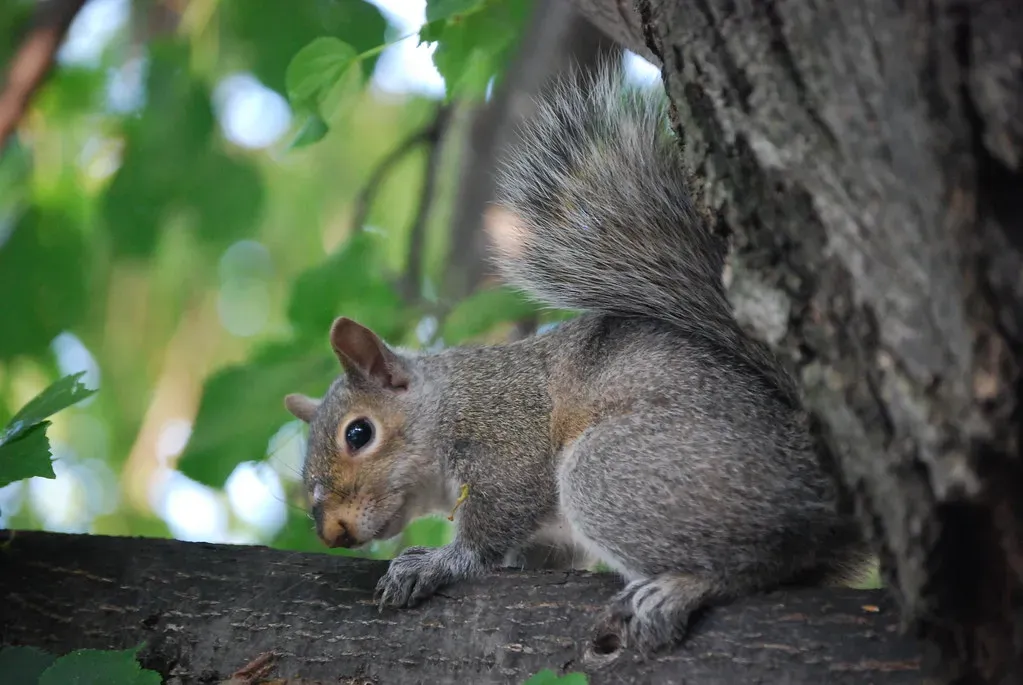
Gray squirrels plant far more trees than most people ever credit them for, and they do it without any intention of doing so. As winter approaches, squirrels carry their food and bury it in several locations but sometimes forget exactly where. That helps the environment because buried seeds and nuts sprout and grow the following spring.
Grey squirrels play a crucial role in tree regeneration. By burying nuts and seeds, they serve as natural seed dispersers, helping to grow new trees and support forest regeneration. Acorn embryos are frequently removed before burial to prevent germination and thus loss of nutrients – meaning squirrels even manage which seeds survive. The ones they forget become the forest of the next generation.
#12: Their Survival Odds as Babies Are Surprisingly Slim
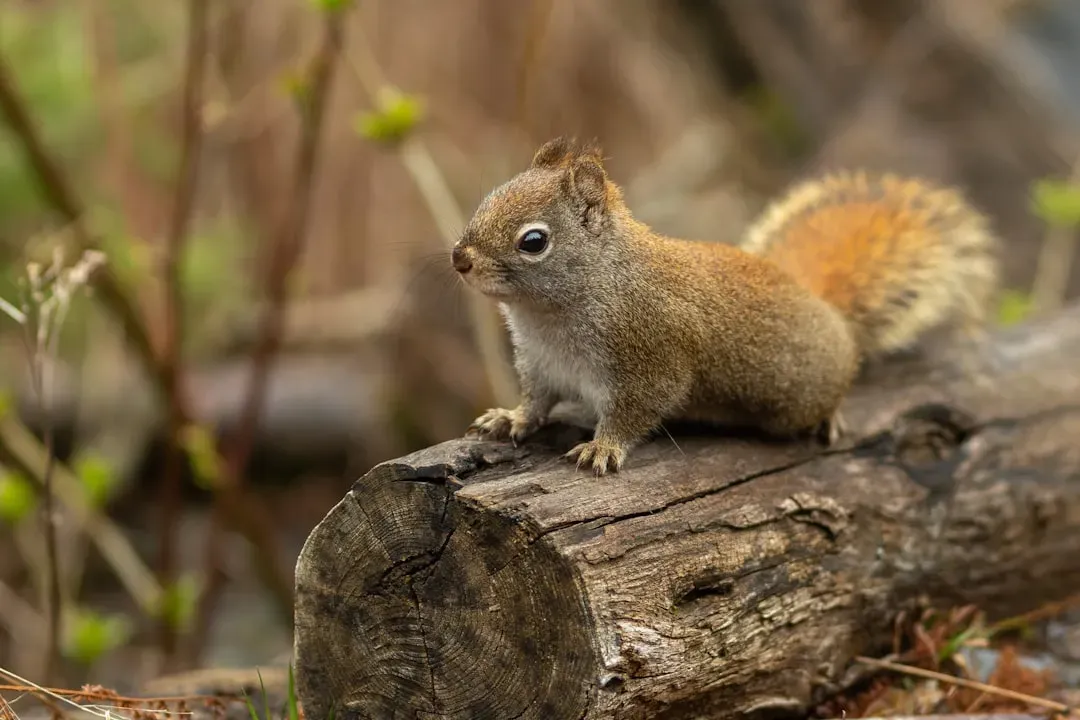
Baby gray squirrels, called kits, arrive in the world in one of the most vulnerable states of any backyard mammal. Newborn eastern gray squirrels don’t have fur when they are born and are not able to see. They often weigh as little as half an ounce. Only one in four squirrel kits survives to one year of age, with a mortality rate of around 55% in the year that follows.
In the wild, grey squirrels generally have a lifespan of around 6 to 12 years, although many do not make it past their first year due to predation, accidents, and other environmental factors. Squirrels face a range of challenges throughout their lives, from finding sufficient food to avoiding predators such as hawks, owls, and domesticated animals. The ones you see confidently navigating your yard have already beaten odds that most of their siblings didn’t. There’s something quietly remarkable about that.
The Ordinary Animal That Isn’t Ordinary at All
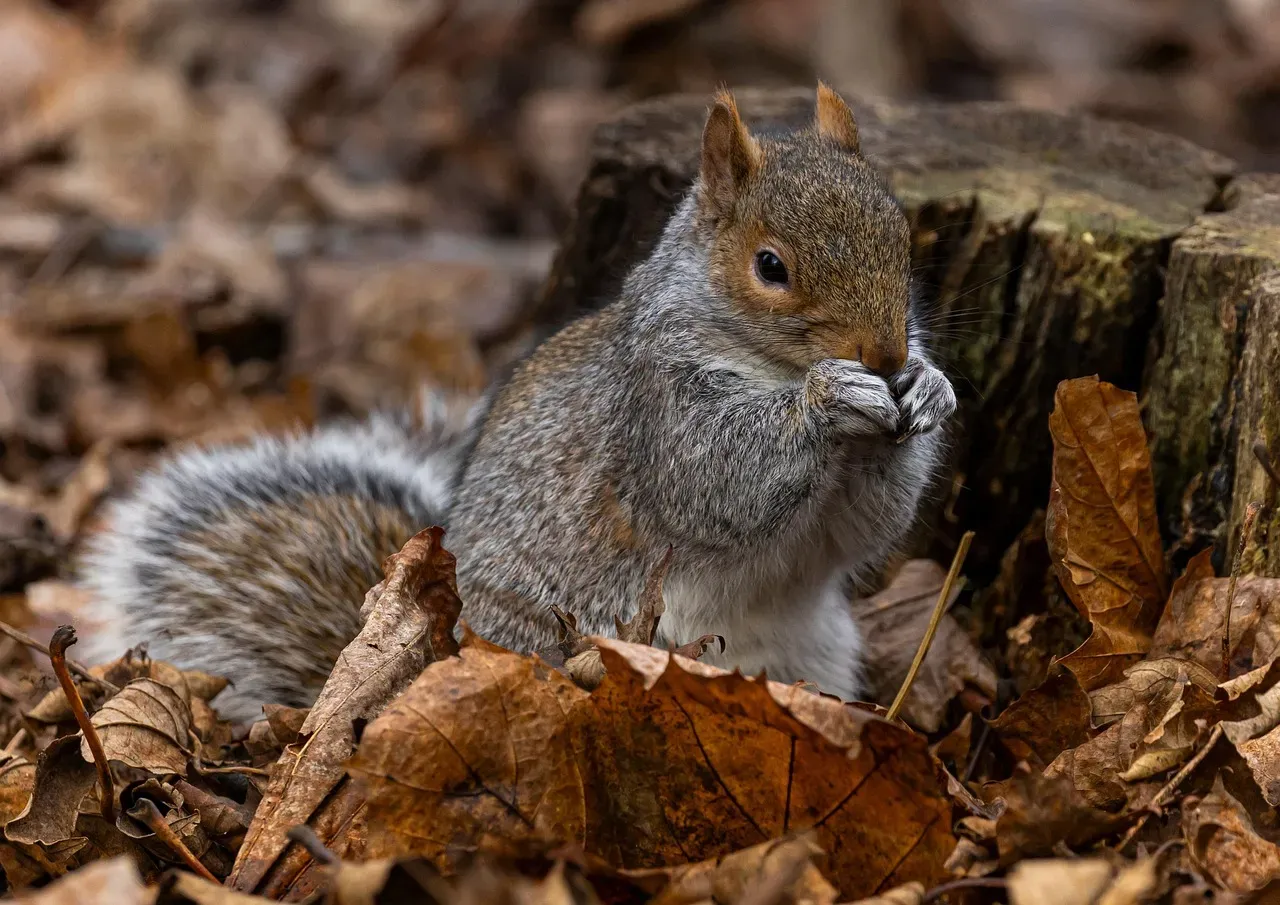
Gray squirrels are one of those animals that familiarity has made invisible. They’re always there, so people stop really seeing them. Spend a few minutes watching one actually cache food, decode a tail-flick exchange between two rivals, or rotate its ankles backward on the way down a fence post, and the whole picture changes.
The science behind these animals is still evolving. Researchers studying squirrel spatial memory have found implications for understanding how memory works in mammals broadly, including humans. That the humble gray squirrel sitting on your bird feeder is contributing, however indirectly, to that conversation is a genuinely strange and wonderful thing to consider.
Sometimes the most interesting wildlife isn’t in a remote jungle or a nature documentary. Sometimes it’s already in the backyard, waiting for someone to actually look.
