


Few conservation stories inspire as much national pride as the remarkable recovery of America’s national bird, the bald eagle. Once teetering on the brink of extinction with fewer than 500 nesting pairs in the lower 48 states, these majestic raptors have soared back from the edge of oblivion through dedicated conservation efforts, legislative protection, and public awareness. Today, with over 316,700 bald eagles now gracing America’s skies, their comeback represents one of the most successful wildlife recovery stories in history. This article explores 20 inspiring bald eagle comeback stories from across the United States, demonstrating how targeted conservation efforts, community involvement, and environmental protection can restore even severely endangered species to thriving populations.
The Chesapeake Bay Revival America’s Premier Eagle Habitat

The Chesapeake Bay watershed has witnessed one of the most dramatic bald eagle recoveries in the nation. In the 1970s, the region housed fewer than 60 breeding pairs, devastated by DDT contamination and habitat loss. Today, the Chesapeake Bay hosts over 3,000 breeding pairs, making it the most productive bald eagle habitat in the lower 48 states. The recovery was made possible through a comprehensive watershed restoration program that improved water quality, protected shoreline nesting areas, and reduced pollutants entering the ecosystem. Local conservation organizations worked with landowners to establish buffer zones around known eagle territories, while strict enforcement of the Clean Water Act significantly reduced toxins in the eagles’ primary food source: fish. The Chesapeake Bay Program’s collaborative approach between federal agencies, state governments, and local communities serves as a model for ecosystem-wide conservation efforts that benefit not just eagles but hundreds of other species.
Florida’s Everglades Restoration A Southern Stronghold Returns

Florida’s extensive Everglades restoration project has created a bald eagle renaissance in the southern United States. Once down to approximately 88 nesting pairs statewide in the 1970s, Florida now boasts more than 1,500 nesting pairs, with concentrations in the restored Everglades ecosystem. The Comprehensive Everglades Restoration Plan, the largest environmental restoration project in American history, has been instrumental in this recovery. By restoring natural water flows, reducing agricultural runoff, and preserving critical wetland habitats, the initiative has revitalized the food web upon which eagles depend. Conservation efforts have been particularly successful in Everglades National Park and the surrounding water conservation areas, where nesting success rates have climbed from under 50% in the 1980s to over 75% today. Florida’s eagle monitoring program, established in 1972, has provided valuable data for guiding habitat protection efforts and documenting the species’ remarkable recovery throughout the state.
Minnesota’s Lakes Region Northern Wilderness Sanctuary

Minnesota’s lakes region represents one of America’s great bald eagle success stories, with the state now hosting over 9,800 bald eagles—the largest population in the lower 48 states. The Chippewa National Forest and surrounding lakes region, which was one of the few areas where eagles maintained a foothold during the DDT era, has seen its eagle population increase tenfold since protection efforts began. The pristine lakes, abundant fish populations, and protected forest habitats provide ideal conditions for these birds of prey. Critical to this success was the Minnesota DNR’s eagle monitoring program, initiated in 1973, which has documented the recovery while identifying key habitats for protection. Local conservation measures included establishing buffer zones around known nest sites and working with private landowners to preserve large shoreline trees essential for nesting. The program’s success is exemplified by Leech Lake, which now hosts the highest concentration of nesting bald eagles in the continental United States, with some areas averaging a nest every square mile along the shoreline.
Arizona’s Verde River Desert Eagles Make a Comeback

Against all odds, bald eagles have established a thriving population in the arid landscapes of Arizona, centered around the Verde River watershed. When monitoring began in 1978, biologists found just 11 breeding territories statewide. Today, Arizona hosts more than 90 breeding pairs, with record-breaking productivity rates that have astounded researchers. The Arizona Bald Eagle Nestwatch Program, established in 1978, pioneered intensive management techniques that have since been adopted nationwide. These include installing artificial nesting platforms, establishing recreational closures during breeding season, and employing trained “nest watchers” who monitor vulnerable nests daily during breeding season. The program has increased eaglet survival rates by over 65%, with human interventions saving dozens of young eagles from nest failures, predation, and extreme weather events. The Arizona Game and Fish Department’s collaboration with the Salt River Project and other tribal partners has been essential, as approximately 80% of Arizona’s eagle nests occur on tribal lands, demonstrating the importance of indigenous partnerships in conservation.
New York’s Hudson River Cleanup Urban Eagles Return
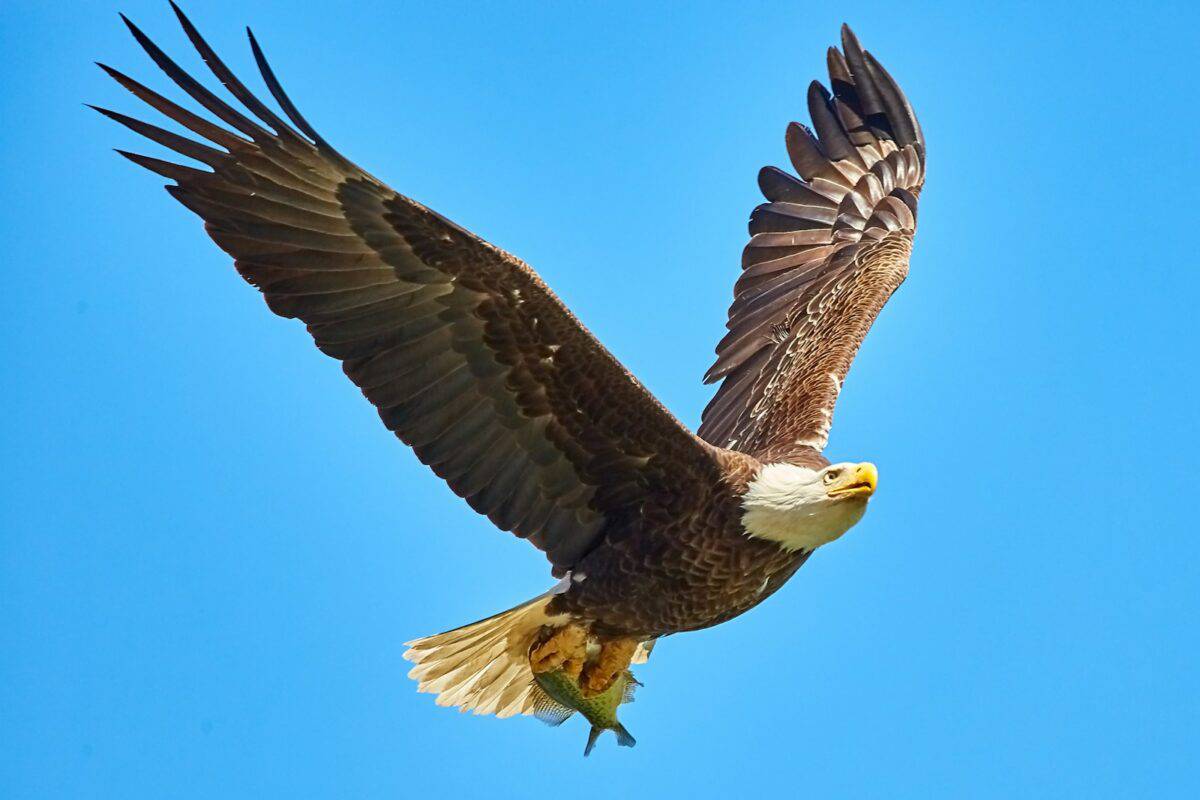
The dramatic cleanup of the Hudson River has triggered an equally dramatic return of bald eagles to New York State. From just one breeding pair in 1975, New York now supports over 426 nesting pairs, with concentrations along the restored Hudson River corridor. General Electric’s EPA-mandated dredging of PCB-contaminated sediments, completed in 2015 at a cost of $1.7 billion, was crucial to this recovery. The removal of approximately 2.75 million cubic yards of toxic river bottom has allowed fish populations to rebound, providing eagles with safe food sources after decades of contamination. The New York State Department of Environmental Conservation’s bald eagle restoration project (1976-1988) supplemented natural recovery by releasing 198 eaglets through hacking programs. Today, winter eagle watches along the Hudson have become popular tourist attractions, with sites like the Germantown Boat Launch regularly hosting dozens of eagles during winter months. Perhaps most remarkably, eagles have even established territories within New York City limits, with nesting pairs in Staten Island and the Bronx demonstrating the species’ ability to adapt to urban environments when waterways are protected.
Maine’s Coastal Resurgence From 21 to 734 Pairs

Maine’s rocky coastline and inland waterways have witnessed a bald eagle recovery that has exceeded all expectations. From a low of just 21 nesting pairs in 1967, Maine now supports over 734 breeding pairs, with eagles occupying territories in all 16 counties. The recovery is largely attributed to Maine’s early and aggressive stance on protecting eagle habitat through the state’s Essential Habitat designation program, which established protective buffer zones around all known eagle nests. The Maine Department of Inland Fisheries and Wildlife worked closely with private landowners, with over 90% voluntarily participating in nest site protection agreements. Winter feeding programs, established in the 1980s during the species’ most vulnerable period, helped boost survival rates during critical years. Particularly successful has been the recovery along Cobscook Bay and the Penobscot River, where comprehensive watershed protection efforts have created ideal eagle habitat. The removal of the Veazie and Great Works dams on the Penobscot in 2012-2013 has further enhanced the ecosystem, allowing anadromous fish populations to rebound and providing eagles with abundant food sources throughout the year.
Wisconsin’s Northwoods Recovery: A Community Effort

Wisconsin’s northwoods region demonstrates how community-led conservation can drive eagle recovery at the local level. From just 108 nesting pairs in 1973, Wisconsin now hosts more than 1,684 eagle territories statewide, with particularly dense populations in the northern lake districts. The Wisconsin Department of Natural Resources’ Adopt-an-Eagle Nest program, established in 1987, engaged citizens directly in conservation by allowing individuals, schools, and community groups to sponsor specific nest sites. Participants received updates on “their” eagles and contributed to monitoring efforts, creating a personal connection to conservation. The annual Bald Eagle Watching Days in Sauk Prairie has grown into one of the Midwest’s premier wildlife viewing events, drawing thousands of visitors each January to witness congregations of eagles feeding below the Prairie du Sac Dam. Economic impact studies show these eagle tourism initiatives now generate over $2.6 million annually for local economies, demonstrating conservation’s economic benefits. Wisconsin’s Natural Resources Foundation has permanently protected over 200 eagle territories through land acquisition and conservation easements, ensuring these sites remain suitable for generations of eagles to come.
Alaska’s Pristine Stronghold America’s Eagle Factory

While eagles declined dramatically in the lower 48 states, Alaska remained a stronghold for the species, hosting an estimated 30,000 bald eagles—roughly half of the North American population. The Chilkat Bald Eagle Preserve along the Chilkat River near Haines represents one of the most spectacular eagle habitats on earth, regularly hosting over 3,500 eagles during the late fall salmon runs. Established in 1982, this 48,000-acre preserve was one of the first protected areas specifically designated for bald eagle conservation. Alaska’s eagle populations have remained robust due to the state’s vast stretches of undeveloped habitat and pristine watersheds. The Alaska Department of Fish and Game’s comprehensive monitoring program, conducted through aerial surveys, has documented stable or increasing populations throughout the state’s coastal regions. Southeast Alaska’s Inside Passage, with its countless islands, protected bays, and abundant salmon runs, has been particularly important as a source population that has helped repopulate areas farther south. The protection of salmon spawning grounds through the Alaska National Interest Lands Conservation Act has been crucial to maintaining the ecological foundation that supports these dense eagle populations.
Missouri’s Ozark Mountains Heartland Haven

Missouri’s remarkable bald eagle recovery highlights how dedicated reintroduction efforts can restore a species to its historic range. The state had zero nesting pairs as recently as 1982, with eagles having been completely extirpated as breeding birds. Today, Missouri hosts more than 500 nesting pairs, with concentrations along the major river systems and man-made reservoirs in the Ozarks. The Missouri Department of Conservation’s reintroduction program, conducted between 1981 and 1990, released 74 young eagles across the state using hacking techniques. These efforts were supplemented by habitat protection initiatives that focused on preserving large shoreline trees and establishing seasonal closures around active nests. The annual Eagle Days events, established in 1978 at locations like Truman Reservoir and Table Rock Lake, have educated more than 1.2 million visitors about eagle conservation while building public support for ongoing protection efforts. Particularly successful has been the recovery at Fellows Lake near Springfield, where eagles have established 12 territories around the relatively small reservoir, demonstrating the effectiveness of intensive management techniques when applied consistently over decades.
Washington State’s Puget Sound: Pacific Northwest Renaissance

Washington State’s Puget Sound region exemplifies how ecosystem restoration can drive bald eagle recovery in a complex marine environment. From fewer than 105 breeding pairs in the 1980s, Washington now hosts over 1,800 eagle territories, with particularly dense concentrations around the sound’s productive waters. The Northwest Straits Marine Conservation Initiative, established in 1998, has been instrumental in restoring nearshore habitats and forage fish populations that eagles depend upon. The Skagit River Eagle Festival, celebrating one of the largest winter eagle congregations outside Alaska, has helped build community support while educating visitors about the connections between salmon conservation and eagle recovery. Protection of old-growth forests along shorelines has been particularly effective through Washington’s Shoreline Management Act, which established strict regulations for development near waterways. Scientific research conducted by the Puget Sound Ecosystem Monitoring Program has documented declining contaminant levels in eagle eggs and tissues, confirming the effectiveness of pollution control measures implemented throughout the watershed. The recovery has been so successful that eagles have established territories in urban areas, including Seattle’s Discovery Park and Tacoma’s Point Defiance, bringing wildlife conservation directly into the Pacific Northwest’s major population centers.
California’s Channel Islands Island Restoration Success
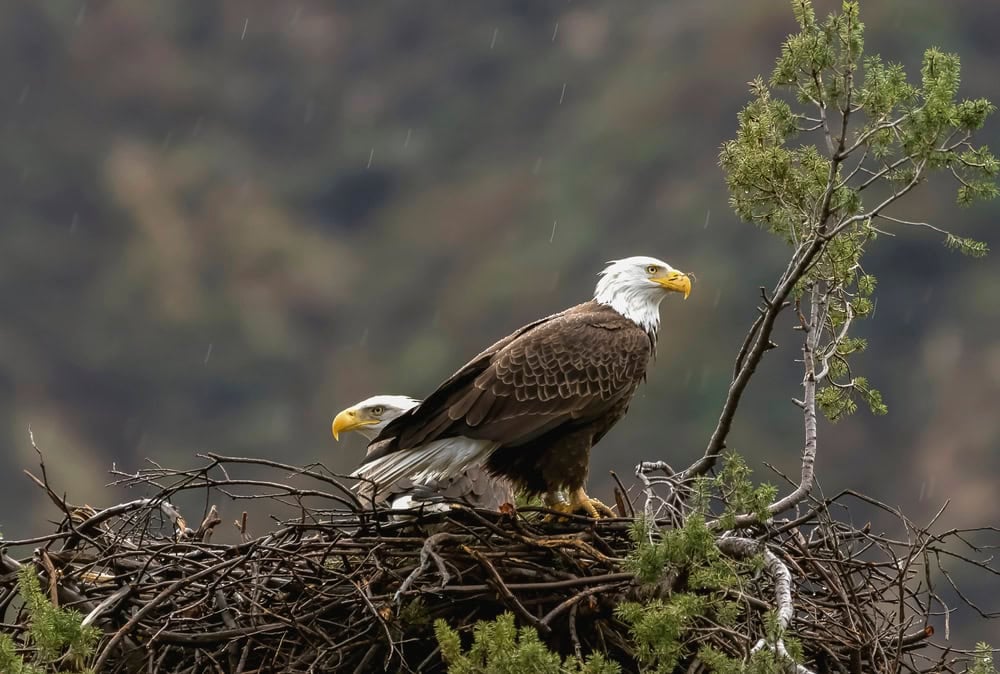
The restoration of bald eagles to California’s Channel Islands represents one of the most technically challenging and ultimately successful wildlife recovery efforts in American history. Bald eagles had been completely extirpated from the islands by the 1960s due to DDT contamination from the Montrose Chemical Corporation, which dumped millions of pounds of DDT into the ocean near Los Angeles. Beginning in 2002, the Institute for Wildlife Studies and the National Park Service embarked on an ambitious reintroduction program, releasing 61 eaglets on Santa Cruz Island through careful hacking techniques. Scientists overcame seemingly insurmountable challenges, including persistent DDT contamination that continued to thin eggshells decades after the chemical was banned. For years, biologists had to remove the first clutch of eggs from each nest for artificial incubation, returning the chicks after hatching. By 2014, natural reproduction had finally become self-sustaining across the archipelago. Today, more than 60 eagles inhabit the islands, occupying territories on five different islands within the Channel Islands National Park and Marine Sanctuary. The recovery has had cascading ecological benefits, as the eagles’ presence has helped control non-native prey species and restored natural ecosystem dynamics throughout the island chain.
Michigan’s Recovery From 86 to Over 800 Pairs

Michigan’s bald eagle recovery showcases how long-term monitoring and adaptive management can restore a species across diverse habitats. From just 86 nesting pairs in 1970, Michigan now supports more than 800 breeding pairs, with eagles occupying territories in every county of both peninsulas. The Michigan Department of Natural Resources’ eagle monitoring program, established in 1961, is one of the nation’s longest-running wildlife surveys, providing over 60 years of continuous data that has guided protection efforts. Particularly successful has been the recovery along the Au Sable River system, a designated National Wild and Scenic River, where eagle density has reached one pair per two miles of river in some stretches. The collaboration between federal agencies, state wildlife managers, and private forest products companies has been essential, with habitat conservation plans protecting thousands of acres of nesting and foraging habitat on commercial timberlands. Michigan Technological University’s long-term research on Isle Royale has documented how eagle populations respond to changing prey availability in this isolated national park, providing valuable insights for managers throughout the Great Lakes region. The Kensington Metropark eaglets, hatched in 2018, marked the first successful nest in Oakland County in over a century, symbolizing the species’ return to southeast Michigan’s heavily populated areas.
Texas Gulf Coast Southern Frontier Revitalized

The Texas Gulf Coast represents the southern frontier of the bald eagle’s remarkable recovery, with populations expanding in a region once considered marginal habitat. From fewer than 5 known nests in the 1970s, Texas now supports more than 300 breeding pairs, with concentrations in the eastern portion of the state and along major reservoirs. The Texas Parks and Wildlife Department’s Nongame and Rare Species Program has been instrumental in this recovery, working with private landowners through the Landowner Incentive Program to protect nest sites on private property, which accounts for more than 95% of land in Texas. Particularly successful has been the recovery at Falcon Reservoir along the Rio Grande, where more than 40 pairs now nest, creating one of the densest eagle populations in the southwestern United States. Winter surveys at Lake Buchanan and other Highland Lakes have documented increasing numbers of migratory eagles from northern states, with some areas hosting more than 100 birds during peak season. The recovery has been achieved despite challenges from development pressure, demonstrating how flexible conservation approaches that engage private landowners can succeed even in rapidly growing regions with limited public lands.
Ohio River Valley’s Industrial Comeback

The Ohio River Valley demonstrates how bald eagles can recover even in heavily industrialized regions when water quality improves. From complete extirpation as a breeding species by the 1970s, Ohio now hosts more than 707 nesting pairs, with eagles occupying territories along the Lake Erie shoreline and major river systems. The Ohio Department of Natural Resources’ reintroduction program, conducted from 1979 to 1992, released 61 eaglets from towers in remote marsh areas. These efforts were supported by the Ohio EPA’s aggressive implementation of Clean Water Act provisions, which dramatically improved water quality throughout the state’s watersheds. Particularly remarkable has been the recovery in the previously heavily polluted Cuyahoga River watershed, where the infamous 1969 fire symbolized the nation’s water pollution crisis. Today, eagles nest along this restored river, with successful territories even within the Cleveland metropolitan area. The Pymatuning Reservoir on the Pennsylvania border hosts one of the densest eagle populations in the region, with more than 30 nests around this productive fishing lake. Ohio’s recovery demonstrates how comprehensive environmental legislation.
Conclusion:

The resurgence of the bald eagle is a testament to what focused conservation, strong environmental laws, and public commitment can achieve. From coast to coast, the stories featured in this article reveal more than just the return of a single species—they showcase a broader revival of America’s natural heritage. Once pushed to the brink by pollution, habitat destruction, and human indifference, bald eagles now soar above restored rivers, reclaimed wetlands, and rehabilitated coastlines, serving as living symbols of resilience and ecological renewal. Each successful comeback—whether in the deserts of Arizona, the islands of California, or the lakes of Minnesota—reminds us that recovery is possible when science, policy, and community unite. As we look to the future, the bald eagle’s recovery inspires continued vigilance and investment in protecting the wild places that make such triumphs possible—not just for eagles, but for all life that shares our skies, waters, and landscapes.

As a little kid, I fell in love with nature, wildlife, and animals. Living in the USA, South Africa, Italy, China and Germany gave me the opportunity to discover the world's Wildlife. My favorite animals are Mountain Gorillas, Siberian Tigers, and Great White Sharks.
I'm a certified PADI Open Water Diver, went to Everest Base Camp and Trekked Gorillas in Uganda. I hold a Master of Science in Economics and Finance.
Please send any feedback to feedback@animalsaroundtheglobe.com
- 13 Cat Breeds That Get Along with Dogs - July 20, 2026
- The 12 Largest Dog Breeds That Still Love to Cuddle - July 20, 2026
- 12 Pet Habits That Secretly Mean They Love You - July 20, 2026