

Most people walk past them every single day without a second thought. That small brown bird perched on your garden fence, hopping along the pavement outside a coffee shop, or chirping from the eave above your front door has been sharing human spaces for thousands of years. It’s so ordinary, so familiar, that we’ve stopped seeing it.
The house sparrow is arguably the most overlooked bird on the planet. Yet behind that common, unremarkable exterior lies a creature with a strikingly complex social life, ancient evolutionary ties to our own civilizations, and behaviors that scientists are still working to fully understand. There’s a lot more happening in your garden than you might think.
#1. They’ve Been Living With Humans Since the Stone Age
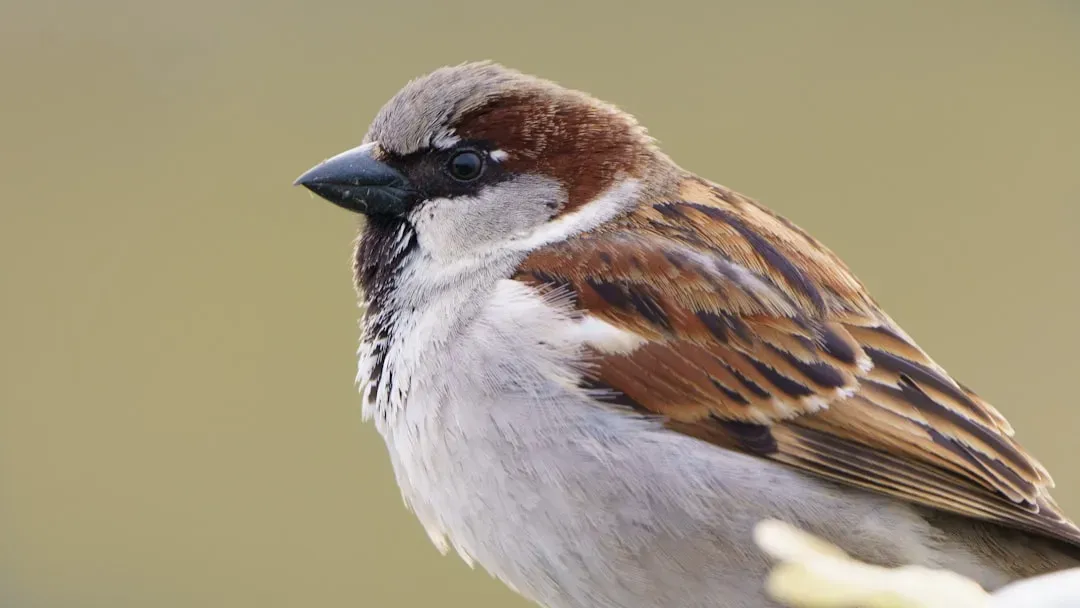
Sparrows and humans didn’t just end up in the same neighborhoods by accident. The house sparrow, known scientifically as Passer domesticus, formed a close relationship with human environments, shaped by human activity over thousands of years. This isn’t a recent development or a quirk of modern cities.
House sparrows have lived beside humans since the Stone Age. Their entire evolutionary trajectory has been intertwined with ours. These small birds have undergone significant evolutionary adaptations that allow them to coexist with human populations on every continent except Antarctica. In a very real sense, they are a domesticated species that never needed a cage.
#2. The Male’s Black Bib Is Basically a Social Resume
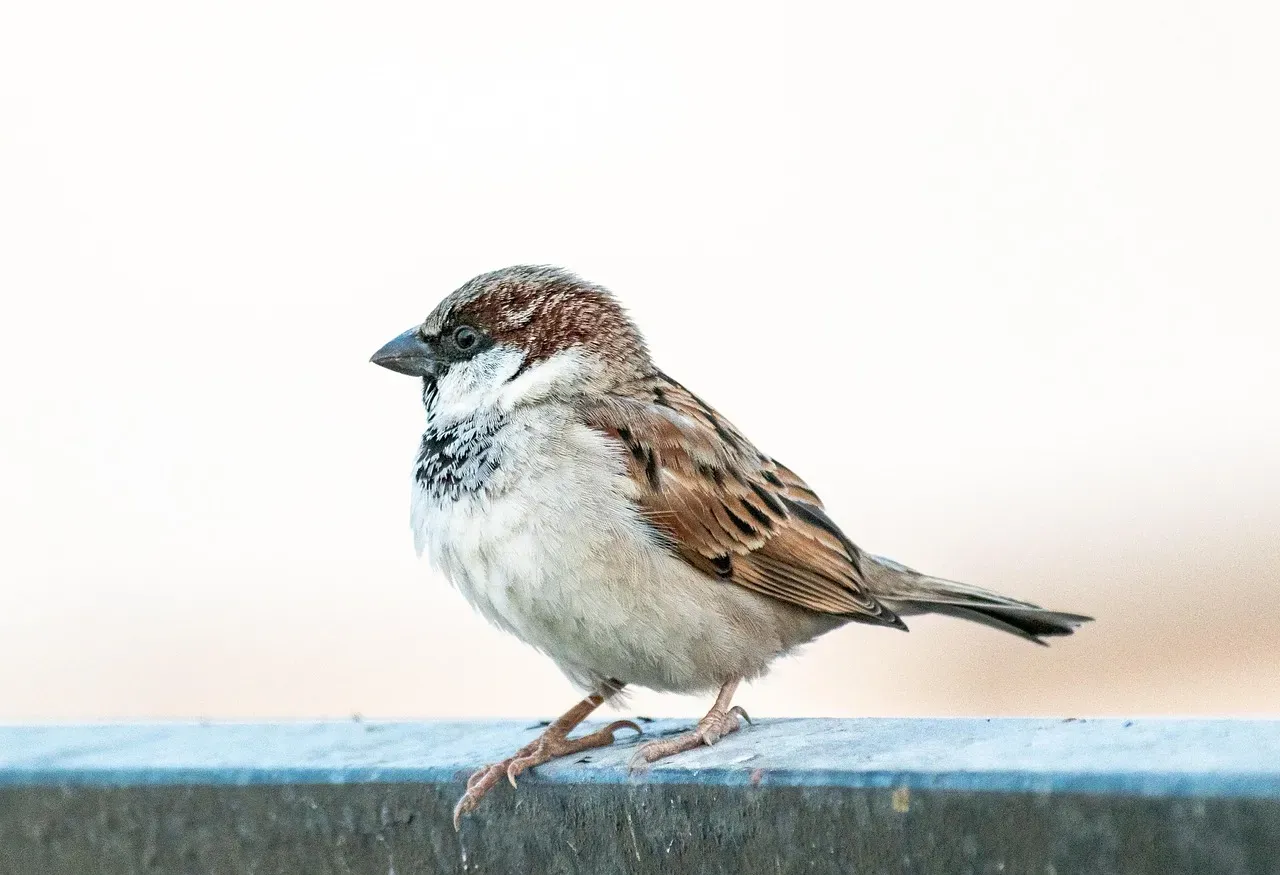
That patch of black feathers on a male sparrow’s throat isn’t just decorative. The black throat patch on a male house sparrow is a status signal that carries information about the male’s age, dominance rank, and competitive ability, readable by every other sparrow in the flock without a single fight being necessary.
Bib size increases reliably with age, and large-badged males initiate a higher proportion of their fights and win more of them. The system functions as a visual shortcut that reduces the energetic cost of constant physical confrontation. Essentially, sparrows have developed a way to communicate power without having to prove it every five minutes. It’s remarkably efficient social engineering for a bird that fits in the palm of your hand.
#3. They Prefer Man-Made Structures Over Natural Ones
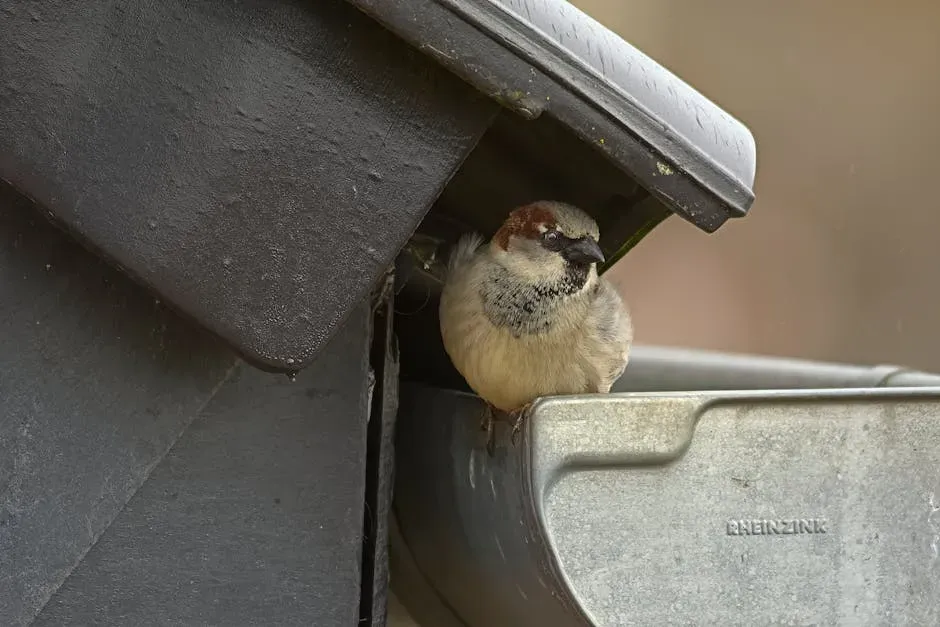
The house sparrow prefers to nest in manmade structures such as eaves or walls of buildings, street lights, and nest boxes instead of in natural nest sites such as holes in trees. This preference is so strong that natural cavities are almost a last resort. Look up the next time you walk past a traffic light or an outdoor sign.
From spring to fall, house sparrows build nests near where you live, go to school, or work. They seem to prefer nesting in or near man-made buildings or areas, and their nests are easy to spot at almost any shopping center. They frequently make their nests in the outdoor signs, to the chagrin of retailers and customers alike. It’s a small but telling reminder of just how comfortable these birds have become in our constructed world.
#4. Their Nests Are Reused, Renovated, and Lived In Year-Round
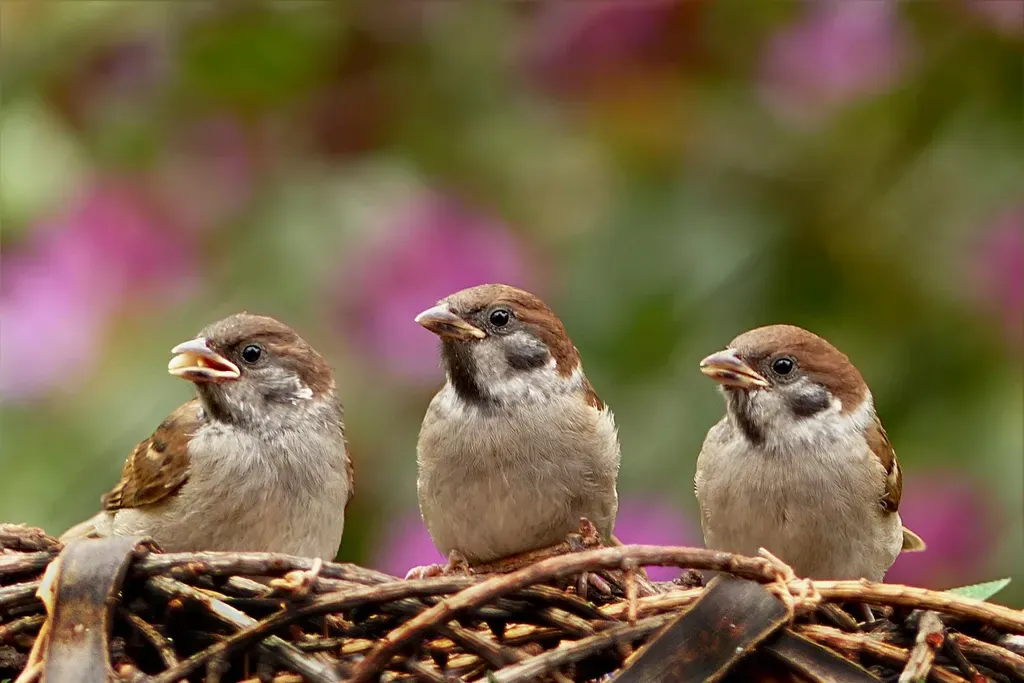
House sparrow nests are made of coarse dried vegetation, often stuffed into the hole until it’s nearly filled. The birds then use finer material, including feathers, string, and paper, for the lining. It’s a methodical build, part structural frame and part cozy interior finish.
What makes this even more interesting is that they don’t abandon the nest at the end of breeding season. The sparrow nest is used nearly year-round. In spring and summer it’s used for raising young, with up to four broods raised in a season. In fall and winter, it may be used for resting during the day and roosting at night. House sparrows often reuse their nests, which means the eave above your window might be hosting the same family, generation after generation.
#5. They Hop Instead of Walk, and It Actually Means Something
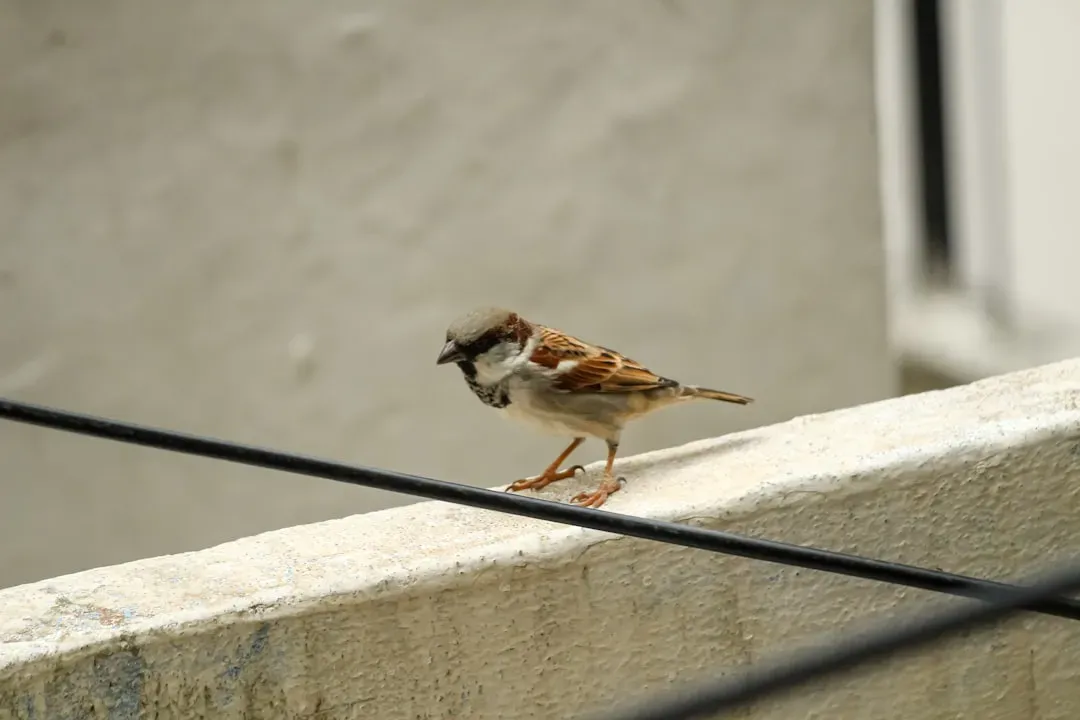
One distinctive characteristic of these chunky little sparrows is that they hop, rather than walk, when they are on the ground. It’s one of those small details that most people never consciously register, but once you notice it, you’ll see it everywhere. It also helps distinguish them from other common birds that stride or strut.
From living in such close company, house sparrows have developed many ways of indicating dominance and submission. Nervous birds flick their tails. Aggravated birds crouch with the body horizontal, shove their head forward, and partially spread and roll forward their wings. Their body language, once you learn to read it, is surprisingly expressive. A sparrow at the feeder is never just eating.
#6. Dust Bathing Is a Serious Hygiene Ritual
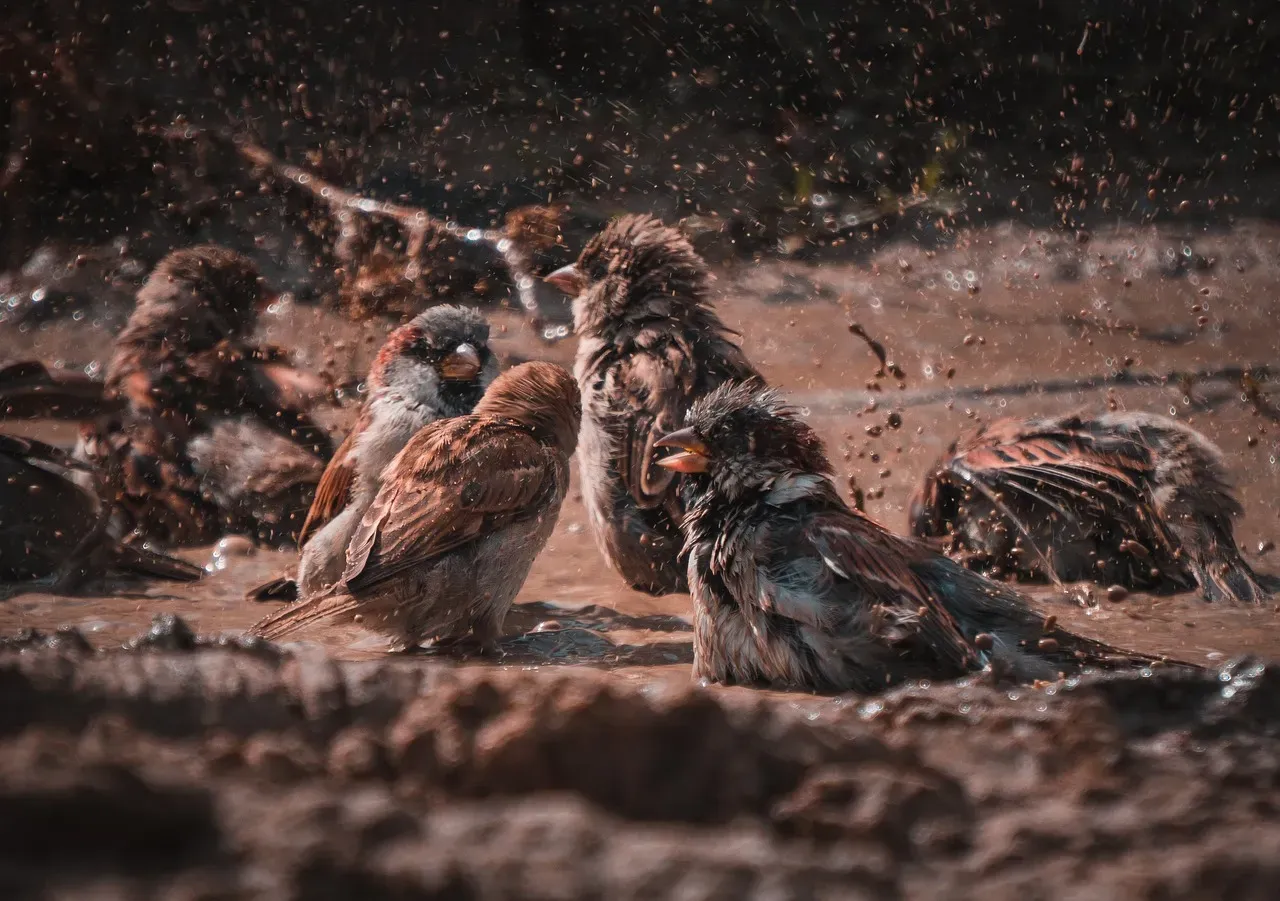
It’s very common to see these birds dust bathing. To dust bathe, the house sparrow hollows out a small divot in the dirt, lays down with open wings, and wiggles around in the dirt. This behavior may be an effort to help remove parasites. It looks almost absurd from a distance, like a tiny creature throwing a personal tantrum in the soil.
The house sparrow takes frequent dust baths, throwing soil and dust over its body feathers just as if it were bathing with water. In doing so, a sparrow may make a small depression in the ground, and sometimes defends this spot against other sparrows. The fact that they’ll actually guard a patch of dirt tells you something about how seriously they take this ritual.
#7. They Form Deep, Long-Term Social Bonds
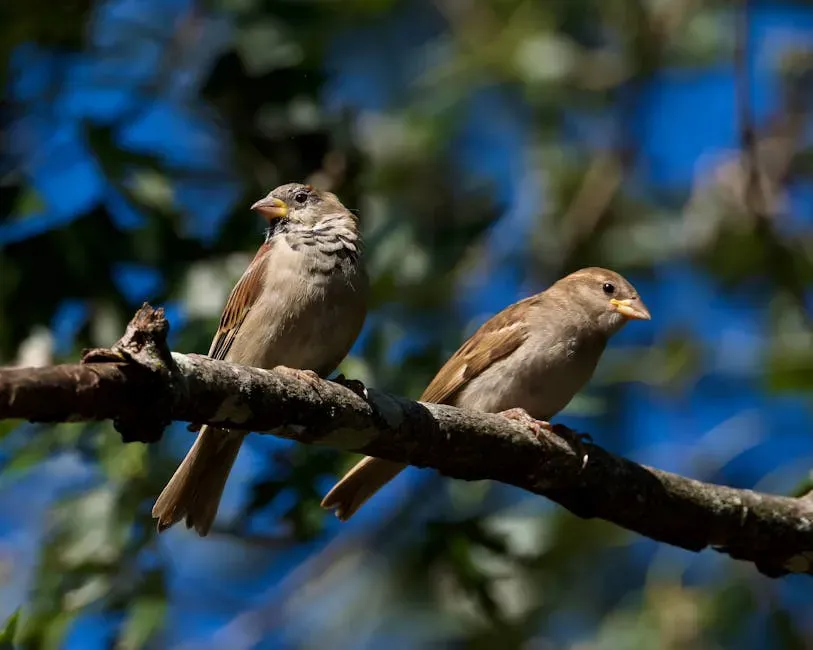
House sparrows mate for life, and they are fairly unusual in that the male and female live in each other’s pockets all year round. This model of stability is echoed in their wider social life. Each pair lives within a loose colony of around 10 to 20 birds, and all of the pairs and unattached members of the colony know each other well and undertake many of life’s chores, including foraging, preening, dust-bathing, and roosting, together.
They live in colonies of up to 40 birds, and once they have been accepted by a colony and claim a nest site, which they return to each year, they are set for life. The sparrow will remain in that colony and will never be banished. Stability, loyalty, and community. For a bird so often dismissed as ordinary, that’s a quietly remarkable way to live.
#8. The Male’s Courtship Dance Is Surprisingly Theatrical
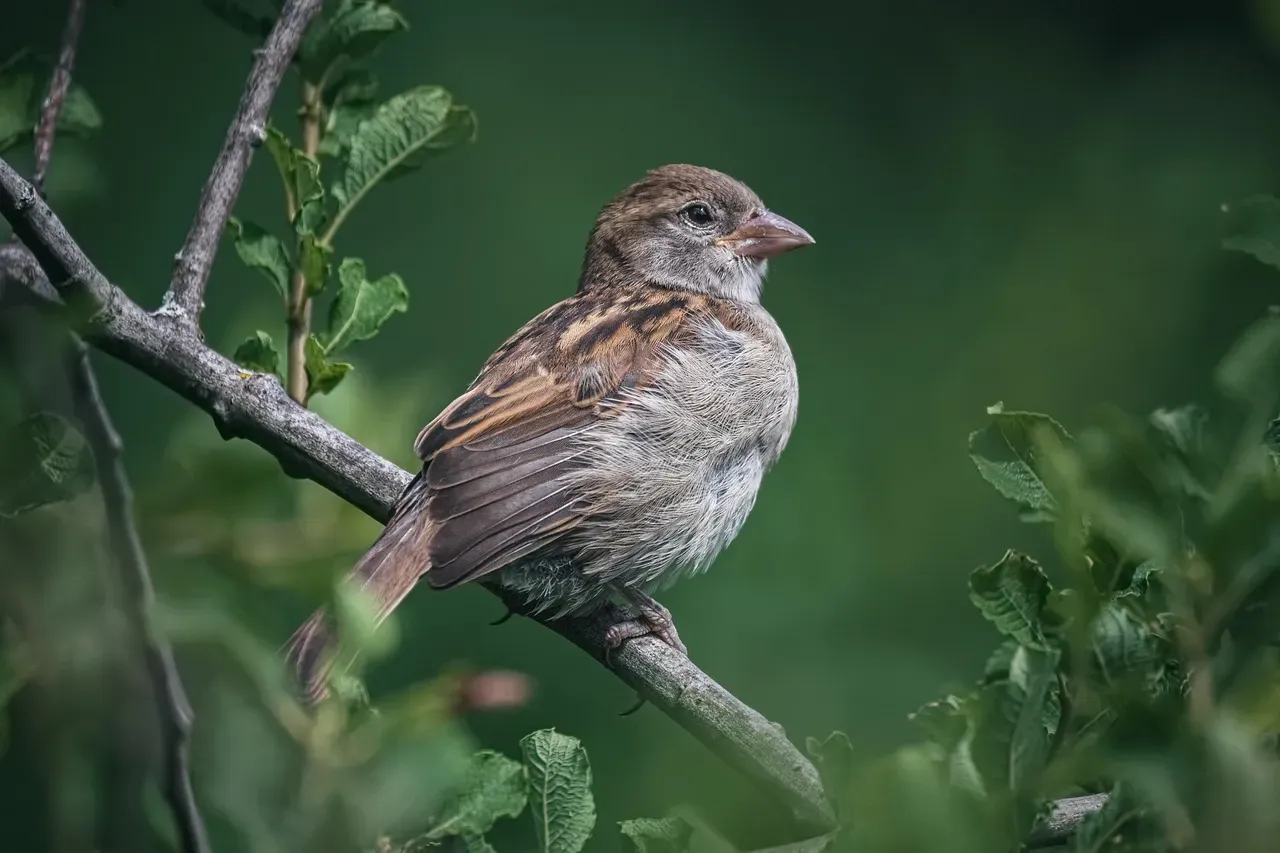
House sparrows use a variety of behaviors and displays to attract a mate, including a rather comical-looking dance where a male hops around his chosen female, flicking his wings and tail. It is not uncommon to see a whole gang of males join in these enthusiastic displays. It has all the energy of a competition that no one asked for.
A male sparrow may also sing close to his chosen nest site to draw a mate in. Occasionally he will do so with a beak full of nesting material, to demonstrate his abilities as a provider and therefore his suitability as a partner. Bringing building materials to impress someone is, honestly, a fairly logical strategy. The courtship process can begin as early as January and stretch well into summer.
#9. They’re Smarter Than They Look
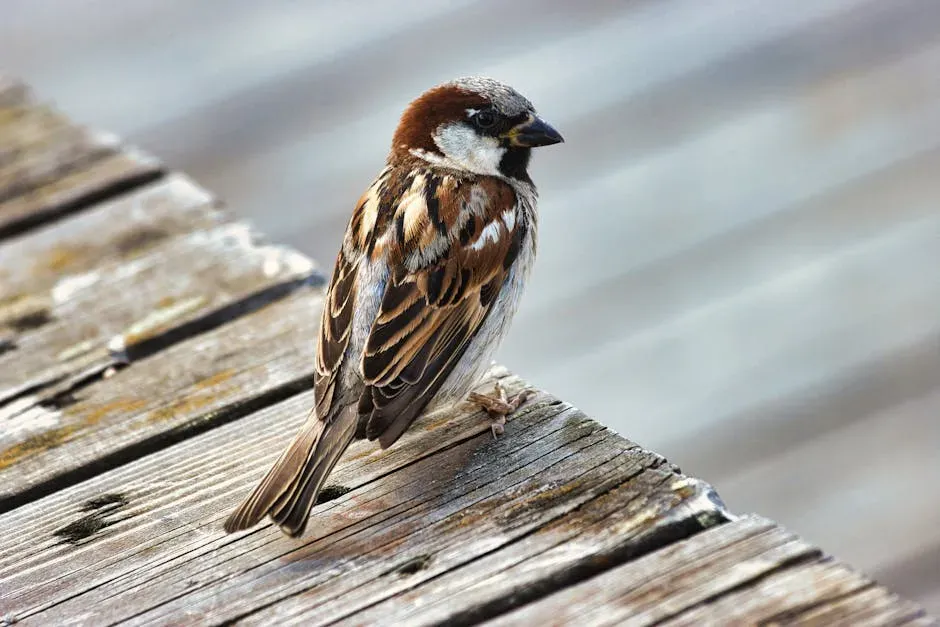
In a study published in the journal Animal Behavior, researchers found that sparrows could quickly learn how to open a puzzle box to get a food reward. Problem-solving at that level doesn’t usually come to mind when you think of a bird scraping crumbs off a café table.
House sparrows use memory and problem-solving skills when searching for food. They will return repeatedly to places where they have found abundant sources of food in the past and will even learn how to open certain types of containers or packaging if it means getting access to tasty treats. Their intelligence is practical rather than showy, shaped entirely by survival. Young sparrows actually learn their songs from older birds, much like human children learn language.
#10. Their Populations Are Quietly Collapsing in Many Cities
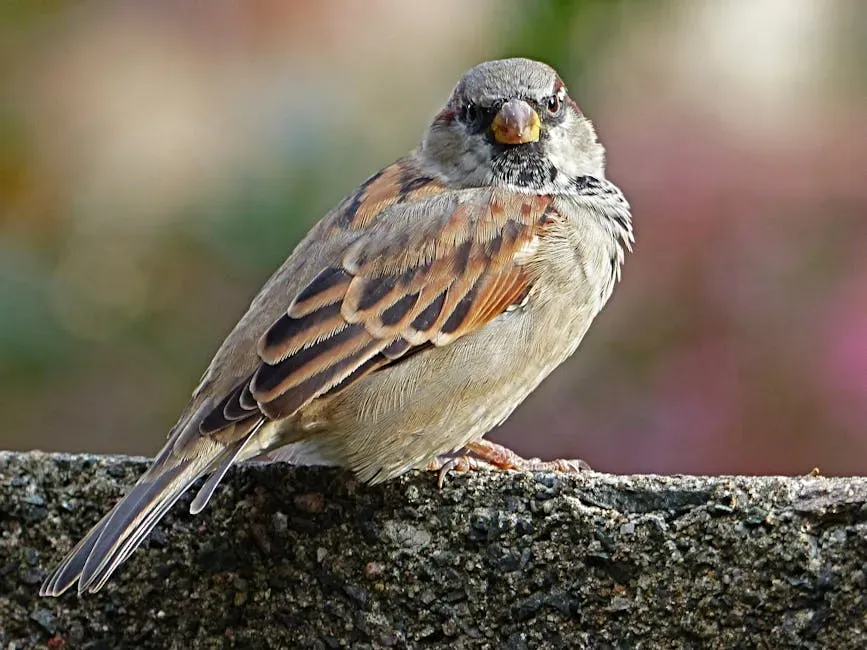
For a bird that seems to be everywhere, the numbers tell a very different story. House sparrow populations have declined by about 3% per year, resulting in a cumulative decline of nearly 80% between 1966 and 2019, according to the North American Breeding Bird Survey. That’s a staggering loss, happening almost invisibly.
England’s house sparrow population fell by 70% between 1977 and 2016. House sparrows have declined in gardens, and although reasons behind this decline are not fully known, the availability of food and nest sites in urban areas is thought to be a significant contributing factor. The bird that has lived alongside us for millennia is struggling to keep up with the pace of our modern cities.
#11. They Were Deliberately Introduced to North America
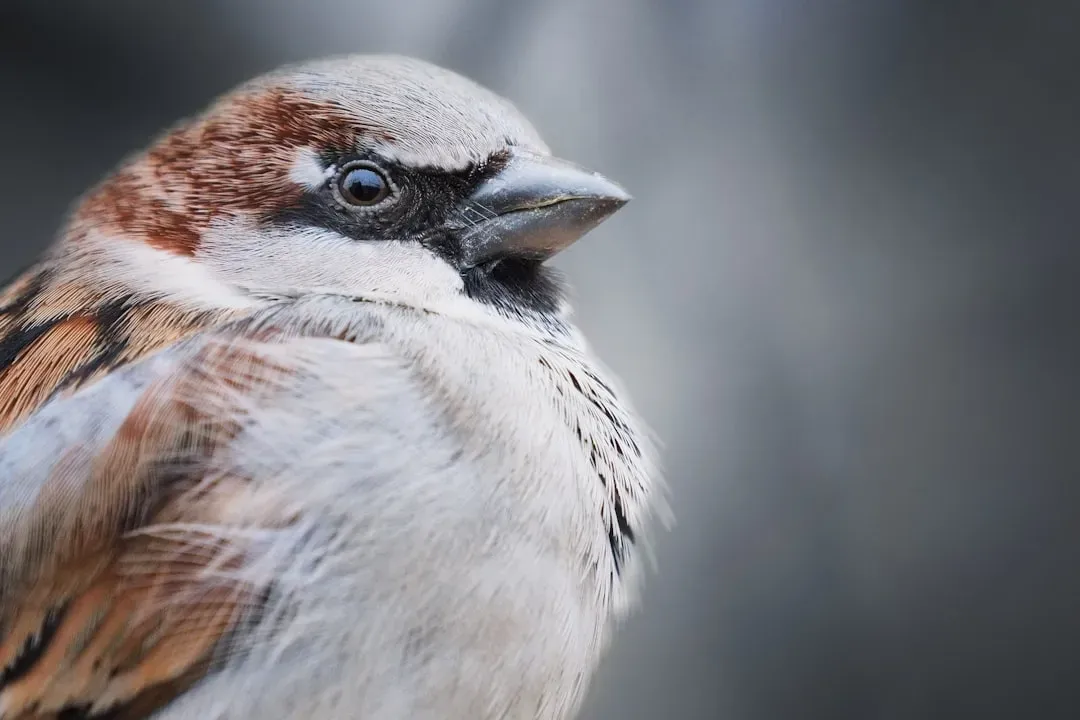
If you’re in North America, the sparrows outside your window aren’t native. The house sparrow was introduced into Brooklyn, New York, in 1851. By 1900, it had spread to the Rocky Mountains. Two more introductions in the early 1870s, in San Francisco and Salt Lake City, aided the bird’s spread throughout the West. What started as a deliberate release became one of the most successful animal colonizations in recorded history.
House sparrows are now common across all of North America except Alaska and far northern Canada. This makes them the most widely distributed bird in the world. There’s something almost poetic about a bird shipped across an ocean in a wooden box now being the most familiar creature in a continent’s backyards.
#12. They Are One of the Most Studied Birds on the Planet
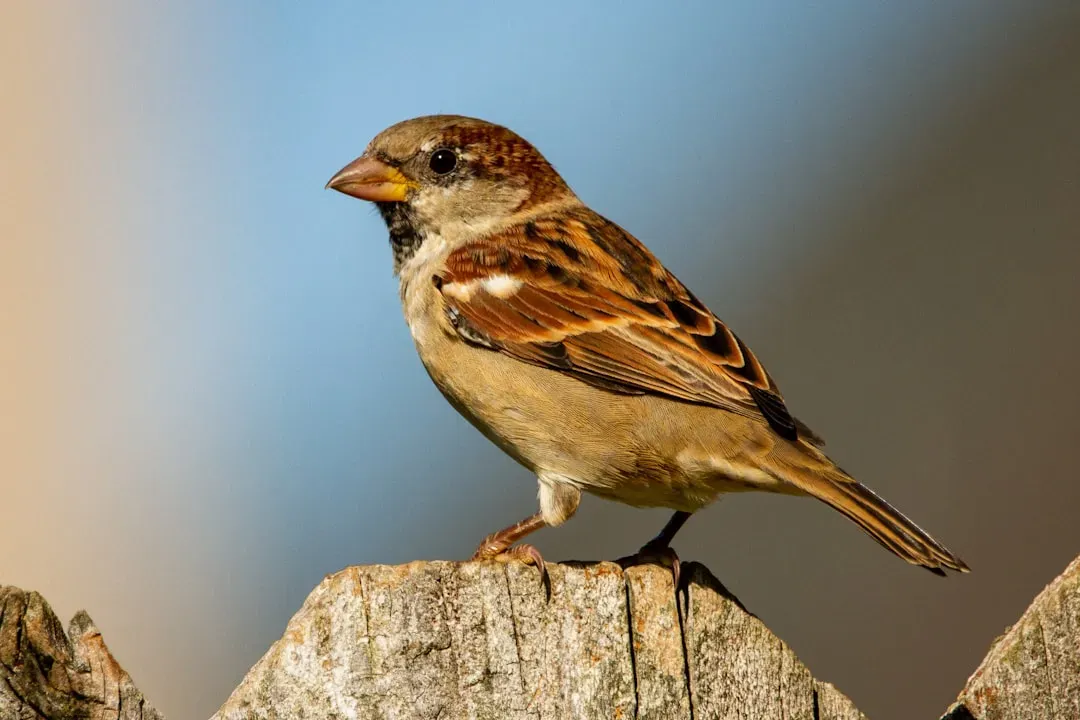
Due to its abundance, ease of raising, and general lack of fear toward humans, the house sparrow has proved to be an excellent model organism for many avian biological studies. To date, there have been almost 5,000 scientific papers published with the house sparrow as the study species. That puts it in genuinely rare company among wild animals.
The house sparrow has been used to study urbanization ecology, sexual selection, immune function, stress physiology, population genetics, and the evolutionary consequences of domestication, often serving as the pioneer species for questions that were later extended to other taxa. The bird that you barely notice on your morning commute has, in a quiet and persistent way, helped scientists understand how life adapts, endures, and sometimes falters in a world shaped by humans.
Conclusion
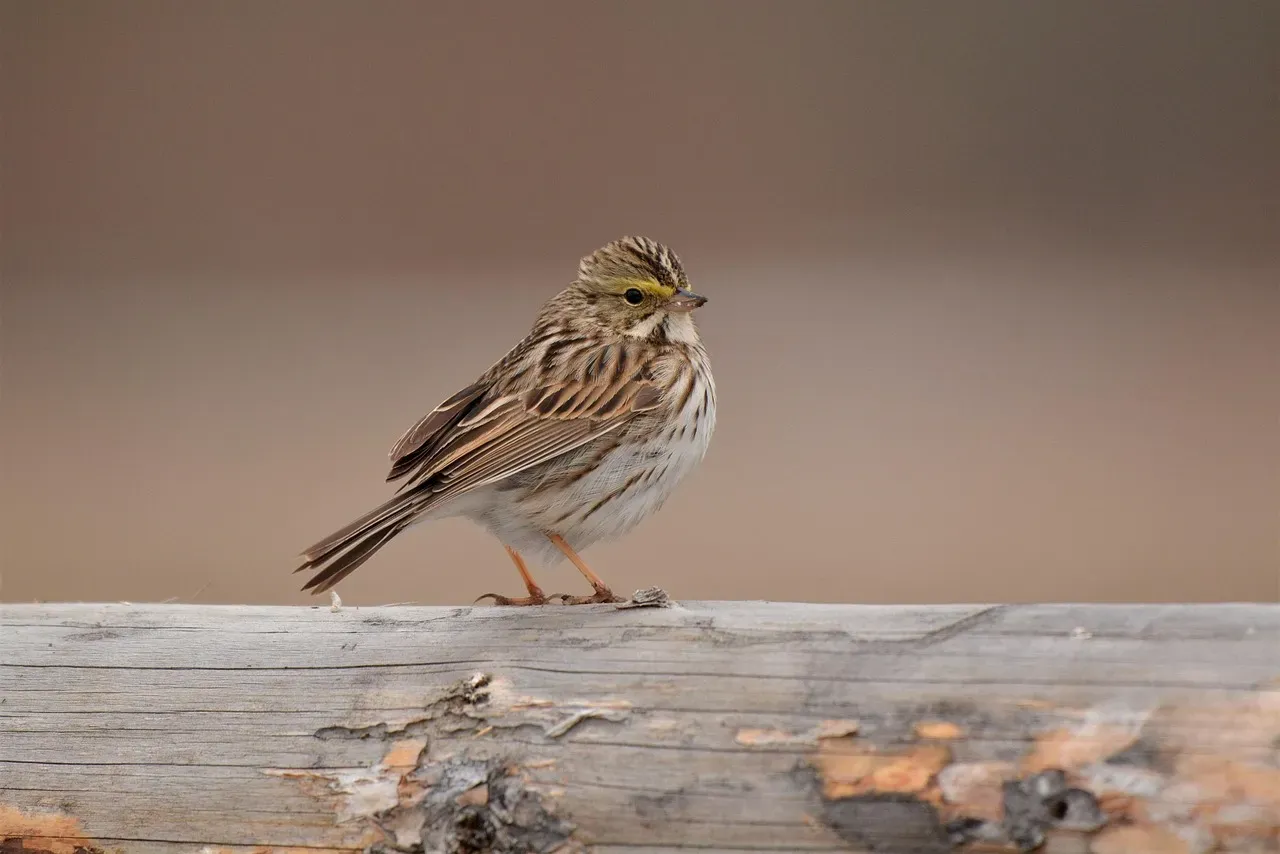
Sparrows have a gift for invisibility, not because they hide, but because we’ve decided they’re not worth looking at. That assumption turns out to be wrong in almost every direction. From their intricate social hierarchies to their ancient bond with human civilization, these birds carry a depth of story that most of us walk past daily without ever registering.
The next time a sparrow lands a few feet from you and tilts its head, consider what you’re actually looking at. A creature shaped by thousands of years of human proximity, navigating a world of social politics, pair bonds, and hard-won survival skills. Paying attention, even briefly, changes the encounter entirely.

- 6 Exotic Bird Species You Can Spot in U.S. National Parks - July 19, 2026
- 11 Iconic American Birds Facing New Challenges and How You Can Help - July 19, 2026
- 10 Friendliest Animals in the World - July 19, 2026