

Every second you’re alive, trillions of cells are doing quiet, tireless work. They pump ions, build proteins, repair damage, and run chemical reactions so fast and so small that no instrument can fully keep up. Then the heart stops. Breathing ceases. The question most people never think to ask is: what happens next, at the cellular level, in the minutes, hours, and days that follow?
It turns out death is far less of a sudden off-switch than science once assumed. The cellular story that unfolds after the body dies is stranger, more elaborate, and honestly more humbling than most of us imagine.
#1: The First Minutes – Cells Run Out of Power
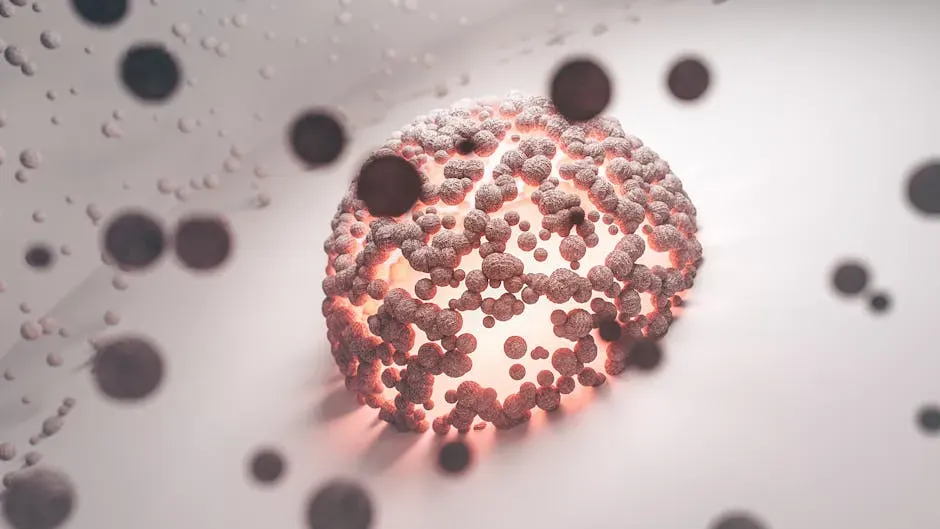
The very first thing that happens after death is an energy crisis inside every cell in your body. Blood normally carries oxygen and glucose to cells and transports waste products and carbon dioxide out. When the heart stops pumping blood, cells are no longer receiving the oxygen they need to break down sugar into a usable energy source. Without that supply line, the chemistry that keeps cells functioning simply begins to fail.
As best as anyone can gauge, cell metabolism likely continues for roughly four to ten minutes after death, depending on the ambient temperature around the body. That window is surprisingly brief. The energy depletion causes the immediate failure of active transport systems, most notably the sodium-potassium pumps embedded in the cell membrane. These pumps require constant energy to maintain the correct balance of electrolytes. As the pumps stall, sodium rushes inward, drawing water with it, causing the cell to swell and lose structural integrity.
Deprived of oxygen, a cascade of cellular death commences, beginning with brain cells and finishing with skin cells. Death is therefore a process, rather than an event. That distinction matters enormously, both for science and for how we understand the transition from living to non-living.
#2: Autolysis – the Body Begins to Digest Itself
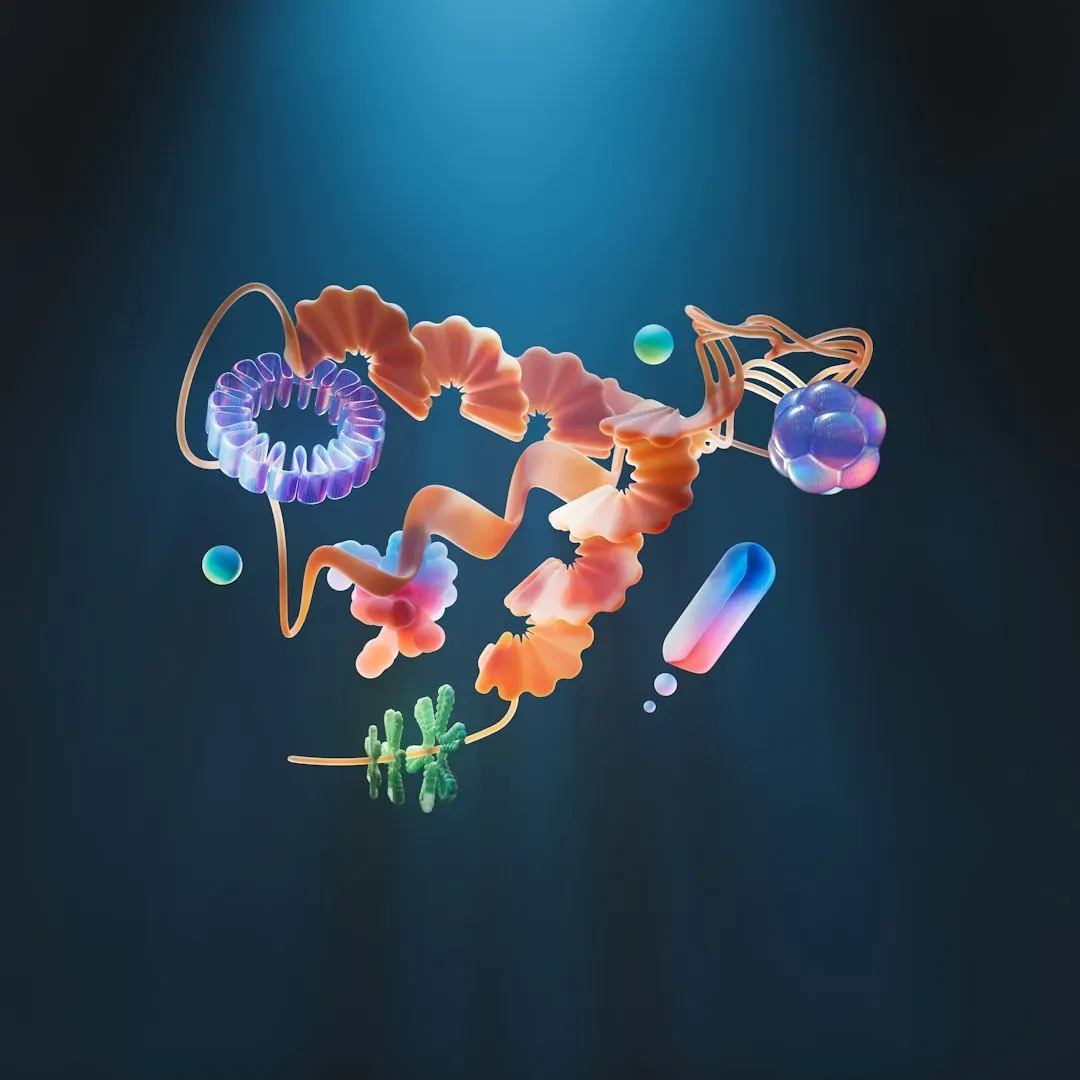
Cell respiration creates carbon dioxide that is not transported out of the cell, which lowers the pH of the cell, resulting in an acidic intracellular environment. This acidic environment causes intracellular membranes to rupture, including those around the cell’s lysosome, which contains enzymes for digesting everything from proteins to fats and nucleic acids. Once those membranes give way, the contents pour out into the cell itself.
A small sac filled with dozens of enzymes that thrive in an acidic environment, the lysosome is the stomach of the cell, and each cell has hundreds of them. When its membrane gets breached after death, its enzymes are free to roam around and start breaking down every part of the cell, digesting it from the inside out. This important component of decomposition is known as autolysis, and it can be particularly swift in organs that are rich in lysosomes, like the pancreas, stomach, and liver.
These enzymes are released due to the cessation of active processes in the cell. Though autolysis resembles the active process of digestion of nutrients by live cells, the dead cells are not actively digesting themselves – the process is not driven by intent, but by the passive collapse of the systems that once held everything in check. Autolysis occurs due to leakage of hydrolytic cellular enzymes from cells after death, and the changes that occur in this process are mainly on a microscopic rather than a macroscopic level.
#3: Rigor Mortis – When Muscles Lock In Place

Rigor mortis results from a decrease in levels of adenosine triphosphate (ATP) beyond critical levels. When a person dies, calcium ions flood muscle fibers due to the loss of integrity of the muscle cells, and these ions cause the binding of actin and myosin filaments, causing contraction. That molecular handshake between proteins, without the energy to break it, is what makes a body go rigid.
After a body has died, the chemical reaction producing energy molecules is unable to proceed because of a lack of oxygen. The cells no longer have the energy to pump calcium out, so the calcium concentration rises, forcing the muscles to remain in a contracted state. This state of muscle stiffening is known as rigor mortis and it remains until the muscle proteins start to decompose.
Immediately after death, muscles undergo primary relaxation, followed by the stiffening known as rigor mortis. With the onset of putrefaction, rigor mortis passes off and secondary relaxation occurs. Secondary relaxation occurs at around 36 hours after death due to the breakdown of the contracted muscles due to decomposition. The body loosens again, not because it has healed, but because the very proteins holding the contraction have broken down entirely.
#4: Putrefaction – the Microbiome Takes Over
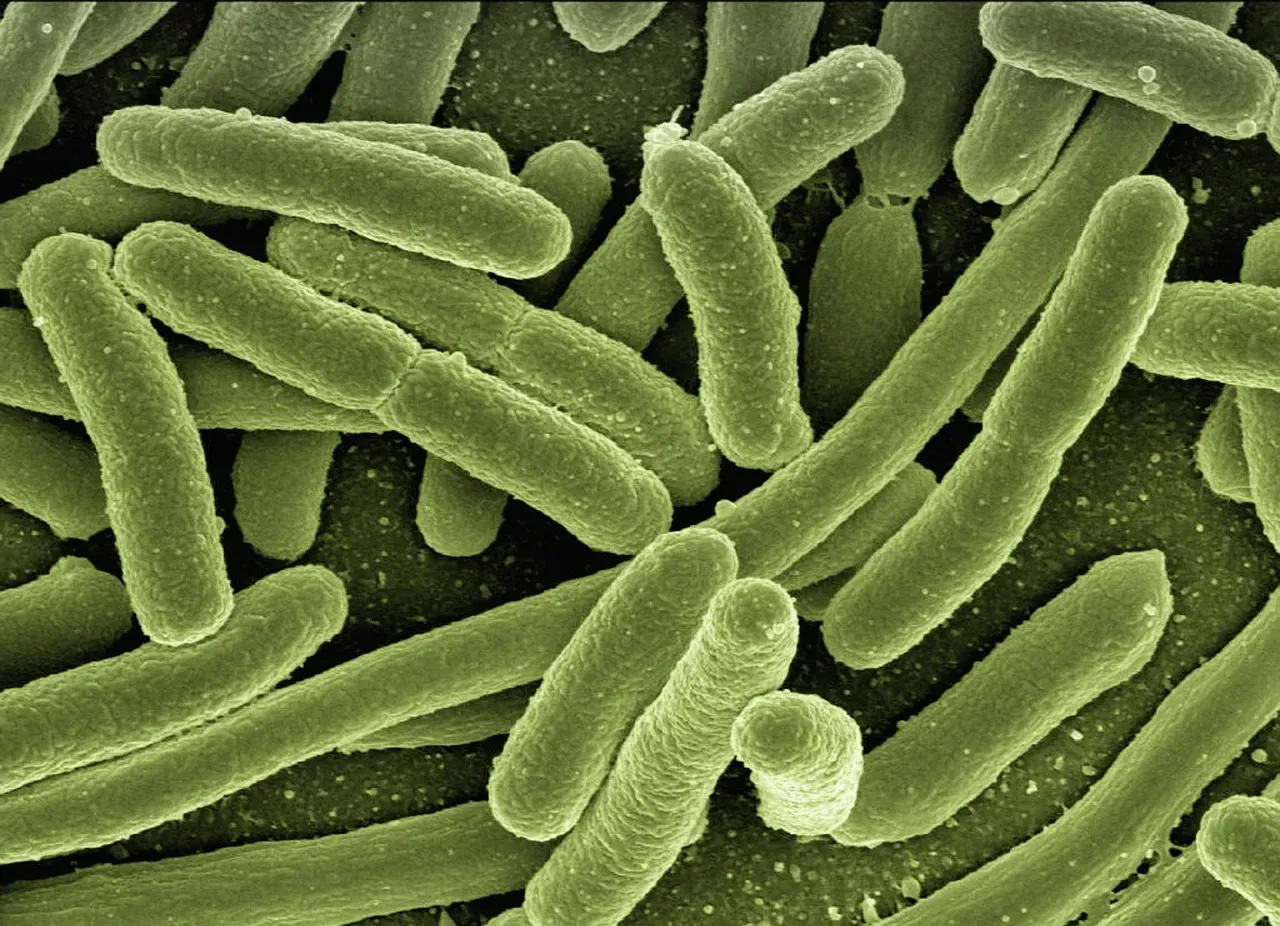
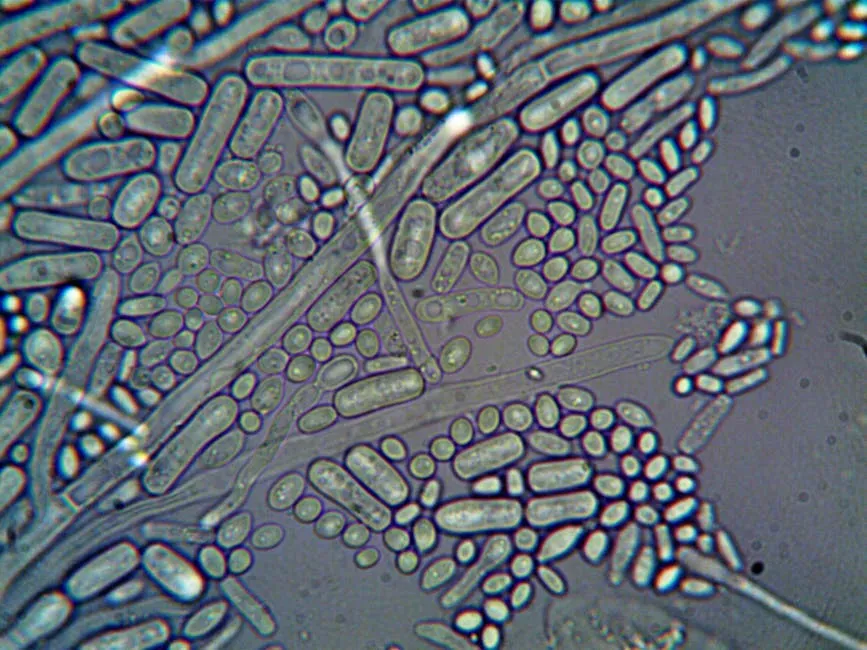
The final stage of tissue destruction, known as putrefaction, is primarily driven by the body’s resident microbial population. This process begins after internal autolysis has softened the tissues. The human body, particularly the gastrointestinal tract, hosts a vast community of bacteria known as the microbiome. In life, this community is kept tightly in check. In death, it becomes the dominant force at work.
When the immune system stops functioning after death, bacteria begin to feast on the products of autolysis, and, unopposed, they start to move around in a process known as putrefaction. As they feed on our tissues, these bacteria expel gases like methane and ammonia that create the bloating frequently seen in the abdomen after death. Over the course of hours, bacteria spread to the spleen, liver, heart, and brain.
Putrefaction is primarily facilitated by anaerobic bacteria such as Clostridium and Proteus species, which proliferate from the gut into the bloodstream and tissues following the disruption of homeostasis after death. Some of the factors that influence the speed of putrefaction include atmospheric temperature and humidity level, the movement of air, the state of hydration of the tissues, the nutritional state of the body before death, the age of the deceased, and the cause of death.
#5: The Thanatotranscriptome – Genes That Keep Firing After Death
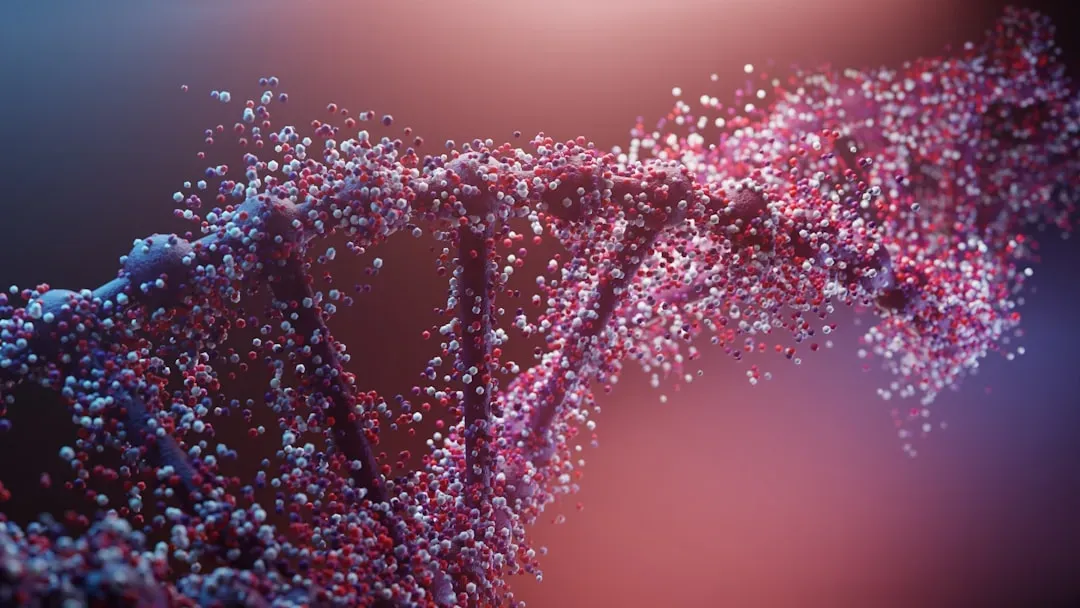
Perhaps the most surprising discovery of recent cellular biology is that death does not immediately silence the genome. Researchers at the University of Washington have demonstrated that gene expression is not abruptly switched off immediately after death and can, in fact, be observed 48 to 96 hours after a living organism has been declared dead. That finding challenged a foundational assumption in biology.
A team of researchers tracked the activity of more than 1,000 genes in tissue from recently deceased mice and zebrafish for up to two and four days postmortem, respectively. Rather than tapering off, the activity of hundreds of genes actually increased. These “undead” genes were involved in functions including stress, immune response, and inflammation. The body, at a molecular level, appears to be running something like a last-resort response protocol.
After death, two clearly differentiated groups of up- and down-regulated genes can be detected. Pathway analysis suggests active processes that promote cell survival and DNA damage repair, rather than passive degradation, are the source of early postmortem changes in gene expression. Genes involved in embryonic development, epigenetic regulation, and cancer are also of particular interest, as their expression seems to peak about 24 to 48 hours after death.
Conclusion: Death Is a Process, Not a Moment
What cellular biology has made increasingly clear is that death is not a wall you hit but a threshold you cross gradually. Cells lose power, membranes break, enzymes scatter, bacteria advance, and yet certain genes continue firing long after any heartbeat. Death is the irremediable state of cellular damage that ensues following the cessation of cardiac, brain, and respiration functions, and it is the completion of a biological trajectory that commences at conception and culminates with termination of all bodily functions.
Understanding this sequence has real implications beyond the philosophical. It is important to understand what happens to organs after a person dies, especially if those organs are going to be transplanted. Detailing mRNA transcript abundance and gene expression patterns in postmortem tissue, the thanatotranscriptome can utilize RNA degradation to estimate the postmortem interval, and beyond forensic science, this type of profiling could prove critical to interpreting research on human brain disorders.
There’s something quietly profound in all of this. The trillions of cells that spent a lifetime working in concert don’t simply stop at once. Some fight on, running repair programs into a system that will never come back online. It’s not survival. But it is, in its own strange way, persistence.

- 6 Exotic Bird Species You Can Spot in U.S. National Parks - July 19, 2026
- 11 Iconic American Birds Facing New Challenges and How You Can Help - July 19, 2026
- 10 Friendliest Animals in the World - July 19, 2026