
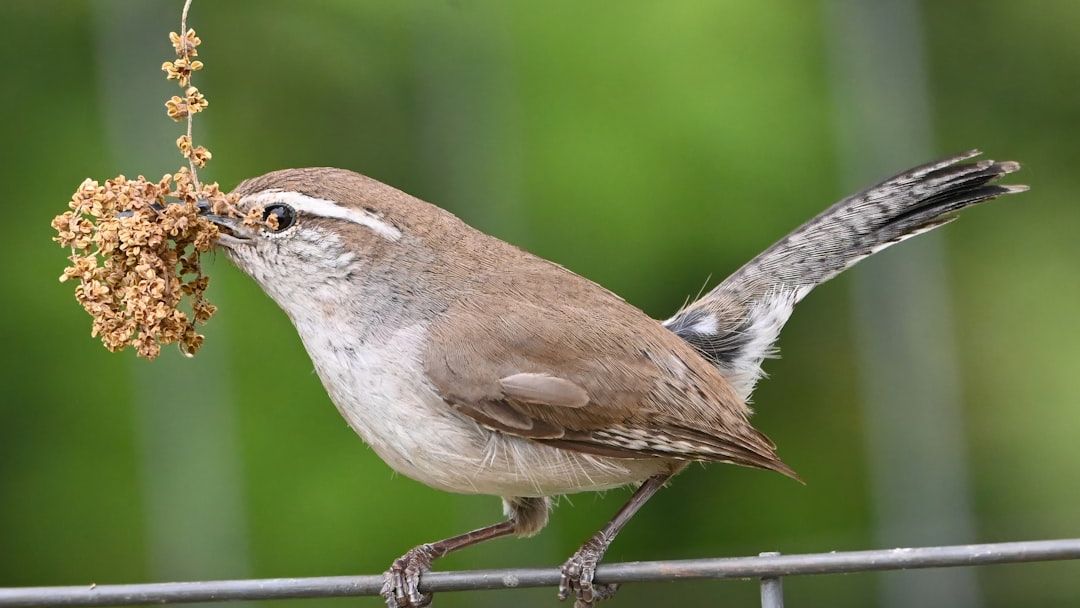
There’s a bird in your garden that weighs roughly the same as a pound coin, hides in the shadows like a spy, and then unleashes a song so loud it could embarrass a rooster. Most people walk right past it without a second glance. That’s exactly what the wren counts on.
These small, round, perpetually tail-cocked birds are so common in backyards across North America and Europe that they’ve become part of the background noise of everyday life. Yet behind that familiar silhouette is a creature of extraordinary complexity, fierce territorial ambition, and downright improbable biology. The more you learn about wrens, the harder it becomes to call them ordinary.
#1. They Are Louder, Pound for Pound, Than Almost Any Other Bird on Earth

If you’ve ever heard a sudden, explosive burst of rapid-fire song from a hedgerow and assumed it must be a much larger bird, you were probably right to be confused. Pound for pound, a wren is ten times louder than a cockerel. That’s not poetic exaggeration – it’s a measurable, biological fact.
Wrens, like all songbirds, have a unique vocal organ called the syrinx, located at the base of their trachea. Unlike our vocal cords, the syrinx can produce two separate sounds simultaneously, giving wrens the ability to create complex, layered songs. The result is a voice that feels wildly disproportionate to the tiny body producing it.
Research on Winter Wrens has revealed that in addition to having ten times the sound power of a crowing rooster, eastern populations can sing up to 16 notes per second, while western populations achieve an impressive 36 notes per second. This remarkable vocal output allows these small birds to project their songs over considerable distances.
#2. Their Scientific Name Literally Means “Cave Dweller”

The scientific name Troglodytes troglodytes comes from Greek, meaning “cave-dweller.” This perfectly describes their behavior. Wrens don’t soar, they creep methodically through dark spaces, investigating every crevice. While other garden birds are perched visibly on branches or bouncing across open lawns, the wren is somewhere you can’t see it.
These ground feeders hop into holes under logs, explore root systems, and disappear into stone wall gaps hunting insects and spiders. This secretive, tunnel-hugging lifestyle is so deeply embedded in their character that their name has carried it across centuries and continents. Its scientific name of troglodytes is even indicative of its habits, referring to the bird as a ‘cave dweller.’
#3. A Male Wren Builds Up to Twelve Nests Just to Impress a Female
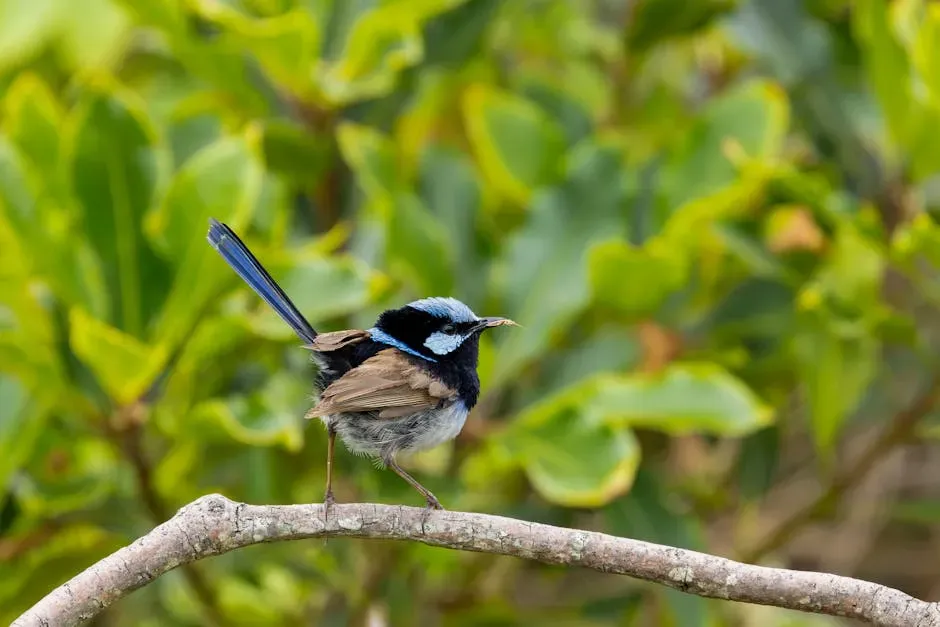
The wren’s approach to courtship is ambitious, to put it mildly. In early spring, the male doesn’t just build one nest to impress a female. He builds six to twelve. These are called “cock nests” – rough, domed structures made of moss, leaves, and grass, tucked into banks, ivy, or tree hollows.
When a female enters his territory, he gives her the grand tour. She inspects his handiwork, checking the location and construction. If she’s unimpressed? She leaves, and he has to start again or try to attract another female. If she likes one, she moves in and lines it with soft feathers to make it ready for eggs.
Because he has so much real estate, a successful male is often polygamous, having active nests with two or three females at the same time in his territory. It’s a remarkable strategy – part architecture, part showmanship, part sheer relentless effort.
#4. They Are Fiercely Territorial Despite Their Tiny Size
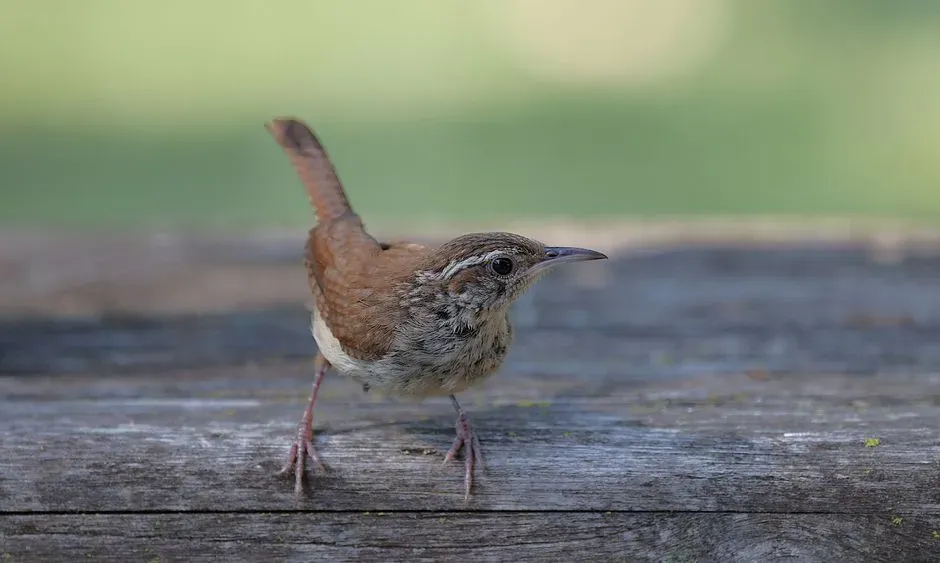
Despite their small size, wrens are fiercely territorial and will not hesitate to challenge larger birds for nesting spots. This isn’t a bluff. They back it up with action, song, and occasionally outright confrontation that leaves much bigger birds retreating.
The territorial nature of the Wren tends to result in cascades of song emerging from undergrowth, as rivals attempt to out-compete each other with the intensity and volume of sound. Males take primary responsibility for defending the territory and will chase away intruders. When the male confronts a territorial intruder he will crouch, droop his wings, erect his back feathers, and lower his fanned out tail. Females repel intruders that try to enter the nest.
#5. House Wrens Are Known to Destroy the Eggs of Other Birds
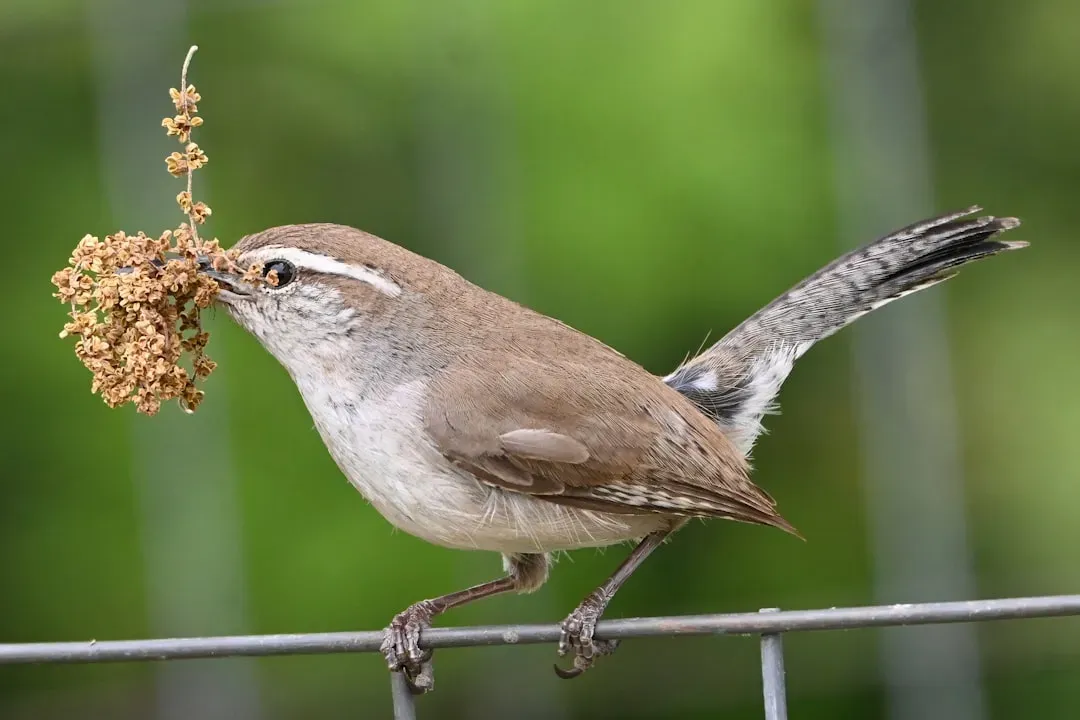
There’s a darker edge to the wren’s warrior personality. House Wrens are known for destroying the eggs or young of other birds nesting within 100 feet of their own nest. In some areas, this is the primary source of nesting failure for Prothonotary Warblers, Tree Swallows, chickadees, and bluebirds.
One of the most notable behaviors of House Wrens is their aggressive competition for nesting sites, particularly with Eastern Bluebirds. House Wrens will destroy bluebird eggs by puncturing them or removing them from the nest. They may fill bluebird nest boxes with sticks to prevent use. Bluebirds prefer open areas, while wrens favor shrubby habitats – but overlap can lead to conflict. For something barely bigger than a thumb, the wren plays a genuinely ruthless game.
#6. They Can Sing Over 600 Songs Per Hour During Breeding Season
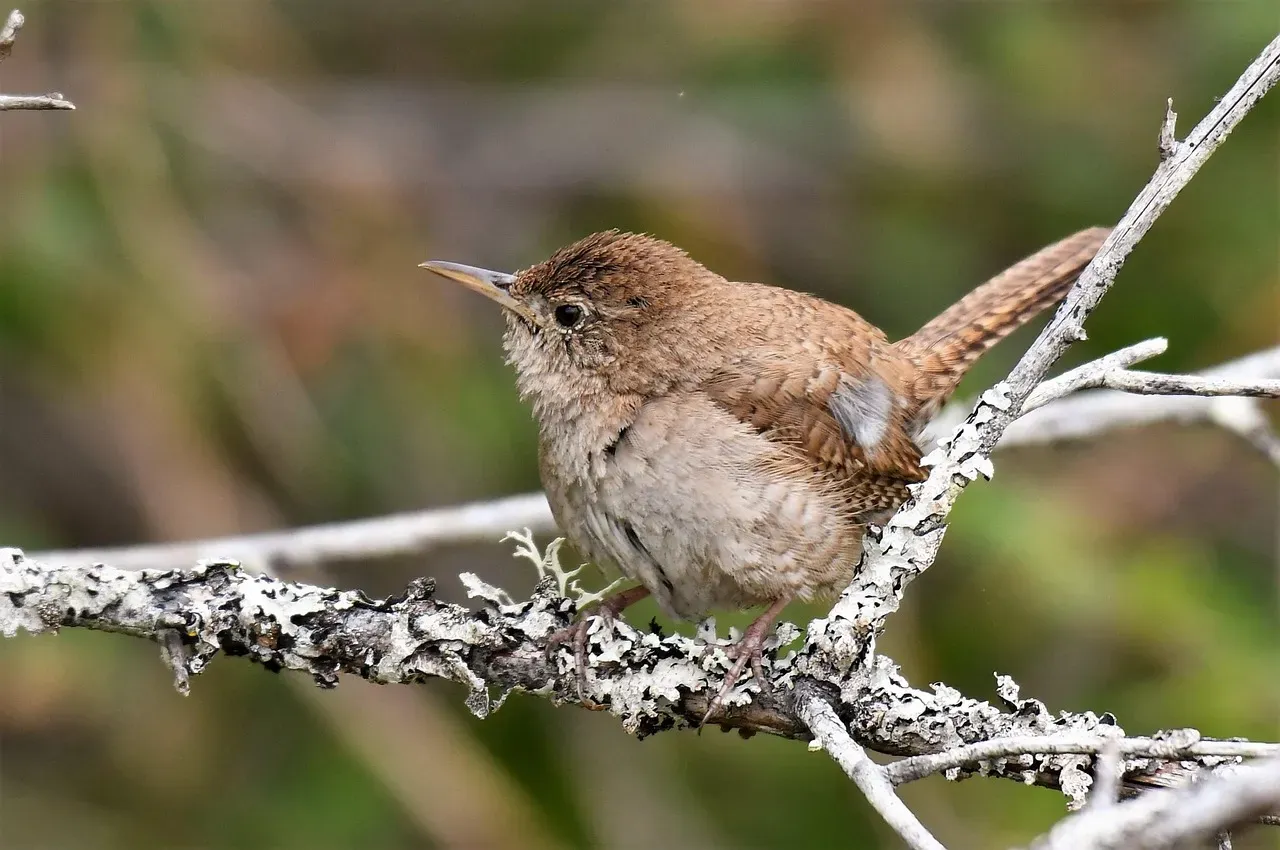
When male wrens are in competitive mode, their singing output becomes almost mechanical in its intensity. A single male House Wren can sing over 600 songs per hour during peak breeding season. That’s a song every six seconds, sustained for hours. Most musicians would struggle with that workload.
Studies involving playback of rival songs have shown that male House Wrens respond by singing louder and more aggressively to defend their territories. In one experiment, males were observed increasing their song rate to as many as 600 songs per hour during territorial disputes. This behavior underscores the critical role of vocal strength in intraspecific competition. The song isn’t just beautiful – it’s a weapon.
#7. Wrens Huddle Together in Winter to Survive the Cold
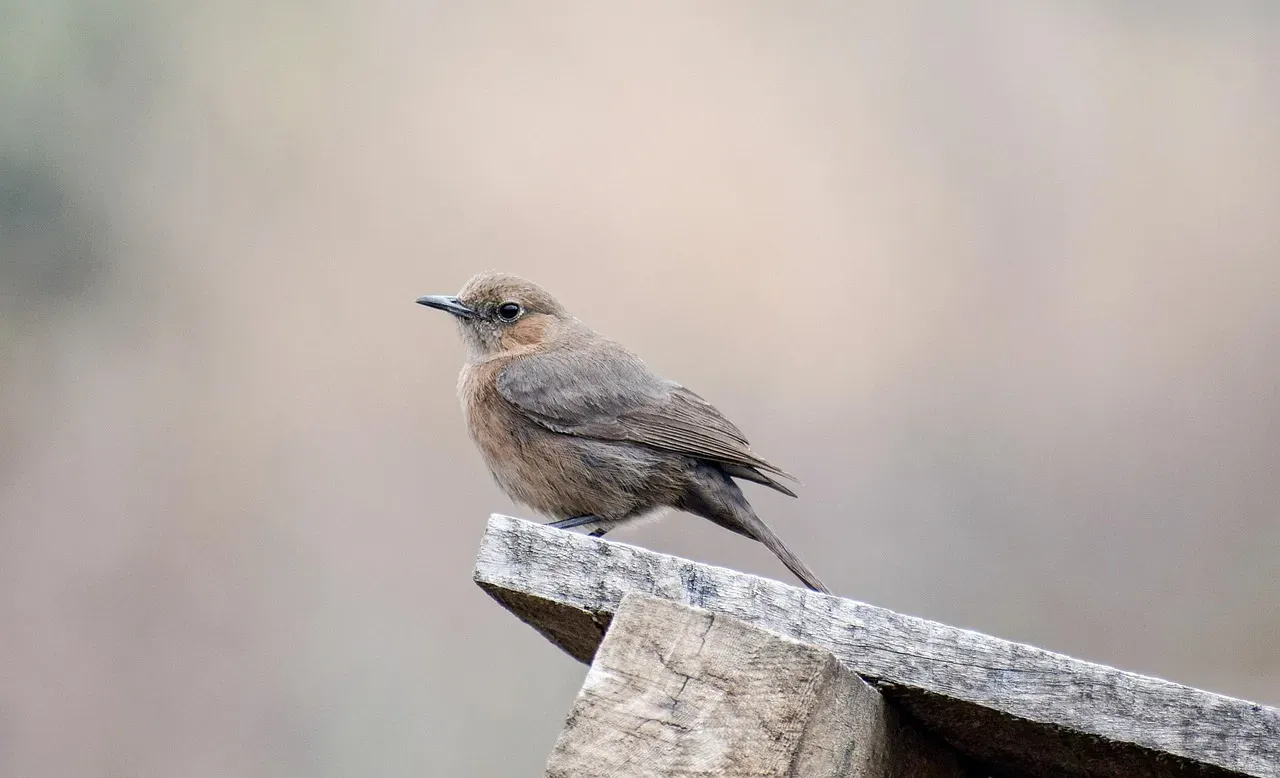
All that fierce territorial aggression takes a temporary pause when winter bites hard. In colder months, wrens often engage in communal roosting to keep warm. They huddle together in groups, using their collective body heat to maintain a survivable temperature. Numbers of wrens often fall greatly following a harsh winter as their tiny size means keeping warm is a struggle.
The record for communal roosting is genuinely staggering. On freezing winter nights, wrens will gather and pile into a single nesting box or cavity to share body heat. They pack themselves in like sardines, heads facing inwards, tails out, creating a singular ball of warmth. The record for this is staggering: in 1969, a birdwatcher in Norfolk counted 61 wrens emerging from a single wooden nest box one morning!
#8. Their Song Has Adapted to the Urban Environment
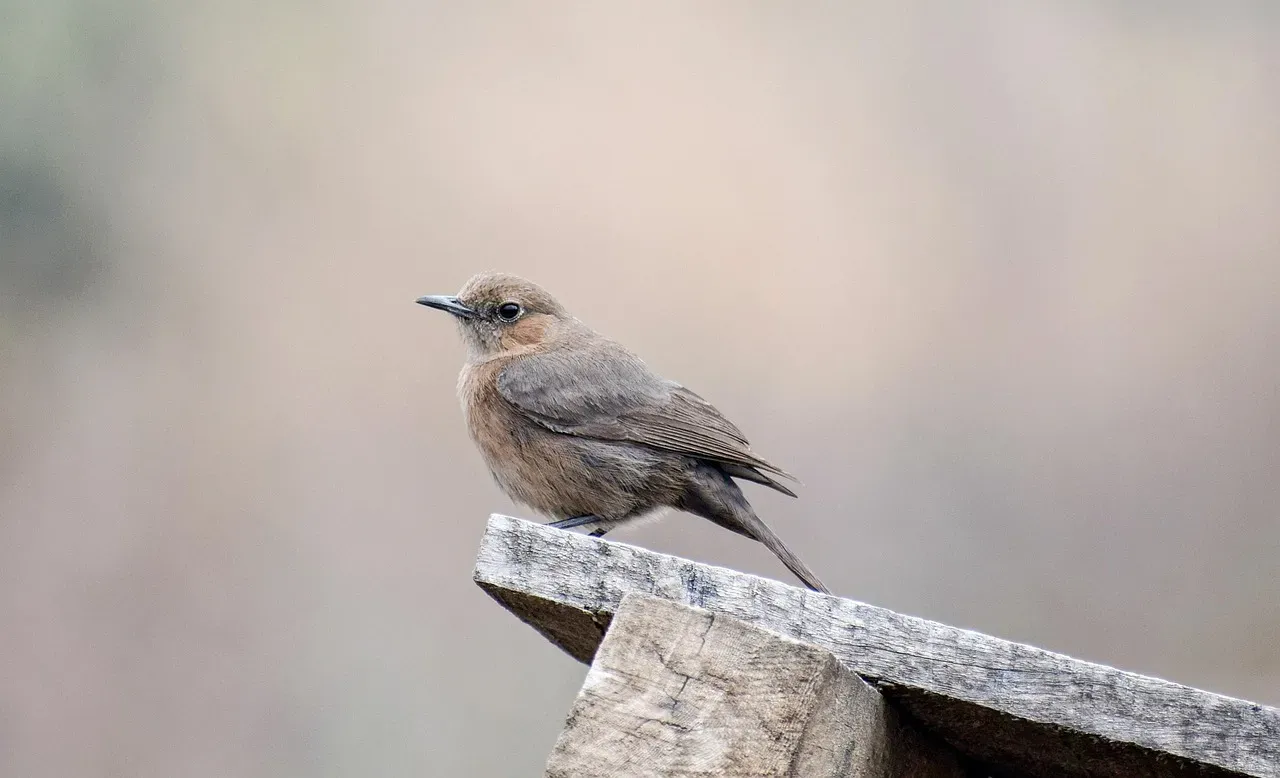
Wrens are not stuck in their ways when it comes to communication. They’ve shown a remarkable ability to adjust their vocal output in response to the environments around them. Studies from both the Universities of Costa Rica and Salamanca have shown that environmental sounds in urban areas have increased the complexity of Wren vocalisations. It seems that some urban birds now sing longer notes, faster trills and at higher frequencies. It’s possible that this could perhaps be a response to either increased background noise or higher population densities in such habitats.
It should also be noted that many birds develop their songs from what they hear around them, and changes in complexity may also arise from the vastly more diverse and wide-ranging soundscape in our towns and cities. In other words, the city wren is quietly becoming a more sophisticated singer than its country cousin.
#9. They Eat an Impressive Variety of Prey
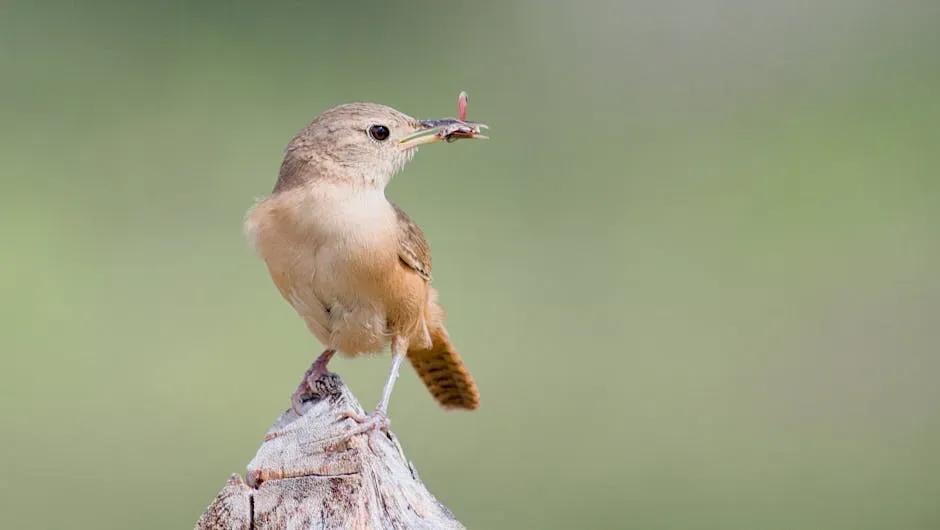
Wrens are not picky eaters, and their diet reflects the resourceful, relentless energy that defines everything about them. Though little is known about the feeding habits of many of the Neotropical species, wrens are considered primarily insectivorous, eating insects, spiders, and other small arthropods. The range of invertebrates they’ll tackle is surprisingly broad.
Baby house wrens aren’t picky eaters. Their parents bring them spiders, harvestmen, caterpillars, centipedes, moths, worms, potato bugs, crane flies, and more. Larger wrens might even catch small frogs and lizards. The Eurasian wren has been seen wading in shallow water to catch tiny fish and tadpoles. The cave dweller is, it turns out, quite the versatile hunter.
#10. They Play a Vital Role in Controlling Garden Pests
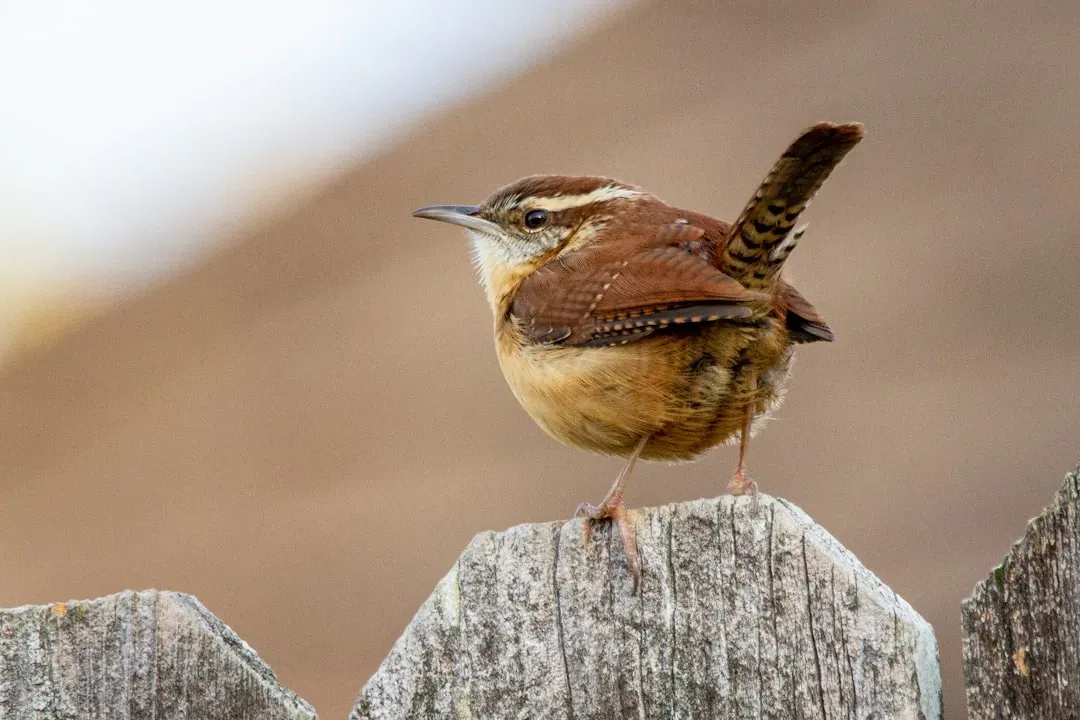
Gardeners who attract wrens to their yards are getting more than a pleasant soundtrack. Wrens play a crucial role in their ecosystems. As insectivores, they help control populations of plant-eating insects, benefiting vegetation. A pair of wrens working a backyard through summer can process an enormous volume of beetles, caterpillars, and grubs.
Furthermore, wrens can serve as indicators of environmental health. Biologically, wren presence indicates healthy insect populations supporting diverse wildlife. So when wrens move into a garden and stay, it’s worth taking as a quiet vote of confidence in the quality of the habitat you’ve built or maintained around you.
#11. They Are the “King of Birds” in European Folklore

For a bird so small it could fit in a coat pocket, the wren has an outsized presence in human mythology. The wren has been widely acknowledged for many centuries as rather special. The notion that, by guile, it proved itself to be the king of the birds is found throughout Northern European folklore, but similar versions have been recorded in 13th-century Jewish writing, in India, in central Africa and among some North American tribes.
Across Europe, the wren is known as the “King of Birds.” The fable tells of a great competition to decide who should be King. It was decided that whoever could fly the highest would win the crown. The Eagle, naturally, soared above everyone else, confident of victory. But just as the Eagle began to tire and descend, the tiny Wren – who had hidden quietly in the Eagle’s feathers – popped out and flew just a few inches higher, claiming the title. Cunning over strength. That story has endured for a reason.
#12. There Are Over 85 Wren Species Spread Across the Globe
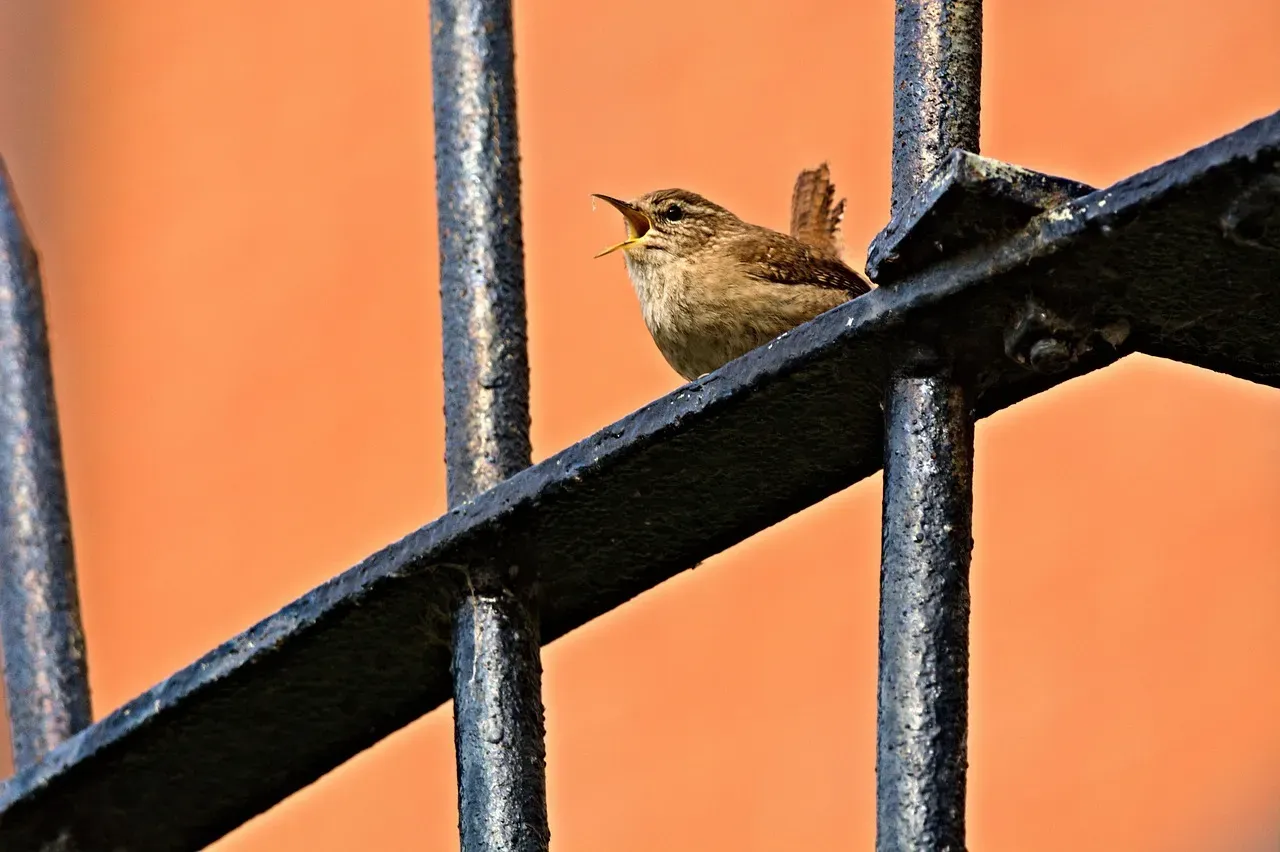
The wren family is far larger and more varied than most backyard observers realize. With over 85 species distributed globally, wrens have conquered nearly every habitat type. In Europe and Asia, only one species exists, the Eurasian wren. However, over 80 wren species inhabit exclusively New World territories across North and South America. From the Winter Wren in Alaska to the Cactus Wren in Arizona, this bird family shows incredible adaptability.
Some subspecies have gone even further, evolving in geographic isolation into something distinctly their own. If you travel to the very edge of the UK, to the remote archipelago of St Kilda, you will find a wren that is different from all others. Cut off from the mainland for thousands of years, the wrens here have evolved into a distinct subspecies. They are larger, heavier, and louder than their mainland cousins. Because there are no trees on the windswept islands of St Kilda, these wrens have adapted to nest in the cliffs, scavenging for insects among the puffin burrows and seabird colonies.
A Small Bird With an Outsized Story
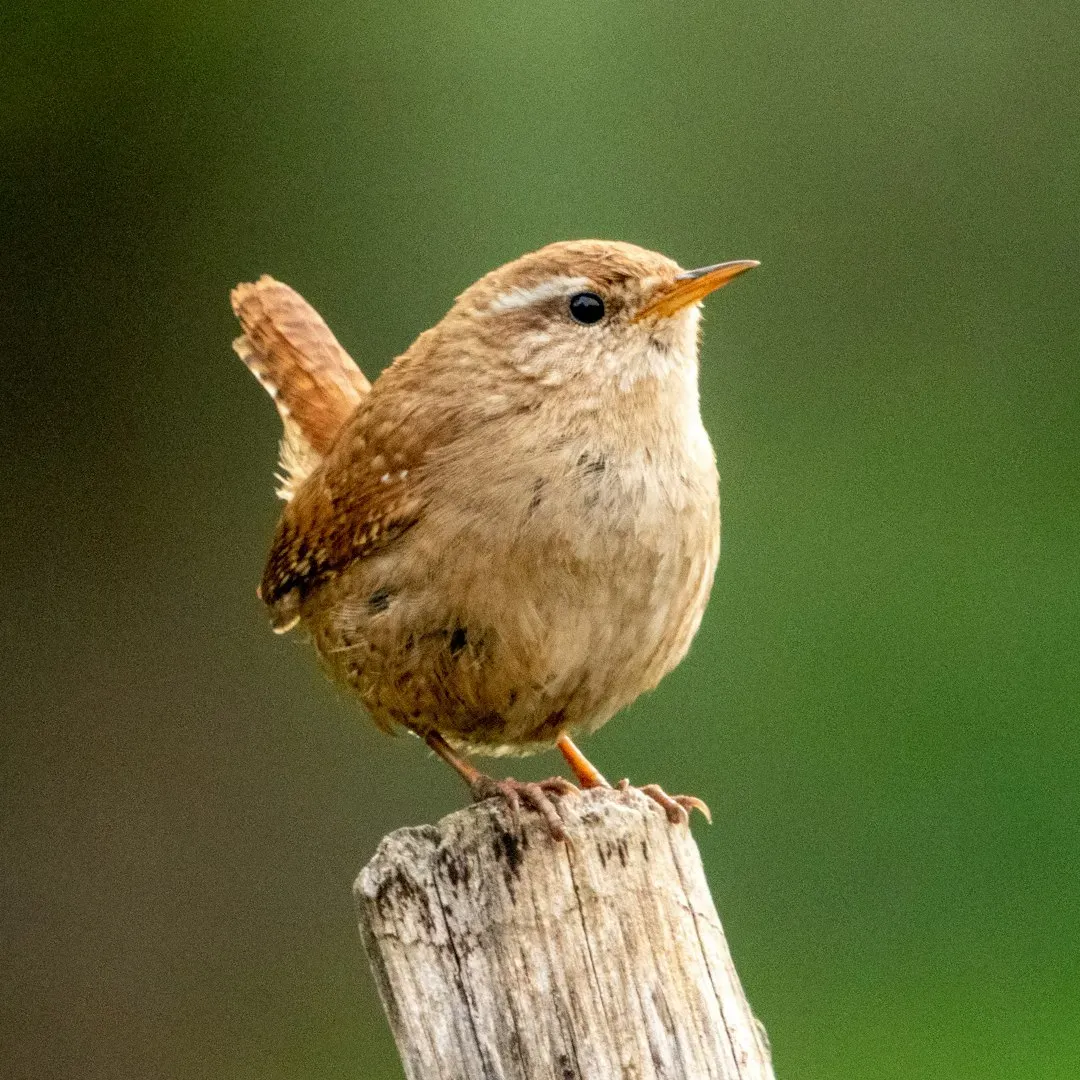
Wrens are a reminder that nature rarely packages greatness the way we expect. Nothing about their appearance hints at what they’re capable of – not the size, not the muted brown feathers, not the upturned tail that bobs with nervous energy. The whole package looks like something that should be overlooked.
Yet here is a bird that out-sings animals many times its size, builds entire neighborhoods of nests to court a mate, and holds territories with a ferocity that larger birds simply can’t match. Wrens are a captivating group of small, often unassuming birds that punch well above their weight in terms of personality and ecological importance. Found across much of the globe, these active and vocal creatures bring life to woodlands, gardens, and wetlands.
The next time a burst of rapid, rattling song erupts from somewhere in your garden that seems far too loud for any single creature to produce, stop. Look carefully at the undergrowth. The tiny backyard warrior is in there somewhere, doing exactly what it has always done – making an enormous impact from an improbably small frame.

- 11 US Rivers Where Ancient Fish Are Making an Astonishing Comeback - July 21, 2026
- 11 Iconic American Birds Facing New Challenges and How You Can Help - July 21, 2026
- What Your Dog Is Really Trying to Tell You: A Complete Guide to Understanding, Caring For, and Deeply Connecting With Your Dog - July 21, 2026