
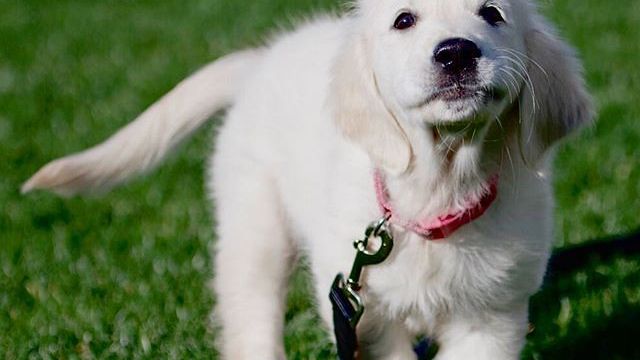
There’s a moment every dog owner knows. You’re sitting on the couch, and your dog is staring at you with those big, soulful eyes, ears slightly tilted, and you think, “What are you trying to tell me?” It’s one of the most beautiful and quietly frustrating parts of sharing your life with a dog. They feel everything – joy, fear, love, confusion – they just can’t use words.
Here’s the thing though: they don’t need to. Dogs are constantly communicating. They talk through their tails, their ears, their posture, even the way they yawn. And the more you understand their language, the deeper, richer, and more joyful your relationship becomes. Ready to become fluent in dog? Let’s dive in.
Your Dog Speaks With Their Whole Body, Not Just Their Tail

Most people think a wagging tail equals a happy dog. Honestly, it’s not that simple. Dog body language must be read as a whole, not by a single signal like tail wagging. A wagging tail does not always mean a happy dog. Context is everything, and learning to read the full picture is one of the most life-changing skills you can develop as a dog owner.
The faster the wag, the more aroused the dog. Those long, slow, side-to-side tail sweeps your dog makes when greeting you, the kind that wag the dog’s whole body, that’s a relaxed dog. A faster, twitch-like wag indicates a higher level of arousal, possibly in a negative way. Think of it like music, slow tempo is calm, fast tempo is intense.
There’s also the helicopter tail wag, where the dog’s tail spins in a circle. Without question, that’s a happy wag. You’ll usually see it when a dog is greeting a beloved person. That one never gets old. Ever.
Your dog’s body language is like a window into their soul. A relaxed and happy dog will have a loose and wiggly body with a wagging tail and may even invite you to play with a raised bottom and a high wagging tail, also known as a play bow. Once you start noticing this, you won’t be able to unsee it.
The Eyes, Ears, and Mouth Never Lie
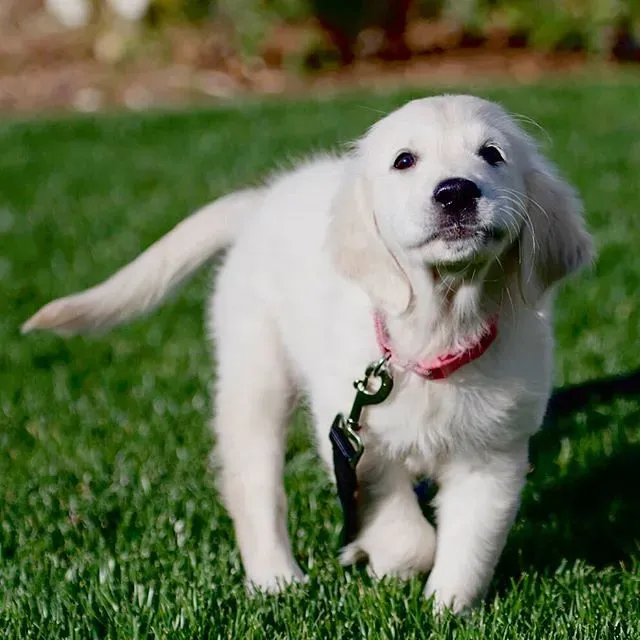
Your dog’s face is a masterclass in emotional honesty. A dog’s eyes can be soft or hard. Soft eyes have relaxed lids and can sometimes look like the dog is squinting. They indicate the dog is calm or happy. The opposite is hard eyes, where the eyes seem to go cold. These indicate a negative state of mind. I know it sounds strange, but once you learn to spot the difference, it’s unmistakable.
Known as “whale eye,” when a dog shows the whites of the eyes, it’s a signal that they’re feeling anxious or stressed in a situation. You might see it when you make your dog uncomfortable, like when you pat your dog on the head, or when they’re afraid someone will steal a bone or toy. That’s worth keeping in mind next time you go in for that affectionate head pat.
Ears that are flat against the head could be a sign of anxiety or a fearful dog. If their ears are tightly pinned back, giving them some space might be a good idea, as it could indicate discomfort or even potential aggression. Mouths matter too. A fearful or tense dog will generally keep his mouth closed, and may pull his lips back at the corners, also known as a “long lip.” He may also be panting rapidly.
Stress Signals Most Owners Miss Entirely

Here’s something that surprised me when I first learned it. Dogs yawn when they’re stressed, not just when they’re tired. According to expert research, dogs use yawning to calm themselves in tense situations and to calm others, including their owners. So that big dramatic yawn at the vet? Not boredom. That’s your dog saying, “I really don’t love this.”
Stressed dogs often avoid eye contact or look at the trigger, then quickly look away. A distressed dog might perform exaggerated yawns, sneeze, or lick their lips frequently. They might also shake their bodies as if their coat is wet, focus on self-grooming, or scratch themselves excessively. These are all calming signals, little attempts by your dog to de-escalate tension.
Much like your own goose bumps, the hair can raise along a dog’s back when he is upset or aroused. This is known as piloerection or “raised hackles” and can occur across the shoulders, down the spine, and above the tail. Hackles don’t always mean aggression is imminent, but they are an indicator that the dog is excited or upset about something. Think of it as their built-in alarm system.
Stress and fear signals often appear before growling or biting. Recognizing early signs of discomfort can prevent escalation. Catching these early signals isn’t just kind, it’s actually a safety tool for everyone in the household.
What Their Behavior Is Telling You About Their Health

This is the part that really matters. Behavior changes are often the very first sign that something is physically wrong with your dog. If your normally active and happy dog starts to isolate and show lethargy and decreased appetite, this is a sign that something has changed with their overall health, and seeking the care of a veterinarian is a suggested course of action. Don’t wait it out and hope it passes.
An ill dog may sleep more, be grumpier, and not want the normal interaction they usually get excited about. It’s a subtle but telling shift. Taking photos of their eyes and gums in good health gives you a comparison for when they look “off.” It sounds overly cautious, but it’s genuinely one of the smartest things you can do as a caring owner.
Some behaviors have medical roots. A dog with undiagnosed thyroid issues might be irritable, or a dog with dental pain might resist training. In 2025, trainers are more likely to refer you to a vet or adjust the training if they suspect a health issue is affecting behavior. The connection between behavior and health is deeper than most people realize.
Training, Connection, and the Science of a Happy Dog
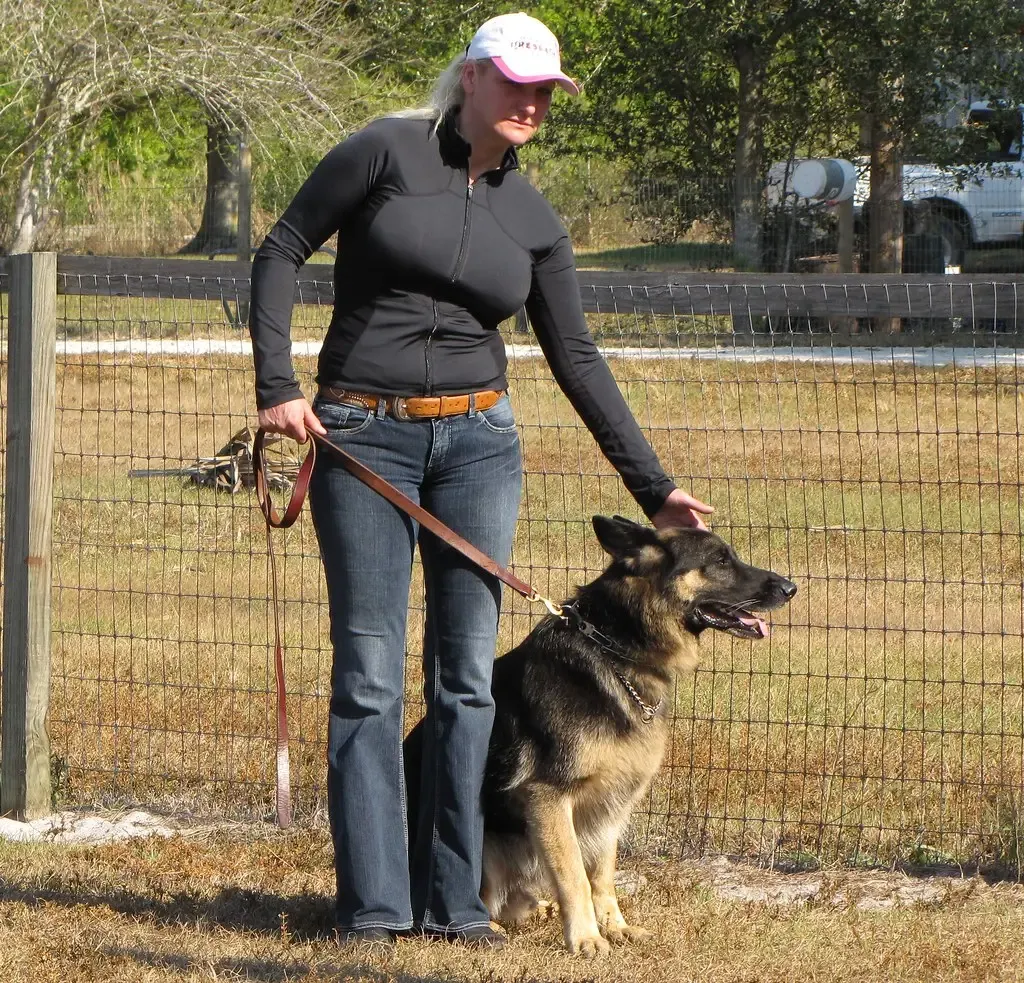
Let’s be real about something. More than 99% of dogs in the United States show behaviors that are potentially problematic, with the top categories being aggression, separation and attachment behaviors, and fear and anxiety. That statistic might feel alarming, but honestly it should feel reassuring. Your dog’s struggles are completely normal, and there is always something you can do.
Positive, reward-based techniques remain the gold standard. Training methods centered on positive reinforcement, like treat rewards, clicker training, and relationship-based approaches, are widely recognized as the most effective and humane. Studies show that dogs trained with reward-based methods display better obedience and fewer behavioral problems. Praise genuinely works better than punishment, full stop.
Stop trying to force your dog into a “pet” mold and satisfy the job their DNA is screaming for. A Border Collie that isn’t solving problems will invent problems to solve, usually involving your furniture. Dogs need more than just food and shelter. Mental and physical exercise keeps them engaged and reduces destructive behaviors. Think of mental enrichment as the gym for your dog’s brain.
Preventive care is always better than reactive care. Annual or biannual vet visits can catch potential health issues early. Combine that with consistent positive training, enrichment activities, and learning to read your dog’s signals, and you’re not just a good owner. You’re your dog’s greatest advocate.
Conclusion: The Bond You Build Changes Everything
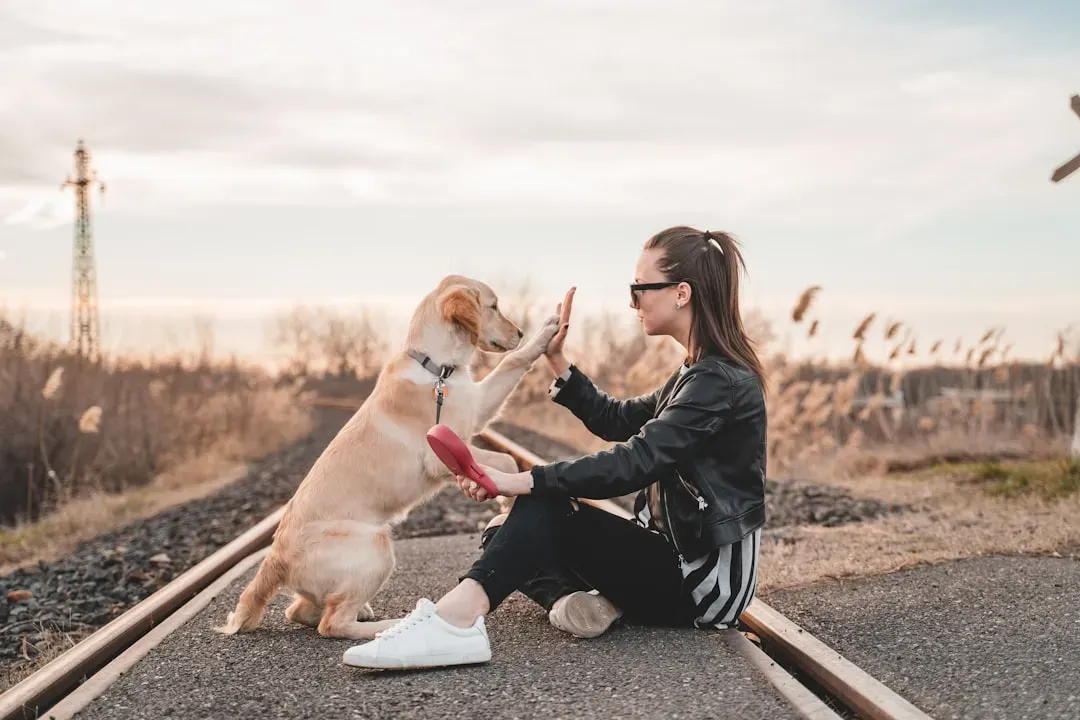
Caring for a dog isn’t just about feeding them well and keeping their vaccinations up to date, though those things absolutely matter. It’s about truly seeing them. Noticing the subtle yawn at the vet, the whale eye when a stranger gets too close, the helicopter tail when you walk through the door after a long day.
Reading, understanding, and responding to your dog’s body language is a key part of the companion-to-owner relationship. By understanding their cues and appropriately advocating for your dog, owners can ensure their dogs remain happy, comfortable, and safe. That kind of attentiveness is a form of love.
Your dog has been trying to tell you things every single day. Now you have the tools to actually listen. The question is, what do you think your dog has been trying to say all along? Share your story in the comments, we’d love to hear it.
