

Worried about unexpected vet bills?
Pet insurance can cover thousands in unexpected vet costs. Get a free quote from Lemonade in under 2 minutes.
Get My Free Quote →Sponsored · Opens Lemonade.com
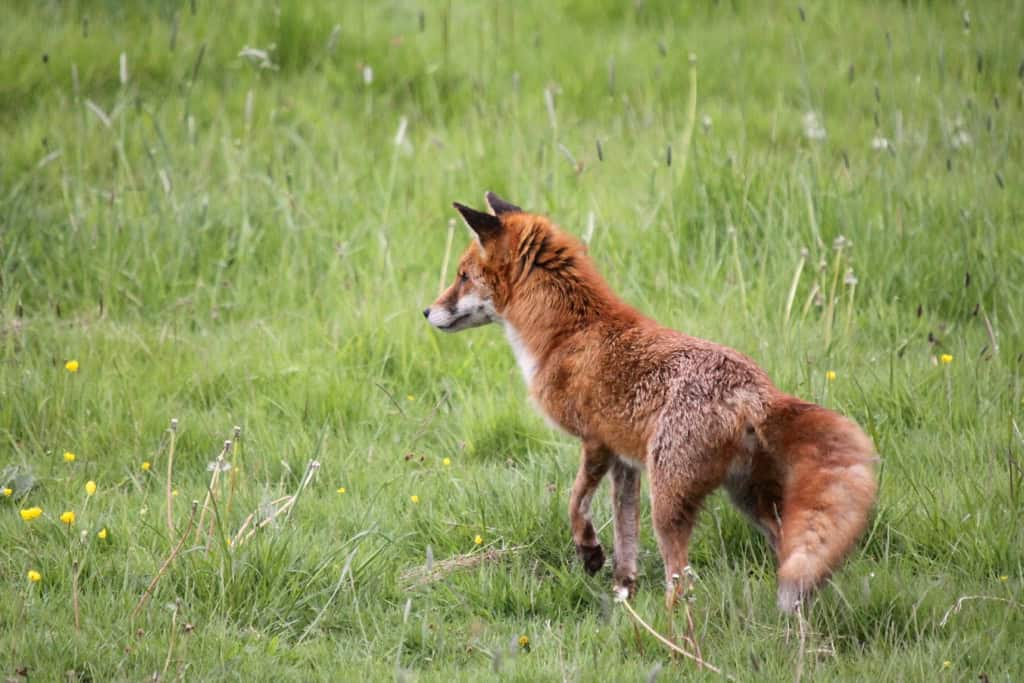
Foxes stand among nature’s most adaptable survivors, thriving across six continents and virtually every habitat from scorching deserts to frozen tundra. These remarkable canids have evolved an impressive array of physical and behavioral adaptations that allow them to flourish where other species struggle. Their evolutionary success story isn’t merely about survival—it’s about mastering environments through specialized traits developed over millions of years. While humans often associate foxes with cunning intelligence, their true ecological advantage comes from a sophisticated combination of sensory capabilities, physical attributes, and behavioral flexibility that we rarely witness in other wild animals.
In this exploration of fox adaptations, we’ll discover how these medium-sized predators have developed specialized features that grant them extraordinary resilience in the face of environmental challenges, predatory threats, and competition for resources. From their distinctive anatomical features to their remarkable cognitive abilities, foxes demonstrate nature’s ingenuity in creating a truly versatile survivor. Whether adjusting to urban sprawl or navigating pristine wilderness, these adaptations have allowed fox species to become one of the planet’s most widespread and successful mammalian families.
Keen Hearing for Precise Hunting

Foxes possess extraordinarily sensitive hearing that allows them to detect prey moving beneath snow or underground. Their distinctive ears aren’t just for show—they can rotate independently like satellite dishes, pinpointing sounds with remarkable precision. This adaptation proves especially valuable when hunting small mammals that remain hidden from sight. Research has shown that red foxes can hear rodents squeaking at frequencies of up to 65 kHz, well beyond human hearing range, which typically tops out around 20 kHz. This heightened auditory sensitivity enables them to locate prey within inches of accuracy, even when completely invisible.
Perhaps most impressively, foxes can detect the sound of earthworms moving underground and the subtle rustling of voles tunneling beneath snow. During winter hunts, foxes perform their characteristic “mousing leap,” where they pounce precisely onto prey hidden under snow after triangulating its position through sound alone. This incredible hearing adaptation means foxes can hunt successfully in complete darkness or through snow cover that would render most predators helpless, giving them a significant advantage during harsh winter months when food becomes scarce for less specialized hunters.
Specialized Paws for All Terrains

Fox paws represent masterpieces of evolutionary design, enabling these adaptable canids to traverse virtually any terrain they encounter. Unlike many canine species, foxes possess partially retractable claws that provide enhanced grip while maintaining sharpness for climbing. This feature proves particularly advantageous for the gray fox, which can scale trees to escape predators or access food sources—a rare ability among canid species. Additionally, fox paws feature dense fur growth between toe pads, an adaptation that serves multiple purposes across different habitats. In arctic environments, this fur insulates against freezing temperatures and provides snowshoe-like distribution of weight, preventing foxes from sinking into deep snow.
In desert environments, fox paws have adapted differently, with extra-tough paw pads that resist scorching sand temperatures that can exceed 150°F (65°C). Desert-dwelling species like the fennec fox have developed especially large paw surfaces relative to their body size, creating a snowshoe-like effect that prevents them from sinking into loose sand. This adaptation also distributes pressure when moving across hot surfaces, reducing heat absorption. These specialized paws allow foxes to maintain efficient movement across dramatically different terrains, from frozen tundra to burning desert sands, giving them unprecedented mobility advantages compared to more habitat-specific predators.
Temperature-Regulating Tails

A fox’s luxurious, bushy tail serves as more than just an aesthetic feature—it functions as a sophisticated temperature regulation system essential for survival in extreme climates. In cold environments, foxes wrap their tails around their bodies like built-in blankets, covering their nose and feet to conserve body heat when resting. The tail’s dense underfur traps a layer of warm air against the body, while the guard hairs provide protection from snow and wind. Arctic foxes exemplify this adaptation with tails comprising nearly 30% of their total body length, offering maximum coverage during frigid polar nights where temperatures can plummet below -50°F (-45°C).
Conversely, in hot environments, fox tails serve as efficient heat dissipation organs. Species like the fennec fox use their tails as radiators, dispersing excess body heat through increased blood flow to this appendage. This process works similarly to an elephant’s ears, allowing heat to escape through the extensive surface area. Desert foxes will also position their tails to create shade for their bodies during extreme heat. This dual-purpose adaptation demonstrates remarkable evolutionary efficiency—a single structure that helps foxes maintain optimal body temperature across dramatically different climate extremes, contributing significantly to their global distribution.
Enhanced Night Vision

Foxes possess exceptional night vision adaptations that transform darkness into a competitive advantage. Their eyes contain a specialized reflective layer called the tapetum lucidum, which sits behind the retina and reflects light back through photoreceptor cells, effectively giving these cells a second chance to detect light particles. This adaptation allows foxes to see in light levels approximately 120 times dimmer than what humans require. The distinctive eye shine we observe when fox eyes reflect light at night is visible evidence of this adaptation. Additionally, their retinas contain a significantly higher percentage of rod cells—the photoreceptors responsible for low-light vision—compared to human eyes.
Fox pupils also demonstrate remarkable adaptability, able to dilate into perfect circles that maximize light gathering in darkness. Yet unlike some nocturnal specialists, foxes maintain excellent daytime vision as well, with pupils that contract to thin vertical slits to protect sensitive retinas from bright light. This visual versatility allows foxes to hunt efficiently during both dawn and dusk—the prime activity periods for many prey species—as well as during full darkness or daylight as needed. Such 24-hour visual capability represents a significant competitive advantage over strictly diurnal or nocturnal hunters, expanding their hunting windows and enhancing their ability to avoid both natural predators and human threats.
Fur Adaptations for Climate Extremes

Fox fur represents one of their most remarkable adaptations, varying dramatically across species and seasons to match specific environmental challenges. The arctic fox exemplifies this with its seasonal coat changes—transforming from dark summer coloration to pure white winter fur that provides both camouflage against snow and superior insulation. This winter coat is considered one of the warmest in the animal kingdom, with insulating properties that allow arctic foxes to maintain body temperature even at -70°F (-57°C). Their fur achieves an insulation value nearly 200% more efficient than the best man-made insulating materials. The physiological process behind this seasonal color change involves complex hormonal triggers responding to changing daylight hours rather than temperature.
At the opposite extreme, desert foxes like the fennec have evolved specialized fur adaptations for heat management. Their sand-colored coats reflect solar radiation rather than absorbing it, while being significantly less dense than their northern cousins’. Desert fox fur typically includes specialized guard hairs that provide crucial protection from sand abrasion and intense UV radiation. Most remarkably, many fox species can adapt their fur density and composition between seasons, growing denser undercoats as temperatures drop and shedding excess fur as temperatures rise. This adaptive fur response allows individual foxes to adjust to seasonal temperature fluctuations within their habitat range, contributing significantly to their impressive environmental adaptability.
Digestive Versatility

Foxes possess remarkably adaptable digestive systems that allow them to function as true omnivores, capable of processing everything from small mammals and birds to insects, fruits, berries, and even human food waste. This dietary flexibility stands as one of their most valuable survival adaptations, enabling foxes to adjust their food intake based on seasonal availability and habitat conditions. Unlike more specialized predators, foxes can shift their diets dramatically when primary food sources become scarce. Scientific analysis of fox stomach contents reveals this adaptability—urban foxes derive up to 37% of their diet from human-associated food sources, while their rural counterparts may subsist primarily on wild prey during the same season.
Their digestive adaptations include variable stomach acidity that adjusts to different food types, enzyme production that changes seasonally, and a moderately long intestinal tract that can extract nutrients from both animal and plant materials. Perhaps most impressively, foxes can metabolically extract water from their food, allowing them to survive in arid environments with minimal drinking water. Desert species like the kit fox can maintain hydration almost entirely through the moisture content of their prey, having evolved specialized kidneys that concentrate urine to preserve water. This digestive versatility explains why foxes thrive in environments ranging from food-rich temperate woodlands to resource-scarce deserts where more specialized feeders would quickly starve.
Behavioral Temperature Regulation

Foxes have developed sophisticated behavioral adaptations to regulate body temperature across extreme environments. In cold climates, foxes create complex burrow systems known as dens, which maintain temperatures significantly warmer than external air. Arctic foxes construct multilevel dens with numerous entrances and chambers, some extending over 300 square feet, where ground temperatures remain relatively stable even when outside temperatures plummet below freezing. These structures often include specialized chambers for different purposes—sleeping areas positioned above the frost line and separate nursery chambers for vulnerable kits. During severe winter conditions, foxes may remain in these protective dens for extended periods, emerging only for essential hunting.
In hot environments, foxes demonstrate equally impressive temperature-regulating behaviors. Desert species like the fennec fox are primarily nocturnal, hunting during cooler night hours and retreating underground during scorching daytime temperatures. Their dens can extend up to 15 feet below the surface, reaching soil layers where temperatures remain stable around 70°F (21°C) despite surface temperatures exceeding 120°F (49°C). During extreme heat, desert foxes practice a behavior called “nasal panting,” rapidly moving air across moist nasal membranes to create evaporative cooling without depleting precious body water through traditional panting. These behavioral adaptations effectively transform habitats that would otherwise exceed their physiological temperature tolerances into suitable living environments.
Exceptional Sense of Smell

A fox’s olfactory capabilities represent one of their most critical survival adaptations, with a sense of smell approximately 400 times more sensitive than humans. This extraordinary sense allows them to detect prey underground or beneath snow, locate carrion at remarkable distances, identify territorial markings from other foxes, and even sense approaching predators. The fox’s nasal structure contains over 225 million scent receptors (compared to a human’s 5 million), with a proportionally larger area of their brain dedicated to processing olfactory information. This sensory superpower enables behaviors impossible for less-equipped predators, such as following scent trails that are several days old or detecting mice moving through underground tunnels.
Beyond prey detection, a fox’s sense of smell plays a crucial role in their social structures and breeding patterns. Foxes can identify individual family members through scent alone and can determine a potential mate’s health status and genetic compatibility through olfactory cues. During breeding seasons, fox territory boundaries become heavily scent-marked, creating invisible but chemically complex “maps” that communicate detailed information about territory occupants. This advanced chemical communication system allows foxes to maintain complex social relationships while minimizing direct confrontations, conserving energy that would otherwise be spent on territorial defense. Their olfactory prowess represents a multifunctional adaptation that enhances hunting success, social coordination, and predator avoidance—three critical survival requirements.
Denning Behavior and Home Construction

Fox denning behavior represents a sophisticated adaptation that provides protection from predators, weather extremes, and creates a secure environment for raising vulnerable young. Unlike many canids that use relatively simple structures, foxes engineer complex underground systems with multiple entrances, escape tunnels, and specialized chambers. These structures demonstrate remarkable engineering intuition—typically built into hillsides or elevated areas to prevent flooding, with entrance tunnels that curve rather than running straight to block wind, reduce scent dispersal, and prevent larger predators from reaching inner chambers. The complexity of these structures varies by species and habitat, with arctic foxes creating the most elaborate systems that may contain up to 100 entrances and be continuously expanded and maintained across multiple generations.
Foxes display remarkable resourcefulness in den site selection, often repurposing abandoned burrows from other animals like badgers or marmots, or creating dens beneath human structures in urban environments. Within established territories, foxes typically maintain several dens simultaneously, regularly moving between them to reduce parasite loads and minimize scent accumulation that might attract predators. During breeding season, vixens select the most secure den for their natal litter, often preparing multiple potential birthing chambers before choosing the optimal location. This adaptive denning behavior allows foxes to create microhabitats with controlled conditions even within extreme environments, enabling them to raise vulnerable young successfully in conditions ranging from arctic winters to desert heat waves.
Energy Conservation Techniques

Foxes have mastered sophisticated energy conservation strategies that maximize survival during resource-scarce periods. Unlike true hibernators, foxes practice facultative metabolic suppression—a more flexible energy-saving state where they can lower their body temperature and heart rate during inactive periods while remaining capable of rapid full alertness if threats appear. This adaptation proves particularly valuable during winter months when prey becomes scarce and energy conservation becomes critical. Arctic foxes demonstrate this ability most dramatically, reducing their metabolic rates by up to 45% during extreme cold periods without entering true hibernation. This metabolic flexibility allows them to survive extended periods of food scarcity while maintaining predator awareness.
Beyond physiological adaptations, foxes employ behavioral energy conservation strategies with remarkable efficiency. They meticulously calculate energy expenditure against potential caloric returns, often abandoning chases that require too much energy relative to the prey’s nutritional value. During winter, red foxes will reduce their overall movement patterns by up to 70% compared to summer activity levels, conserving precious calories. Many fox species also practice food caching—storing surplus food items in scattered locations throughout their territory to create emergency reserves during abundant periods. Arctic foxes have been documented caching over 1,000 lemming carcasses during population boom years, creating food reserves that sustain them through subsequent prey population crashes. These strategic energy management adaptations allow foxes to survive seasonal scarcity cycles that would eliminate less efficient predators.
Territorial and Social Adaptability

Fox social structures demonstrate remarkable plasticity, adapting to different habitat conditions in ways that maximize survival advantages. While traditionally viewed as solitary hunters, research reveals that fox social organization exists on a spectrum from strictly solitary to complex family groups, depending on resource availability and habitat pressures. In resource-rich environments, red foxes often form extended family groups with multiple adults cooperating in territorial defense and kit-raising. These social units can include non-breeding adult “helpers” (typically offspring from previous years) that assist with territorial defense and providing food for new litters. Conversely, in harsh environments with scattered resources, the same species may adopt strictly solitary territories to reduce competition for limited food sources.
This social flexibility extends to territorial behavior as well. Fox territories range dramatically in size based on resource density—from as small as 0.25 square miles in resource-rich urban environments to over 20 square miles in barren arctic regions. More remarkably, foxes can rapidly shift their territorial strategies in response to changing conditions. During prey population booms, territories contract and social tolerance increases; during scarcity, territories expand and social interactions become more aggressive. Urban foxes demonstrate perhaps the most impressive territorial adaptation, creating complex spatial and temporal territory divisions that allow multiple fox families to utilize the same physical space by being active at different times. This adaptive social and territorial flexibility allows foxes to optimize their survival strategies based on current environmental conditions rather than being locked into fixed behavioral patterns.
Cognitive Problem-Solving Abilities
Foxes possess exceptional cognitive abilities that set them apart from many predators, demonstrating problem-solving skills and behavioral plasticity that allow them to thrive in novel environments. Research indicates their intelligence rivals that of dogs and raccoons, with particular strengths in spatial memory, observational learning, and adaptive tool use. Wild foxes have been documented using creative hunting strategies that suggest advanced planning capabilities, such as driving prey toward waiting pack members or using strategic approaches to flush hidden animals. Perhaps most impressively, foxes show remarkable ability to solve novel problems they would never encounter in natural settings. In experimental contexts, they quickly learn to operate simple mechanisms to obtain food rewards, showing an understanding of cause-and-effect relationships.
Conclusion:
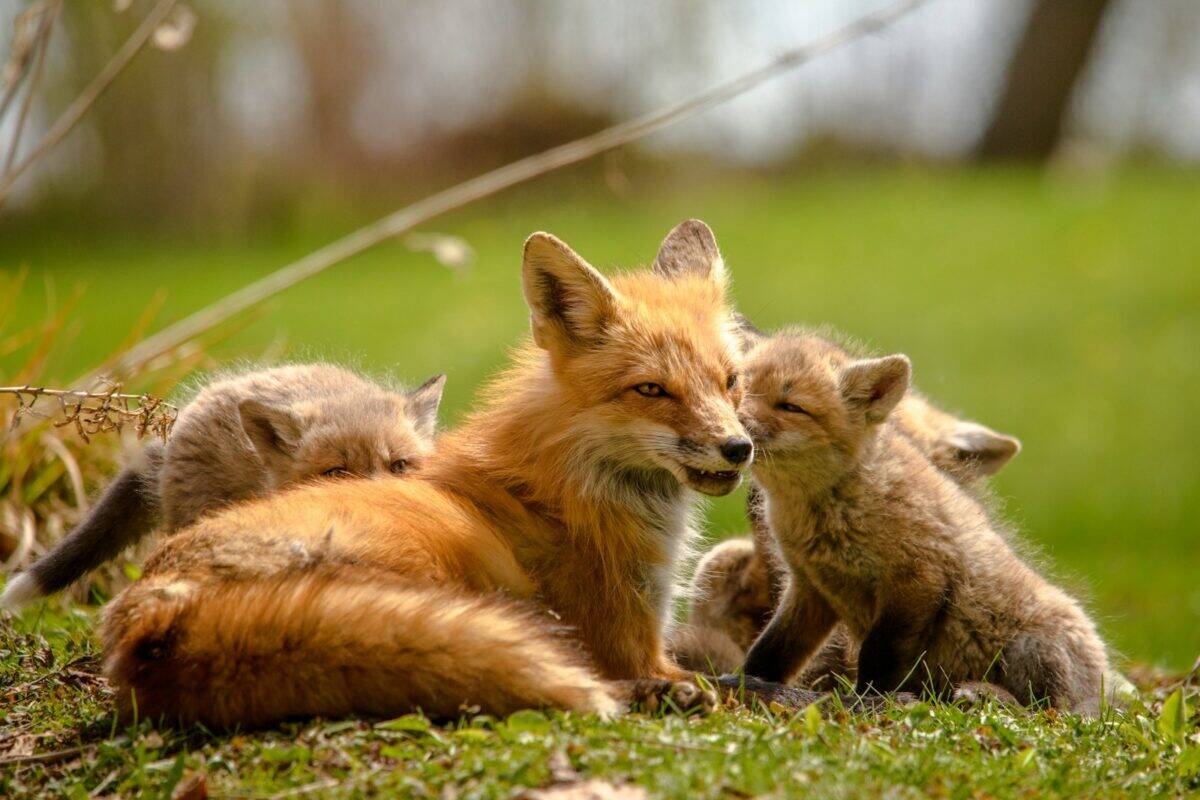
Foxes have evolved incredible adaptations that allow them to thrive in nearly every habitat on Earth. Their keen senses, clever hunting techniques, and versatile physical features help them find food, avoid predators, and endure extreme environments.Throughout history, foxes have demonstrated remarkable resilience. In the harsh Arctic, thick fur and compact bodies keep them warm, while desert foxes rely on large ears and light coats to beat the heat.
Their adaptability also extends to their diets, shifting between hunting, scavenging, and opportunistic feeding, depending on what resources are available.Socially, foxes exhibit great flexibility, with some species forming tight family units and others leading solitary lives. This behavioral range enhances their survival.These 13 adaptations are a testament to the fox’s ability to endure and thrive, proving that with ingenuity and resilience, survival is possible anywhere.
Worried about unexpected vet bills?
Pet insurance can cover thousands in unexpected vet costs. Get a free quote from Lemonade in under 2 minutes.
Get My Free Quote →Sponsored · Opens Lemonade.com

As a little kid, I fell in love with nature, wildlife, and animals. Living in the USA, South Africa, Italy, China and Germany gave me the opportunity to discover the world's Wildlife. My favorite animals are Mountain Gorillas, Siberian Tigers, and Great White Sharks.
I'm a certified PADI Open Water Diver, went to Everest Base Camp and Trekked Gorillas in Uganda. I hold a Master of Science in Economics and Finance.
Please send any feedback to feedback@animalsaroundtheglobe.com
- The Behemoth Argentinosaurus A Colossus of the Dinosaur Era - June 10, 2026
- 20 Dog Breeds That Would Risk Their Lives for Their Owners - June 10, 2026
- The Wolf Traits That Reveal Your Leadership Style - June 10, 2026