


Nature constantly surprises us with its biodiversity, but sometimes the most fascinating creatures emerge when different species cross paths. While hybridization is relatively rare in the wild, certain species can interbreed, creating offspring with unique characteristics that showcase the wonders of genetic combination. Some hybrids occur naturally in overlap zones between species’ habitats, while others result from human intervention. These remarkable crosses challenge our understanding of species boundaries and evolutionary processes. From the famous liger to the lesser-known wholphin, here are twelve extraordinarily rare animal hybrids that genuinely exist in our world today.
12. Liger – The Supersized Big Cat

The liger, a cross between a male lion and a female tiger, stands as the largest known cat in the world. These magnificent creatures can weigh over 900 pounds (408 kg) and grow up to 12 feet (3.7 meters) in length, substantially larger than either parent species. This remarkable size results from a genetic phenomenon called growth dysplasia. Lions carry a growth-inhibiting gene that tigers lack, but this gene is only expressed when passed from a female lion. With a male lion and female tiger pairing, the growth-inhibiting gene is absent, allowing ligers to grow exceptionally large.
Unlike many hybrids that are sterile, female ligers can reproduce by breeding with lions or tigers. Ligers typically inherit the sociability of lions along with a tiger’s affinity for swimming. Their physical appearance combines features from both parents – they may have faint tiger stripes on a lion-colored background and small manes if male. Ligers primarily exist in captivity as lions and tigers rarely encounter each other in the wild and typically inhabit different continents naturally.
11. Wholphin – The Dolphin-Whale Wonder

The wholphin represents one of the ocean’s most remarkable hybrid creatures, born from the union of a false killer whale (Pseudorca crassidens) and a bottlenose dolphin (Tursiops truncatus). Despite their names suggesting a dramatic size difference, false killer whales are actually a type of oceanic dolphin and not true whales, making this hybridization more feasible than it initially sounds. Wholphins inherit intermediate characteristics from both parents, measuring approximately 9 feet (2.7 meters) in length – larger than bottlenose dolphins but smaller than false killer whales.
The most famous wholphin, named Kekaimalu, was born in 1985 at Sea Life Park in Hawaii and later successfully produced offspring, demonstrating that these hybrids can be fertile. Wholphins typically display a sleek gray coloration intermediate between the darker false killer whale and the lighter bottlenose dolphin. Their social behavior, intelligence, and physical features represent a fascinating blend of both parent species. While extremely rare in the wild, a few cases have been documented where the ranges of these two species overlap in the Pacific Ocean.
10. Grolar Bear – Arctic Climate Change Hybrid

The grolar bear (also called a pizzly bear) results from the crossing of a grizzly bear (Ursus arctos) and a polar bear (Ursus maritimus). As climate change affects Arctic habitats, polar bears have been forced to move southward while grizzlies expand their range northward, creating more opportunities for these species to encounter one another. The first confirmed wild grolar bear was shot by a hunter in Canada’s Northwest Territories in 2006, with genetic testing confirming its hybrid status.
Physically, grolar bears display an intriguing mixture of both parent species. They typically have the cream-colored coat of polar bears, but with a slight brownish tint and subtle spotting reminiscent of grizzlies. Their heads often show a shape intermediate between the longer snout of a polar bear and the dish-faced profile of a grizzly. Most interestingly, these hybrids have been found to be fertile and capable of reproducing with either parent species or with other hybrids. Environmental scientists view these creatures as living indicators of climate change’s impact on wildlife habitats and species interaction, making them significant beyond their biological rarity.
9. Cama – The Camel-Llama Cross

The cama represents an unusual hybrid between a male camel (usually a dromedary) and a female llama, created through artificial insemination due to the significant size difference between the parent species that would make natural breeding problematic. This hybrid was specifically developed in the 1990s by scientists at the Camel Reproduction Centre in Dubai, aiming to create an animal with the strength and endurance of camels but the more cooperative temperament and wool production of llamas.
Camas inherit an interesting blend of physical characteristics from both parents. They lack the hump of camels but possess longer legs and stronger bodies than llamas. Their ears represent an intermediate length between camel and llama ears, while their coat combines aspects of both parent species. Behaviorally, camas tend to display the gentler and more manageable disposition of llamas. While these hybrids are exceptionally rare with fewer than a dozen documented worldwide, they demonstrate how selective hybridization might potentially create animals suited to specific human needs. Currently, all camas are believed to be sterile, limiting their potential as a self-sustaining hybrid species.
8. Zebroid – Striped Equine Hybrids
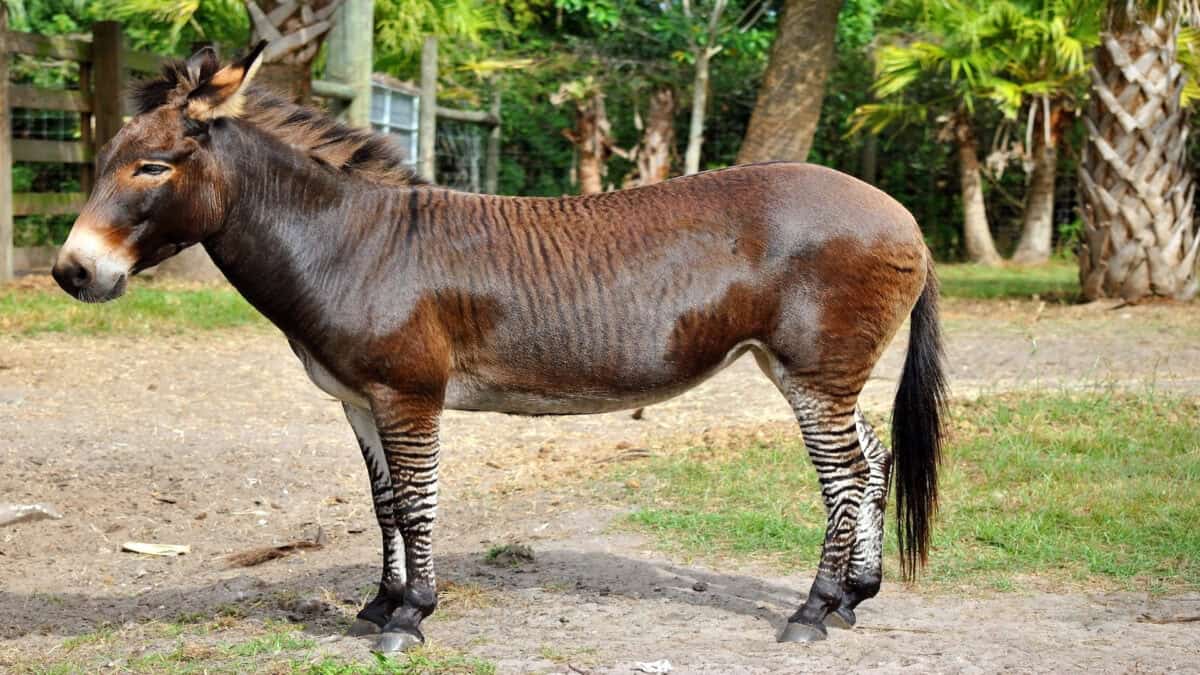
Zebroids encompass a fascinating category of hybrids that result from crossing zebras with other equines, including horses, donkeys, and ponies. Depending on the specific parent combination, these hybrids receive different names – a zebra crossed with a horse creates a zorse, with a donkey produces a zonkey (or zedonk), and with a pony yields a zony. The first documented zebroid was bred in the early 19th century, though attempts to systematically breed them intensified during colonial periods in Africa when Europeans sought animals with zebra-like resistance to regional diseases but with more docile temperaments.
Physically, zebroids typically inherit the body structure of the non-zebra parent while displaying partial striping patterns, often concentrated on the legs and parts of the body. Their manes may be erect like zebras or falling like horses, depending on the specific cross. Behaviorally, they tend to be difficult to train, often inheriting the more wild and unpredictable temperament of their zebra parent rather than the domesticated nature of horses or donkeys. Like many hybrids, zebroids are almost always sterile due to chromosome incompatibility between the parent species. Despite this limitation, they continue to be bred occasionally for their unique appearance and as demonstration animals in zoos and wildlife parks.
7. Tigon – The Reverse Liger

While ligers receive significant attention, the tigon represents the reverse pairing – the offspring of a male tiger and a female lion. These magnificent hybrids typically grow to a size similar to their parent species rather than exhibiting the extreme growth seen in ligers. This difference occurs because tigons inherit the growth-inhibiting gene from their lion mothers, which regulates their size. First documented in the early 20th century, tigons remain exceptionally rare even in captivity, with only a handful existing worldwide.
Tigons display a fascinating blend of physical traits from both parents. They often exhibit a light orange-gold base coat with pronounced tiger striping and may have very short manes if male. Their faces often show a blend of lion and tiger features, with a structure that falls between the rounded shape of tigers and the more angular lion face. Behaviorally, tigons may roar like lions or chuff like tigers and often enjoy water like their tiger parent. Female tigons have occasionally proven fertile, though males are typically sterile. The contrast between tigons and ligers provides scientists with valuable insights into the role of genetics and epigenetics in determining physical characteristics in hybrid animals.
6. Wolphin – The Wolf-Dolphin Hybrid

Not to be confused with the wholphin (false killer whale and bottlenose dolphin cross), the wolphin represents a hybrid between a false killer whale and a melon-headed whale (Peponocephala electra). This extremely rare cross has been documented only a handful of times, with the most notable example being a wolphin named Kawili Kai, born at Sea Life Park Hawaii in 2005. The possibility of this cross exists because both parent species belong to the oceanic dolphin family (Delphinidae), despite the “whale” in their common names.
Wolphins display physical characteristics intermediate between their parent species, with a coloration darker than the melon-headed whale but lighter than the false killer whale. Their head shape also represents a blend, with a melon (the rounded forehead) size and structure that falls between the two parent species. They typically have the approximate number of teeth intermediate between the two parent species as well. Given the extreme rarity of wolphins, their reproductive capabilities remain largely unknown, though like many cetacean hybrids, there’s potential for fertility, particularly in females. These hybrids offer marine biologists valuable insights into the genetic compatibility and evolutionary relationships within the dolphin family.
5. Savannah Cat – Wild and Domestic Feline Cross

The Savannah cat represents one of the few hybrid animals that has gained significant popularity as a domestic pet. Created from crossing a serval (Leptailurus serval), a wild African cat, with a domestic cat (Felis catus), the first documented Savannah was born in 1986. Savannah cats are categorized by “filial generation” – F1 designates a cat with a serval parent, F2 has a serval grandparent, and so on, with each generation typically showing less pronounced wild characteristics.
Physically, Savannah cats are notably larger than typical domestic cats, with long legs, large ears, and distinctive spotted patterns reminiscent of their serval ancestry. Early generation Savannahs can weigh up to 25 pounds and stand significantly taller than conventional house cats. Their personality often combines the curiosity and energy of servals with the affectionate nature of domestic cats, creating a pet that forms strong bonds with owners while maintaining an adventurous spirit. Unlike many animal hybrids, Savannah cats of both sexes become fertile by the F4 or F5 generation. While their ownership is regulated or restricted in some regions due to their wild heritage, they have become increasingly popular among exotic pet enthusiasts who appreciate their unique appearance and dynamic personalities.
4. Beefalo – The Bison-Cattle Hybrid

The beefalo represents a productive and viable hybrid between American bison (Bison bison) and domestic cattle (Bos taurus). While occasional natural crossbreeding has occurred since European cattle were introduced to North America, deliberate breeding programs began in the mid-20th century. These efforts aimed to combine the lean, high-protein meat and environmental hardiness of bison with the docile temperament and milk production of cattle. For an animal to be considered a beefalo by the American Beefalo Association, it must possess 3/8 (37.5%) bison genetics.
Physically, beefalo exhibit characteristics of both parent species, including a large shoulder hump (though smaller than pure bison), a broad forehead, and a more muscular build than standard cattle. Their meat contains less fat and cholesterol than conventional beef while maintaining tenderness and flavor. Unlike many hybrids, beefalo are generally fertile, allowing for the establishment of stable breeding populations. From an environmental perspective, beefalo require less feed, water, and shelter than conventional cattle while demonstrating greater resistance to disease and extreme weather conditions. This hybrid has gained particular popularity among sustainable ranching advocates, who value their reduced environmental impact combined with commercial viability.
3. Leopon – The Leopard-Lion Hybrid
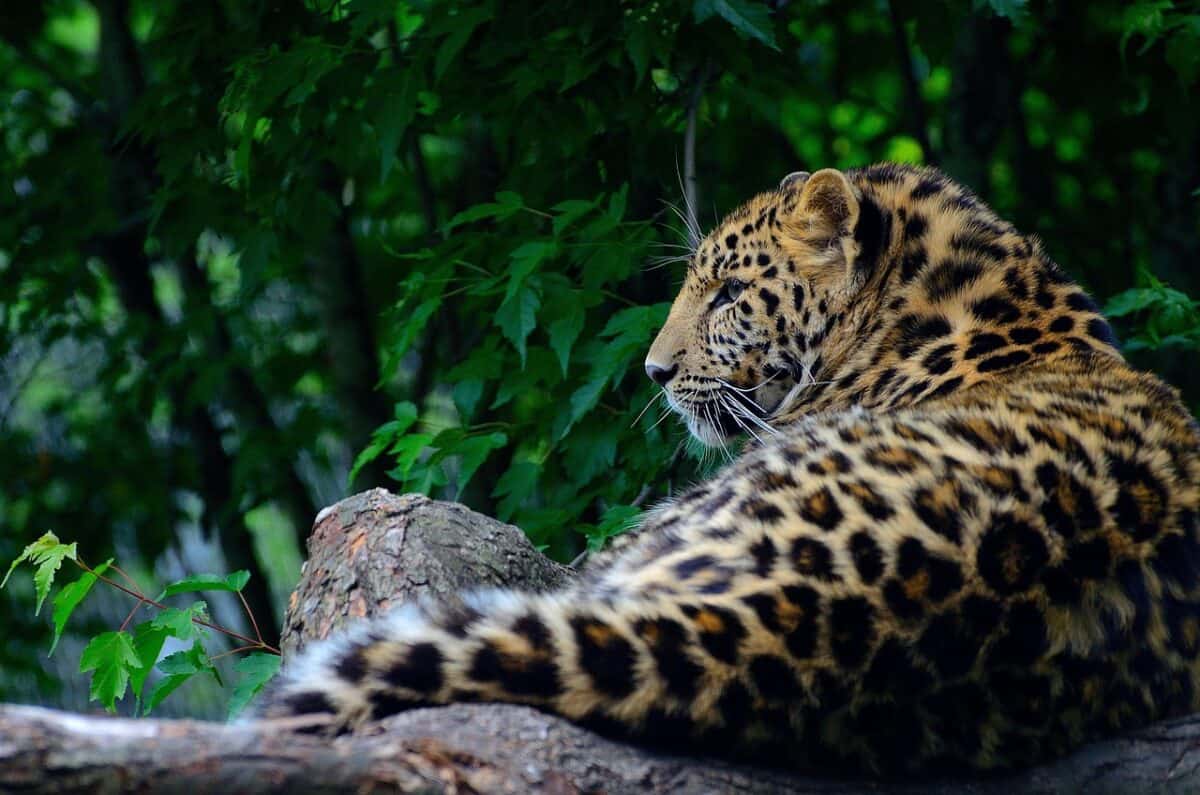
The leopon results from the crossing of a male leopard (Panthera pardus) with a female lion (Panthera leo), creating one of the rarest big cat hybrids. First successfully bred in captivity in the early 20th century, leopons remain exceedingly uncommon, with only a handful of confirmed cases, primarily from zoos in Japan and Italy. These hybrids emerge from artificial breeding scenarios, as leopards and lions rarely encounter each other in the wild, and when they do, the larger lions typically dominate or drive away leopards rather than mate with them.
Leopons display a fascinating blend of physical characteristics from both parent species. They typically have the powerful build of lions combined with the climbing agility of leopards. Their coat features a distinctive spotted pattern, though the spots appear more muted and brown compared to the bold black rosettes of leopards. Male leopons may develop sparse manes, much less prominent than those of male lions. The head typically resembles that of a lion, while the body often shows more leopard-like proportions. Like many big cat hybrids, leopons are generally presumed to be sterile, though insufficient data exists due to their extreme rarity. Their unusual appearance and combination of behavioral traits make them objects of significant zoological interest, though ethical concerns about breeding hybrid big cats have limited deliberate leopon production in recent decades.
2. Narluga – The Narwhal-Beluga Hybrid

In 2019, scientists confirmed the existence of one of the ocean’s most extraordinary hybrids – the narluga, a cross between a narwhal (Monodon monoceros) and a beluga whale (Delphinapterus leucas). This discovery came through DNA analysis of an unusual skull collected from a subsistence hunter in Greenland in the 1980s. The skull had puzzled scientists for decades due to its unique features that didn’t match either parent species perfectly. Research confirmed this individual was indeed the offspring of a male narwhal and a female beluga, representing the first documented case of hybridization between these Arctic cetaceans.
The analyzed narluga skull displayed a fascinating intermediate morphology between the parent species. It possessed 16-18 teeth, a number between the numerous teeth of belugas and the limited dentition of narwhals (typically just one spiral tusk in males). The teeth themselves showed a distinctive spiral pattern influenced by narwhal genetics. Isotope analysis of the teeth suggested the hybrid fed differently than either parent species, likely feeding on bottom-dwelling creatures, an adaptation possibly influenced by its unique dental structure. While only a single narluga has been genetically confirmed to date, indigenous Arctic communities have occasionally reported seeing unusual whales with features of both species, suggesting these hybrids may occur rarely in nature. The narluga represents an important scientific discovery that expands our understanding of cetacean evolution and the potential for hybridization among whale species previously thought to be reproductively isolated.
1. Graisin – The Goat-Sheep Hybrid
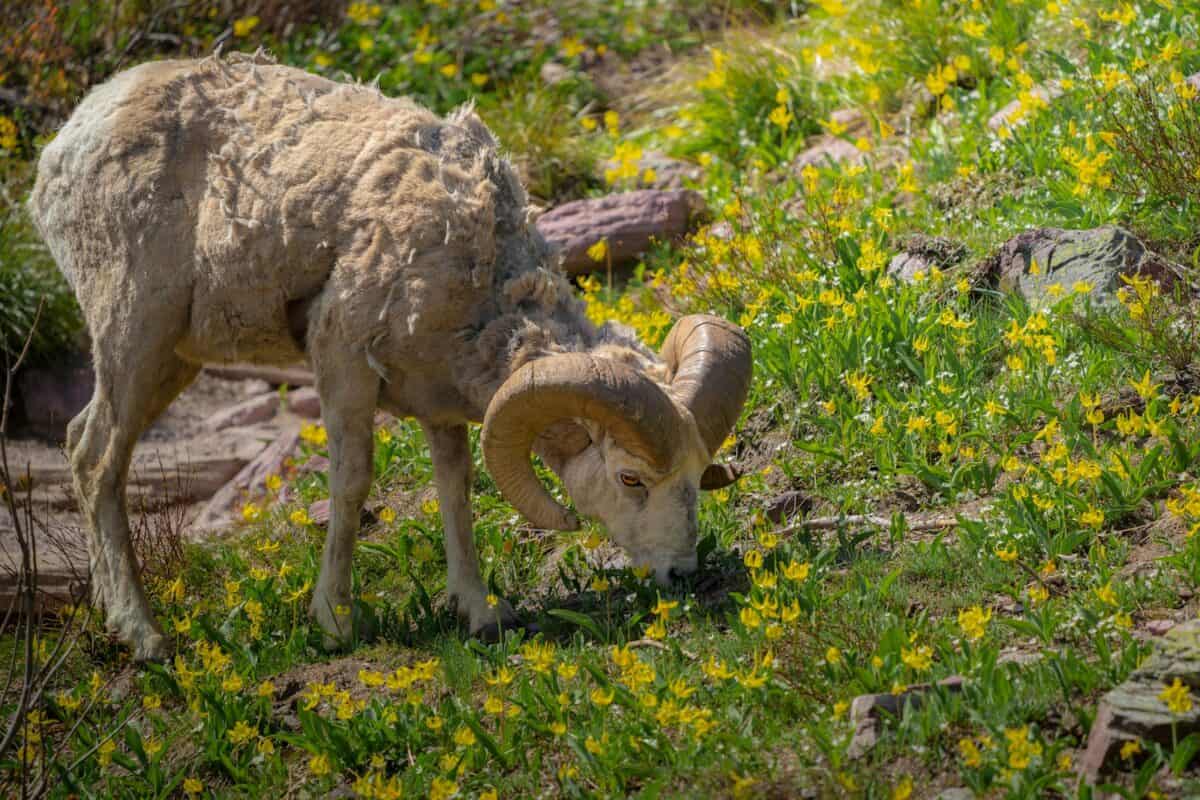
The graisin (sometimes called a geep) results from the hybridization of domestic goats (Capra aegagrus hircus) and sheep (Ovis aries). Despite belonging to different genera, these closely related species can occasionally produce offspring, though such events remain exceedingly rare. Most documented cases involve matings between male goats and female sheep, likely because the aggressive courtship behavior of billy goats overcomes species barriers more readily than the more docile rams. The vast majority of sheep-goat pregnancies end in early miscarriage due to developmental incompatibilities.
When graisins do successfully develop and survive, they display a fascinating mixture of characteristics from both parent species. They typically have a body shape more reminiscent of goats, with longer legs and a leaner build than sheep. Their coat often combines elements of both species, sometimes with an outer hair layer like goats covering an inner wool layer like sheep. Behaviorally, they frequently demonstrate the more independent and curious nature of goats rather than the flocking instinct of sheep. Almost all graisins are sterile due to the chromosome number difference between goats (60) and sheep (54), making them genetic dead ends rather than the beginning of new hybrid populations. While naturally occurring graisins remain biological rarities, they provide valuable insights for researchers studying the genetic boundaries between closely related species.
Conclusion:

The fascinating world of animal hybrids demonstrates nature’s flexibility while simultaneously highlighting the boundaries that typically keep species distinct. These twelve remarkable creatures represent exceptional cases where genetics, circumstance, and sometimes human intervention have created animals that challenge our understanding of species definitions. From the massive liger to the recently confirmed narluga, each hybrid tells a unique story about evolution, adaptation, and the complex interplay of genetic compatibility. While most remain reproductive dead ends due to sterility, they offer scientists valuable insights into the

As a little kid, I fell in love with nature, wildlife, and animals. Living in the USA, South Africa, Italy, China and Germany gave me the opportunity to discover the world's Wildlife. My favorite animals are Mountain Gorillas, Siberian Tigers, and Great White Sharks.
I'm a certified PADI Open Water Diver, went to Everest Base Camp and Trekked Gorillas in Uganda. I hold a Master of Science in Economics and Finance.
Please send any feedback to feedback@animalsaroundtheglobe.com
- 13 Cat Breeds That Get Along with Dogs - July 20, 2026
- The 12 Largest Dog Breeds That Still Love to Cuddle - July 20, 2026
- 12 Pet Habits That Secretly Mean They Love You - July 20, 2026