

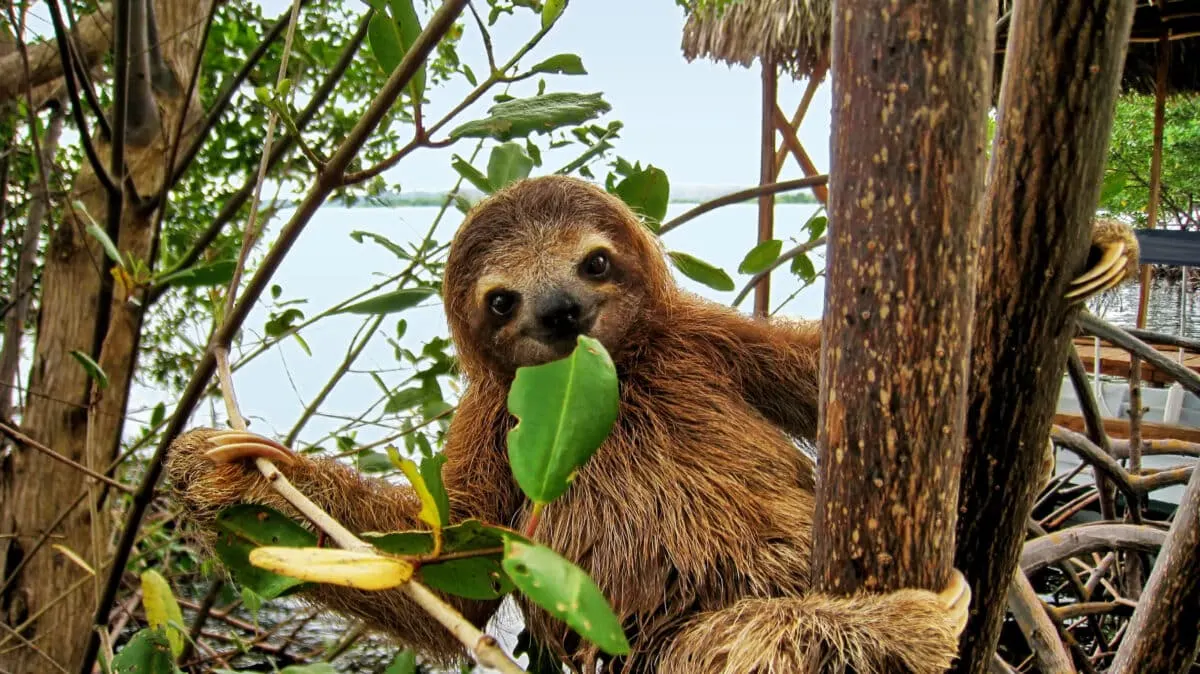
Sloths, those adorable slow-moving mammals of the rainforest, have captured our hearts with their perpetual smiles and unhurried lifestyle. But beneath their charming exterior lies one of the most fascinating digestive systems in the animal kingdom. These remarkable creatures have evolved digestive adaptations that allow them to survive on a diet most animals would find completely inadequate. From multi-chambered stomachs to month-long digestion periods, the sloth’s internal workings are as extraordinary as their external appearance. Let’s explore twelve surprising facts about the digestive system that keeps these leisurely mammals functioning in their treetop habitats.
12. Record-Breaking Digestion Time

Sloths hold the record for the slowest digestion of any mammal on Earth. While humans typically process food in 24-72 hours, sloths take an astonishing 30 days to completely digest a single leaf! This extraordinarily slow process is an evolutionary adaptation that allows them to extract maximum nutrients from their low-calorie diet of leaves, buds, and tender shoots. The methodical digestion perfectly complements their famously slow metabolism and minimizes the energy required for processing food. This remarkable digestive timeline means that at any given moment, a sloth’s stomach contains meals from weeks ago—a true testament to their mastery of energy conservation.
11. Multi-Chambered Stomach Structure
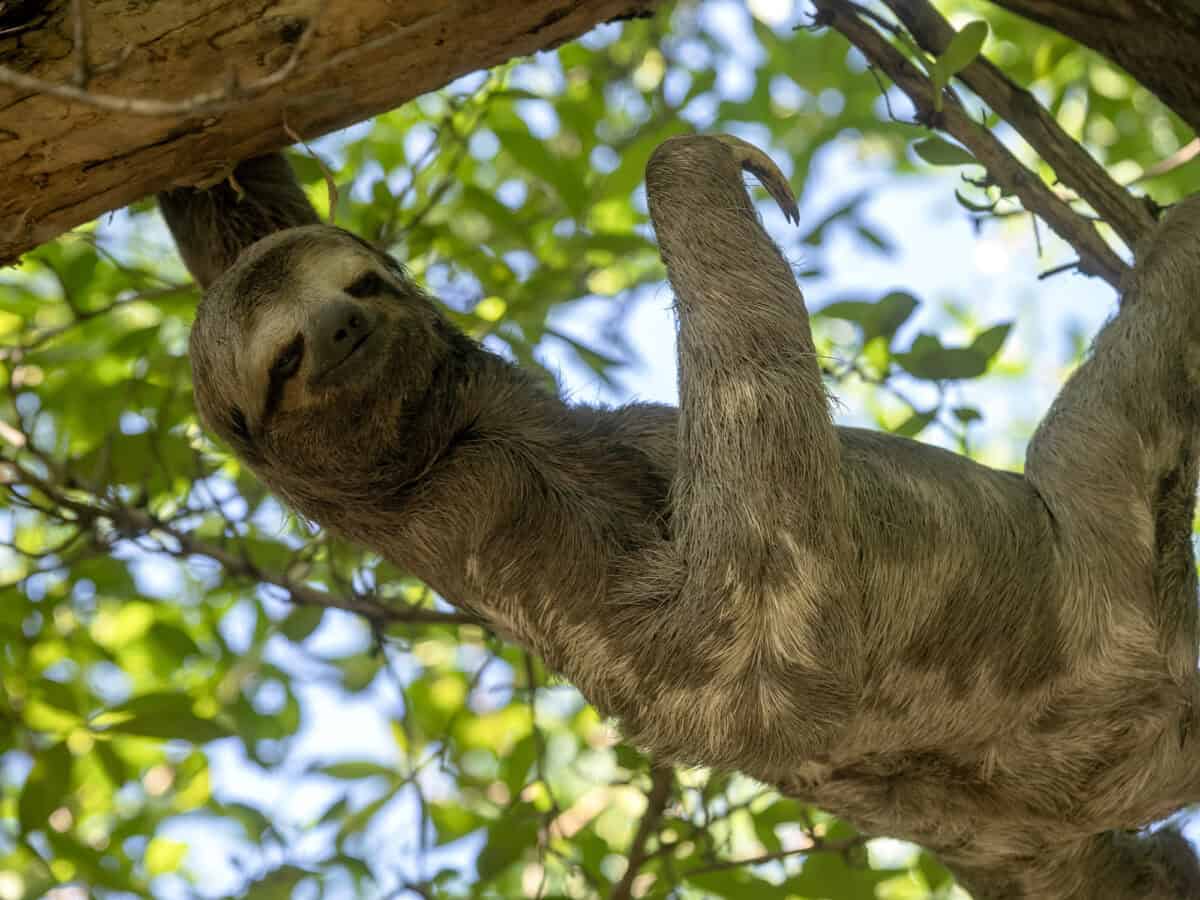
Unlike most mammals, sloths possess a complex, multi-chambered stomach similar to that of cows and other ruminants, despite not being classified as ruminants themselves. Their stomach consists of four compartments, each playing a specific role in breaking down the tough cellulose of their leafy diet. The first chamber acts as a fermentation vat where bacteria begin breaking down plant matter. The subsequent chambers further process the partially digested food, extracting nutrients and water along the way. This specialized structure compensates for the lack of nutritional value in their diet by maximizing the extraction of every possible nutrient from the leaves they consume. The compartmentalized design represents a fascinating case of convergent evolution with other herbivorous mammals.
10. Symbiotic Relationship with Algae
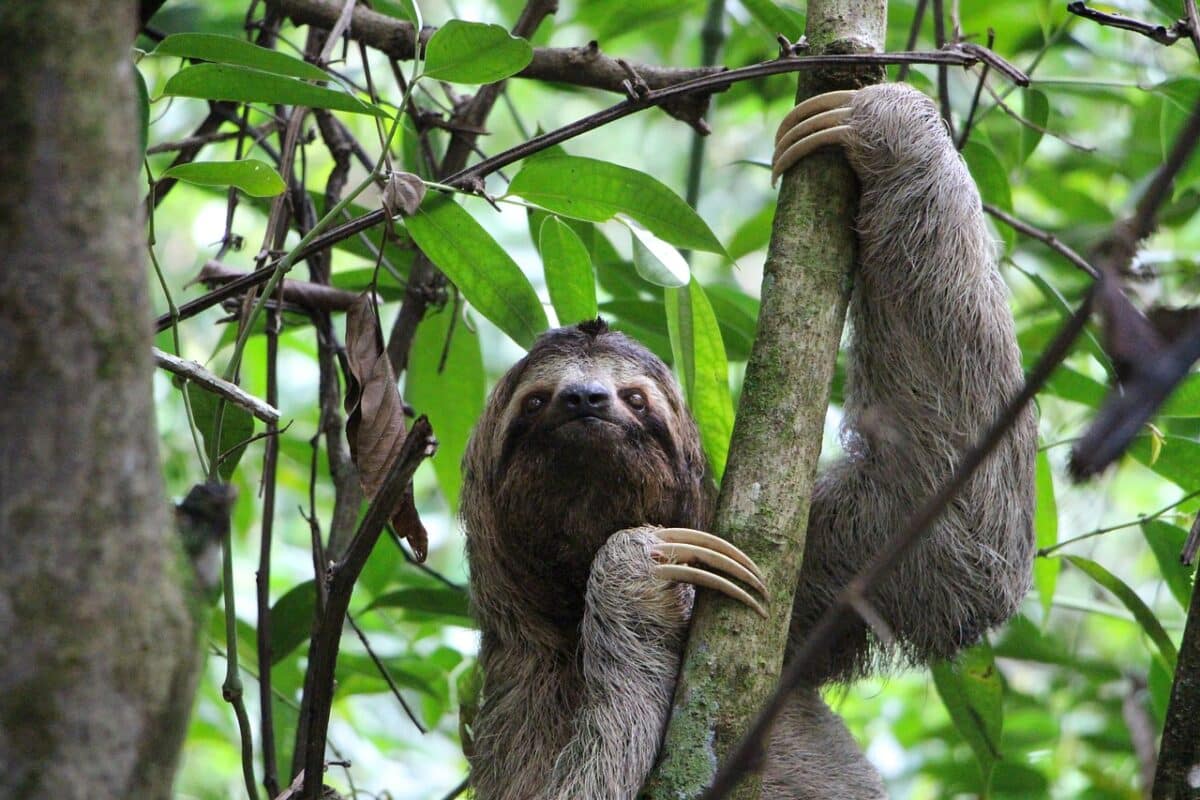
The sloth’s digestive system indirectly supports a remarkable symbiotic relationship with algae. Their exceedingly slow digestion means they only need to descend from the trees to defecate about once a week—a dangerous journey that exposes them to predators. When they do relieve themselves, they typically do so at the base of their favorite trees, depositing nutrients that help sustain the trees they depend on for food. Additionally, this infrequent defecation schedule allows algae to grow in their fur, creating a greenish tint that provides camouflage in the forest canopy. Some research suggests sloths may even absorb nutrients from the algae through their skin or by grooming, potentially supplementing their limited diet—an indirect extension of their digestive process.
9. Specialized Gut Microbiome
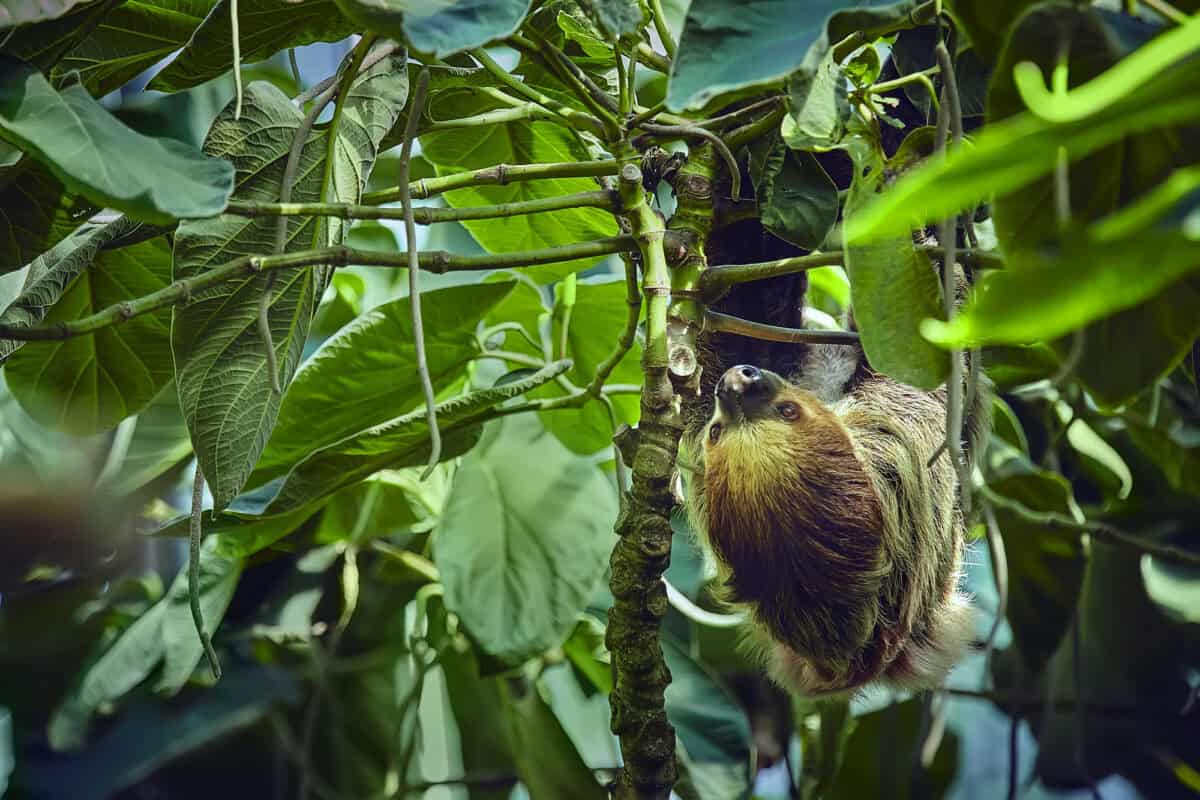
The sloth’s digestive system houses one of the most specialized microbiomes in the animal kingdom. Their gut contains unique bacteria and microorganisms specifically adapted to break down cellulose and detoxify the chemical compounds found in many rainforest leaves. These microorganisms work tirelessly to ferment plant material, producing fatty acids that the sloth can then absorb for energy. Recent studies have identified several previously unknown bacterial species unique to sloth digestive tracts, some with potential pharmaceutical applications due to their ability to neutralize compounds toxic to most other animals. This remarkable microbiome enables sloths to safely consume leaves that would be poisonous to many other herbivores, expanding their potential food sources in the competitive rainforest environment.
8. Minimal Nutritional Requirements
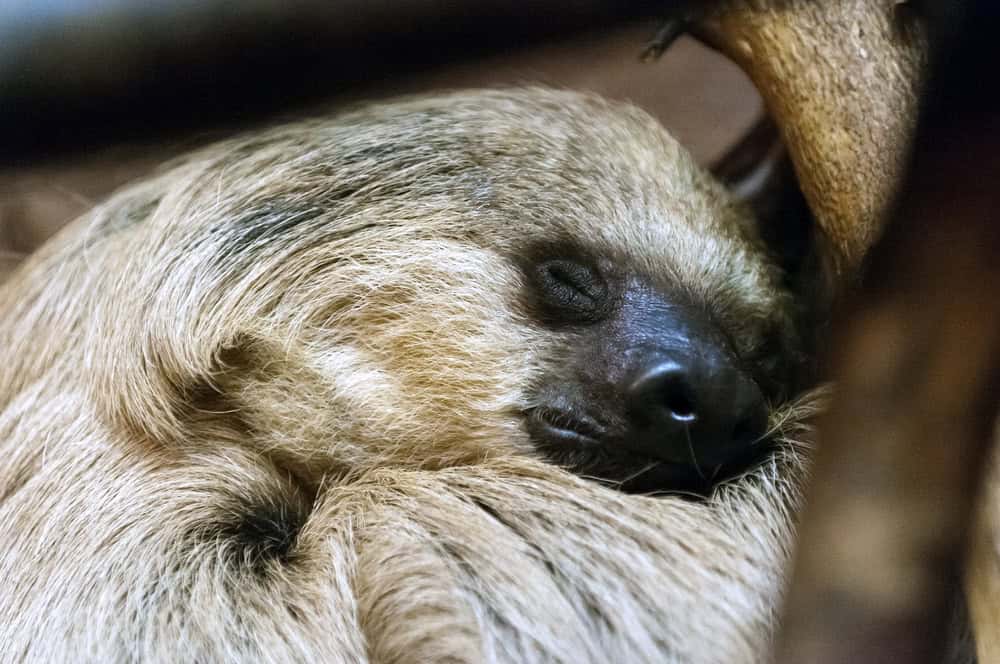
Sloths have evolved digestive systems that function on an incredibly low energy budget. They can survive on as little as 160 calories per day—about the equivalent of half an apple for a human. This extraordinarily low caloric requirement is possible because their specialized digestive system extracts maximum nutrition from every morsel. Their metabolism operates at just 40-45% of what would be expected for a mammal of their size, and their digestive efficiency compensates for the low nutritional content of their diet. Interestingly, a sloth’s digestive system operates so efficiently that they rarely suffer from malnutrition even during seasonal changes when food quality varies. This remarkable adaptation allows sloths to thrive in ecological niches where other mammals would quickly starve.
7. Two-Thirds of Body Weight in Digestive Contents
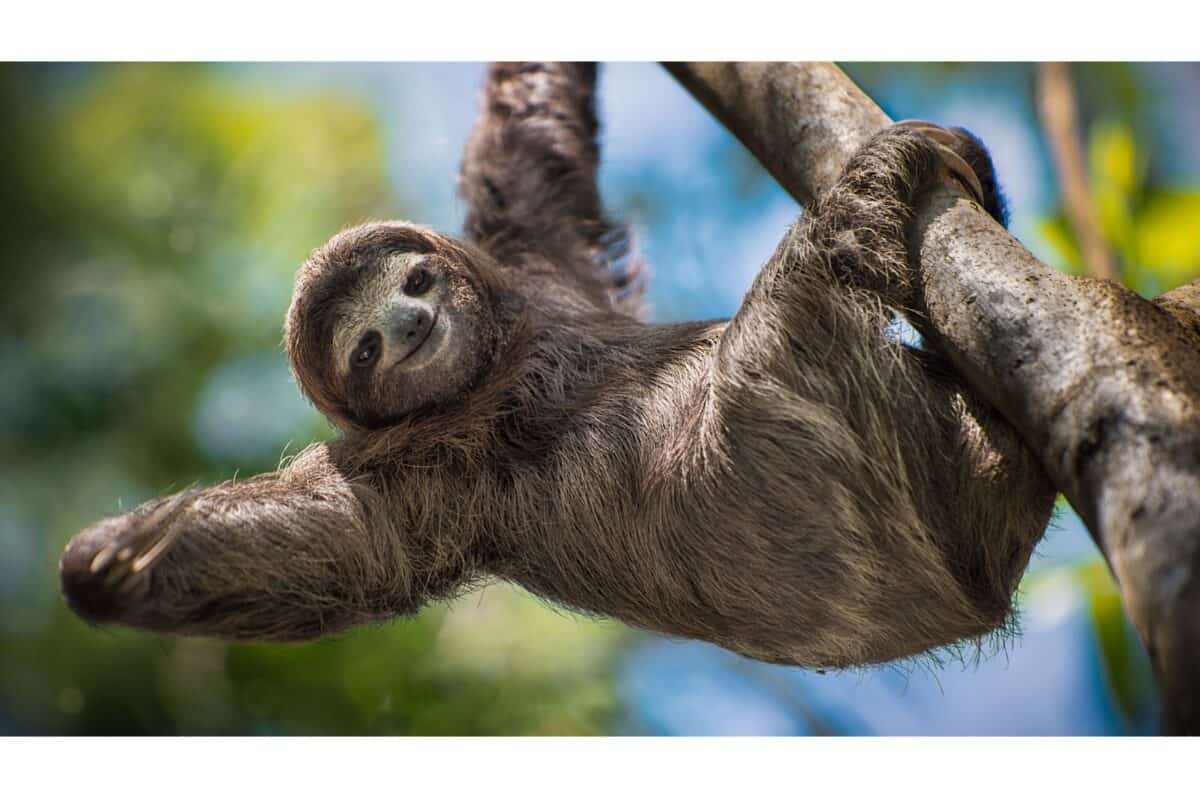
Perhaps one of the most astonishing facts about sloth digestion is that up to two-thirds of a sloth’s body weight can consist of undigested food and waste material in various stages of decomposition. This extraordinary proportion far exceeds most other mammals, whose digestive contents typically make up a much smaller percentage of body weight. The massive amount of material in their digestive tract serves as a ballast, helping sloths maintain stability while hanging upside down in trees. When sloths finally descend to defecate, they can lose up to one-third of their body weight in a single bathroom visit! This extreme weight fluctuation would be dangerous for most animals but is just another day in the life of these remarkable creatures with their specially adapted digestive systems.
6. Metabolic Shifts During Defecation

Sloths experience a significant metabolic shift during their weekly defecation ritual. As they prepare to descend from the trees—a journey that exposes them to predation risk—their metabolism temporarily increases by nearly 30%. This boost provides the energy needed for the relatively rapid (by sloth standards) descent and ascent, as well as the actual elimination process. Once the defecation is complete, their metabolism quickly returns to its characteristically slow pace. This temporary metabolic acceleration is directly tied to their digestive cycle and represents a remarkable energy management strategy. The ability to momentarily increase metabolism demonstrates the sophisticated connection between the sloth’s digestive system and its overall physiology, highlighting how their entire biology is adapted around their unique digestive needs.
5. Temperature-Dependent Digestion

The sloth’s digestive system operates with remarkable temperature sensitivity. Unlike many mammals that maintain a constant internal temperature, sloths are heterothermic—their body temperature can fluctuate by several degrees based on environmental conditions. This variability directly affects their digestion rate, with warmer temperatures accelerating the process and cooler temperatures slowing it further. On cool, cloudy days, a sloth will often position itself to maximize sun exposure, effectively using solar heating to optimize its digestive function. This temperature-dependent digestion explains why sloths in captivity with climate control sometimes experience digestive issues. The ability to adjust digestive rates according to environmental conditions represents yet another energy-conservation strategy in these remarkably efficient mammals.
4. Digestive System Dictates Movement Patterns

The sloth’s famous slowness isn’t merely a quirky behavioral trait—it’s directly connected to their digestive system’s demands. With such a low-energy diet and slow digestion rate, sloths must conserve energy in every possible way. Their leisurely movements, averaging just 41 yards per day in the wild, represent an energy conservation strategy that complements their digestive limitations. Research has shown that sloths time their movements according to their digestive status, becoming slightly more active after consuming fresh leaves and significantly reducing movement when their stomachs are processing older material. This synchronization between movement and digestion demonstrates how thoroughly the sloth’s lifestyle has evolved around its unique digestive constraints, making their famous slowness a sophisticated adaptation rather than simply a charming trait.
3. Leaf Selection Based on Digestibility

Despite appearing to casually munch on whatever leaves are within reach, sloths are surprisingly selective feeders with preferences dictated by their digestive capabilities. Studies tracking wild sloths have revealed they can identify leaves with lower toxin levels and higher nutrient content, sometimes traveling surprising distances to reach preferred food sources. Three-toed sloths typically specialize in leaves from just a few tree species, while two-toed sloths have a somewhat broader diet. This selectivity directly relates to what their specialized digestive system can process effectively. Remarkably, sloths can remember the location of trees that previously provided digestible leaves, suggesting their feeding strategy is far more sophisticated than their drowsy appearance might suggest. This targeted feeding approach maximizes the efficiency of their already remarkable digestive system.
2. Adaptations to Toxin Consumption

Many rainforest leaves contain toxic compounds that deter consumption by herbivores, but the sloth’s digestive system has evolved remarkable detoxification capabilities. Their liver and specialized gut bacteria can neutralize compounds that would be harmful to most other mammals. Additionally, sloths consume small amounts of soil and clay from tree crevices, which binds to toxins in their digestive tract—a behavior known as geophagy. Their extraordinarily slow digestion also plays a role in toxin management, allowing gradual processing of harmful compounds rather than overwhelming their system all at once. These adaptations mean sloths can safely consume leaves with moderate toxicity levels, accessing food sources unavailable to competitors. This sophisticated detoxification system represents one of the most impressive aspects of their digestive specialization.
1. The Conclusive Connection Between Digestion and Longevity
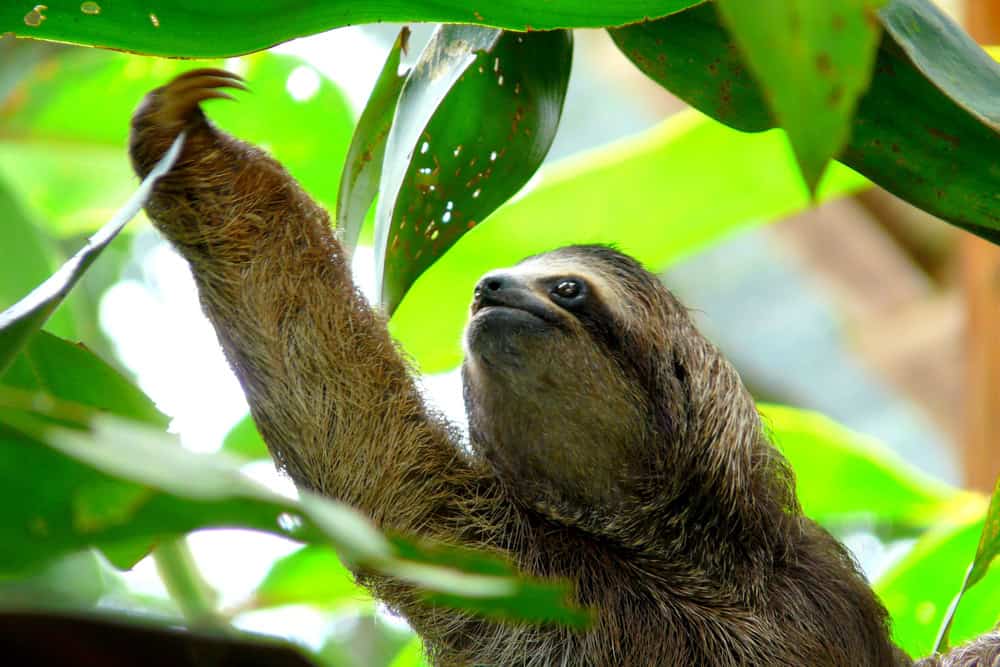
The sloth’s unique digestive system contributes significantly to their impressive lifespan of 20-30 years in the wild and up to 40 years in captivity—remarkably long for their size. Their slow metabolism and efficient digestion reduce the oxidative stress that accelerates aging in many animals. By operating their bodily systems at such a deliberate pace, sloths experience fewer of the cellular damages associated with rapid metabolism. Interestingly, the same bacterial fermentation that helps them digest leaves produces compounds that may have anti-inflammatory and antioxidant properties, potentially offering additional longevity benefits. This connection between their distinctive digestive process and extended lifespan provides fascinating insights into the relationship between metabolism, digestion, and aging across species, making sloths valuable subjects for longevity research.
Conclusion: The Extraordinary Digestive Marvel of the Rainforest

The sloth’s digestive system stands as one of nature’s most remarkable specialized adaptations, enabling these unique creatures to thrive in their rainforest habitat despite seemingly overwhelming challenges. What might appear as simple slowness reveals itself as an intricate, finely-tuned biological system that maximizes efficiency at every turn. From multi-chambered stomachs to specialized microbiomes, month-long digestion processes to toxin-neutralizing capabilities, sloths represent an evolutionary masterclass in doing more with less. These digestive adaptations not only enable their survival but have shaped everything from their movement patterns to their social behavior, their habitat preferences to their longevity. The next time you admire a sloth’s peaceful expression, remember that beneath that smile lies one of the animal kingdom’s most fascinating digestive systems—a true testament to the extraordinary diversity of life’s solutions to environmental challenges.

As a little kid, I fell in love with nature, wildlife, and animals. Living in the USA, South Africa, Italy, China and Germany gave me the opportunity to discover the world's Wildlife. My favorite animals are Mountain Gorillas, Siberian Tigers, and Great White Sharks.
I'm a certified PADI Open Water Diver, went to Everest Base Camp and Trekked Gorillas in Uganda. I hold a Master of Science in Economics and Finance.
Please send any feedback to feedback@animalsaroundtheglobe.com
- 13 Cat Breeds That Get Along with Dogs - July 20, 2026
- The 12 Largest Dog Breeds That Still Love to Cuddle - July 20, 2026
- 12 Pet Habits That Secretly Mean They Love You - July 20, 2026