


Worried about unexpected vet bills?
Pet insurance can cover thousands in unexpected vet costs. Get a free quote from Lemonade in under 2 minutes.
Get My Free Quote →Sponsored · Opens Lemonade.com
Sharks have long mesmerized humans with their mysterious presence beneath the waves. While often misunderstood, these fascinating creatures harbor secrets that will leave you in awe. This article will dive deep into the intriguing world of sharks and unveil some jaw-dropping facts that challenge common perceptions.
12. Sharks Pre-date Dinosaurs

It might come as a surprise that sharks have been patrolling the oceans for over 400 million years, making them much older than the dinosaurs. These ancient predators have survived multiple mass extinctions, with their basic design remaining relatively unchanged, showcasing their incredible resilience and adaptability.
11. Diverse and Numerous Species

The shark family is incredibly diverse, with over 500 known species, ranging from the minute dwarf lanternshark, measuring only about 8 inches, to the massive whale shark, which can grow up to 40 feet or more. This diversity enables sharks to thrive in varying marine environments, from the deep ocean to coastal shallows.
10. Cartilaginous Bodies

Unlike bony fishes, sharks are classified as chondrichthyans, meaning their skeletons are made entirely of cartilage. This cartilaginous structure makes their bodies lighter, allowing better maneuverability in the water, a crucial adaptation for their predatory lifestyle.
9. Keen Sensory Abilities

Sharks are equipped with extraordinary sensory features to detect prey. Apart from acute hearing and sense of smell, they possess electroreceptors known as the ampullae of Lorenzini. These receptors detect the faint electrical fields produced by all living organisms, guiding sharks even in murky waters or complete darkness.
8. Incredible Migration Journeys

Some shark species are known for their phenomenal migratory patterns. For instance, the great white shark can traverse whole ocean basins, covering thousands of miles in search of food and suitable breeding grounds. These extensive movements are tracked through cutting-edge satellite tagging technology, revealing the wonders of shark endurance and navigation skills.
7. Masters of Camouflage

Many sharks employ natural camouflage techniques to evade predators and surprise prey. Counter-shading, a form of coloration where their dorsal (top) side is darker and ventral (bottom) side is lighter, helps them blend seamlessly into the ocean’s depths from any perspective—above or below.
6. Unique Reproductive Strategies
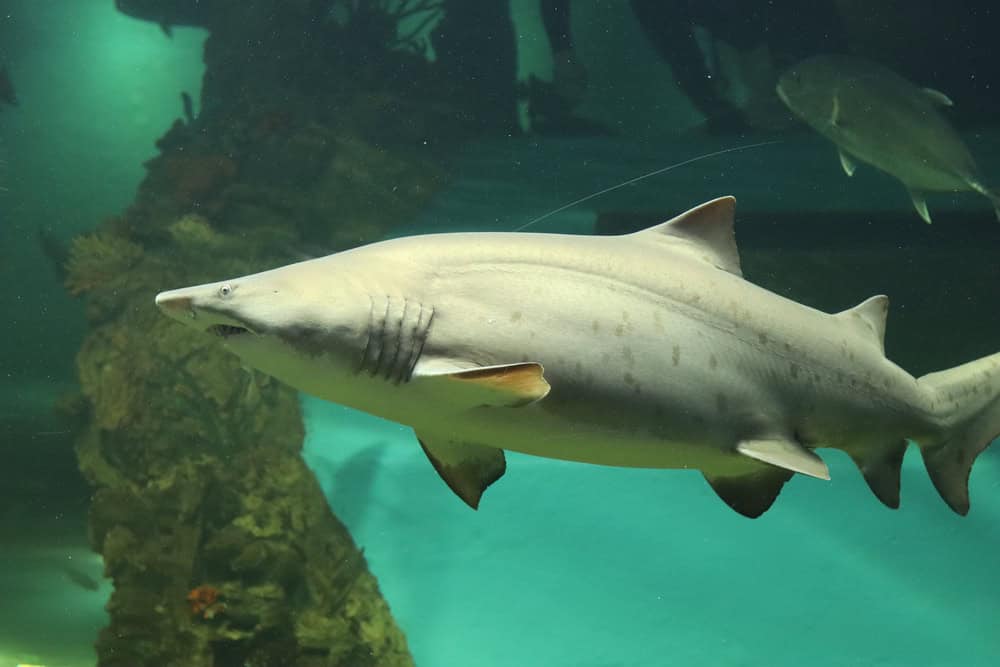
Sharks exhibit diverse reproductive modes, including oviparity (egg-laying), viviparity (live birth), and ovoviviparity, a fascinating combination where eggs hatch inside the mother’s body, and she gives birth to live young. This reproductive flexibility helps different species adapt to various ecological niches.
5. Essential Role in Ocean Ecosystems
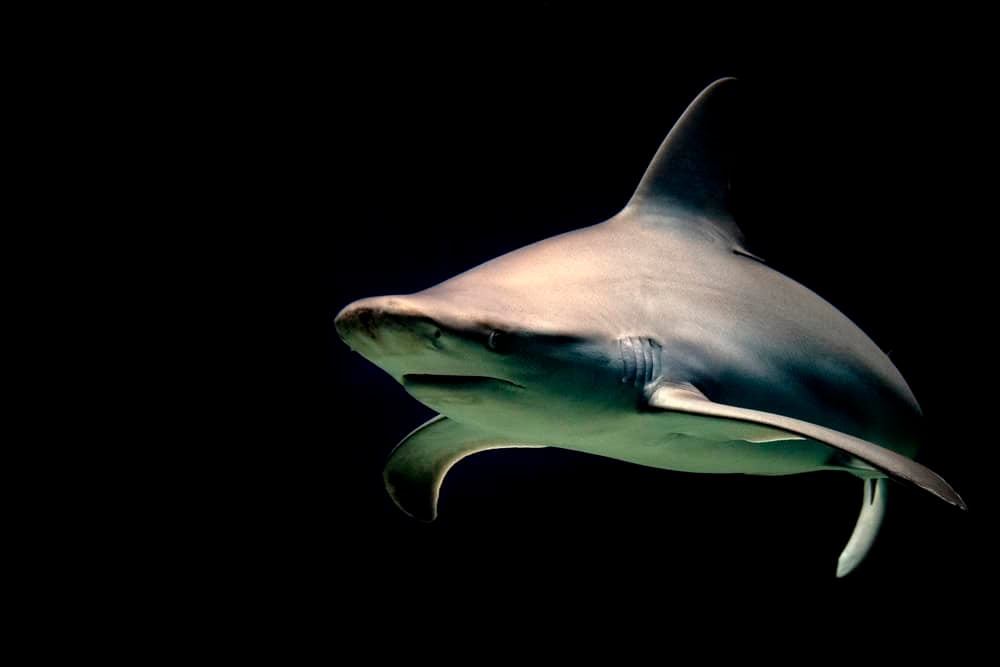
As apex predators, sharks play a critical role in maintaining the health of marine ecosystems. They regulate the populations of species below them in the food chain, contributing to the balance of the ocean’s biodiversity. The depletion of shark populations can lead to disproportionate increases in other species, causing ecological imbalances.
4. Remarkable Regeneration Abilities

Sharks are known to possess incredible healing abilities, able to recover rapidly from injuries. Recent studies suggest they might even have mechanisms to resist cancer. These regenerative gifts could hold the key to medical advancements in human health, inspiring researchers to continue studying sharks intensely.
3. Some Sharks Glow in the Dark

A few shark species, such as the swell shark and the lantern shark, exhibit bioluminescence, producing light through chemical reactions in their bodies. This glowing phenomenon aids in camouflage, communication, and mating, as well as in navigation in the murky depths where they reside.
2. Uncanny Electromagnetic Navigation

Beyond using electroreceptors to detect prey, there’s evidence that sharks can navigate using Earth’s magnetic fields. This geomagnetic capability aids them in long-distance migrations, functioning much like a natural compass and allowing them to traverse vast, featureless ocean expanses successfully.
1. Sharks Inspire Technological Innovations
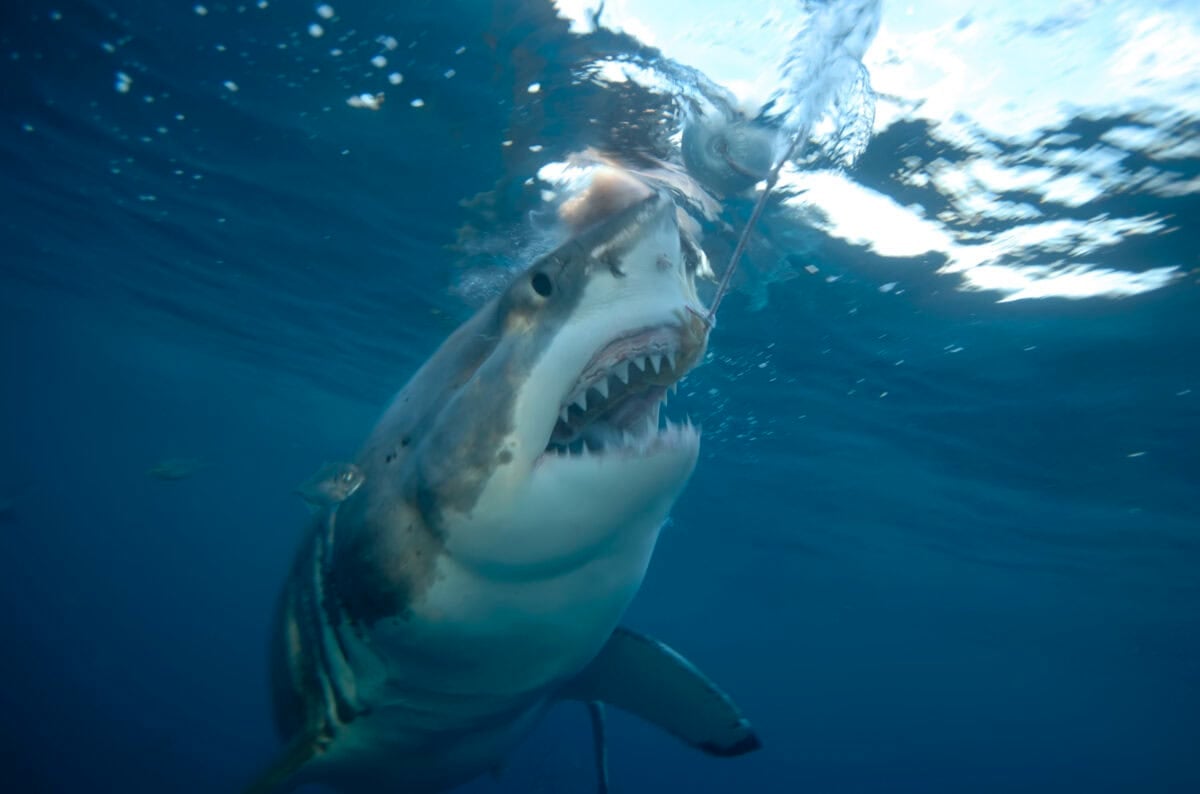
Sharks have inspired numerous technological advancements, particularly due to their unique skin texture known as “dermal denticles.” These tiny, tooth-like structures reduce drag, enabling swift movement through water—an adaptation mimicked in aircraft and swimwear design to improve efficiency and speed.
Conclusion:

In summary, the world of sharks is as vast and magnificent as the oceans they inhabit. These creatures, often misunderstood and cast as villains, reveal remarkable biological prowess and have a crucial role in the marine ecosystem. By understanding and protecting sharks, we ensure the health and balance of our oceans for generations to come.
Worried about unexpected vet bills?
Pet insurance can cover thousands in unexpected vet costs. Get a free quote from Lemonade in under 2 minutes.
Get My Free Quote →Sponsored · Opens Lemonade.com

As a little kid, I fell in love with nature, wildlife, and animals. Living in the USA, South Africa, Italy, China and Germany gave me the opportunity to discover the world's Wildlife. My favorite animals are Mountain Gorillas, Siberian Tigers, and Great White Sharks.
I'm a certified PADI Open Water Diver, went to Everest Base Camp and Trekked Gorillas in Uganda. I hold a Master of Science in Economics and Finance.
Please send any feedback to feedback@animalsaroundtheglobe.com
- 12 Fun Facts About the Elf Owl America Smallest Owl - June 11, 2026
- 15 Adorable Facts About Red Pandas You Will Want to Share - June 11, 2026
- 13 Times Wild Wolves Were Spotted in Urban Areas - June 11, 2026