


Nature is a vast canvas of beauty and wonder, yet it holds an inherent unpredictability that can sometimes be deadly. While the Earth is home to countless natural wonders, some of these phenomena can catch us off-guard, turning awe into terror in an instant. This article explores twelve natural events that can strike without warning—a reminder of the delicate balance between human life and the formidable forces of nature.
1. Flash Floods
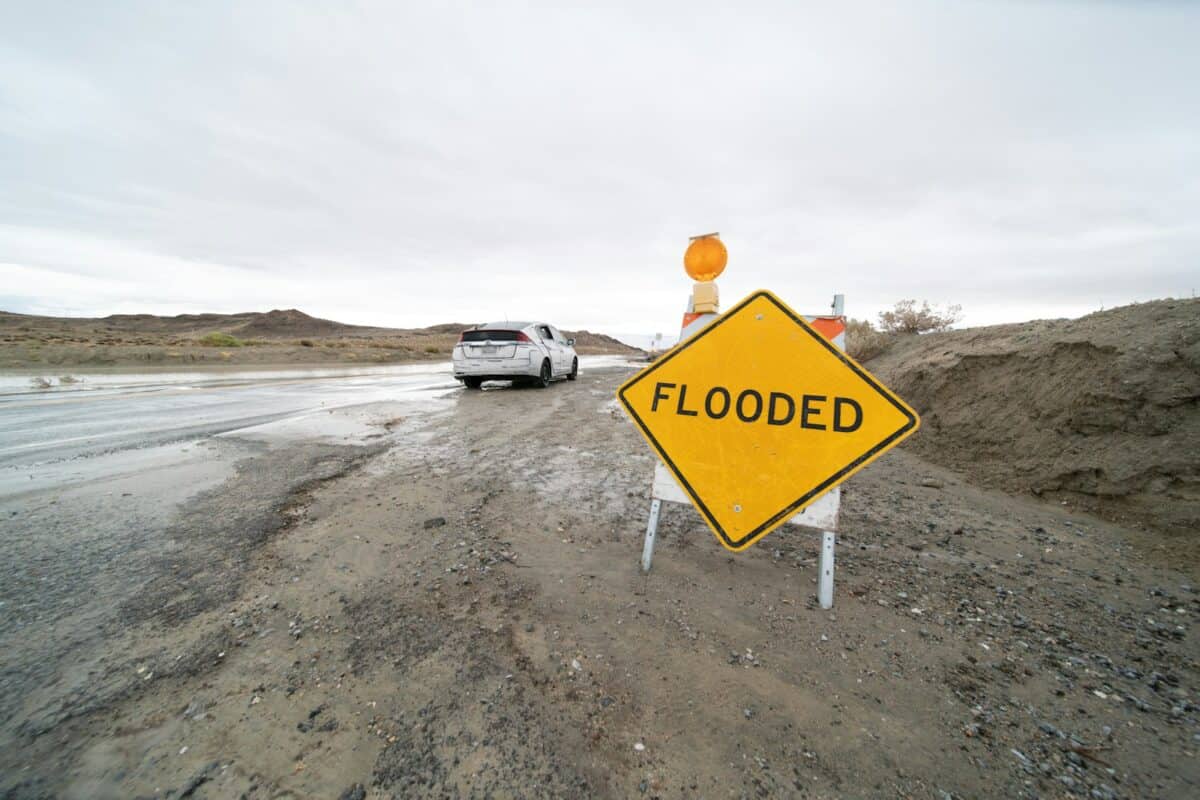
Flash floods are sudden, intense floods that can occur within minutes or hours of heavy rainfall. These events are particularly dangerous because of their rapid onset and unexpected nature. They can sweep away anything in their path, leaving little time for escape. Urban areas with poor drainage systems and regions prone to monsoons are especially vulnerable. Staying informed about weather alerts and respecting flood warnings are crucial to survival.
2. Tornadoes
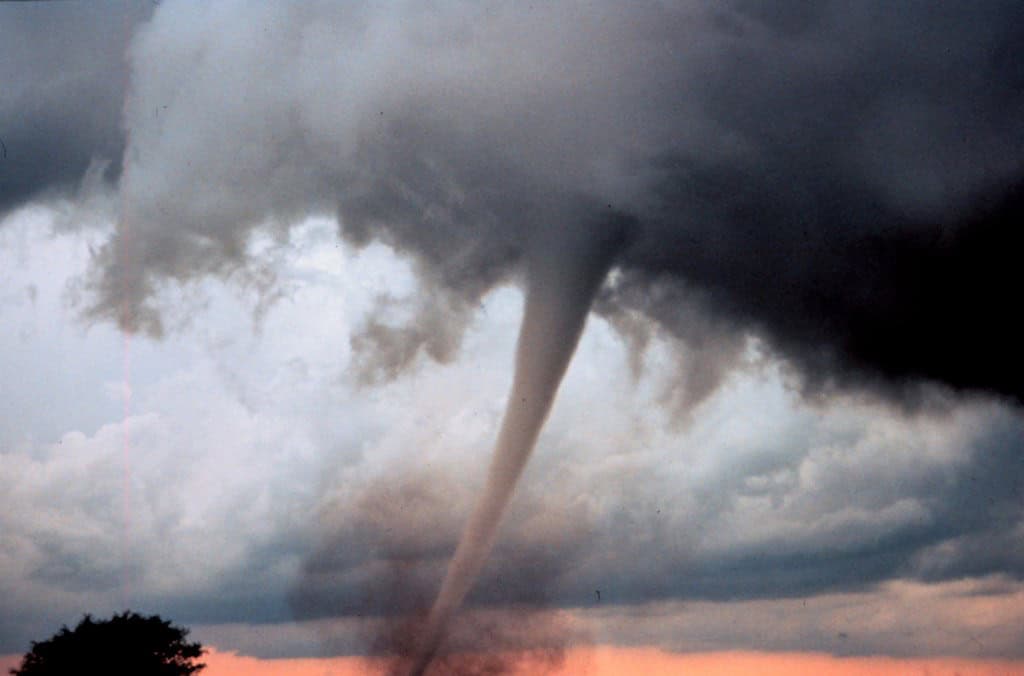
Tornadoes are violently rotating columns of air extending from a thunderstorm to the ground. Capable of destruction along their path, tornadoes can appear without much advance notice. The regions known as Tornado Alley in the United States experience frequent outbreaks. Seek shelter in a basement or an interior room on the lowest floor of a sturdy building during a tornado warning to improve your chances of survival.
3. Lightning Strikes

Despite the advancements in weather prediction, lightning strikes can occur with little warning. Each year, lightning is responsible for numerous deaths and injuries. Being outdoors during a thunderstorm increases the risk of being struck. To stay safe, seek shelter immediately and avoid tall structures, open fields, and bodies of water during thunderstorms.
4. Avalanches

Avalanches occur when a mass of snow, ice, and debris slides rapidly down a mountain. They present a significant threat in snow-covered regions, especially to skiers and mountaineers. Avalanches can be triggered by natural events, such as new snowfall or human activities. It’s crucial to carry safety equipment, such as transceivers and probes, and to check avalanche forecasts before venturing into mountainous areas.
5. Earthquakes

Earthquakes are the result of a sudden release of energy in the Earth’s crust, producing seismic waves. While some regions are more prone to seismic activity due to tectonic plate boundaries, earthquakes can occur almost anywhere and without warning. Buildings, bridges, and roads can collapse, leading to a loss of life and property. Preparedness includes having an emergency kit and knowing how to “Drop, Cover, and Hold On” during a quake.
6. Tsunamis

Tsunamis are large ocean waves caused by underwater earthquakes, volcanic eruptions, or landslides. Despite efforts in early detection systems, tsunamis can hit coastlines with minimal notice. The warnings often include signs such as sudden changes in the ocean. Residents in coastal areas should familiarize themselves with evacuation routes and heed official warnings promptly.
7. Volcanic Eruptions

Volcanic eruptions involve the expulsion of molten rock, ash, and gases from a volcano, posing a deadly threat to nearby communities. While some volcanoes show signs of activity before an eruption, others may not. Volcanic ash can disrupt air travel and cause respiratory problems. Keeping informed of activity reports from geological services can be lifesaving for those who live near volcanoes.
8. Rip Currents

Rip currents are powerful, narrow channels of fast-moving water that can sweep swimmers out to sea. They are common along beaches and can pose a significant danger to those unaware. Signs of rip currents include areas of churning water, waves that are breaking unevenly, and a noticeable difference in water color. Swimmers should remain calm if caught, swim parallel to the shore, and then ride the waves back to the beach.
9. Sinkholes

Sinkholes form when the ground collapses into cavities in the subterranean landscape, often occurring suddenly. They can swallow everything from vehicles to entire buildings. Areas with limestone bedrock or where water erodes the ground are more susceptible. Regular inspections and monitoring of ground conditions are essential in regions prone to sinkholes.
10. Landslides
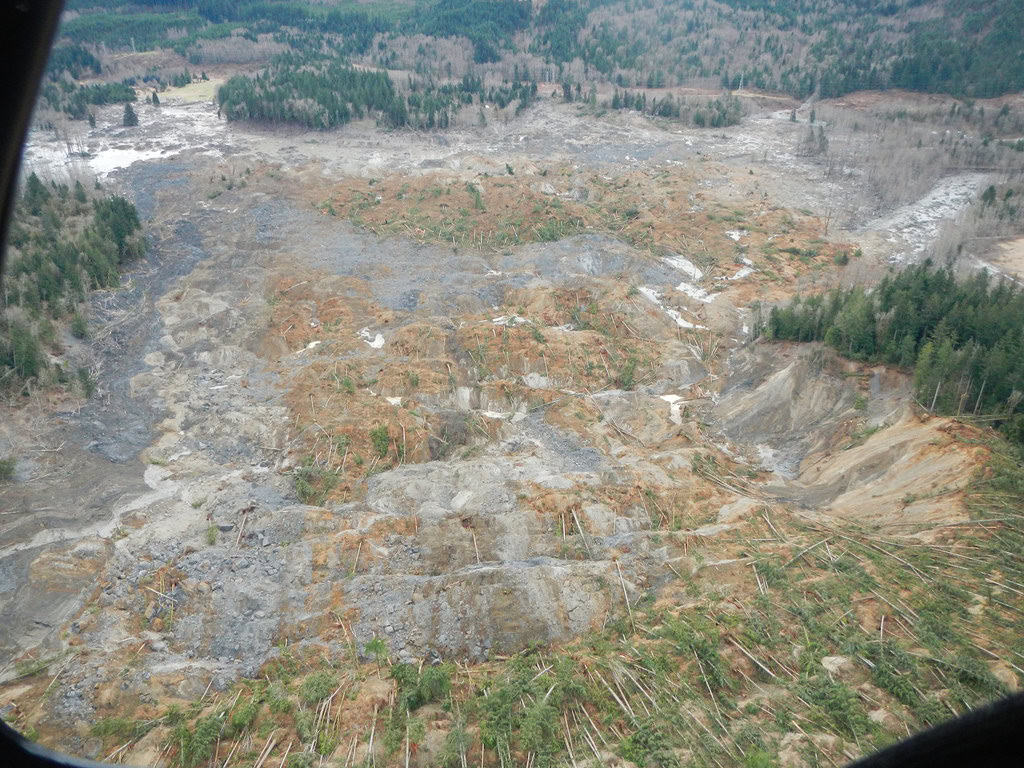
Landslides, involving the downward movement of rock and earth, typically occur on slopes following periods of heavy rain or seismic activity. While prediction remains challenging, regions with frequent wet weather or deforestation are most at risk. Following weather reports and recognizing warning signs like cracks on slopes can help mitigate the risk of injury or death.
11. Hurricanes and Typhoons

These massive storm systems can cause extensive damage with their powerful winds, heavy rains, and resulting floods. While meteorologists can track hurricanes and typhoons, their exact paths and intensities can change rapidly. Adhering to evacuation orders and having a disaster preparedness plan is vital for those living in vulnerable areas.
12. Heatwaves

Extreme heatwaves can be fatal, especially for vulnerable populations without adequate cooling. Prolonged exposure to high temperatures can lead to heat exhaustion or heatstroke. Monitoring weather forecasts, staying hydrated, and limiting outdoor activities during peak heat are essential steps in surviving heatwaves.
Prepare for Nature’s Unpredictability

While nature can present us with many challenges, being prepared and informed can make a significant difference. Understanding the characteristics and warning signs of these natural phenomena is crucial for minimizing risks and enhancing survival. Respect for nature’s power, coupled with a commitment to preparedness, can offer some protection against these unpredictable forces. Stay informed, stay prepared, and respect the natural world around us. It is a powerful force—both in its beauty and its capability for destruction.

From exploring the marine wonders in the Azores and witnessing the vast savannas of Kenya, to delving deep into the rich biodiversity of South Africa and traversing iconic landscapes in Australia and the US like Yellowstone, Chris's experiences are vast.
With a penchant for diving alongside sharks, the ocean holds a special place in his heart.
Through his academic insights, he champions wildlife conservation, striving with 'Animals Around The Globe' to cultivate a profound connection between humans and animals, enhancing our mutual appreciation.
Connect with him at Feedback@animalsaroundtheglobe.com.
- Why Spiders Don’t Get Stuck in Their Own Webs - July 20, 2026
- What Scientists Found in a 10,000-Year-Old Beehive - July 20, 2026
- This Spider Builds Fake Decoys of Itself - July 20, 2026