

Most people carry a simple picture of dolphins in their heads: playful, grinning, leaping through sunlit waves. They’re the feel-good icons of the ocean, the friendly faces on every marine life poster. It’s a comfortable image, and it’s also deeply incomplete.
The more scientists look, the more unsettling the parallels between dolphins and humans become. They remember old friends across decades, mourn their dead, give themselves names, and sleep with one eye literally open. These aren’t just charming quirks. They’re signs of a cognitive and social life far richer, and far more complicated, than pop culture ever suggested.
What follows are twelve facts about dolphins that don’t just surprise you. They genuinely change the lens.
#1: They Have the Longest Social Memory of Any Non-Human Animal
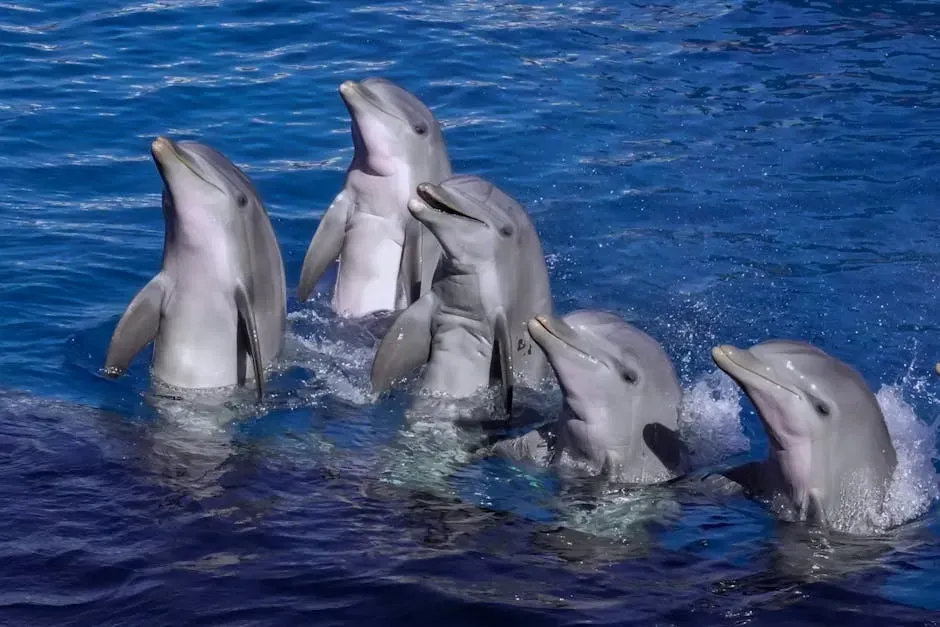
Think about the last time you ran into someone you hadn’t seen in twenty years. The recognition, the flood of detail, the emotional weight of it. Dolphins do something strikingly similar. Dolphins are highly intelligent animals, and one of the most well-documented expressions of that intelligence is their exceptional social memory, the longest recorded in any non-human species. This capacity allows them to recall and identify specific individuals they were once familiar with, even after separations lasting more than 20 years.
A study found that dolphins can recognize the whistles of old tank-mates even after 20 years apart, the longest social memory ever recorded in a non-human species. That’s not a trick trained in captivity. That’s a deeply wired social architecture, one that suggests dolphins form real bonds with lasting emotional significance.
#2: They Sleep With Half Their Brain at a Time
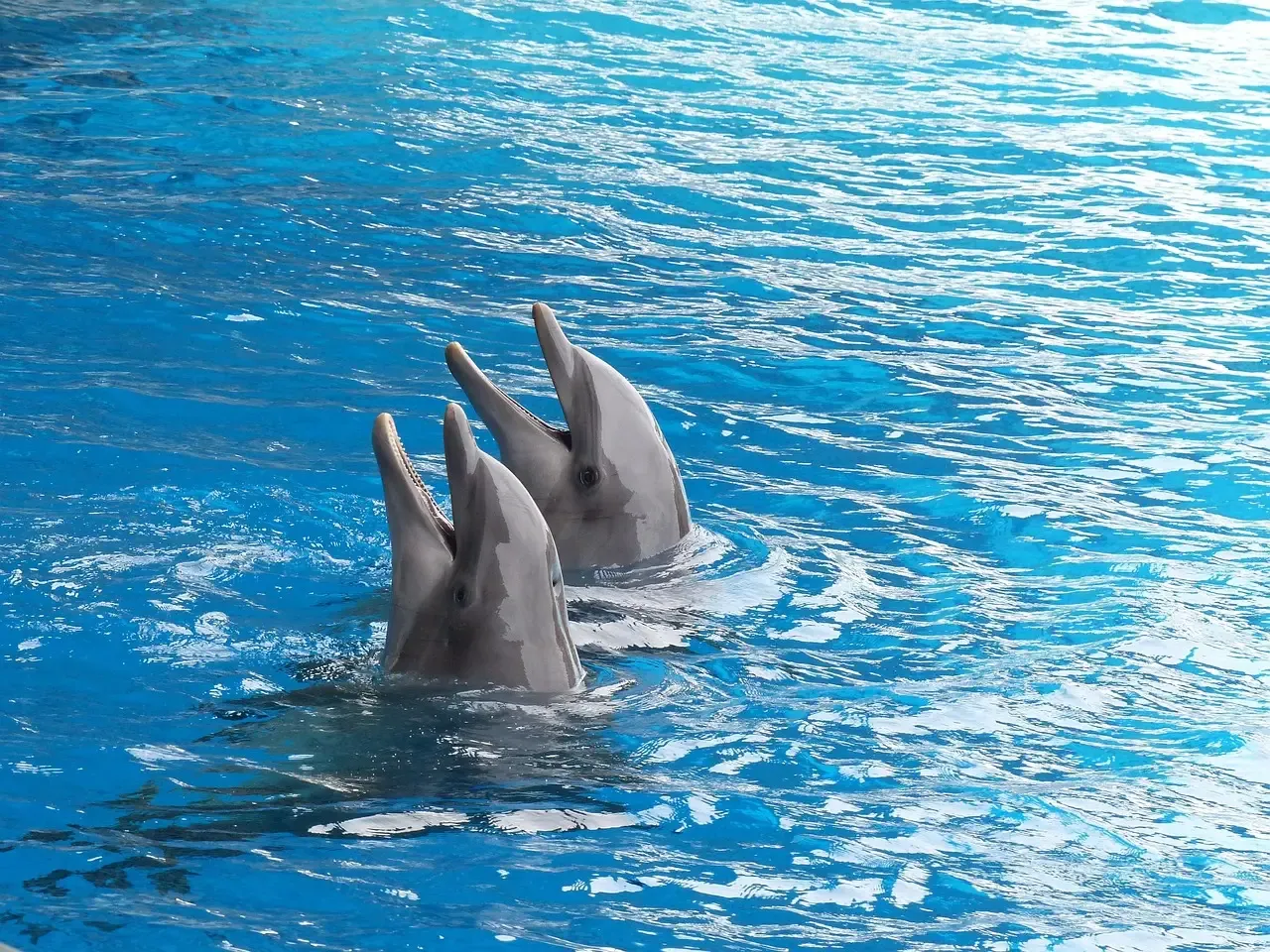
Dolphins face a biological paradox every night: they need sleep, but they also need to keep breathing consciously and watch for predators. The solution evolution arrived at is remarkable. One of the most remarkable aspects of dolphin sleep is their use of unihemispheric slow-wave sleep. This means they rest one half of their brain while keeping the other half awake. This allows them to breathe consciously, maintain movement, and stay alert to danger or social cues.
During unihemispheric sleep, a dolphin closes one eye, keeps the opposite brain hemisphere active, and continues swimming in slow circles. The two hemispheres take turns resting, possibly over several hours. It’s a biological shift-rotation that humans simply can’t replicate. Dolphin sleep does not follow a long nightly session like humans. Instead, they take multiple short naps throughout the day and night. These naps can last from a few seconds to up to half an hour.
#3: Their Echolocation Can See Through You
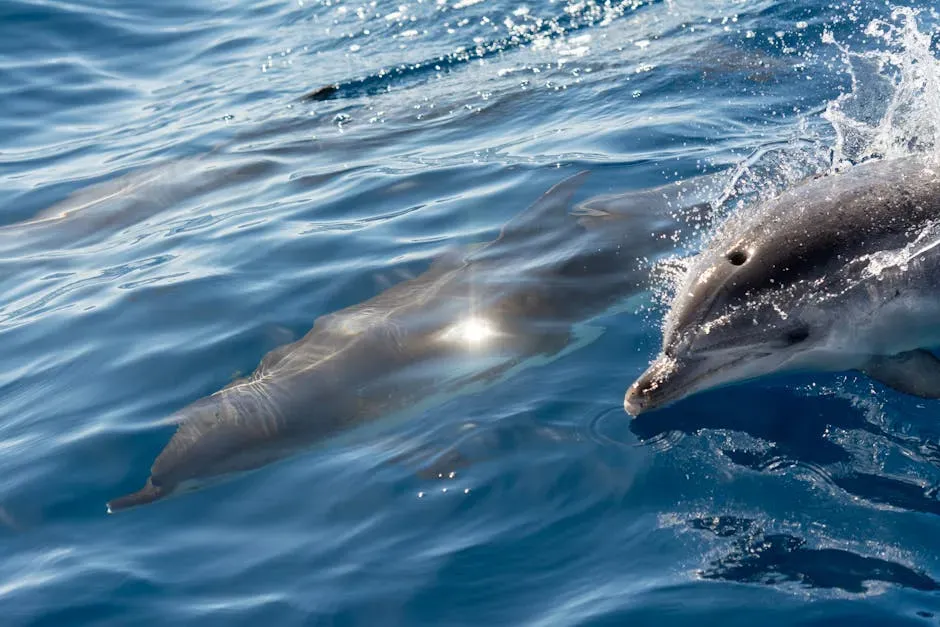
Dolphins don’t just use echolocation to find fish. They use it to build detailed three-dimensional images of everything around them, including things that are hidden, buried, or physically inside other objects. Echolocation allows dolphins to determine shape, size, speed, direction, and even the internal structures of objects around them, and they can differentiate humans by echolocating their muscle, bone, scar tissue, and artificial body parts.
Dolphins naturally possess the most sophisticated sonar known to science. Mines and other potentially dangerous objects on the ocean floor that are difficult to detect with electronic sonar, especially in coastal shallows or cluttered harbors, are easily found by the dolphins. Put simply, a dolphin swimming past you in the water knows more about your body than your doctor might without an X-ray.
#4: They Give Each Other Names
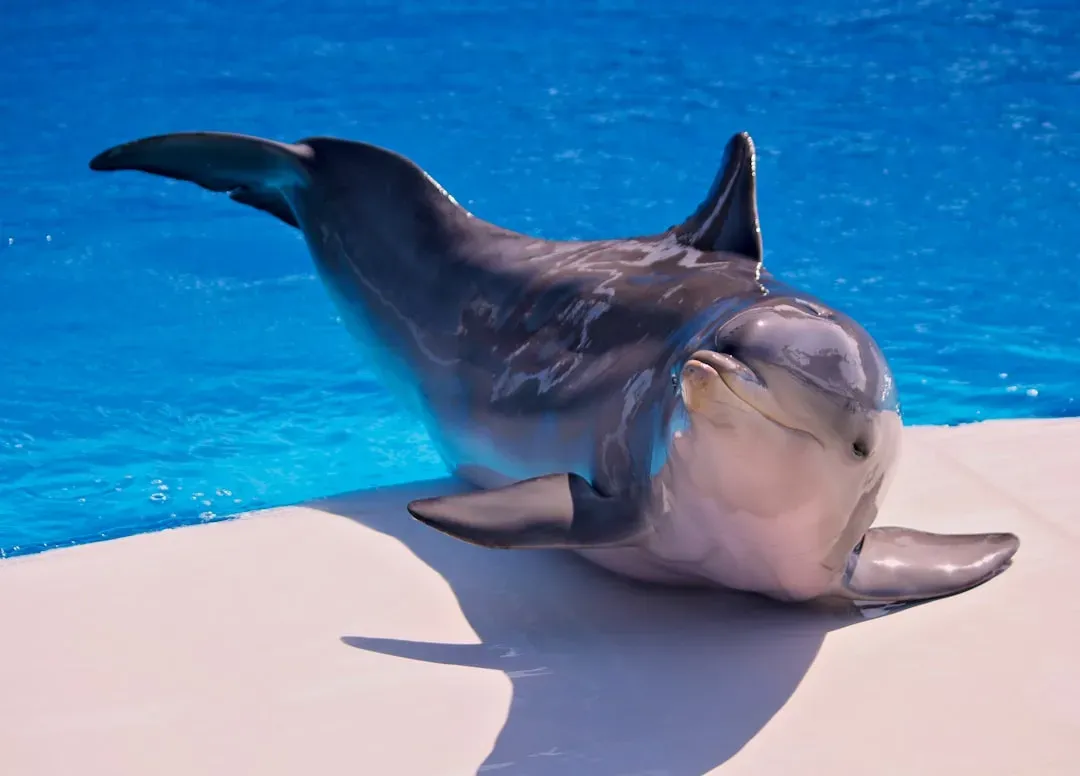
The idea that animals call each other by name feels like something from a children’s book, yet for dolphins it’s a documented scientific reality. Dolphins are highly intelligent animals with exceptional memory and complex ways of communicating, including echolocation and individual “signature whistles” that function like names. Each dolphin develops its own unique whistle, and others in the pod learn to use that specific whistle when addressing that individual.
Dolphins use a fascinating array of clicks, whistles, and body language to communicate with each other. Their communication is not just basic signals; it’s believed to convey complex information, emotions, and even individual names or “signature whistles.” This sophisticated language allows them to coordinate hunting, navigate, and maintain social bonds. The degree of intentionality in that system is still being studied, and researchers continue to debate its full complexity.
#5: They Can Recognize Themselves in Mirrors
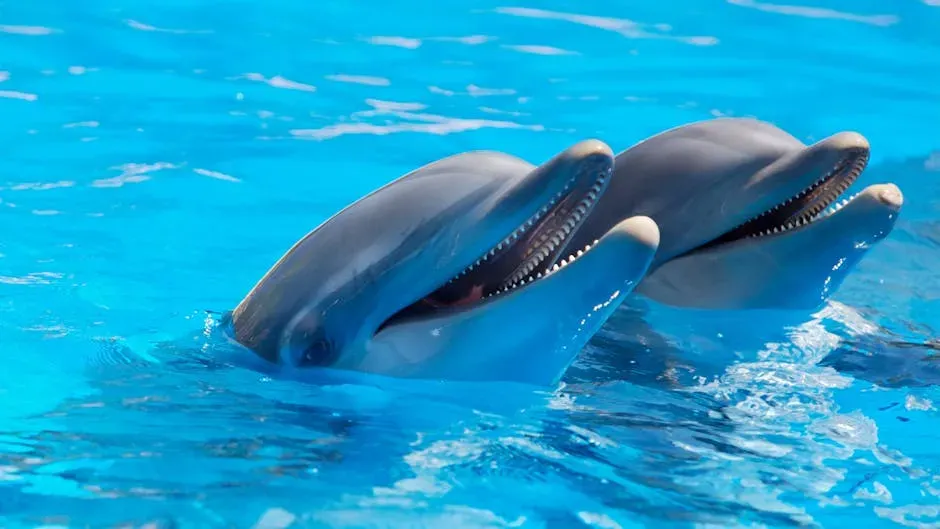
Self-recognition in a mirror is considered one of the clearest behavioral indicators of self-awareness. It’s a test very few species pass. A surprising fact about dolphin intelligence is their ability to recognize themselves in mirrors. This behavior, known as the mirror test, is considered an indicator of self-awareness. Only a few species, including humans and great apes, have passed this test.
When dolphins see themselves in a mirror, they often inspect their bodies, turning to view marks placed by researchers. This proves that they understand the reflection is their own image rather than another dolphin. That kind of conscious self-perception, the ability to understand “that is me,” puts dolphins in extraordinarily rare company in the animal kingdom.
#6: They Learn New Skills From Their Friends
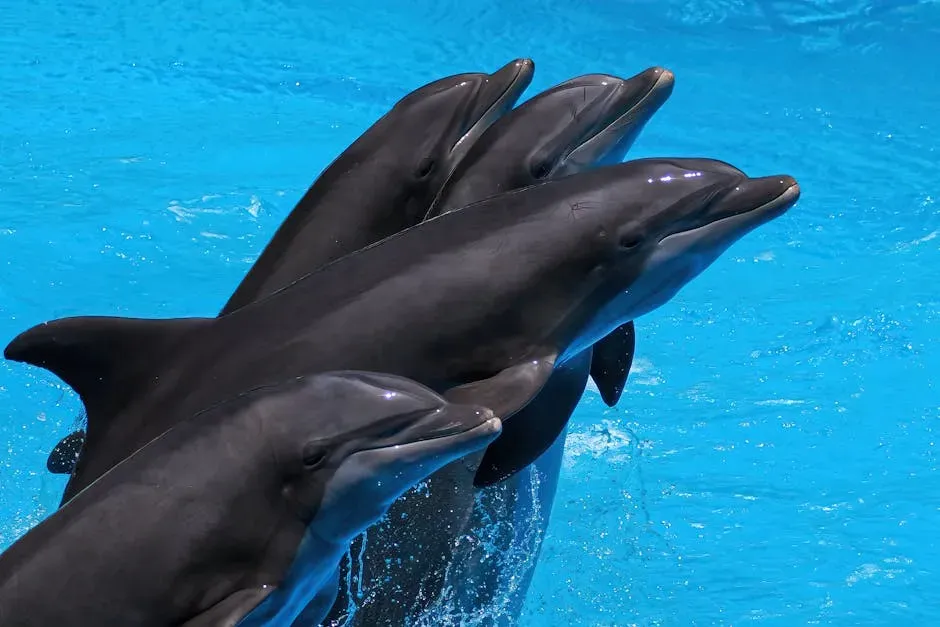
Tool use in animals is impressive on its own. What makes dolphins truly unusual is that they don’t just use tools; they spread that knowledge socially, across entire communities, the way humans do. In the crystal clear waters of Shark Bay in Western Australia, scientists noticed bottlenose dolphins engaging in an unusual behavior: they guide fish into the empty shells of giant snails, bring the shells to the surface, and then shake them vigorously to dislodge the prey into their open mouths. That extra effort, known as “shelling,” gets them a guaranteed meal. Because the dolphins use the shells as a trap, this is the second known case of these marine mammals using tools.
Researchers have shown that the dolphins of Shark Bay learn shelling from their friends. It’s the first time social learning involving a tool has been discovered in these mammals, and a rare example of such learning in the animal kingdom. The dolphins of Shark Bay, Australia, have demonstrated traits of cultural development. This conclusion was the result of watching these cetaceans protecting their snout from rough surfaces with marine sponges, and their offspring also did this, a behavior that was not inherited but transmitted from parents to offspring.
#7: They Have Brain Cells Previously Thought Unique to Humans

For a long time, certain neurons found in the human brain were considered one of the biological markers that separated us from the rest of the animal world. Then researchers looked inside dolphin brains. Whale and dolphin brains contain specialized brain cells called spindle neurons, previously only known to be in humans and primates. These are associated with advanced abilities such as recognizing, remembering, reasoning, communicating, perceiving, adapting to change, problem-solving, and understanding, even feeling love, intuition, and suffering emotionally.
Dolphins have large brains relative to their body size, second only to humans in some measures. Their cerebral cortex, which is responsible for decision-making and problem-solving, is highly developed. A dolphin’s brain is four to five times larger than expected for their body size. That extra brain real estate isn’t decorative. It maps directly onto the behavioral complexity researchers keep documenting.
#8: They Have Been Recruited by the Military
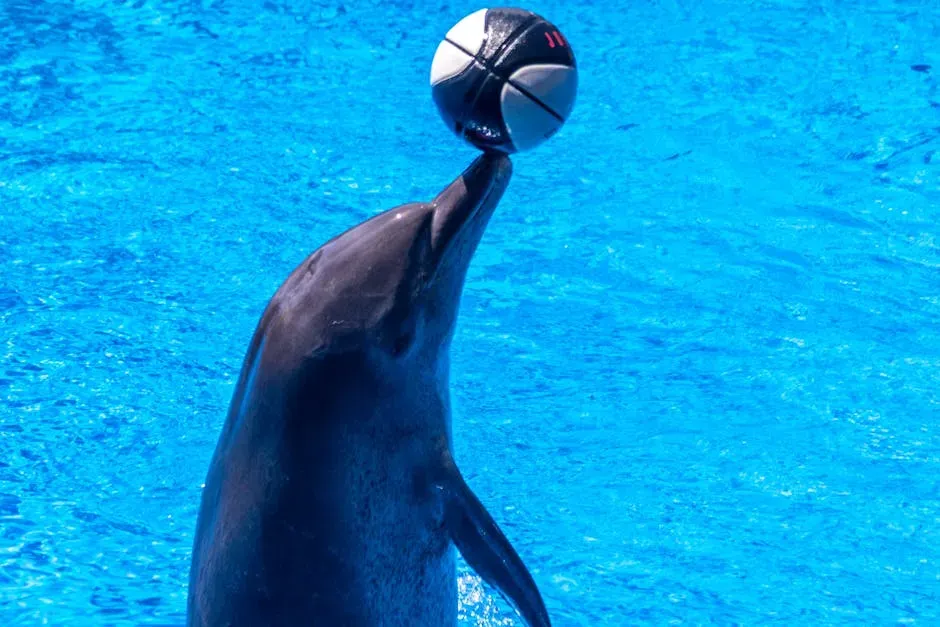
This one tends to stop people mid-sentence. Militaries have not only studied dolphins but actively deployed them in active conflict zones, taking full advantage of their biological sonar capabilities. The first military use of a dolphin came in 1965, when the Navy sent a bottlenose named Tuffy to deliver messages, tools and even soda to a long-term ocean research module over 200 feet underwater off the California coast.
Military marine mammals have been trained to rescue lost naval swimmers, guard navy ships against enemy divers, locate mines for later clearance by divers, and aid in location and recovery of equipment lost on the seabed. These animals are able to defend ships against enemy divers, locate and retrieve lost or damaged equipment, attach homing devices for torpedoes to larger targets, and locate submarines. Military dolphins were used by the U.S. Navy during the First and Second Gulf Wars, and their use dates back to the Vietnam War. The program remains active to this day.
#9: They Can Stay Alert and Echolocating for 15 Days Straight
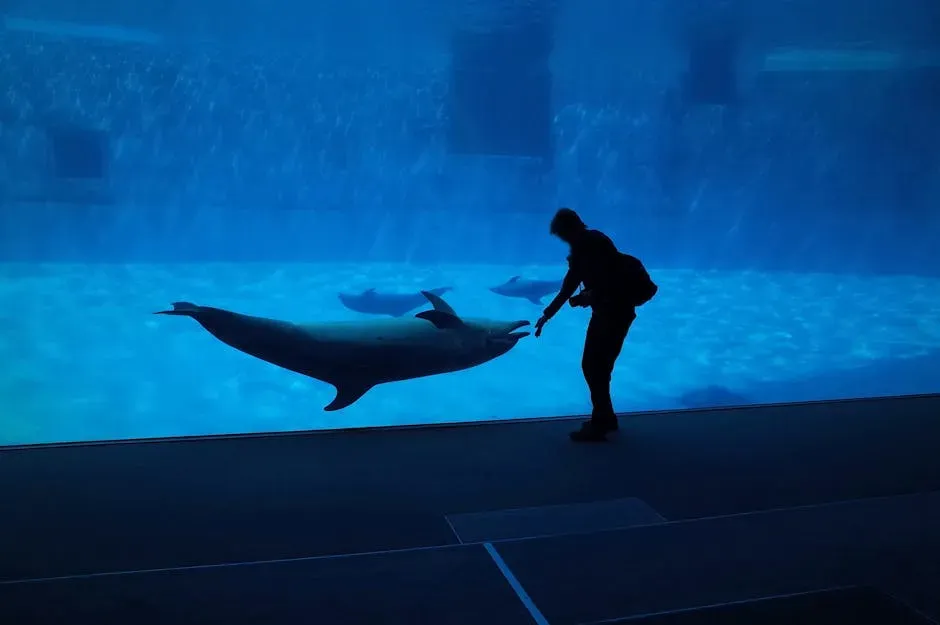
Human attention fades after a few hours. Even with caffeine and motivation, sustained vigilance is one of our well-documented weaknesses. Dolphins operate on an entirely different scale. Research shows that dolphins may continuously echolocate and accurately report the presence of targets for at least 15 days without interruption. During a total of three sessions, each lasting five days, two dolphins maintained echolocation behaviors while successfully detecting and reporting targets.
In dolphins, natural selection has developed unihemispheric sleep where alternating hemispheres of their brain stay awake. This allows dolphins to maintain consciousness in response to respiratory demands of the ocean. Unihemispheric sleep may also allow dolphins to maintain vigilant states over long periods of time. That combination of split-brain rest and continuous sonar operation is, from an engineering standpoint, extraordinary.
#10: They Form Complex Political Alliances
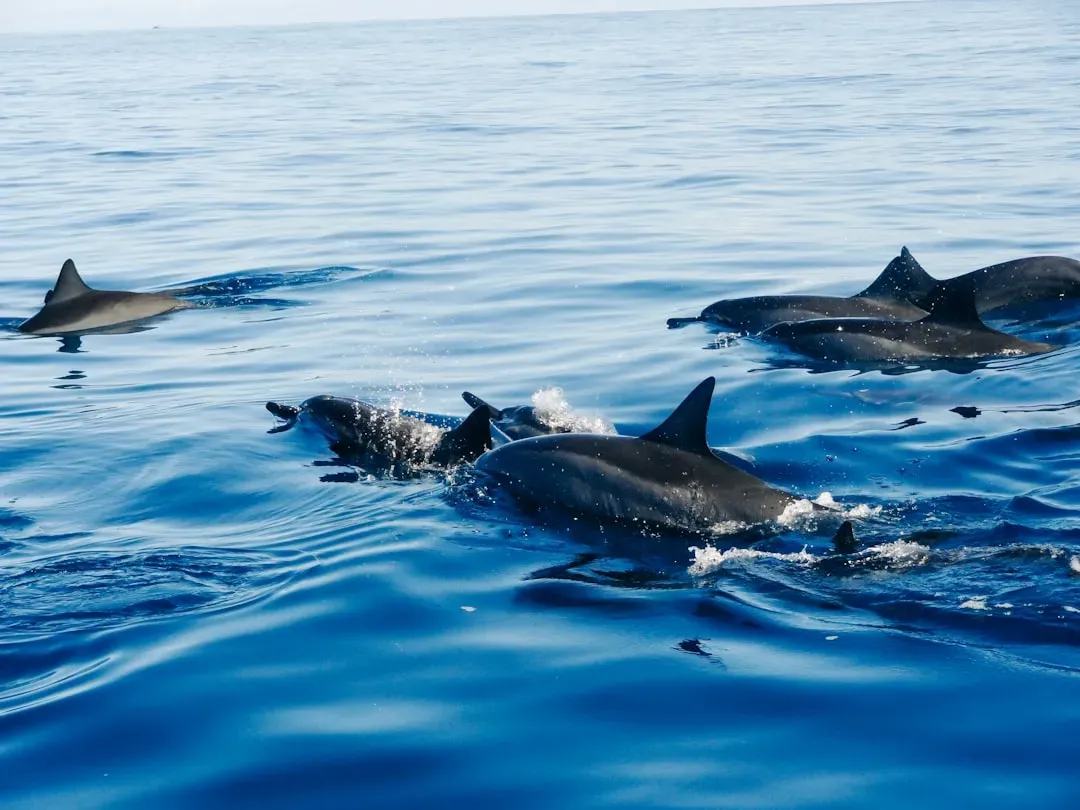
Dolphins don’t just live in groups. They navigate social hierarchies, build alliances, and manage relationships with a level of strategic awareness that researchers have compared to primate social politics. Dolphins form complex social groups, establish hierarchies, and show empathy, which are all signs of advanced cognitive skills. In certain cases, male dolphins form alliances to isolate and control female dolphins, sometimes for months at a time.
Many dolphin species can form groups of over 1,000 individuals, known as super pods. Within those massive assemblies, individual relationships still matter. Dolphins track who has helped them, who has wronged them, and who they can rely on. That’s not instinct; it’s social memory put to active use across an entire community.
#11: Some Countries Have Legally Recognized Them as Non-Human Persons
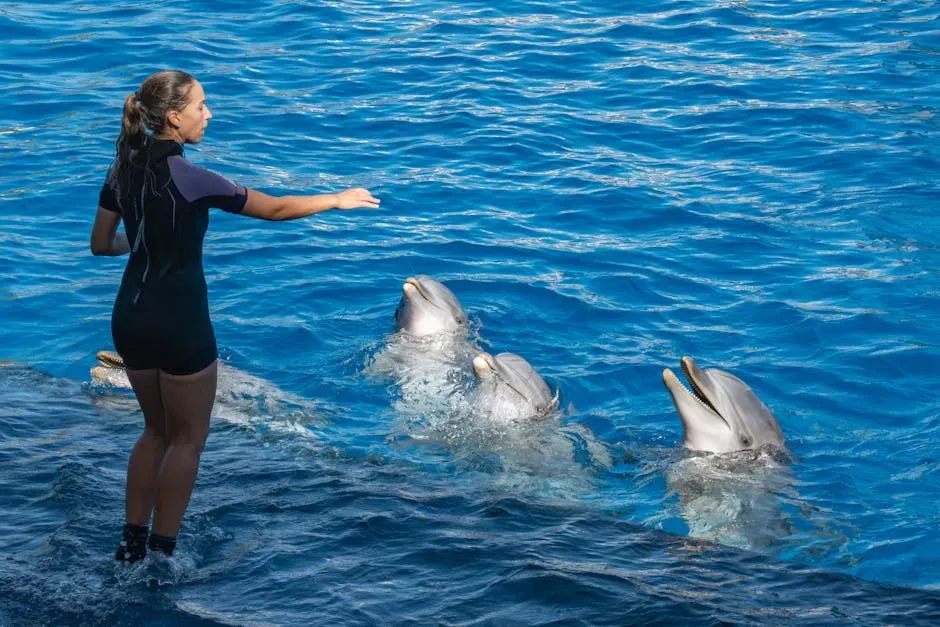
The question of whether dolphins deserve legal rights isn’t purely philosophical. Some governments have already acted on it. Several scientists who have researched dolphin behaviour have proposed that dolphins’ unusually high intelligence in comparison to other animals means that dolphins should be seen as non-human persons who should have their own specific rights, and that it is morally unacceptable to keep them captive for entertainment purposes.
Four countries, Chile, Costa Rica, Hungary, and India, have declared dolphins to be “non-human persons” and have banned the capture and import of live dolphins for entertainment. That’s a significant legal and ethical step with no real precedent in the animal world. It reflects how fundamentally the scientific community’s view of dolphin cognition has shifted over recent decades.
#12: They Deliberately Seek Out Intoxication
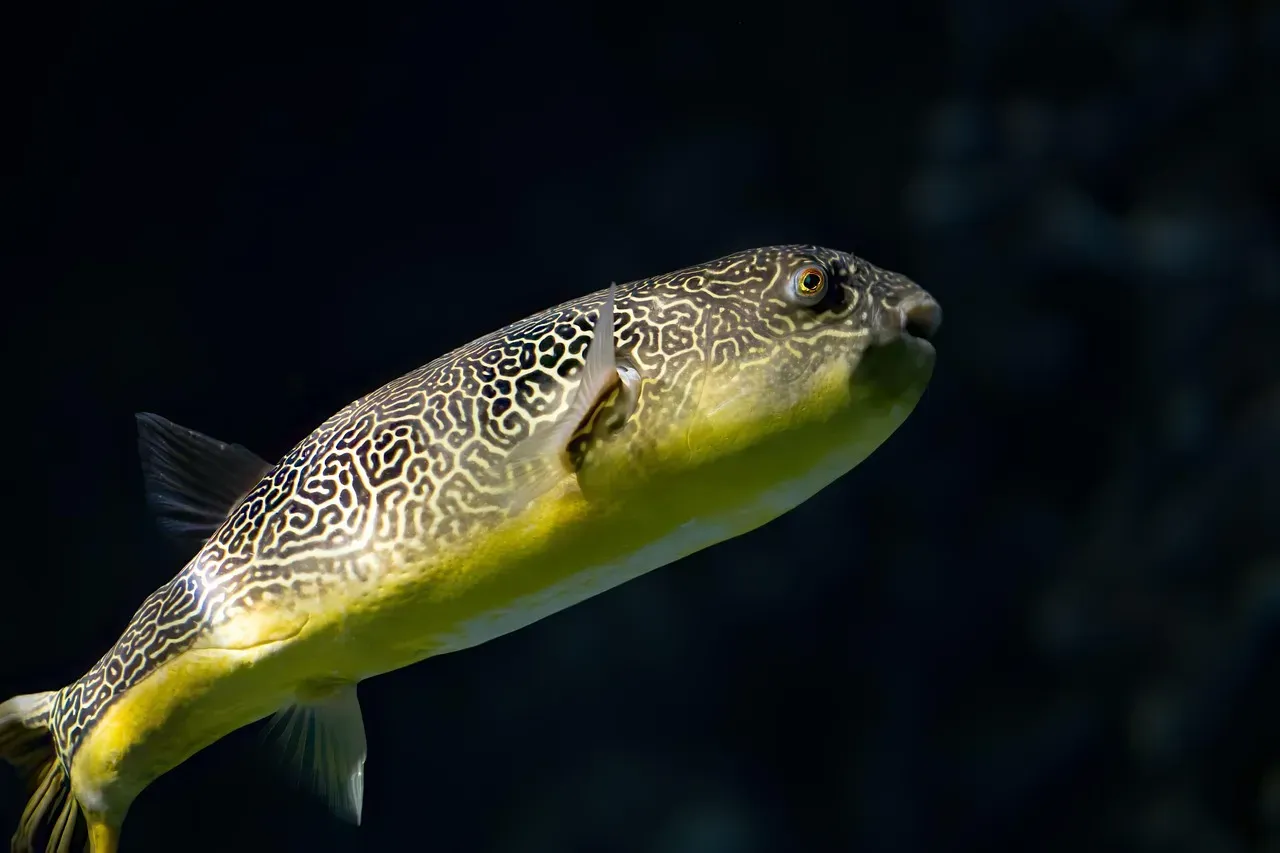
It sounds improbable, but it’s been captured on camera and studied seriously by researchers. Dolphins have been observed deliberately handling pufferfish in ways that expose them to small doses of the fish’s neurotoxin, and the behavior that follows is difficult to interpret as anything other than intentional. Dolphins try to get high by using toxins from animals like the pufferfish. A BBC One documentary series titled “Dolphins: Spy in the Pod” captured one such event.
Juvenile dolphins off the coast of Western Australia have been observed chasing, capturing, and chewing on blowfish. While some reports state that the dolphins are becoming intoxicated on the tetrodotoxin in the fish’s skin, other reports have characterized this behavior as the normal curiosity and exploration of their environment in which dolphins engage. The debate about what’s actually happening continues among scientists, but the deliberate, repeated, and apparently social nature of the behavior keeps it firmly in the conversation.
A Final Thought
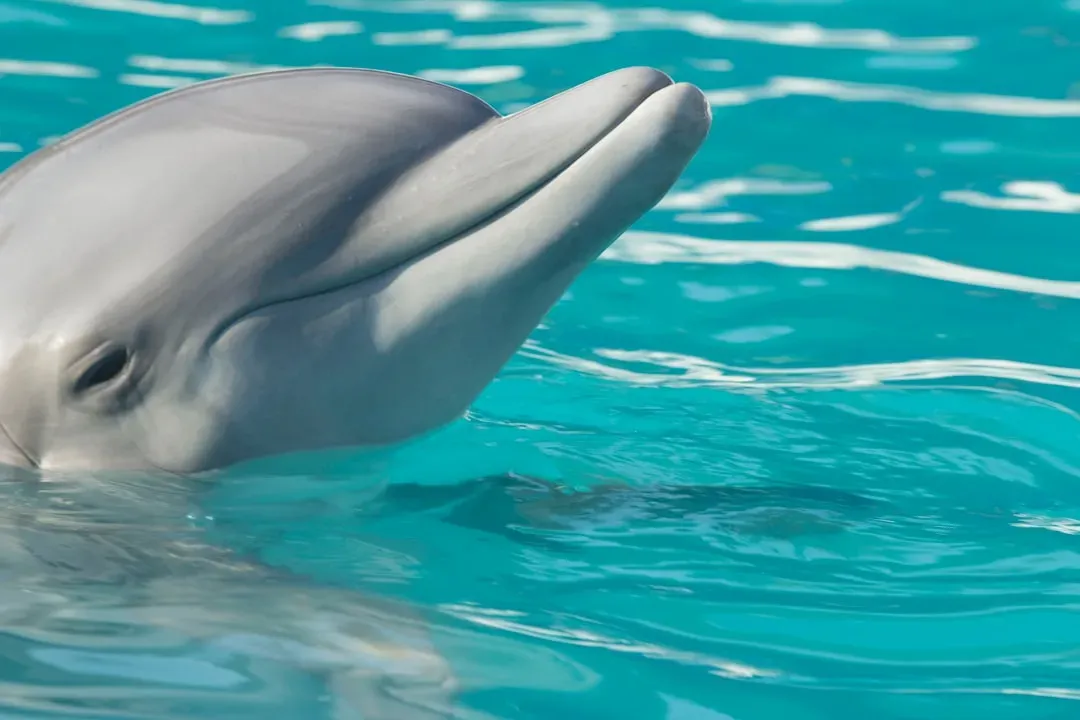
The more you learn about dolphins, the less comfortable it becomes to reduce them to props in a vacation photo or background noise in a nature documentary. Dolphins have shown self-awareness, problem-solving skills, complex social interactions, the ability to teach skills to others, and sufficient emotional intelligence to experience grief. That’s not a list of amusing animal tricks; that’s a description of a social being.
None of this requires romanticizing them. Dolphins are complex, sometimes dangerous, occasionally brutal creatures shaped by millions of years of survival pressure in a demanding environment. What these twelve facts ask of us is simply accuracy. Our understanding of dolphin intelligence still has enormous gaps, and the more those gaps close, the harder it becomes to treat these animals as background scenery in the ocean. They deserve curiosity, respect, and probably a great deal more protection than they currently receive.
The ocean’s most misunderstood resident has been hiding in plain sight all along.

- Why Veterinarians Say If Your Cat Sleeps With Their Back to You, It's the Highest Form of Trust in Feline Behavior - July 20, 2026
- The Zodiac Signs That Owls Avoid Completely (And What Folklore Says It Means About Your Energy) - July 20, 2026
- You Won’t Believe What These 5 Animals Eat for Dinner - July 20, 2026