
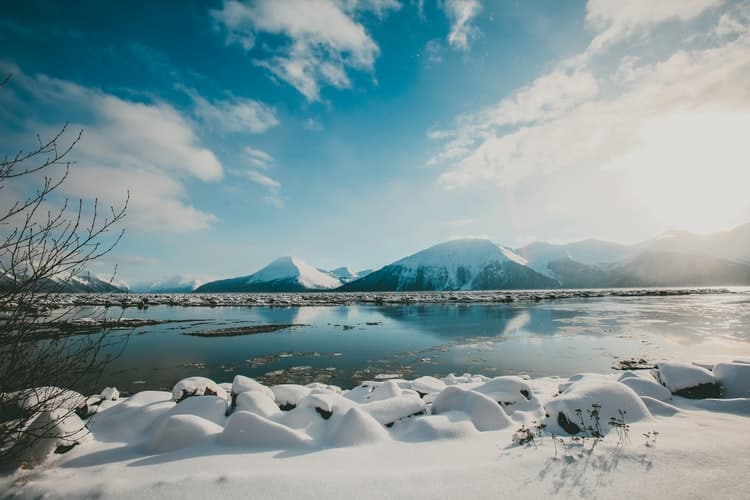
Global warming, a component of climate change, refers to the long-term increase in Earth’s average surface temperature due to human activities, primarily the emission of greenhouse gases. This phenomenon has far-reaching consequences for the planet’s ecosystems, including the myriad animal species that inhabit them. As temperatures rise, animal populations are forced to adapt, migrate, or face the risk of extinction. In this article, we will explore how global warming impacts various animal populations, highlighting the challenges and potential solutions.
The Polar Predicament: Arctic and Antarctic Wildlife

The polar regions are experiencing some of the most dramatic effects of global warming. Melting ice caps and rising temperatures in the Arctic and Antarctic threaten iconic species like polar bears, penguins, and seals. Polar bears, for instance, rely heavily on sea ice for hunting seals, their primary food source. As ice melts at unprecedented rates, these majestic predators are struggling to find food, leading to declining populations.
In Antarctica, warming temperatures are affecting populations of krill, a crucial part of the food web that supports species like penguins and seals. As krill numbers decrease due to changes in sea ice patterns, the entire ecosystem feels the effects. These changes demonstrate the intricate dependencies within ecosystems and how disruptions can cascade through the food chain.
Altering Habitats: Shifts in Ecosystems

As global temperatures rise, the habitats that many animals depend on are changing rapidly. Forests, wetlands, and coral reefs are undergoing significant transformations, affecting the animals that call these places home. For example, coral reefs, often described as the “rainforests of the sea,” are dying off due to ocean warming and acidification, resulting in the loss of habitat for countless marine species.
Terrestrial ecosystems are not immune from these changes. Warming temperatures are causing shifts in the range of many species, forcing them to move to higher altitudes or latitudes in search of cooler climates. While some animals, like certain birds and insects, can adapt their migratory patterns, others struggle to cope with the rapid change, leading to potential declines in their populations.
Challenges of Adaptation: Evolutionary Pressures

Animal species typically evolve over millennia to adapt to their environments, but the pace of current climate change is unprecedented. This rapid change creates significant evolutionary pressures. Species with longer lifespans and slower reproduction rates, such as many large mammals, may find it particularly challenging to adapt quickly enough to survive.
Moreover, the ability to adapt often depends on genetic diversity within a species. As populations dwindle, genetic diversity decreases, further reducing the capacity for adaptation. Conservation efforts that focus on preserving genetic diversity are thus critical in helping species cope with environmental changes caused by global warming.
Behavioral Changes: Shifts in Behavior and Timing

Global warming is also influencing the behavior and life cycles of many animals. Changes in temperature and weather patterns can alter migration timing, breeding periods, and feeding behaviors. For example, many bird species are migrating earlier in response to warmer springs. However, this shift can synchronize poorly with the availability of food resources, impacting survival and reproduction.
Similarly, some species of frogs and amphibians are breeding earlier in the year, a change that can expose their offspring to unfavorable environmental conditions. Such timing mismatches can have profound implications on the survival rates of young animals and the overall health of populations.
Conservation Efforts: Mitigating the Impact

To mitigate the effects of global warming on animal populations, conservation efforts are paramount. Protecting and restoring habitats, establishing wildlife corridors to facilitate migration, and implementing breeding programs are essential strategies. Additionally, global efforts to reduce greenhouse gas emissions are critical to slowing the pace of climate change and giving animals more time to adapt.
Conservationists are also employing technology, such as satellite monitoring and climate modeling, to predict changes and implement proactive measures. Public awareness and involvement in conservation initiatives are equally important, as collective action can lead to meaningful change.
Conclusion: A Call to Action

Global warming presents a formidable challenge to animal populations worldwide. The changes observed in habitats, behavior, and evolutionary pressures underscore the urgency of addressing climate change. While the situation is dire, hope lies in robust conservation efforts and a collective commitment to reducing emissions. By taking action, we can help preserve the rich biodiversity of our planet and ensure a sustainable future for both animal populations and humanity.

- The Most Powerful Earthquake Ever Felt in the U.S. - July 19, 2026
- How Rhinoceros Males Compete for Mating Rights in the Wild - July 18, 2026
- 13 Spider Species Thriving in Changing Environments - July 18, 2026