
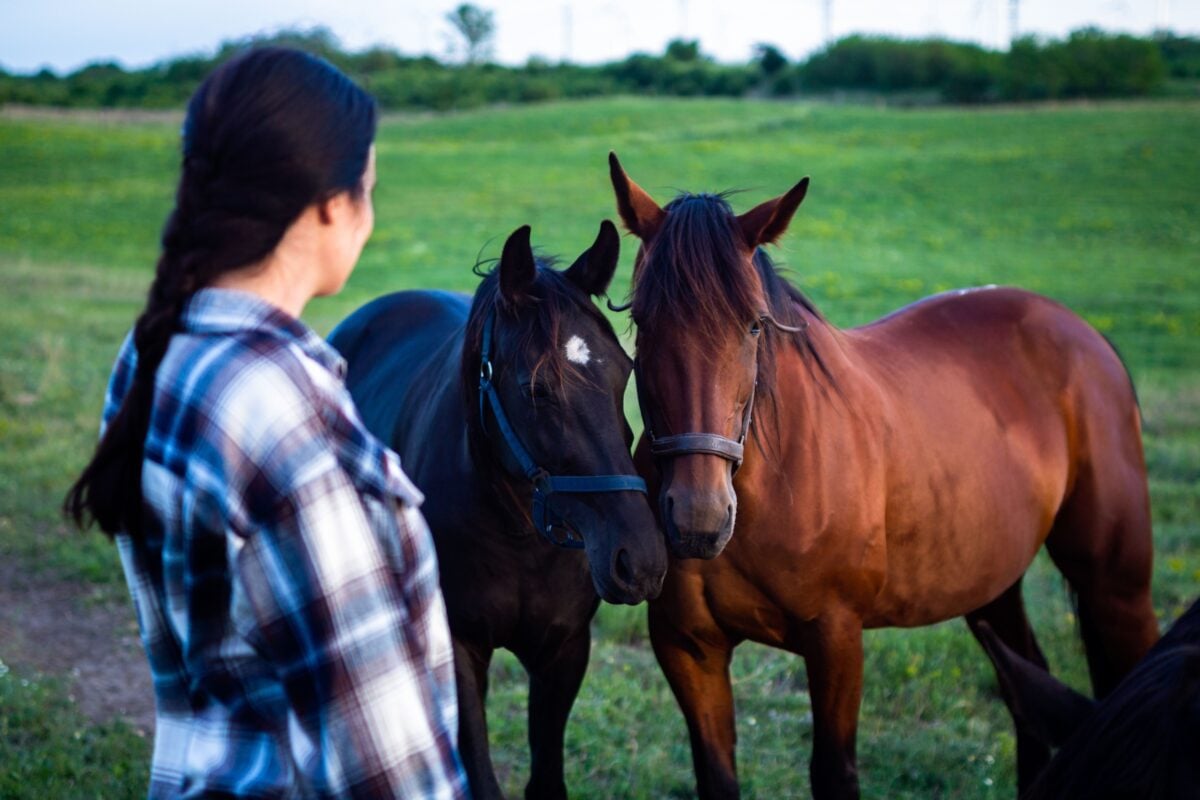
Most people think if a horse isn’t rearing, screaming, or refusing to move, it “doesn’t really care” when you leave. But equine behaviorists say the opposite: the most intense attachment often shows up in **tiny, quiet** changes your barn friends completely miss. A dropped head, one unfinished bite of hay, a soft exhale as you walk to the car – these can be the emotional equivalent of a human swallowing back tears. If you’ve ever wondered whether your horse misses you more than you realize, the answer is probably yes. Here are 12 subtle, science-backed signs your horse is mourning – and what experts say they really mean.
—
#12 – They Freeze and “Zone Out” as You Walk Away
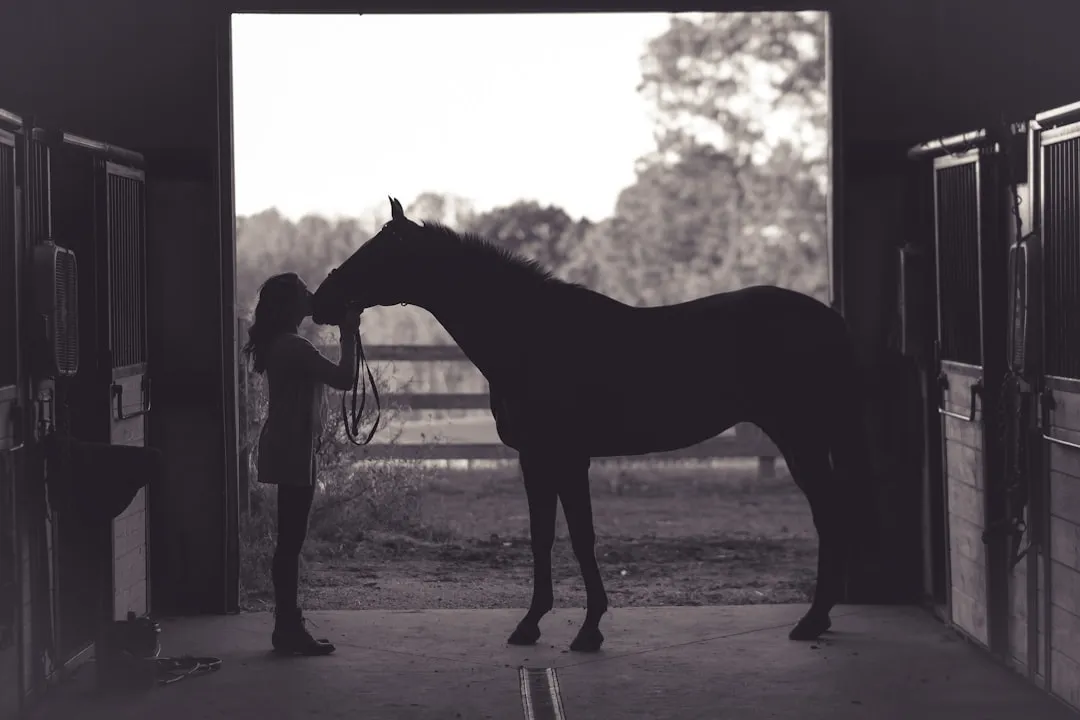
Some horses don’t call or pace; they go unnervingly still. You may notice that as soon as you swing the gate closed, your horse stops what they’re doing and just **locks onto the spot where you disappeared**. No chewing, no shifting weight, no casual ear-flicks – just a statue. Behaviorists call this “vigilant stillness,” and it’s often linked to separation distress in prey animals. Instead of acting out, these horses shut down and monitor the exit point, almost like a kid staring at the door waiting for a parent to come back. It looks calm, but it’s not relaxed.
If this happens every time you leave, especially when you’ve just had a ride or grooming session, your horse may be quietly grieving the end of your interaction rather than “calmly going back to normal.” But that’s nothing compared to what we found about #11…
—
#11 – Their Chewing and Eating Pause the Second You Leave
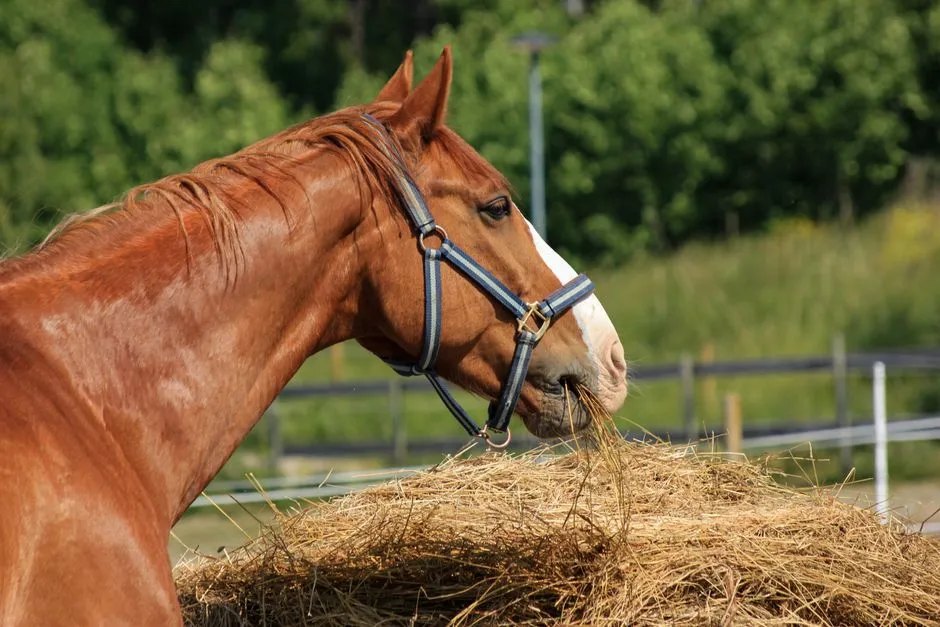
A happy, secure horse will usually go right back to food. A worried horse won’t. Watch closely next time you walk away from the stall or paddock. A horse that’s truly fine with your exit will lower its head and **resume chewing hay within seconds**. A horse that’s unsettled often freezes mid-bite, hay hanging from its mouth, eyes tracking the path you took. Some will even nose their feed and not actually eat until they give up on you reappearing.
This “chewing pause” is subtle but powerful. In prey animals, eating is a sign of safety; interrupting it repeatedly when a specific person leaves can signal emotional discomfort, not just mild distraction. While some owners brag that their horses care more about food than people, many bonded horses quietly choose watching the gate over finishing their grain. But that’s nothing compared to what we found about #10…
—
#10 – Their Whinnies Get Softer, Not Louder
Most people look for loud, dramatic calling – but the real heartbreak is in the quiet ones. Horses in genuine panic will scream, pace, and make everyone at the barn roll their eyes. But some of the most deeply attached horses respond to your departure with **small, low-volume nickers or half-whinnies** you can barely hear once you’re ten steps away. They’re not trying to call the whole herd; they’re just sending one last question: “You’re really leaving?”
These muted vocalizations often come with a lowered head, a soft exhale, and ears tilted toward the direction you went. It’s closer to a sigh than a scream. Owners who brush this off as “cute” miss that it can be a sign of unresolved anxiety about being left. Over time, some horses even stop vocalizing at all, replacing the quiet whinny with a tight jaw and hard blink.
Fast Facts
- Horses produce several distinct vocal types – whinnies, nickers, and snorts – each carrying its own social meaning.
- A nicker is typically softer and lower-pitched than a whinny, often reserved for close bonds like a mare and foal or a trusted handler.
- Going quiet over time doesn’t mean a horse cares less – it can be a stress response rather than fading interest.
- Ears, eyes, and posture often reveal more than sound alone in horses that mourn without calling out.
But that’s nothing compared to what we found about #9…
—
#9 – They Linger at the Gate Long After You’re Gone
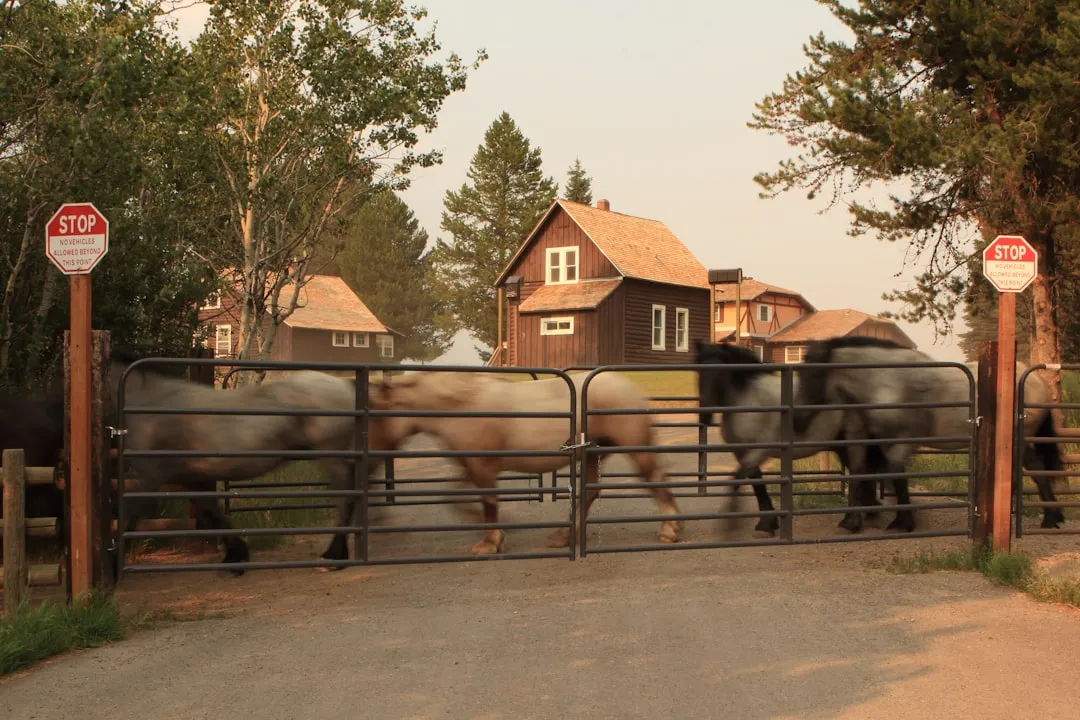
Gate-watching isn’t always about turnout; sometimes it’s about you. If your horse consistently walks you to the gate, watches you leave, and then **stays planted there long after your car is out of sight**, that’s not random. Many horses will check the gate briefly and then move off to graze. The ones who mourn quietly treat the gate like an anchor point – standing, occasionally sniffing the latch, or half-heartedly pawing at the dirt before finally drifting away.
Some owners call this “clingy” or “spoiled,” but it’s often a coping strategy. The gate is the last place they had you, and staying there buys them a little more time in that feeling. If they do this on days you leave faster than usual or skip your normal routine, it’s even more telling. But that’s nothing compared to what we found about #8…
—
#8 – Their Ears Lock Toward the Sound of Your Car
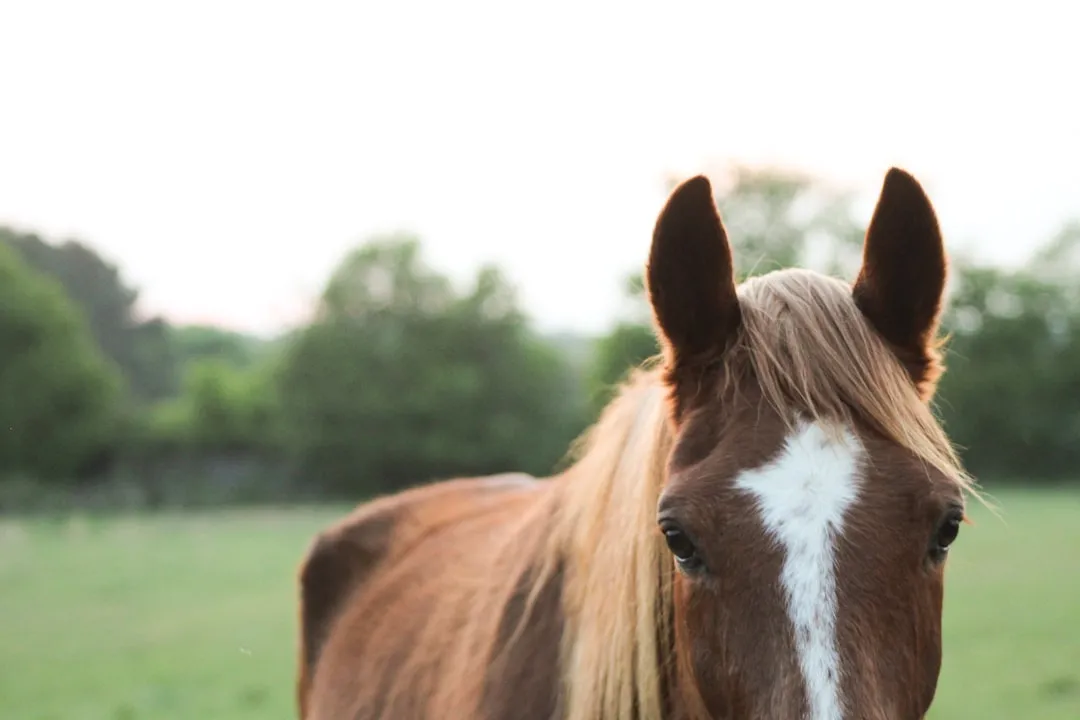
Your horse might recognize the sound of your engine – and miss it when it fades. It sounds dramatic, but many riders quietly report the same thing: as they walk away, their horse’s ears **lock like radar dishes toward the driveway**, tracking not just their footsteps but the car door slam, the engine turning over, and the sound disappearing down the road. Some horses will flick an ear back to the barn for safety, but one ear usually stays pointed in the direction they last heard you.
This isn’t just “good hearing.” Horses can form strong sound associations, and when they’ve linked your car noise with interaction and reward, the silence afterward can feel like a sudden void. A horse that keeps one ear pricked toward the road, even while pretending to graze, is likely holding on to the hope they misread your departure. But that’s nothing compared to what we found about #7…
—
#7 – Their Routine Falls Apart on Days You Leave Early
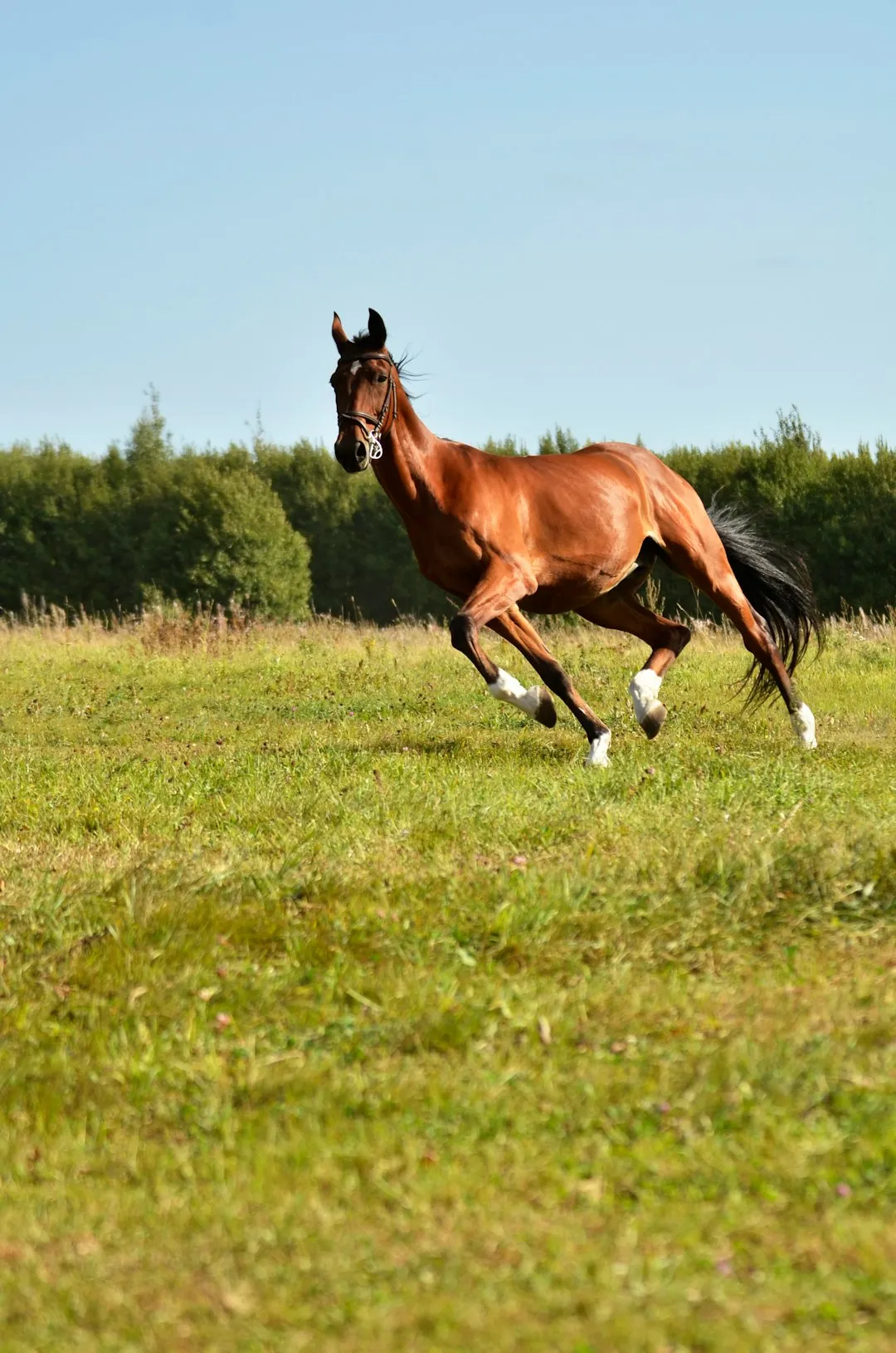
A securely attached horse stays on schedule; a distressed one quietly unravels. Pay attention on the days you cut things short – no grooming, quick ride, fast goodbye. Many horses roll with it. But some will show delayed, low-key distress: **pacing the fence line later, refusing to settle at feeding time, or standing alone instead of joining familiar herd mates**.
The timing is key. If this shift happens primarily on days your routine changes, it often points straight at your sudden absence. Barn staff sometimes describe these horses as “moody” or “high maintenance,” but what’s really happening is a kind of emotional jet lag. Horses thrive on predictable patterns; when their favorite human vanishes out of sync, the rest of their day wobbles. You may be home on the couch already, while your horse is still replaying your rushed goodbye.
Quick Compare
- Secure horse: Settles quickly, eats on schedule, rejoins the herd calmly.
- Distressed horse: Paces later in the day, delays feeding, isolates from herd mates.
- Secure horse: Routine stays steady even after a short visit.
- Distressed horse: Shows a delayed “ripple effect” hours after you’ve left early.
But that’s nothing compared to what we found about #6…
—
#6 – They Offer One Last “Check-In” Gesture You Don’t See
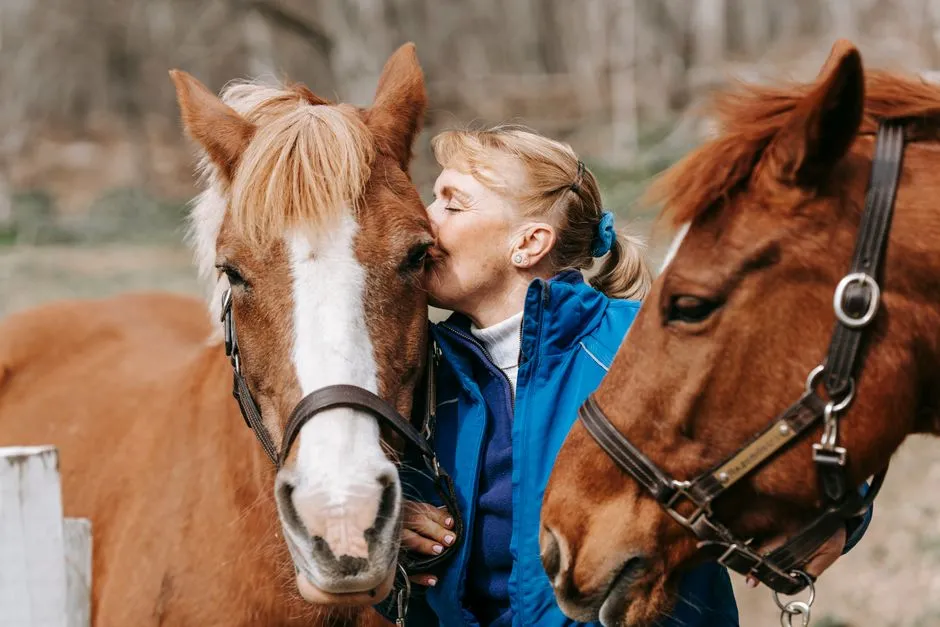
Some of the most telling behavior happens behind your back. A lot of bonded horses will do a tiny, final reach-out **right as you turn away**: a small step forward, a nose stretch toward your shoulder, a single, soft snort like they’re trying to call you back without making a scene. If you’re already halfway out the stall, you’ll miss it.
Trainers often describe this as a “seeking” behavior – your horse makes one last attempt to maintain connection before giving up. When that effort goes unanswered day after day, some horses stop trying, but the emotional pull doesn’t disappear. It goes inward. They’ll stand where that last almost-touch happened, sniff the air, then slowly retreat. If you ever catch that tiny forward step in your peripheral vision, don’t dismiss it as nothing; it’s often your horse’s quietest, saddest question: “Are you sure you’re done?” But that’s nothing compared to what we found about #5…
—
#5 – Their Eyes Look “Hard” Right After You Leave
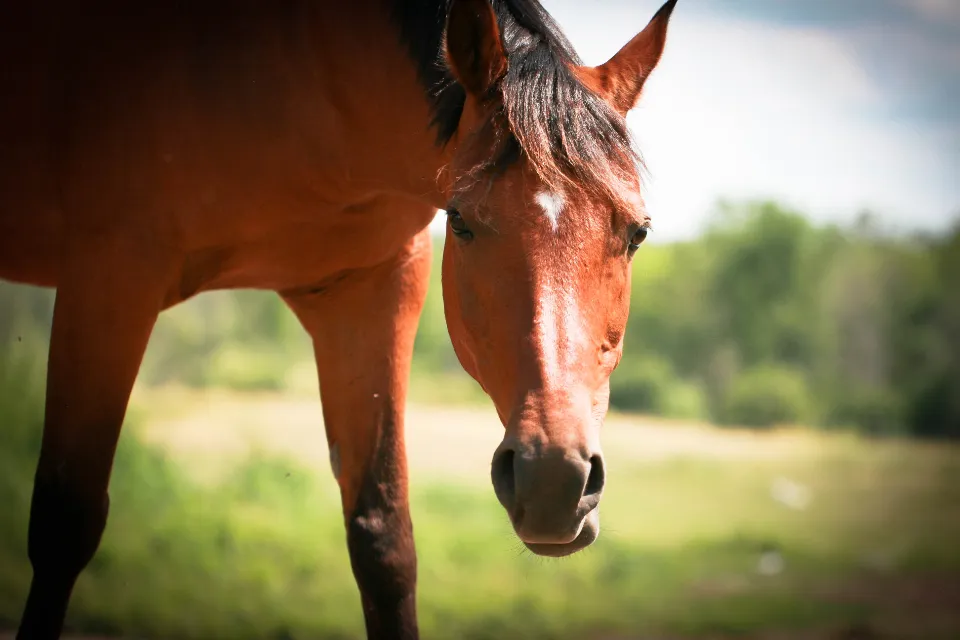
The real story is often in the eyes, not the hooves. Many owners only check for obvious stress: wide eyes, flaring nostrils, blatant spooking. But a lot of mourning horses do the opposite. As soon as you walk away, their eyes go **glassy, tight at the corners, with slower, heavier blinks**. That isn’t boredom; it’s emotional bracing. They’re shutting down the soft, curious eye you see when you’re grooming or hand-grazing and putting on their “survival mode” face.
Some people romanticize the “hard eye” as a mark of spirit or toughness. In reality, it’s often a defensive habit forged by repeated losses – humans who arrive, light them up, then vanish. If your horse’s expression changes sharply the moment your back turns, you’re probably underestimating how much your presence regulates their nervous system. But that’s nothing compared to what we found about #4…
—
#4 – Their Herd Behavior Shifts the Moment You’re Gone
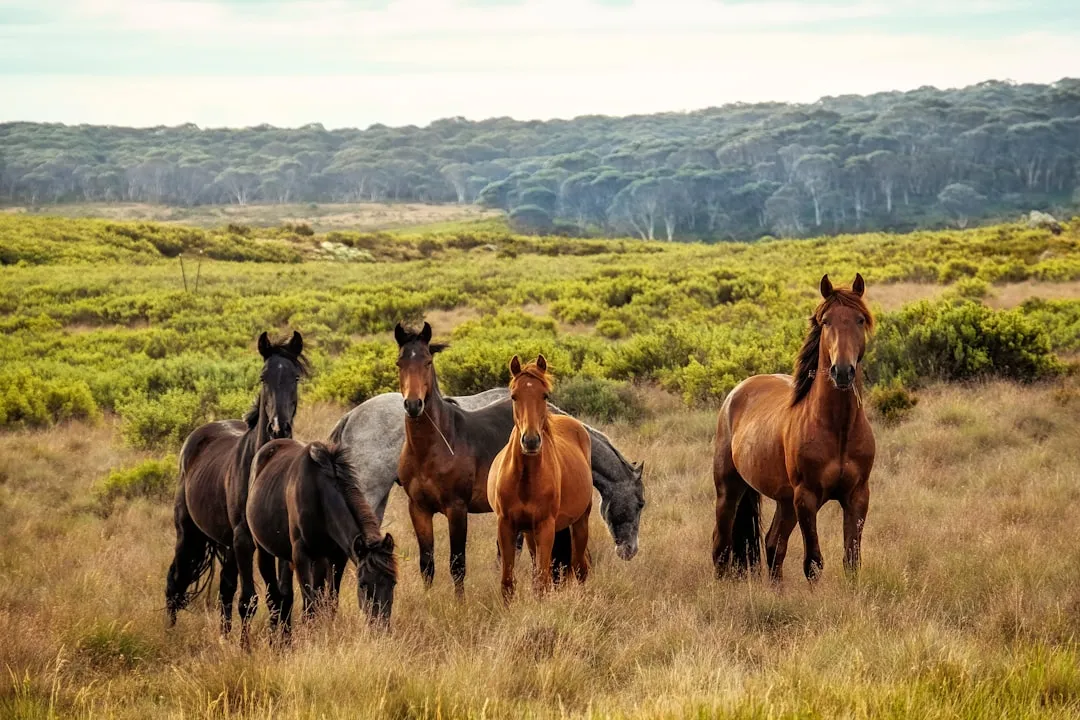
Your horse’s social life can betray how much you matter. Watch from a distance sometime, or ask barn staff what happens **in the ten minutes after you leave**. Some horses instantly rejoin their herd, calm and social. Others hang back, become unusually irritable, or hover on the edges like they’re not sure where they belong. A horse that normally bosses others around might suddenly tolerate pushiness; a shy one might cling to a single buddy and not let them out of sight.
These changes often show that your presence acts as a kind of emotional anchor. When you’re there, they feel safe enough to be themselves. When you vanish, their role within the mini-society of the paddock gets shaky. While many riders obsess over arena performance, the quieter truth is that your goodbye may be echoing through your horse’s herd interactions long after you’ve pulled off the property.
At a Glance
- Horses are herd animals with a social hierarchy that can shift quickly when a key relationship – including one with a human – feels unstable.
- A normally confident horse tolerating pushiness from herd mates can signal a temporary drop in emotional security.
- Clinginess to a single buddy after you leave often mirrors patterns seen when young horses are separated from a parent.
- Herd dynamics in secure horses typically settle again within minutes of a departure – prolonged disruption is worth noting.
But that’s nothing compared to what we found about #3…
—
#3 – They Show “Delayed” Anxiety Later in the Day
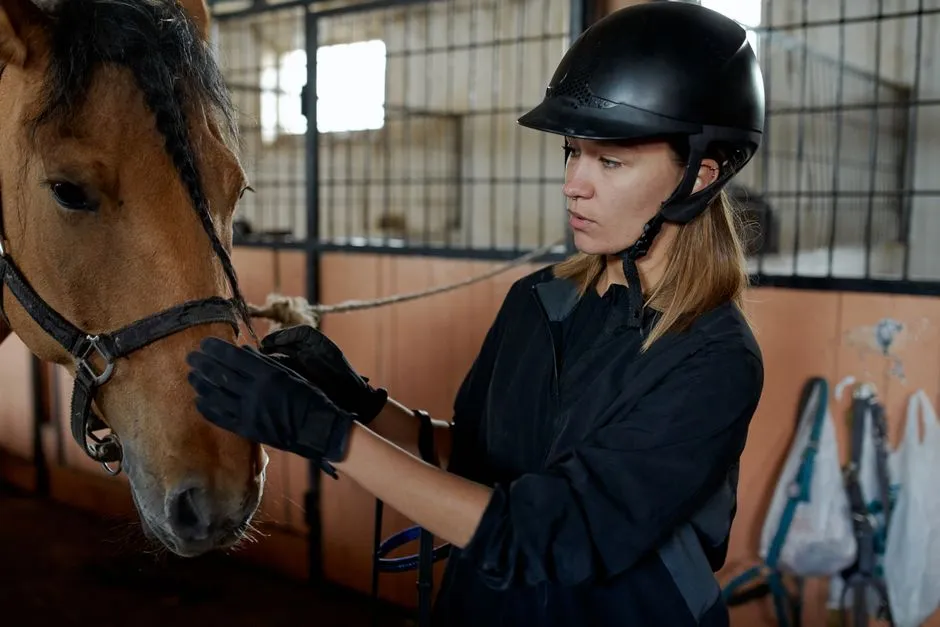
Not all grief is instant; some horses fall apart on a time delay. Barn staff will tell you about certain horses who seem completely fine when their owner leaves – no calling, no pacing – and then **hours later start weaving, cribbing more than usual, or standing at the far corner of the field staring into space**. These behaviors often get labeled as “stable vices,” but in context, they can be coping mechanisms that flare when the barn gets quiet and the reality sinks in: you’re not coming back today.
This delayed reaction is easy for owners to miss because it happens when they’re already home. Yet it can be one of the clearest signs of quiet mourning. The horse holds it together during your departure, then slowly unravels once the busyness dies down. If your barn consistently reports “He acts weird in the evenings when you’ve been here,” believe them. But that’s nothing compared to what we found about #2…
—
#2 – They Anticipate Your Leaving Before You’ve Even Said Goodbye
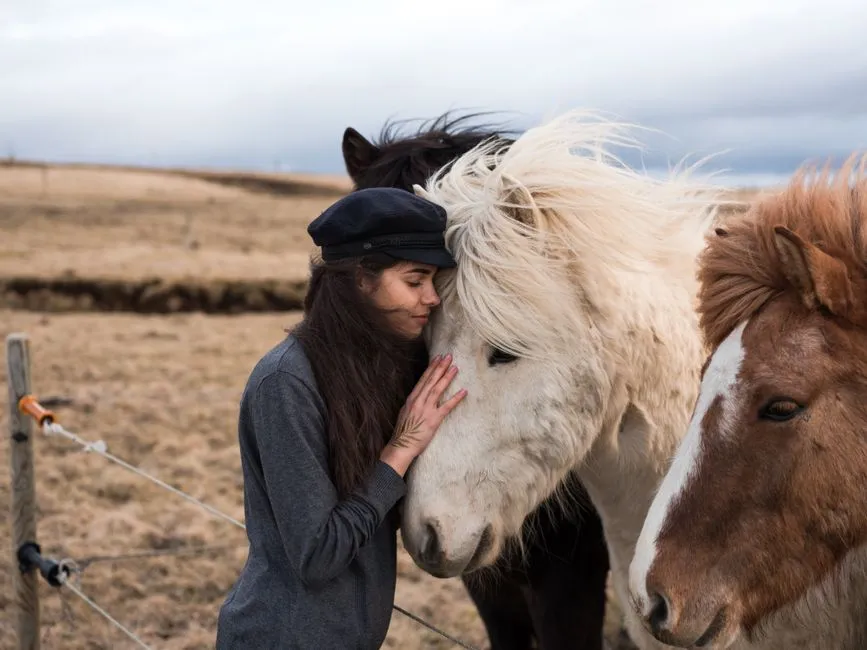
The saddest horses start grieving before the goodbye actually happens. Ever notice your horse gets tenser, more distracted, or strangely clingy **near the end of your visit**, even before you head toward the gate? That’s often not “bad behavior” – it’s anticipation. Horses are pattern geniuses. If you usually ride, then untack, then give a treat, then check your phone, they quickly learn that phone-check means “endgame.” Many will start mourning right then.
You might see:
– Slower responses to your cues.
– A sudden reluctance to go back to the stall or paddock.
Some will even try tiny resistance behaviors – backing away from the gate, turning their hindquarters toward the exit, or stopping just short of the cross-ties – **not out of disrespect but as a quiet protest against the predictable separation they know is coming**. They’re not just reacting to you leaving; they’re pre-grieving it.
Worth Knowing
- Horses have strong memory for sequences and routines, often recognizing a pattern after just a few repetitions.
- Anticipatory stress can show up as tense muscles, faster tail swishing, or reluctance to move toward a stall or trailer.
- Subtle resistance – like turning hindquarters toward an exit – is often protest, not defiance.
- Pre-departure anxiety is a recognized pattern in many companion animals, not just horses.
But that’s nothing compared to what we found about #1…
—
#1 – They Light Up When You Return in a Way They Never Do for Anyone Else
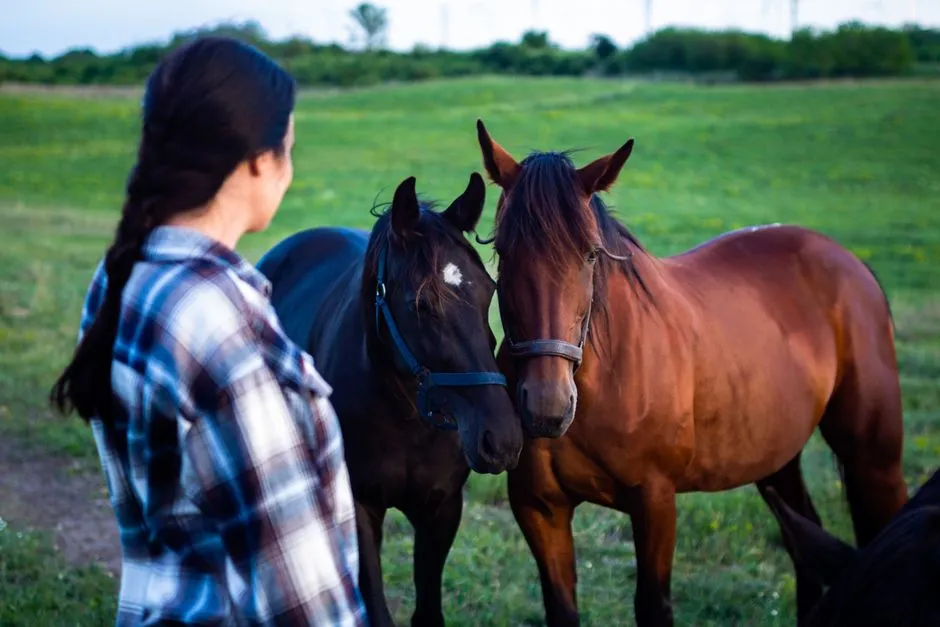
The clearest proof they mourn you is how they celebrate you. This is the sign most owners underplay – and it’s the most telling. Watch how your horse reacts when **you** arrive compared to when anyone else does. The horses that truly grieve your exit often explode with subtle, joyful detail at your entrance: ears snap forward, eyes soften, body angle shifts to face you, they step away from hay or friends without hesitation.
That full-body exhale when you appear is the emotional flip side of the quiet tension when you vanish. Some equine professionals insist horses don’t form “special” relationships, only herd-level bonds. Yet countless riders see the same contrast: their horse acts one way for every other human, and another way entirely for them. That difference is your answer. A horse who mourns quietly when you leave is usually the same one who **comes back to life in ways they reserve only for you** the second you return.
—
The Bottom Line
Most people wait for drama – screaming, rearing, refusing to load – before they’ll admit a horse cares that they’re gone. The truth is harsher and more intimate: the horses who mourn us the most are usually the ones who suffer in silence, holding their breath at the gate, pausing mid-chew, or bracing their eyes the minute our car pulls away. Ignoring these small signs doesn’t make you cruel, but it does make you blind to the depth of the bond you’ve helped create.
If anything here sounded uncomfortably familiar, that’s your cue. You don’t need to baby your horse, but you do owe them consistency, clear routines, and good herd support for the hours you’re not there. They notice more than you think – and they feel more than most people are willing to admit.
Did we miss a quiet sign your horse gives you when you leave? Drop it in the comments.

- 13 Quiet Signs an Old Dog Is Gently Saying Goodbye - July 30, 2026
- 12 Signs a Horse Mourns Quietly Every Time You Walk Away - July 30, 2026
- 10 Remarkable Facts About the African Cheetah: The Lightning of the Grasslands - July 29, 2026