


Animal welfare isn’t just a concern for large organizations or passionate activists—it’s something we can all contribute to through small, daily actions. The collective impact of individual efforts can create significant positive change for animals worldwide. From companion animals in our homes to wildlife in their natural habitats, our everyday choices directly affect the well-being of countless creatures. By incorporating simple animal-friendly practices into our routines, we can help create a more compassionate world where animals are treated with respect and dignity. Here are twelve straightforward ways you can support animal welfare in your daily life, requiring minimal effort but offering maximum impact.
12. Adopt, Don’t Shop

One of the most impactful ways to support animal welfare is by adopting pets from shelters or rescue organizations rather than purchasing from breeders or pet stores. According to the ASPCA, approximately 6.3 million companion animals enter U.S. animal shelters every year. By adopting, you’re not only giving a deserving animal a loving home but also reducing the demand that fuels puppy mills and irresponsible breeding practices.
If you’re not ready for adoption, consider fostering animals temporarily or volunteering at local shelters. Even spreading the word about adoptable animals on social media can help connect them with potential forever homes. Remember that older animals, those with special needs, or certain breeds often face longer shelter stays and may need your support even more.
11. Choose Cruelty-Free Products

Many everyday products—from cosmetics and household cleaners to personal care items—are tested on animals. By checking labels for certifications like Leaping Bunny or PETA’s cruelty-free bunny logo, you can ensure your purchases don’t contribute to animal suffering. The good news is that cruelty-free alternatives are becoming increasingly available and often perform just as well as (or better than) their conventional counterparts.
Creating a gradual transition to cruelty-free products is perfectly acceptable. As your current products run out, replace them with cruelty-free alternatives. Many mainstream brands now offer cruelty-free lines, and numerous smaller companies are built entirely around ethical production methods. This simple switch in your shopping habits can reduce demand for animal testing and encourage more companies to adopt humane practices.
10. Reduce Meat Consumption
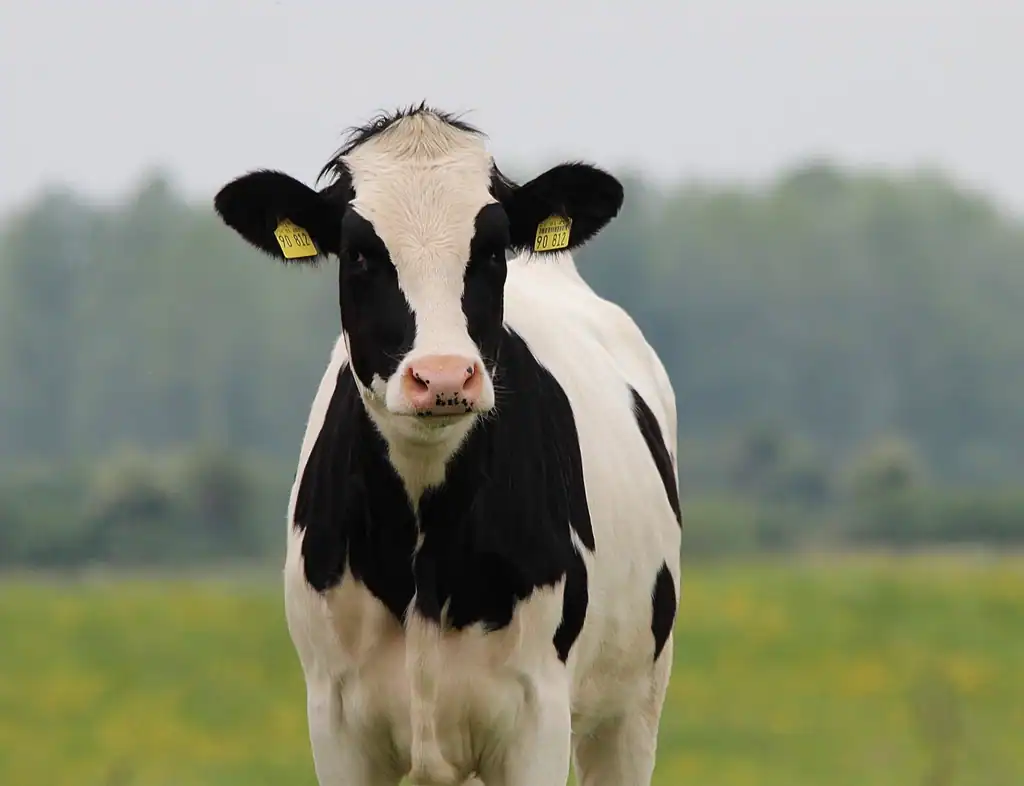
You don’t need to become fully vegetarian or vegan to make a difference for animals. Simply reducing your meat consumption through initiatives like “Meatless Monday” can significantly decrease demand for factory-farmed animals. Factory farming practices often prioritize efficiency over animal welfare, leading to cramped conditions and suffering for billions of animals annually. Even cutting back by one meat-free day per week can have a meaningful impact when multiplied across many individuals.
When you do consume animal products, try to source them from farms with higher welfare standards. Look for certifications like Certified Humane, Animal Welfare Approved, or ASPCA Recommended to ensure the animals were raised with better living conditions and more humane treatment. These products may cost slightly more, but the difference in animal welfare standards is substantial and worth supporting.
9. Support Wildlife-Friendly Landscaping

Your yard or even a small balcony can become a haven for local wildlife. Native plants provide food and shelter for local birds, bees, butterflies, and other wildlife that may be struggling due to habitat loss. According to the National Wildlife Federation, native plant gardens use 50% less water than traditional landscapes and don’t require fertilizers or pesticides that can harm wildlife.
Consider adding features like bird baths, bee hotels, or butterfly pudding stations to your outdoor space. Avoid chemical pesticides and herbicides that can poison wildlife and disrupt ecosystems. Even small urban spaces can contribute to wildlife corridors that help animals navigate increasingly fragmented habitats. Your garden can become part of a larger network of wildlife-friendly spaces that help species survive in developed areas.
8. Report Animal Cruelty

Being vigilant about animal cruelty in your community is crucial for protecting vulnerable animals. If you witness neglect or abuse, contact local animal control or law enforcement immediately. Many areas have dedicated animal cruelty investigation units, and your report could save an animal’s life. Document what you see (if safe to do so) with photos or videos that can help authorities take appropriate action.
Remember that animal neglect takes many forms—from obvious physical abuse to more subtle forms like inadequate shelter, lack of food or water, or animals left in hot vehicles. Familiarize yourself with your local animal protection laws and the proper reporting channels. Most jurisdictions allow anonymous reporting, so you needn’t worry about personal repercussions when speaking up for animals who cannot advocate for themselves.
7. Be a Responsible Pet Owner

Proper care for your own pets sets an example for others and ensures your animal companions live their best lives. This includes providing appropriate veterinary care, nutrition, exercise, and mental stimulation. Spaying or neutering your pets is particularly important—it prevents unwanted litters that may end up in already overcrowded shelters and improves your pet’s health and behavior. According to the American Veterinary Medical Association, spayed and neutered pets live longer, healthier lives on average.
Responsible pet ownership also means ensuring your pets are properly identified with microchips and tags, never abandoning them when circumstances change, and making arrangements for their care in emergencies or if you’re no longer able to care for them. By modeling excellent pet care practices, you influence others in your community to do the same, creating a ripple effect of improved animal welfare.
6. Make Ethical Tourism Choices

When traveling, avoid attractions that exploit animals for entertainment. Elephant rides, tiger selfies, dolphin shows, and similar activities often involve cruel training methods and poor living conditions for the animals involved. Instead, seek out ethical wildlife experiences like accredited sanctuaries or responsible wildlife viewing that respects animals’ natural behaviors and habitats. Organizations like the Global Federation of Animal Sanctuaries can help identify legitimate sanctuaries that prioritize animal welfare.
Before booking any animal experience, research the facility’s background and practices. True sanctuaries focus on the animals’ wellbeing rather than visitor entertainment and don’t breed animals or allow direct contact between visitors and wildlife. By being a conscientious tourist, you send a message to the tourism industry that ethical treatment of animals matters to consumers, encouraging more businesses to adopt animal-friendly practices.
5. Reduce Plastic Consumption

Plastic pollution is devastating to wildlife, particularly marine animals. An estimated 100,000 marine mammals and turtles and 1 million seabirds die annually from plastic entanglement or ingestion. Simple steps like using reusable shopping bags, water bottles, and food containers can significantly reduce your plastic footprint. Avoid single-use plastics whenever possible and properly recycle those you do use to prevent them from ending up in natural habitats.
Be particularly mindful of fishing line, balloon releases, and plastic six-pack rings, which are especially dangerous to wildlife. If you visit beaches or natural areas, consider participating in cleanup efforts or simply picking up any litter you find. Even removing a few pieces of plastic from the environment could save an animal’s life. Every piece of plastic prevented from entering ecosystems represents potential suffering avoided.
4. Support Animal Welfare Organizations
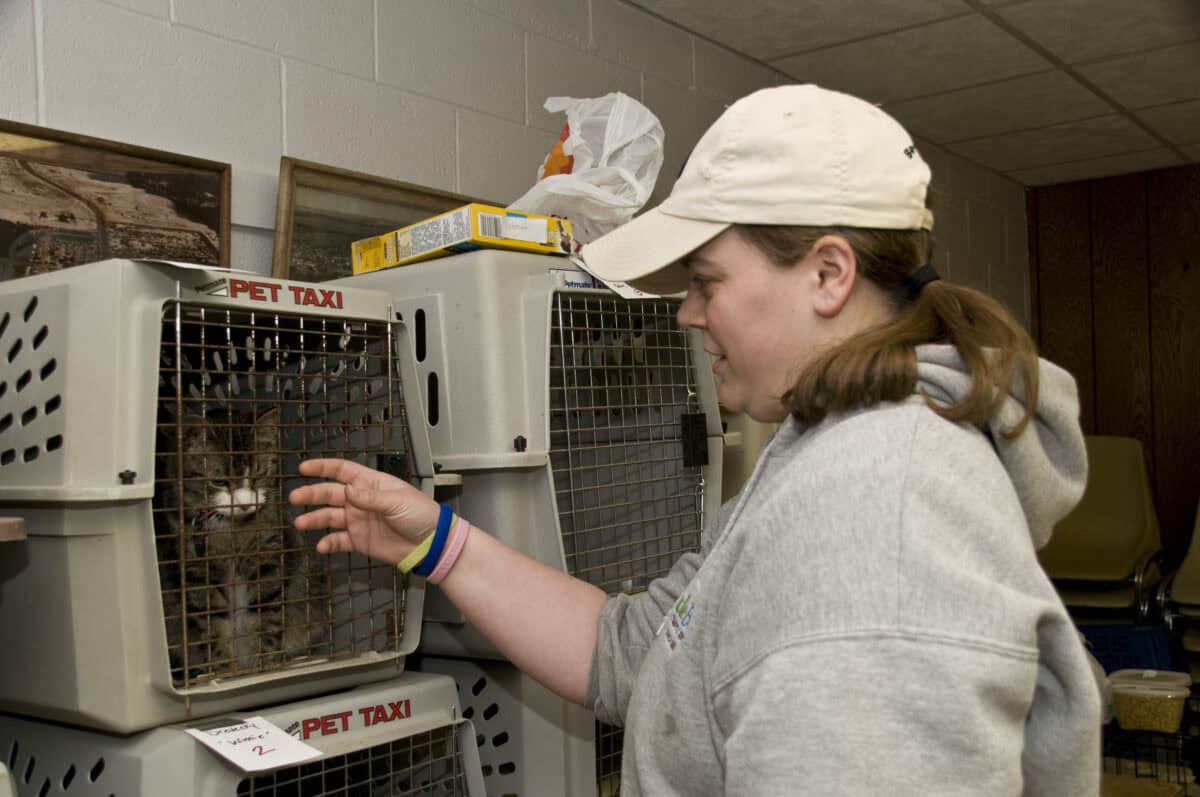
Donations to reputable animal welfare organizations enable crucial work for animals in need. Even small monthly contributions add up and provide reliable funding for rescue operations, spay/neuter programs, wildlife rehabilitation, advocacy efforts, and more. Research organizations to ensure your money is being used effectively—websites like Charity Navigator or GuideStar can help you evaluate their financial transparency and effectiveness.
Support doesn’t always have to be financial. You can volunteer your time, skills, or resources to local animal shelters, wildlife rehabilitation centers, or advocacy groups. Many organizations need help with tasks ranging from animal socialization and dog walking to administrative assistance and fundraising. Sharing their work on social media, participating in their events, or gathering supplies from their wish lists are other meaningful ways to contribute without monetary donations.
3. Educate Yourself and Others

Stay informed about animal welfare issues by following reputable organizations, reading books on animal ethics, or watching documentaries about animal protection. The more you understand about challenges animals face, the better equipped you’ll be to make compassionate choices and educate others. Knowledge is powerful—when you understand the impact of various industries and practices on animals, you can make more informed decisions about what you choose to support.
Share what you learn with friends and family in respectful, non-judgmental ways. Many people simply don’t know about the suffering behind certain products or activities. By calmly providing information and setting an example through your own choices, you can influence others to consider animal welfare in their decisions. Focus on positive alternatives rather than criticism, making it easier for others to see how they too can contribute to animal welfare through simple daily choices.
2. Support Humane Legislation

Laws and policies have enormous impacts on animal welfare across all sectors. Stay informed about animal protection legislation at local, state, and federal levels. Contact your representatives to voice support for animal-friendly bills and opposition to those that would harm animals. Signing petitions, participating in public comments on proposed regulations, and voting for candidates with strong animal welfare records all contribute to systemic change for animals.
You don’t need to be a policy expert to make a difference. Many animal welfare organizations send action alerts about important pending legislation and make it easy to contact lawmakers with pre-written messages that you can personalize. By adding your voice to collective advocacy efforts, you help demonstrate public support for animal protection and put pressure on decision-makers to prioritize animal welfare concerns when creating and enforcing laws.
1. Practice Wildlife-Friendly Driving

Vehicle collisions kill millions of animals each year, from insects to large mammals. Being more attentive while driving, especially at dawn, dusk, and night when animals are most active, can save countless lives. Slow down in areas with wildlife crossing signs or known wildlife corridors. If safe to do so, stop to help injured animals or call local wildlife rehabilitators for assistance with injured wild animals.
Consider participating in community efforts to create wildlife crossings or advocate for their installation in high-risk areas. These structures have proven remarkably effective at reducing wildlife-vehicle collisions. Simple awareness while driving costs nothing but attention, yet can prevent needless animal suffering and death. Remember that many species are already facing numerous threats from habitat loss and climate change, making preventable road deaths an additional pressure they don’t need.
Conclusion: Creating Lasting Change Through Daily Choices

Supporting animal welfare doesn’t require radical lifestyle changes or significant financial investments—it’s about making conscious choices in our everyday lives. Each small action, when multiplied across many individuals, creates meaningful impact for animals worldwide. The power to improve animals’ lives is literally in our hands through the products we purchase, the foods we eat, and the examples we set for others.
Remember that perfectionism isn’t the goal—progress is. Even implementing just a few of these suggestions consistently will make a difference. Over time, animal-friendly choices become habits that benefit not only animals but often our health, communities, and environment as well. By showing compassion to animals through our daily actions, we contribute to building a more humane world for all beings who share our planet. Every day presents new opportunities to choose kindness toward animals—opportunities that, taken together, can transform societies and systems that have too often overlooked animal welfare.

As a little kid, I fell in love with nature, wildlife, and animals. Living in the USA, South Africa, Italy, China and Germany gave me the opportunity to discover the world's Wildlife. My favorite animals are Mountain Gorillas, Siberian Tigers, and Great White Sharks.
I'm a certified PADI Open Water Diver, went to Everest Base Camp and Trekked Gorillas in Uganda. I hold a Master of Science in Economics and Finance.
Please send any feedback to feedback@animalsaroundtheglobe.com
- 15 Most Adorable Animals of North America - July 21, 2026
- 12 Heartwarming Animal Tales from Around the World That Renew Faith in Wildlife - July 21, 2026
- 10 Deadliest Spiders in the World And Where They Live - July 21, 2026