
Worried about unexpected vet bills?
Pet insurance can cover thousands in unexpected vet costs. Get a free quote from Lemonade in under 2 minutes.
Get My Free Quote →Sponsored · Opens Lemonade.com
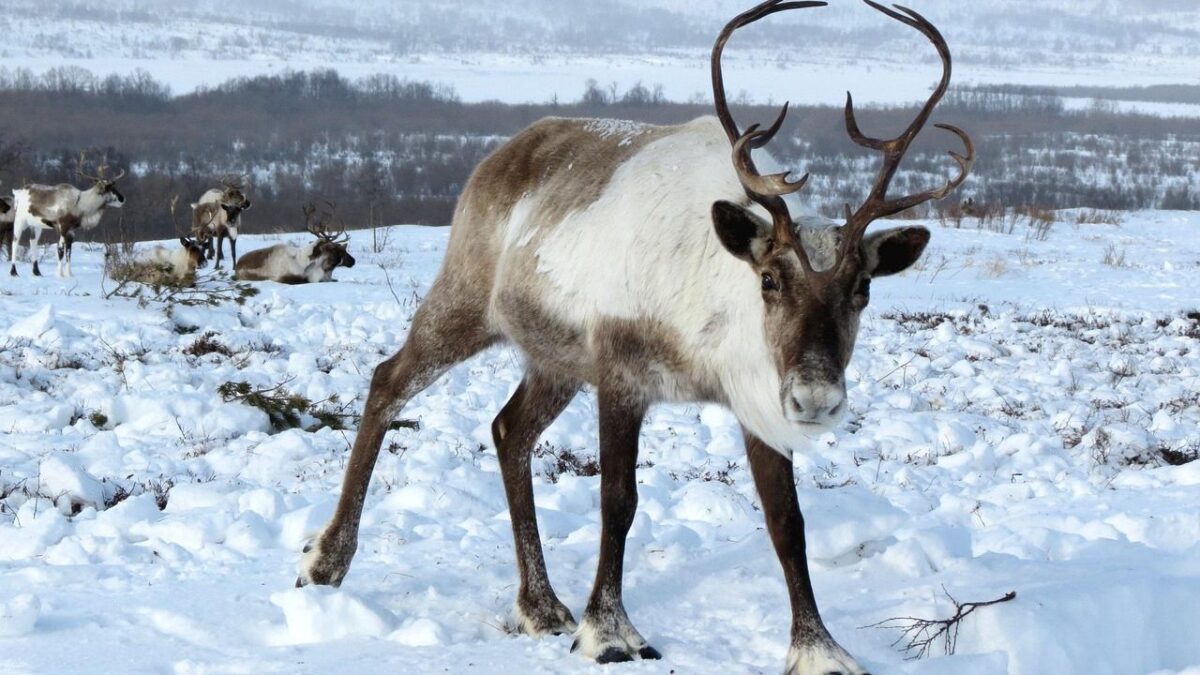
Most of us picture the same way: a cartoon image, a Christmas card, maybe a plastic figurine on a mantelpiece. Cute, festive, familiar. But here’s the thing – the real is nothing like that gentle decoration. The actual animal is a survival machine. An evolutionary marvel. A creature that does things no other deer on Earth can do, and honestly, the more you learn, the more your jaw drops.
Whether you stumbled across this out of holiday curiosity or a genuine love for wildlife, buckle up. These 12 facts are going to completely change the way you see one of the planet’s most extraordinary animals. Let’s dive in.
Their Eyes Actually Change Color With the Seasons
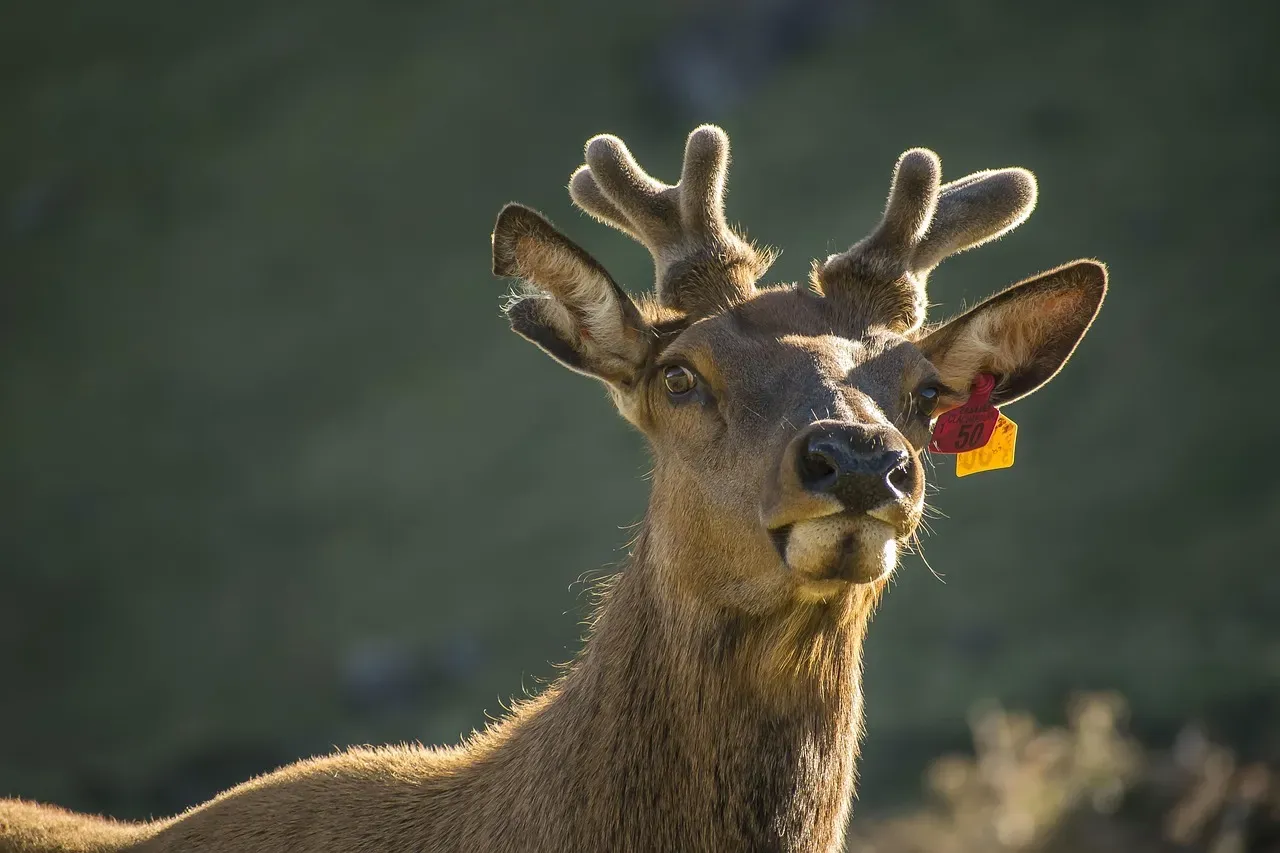
This one still amazes me every time I think about it. As a result of seasonal changes in light levels, eyes adapt – their tapetum, the part of the eye behind the iris, changes color from gold in the summer to blue in the winter. It’s not a trick of the light. It’s a genuine biological shift.
This adaptation helps see better in the varying Arctic light levels throughout the year. Think of it like nature’s own pair of adjustable sunglasses, automatically tuning to the environment. No optometrist required.
They Can See UV Light That Is Invisible to Human Eyes
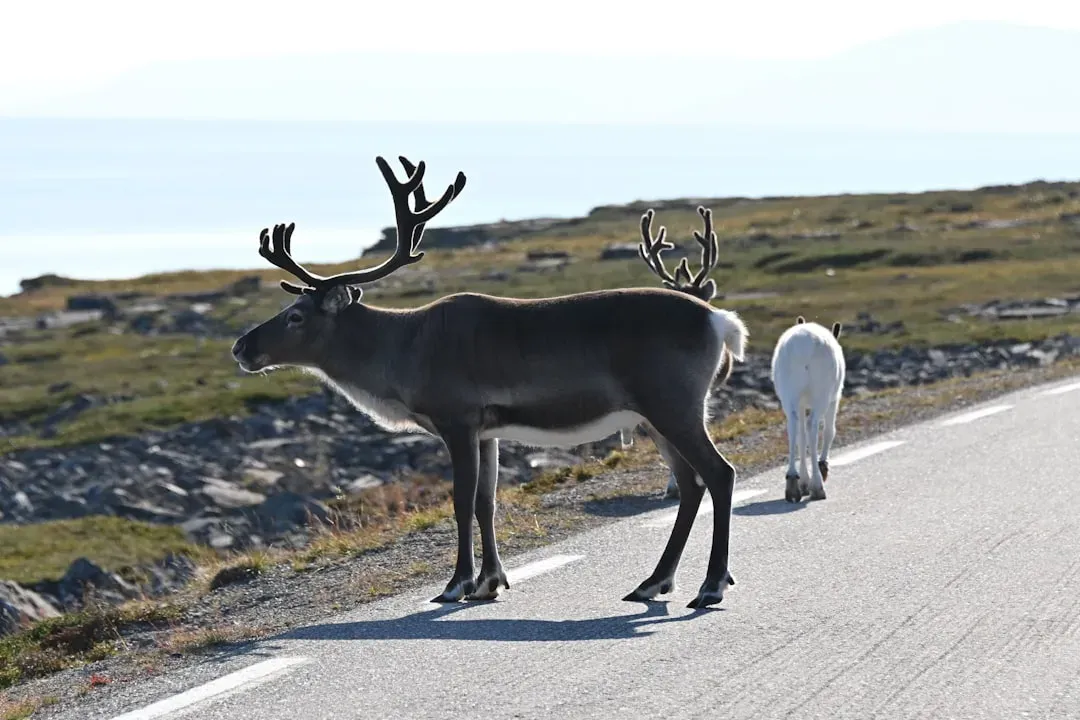
In 2011, scientists made an astonishing discovery: can see ultraviolet light, which helps them to find food and evade predators. This is a rare ability, and it changes everything about how they experience their world.
Snow reflects up to 90% of the UV light that falls on it, appearing white to , while animal urine and wolf fur absorbs UV light, appearing black. This makes it easier to find food and to stay safe from other animals. Imagine being able to spot a hidden predator just because its fur looks like a dark shadow in the snow. That’s genuinely extraordinary.
Female Grow Antlers Too – and That’s Rare
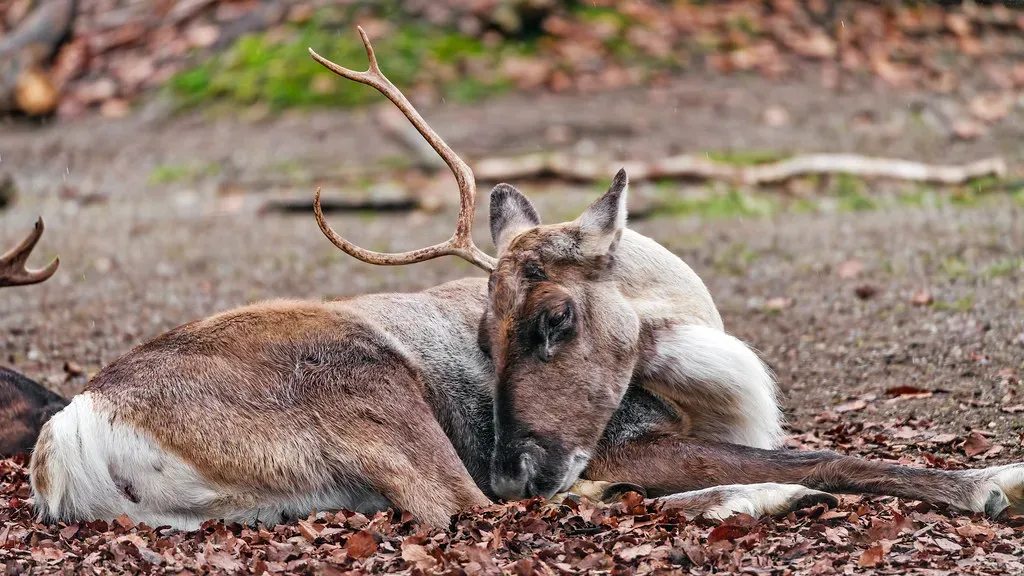
Both male and female grow antlers, while in most other deer species, only the males have antlers. Compared to their body size, have the largest and heaviest antlers of all living deer species. That’s a double record right there.
There are over 40 species of deer, and yet are the only deer species where the females also grow antlers. The females will keep theirs over the harsh winter to protect food as resources get low, whereas the males shed theirs in the late autumn, growing a brand new set every spring. So yes, if you’re picturing Santa’s with full antlers on Christmas Eve, science says they’d all be female.
Their Hooves Shape-Shift Between Seasons
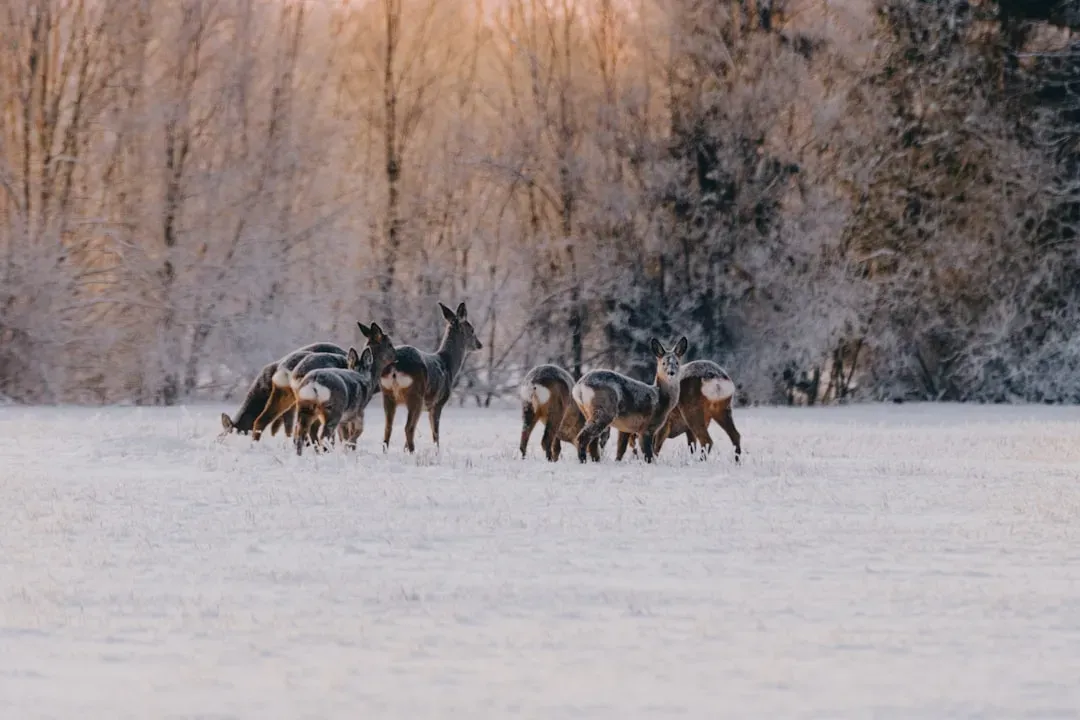
I know it sounds crazy, but hooves are literally not the same in summer as they are in winter. In the summer, have soft, spongy hooves ideal for gripping wet, boggy ground. In the winter, the pads shrink, exposing the hard hoof rims that cut into ice and snow for stability.
In the summer, the pads become spongy to adapt to walking on soft ground. In the winter, these pads tighten and shrink to compress snow and expose the sharp rim of their hooves, which they use to crack ice as they search for food. It’s like having two completely different pairs of shoes, built right into their feet. Nature’s own seasonal wardrobe.
Their Hooves Make a Clicking Sound When They Walk
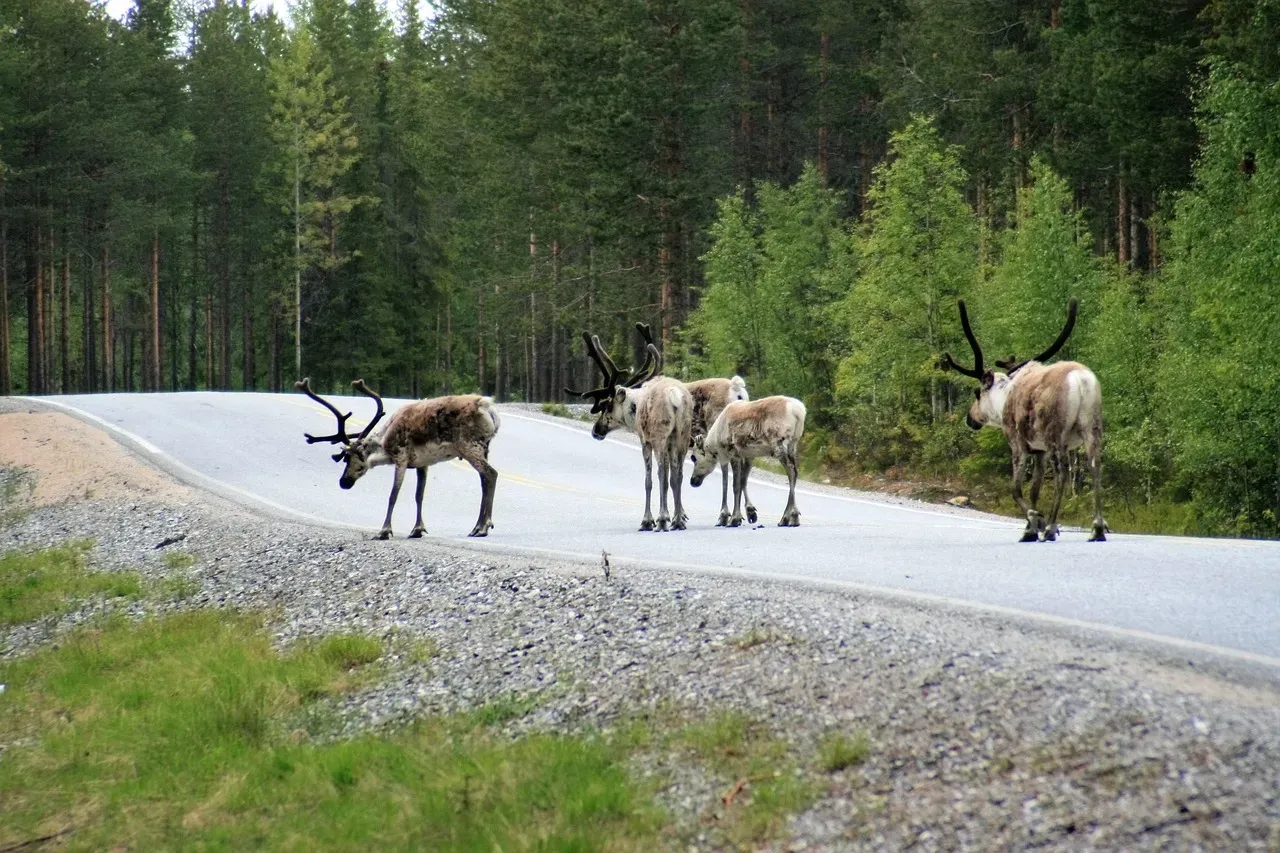
Here is something truly unexpected. With each step they take, tendons snap over the bones in their back hooves, making a clicking noise – and this means that they can easily locate and stay with the rest of the herd, even in the most bitter storms. They just listen for each other.
Think about how clever that is. In whiteout blizzard conditions where visibility drops to near zero, stay connected not by sight but by sound. The tendons in their feet make a distinctive clicking sound when they walk, helping herd members stay together during blizzards or low visibility conditions. It’s like a built-in GPS, purely acoustic.
Their Fur Is Hollow and It Makes Them Float
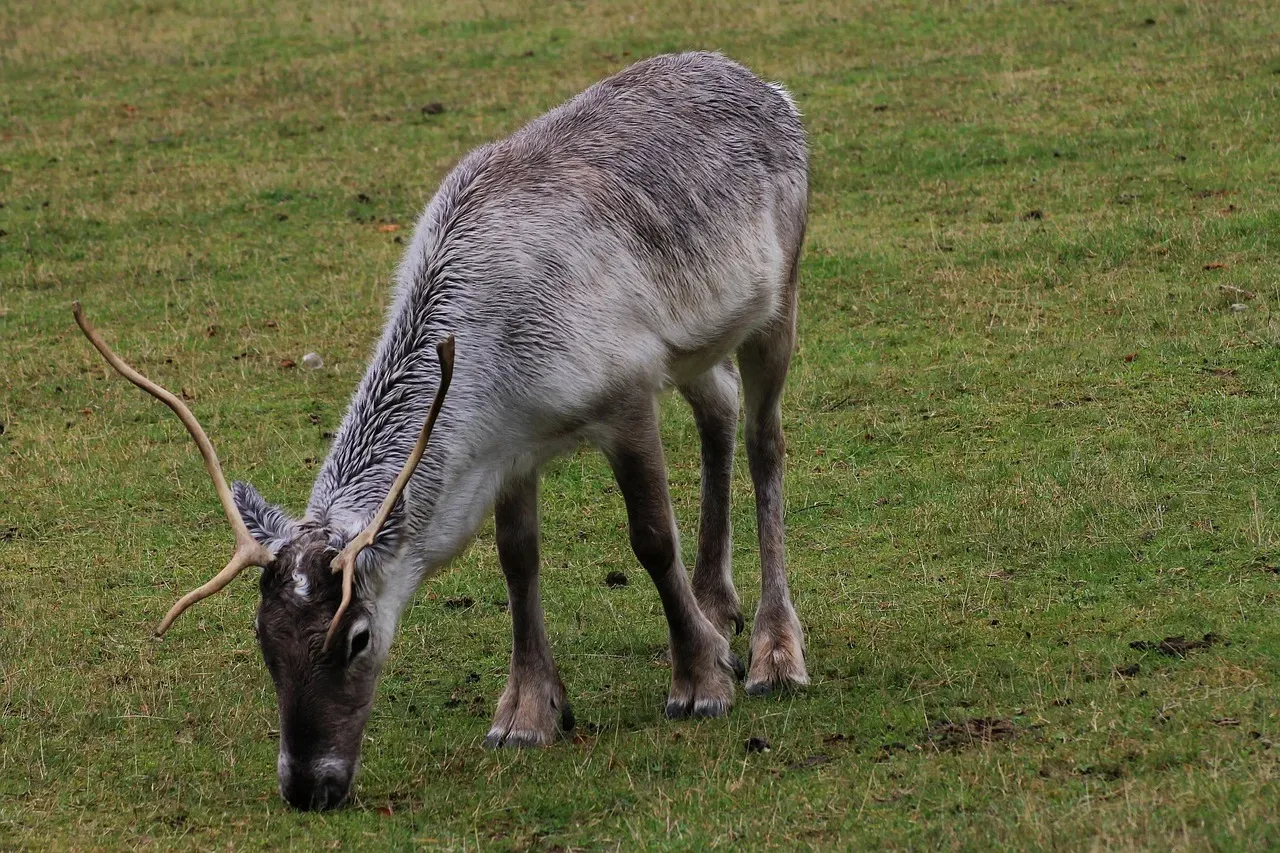
have a brilliant winter coat made up of two layers of fur: a soft but dense undercoat, covered by a long, coarse outer layer. The outer hairs are hollow, which traps air and provides particularly excellent insulation – so well insulated that when they nap, any snow that falls on them doesn’t even melt.
The air trapped in their coat fibres not only helps to keep warm, but also makes them buoyant. So whilst may not be able to fly, they can swim exceedingly well. Their broad hooves act like paddles so they can move through bodies of water with ease when needed during their vast migrations. A coat that keeps you warm AND keeps you afloat. Honestly impressive.
They Are the Marathon Champions of the Animal Kingdom
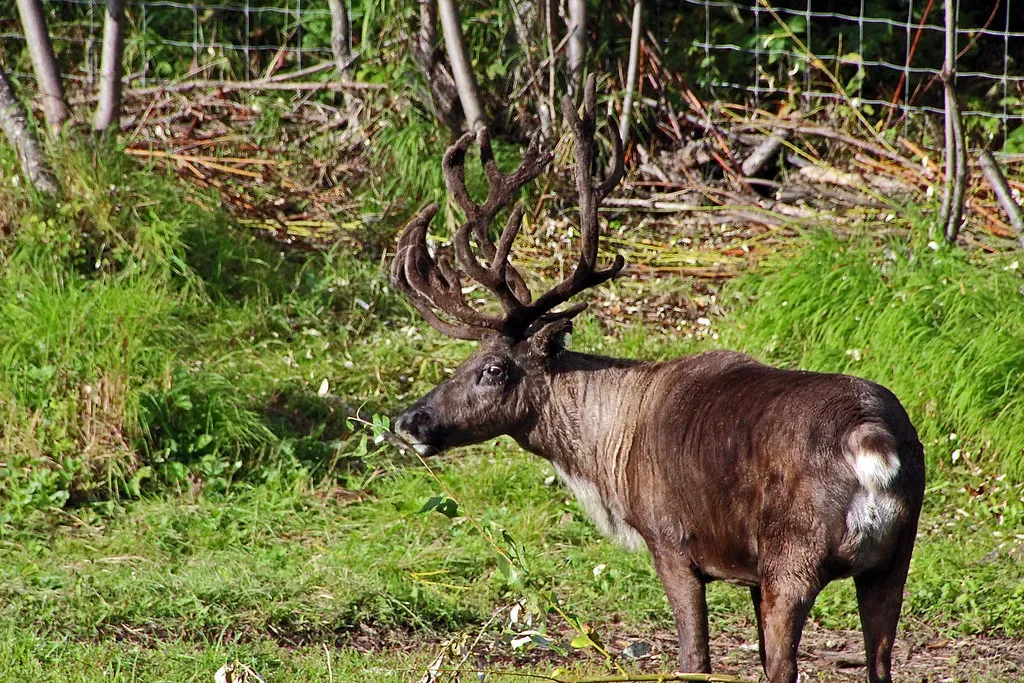
When it comes to distance travel, very few land animals come close. Some herds travel over 5,000 kilometers a year, making them the most migratory land mammals on Earth. This long journey is a vital part of their survival, allowing them to access food and safer breeding grounds.
Migration allows to adapt to environmental conditions, following the availability of vegetation and avoiding the harshness of winter landscapes. It’s like packing up your entire life, twice a year, every year, for your whole life. No GPS, no maps, just instinct and the wind in their nostrils. Remarkable.
Their Noses Are High-Tech Heating Systems
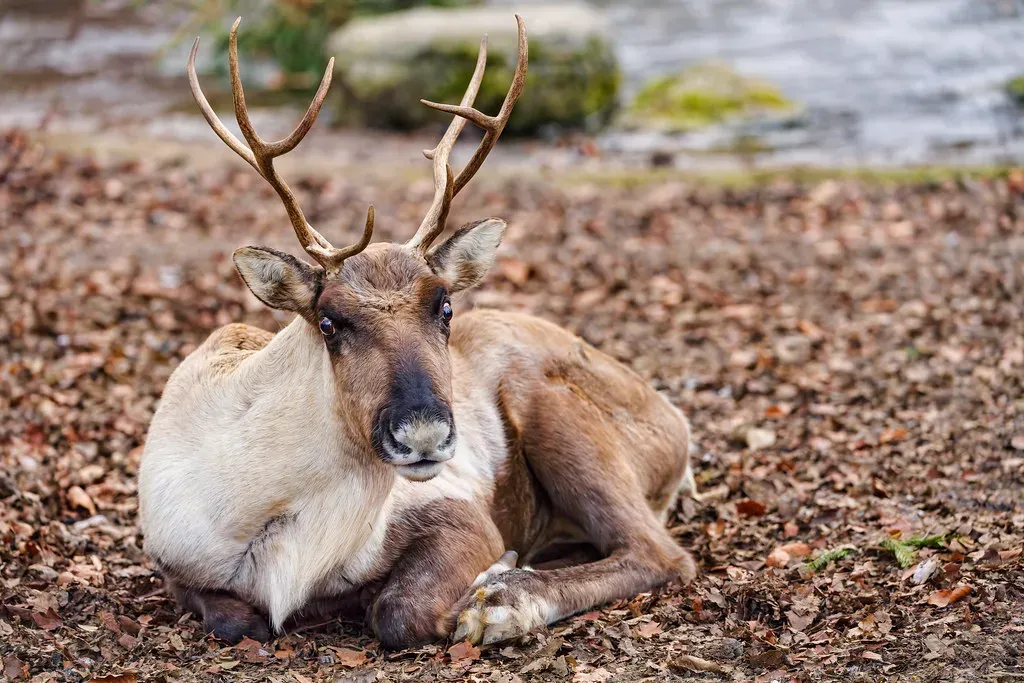
Let’s talk about that nose. noses are designed to warm up the freezing Arctic air before it enters their lungs. Their nasal passages are lined with complex turbinate bones that not only heat incoming air but also conserve moisture on exhalation.
The air a breathes is heated as they inhale and cooled as they exhale, causing water vapor to condense before being released into the atmosphere. This keeps them warm and even creates a pinkish-red tinge on their noses, much like Rudolph! So Rudolph’s glowing nose wasn’t entirely fictional after all. Science, as usual, is better than fiction.
They Form Herds of Nearly Half a Million Animals
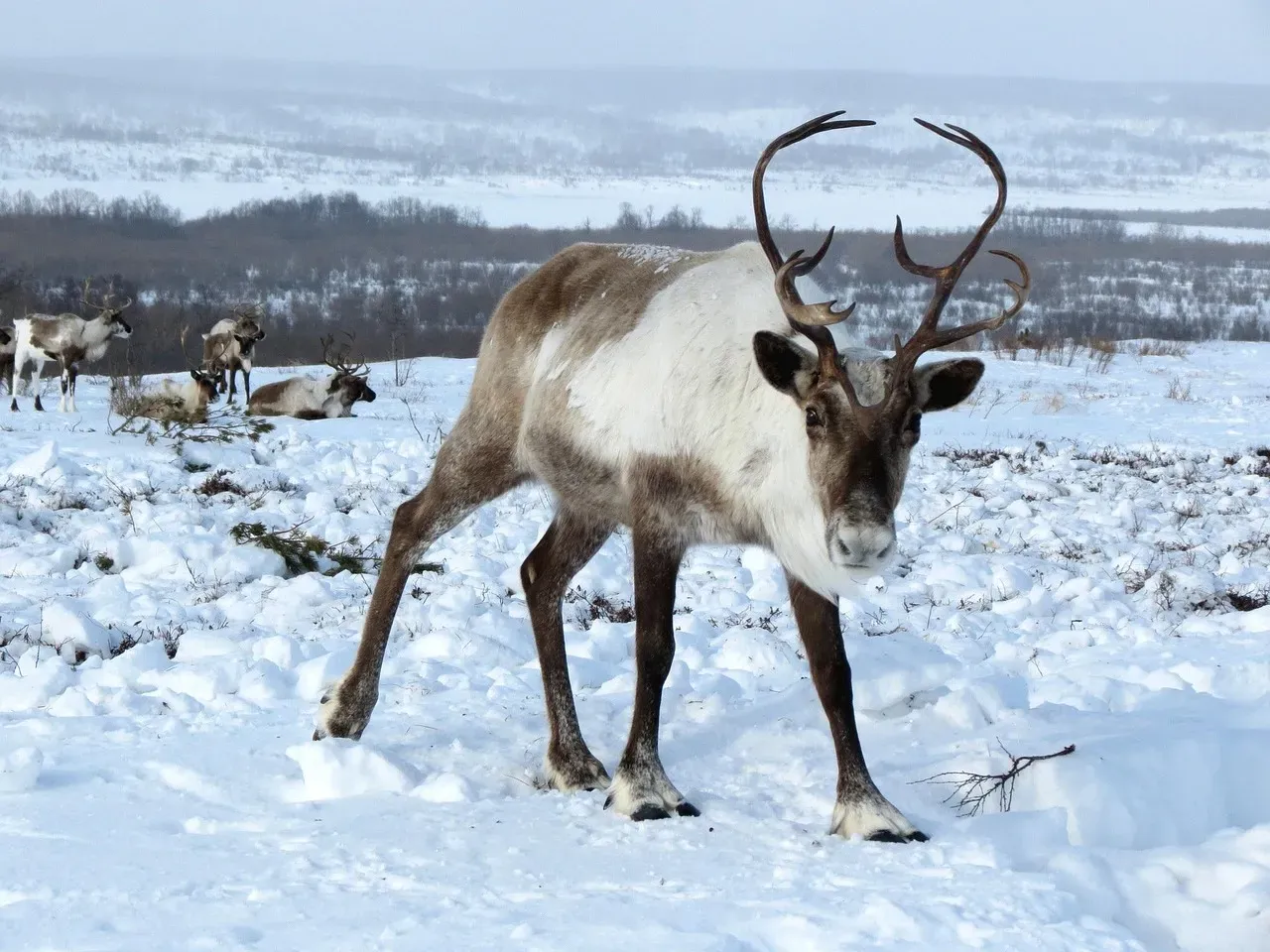
travel, feed, and rest together throughout the day in herds of 10 to a few hundred. In spring, they may form super-herds of 50,000 to 500,000 animals. Let that sink in for a moment. Half a million animals moving together across the tundra.
are social animals who live in herds ranging in size from a dozen to a few hundred, using snorts, grunts, and hoarse calls to communicate. Their social groups are hierarchical, with clearly defined roles. They’re not just wandering in a group. They have structure, leadership, and communication. That’s a community.
They Have a Biological Clock That Barely Works – on Purpose
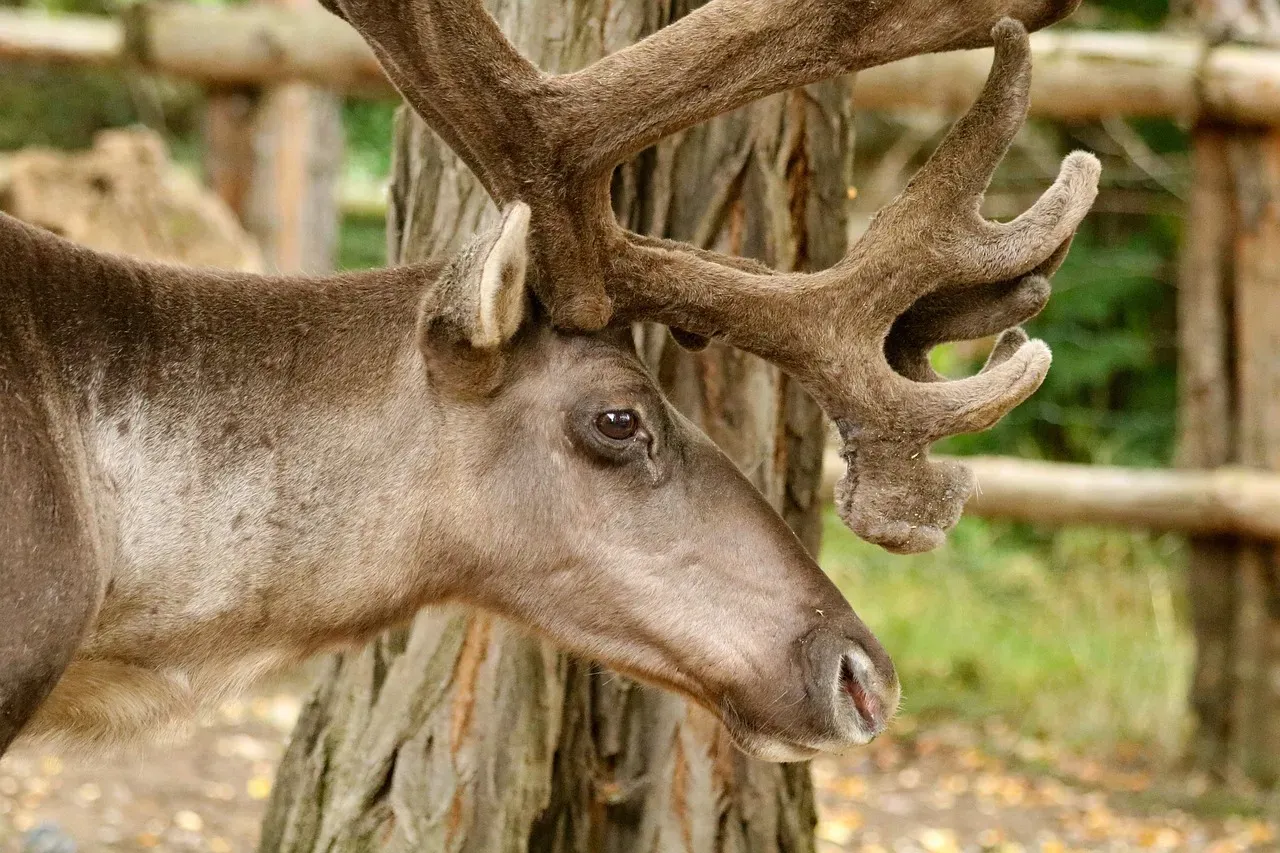
This one genuinely surprised me when I first read about it. Because the amount of sunlight varies so much so far north, seem to have lost the biological clock that makes humans and other animals active by day and sleepy by night. Compared with other mammals, have genetic changes that short-circuit their clocks.
feeding patterns change dramatically during winter months – they spend considerably more time foraging compared to summer, often feeding throughout both day and night during the polar darkness. When you live in a world where darkness lasts for months, a normal sleep cycle would be a serious handicap. Evolution simply removed it.
Their Diet Can Include More Than Just Plants
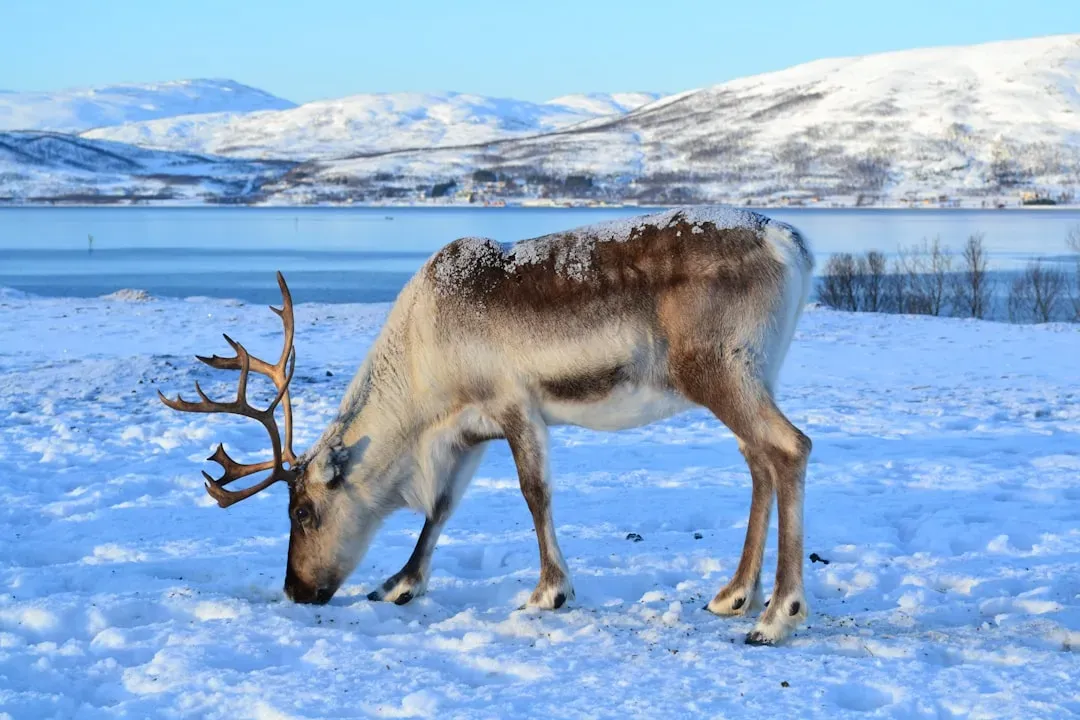
Most people think of as strict plant eaters. Mostly, that’s true. eat mosses, herbs, ferns, grasses, and the shoots and leaves of shrubs and trees, especially willow and birch. In winter, they make do with lichen and fungi, scraping the snow away with their hooves to get it.
Here’s the twist though. They have been recorded as being opportunistic carnivores, eating lemmings, birds eggs, and arctic char when nutritionally starved. When the Arctic winter strips the land bare and every calorie counts, will do what they must to survive. Honestly, you can’t blame them. Survival has its own rules.
Are Vital to Indigenous Cultures and Arctic Ecosystems
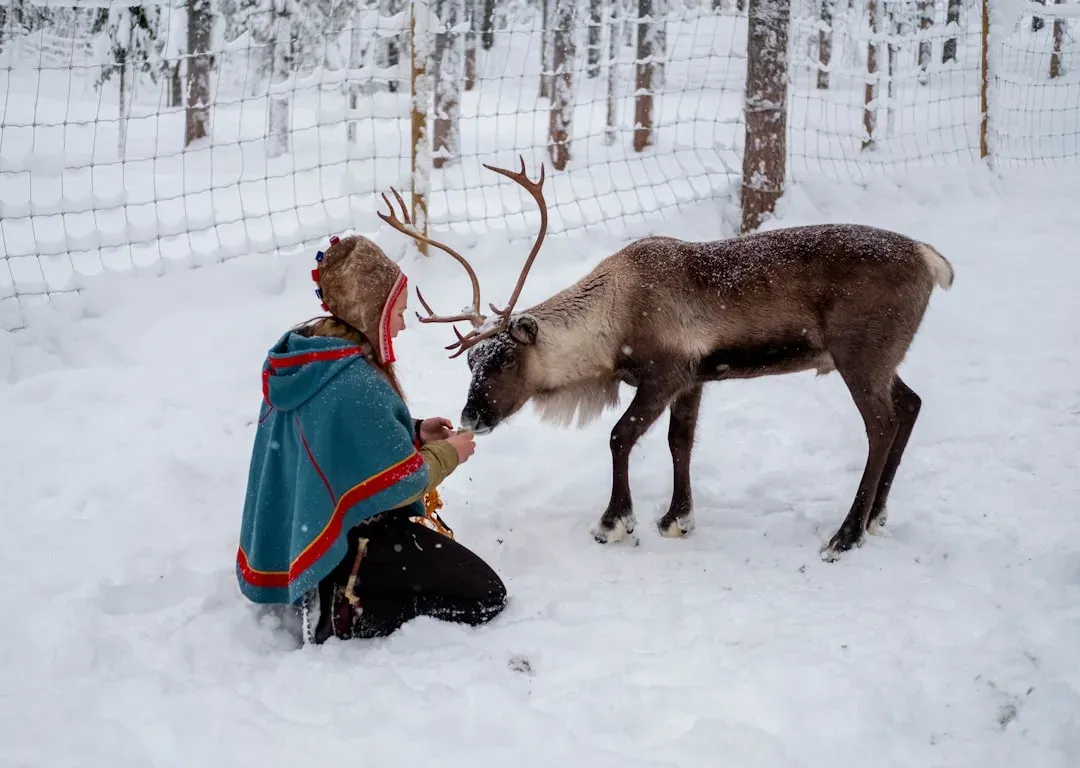
Beyond the biology, carry an entire world of cultural meaning. For the Sami people, native to Scandinavia, herding is a major part of the heritage and economy. They, along with other indigenous people in the Arctic and subarctic, raise primarily for meat, which they eat and sell.
Their grazing habits help maintain the Arctic tundra ecosystem, preventing the release of stored carbon in the permafrost. Additionally, their presence promotes biodiversity, contributing to a resilient and balanced environment that can better withstand climate change impacts. These animals are not just surviving in the Arctic. They are actively keeping it alive.
Conclusion
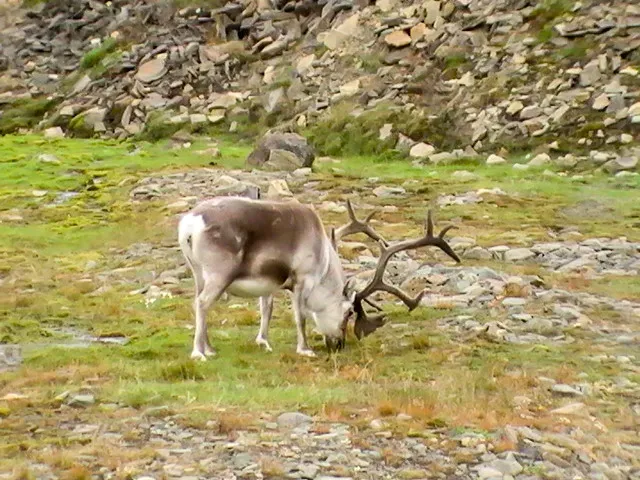
are so much more than a seasonal symbol. They are one of the most impressively adapted animals on the planet, built from the ground up to survive conditions that would defeat almost anything else alive. From shape-shifting hooves and color-changing eyes to UV vision and hollow fur that doubles as a life jacket, every single feature tells a story of survival, resilience, and breathtaking evolutionary intelligence.
The next time you spot a image on a holiday card or a children’s book, I hope you see something different now. Not a decoration. A marvel. These animals earn their place on this planet every single day, out there in the frozen dark, clicking softly to one another through a blizzard.
What’s the fact that surprised you the most? Drop your answer in the comments and let us know!
Worried about unexpected vet bills?
Pet insurance can cover thousands in unexpected vet costs. Get a free quote from Lemonade in under 2 minutes.
Get My Free Quote →Sponsored · Opens Lemonade.com

- 14 Quiet Signs Your Dog Is Getting Ready to Say Goodbye – Most Owners Miss Them Completely - June 9, 2026
- 15 Dog Breeds Known for Their Exceptional Loyalty and Devotion - June 9, 2026
- 14 Garden Mistakes That Drive Hummingbirds Away for Good – Most Gardeners Don’t Realize Until It’s Too Late - June 9, 2026