
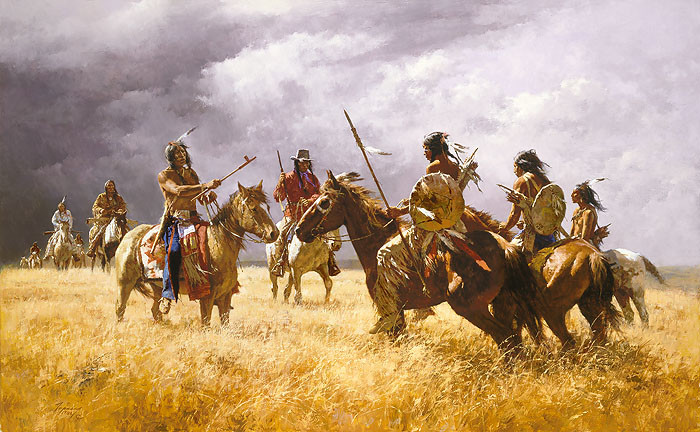
The legends of the American West are filled with tales of cowboys, outlaws, and fierce battles, yet one name stands above them all when it comes to sheer dominance on the open plains. The Comanche people once controlled an enormous empire that spanned parts of five modern states, and for more than a century they dictated the terms of power across the southern frontier. Their reputation was so fearsome that colonial powers bent to accommodate them, and their military prowess forced even mighty empires to rethink their strategies.
What made the Comanche so different from other tribes? How did they transform from mountain dwellers into the most dominant cavalry force in North America? The answers lie not just in their horsemanship or warrior culture, but in surprising adaptations, diplomatic cunning, and a level of strategic sophistication that historians are only now beginning to fully understand. From secret codes in World War II to raids that reached deep into Mexico, the Comanche story is far richer than most people realize.
They Weren’t Always Plains Warriors
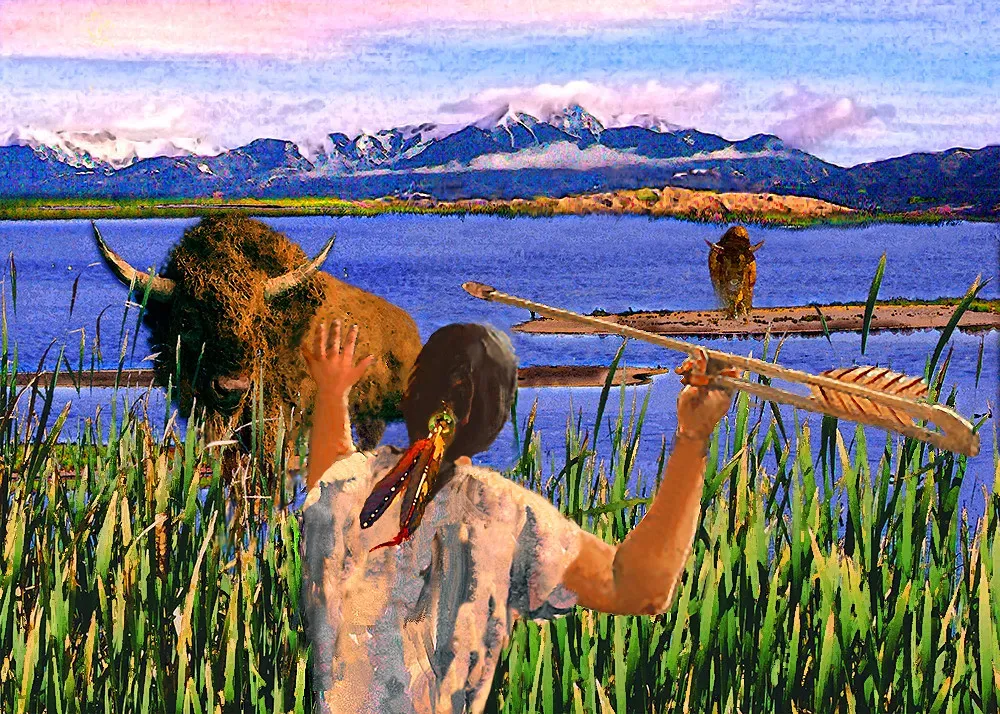
The Comanche Nation, known in their native language as “Nʉmʉnʉʉ” (meaning “The People”), were once part of the Shoshone Tribe, and in the late 1600s and early 1700s, they moved from their Shoshone kinsmen onto the northern Plains and then southerly in search of a new homeland. Think about that for a moment. The very people who would become synonymous with Plains Indian culture actually started out in the Rocky Mountain region of Wyoming, living a completely different lifestyle.
The Comanche were closely related in language and tradition to the Eastern Shoshone of Wyoming, and they probably split from the Shoshone in the 16th century with the Comanche moving south to Colorado and becoming bison-hunting Great Plains nomads. Their transformation wasn’t gradual either. Once they discovered horses and realized the potential of the wide-open grasslands, they underwent one of the most dramatic cultural shifts in Native American history. What drove this change? Opportunity, pure and simple.
Horses Made Them Unstoppable
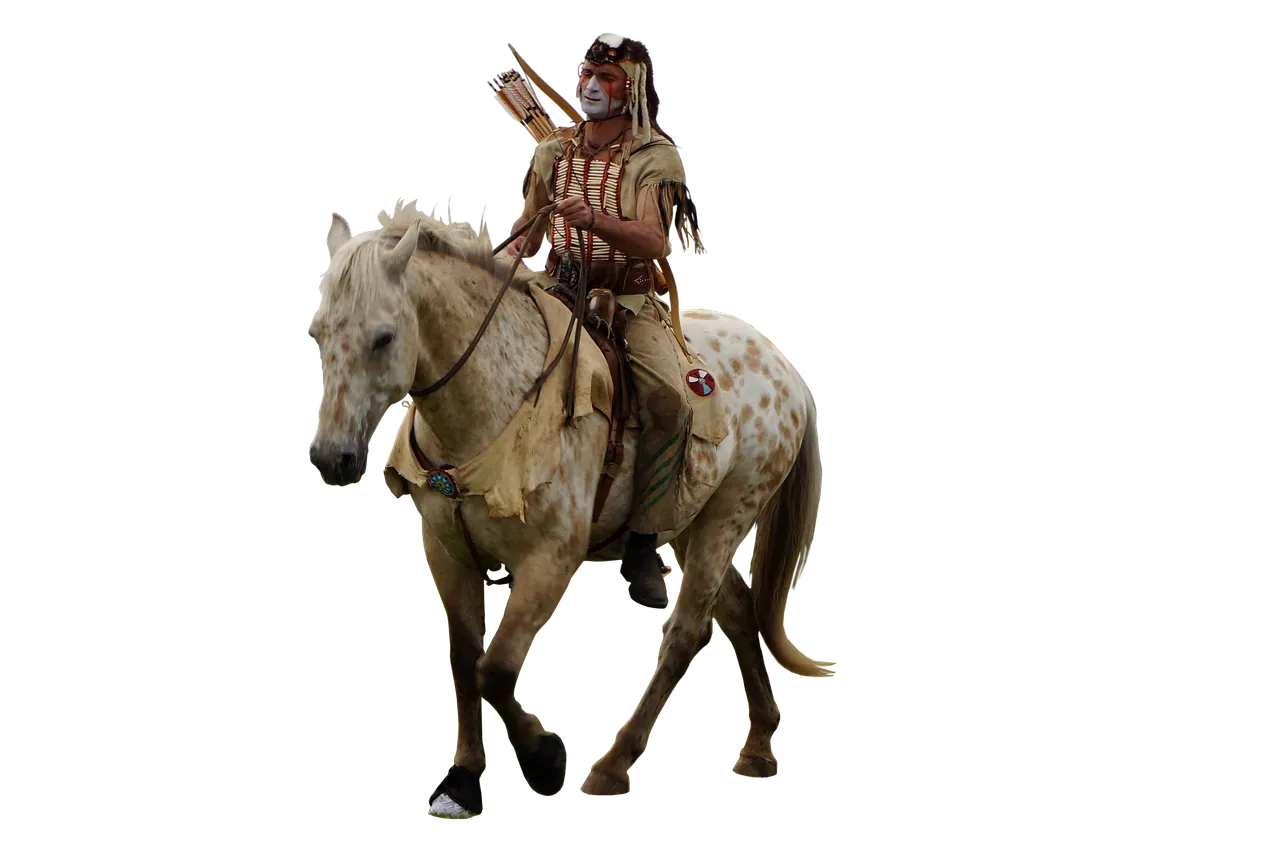
Let’s be real, the horse changed everything for the Comanche. The horse was a crucial element in Comanche culture, and the people mastered their skills on horseback and gained a tremendous advantage in times of war. Their transformation into mounted warriors wasn’t just about transportation; it was about reinventing their entire society around equestrian excellence.
A boy learned to ride a horse before he could walk, and by the time he was four or five, he was expected to be able to skillfully handle a horse. Can you imagine children mastering such a difficult skill at an age when most kids today are just learning to tie their shoes? In horsemanship the Comanches had no equal. European and American observers repeatedly expressed astonishment at what they witnessed. Horses were used for warfare with the Comanche being considered to be among the finest light cavalry and mounted warriors in history. They didn’t just ride horses; they became one with them in ways that made traditional European cavalry look clumsy by comparison.
Their Empire Was Larger Than Most People Realize
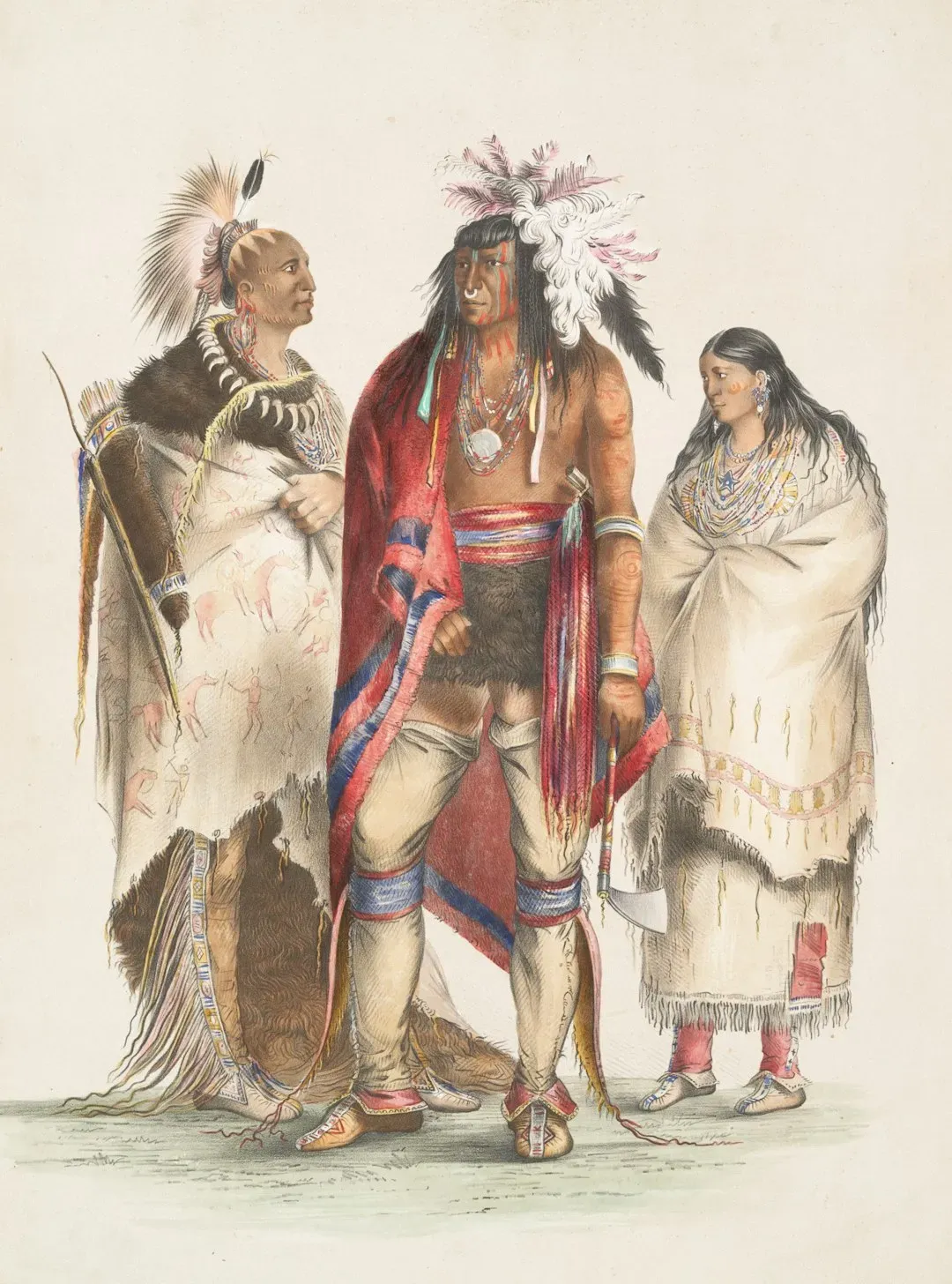
The Comanche are often characterized as “Lords of the Plains,” and they presided over a large area called Comancheria which they shared with allied tribes, the Kiowa, Kiowa-Apache (Plains Apache), Wichita, and after 1840 the southern Cheyenne and Arapaho. We’re not talking about a small territory here. At its peak, Comancheria covered roughly a quarter million square miles.
To put that in perspective, in the 18th and 19th centuries, Comanche lived in most of present-day northwestern Texas and adjacent areas in eastern New Mexico, southeastern Colorado, southwestern Kansas, and western Oklahoma, with Spanish colonists and later Mexicans calling their historical territory Comanchería. One historian describes this territory as “larger than the entire European-controlled area north of the Rio Grande”. That’s absolutely staggering when you consider the relatively small population that controlled such vast lands through sheer military and diplomatic skill.
They Created a Trade Empire, Not Just a War Machine
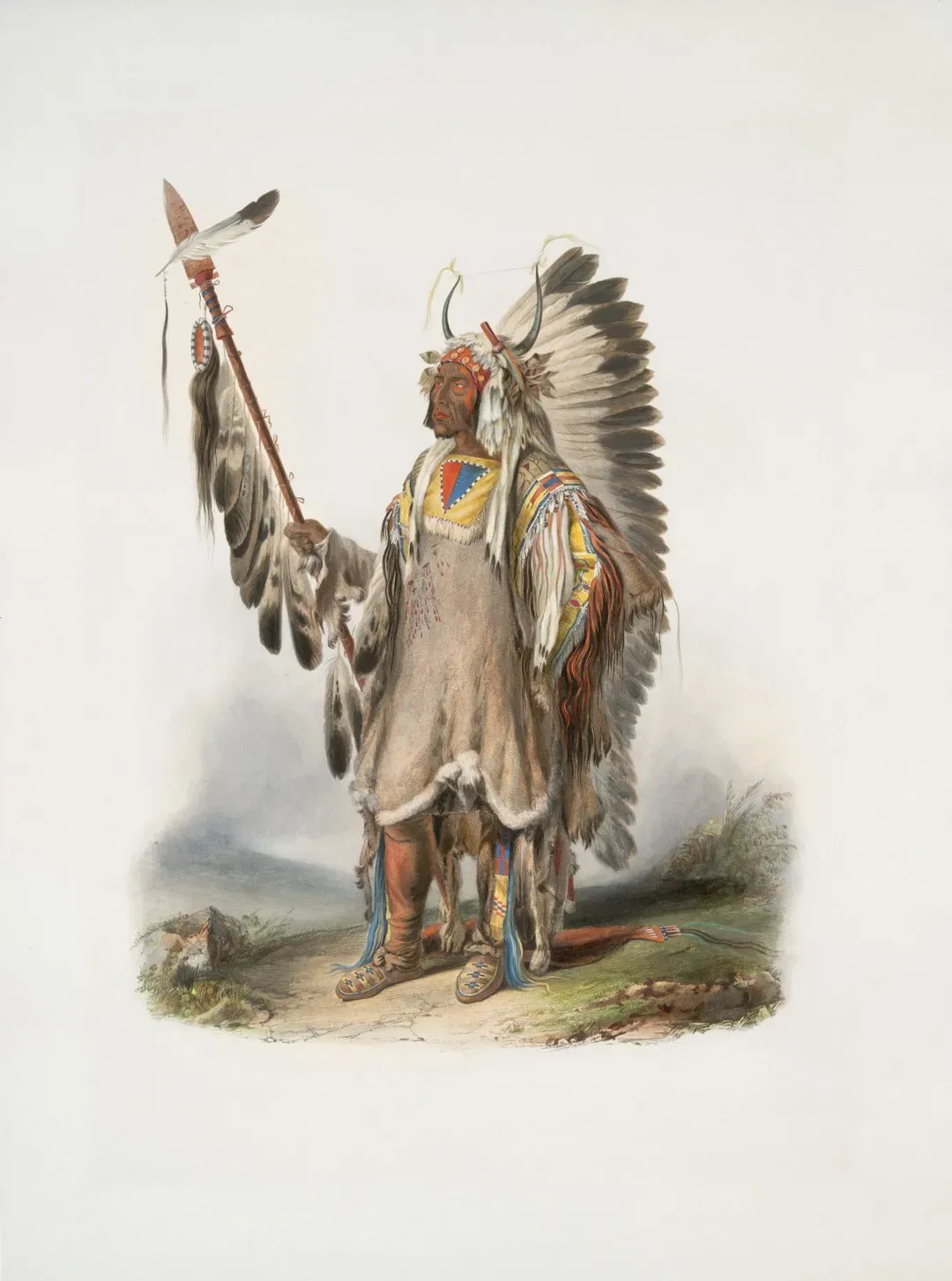
Here’s where things get interesting. Most people think of the Comanche as purely warriors and raiders, which honestly does them a disservice. Comanche power and their substantial wealth depended on horses, trading, and raiding, with adroit diplomacy also being a factor in maintaining their dominance and fending off enemies for more than a century. They understood economics better than most give them credit for.
Their adoption of horses in the early eighteenth century allowed the Comanches to build a lifestyle based on bison hunting, and horses were also important commodities in the Comanches’ multifaceted trade network, which also featured slaves, weapons, bison skins, and metal goods. They weren’t just taking what they wanted; they were running a sophisticated commercial operation that connected multiple regions and peoples. The Comanche essentially controlled the trade routes of the southern Plains, acting as middlemen between various tribes and colonial settlements.
Their Language Became the Common Tongue of the Plains
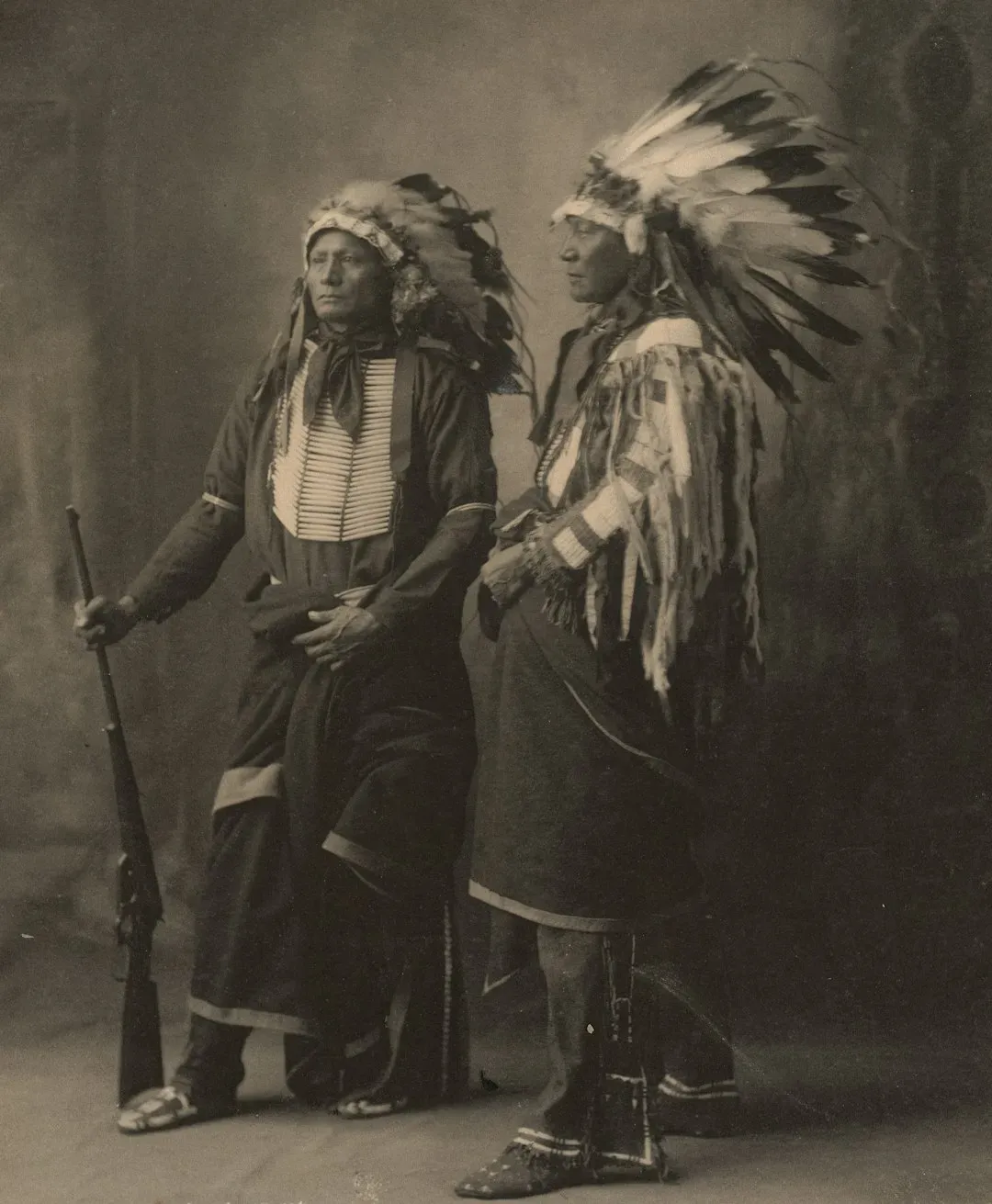
Think about the influence required to have your language become the default mode of communication across an entire region. At their peak, the Comanche language was the lingua franca of the Great Plains region. That’s remarkable. It wasn’t English, Spanish, or French that dominated communication on the Plains during the 18th and early 19th centuries – it was Comanche.
During the 1800s, thousands of people spoke the Comanche language and it was used as the “lingua franca” for the Plains region. The language itself is fascinating. Like many languages of the Americas, Comanche can be classified as a polysynthetic language, and Comanche nouns are inflected for case and number, with the language possessing a dual number. Sadly, today experts estimate that there are less than 50 fluent speakers of the Comanche language, making preservation efforts more critical than ever.
They Fought a Century-Long War Against Spain and Won
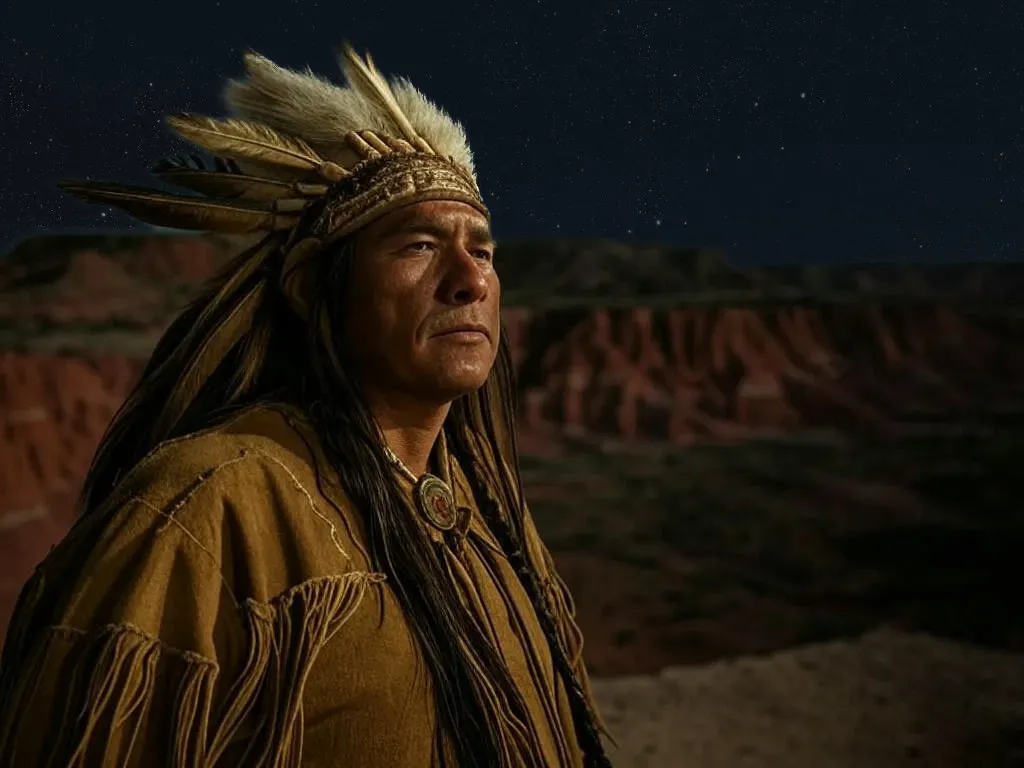
Spain was one of the most powerful empires in world history during the 18th century, yet they couldn’t defeat the Comanche. Let that sink in for a moment. The Comanche were so masterful at war and so skillful with their arrows and lances that they stopped the northern drive of colonial Spain from Mexico and halted the French expansion westward from Louisiana. A relatively small population of native warriors held off European superpowers.
The Puebloan and Spanish population in New Mexico in 1749 was only 15,000 and the Comanche, despite several military reverses, began to dominate the colony, alternately trading and raiding. The Spanish eventually realized they couldn’t win militarily and opted for an accommodation strategy instead. The peace agreements with the Spanish remained mostly effective, keeping a delicate balance between “accommodation and antagonism,” with the Spanish continuing to give gifts and hospitality to the Comanche. In other words, they were paying tribute to keep the peace.
Their Raids Reached Incredibly Far Distances
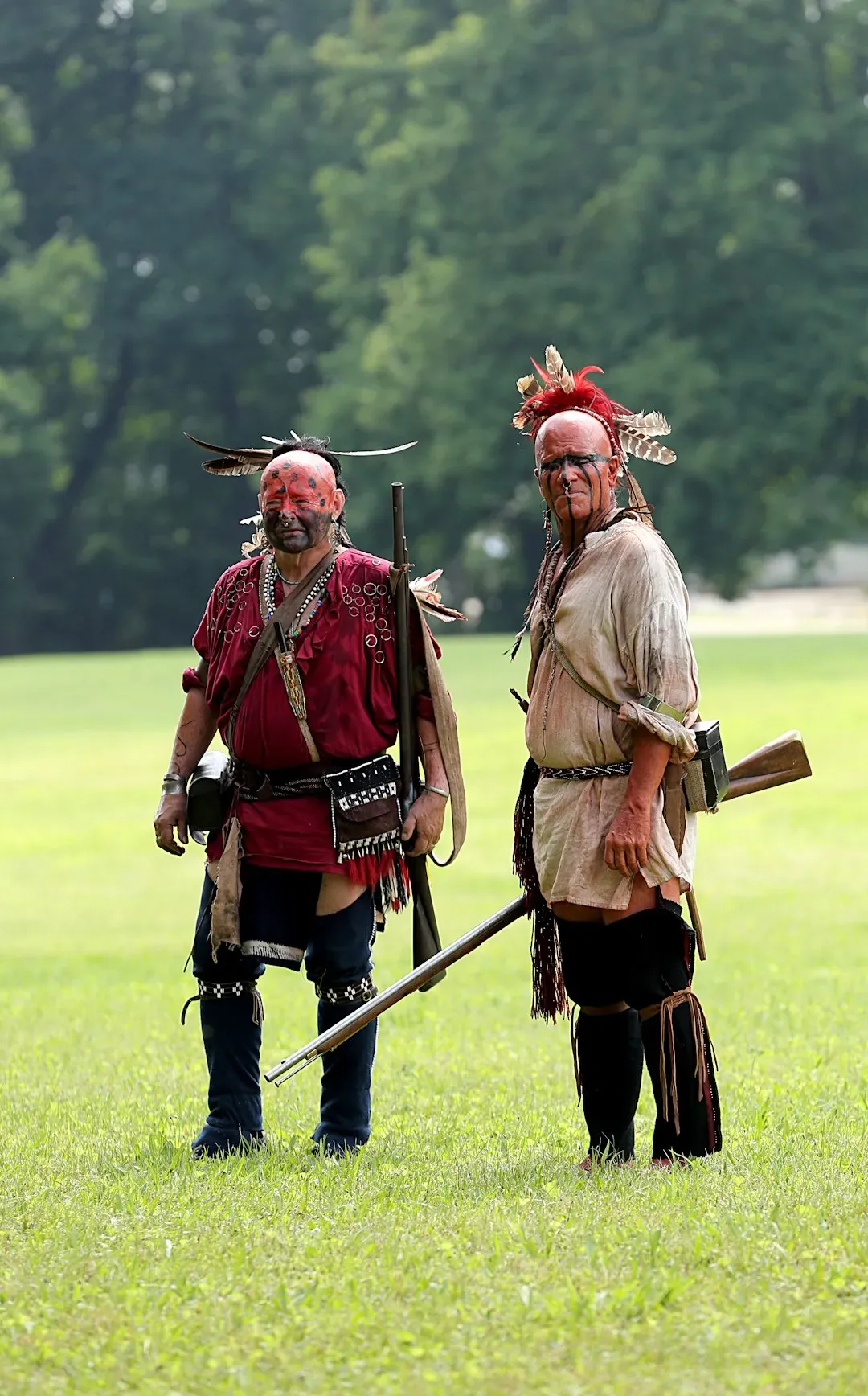
The success of the Comanche in long-distance, even strategic, raiding emanated in part from exceptional navigational abilities that allowed deep attacks far from their vulnerable villages, with a war party once traveling more than 350 miles from Brady’s Creek, Texas, to Monterey, Mexico, using only natural landmarks and prior verbal instructions. That’s roughly the distance from Los Angeles to San Francisco, all on horseback through challenging terrain.
Comanche raids struck deep into Coahuila, Chihuahua, Sonora, and Durango, reaching their peak during 1852 when they struck Tepic, then in Jalisco, 700 miles south of the border at El Paso. Seven hundred miles! That’s like riding from Texas all the way past Mexico City. The long-distance horseback raid, as developed and practiced by the Comanche, was nearly invincible for about 50 years in Texas, because the Native Americans started from their home camp and traveled swiftly on horseback for hundreds of miles over the open and barren range to their target. No other force in North America could project power across such distances so effectively.
They Weren’t United Under One Government
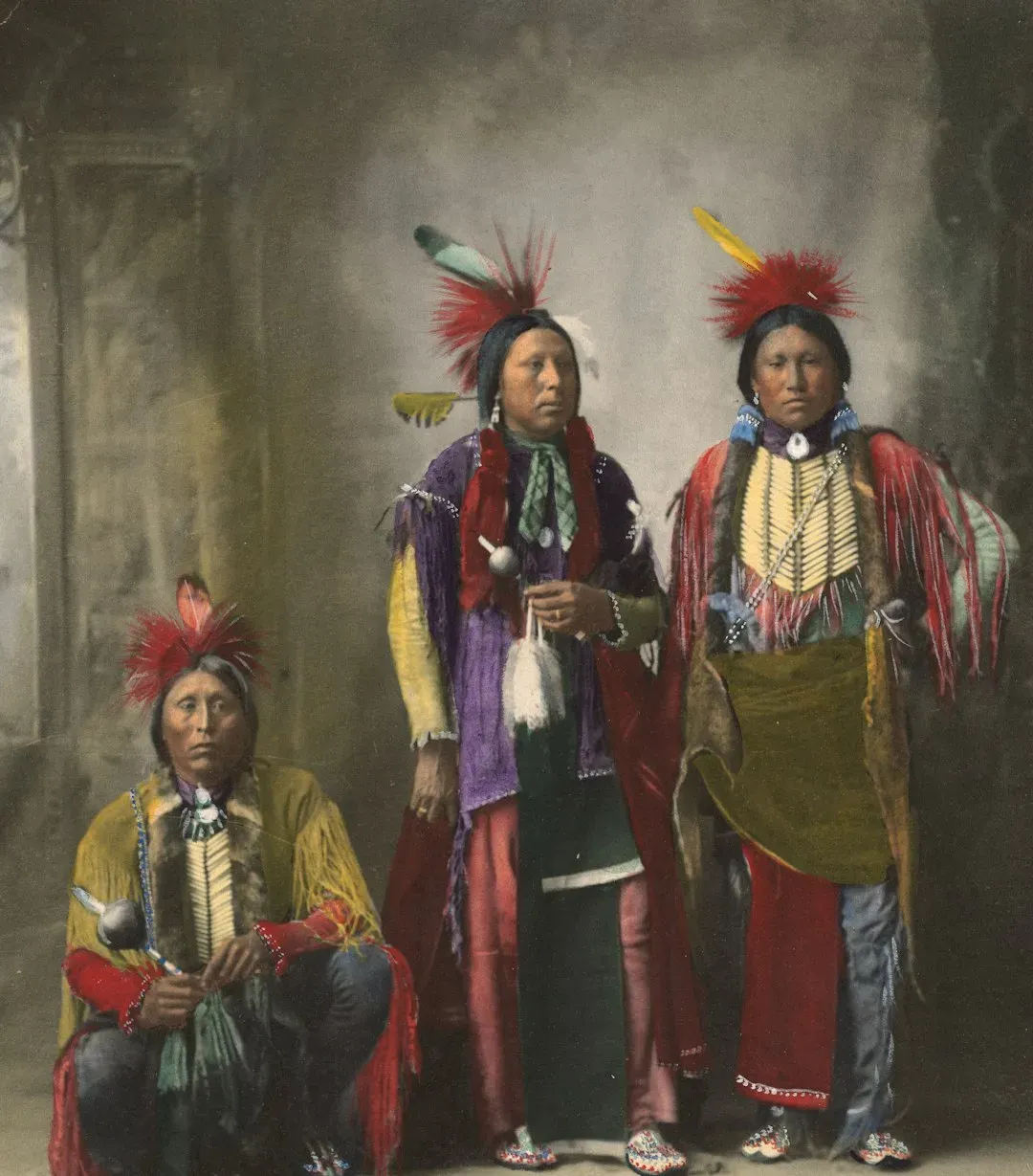
This fact surprises a lot of people. Their extensive area of suzerainty has been called an empire, but the Comanche were never united under a single government or leader, consisting instead of several bands with a common language which operated independently of each other. How did they coordinate such effective military campaigns without centralized authority? The answer lies in their unique social organization.
Democratic principle was strongly implanted in Comanche political organization, with leaders gaining their positions through special abilities or prowess and retaining their power only so long as they maintained the confidence of band members, and tribal decisions were made by a council of chiefs presided over by the head civil chief, but individuals were not bound to accept council decisions. This decentralized structure actually became a strength. It made them incredibly adaptable and difficult for enemies to negotiate with or defeat, since destroying one band or killing one chief didn’t collapse the entire system.
Boys Trained as Warriors From Age Three
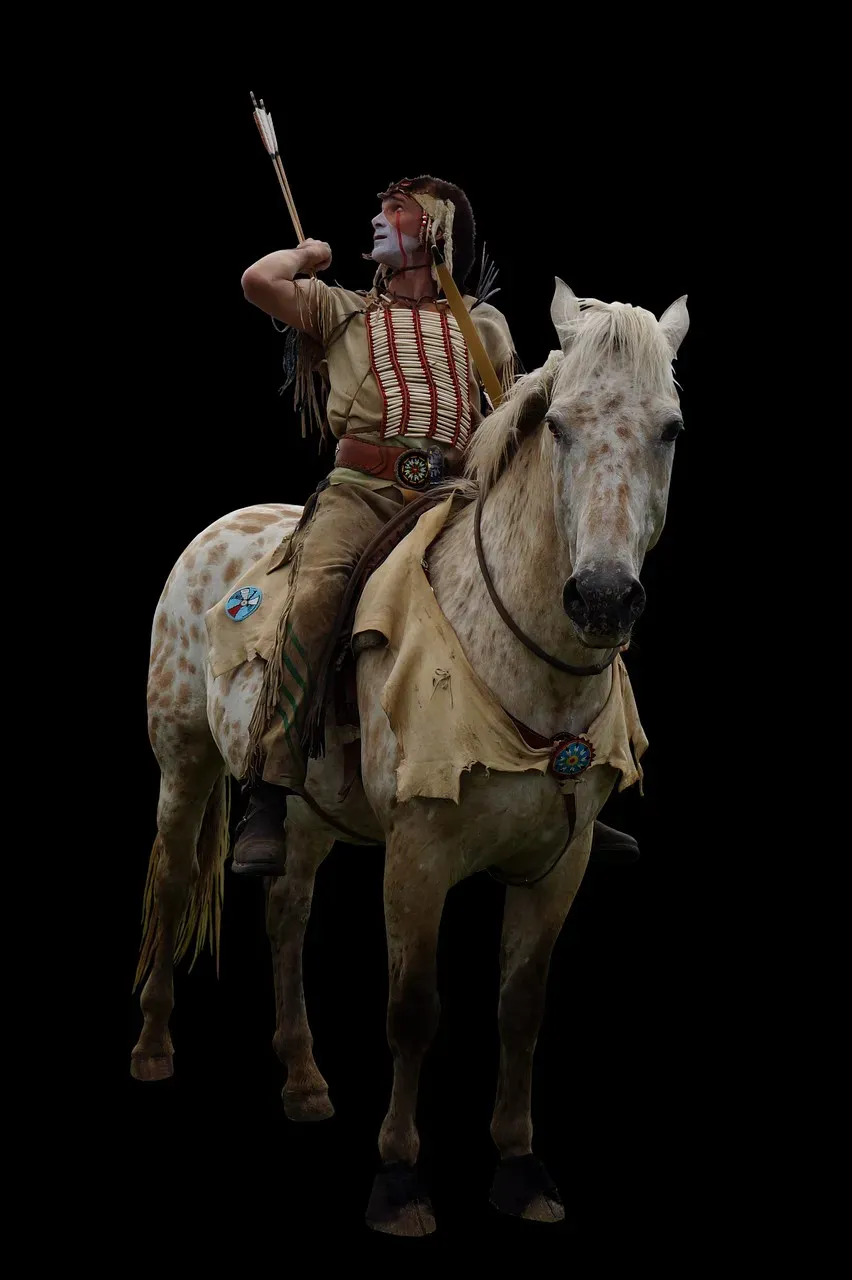
They had sort of a training that starts very young, like as young as three for their boys to become these great cavalrymen, these great warriors of the Plains. This wasn’t casual instruction; it was total immersion in a warrior culture. As the culture evolved, the boys had to do really two things – hunt and fight.
The comparison to ancient Sparta isn’t accidental. The Comanche culture was built on war, where social status came from war, where everything was oriented that way, resulting from a fairly long war against the Apaches that amounted in the end almost to a genocide. Their educational system produced warriors of extraordinary skill by the time they reached adulthood. Every aspect of a young Comanche male’s life was designed to make him a better horseman and fighter. It was intense, demanding, and incredibly effective.
They Used Code Talkers Decades Before the Navajo
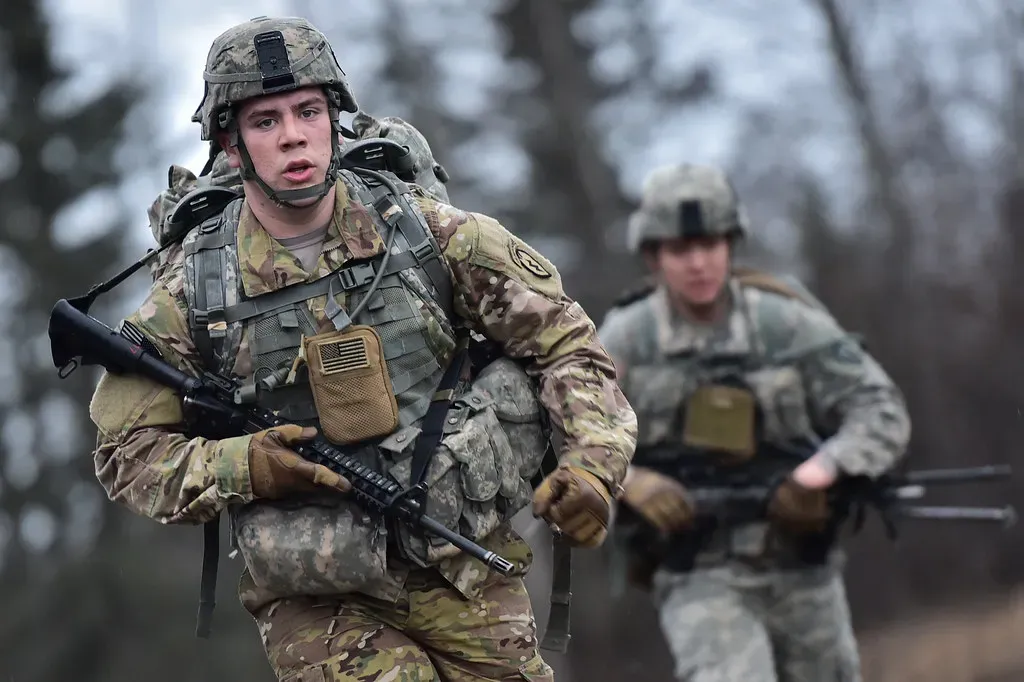
Most Americans know about the famous Navajo Code Talkers of World War II, yet few realize the Comanche did it first. The Comanche language was briefly prominent during World War II when a group of 17 young men referred to as the Comanche Code Talkers were trained and used by the U.S. Army to send messages conveying sensitive information in the Comanche language so that it could not be deciphered by the enemy. These brave men served primarily in Europe.
During WWII, 17 men from the Comanche Tribe created an unbreakable code using the Comanche language, and like the Navajo Code Talkers, the Comanche Code Talkers shared information that the enemy could not decipher, with 14 of the men serving in Europe and all returning home after the war. Their contribution to the Allied victory deserves far more recognition than it typically receives. The complexity of their language, combined with the fact that no European had studied it extensively, made it perfect for secure military communications.
Population Estimates Show Devastating Losses
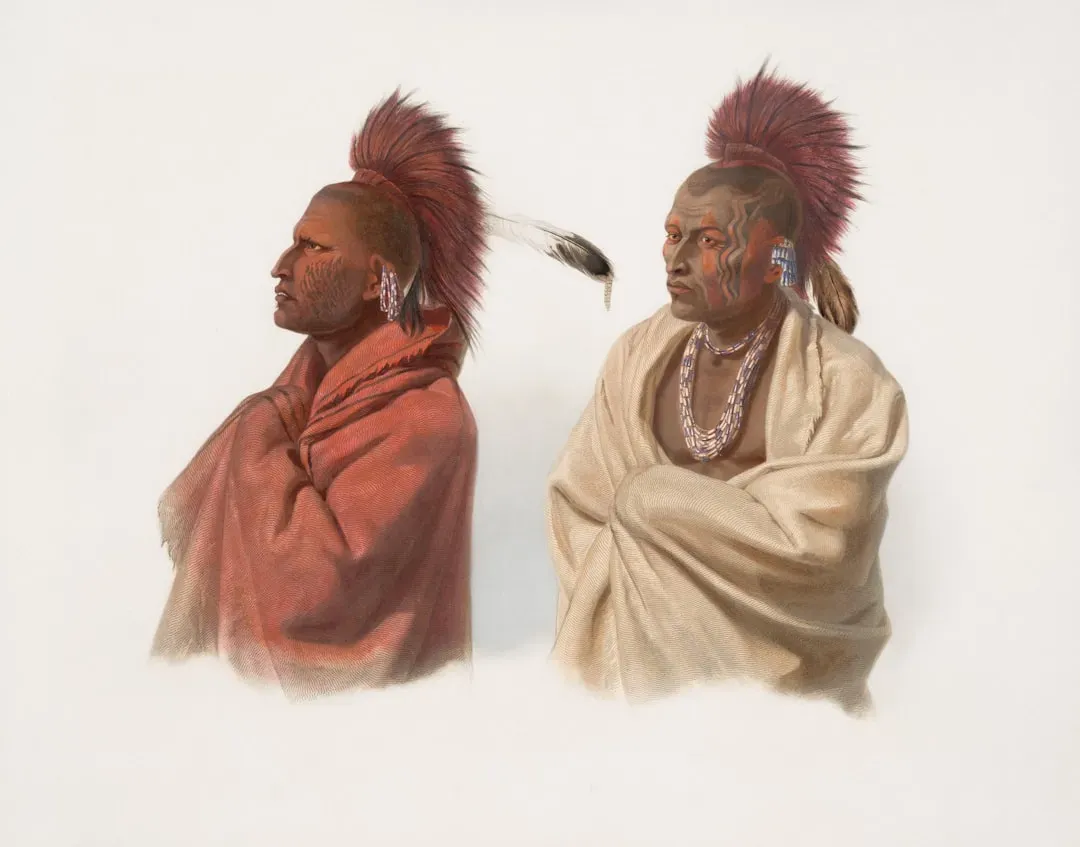
At the height of their power it is estimated the Comanche tribe counted between 20,000 and 40,000 members. Some estimates go even higher. The Comanche population quickly increased – from 15,000 in 1750 to 45,000 by 1780. These numbers represented significant power on the Plains, especially when you consider how effectively they used that population.
However, the decline was catastrophic. By the 1870s, only 7,000 of the tribe remained. Disease, warfare, and the destruction of the buffalo herds combined to create a demographic collapse. Diseases, destruction of the buffalo herds, and territory loss forced most Comanches onto reservations in Indian Territory by the late 1870s, and in the 21st century, the Comanche Nation has 17,000 enrolled citizens, around 7,000 of whom reside in tribal jurisdictional areas around Lawton, Fort Sill, and the surrounding areas of southwestern Oklahoma. The resilience shown in rebuilding their population and maintaining their identity despite such losses is remarkable.
The Last Chief Never Surrendered – Until He Did
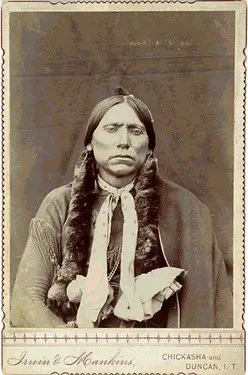
The most famous Comanche was Quanah Parker, who’s known as the last free Comanche chief who surrendered last to US authorities. Quanah’s story is fascinating because he was of mixed heritage, yet he became one of the most formidable resistance leaders. The Kwaarʉ Nʉʉ (Kwahadi, Quohada) were the last to develop as an independent band in the 19th century, and they were the only band that never signed a contract with the Texans or Americans, and they were the last to give up the resistance.
Quanah held out until 1875, long after most other bands had been confined to reservations. When he finally did surrender, he didn’t fade into obscurity. Instead, he became a successful rancher and advocate for his people, straddling two worlds and helping the Comanche adapt to reservation life while maintaining their cultural identity. His story encapsulates the complex choices Indigenous leaders faced during this period: resist and face annihilation, or adapt and survive in a radically changed world.
Conclusion
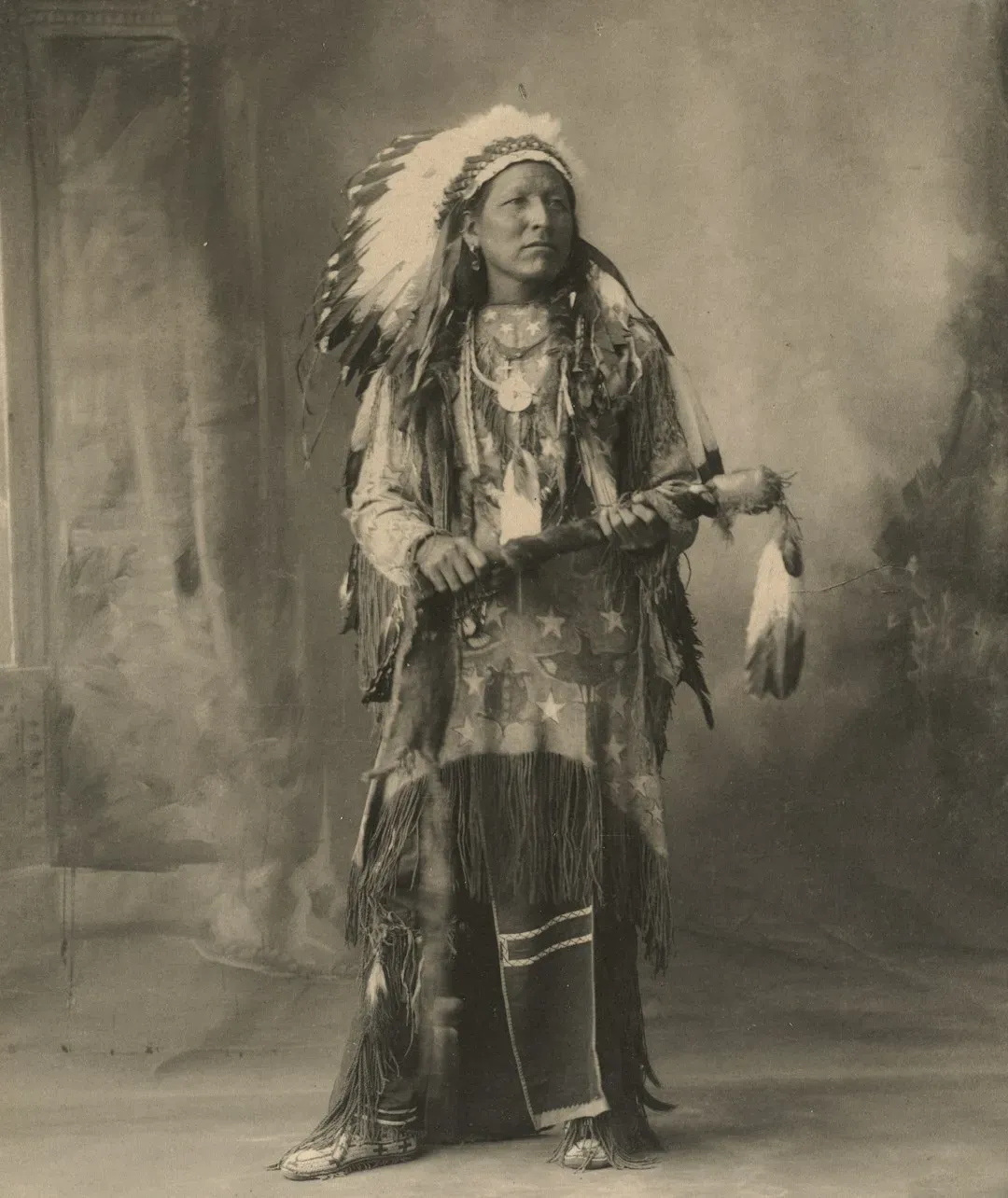
The Comanche legacy extends far beyond the stereotypical image of Plains warriors. They built a sophisticated empire based on military prowess, diplomatic savvy, and economic strategy that challenged the most powerful nations of their time. For over a century, they dictated terms across the southern Plains, forcing Spain, Mexico, and eventually the United States to contend with their power on Comanche terms. Their mastery of horses revolutionized Plains culture, and their language became the common tongue across hundreds of thousands of square miles.
Today, the Comanche Nation continues to preserve its language, culture, and traditions despite the catastrophic losses of the 19th century. Understanding their true history – not the simplified version often presented – reveals a people of extraordinary adaptability, intelligence, and resilience. Their story challenges us to reconsider our assumptions about Indigenous peoples and the complex dynamics of power in the American West. What other aspects of Comanche history have been overlooked or misunderstood in popular culture?
