
1. They Were Originally Shoshone, Not Plains People
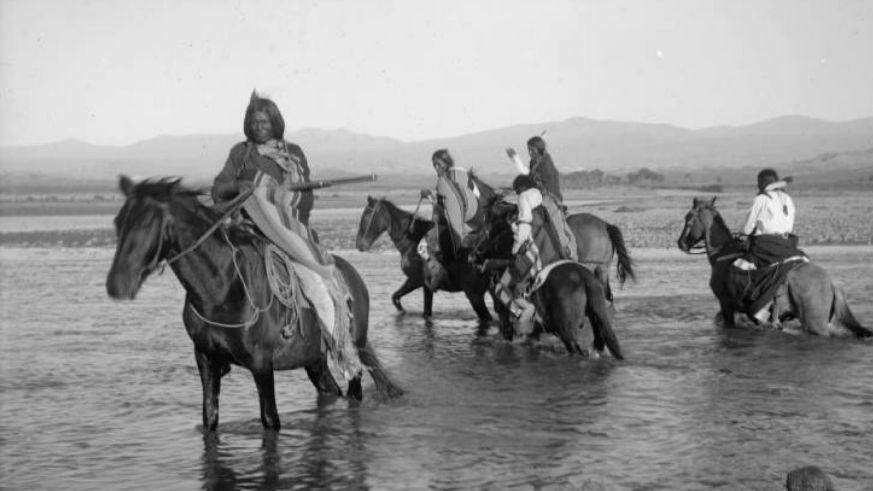
Dating back to the early 1500s, the Comanche were originally part of the Eastern Shoshone, who lived near the upper reaches of the Platte River in eastern Wyoming. They were not born as Plains warriors. They became them through migration, opportunity, and an almost instinctive grasp of what the horse could mean for their future.
Linguistic and cultural similarities link them directly to the Shoshone, from whom they separated in the late 1600s. The migration that followed saw the Comanche moving southeastward across the Rocky Mountains and onto the southern Great Plains, a transition made possible by their early and enthusiastic adoption of the horse. The break from the Shoshone was not just geographic. It was the birth of an entirely new culture.
Through this slow adaptation, a distinct identity emerged. Language shifted slightly, traditions evolved, and a new culture began to take form, one deeply connected to the rhythms of the grasslands.
2. The Horse Didn’t Just Change Their Life – It Defined It
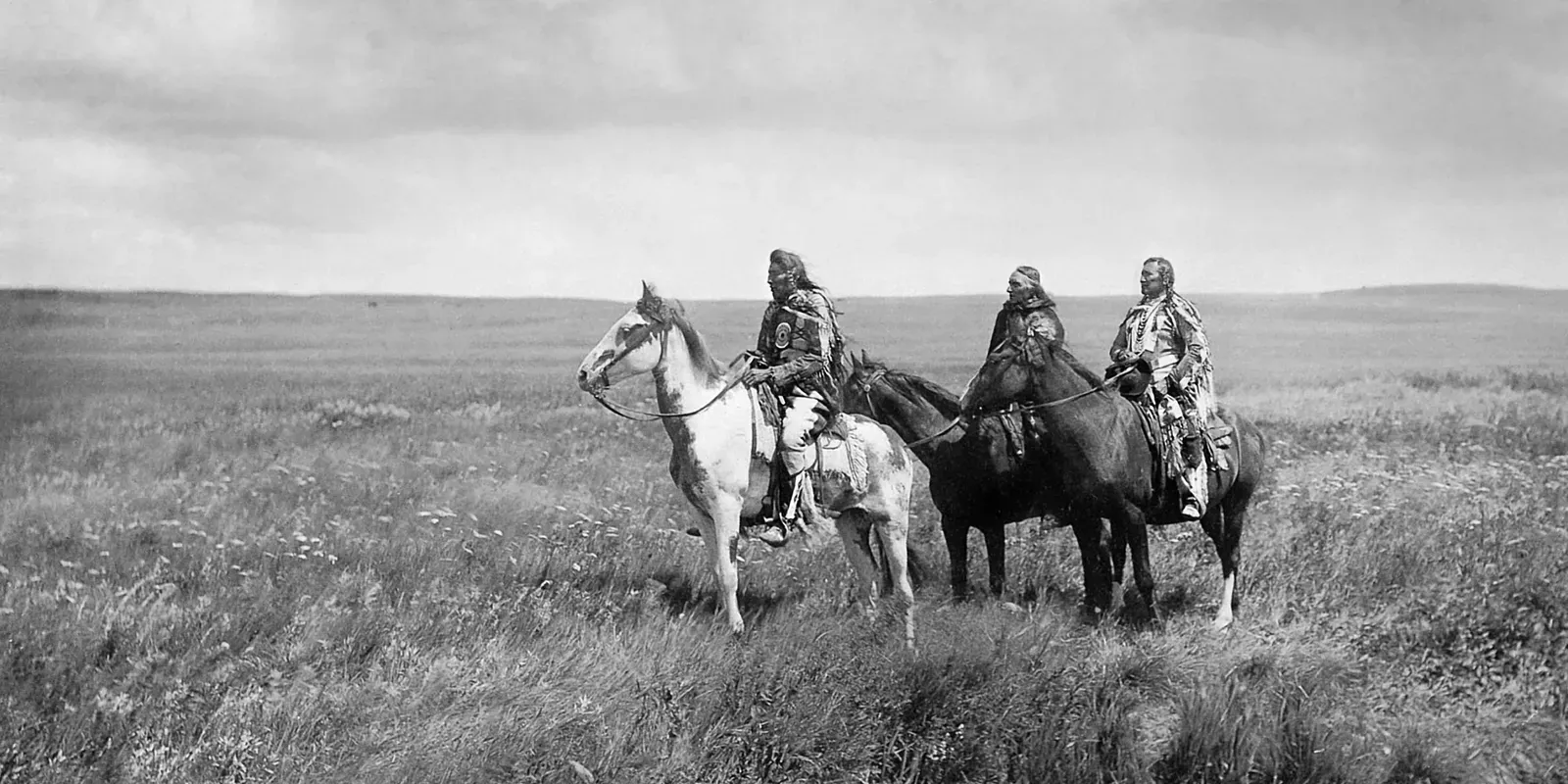
They probably first acquired horses during the 1680s after the Pueblo peoples expelled the Spanish for 12 years from New Mexico and Spanish horses became available to the native peoples. The acquisition of horses enabled the Comanche to have the mobility to become wide-ranging nomads. The timing was everything.
First and foremost, their adoption of horses in the early eighteenth century allowed the Comanches to build a lifestyle based on bison hunting; horses thus helped the Comanche transform boundless fields of grass into caloric fuel. The plains themselves became a resource, and the Comanche were better equipped to extract it than anyone else.
The Comanche have the longest documented existence as horse-mounted Plains peoples; they had horses when the Cheyenne still lived in earth lodges. That head start mattered enormously in terms of military advantage, economic power, and cultural identity.
3. Their Territory Was Vast Enough to Be Called an Empire
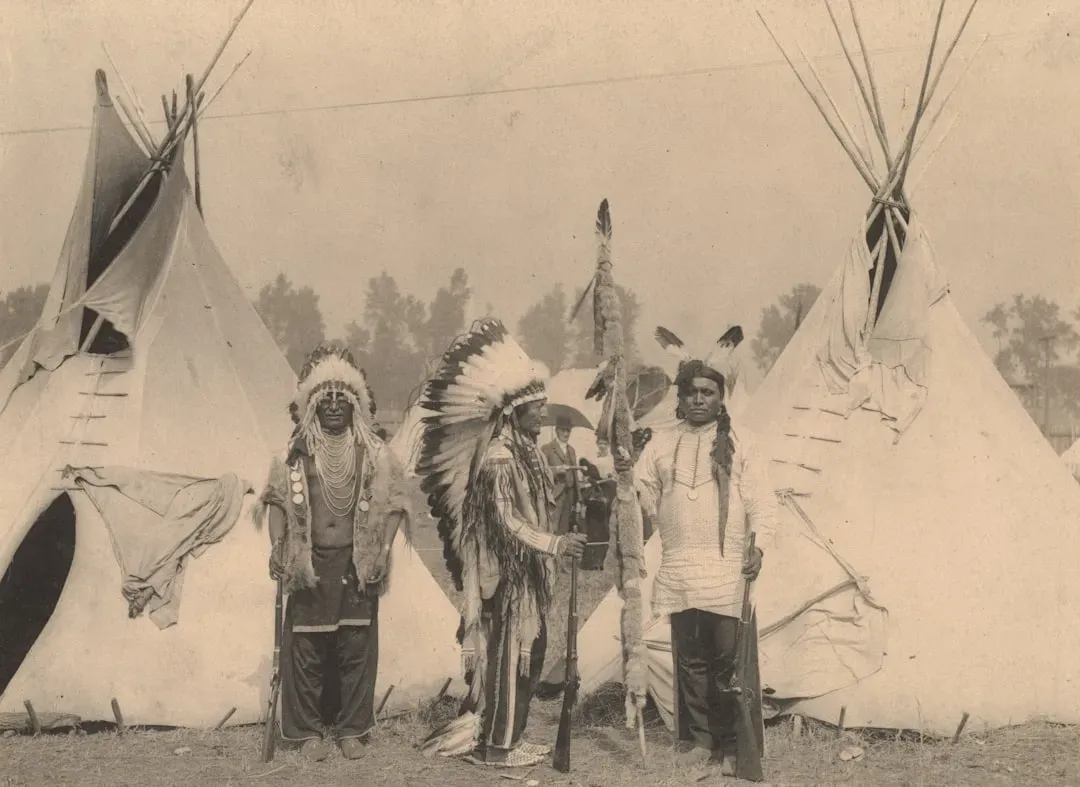
The Comanche are often characterized as “Lords of the Plains.” They presided over a large area called Comancheria which they shared with allied tribes, the Kiowa, Kiowa-Apache, Wichita, and after 1840 the southern Cheyenne and Arapaho. The scale of that dominance was genuinely extraordinary.
Their territory stretched from the Arkansas River in the north down toward central Texas in the south. Within this wide expanse, later known as Comanchería, the Comanche controlled vital hunting grounds and trade routes. Their mobility allowed them to move quickly across enormous distances, making it difficult for rival groups or colonial powers to challenge their authority.
Their extensive area of suzerainty has been called an empire, but the Comanche were never united under a single government or leader. They consisted of several bands with a common language which operated independently of each other. It was a form of power quite unlike anything European observers had encountered before.
4. Children Were Riding Before They Could Properly Walk
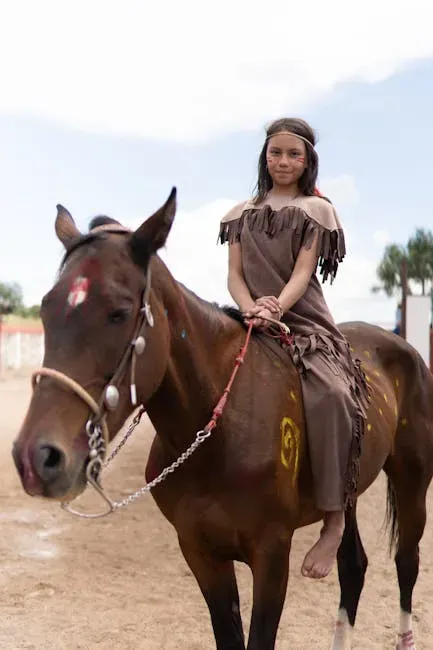
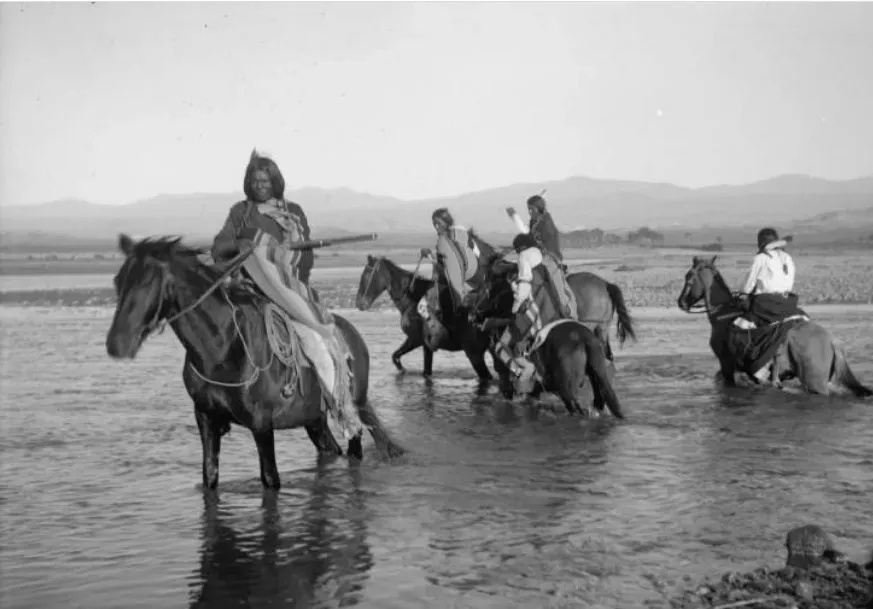
The Comanche started their legendary horsemanship training at an age that would make modern parents gasp. Children as young as four or five years old were given their own ponies, with some sources indicating boys learned to ride before age six. This wasn’t casual riding lessons but intensive daily training that would shape their entire identity.
In horsemanship, the Comanches had no equal. Children learned to ride at an early age, and both men and women developed exceptional equestrian skills. The result was a community where riding wasn’t a skill, it was simply who they were.
Boys drilled with their horses every single day, starting with picking up small, lightweight objects off the ground while riding at gradually increasing speeds, eventually progressing to retrieving larger and heavier items, and ultimately learning to pick up a human body from the ground while galloping, a skill considered invaluable during battle.
5. Horses Were Their Wealth, Their Currency, and Their Status
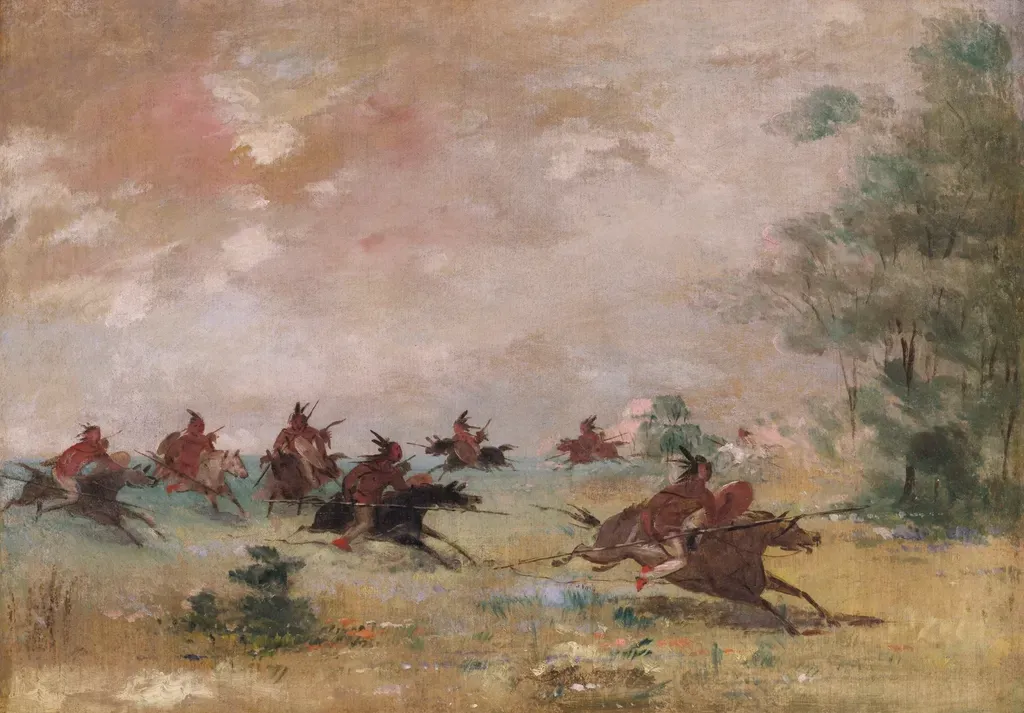
In Comanche culture, horses represented far more than transportation. They became a measure of prosperity and prestige. The size of a person’s horse herd could indicate wealth and influence within the community. A man’s standing was visible, literally, in his herd.
The Comanche supplied horses and mules to all comers. As early as 1795, the Comanche were selling horses to Anglo-American traders, and by the mid-19th century, Comanche-supplied horses were flowing into St. Louis via other Indian middlemen. Their reach into regional trade networks was remarkable for a non-centralized society.
Comanche power and their substantial wealth depended on horses, trading, and raiding. Adroit diplomacy was also a factor in maintaining their dominance and fending off enemies for more than a century. They understood leverage in the economic sense long before anyone gave it that name.
6. Their Warfare Tactics Were Unlike Anything Opponents Had Seen
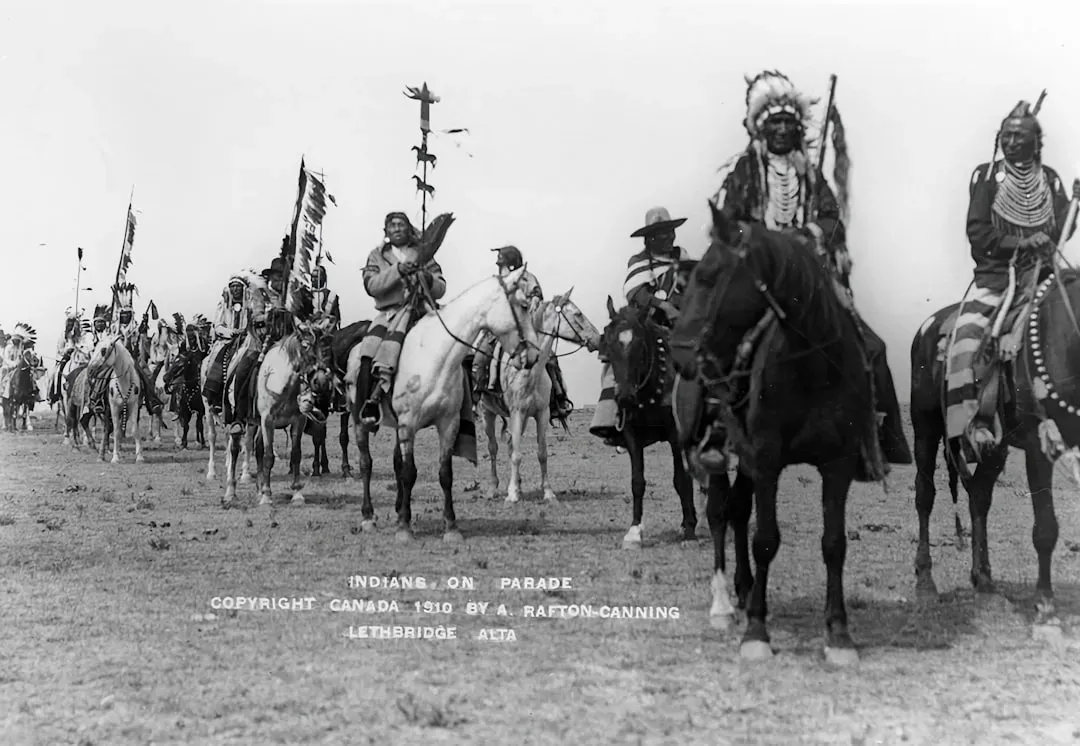
The speed and mobility afforded by their horses allowed Comanche war parties to strike deep into enemy territory and disappear before effective resistance could be mounted. The military superiority of the Comanche, built entirely upon their equestrian skills, was undisputed for over a century.
Their raids into Mexico traditionally took place during the full moon, when they could see to ride at night. This tactic became so associated with them that it earned its own name: the Comanche Moon. Especially noteworthy were their large-scale raids in the 1840s and 1850s, which penetrated hundreds of miles into Mexico to capture livestock they mostly sold to Anglo-Americans in Texas.
Comanche warriors were trained from a young age to ride and fight, employing tactics that maximized their mobility and effectiveness in battle. The speed and agility of their horses allowed them to outmaneuver opponents, establishing the Comanche as a dominant force in the Great Plains.
7. Their Society Was Remarkably Democratic for Its Time
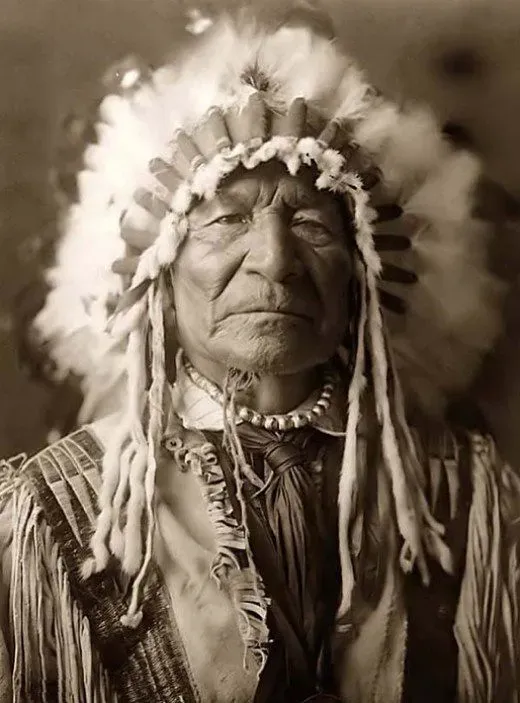
Democratic principle was strongly implanted in Comanche political organization. Each tribal division had both civil or peace chiefs and war chiefs, but traditionally the head civil chief was most influential. Leaders gained their positions through special abilities or prowess, and retained their power only so long as they maintained the confidence of band members, who chose their leaders by common consent.
Leadership was based on personal achievement and consensus rather than heredity. Decision-making was communal, and leaders had to persuade rather than command. In a world where most societies were built on inherited authority, that was genuinely unusual.
Tribal decisions were made by a council of chiefs presided over by the head civil chief, but individuals were not bound to accept council decisions. Individual freedom sat at the very core of Comanche identity, and it shaped every layer of how they organized themselves.
8. The Comanche Nation Endures Today
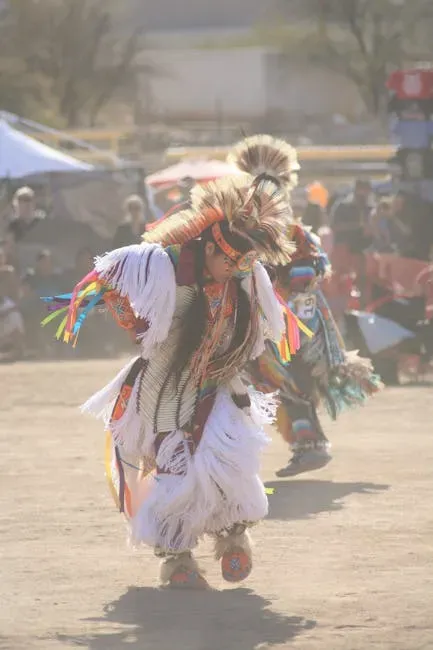
In the 21st century, the Comanche Nation has 17,000 enrolled citizens, around 7,000 of whom reside in tribal jurisdictional areas around Lawton, Fort Sill, and the surrounding areas of southwestern Oklahoma. The nation that once commanded a quarter-million square miles of grassland is still very much present.
Today, many Comanche descendants continue to honor this heritage through powwows, rodeos, and cultural events, keeping the spirit of the “Riders of the Whirlwind” alive. Each July, Comanches gather from across the United States to celebrate their heritage and culture in Walters at the annual Comanche Homecoming powwow.
Despite centuries of upheaval, the Comanche remain a resilient people, embodying a complex legacy of warfare, adaptation, diplomacy, and survival. Their story is not confined to the past – it rides onward, carried by descendants who still honor the strength, wisdom, and spirit of their ancestors.
Conclusion
The Comanche were not simply a warrior tribe who happened to ride horses well. They were architects of a civilization built around mobility, adaptability, and an almost philosophical relationship with the land and the animals they depended on. Every facet of their society, from child-rearing to diplomacy to trade, reflected a people who understood their environment with rare clarity.
What makes their story genuinely worth sitting with is the speed of it all. Within a century of acquiring the horse, they went from a small Shoshone splinter group to the most powerful Indigenous force on the continent. That trajectory, from the high plains of Wyoming to the sun-baked grasslands of Texas, was not luck. It was the product of extraordinary human ingenuity meeting exactly the right moment in history.
Their legacy lives not just in history books, but in the people who still call themselves Numunuu, “The People,” today. The plains may look different now. The meaning doesn’t.
