

Cats are sensitive creatures with unique personalities, and just like humans, they can experience stress. While their agile movements and seemingly aloof demeanor might suggest otherwise, a range of daily occurrences can stress them out. Understanding these factors is crucial for creating a harmonious environment for your feline friend. Here’s a closer look at what might be irking your kitty on a daily basis.
Loud Noises and Sudden Sounds

Cats possess incredible hearing, which means loud noises such as fireworks, thunderstorms, or even a vacuum cleaner can overwhelm their senses. These unexpected sounds can create a feeling of insecurity and fear, often manifesting in hiding or aggressive behavior.
Disrupted Routines
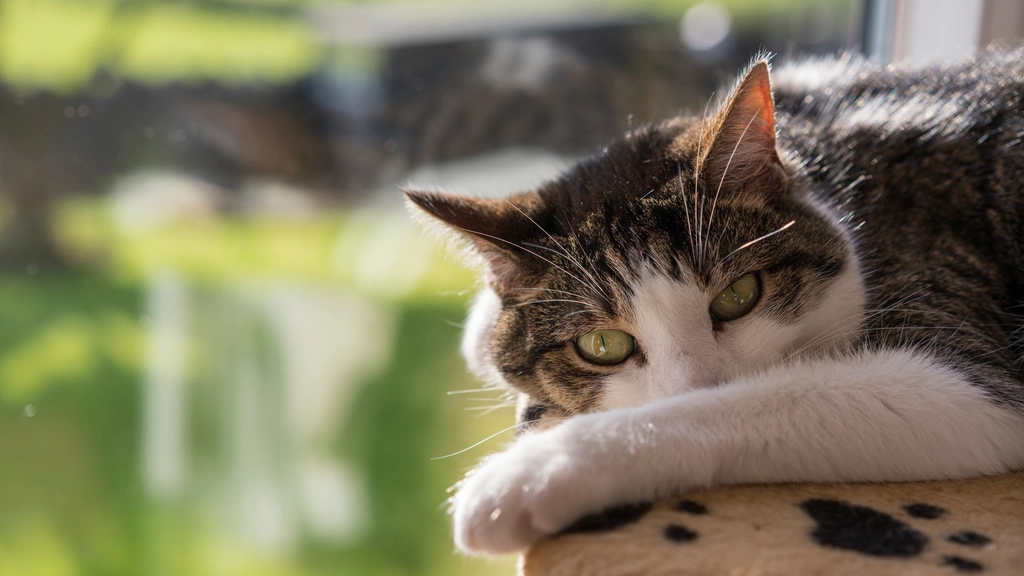
Cats thrive on consistency and predictability in their environment. Any disruption to their routine, such as changes in feeding times, litter box locations, or introduction of new people or pets, can lead to anxiety. Maintaining a stable daily routine helps ensure your cat feels secure and comfortable.
Unfamiliar People or Animals
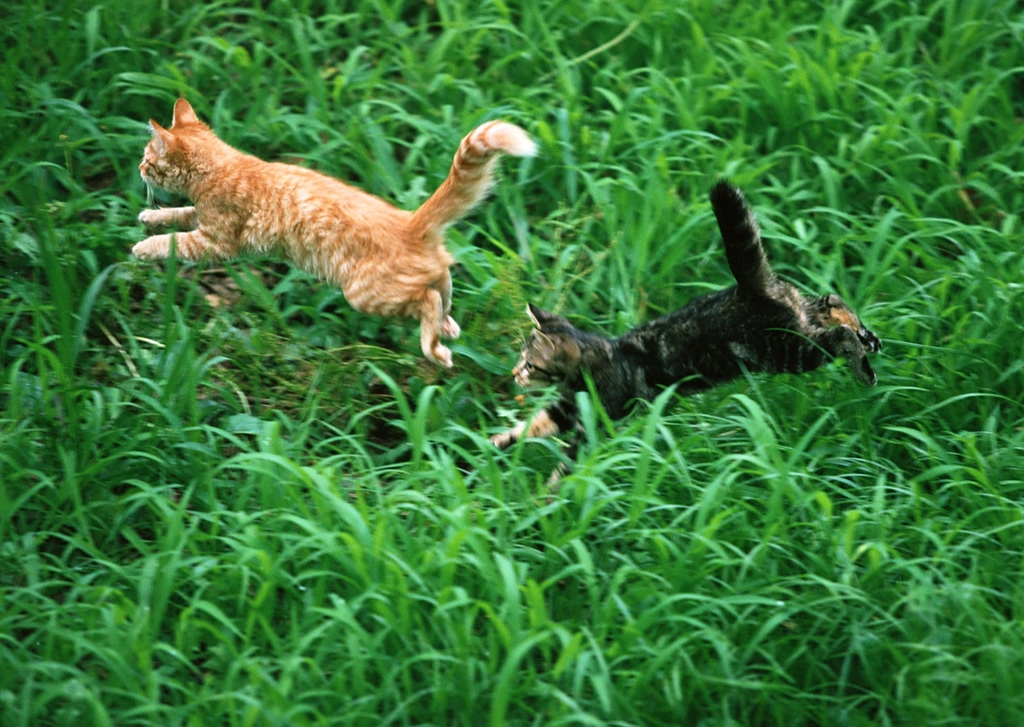
While some cats are naturally more sociable, many are wary of strangers. New house guests or visiting animals can pose a threat to their territory. This can be especially stressful if the encounters aren’t gradual or controlled, leading to stress signals such as hiding or aggressiveness.
Dirty Litter Boxes

Acat’s sense of cleanliness is paramount. If their litter box isn’t cleaned regularly, it can become a major source of stress. Dirty litter boxes result in avoiding the box altogether, leading to potential health issues and unwanted messes.
Confined Spaces or Lack of Space

While some cats enjoy the coziness of small spaces, others may find confinement stressful if it limits their ability to roam and explore. An open environment with access to windows and vertical spaces can satisfy a cat’s curiosity and alleviate stress related to confinement.
Poor Socialization

Cats that haven’t been properly socialized may struggle in new or demanding social situations, leading to increased stress. Introducing your cat to a variety of people, environments, and experiences at a young age can help develop a more adaptable and calm adult cat.
Separation Anxiety

Though often thought of as solitary, some cats develop strong attachments to their human companions. If left alone for extended periods without stimulation or company, they may experience separation anxiety. Providing toys or other forms of enrichment can help keep them occupied.
Insufficient Enrichment
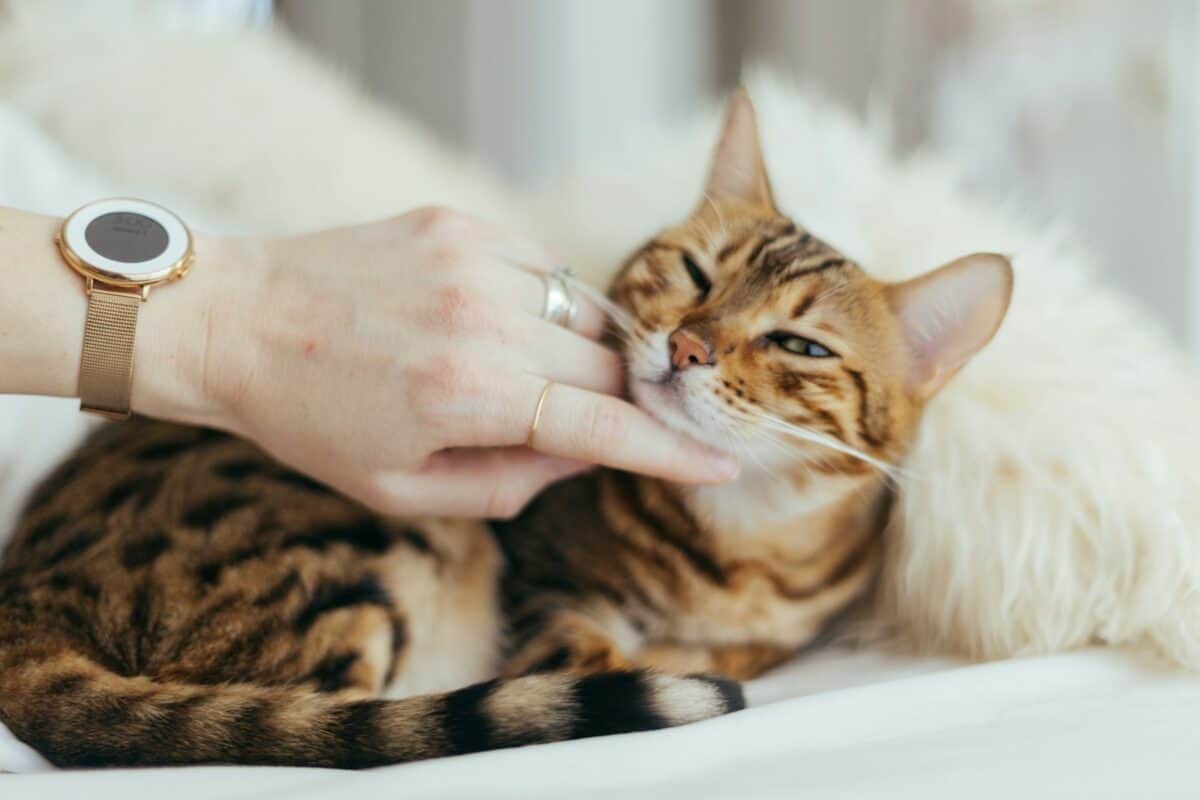
Cats are natural-born hunters and explorers. A lack of mental and physical stimulation can lead to boredom, which in turn causes stress-related behaviors like scratching and excessive vocalization. Provide toys that mimic prey and offer plenty of interactive playtime to keep their instincts sharp.
Changes in Diet or Schedule

Any abrupt change in a cat’s diet or feeding schedule can be unsettling. Gradually introducing new foods and keeping mealtimes consistent helps avoid digestive issues and stress for your pet. Always monitor for any adverse reactions when introducing new foods.
Health Issues
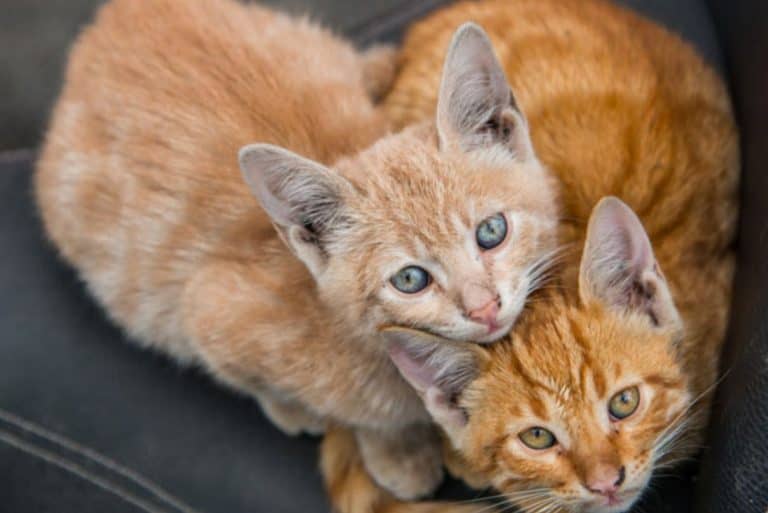
Undetected medical problems can often be a source of stress for your cat. Symptoms like changes in appetite, behavior, or litter box habits can indicate an underlying issue. Regular veterinary check-ups are essential to ensure any potential health concerns are caught and addressed early.
Environmental Changes

Even seemingly small changes in their environment, such as new furniture or rearrangement of their space, can cause stress. Cats are territorial animals, and maintaining some familiarity in their surroundings helps them feel safe and content.
Emotional Cues from Owners
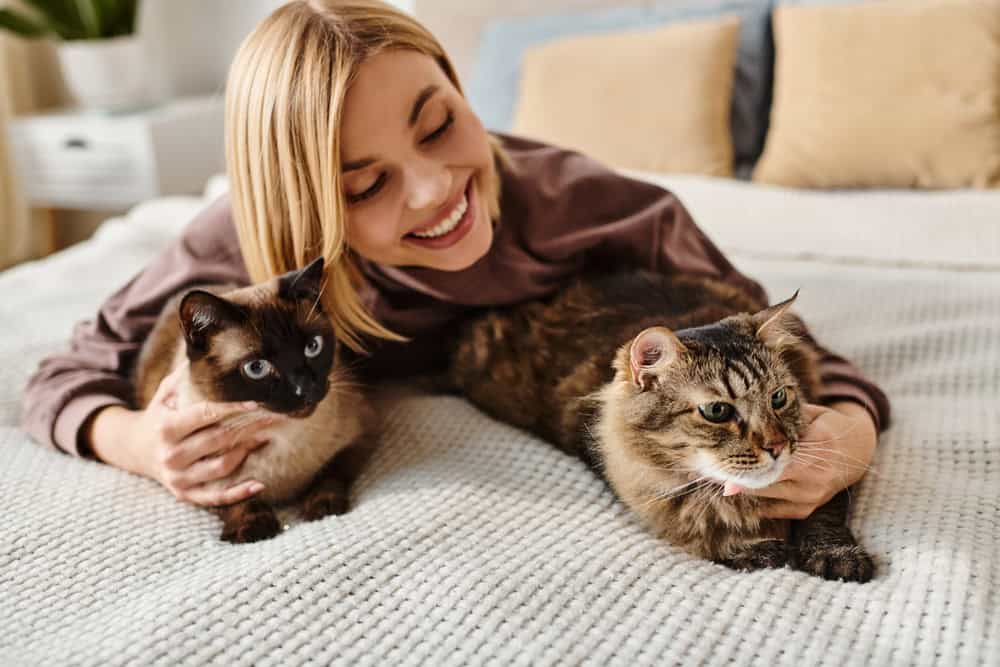
Cats are incredibly intuitive when it comes to picking up on their owners’ emotional states. If you’re stressed, your cat might sense it and respond in kind. Maintaining a calm and reassuring demeanor around your cat can help them feel more at ease.
Understanding what stresses your cat out can significantly enhance their quality of life. By being cognizant of these stressors and managing them effectively, you promote a happy and harmonious environment for your feline companion. Acknowledging and addressing these daily stressors can lead to a more relaxed and content pet, reinforcing the loving bond you share. Remember, a peaceful cat is a happy cat!

- The Story of the Arctic Fox’s Incredible Seasonal Transformation - July 18, 2026
- 10 Most Venomous Snakes in US National Parks - July 18, 2026
- The Moth That Drinks Blood - July 18, 2026