

The United States is a country of extremes, from scorched desert flats to fog-drenched Pacific islands, from alpine meadows to coastal salt marshes. That diversity of landscape has, over millions of years, quietly shaped an extraordinary gallery of creatures found nowhere else on the planet. Some are celebrated. Most are overlooked entirely.
Scientists have identified more than 32,000 distinct animal species living , and according to NatureServe, more than 7,000 of those are endemic, meaning they’re native to the US and nowhere else. Researchers are certain that figure is an underestimate. What follows are ten of the most fascinating small animals tucked inside that number, each one a product of geography, time, and the quiet pressure of isolation.
#1. The Black-Footed Ferret
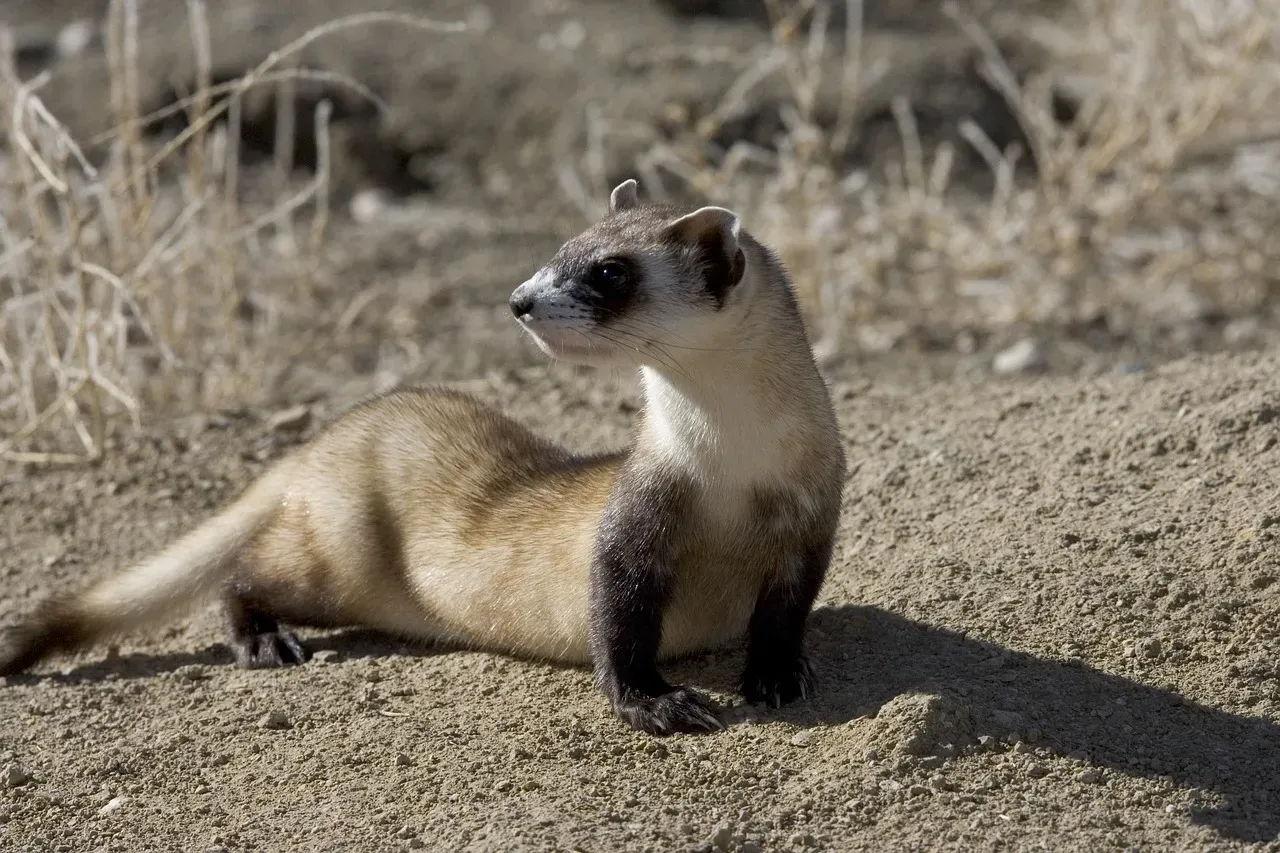
The black-footed ferret is one of the most endangered mammals in North America and is the only ferret species native to the continent. Sleek, swift, and built for underground life, it’s a hunter that evolved alongside the vast prairie dog towns of the American Great Plains.
Black-footed ferrets are members of the weasel family, roughly the same size as minks, with adults measuring 18 to 24 inches long and weighing less than three pounds. Their coats are yellow-beige with distinctive black markings on their face, feet, legs, and tail. Up to 90 percent of their diet is composed of prairie dogs.
There may have been as many as 5 million black-footed ferrets in the United States in the early 1900s, but by the 1970s they were feared to be extinct. In 1981, a rancher’s dog in Wyoming brought home a ferret it had killed, which led to the discovery of a small number of black-footed ferrets nearby.
Twice thought to be extinct, approximately 300 black-footed ferrets are now living in the wild due to a conservation program led by the US Fish and Wildlife Service. In 2024, a cloned black-footed ferret named Antonia successfully gave birth to two healthy offspring at the Smithsonian’s National Zoo, marking the first time in history a cloned endangered animal had given birth in the United States.
#2. The Island Fox
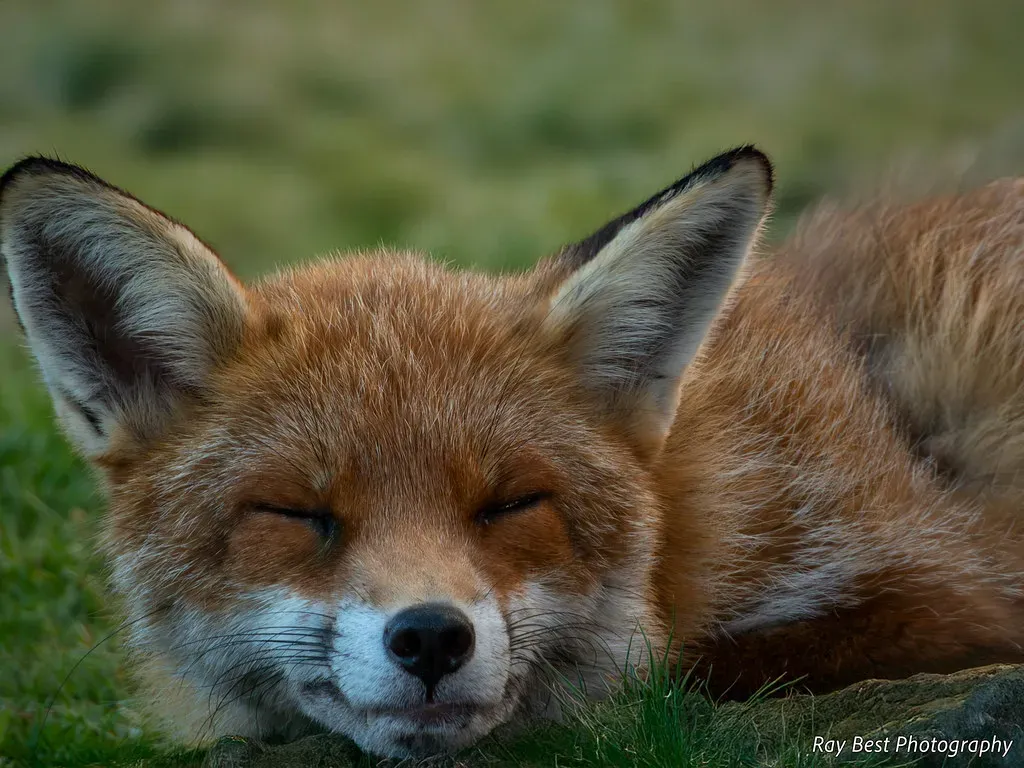
The island fox is a small fox species that is endemic to six of the eight Channel Islands of California. It is, without exaggeration, one of the most geographically restricted wild canids on earth, confined to a handful of rocky islands floating off the coast of Southern California.
The island fox is the smallest fox in North America, with a head-and-body length of 48 to 50 cm and a shoulder height of 12 to 15 cm. They evolved from their larger mainland gray fox ancestor and have diversified into six subspecies, each confined to its own island and all exhibiting insular dwarfism.
The Chumash considered the fox to be a sacred animal, a pet of the sun, and possibly a dream helper. The indigenous people of the Channel Islands kept island foxes as pets and used their pelts for a variety of purposes, including ceremonial headdresses. Archaeological investigations have found island foxes, often juveniles, deliberately buried, sometimes in association with human remains.
By 2016, the island fox was removed from the Endangered Species List in what became the swiftest recovery of a terrestrial mammal in the history of the Endangered Species Act. It remains a quiet symbol of what conservation can achieve when multiple agencies work together with genuine urgency.
#3. The Florida Mouse
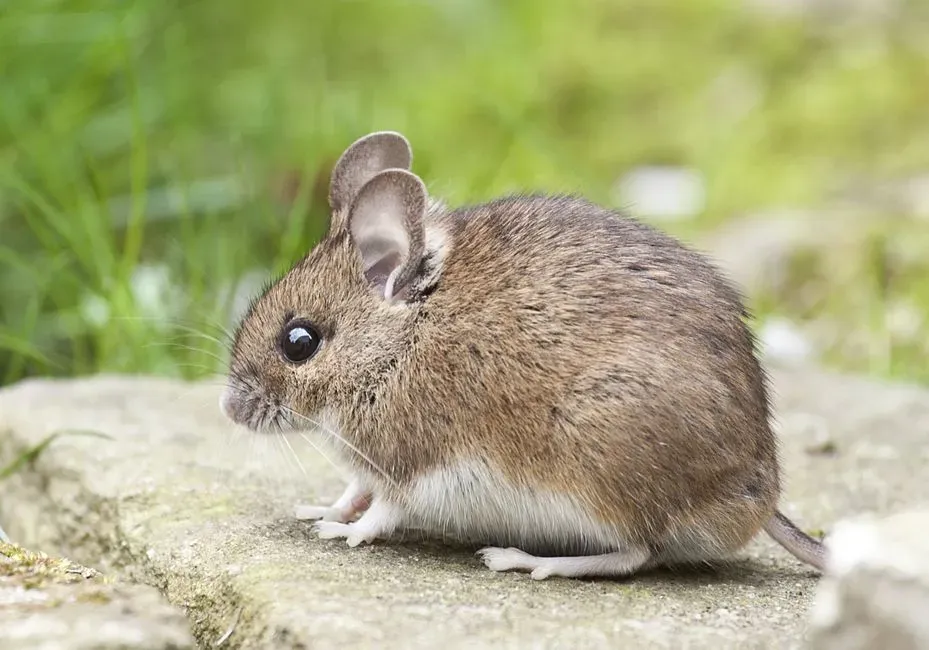
The Florida mouse is a species of rodent in the family Cricetidae and is the only species in its genus Podomys, which is the only mammal genus endemic to Florida. That’s a remarkable distinction, holding an entire genus all to itself on a single state’s peninsula.
The Florida mouse is found only in a limited area in central peninsular Florida and in one small area in the Florida panhandle. It inhabits some of Florida’s hottest and driest areas in the high pinelands, sandhills, flatlands, and coastal scrub, measures approximately 195 mm in total length, has relatively large ears, and displays brown to orange upperparts with white underparts.
The mouse breeds throughout the year and raises its young in the nesting chambers and passages it constructs in the burrow of the gopher tortoise. This relationship with the gopher tortoise is a telling example of the ecological web in Florida’s scrub habitats, where one species makes a home within the architecture of another.
#4. The Olympic Marmot
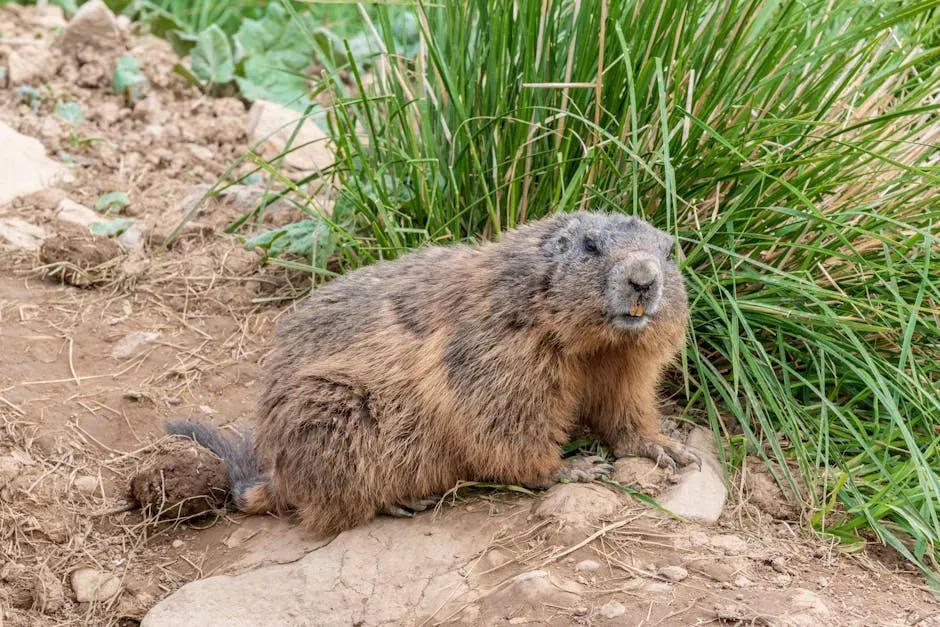
The Olympic marmot is a rodent in the squirrel family Sciuridae and occurs state of Washington, on the middle elevations of the Olympic Peninsula. It lives its entire life within the bounds of one national park, on one mountain range, in one American state. There is nowhere else like it on Earth for this animal.
Known for its whistle-like call and striking cinnamon-brown fur, the Olympic marmot primarily inhabits subalpine meadows and rocky slopes above the tree line. In 2009, it was declared the official endemic mammal of Washington. This marmot is about the size of a domestic cat, typically weighing around 8 kg in summer.
With a diet consisting mainly of grasses, herbs, and flowers, the Olympic marmot is well-adapted to its alpine habitat. These social animals live in colonies and hibernate during the winter months, emerging in spring to breed and forage. Despite their isolated habitat, Olympic marmot populations face threats from habitat loss, climate change, and predation.
#5. The Utah Prairie Dog
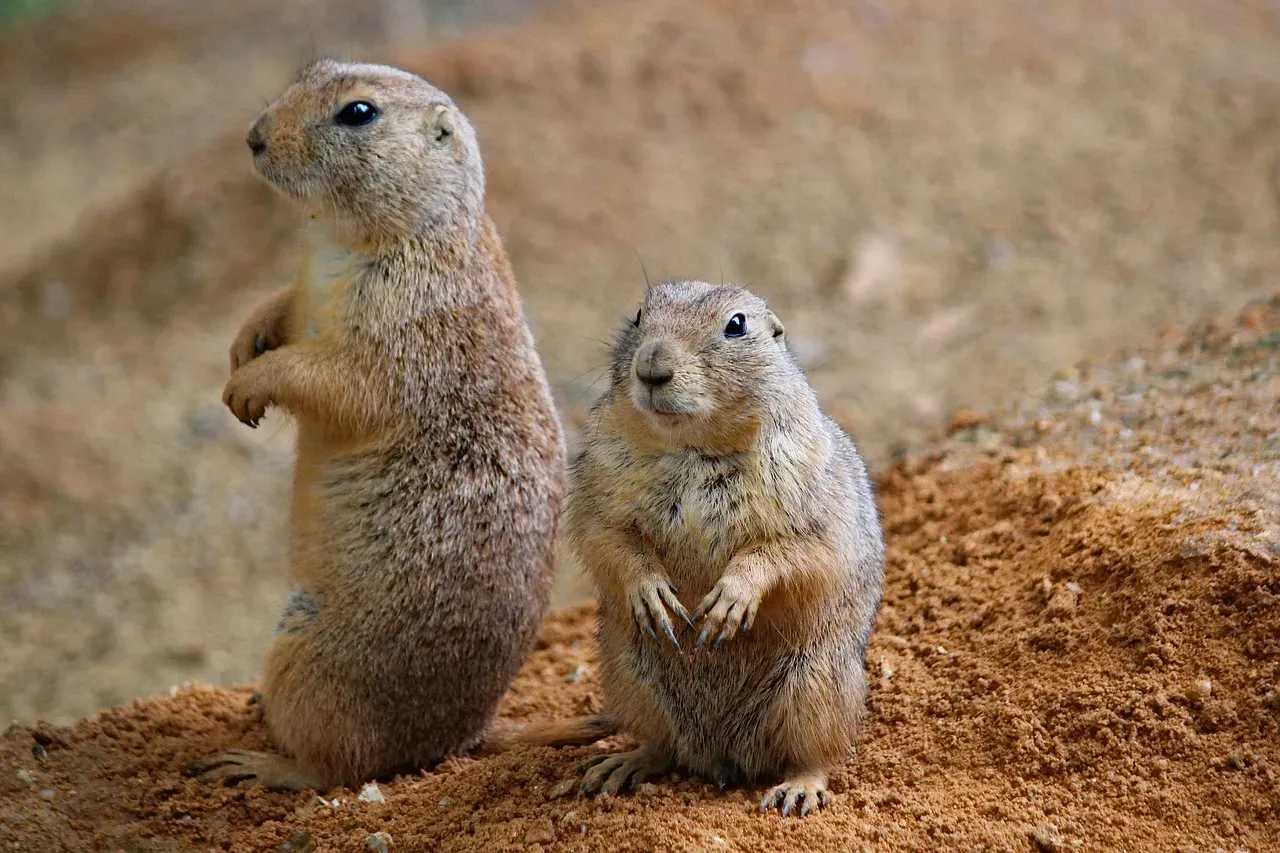
The Utah prairie dog is the smallest species of prairie dog, a member of the squirrel family of rodents, and is a protected species as it faces various threats, the most dangerous being habitat loss. Small in frame but outsized in ecological importance, it is considered a keystone species of its habitat.
Often living in colonies that can number in the thousands, these animals hibernate for most of the winter in their burrows, usually emerging after February. Utah prairie dogs are mainly herbivores, feeding on various seeds, grasses, and flowers found in the prairie and desert environment they call home.
This species is currently endangered, with ranching being the biggest threat to their natural habitat. The burrows they build don’t just shelter themselves. The underground burrows provide a source of shelter from predators and temperature regulation for species such as burrowing owls, cottontails, jackrabbits, various reptiles, the swift fox, and the black-footed ferret. The Utah prairie dog’s survival has ripple effects across an entire community.
#6. The Mohave Ground Squirrel
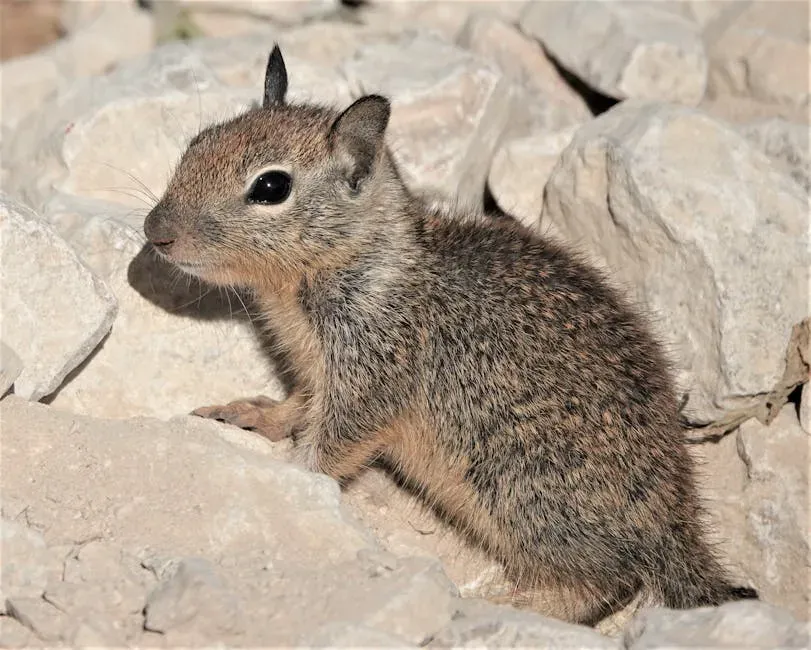
The Mohave ground squirrel is a species of ground squirrel found only in the Mojave Desert in California. It occupies one of the harshest environments in the country, surviving in a landscape that most animals simply avoid.
The squirrel was first described in 1886 by Frank Stephens of San Diego. It is listed as a threatened species under the California Endangered Species Act, though not under the federal Endangered Species Act. The IUCN lists this species as near threatened.
The Mohave ground squirrel is a masterclass in desert adaptation. It estivates during the hottest months of the year, essentially shutting down its metabolism to survive the worst of the Mojave’s heat. Its range is tightly bound to the distribution of the Mojave Desert itself, making it particularly vulnerable to habitat fragmentation from solar energy development and off-road vehicle activity.
#7. The Sonoma Chipmunk
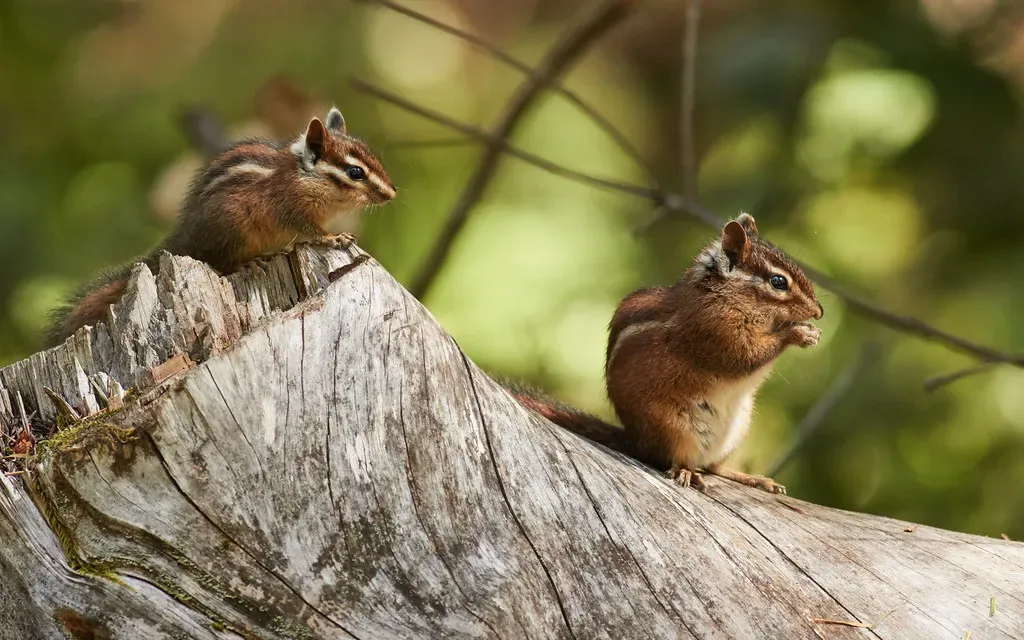
The Sonoma chipmunk is a small ground-dwelling rodent in the squirrel family Sciuridae and is endemic to northwestern California in the United States. It’s easy to dismiss a chipmunk as unremarkable, but this one carries a uniqueness that sets it firmly apart from its relatives found across much of the continent.
The Sonoma chipmunk has two subspecies: Neotamias sonomae alleni and Neotamias sonomae sonomae. It tends to inhabit chaparral, brushy slopes, and mixed woodlands in the coastal ranges of northern California, often at mid-elevation zones where dense shrub cover provides both food and shelter.
Its range is genuinely small, concentrated in counties like Sonoma, Marin, and Mendocino. That geographic restriction, combined with ongoing development pressure in the California coastal corridor, makes it a species worth watching. It’s not yet in crisis, but it is a reminder that endemism and vulnerability often travel together.
#8. The Salt Marsh Harvest Mouse
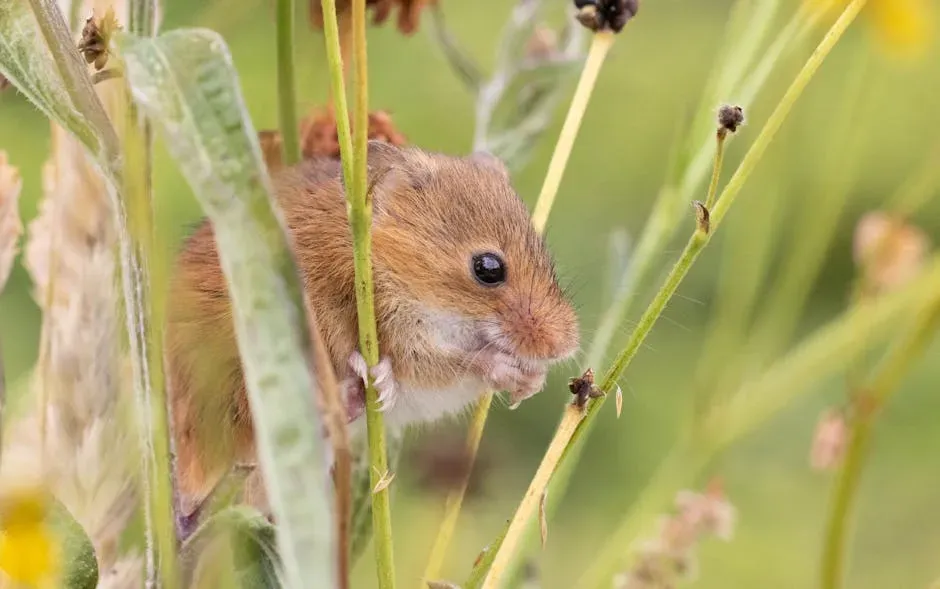
The salt marsh harvest mouse, also known as the red-bellied harvest mouse, is an endangered rodent endemic to the San Francisco Bay Area salt marshes in California. Both of its distinct subspecies are endangered and listed together on federal and state endangered-species lists.
This tiny creature survives in one of the most developed coastal landscapes in the United States. The San Francisco Bay has lost the vast majority of its historical tidal marsh to development over the past century and a half, and the salt marsh harvest mouse went with much of it. What remains is a fragmented patchwork of protected wetlands.
The mouse has a remarkable ability to tolerate salt water, which allows it to survive in habitats that would be fatal to most small rodents. It can drink water with higher salinity than sea water, a trait that appears unique among North American mice. That biological quirk is part of why it has held on at all, clinging to the remaining pickleweed marshes of the Bay.
#9. The Northern Idaho Ground Squirrel
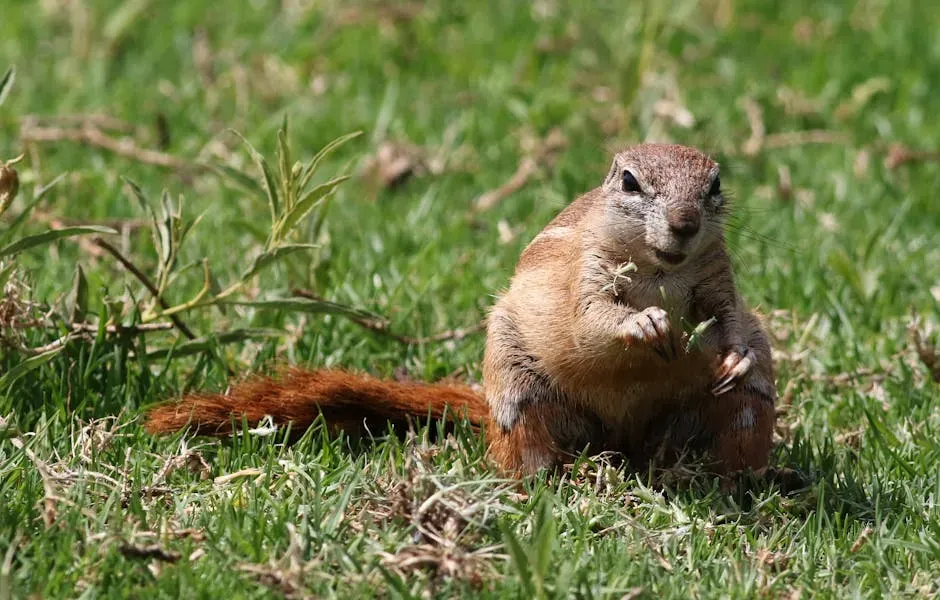
The northern Idaho ground squirrel is a species of the largest genus of ground squirrels. Found only in a small cluster of meadows in west-central Idaho, it is among the rarest small mammals in the country, with a range so limited that it fits within a handful of counties.
This squirrel inhabits dry, rocky meadows at elevations between roughly 4,000 and 5,000 feet, where bunchgrass and forbs provide its food supply. It hibernates for most of the year, spending only a few months above ground in the warmer seasons. That brief active window, combined with its extremely restricted range, makes it especially sensitive to any disturbance during the summer months.
The northern Idaho ground squirrel was listed as a threatened species, largely because of habitat loss driven by fire suppression and overgrazing. Without periodic disturbance, the open meadows it depends on gradually give way to encroaching shrubs and conifers. Conservation work has focused on carefully managed burns and grazing programs to keep those meadows open.
#10. The Lower Keys Marsh Rabbit
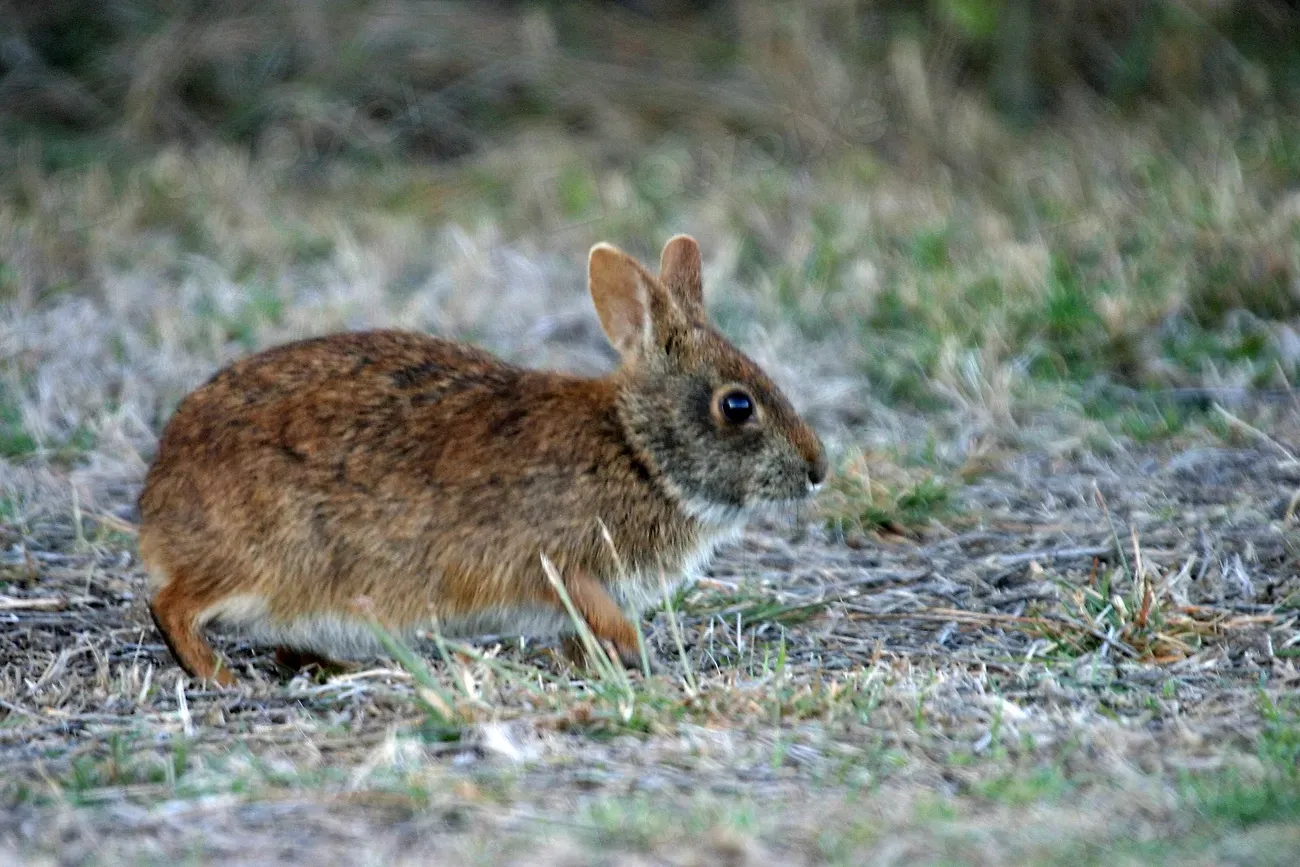
The Lower Keys marsh rabbit is listed as critically endangered and is endemic to the Florida Keys. It is one of the most imperiled small mammals in the entire country, surviving only on a small cluster of islands off the southern tip of Florida where fresh water and dense low vegetation still exist.
Development of freshwater marshes and coastal berms in the Florida Keys caused much of this rabbit’s habitat to become fragmented and destroyed. Domestic cats killing both juveniles and adult rabbits are another major threat to the marsh rabbit’s survival. Since 1995, the endangered rabbits have disappeared entirely from three keys.
There’s something quietly sobering about a rabbit on the edge of oblivion. It doesn’t inspire the same visceral concern as larger predators in decline, yet the Lower Keys marsh rabbit occupies a narrow ecological slot that nothing else can fill. Florida and California are exceptionally rich in these kinds of animals, and together house the bulk of the rarest small mammals in the USA. The marsh rabbit is perhaps the starkest example of how a species can be squeezed out not by one dramatic blow but by the slow accumulation of human pressures.
Why These Animals Deserve Our Attention
Every creature on this list lives within a boundary that cannot be negotiated. There is no backup range, no other country they can retreat to. The US is it, entirely. That makes the health of these animals a direct reflection of how well the country manages its remaining wild spaces.
Endemism is ultimately a story about specificity, how life finds a niche and fills it so completely that it becomes inseparable from a single place. The black-footed ferret belongs to the Great Plains prairie. The island fox belongs to the Channel Islands. The salt marsh harvest mouse belongs to the edges of San Francisco Bay. Remove the place and you remove the animal.
The encouraging part is that several of these species, once thought lost, have come back. The island fox’s recovery stands as one of the fastest mammal rebounds in US history. The black-footed ferret, written off as extinct twice, now has hundreds of individuals living in reintroduced populations. These outcomes didn’t happen by accident. They required sustained political will, scientific commitment, and the willingness to treat small, unglamorous creatures as genuinely worth saving.
That, perhaps, is the real argument here. The measure of a country’s environmental health is not found only in its eagles and its wolves. It’s found in the animals almost no one knows exist, living out their small, precise lives in the corners of America that still belong to something other than us.

- 7 Ways Cats Show They're Secretly Annoyed With You - July 19, 2026
- What Small Dog Breed Are you According to Your Zodiac Sign - July 19, 2026
- What Makes Crows Among the Smartest Birds on the Planet - July 19, 2026