

Worried about unexpected vet bills?
Pet insurance can cover thousands in unexpected vet costs. Get a free quote from Lemonade in under 2 minutes.
Get My Free Quote →Sponsored · Opens Lemonade.com
In the eternal debate of cats versus dogs, Americans are generally known as a dog-loving nation. However, not all states follow this trend. Search data reveals fascinating regional preferences that buck the national pattern, with some states showing a distinct preference for feline-related online searches. This article explores the 12 U.S. states where residents search for cats more frequently than dogs, examining possible cultural, geographical, and demographic factors behind these preferences.
12. Massachusetts New England’s Cat Haven

Massachusetts leads the pack when it comes to cat-centric online searches. This New England state, with its rich history and academic culture, shows a clear preference for felines in its search patterns. The state’s high population density and urban lifestyle may contribute to this trend, as cats are often considered more suitable pets for apartment living. The Boston area, with its numerous colleges and universities, creates a demographic of young professionals and students who may prefer the lower maintenance lifestyle that cats offer compared to dogs.
Additionally, Massachusetts has a strong network of cat rescue organizations and a history of animal welfare advocacy, which may foster greater interest in cat-related topics. The state’s cold winters might also play a role, as indoor pets like cats don’t require walks in freezing temperatures. This combination of factors has established Massachusetts as a stronghold for cat enthusiasts in a country that generally favors canines.
11. Rhode Island Small State, Big Cat Love
Despite being the smallest state in the union, Rhode Island shows an outsized preference for cats in its search data. This tiny New England state follows its neighbor’s trend, with residents consistently searching for cat-related content more than dog topics. The state’s compact nature and relatively urban character may explain this preference, as cats require less space and outdoor access than many dog breeds. Providence, the state capital, has a thriving artistic community that seems to embrace the independent nature of felines.
Rhode Island’s historical connection to maritime activities might also play a subtle role in its cat preference. Ships traditionally kept cats on board to control rodent populations, creating a cultural connection between coastal communities and felines. The state’s numerous historic homes, many of which have been carefully preserved, also provide the nooks and crannies that cats love to explore, making them ideal companions for residents of these charming older properties.
10. Maryland Mid-Atlantic Cat Enthusiasts

Maryland breaks from some of its neighboring states in showing a significant preference for cats in online searches. The state’s unique demographics may contribute to this trend, with a high concentration of educated professionals in the Baltimore-Washington corridor who may appreciate the self-sufficient nature of cats. Maryland’s diverse landscape, from urban centers to suburban communities, provides varied living situations where cats can thrive without the space requirements of many dog breeds.
The state’s high number of government employees and professionals who work long or unpredictable hours might find cats to be more accommodating pets that don’t require regular walking schedules. Maryland also boasts several prominent cat shows and feline-focused events annually, fostering a community of cat enthusiasts who actively seek information online. The state’s climate, with hot, humid summers, may also make indoor pets like cats more appealing to residents looking to avoid multiple outdoor excursions during uncomfortable weather.
9. Vermont Green Mountain Feline Fans

Vermont’s rural landscape might seem more suited to dogs, but search data reveals a surprising preference for cats among Green Mountain State residents. This environmentally conscious state appears to appreciate the smaller ecological pawprint of cats compared to dogs. Vermont’s harsh winters and abundant wildlife may also contribute to the preference for indoor pets that don’t require constant outdoor access. The state’s numerous farms and rural properties have traditionally kept cats as working animals to control rodent populations, establishing a historical connection to felines.
Vermont’s progressive politics and independent spirit seem to align with the self-reliant nature of cats. The state has several cat cafés and rescue organizations that have gained popularity in recent years, boosting interest in feline-related searches. Additionally, Vermont’s aging population may find cats easier to care for as they require less physical exertion than walking dogs, particularly on the state’s hilly terrain and during snowy months when outdoor activities become more challenging.
8. Washington Pacific Northwest Cat Country

Washington state stands out on the West Coast for its preference for cats in online searches. The state’s notoriously rainy climate may contribute to residents preferring pets that don’t need multiple outdoor walks regardless of weather conditions. Seattle’s tech-focused culture, with many residents working long hours, appears to favor the independent nature of cats. The city’s high-rise living and urban density also make cats practical companions that adapt well to apartment lifestyles.
Washington has developed a strong culture of cat appreciation, with cat cafés, specialized veterinary services, and feline-focused events becoming increasingly popular. The state’s environmental consciousness may also play a role, as cats generally consume fewer resources than dogs. Additionally, Washington’s abundant indoor recreation options during inclement weather seasons align well with keeping indoor pets like cats, who don’t require the outdoor exercise regimen that most dogs need for optimal health and behavior.
7. Oregon Indie Culture and Feline Fascination
Oregon continues the Pacific Northwest trend of cat preference, particularly in the Portland metropolitan area. The state’s reputation for independent thinking and counter-culture attitudes seems to extend to pet preferences, with many Oregonians identifying with the autonomous nature of cats. Portland’s famous “Keep Portland Weird” ethos embraces cat cafés, cat-themed businesses, and even cat celebrities (like the late Benefit, Portland’s famous shop cat) that drive online searches about felines.
Oregon’s environmental consciousness also appears to influence pet choices, with many residents appreciating cats’ smaller environmental impact. The state’s rainy climate, particularly in western regions, makes indoor pets appealing. Additionally, Oregon has several prominent cat shelters and advocacy organizations that maintain active online presences, further boosting cat-related search traffic. The state’s high proportion of apartment dwellers in urban areas also contributes to the practical advantages of cat ownership over dogs requiring more space and outdoor access.
6. Minnesota Midwest’s Cat-Loving Anomaly
Minnesota breaks from the typical Midwestern preference for dogs with its residents showing greater interest in cats through their search patterns. The state’s extreme winters, with temperatures regularly dropping well below freezing for months, may play a significant role in this preference. Indoor pets that don’t require walks in subzero temperatures offer practical advantages in Minnesota’s climate. The state’s strong Scandinavian heritage might also influence this trend, as Nordic countries traditionally have high rates of cat ownership.
The Twin Cities metropolitan area, with its concentration of apartments and condominiums, provides an environment where cats thrive as urban companions. Minnesota also boasts several notable cat shows and competitions that draw enthusiasts from across the region. The state’s high education levels and concentration of healthcare and technology workers—professions that often involve irregular hours—may also contribute to residents preferring the self-sufficient nature of felines over the more time-intensive care requirements of dogs.
5. Maine Lobsters and Cat Enthusiasts

Maine, famous for its eponymous Maine Coon cat breed, naturally shows a strong preference for felines in its search patterns. This large, rugged state embraces its connection to one of America’s most beloved native cat breeds, driving considerable search traffic related to these gentle giants. Maine’s harsh winters and rural character might seem conducive to working dogs, but residents demonstrate a clear online preference for cats, possibly due to their ability to thrive indoors during the long winter months.
The state’s maritime history also contributes to its cat culture, as ships traditionally kept cats to control rodents, creating a historical association between coastal communities and felines. Maine’s numerous historical homes and buildings provide ideal environments for cats to explore and inhabit. Additionally, the state has several prominent cat rescue organizations and sanctuaries that maintain active online presences, further driving cat-related searches. Maine’s tourism industry also capitalizes on the Maine Coon connection, creating cat-themed attractions that generate both visitor interest and online searches.
4. New Hampshire Live Free and Love Cats

New Hampshire follows its New England neighbors in showing a preference for cats in online searches. The “Live Free or Die” state’s independent spirit seems to align with the self-reliant nature of felines. Despite its rural character and outdoor recreation opportunities that might seem ideal for dogs, New Hampshire residents consistently search for cat content more frequently. The state’s cold winters and abundant snowfall may contribute to this preference, as cats don’t require outdoor walks in harsh weather conditions.
New Hampshire’s high proportion of historic homes and properties provide the perfect environment for cats, with their love of exploring nooks and crannies. The state also hosts several prominent cat shows and competitions annually, creating a community of enthusiasts who actively search for feline-related content. Additionally, New Hampshire’s aging demographic may find cats easier to care for than dogs, particularly in the state’s more rural areas where services like dog walking might be less available. The state’s numerous colleges and universities also create a demographic of students and faculty who may prefer the lower maintenance requirements of cats.
3. Hawaii Island Feline Fascination

Hawaii presents a unique case among cat-preferring states. Its isolated island geography has created distinctive pet ownership patterns reflected in search data. While the state has issues with feral cat populations affecting native wildlife, residents show a strong interest in domestic cats through their search patterns. Hawaii’s limited space and high proportion of apartment living in urban areas like Honolulu make cats practical pets that don’t require the outdoor space that many dog breeds need.
The state’s warm climate year-round might also influence pet preferences, as dogs can struggle with heat and humidity while cats naturally regulate their activity levels. Hawaii’s significant Asian population and cultural influences may also play a role, as cats hold special cultural significance in many Asian countries. Additionally, Hawaii’s strict animal quarantine laws make importing dogs particularly complicated and expensive, potentially leading more residents to choose cats as pets and subsequently search for cat-related information online more frequently than dog content.
2. Connecticut Affluent Cat Aficionados

Connecticut, with its combination of wealthy suburban communities and urban centers, shows a distinct preference for cats in its search patterns. The state’s high concentration of professionals who work long hours in nearby New York City may contribute to the preference for more independent pets. Connecticut’s affluent communities also support specialized veterinary care, premium cat products, and services that generate significant online search traffic related to felines.
The state’s historical architecture and older homes provide ideal environments for cats to explore and inhabit. Connecticut also has several prominent cat rescue organizations and shelters that maintain active online presences. The state’s proximity to major northeastern universities and educational institutions creates a demographic of students and academics who may prefer cats’ independent nature. Additionally, Connecticut’s seasonal weather patterns, with cold winters and hot, humid summers, may make indoor pets like cats appealing to residents looking to avoid the commitment of walking dogs in uncomfortable conditions.
1. Colorado Mountain Cats Over Mountain Dogs

Colorado presents an interesting case as a state known for outdoor activities and active lifestyles, yet its residents search for cats more frequently than dogs. This Rocky Mountain state’s high altitude living and extreme weather conditions may contribute to the preference for indoor pets in some regions. Denver’s growing urban population and apartment living situation make cats practical companions that don’t require the outdoor space that many dog breeds need. The state’s tech industry and startup culture, with their demanding work schedules, may also favor the independent nature of cats.
Colorado has developed a strong culture of cat appreciation, with cat cafés, specialized feline veterinary services, and rescue organizations becoming increasingly popular, particularly in urban areas like Denver and Boulder. The state’s environmental consciousness may also play a role, as cats generally consume fewer resources than dogs. Additionally, while Colorado is famous for outdoor recreation, its residents also face extreme weather conditions including heavy snowfall and summer heat that can make daily dog walking challenging, potentially influencing online search preferences toward feline companions.
Conclusion: What These Feline Preferences Reveal
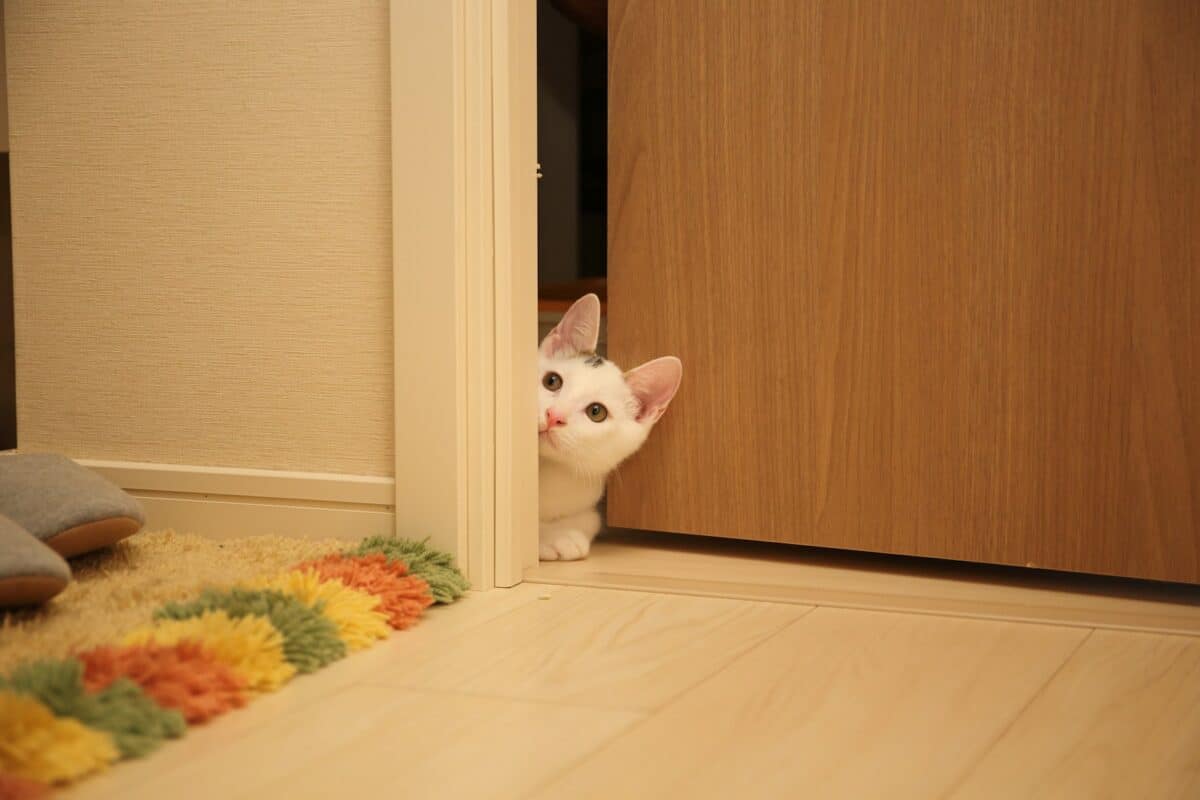
The prevalence of cat searches over dog searches in these 12 states reveals fascinating patterns about American pet preferences and lifestyle factors. Geographic clustering is evident, with New England showing a particularly strong feline preference. Urban density, education levels, climate conditions, and work-life balance all appear to influence these search patterns. These states challenge the conventional wisdom that America is predominantly a dog-loving nation, revealing significant pockets of cat enthusiasm across diverse regions.
Search data provides a unique window into cultural preferences that might not be captured in traditional pet ownership statistics, as many people search for cat content without necessarily owning cats themselves. This phenomenon highlights the cultural impact of cats in the digital age, where they’ve become internet celebrities and meme subjects. As living situations continue to evolve toward more urban and apartment-based lifestyles, the practical advantages of cat ownership may continue to shift search patterns in other states as well. This data ultimately reflects the beautiful diversity of American pet preferences and the complex factors that influence our relationships with companion animals.
Worried about unexpected vet bills?
Pet insurance can cover thousands in unexpected vet costs. Get a free quote from Lemonade in under 2 minutes.
Get My Free Quote →Sponsored · Opens Lemonade.com

As a little kid, I fell in love with nature, wildlife, and animals. Living in the USA, South Africa, Italy, China and Germany gave me the opportunity to discover the world's Wildlife. My favorite animals are Mountain Gorillas, Siberian Tigers, and Great White Sharks.
I'm a certified PADI Open Water Diver, went to Everest Base Camp and Trekked Gorillas in Uganda. I hold a Master of Science in Economics and Finance.
Please send any feedback to feedback@animalsaroundtheglobe.com
- 10 Natural Phenomena That Scientists Still Can not Fully Explain - June 11, 2026
- 12 Fun Facts About the Elf Owl America Smallest Owl - June 11, 2026
- 15 Adorable Facts About Red Pandas You Will Want to Share - June 11, 2026