


America’s wildlife has faced numerous challenges throughout history, from overhunting and habitat destruction to pollution and climate change. Despite these obstacles, several species have demonstrated remarkable resilience, bouncing back from the brink of extinction thanks to dedicated conservation efforts. These success stories not only inspire hope but also provide valuable lessons about ecosystem management, environmental protection, and the power of human intervention when guided by science and commitment. This article explores 15 American species that have made stunning comebacks, showcasing both the fragility and resilience of our natural world.
The American Bald Eagle A National Symbol Restored

Perhaps no conservation success story better symbolizes America’s commitment to protecting its natural heritage than the recovery of the bald eagle. By the 1960s, our national bird had declined to just 417 nesting pairs in the contiguous United States, primarily due to DDT poisoning, habitat loss, and hunting. The pesticide DDT caused eagles to lay thin-shelled eggs that broke before hatching, devastating reproduction rates. The species’ listing under the Endangered Species Preservation Act of 1966 (later replaced by the Endangered Species Act of 1973) and the 1972 ban on DDT marked turning points in its recovery. After decades of protection and reintroduction efforts, bald eagles have soared back to more than 71,400 nesting pairs and were officially removed from the endangered species list in 2007. Today, bald eagles can be spotted in all 48 contiguous states, with particularly strong populations in Alaska, Florida, and the Pacific Northwest.
American Alligator From Hunted to Harvested

The American alligator’s comeback represents one of the Endangered Species Act’s earliest and most dramatic success stories. These prehistoric reptiles, which have inhabited North America’s southeastern wetlands for millions of years, were hunted to near extinction for their valuable hides. By the 1960s, alligator populations had plummeted so dramatically that the species was among the first protected under the Endangered Species Preservation Act. Strict protection measures allowed these resilient reptiles to rebound remarkably quickly. By 1987, the U.S. Fish and Wildlife Service declared the American alligator fully recovered and reclassified it as “threatened due to similarity of appearance” with other endangered crocodilians. Today, populations are estimated at over 5 million individuals across the Southeast, with approximately 1.3 million in Florida and 2 million in Louisiana alone. The alligator’s recovery has enabled the development of carefully regulated hunting and farming programs that help manage populations while providing economic benefits to local communities.
Gray Wolf Reclaiming Lost Territory

The gray wolf’s journey from persecution to protection exemplifies both the challenges and triumphs of predator conservation in America. Once roaming across most of North America, wolves were systematically eliminated from nearly all of the lower 48 states by the mid-20th century through government-sponsored eradication programs, with only a small population surviving in northern Minnesota. Protection under the Endangered Species Act in 1974 marked the beginning of their recovery. The reintroduction of 31 wolves to Yellowstone National Park and central Idaho in 1995-1996 proved transformative, not only for wolf populations but for entire ecosystems. The wolves’ return triggered a trophic cascade that changed elk behavior, allowed vegetation to recover, and benefited numerous other species from beavers to songbirds. Today, approximately 6,000 wolves inhabit the contiguous United States across Idaho, Montana, Wyoming, Washington, Oregon, California, Minnesota, Wisconsin, and Michigan. Their recovery remains controversial among some ranchers and hunters, but represents a remarkable conservation achievement that has restored a key ecological function to American landscapes.
Peregrine Falcon Racing Back from the Brink

The peregrine falcon, the world’s fastest animal capable of diving at speeds over 240 mph, nearly disappeared from eastern North America by the 1960s due to DDT contamination. Like bald eagles, peregrines accumulated the pesticide through their prey, causing eggshell thinning and catastrophic reproductive failure. By 1975, only 324 known nesting pairs remained in the United States. The ban on DDT and protection under the Endangered Species Act sparked an intensive recovery program. Conservation biologists pioneered innovative techniques including captive breeding and hacking (releasing young falcons from artificial nest sites) to reestablish populations. These efforts produced over 6,000 captive-raised falcons released into the wild. The peregrine’s adaptability proved crucial to its recovery, as the birds surprisingly took to nesting on urban skyscrapers and bridges that mimicked their natural cliff habitats. By 1999, peregrine populations had rebounded to about 1,650 breeding pairs in the United States and Canada, leading to the species’ removal from the endangered list. Today, an estimated 3,000+ pairs breed throughout North America, including in many major cities where they’ve become beloved urban wildlife ambassadors.
Southern Sea Otter Furry Ecosystem Engineers

The southern sea otter’s comeback demonstrates how protecting a single charismatic species can benefit entire marine ecosystems. Hunted relentlessly for their luxurious fur during the 18th and 19th centuries, sea otters were presumed extinct in California by 1938. The surprise discovery of a small colony of about 50 individuals near Big Sur in 1938 offered a last chance for the species. With protection under the Marine Mammal Protection Act of 1972 and the Endangered Species Act, this remnant population slowly expanded its range. As keystone predators, sea otters consume sea urchins that would otherwise overgraze kelp forests. Their recovery has allowed kelp ecosystems to flourish, creating habitat for countless other species and enhancing carbon sequestration. Despite ongoing threats from oil spills, parasites, and shark predation, California’s sea otter population has grown to approximately 3,000 individuals as of 2022. While still below historic numbers and facing challenges like limited genetic diversity, their trajectory shows steady improvement. Conservation efforts continue through research, habitat protection, and rehabilitation programs for sick and injured otters, with the goal of restoring these charismatic marine mammals throughout their historic range.
Grizzly Bear Reclaiming the Crown of the Continent
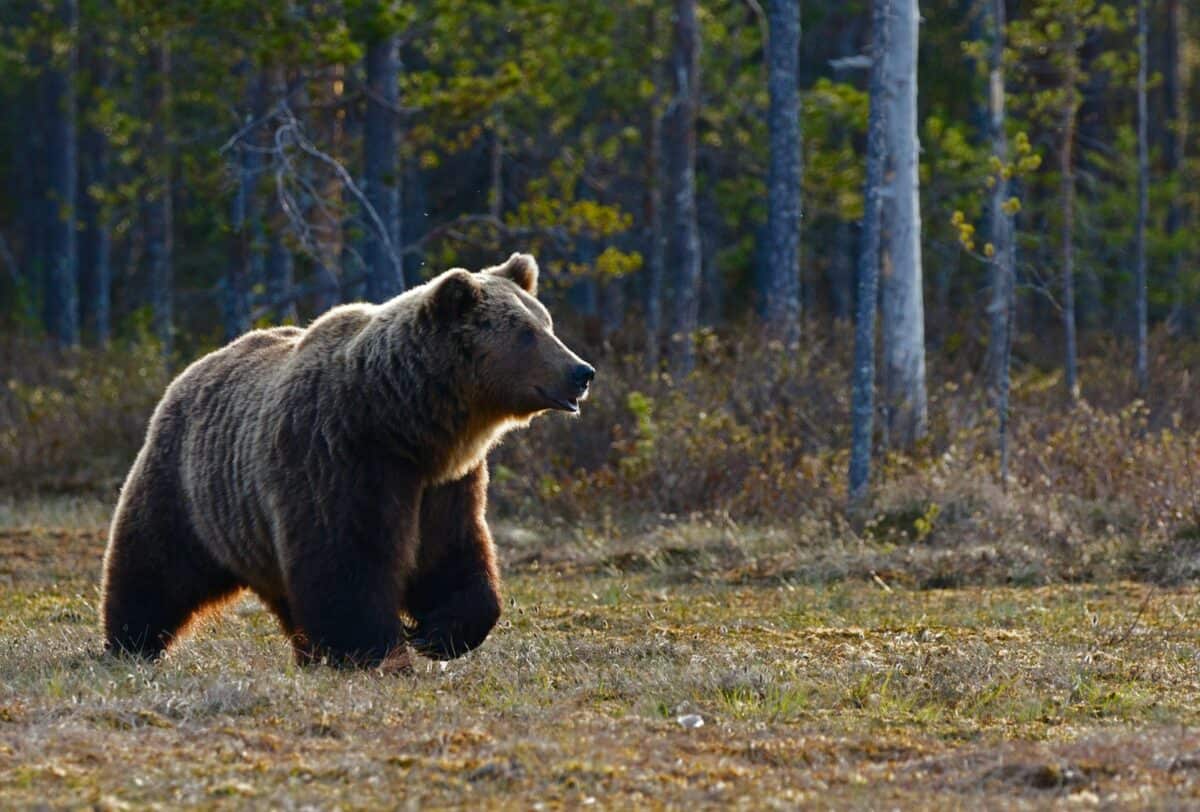
The recovery of grizzly bears in the contiguous United States represents one of conservation’s most complex challenges. These massive omnivores, which once roamed across the western half of North America, were systematically eliminated from 98% of their historic range through hunting, trapping, and habitat destruction. By the time grizzlies received protection under the Endangered Species Act in 1975, fewer than 1,000 remained in the lower 48 states, primarily in and around Yellowstone National Park and Glacier National Park. Recovery efforts focused on reducing human-caused mortality, protecting habitat, and managing conflicts between bears and humans. In the Greater Yellowstone Ecosystem, grizzly numbers have grown from fewer than 150 in the 1970s to over 700 today. The Northern Continental Divide Ecosystem near Glacier National Park now supports approximately 1,000 bears. While these numbers represent significant progress, grizzly recovery remains controversial and incomplete. Proposed delistings have sparked legal battles between those who see recovery as successful and those concerned about ongoing threats and fragmented populations. Nevertheless, the grizzly’s gradual comeback in places like Montana’s Cabinet Mountains, where fewer than 25 bears were augmented through transplants of additional bears, demonstrates what’s possible with long-term commitment to conservation.
American Crocodile Surviving in Suburbia
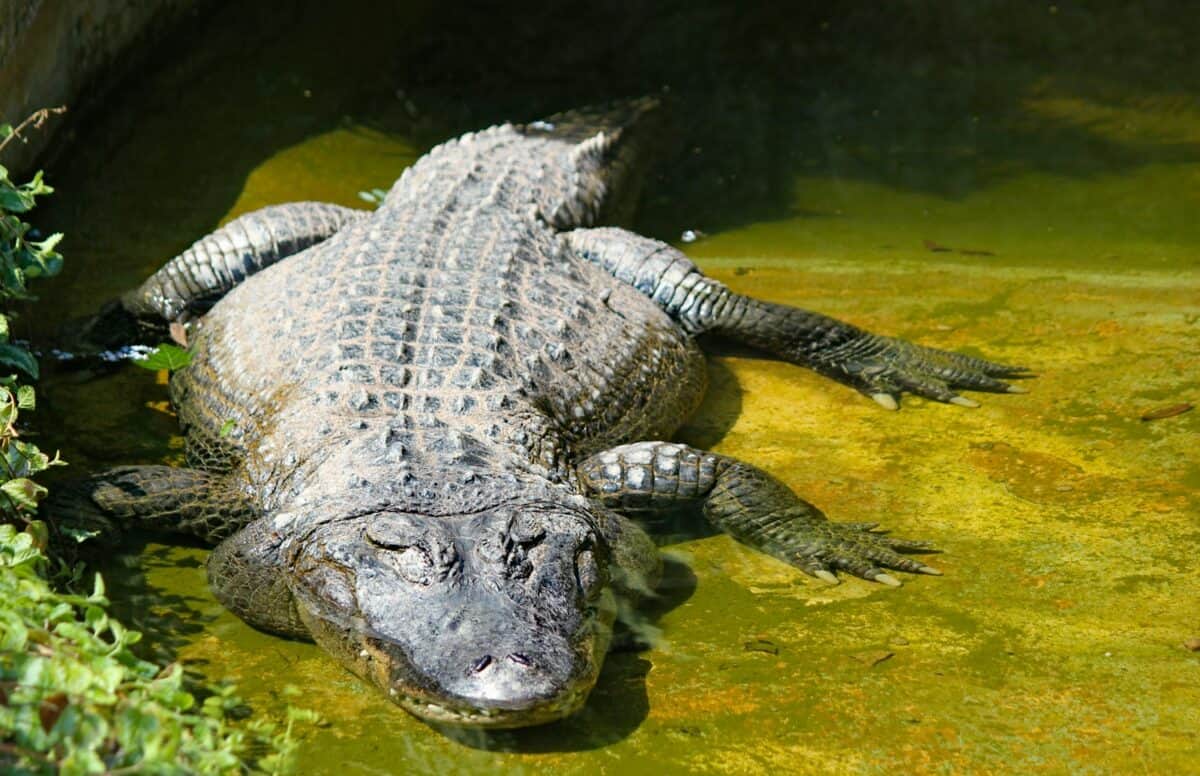
The American crocodile’s recovery in Florida represents a rare case of a large predator adapting to human-altered landscapes. These shy reptiles, which can grow up to 15 feet long, were heavily hunted for their hides and suffered significant habitat loss as South Florida underwent rapid development. By the 1970s, fewer than 300 American crocodiles remained in the United States, confined to the southern tip of Florida. Listed as endangered in 1975, the species received crucial protection of both its remaining individuals and habitat. Surprisingly, one key to their recovery came from an unexpected source: the cooling canal system of the Turkey Point Nuclear Generating Station near Miami proved ideal for crocodile nesting, with the utility company eventually establishing a conservation program. Protected nesting beaches, reduced hunting pressure, and the crocodile’s ability to utilize altered habitats allowed populations to grow steadily. By 2007, with approximately 2,000 non-hatchling crocodiles in Florida, the species was downlisted to threatened status. Recent surveys estimate around 2,000-2,500 American crocodiles now inhabit South Florida, with population monitoring showing continued growth. While human-wildlife conflict remains a challenge as suburban development pushes into crocodile habitat, education programs have helped reduce fears and promote coexistence with these ancient reptiles.
Channel Island Fox Rapid Recovery Through Intensive Management
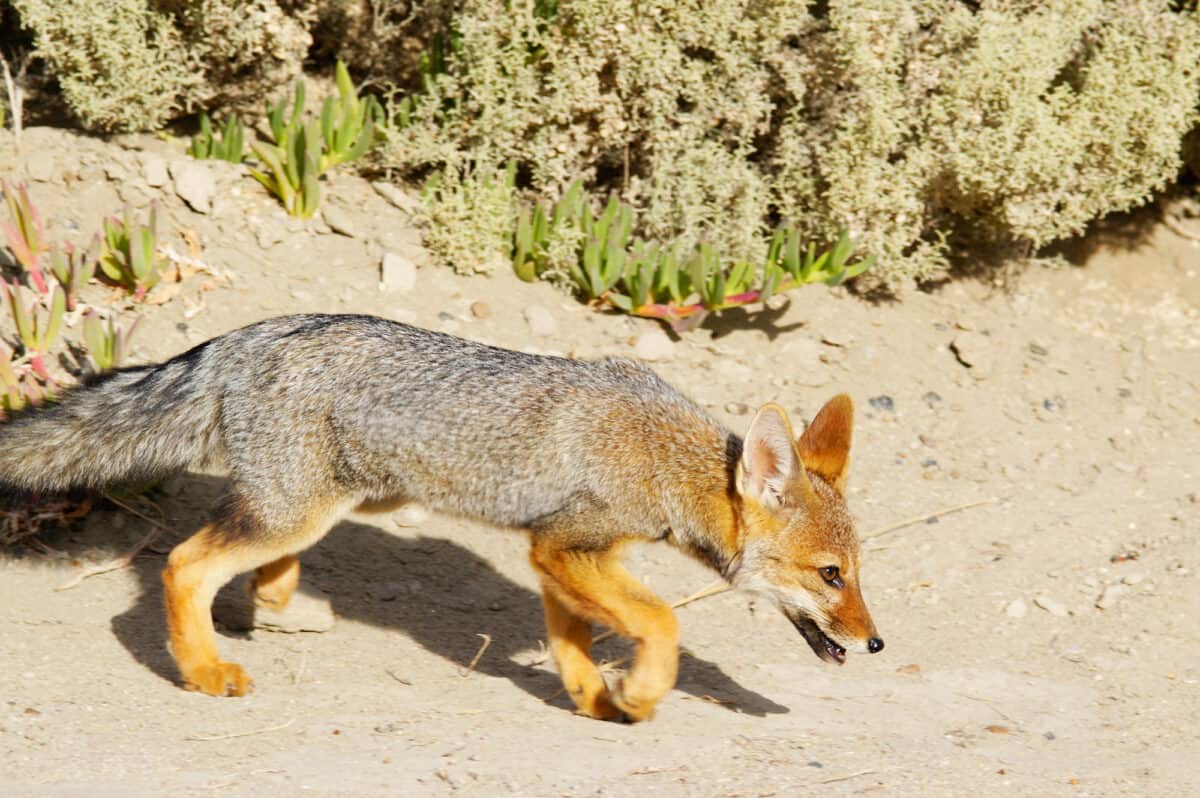
The Channel Island fox represents one of the fastest recoveries of a mammal in the history of the Endangered Species Act. These diminutive foxes, each weighing about 4 pounds, are found exclusively on six of California’s Channel Islands. By the late 1990s, fox populations on four islands had crashed by over 90%, primarily due to predation by golden eagles that had moved in after bald eagles disappeared due to DDT contamination. On San Miguel Island, fox numbers plummeted from approximately 450 to just 15 individuals by 1999. Emergency conservation measures included captive breeding, reintroduction of bald eagles (which don’t typically prey on the foxes), relocation of golden eagles, and elimination of feral pigs that had attracted the eagles. The response was remarkably swift and successful. Captive breeding programs produced hundreds of foxes for release, while addressing the underlying ecological imbalances allowed wild populations to rebound. In just two decades, island fox populations recovered from fewer than 200 individuals across all islands to over 7,000. All four subspecies that had been listed as endangered in 2004 were delisted by 2016, marking the fastest recovery of any mammal under the Endangered Species Act. The Channel Island fox success story demonstrates how targeted, science-based interventions addressing multiple ecosystem factors can achieve rapid conservation results.
California Condor Technology and Tenacity Save a Prehistoric Giant

The California condor’s recovery represents one of conservation’s most intensive and technologically advanced efforts. North America’s largest land bird, with a wingspan approaching 10 feet, was driven to near extinction by habitat loss, poaching, lead poisoning from consuming carcasses containing bullet fragments, and collisions with power lines. By 1982, only 22 condors remained in the wild, prompting the controversial decision to capture every remaining bird for a captive breeding program. The last wild condor was captured in 1987, marking the species’ extinction in the wild. Using innovative techniques including artificial insemination, puppet-rearing of chicks to prevent human imprinting, and intensive veterinary care, captive breeding facilities successfully produced young condors for release beginning in 1992. Each released condor is monitored with GPS transmitters, allowing biologists to track movements and quickly respond to emergencies. Despite ongoing challenges, particularly from lead ammunition that remains the leading cause of condor mortality, the population has grown steadily. As of 2022, there are approximately 350 California condors in the wild across California, Arizona, Utah, and Baja California, Mexico, with another 200 in captivity. While still endangered and dependent on ongoing management, the condor’s trajectory from extinction in the wild to a growing, breeding population across multiple states exemplifies the power of determined conservation intervention.
Whooping Crane Dancing Back from the Edge

The whooping crane’s recovery exemplifies the extraordinary lengths conservationists have gone to save North America’s tallest bird. Standing nearly five feet tall with a seven-foot wingspan, these magnificent white cranes declined catastrophically due to hunting and wetland drainage until just 15 birds remained in 1941. Recovery efforts have employed increasingly innovative approaches over decades. Biologists established a second migratory population by using ultralight aircraft to teach captive-reared cranes migration routes between Wisconsin and Florida. Costume-reared chicks (raised by humans in crane costumes to prevent imprinting) have been released in several locations to establish new populations. Cross-fostering, where whooping crane eggs were placed in sandhill crane nests, was attempted but discontinued when the whooping cranes imprinted on their surrogate species. Despite setbacks including hurricanes damaging habitat and disease outbreaks, the total population has grown to over 800 birds, including approximately 500 in the wild. The original migratory population that winters in Texas has reached about 500 birds, while a reintroduced non-migratory population in Louisiana stands at around 75 individuals. Though still endangered and facing threats from habitat loss, powerline collisions, and climate change impacts on wetlands, whooping cranes have made remarkable progress from the handful of birds that remained in the 1940s.
Black-footed Ferret Back from Presumed Extinction

The black-footed ferret’s comeback represents one of wildlife conservation’s most dramatic eleventh-hour rescues. These sleek, nocturnal predators of the Great Plains were thought extinct until September 1981, when a ranch dog named Shep brought a dead ferret home near Meeteetse, Wyoming. This astonishing discovery led researchers to a small colony of about 130 ferrets—the last known population in existence. When disease struck this colony in 1985, the 18 surviving ferrets were captured to establish a captive breeding program. Against considerable odds, the program succeeded, producing enough offspring to begin reintroductions in 1991. Recovery efforts faced multiple challenges: black-footed ferrets depend almost entirely on prairie dogs for food and shelter, yet prairie dog colonies have been reduced by over 95% through poisoning, habitat conversion, and sylvatic plague. Innovative solutions have included development of an oral vaccine against plague that can be distributed in prairie dog colonies and advanced reproductive technologies like artificial insemination and cryopreservation of genetic material. Today, approximately 300-400 black-footed ferrets live in the wild across multiple reintroduction sites in the American West and Mexico, with another 300 in captive breeding facilities. While still endangered, their recovery from functional extinction to establishing multiple wild populations demonstrates the value of never giving up on a species, no matter how dire its situation.
American Burying Beetle The Colorful Comeback of a Critical Decomposer
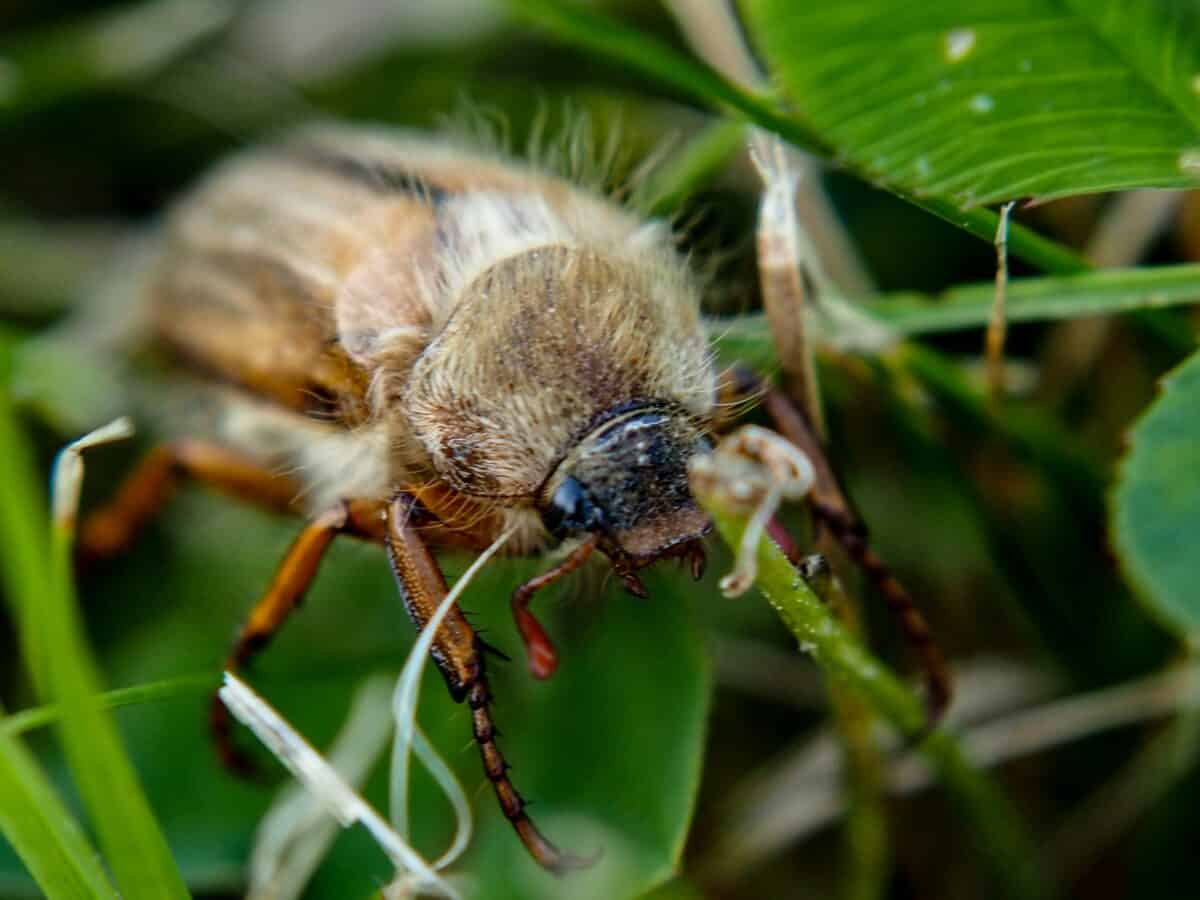
The American burying beetle’s recovery illustrates the importance of conserving not only charismatic megafauna but also the smaller species that perform critical ecosystem functions. These striking orange and black insects, which can reach 1.5 inches in length, were once found in 35 states but disappeared from over 90% of their historic range by the 1980s. When listed as endangered in 1989, they were known from only two locations: Block Island off Rhode Island and eastern Oklahoma. The beetles play a unique ecological role, burying small animal carcasses as food for their larvae, which helps recycle nutrients, aerates soil, and reduces disease spread. Conservation efforts have focused on captive breeding, reintroductions, and habitat protection. The St. Louis Zoo pioneered captive breeding techniques, producing thousands of beetles for release in Missouri, Ohio, Massachusetts, and other states. Reintroduction protocols include preparing “starter carcasses” (typically quail) partially buried to give released beetles a head start in establishing breeding populations. These efforts have paid off: American burying beetles now exist at more than two dozen sites across at least 9 states, with some reintroduced populations becoming self-sustaining. In 2020, the species was downlisted from endangered to threatened status, with special rules allowing certain activities in areas where the beetle is now secure. While habitat loss and light pollution (which disrupts their nocturnal activities) remain concerns, this distinctive insect has made significant strides toward recovery.
Steller Sea Lion Recovery in the Pacific Northwest

The western population of Steller sea lions, the largest of all sea lions, demonstrates how addressing complex marine conservation challenges can reverse species decline. These massive pinnipeds, with males weighing up to 2,500 pounds, experienced a mysterious and catastrophic population crash throughout Alaska and Russia beginning in the 1970s, declining by over 80% in some regions. The western population was listed as endangered in 1997 after declining from approximately 300,000 individuals in the 1960s to fewer than 50,000. While scientists continue to debate the exact causes, likely factors included overfishing reducing prey availability.
Conclusion:

The dramatic recoveries of these 15 American species serve as powerful reminders of both the vulnerability and resilience of our planet’s wildlife. From apex predators like the gray wolf and grizzly bear to less conspicuous species like the American burying beetle, each comeback story reflects the profound impact of sustained conservation efforts, science-based management, and public support. These successes demonstrate that, when equipped with the right tools, knowledge, and determination, humans can reverse even the most dire ecological declines. As we face ongoing environmental challenges—from climate change to habitat fragmentation—these stories offer hope and direction. They underscore the importance of continued investment in conservation, the protection of biodiversity, and the need for coexistence between human development and natural ecosystems. Ultimately, the resurgence of these species is not just about saving wildlife—it’s about restoring the balance of nature for generations to come.

As a little kid, I fell in love with nature, wildlife, and animals. Living in the USA, South Africa, Italy, China and Germany gave me the opportunity to discover the world's Wildlife. My favorite animals are Mountain Gorillas, Siberian Tigers, and Great White Sharks.
I'm a certified PADI Open Water Diver, went to Everest Base Camp and Trekked Gorillas in Uganda. I hold a Master of Science in Economics and Finance.
Please send any feedback to feedback@animalsaroundtheglobe.com
- 13 Cat Breeds That Get Along with Dogs - July 20, 2026
- The 12 Largest Dog Breeds That Still Love to Cuddle - July 20, 2026
- 12 Pet Habits That Secretly Mean They Love You - July 20, 2026