
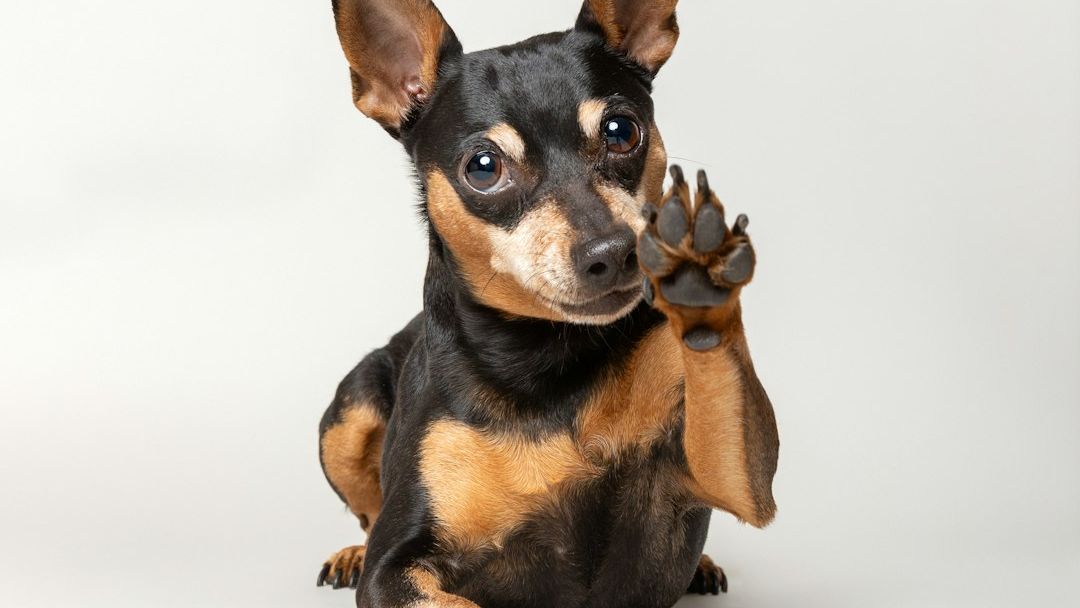
Honestly, there’s nothing quite like the moment you call your dog and they just look at you with that blank stare before trotting off in the opposite direction. If you’ve ever wondered whether some dogs are just born with a rebellious streak, well, you’re onto something. Certain breeds have earned a reputation for being less than cooperative when it comes to following commands. These aren’t bad dogs or unintelligent pups. They’re simply marching to the beat of their own drum, and that independent spirit can make training feel like you’re negotiating with a tiny, furry diplomat. Let’s dive into the world of dogs who prefer to make their own rules.
1. Afghan Hound: The Independent Aristocrat
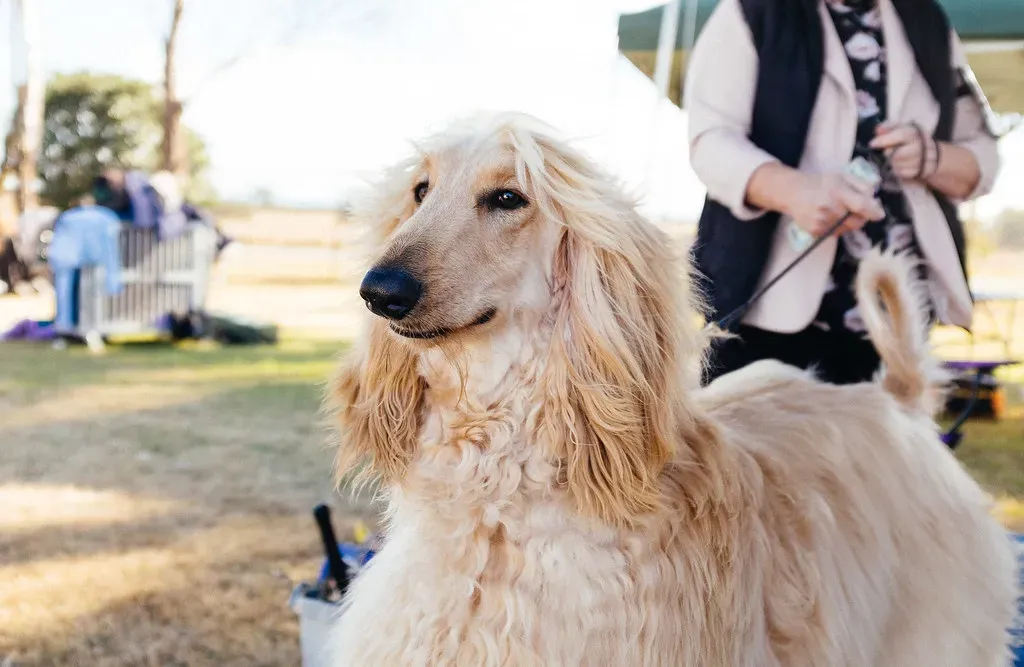
The Afghan Hound tops many lists as the least obedient dog breed because they simply choose not to respond to commands, despite being intelligent dogs who have discovered selective hearing. These elegant, flowing-coated beauties were originally bred to chase prey independently across vast distances in the Afghan mountains.
The breed was developed to spend all day chasing prey over long distances, and these sighthounds needed to think for themselves to keep track of prey instead of looking to their owner for direction. Think about it like this: if you spent centuries making split-second decisions while running at breakneck speed, you’d probably develop some strong opinions too. Their aloof and independent nature isn’t defiance, it’s just who they are at their core.
2. Basenji: The Barkless Rebel
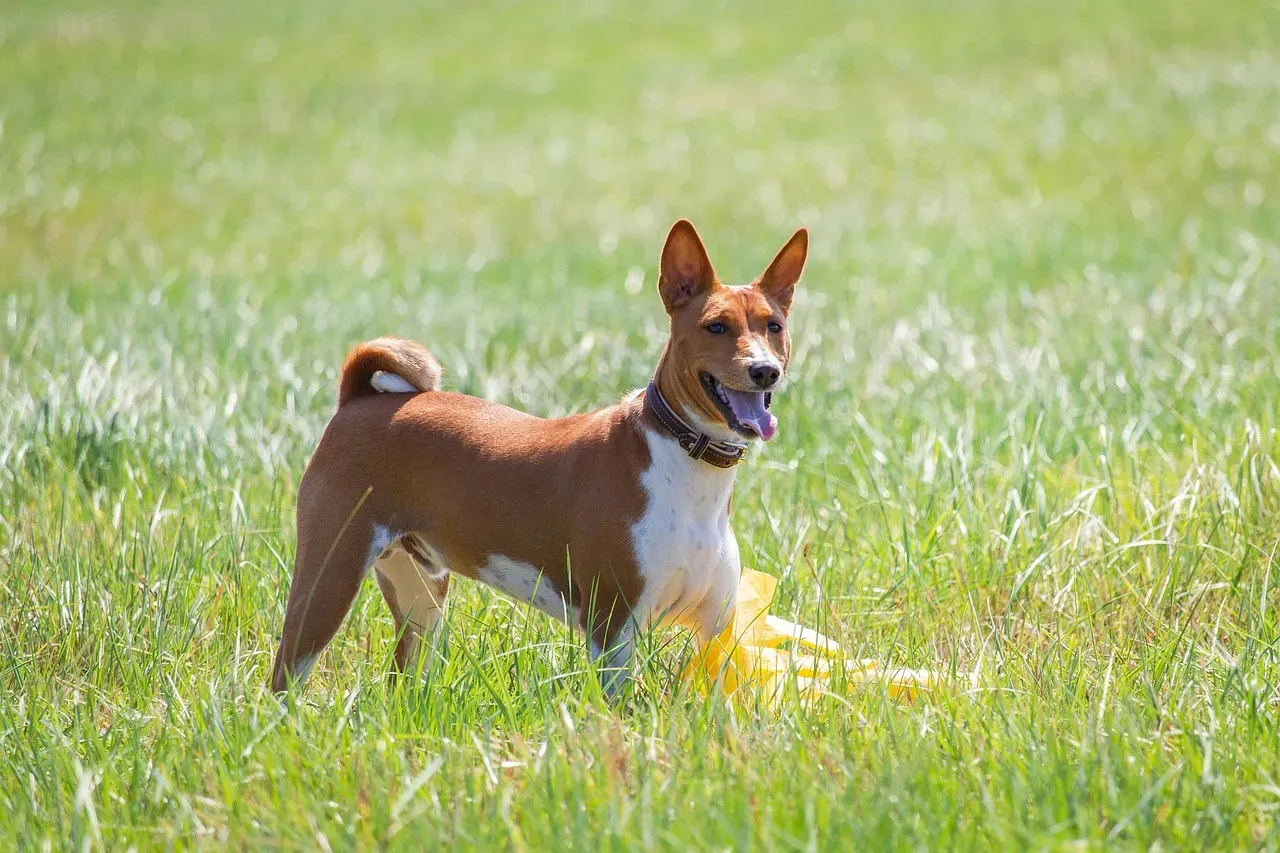
Sometimes referred to as the “barkless dog,” the Basenji is intelligent and curious, but their strong sense of independence can make training a challenge. These dogs have a fascinating reputation for being more catlike than doglike, grooming themselves meticulously and making their own decisions about what commands they’ll honor.
What makes the Basenji particularly tricky is their high curiosity and playful energy. Basenjis are highly curious and playful, and like curious toddlers, they can get into trouble if not supervised. They’re smart enough to understand what you want, they just might not care enough to do it. Patience and engaging activities are your best bet with this breed.
3. Chow Chow: The Aloof Guardian
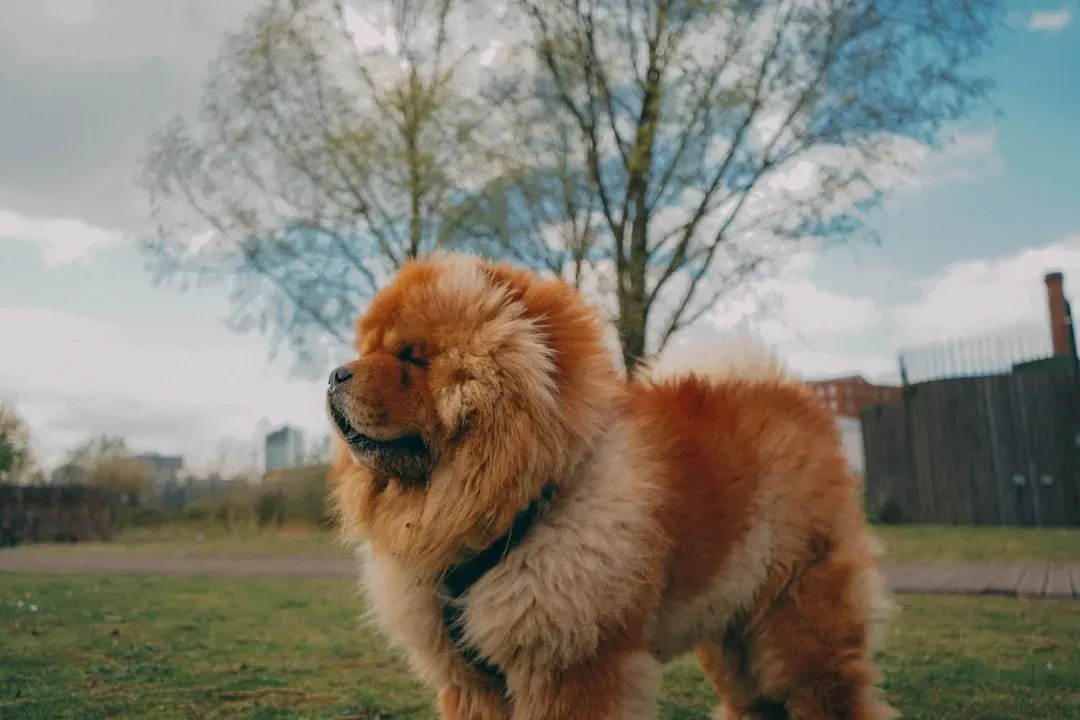
Chow Chows are known for their aloof, reserved, and independent temperament, traits that can often be mistaken for disobedience. With their distinctive lion-like mane and blue-black tongue, these ancient Chinese breeds carry themselves with a dignified air that suggests they’re doing you a favor by even acknowledging your presence.
Despite its plush, teddy-bear appearance, this breed carries a proud and independent spirit, often preferring to think for itself rather than follow commands blindly, and Chow Chows are notoriously difficult to train because they don’t possess the eager-to-please nature found in many other breeds. They’re loyal to their families but require extensive socialization and consistent training. Let’s be real, these dogs have an attitude that says they were bred for royalty, and they haven’t forgotten it.
4. Bloodhound: The Scent-Obsessed Tracker
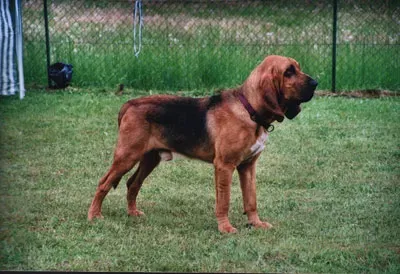
The Bloodhound was bred to trail deer and boar and needed to be able to think for himself while on the hunt, and this independent attitude can make the Bloodhound rather disobedient today without the right training. Imagine having a sense of smell that’s a thousand times stronger than a human’s. Every walk would be like reading the most fascinating novel ever written, and someone keeps interrupting you to sit or stay.
Bloodhounds are hard to train because they are distracted by smells near and far, and they are gentle, easygoing dogs with strong persistence in following scent trails. Their nose basically runs their entire life, and your commands are just background noise when they’re locked onto an interesting scent. Training requires endless patience and understanding that this breed’s stubbornness is really just extreme focus on what matters most to them.
5. Beagle: The Nose with Legs
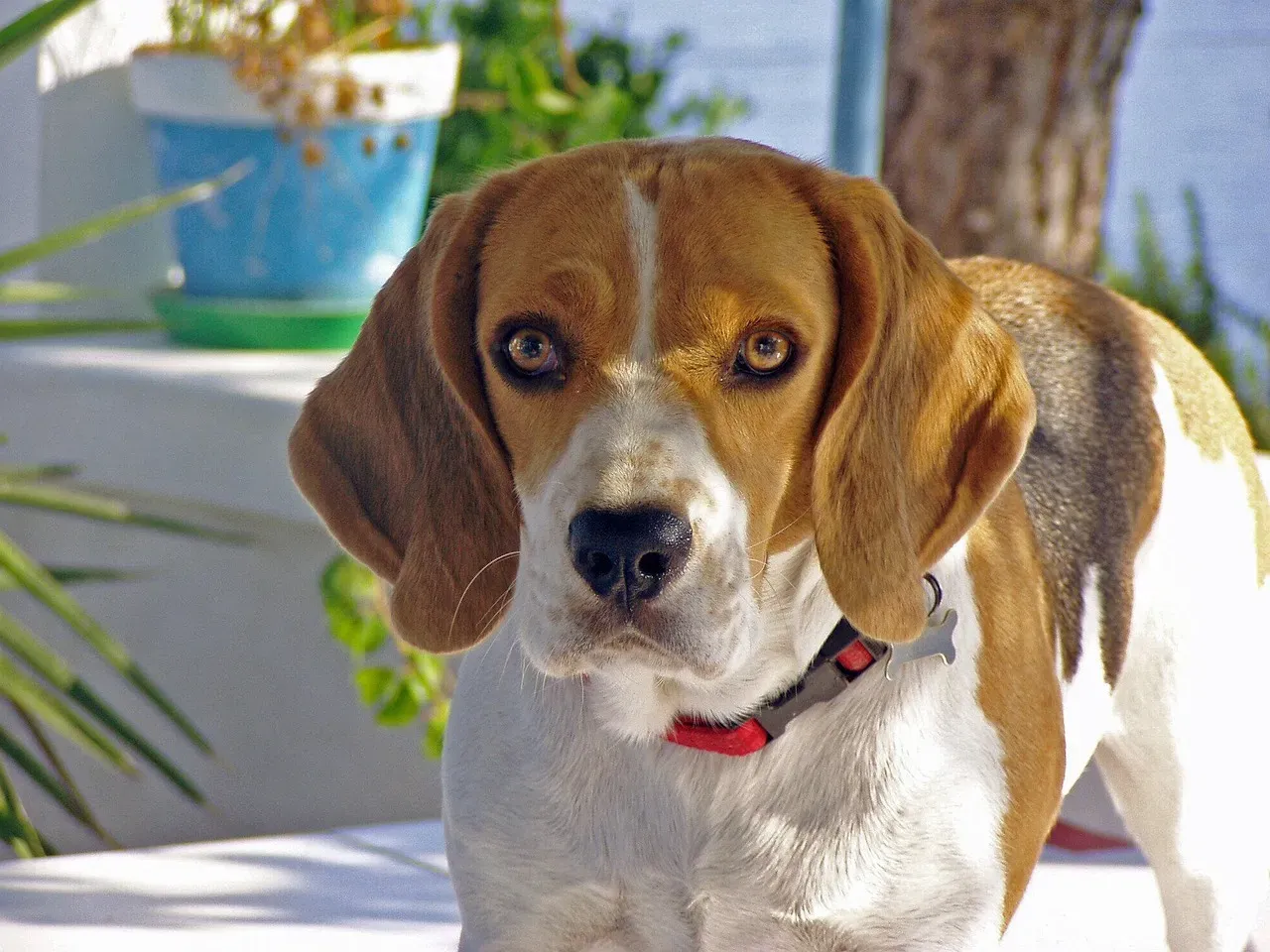
Beagles were bred to follow their nose all day in pursuit of small game, so getting them to listen to commands instead of their nose can be challenging, and their stubbornness and need to follow their nose requires creativity to train them. These lovable hounds with their soulful eyes and floppy ears might look innocent, but they’re single-minded when a scent catches their attention.
The thing about Beagles is they’re incredibly food motivated, which can work in your favor during training. However, that same food obsession means they’ll ignore your recall command if they catch wind of something delicious. They’re not trying to be difficult, they’re just hardwired to hunt, and that instinct is incredibly strong. Keeping training sessions engaging and using high-value treats can help maintain their fleeting attention.
6. Siberian Husky: The Independent Thinker
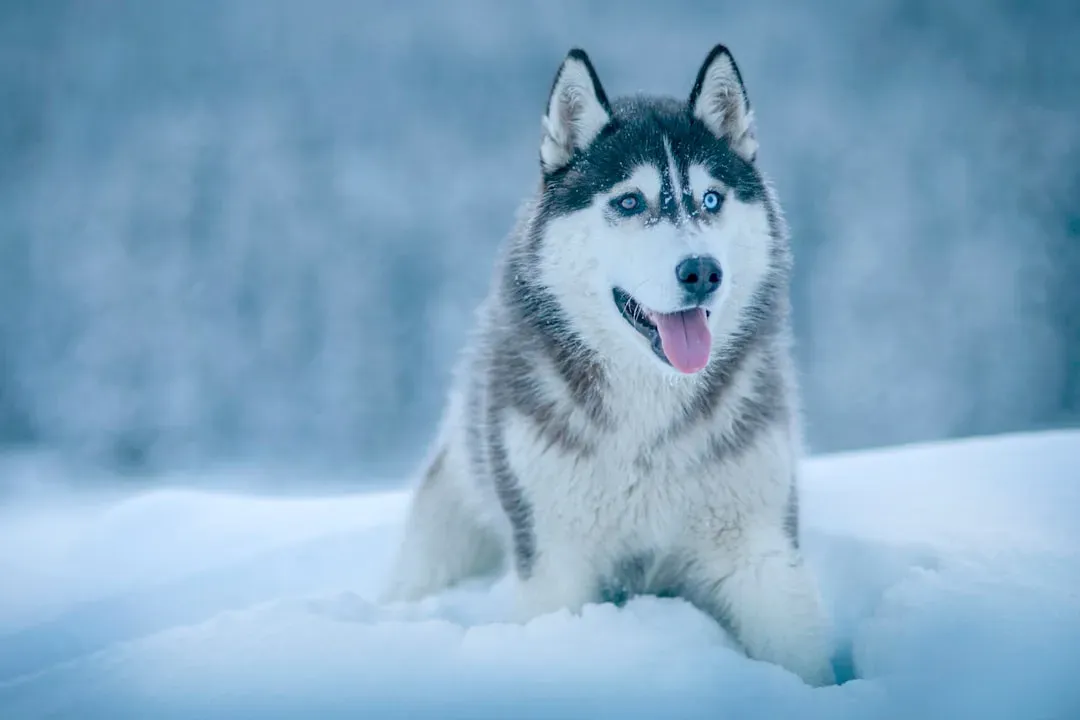
Siberian huskies were bred to think independently, which can make them less responsive to traditional training methods. These gorgeous, wolf-like dogs with piercing blue eyes were designed to make decisions on the fly while pulling sleds across frozen tundra. If the musher gave a dangerous command, the dogs needed the intelligence to override it.
They were bred to be independent, as this ensured a mushing group of huskies would ignore commands if the terrain was deemed unsafe, and all these years later, that independence means they have a stubborn streak when it comes to listening to commands. They’re also notorious escape artists with boundless energy. Without adequate exercise, they become destructive, and honestly, who can blame them? These dogs need jobs to do and miles to run.
7. Bulldog: The Lovable Couch Potato
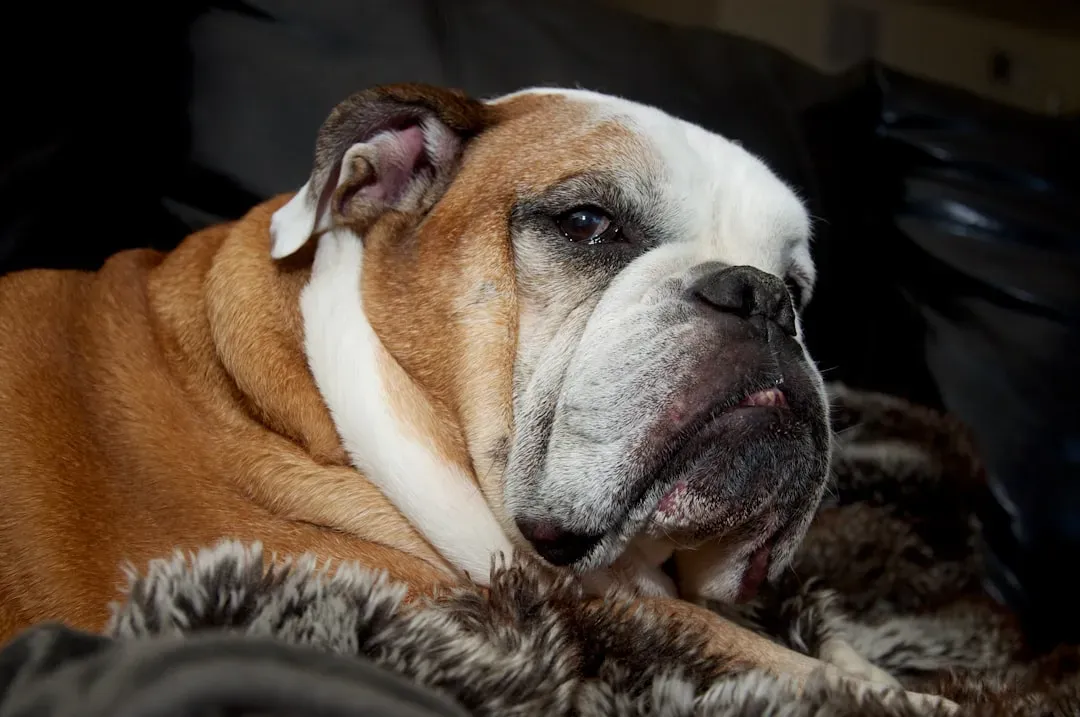
The Bulldog may look a bit intimidating initially, but this breed is affectionate and gentle, and despite their muscular nature, these dogs can also be quite lazy, and while they enjoy a bit of activity, they’d much rather curl up in your lap, which can make training them a lot of work. Here’s the thing: Bulldogs aren’t defiant so much as they’re… unmotivated.
Their stubbornness combined with their preference for napping makes training sessions feel like trying to convince a teenager to get out of bed on a Saturday morning. One reason the breed appears so high on this list may be its famed laziness, as it prefers curling up on the couch rather than running around. Short, positive training sessions with plenty of treats work best. Never yell at a Bulldog; they’re sensitive souls beneath that tough exterior.
8. Dachshund: The Tenacious Hunter

Dachshunds were bred to hunt badgers, rabbits, foxes, and even boar, and they are brave, independent, and stubborn, and are notoriously difficult to train and housebreak. These little sausage dogs have the heart of a lion and the stubbornness of a mule. They were literally bred to crawl into badger dens, which takes serious courage and determination.
That same tenacity makes them challenging students. An extremely smart breed, the Dachshund was initially bred to hunt badgers, leading them to be independent thinkers who are used to making decisions on their own, so they can be a bit of a handful during training, and it’s also easy for them to get distracted, leading to ignored commands. They’re sensitive to negativity, so harsh corrections will backfire spectacularly. Keep sessions short and varied to hold their wandering attention.
9. Shih Tzu: The Royal Lapdog
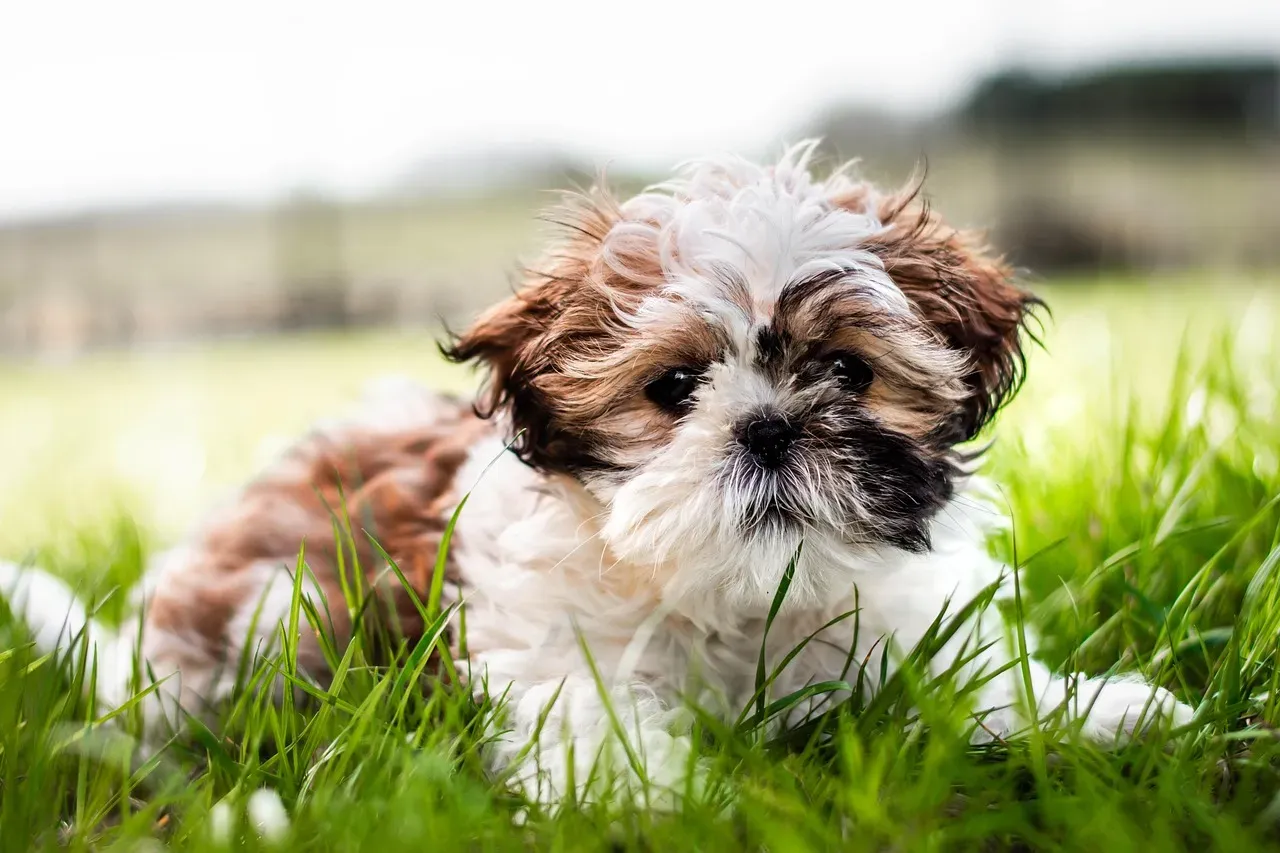
Their name “Shih Tzu” means lion, but they are really loving dogs, and the outspoken and highly intelligent lapdogs are on this list because they often train their owners instead of the other way around. These fluffy little companions were bred to be pampered pets of Chinese royalty, and they haven’t forgotten their noble heritage.
This breed can be strong-willed, which may make training a test of patience. They’re affectionate and loving, absolutely, but they also have their own ideas about how things should go. Training a Shih Tzu often feels less like teaching and more like negotiating with a very small, very hairy diplomat who knows they’re adorable and isn’t afraid to use it.
10. Pekingese: The Imperial Companion
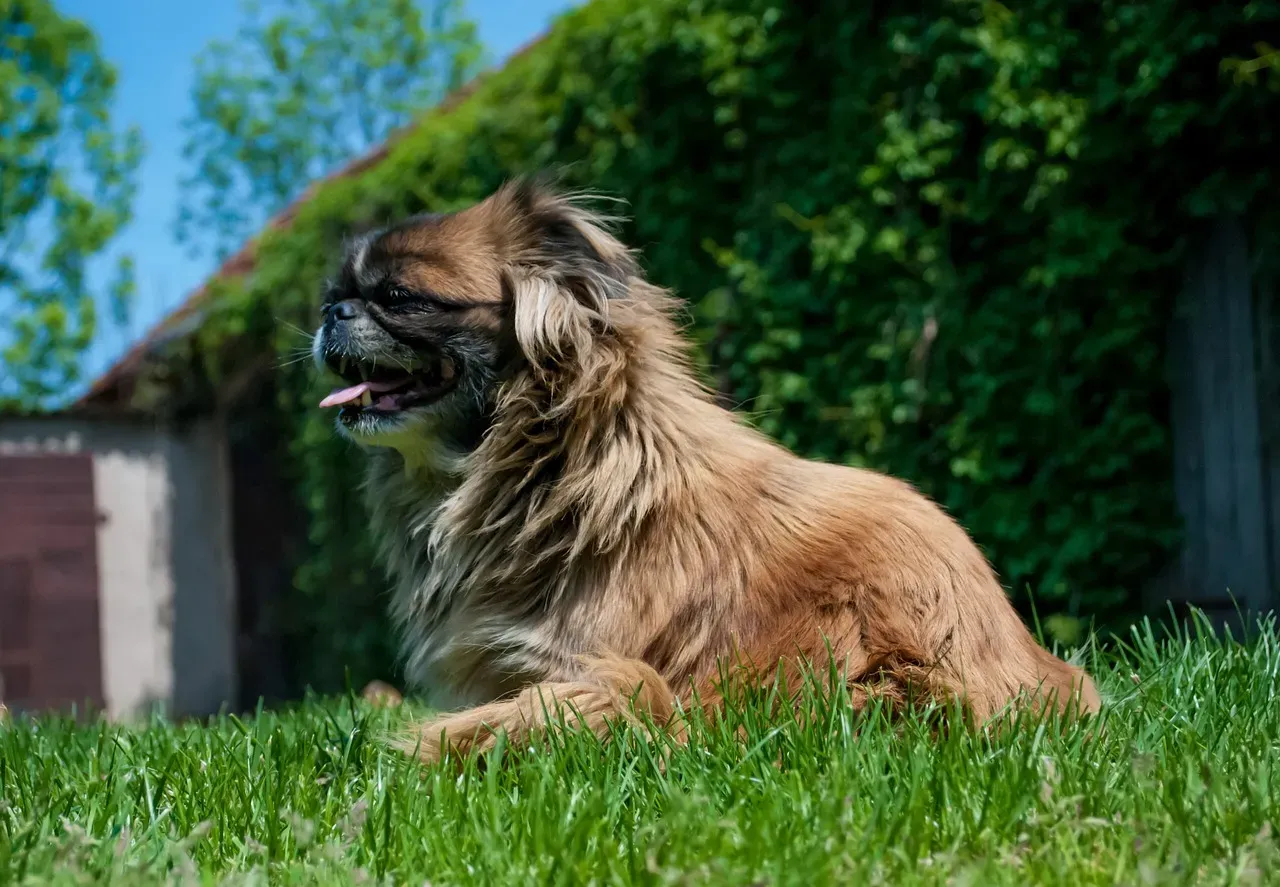
Bred as a lap dog for the royals of China, the Pekingese was never meant to carry out an obedience drill or an agility course, and they have an air of self-importance that makes them believe you are their royal subject rather than vice versa, which can make training them quite the challenge. These dogs look at you like you should be grateful for their presence.
Their regal demeanor isn’t just for show. Pekingese genuinely seem to believe they’re above mundane tasks like sitting on command. They’re intelligent and independent but also stubborn and sometimes aloof about training. Consistency and respect go a long way with this breed, though you might need to accept that they’ll always have a slightly superior attitude.
11. Jack Russell Terrier: The High-Energy Firecracker
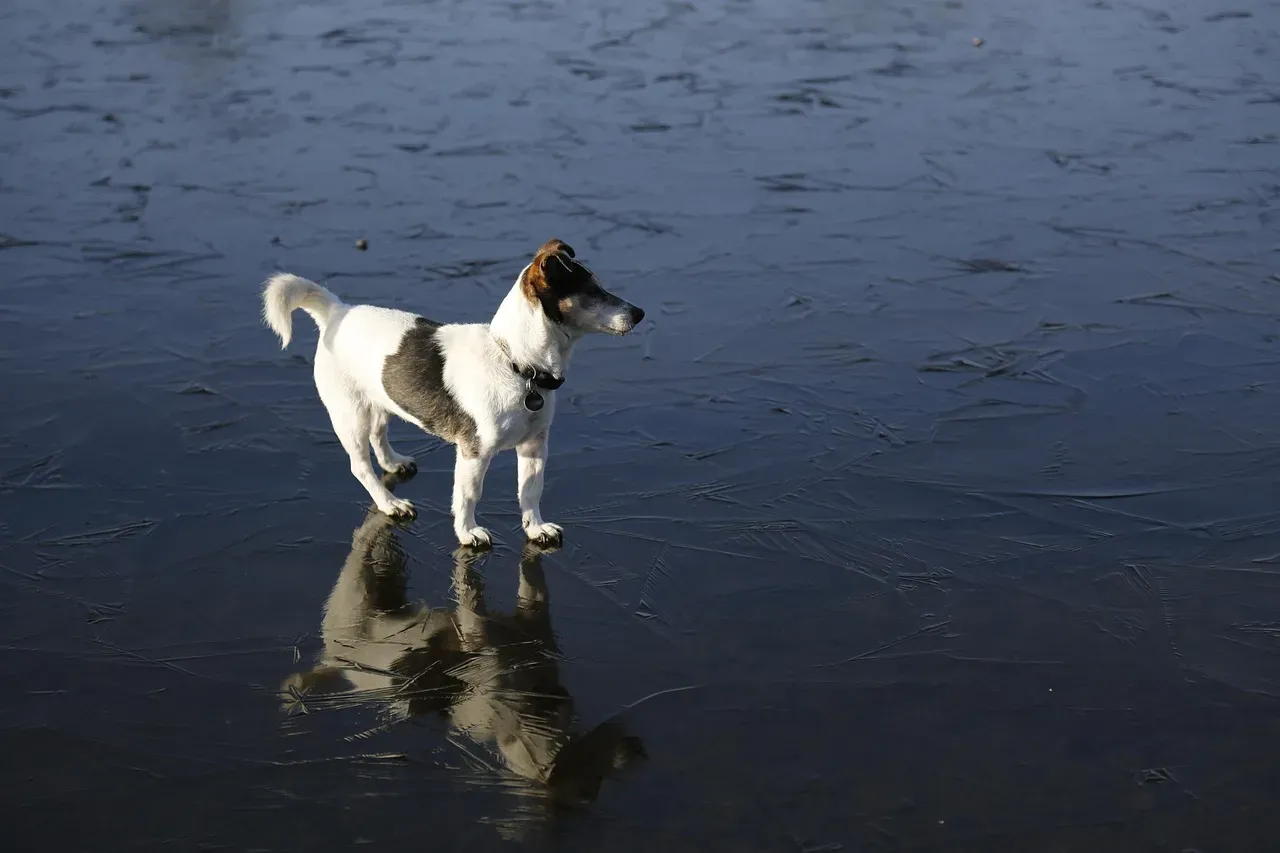
Jack Russell terriers are small, powerful dogs that were bred to be used in fox hunting, and they have a very high prey drive, which makes them one of the hardest dogs to train. These compact bundles of energy are like little rockets with fur. They’re incredibly intelligent, which sounds like a good thing until you realize they use that intelligence to outsmart you.
Their prey drive is so intense that once they lock onto a target, good luck getting their attention back. They need constant mental and physical stimulation, and boredom quickly leads to mischief. Training a Jack Russell requires creativity, patience, and honestly, a good sense of humor. They’re not trying to be difficult, they’re just wired to chase, dig, and explore with relentless enthusiasm.
12. Basset Hound: The Stubborn Sniffer
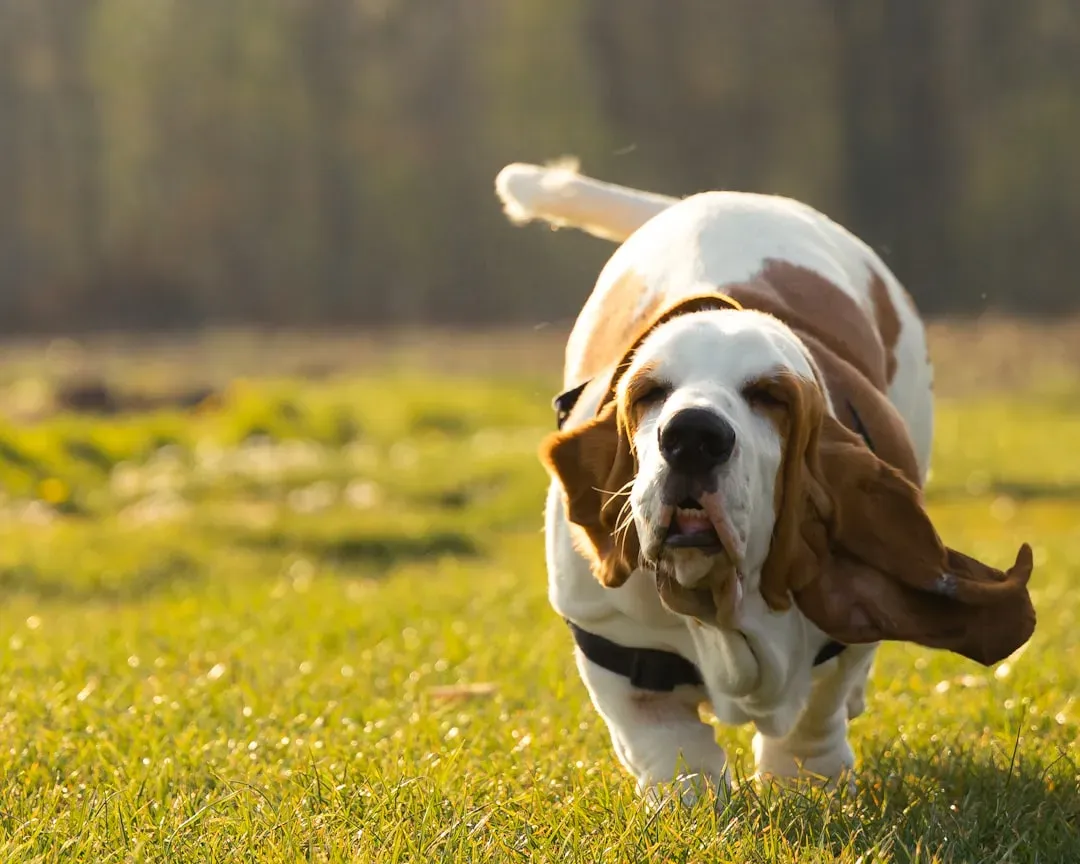
Although mellow, adorable, and charming, the Basset Hound is amongst the hardest breeds to train, and they were bred to follow a scent tirelessly without distraction, and are incredibly independent, and they can also be stubborn, and their tendency to ignore everything but the scent means that it’s difficult to convince them to listen to commands. Those droopy eyes and floppy ears might melt your heart, but don’t let that fool you.
Basset Hounds follow their nose above all else, and everything else is just noise. Bassets are rather intelligent dogs and often just refuse to cooperate when faced with excessive repetition, meaning this breed may frustrate owners while training. They’re smart enough to understand what you want, they just don’t see why they should care. Using smelly, delicious treats helps keep their focus on you instead of whatever fascinating scent is wafting by.
13. Akita: The Proud Protector
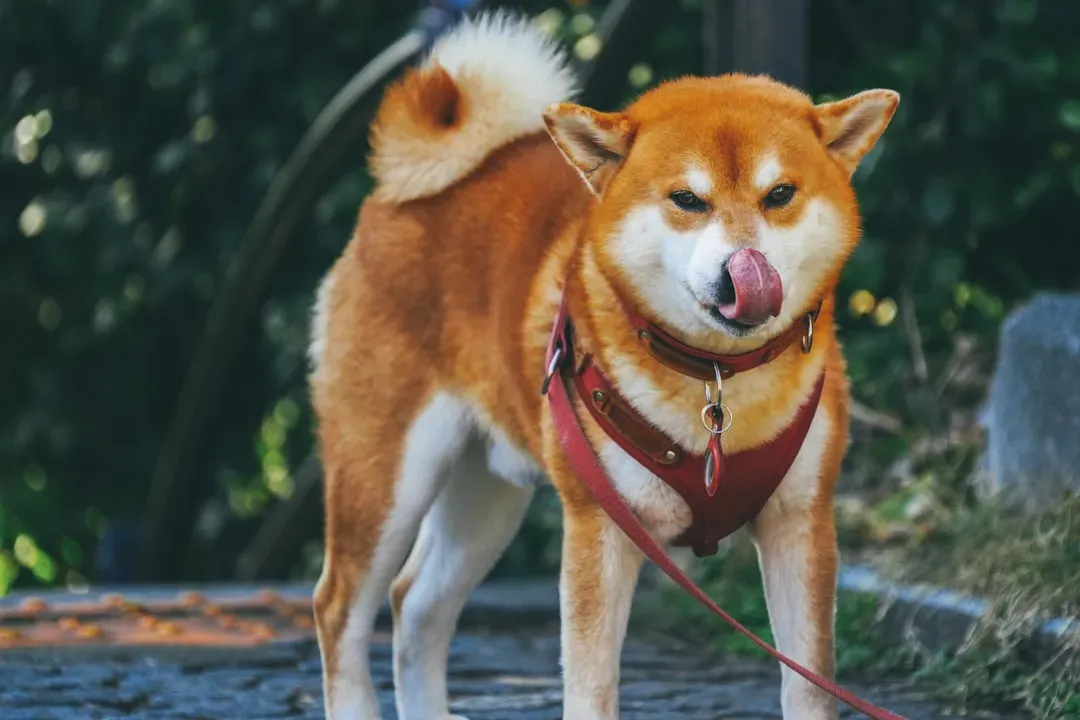
The Japanese descended Akita is also an intelligent breed, and the Akita was bred as a hunting dog in its native Japan. These powerful, dignified dogs have a strong sense of loyalty to their family but can be aloof with strangers. Their independence and confidence mean they don’t automatically defer to human authority.
Akitas need early socialization and consistent, firm training from someone they respect. They’re not the type to endlessly repeat commands just to please you. Without proper leadership, they’ll assume the role themselves. They’re intelligent and capable of learning, but they need a reason to obey that makes sense to them. It’s not defiance, it’s just their nature as independent guardians.
14. Welsh Terrier: The Spirited Hunter
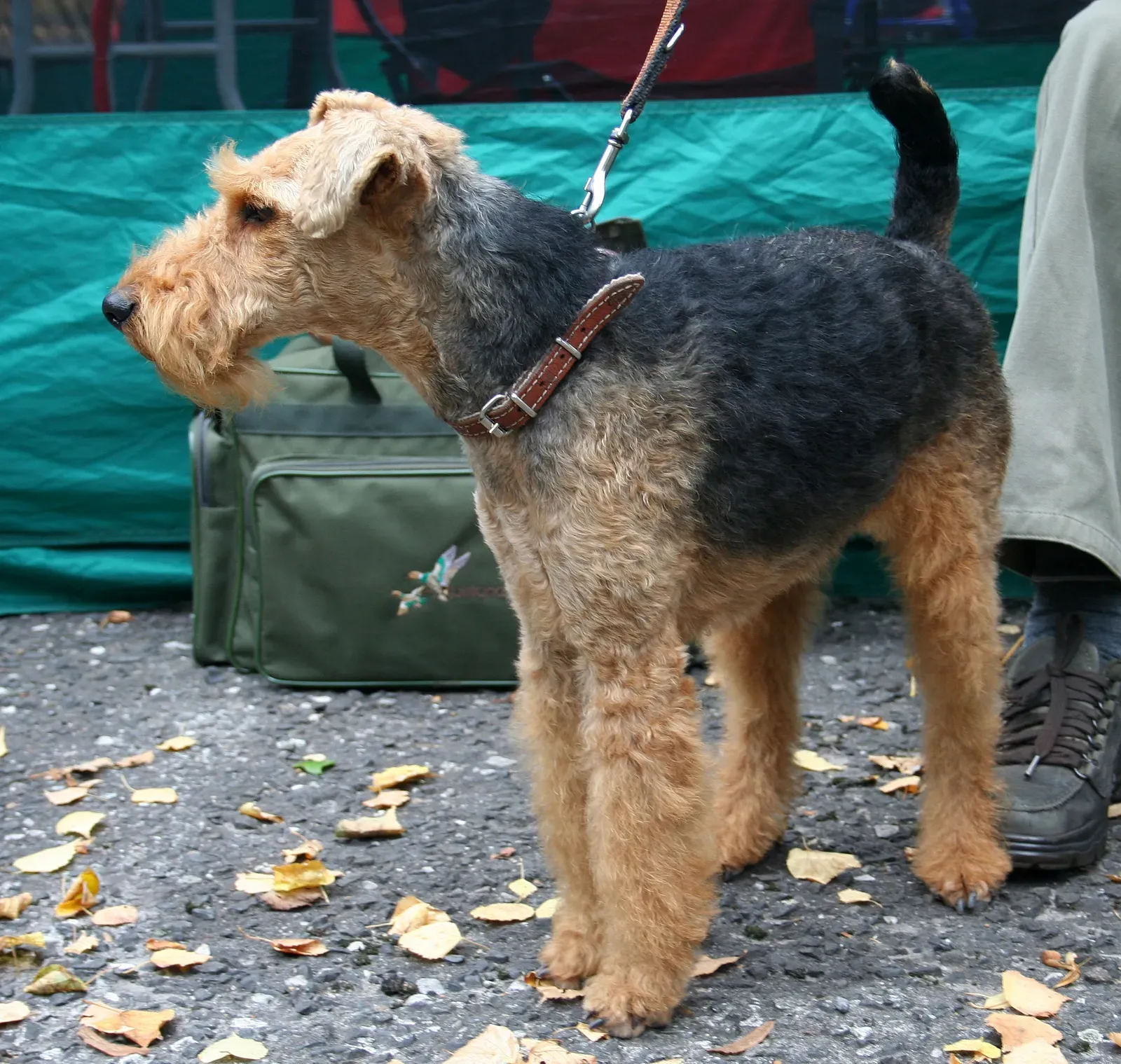
Terriers, such as the Welsh Terrier, possess a natural prey drive and energy that were beneficial in their roles as hunters but can lead to stubbornness and a tendency to be easily distracted during training sessions. These feisty little terriers were bred to hunt independently, thinking for themselves while tracking prey underground and above.
This breed is energetic and spirited with a mind of its own, often requiring patience and creative training strategies to manage their strong-willed nature. They’re not being disobedient on purpose, they’re just following centuries of breeding that told them to make their own decisions. Training requires keeping things interesting and engaging, because a bored Welsh Terrier is a destructive Welsh Terrier.
Conclusion
Here’s the thing: being labeled as one of the least obedient breeds doesn’t make these dogs bad pets or impossible to train. It just means they require a different approach, more patience, and an understanding of what makes them tick. These independent, intelligent breeds were often developed for jobs that required thinking for themselves, and that trait hasn’t disappeared just because they’re now family companions rather than working dogs.
With consistency, positive reinforcement, and respect for their unique personalities, even the most stubborn dog can learn. The secret is working with their instincts rather than against them. So what do you think? Would you take on the challenge of training one of these independent spirits, or do you prefer a dog who’s eager to please? Either way, remember that every dog deserves patience and understanding.

- 12 Common Mistakes Pet Owners Make That Can Harm Their Beloved Animals - July 19, 2026
- Why Mangroves Are Vital to Florida’s Coast - July 19, 2026
- How Did Reindeer Become a Symbol of Christmas? - July 19, 2026