

Most gardeners think the planting window closes once spring fades. You get your tomatoes in, maybe some peppers, and then you wait. But the truth is that summer opens up an entirely different chapter in the garden, one most people never fully take advantage of.
Summer is the height of the growing season when the vegetable garden really comes into its own. While some vegetables like broccoli, spinach, and cauliflower prefer the cooler temperatures of spring and fall, others actually need hotter weather to thrive. As spring crops are harvested, those empty gaps in the garden will only fill up with weeds unless you break out the seeds and fill in every open spot. Whether you’re a first-time gardener or someone who’s been digging in the dirt for years, here are the thirteen best vegetables that belong in your summer garden right now.
#1 Tomatoes
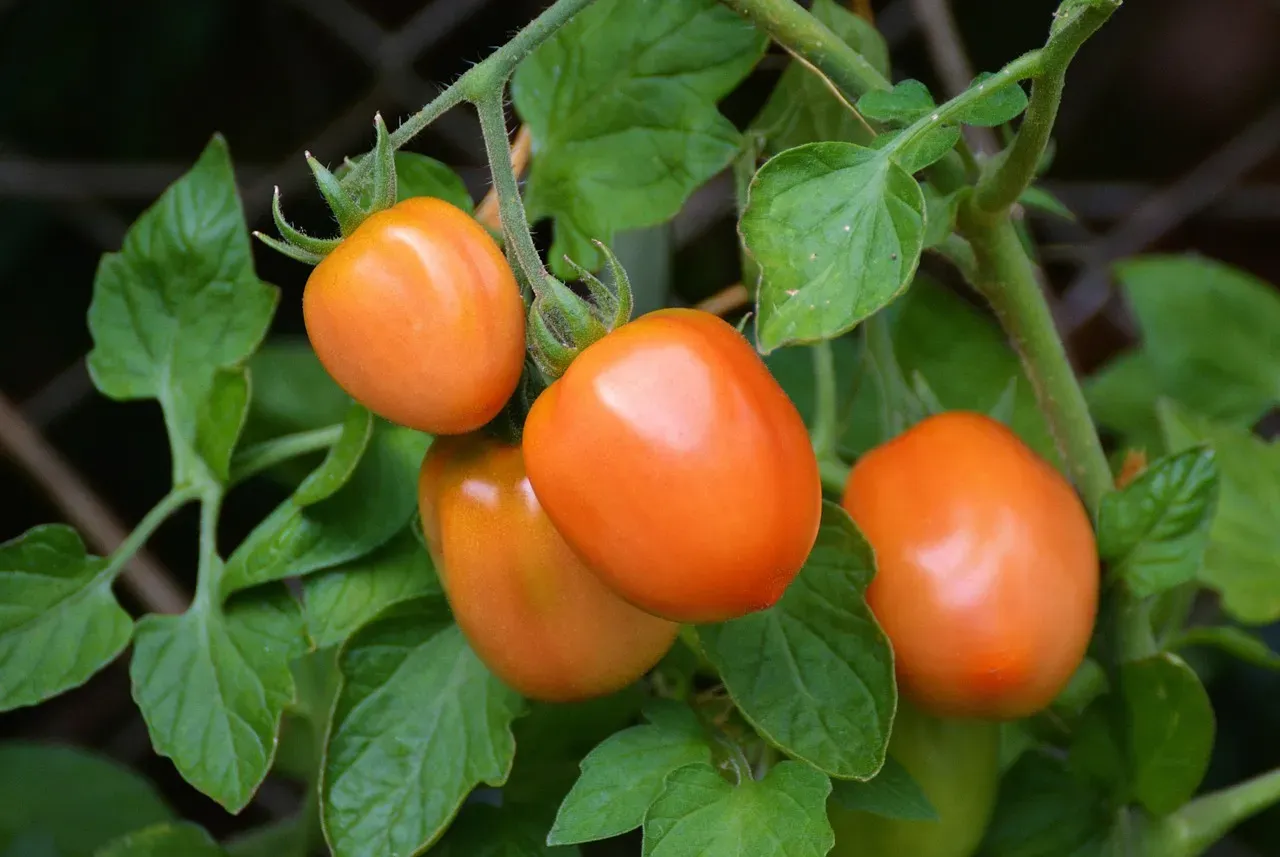
It’s hard to beat the taste of fresh homegrown tomatoes. These beloved vegetables require several months of warm summer weather to produce a bountiful harvest, and they’re heavy feeders that need rich soil and fertilizer to truly thrive. The difference between a store-bought tomato and one you pulled off the vine an hour before dinner is almost embarrassing.
Choose a site that receives full sun and provide regular water and supplemental fertilizer for the highest yields. Wait to transplant outdoors until nighttime temperatures are at least 55 degrees Fahrenheit. Installing a drip system to water at the roots and keeping foliage dry, along with mulching heavily to maintain soil moisture and reduce weeds, will make a real difference in your final harvest.
#2 Cucumbers
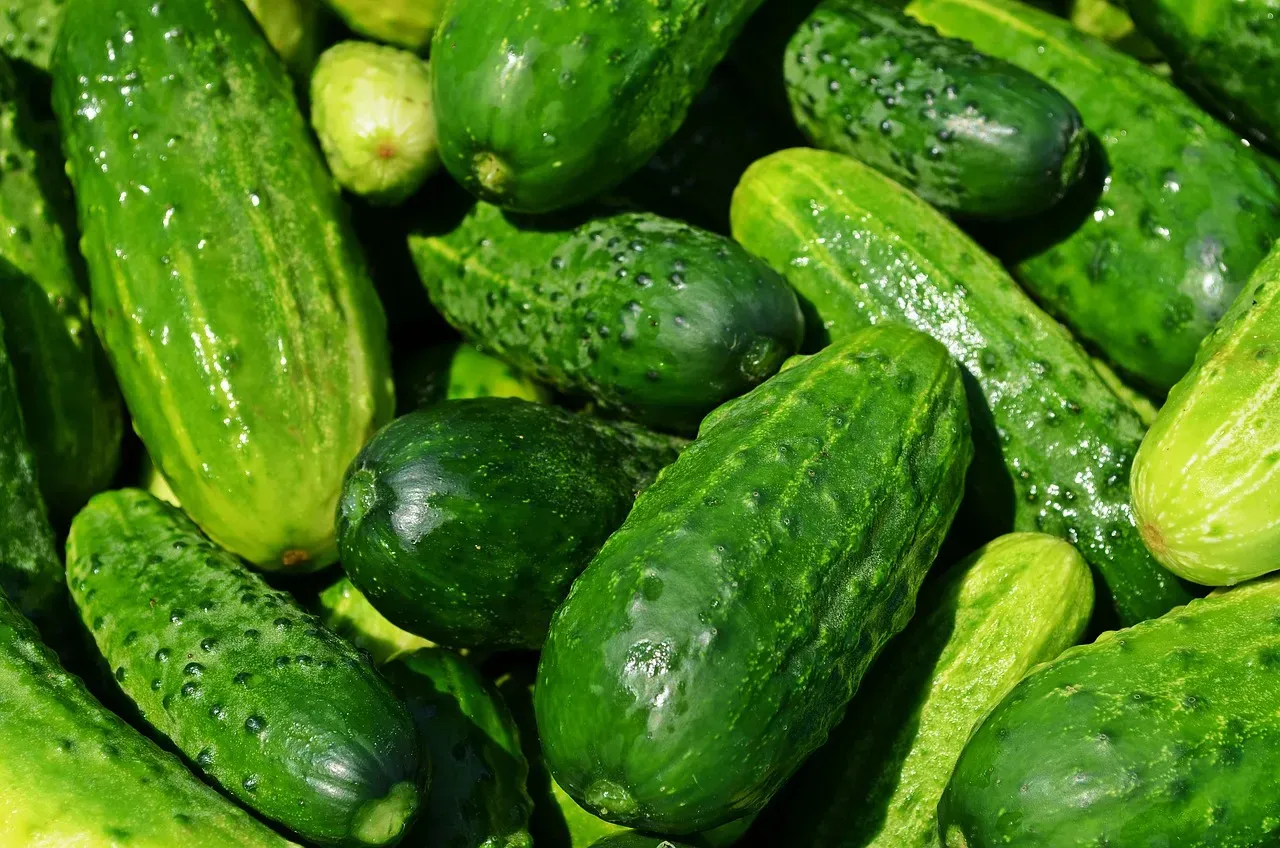
Cucumbers are one of the most popular warm-season vegetables among gardeners. They love full sun, and their seeds can germinate and sprout in as little as three days in hot summer months. That speed alone makes them deeply satisfying to grow, especially for newer gardeners who want quick results.
Cucumbers are by far the most natural full-sun vegetables to grow . With a full-sun exposure threshold of at least eight hours a day, you don’t have to stress over any form of artificial shade. Harvest often. The more you harvest, the healthier and more productive your plants become. It’s one of those crops where ignoring them for a week backfires spectacularly.
#3 Bell Peppers
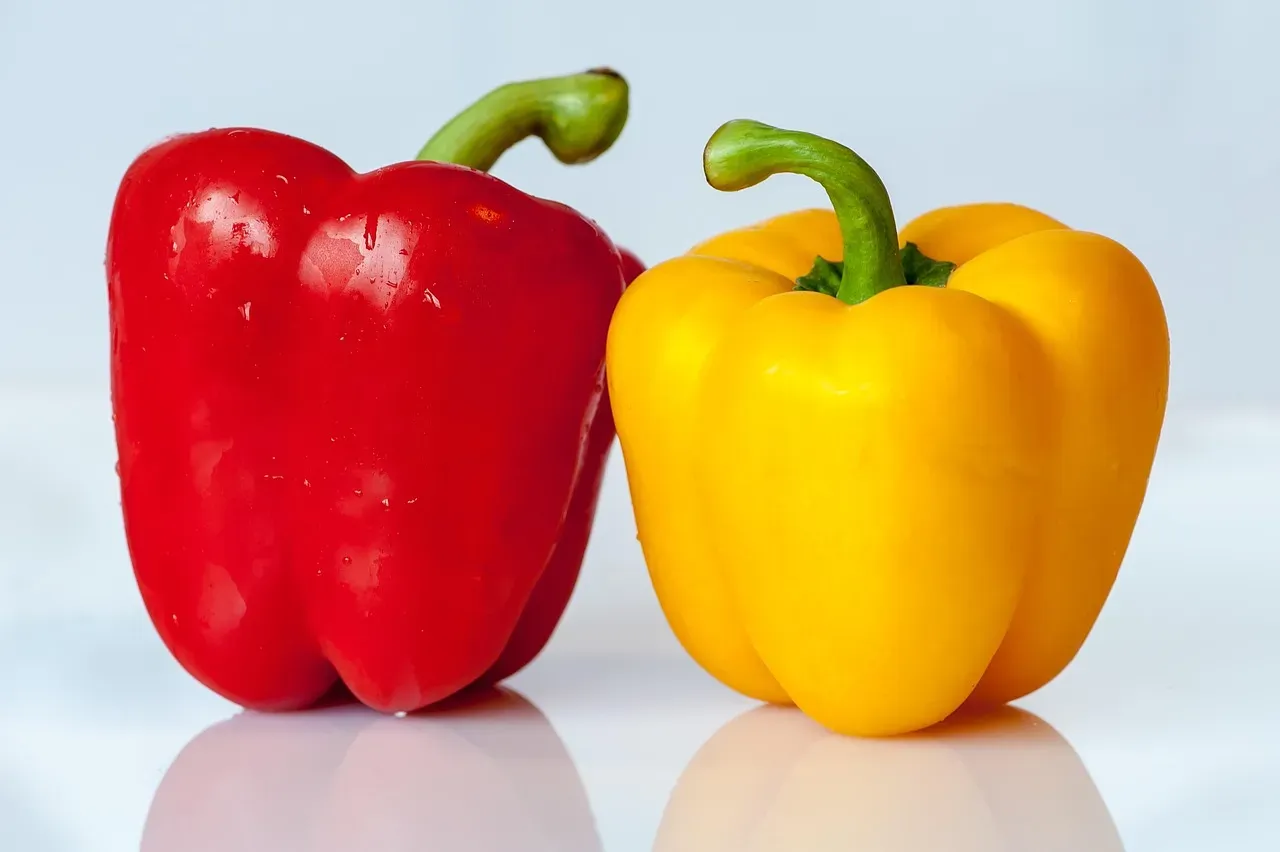
This versatile warm weather vegetable comes in hundreds of different varieties, from mild to intensely hot, to suit every taste. Because of the long growing time, plants will need to be started indoors or purchased as nursery starts, and you should wait to plant outdoors until nighttime temperatures are consistently 60 degrees Fahrenheit or above.
Peppers thrive in a sunny site with rich, well-draining soil. Add an all-purpose fertilizer formulated for vegetables to the soil at the time of planting and keep plants evenly moist. Plants will also need staking or caging to keep from bending over or breaking from the weight of the fruit. With the right setup, a single pepper plant can reward you generously all the way through early fall.
#4 Zucchini and Summer Squash
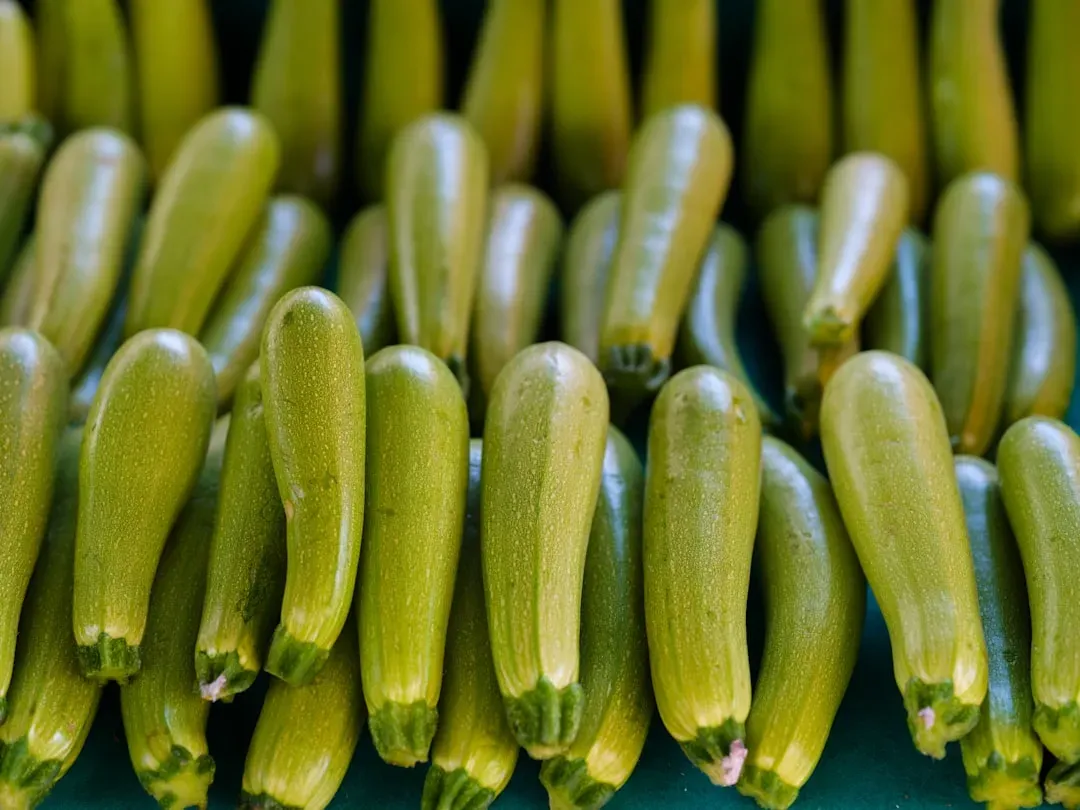
Unlike winter squash, these heat-loving vegetables don’t store well and are best eaten fresh. Types include green and yellow zucchini, crookneck, straightneck, pattypan, and zephyr. Choose a sunny site with rich, well-draining soil, and direct sow seeds when soil temperature reaches 70 degrees Fahrenheit. Plants need roughly one to two inches of water per week.
Squash are monoecious, meaning male and female flowers grow separately on the same plant, and they need insect pollination to set fruit. Plant bee-attracting flowers nearby for better pollinator traffic, and harvest summer squash every three to four days to keep plants productive and avoid oversized fruit. If you turn your back on zucchini for even a few days in peak summer, you’ll come back to something closer to a baseball bat than a vegetable.
#5 Bush Beans
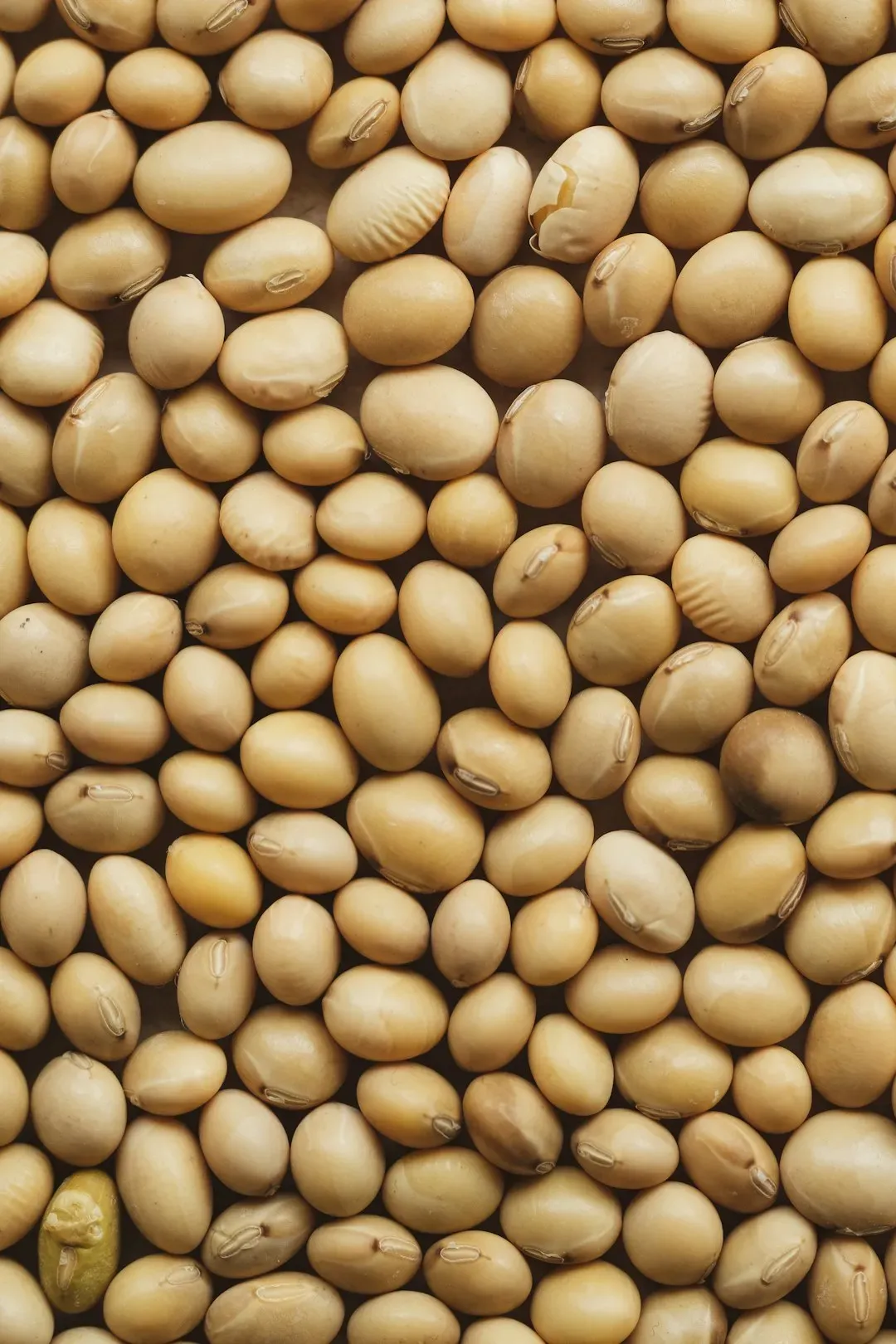
Bush beans are perfect for early to midsummer planting. Many varieties mature in 50 to 60 days and will supply you with tender new beans until frost takes them out in the fall. That’s a genuinely fast turnaround for something so satisfying fresh off the plant.
Pick every other day when the beans begin bearing to make sure they produce to their full potential. Healthy bush bean plants will often rebloom and produce a second and even third flush of beans when plants are happy. Green beans are another heat-loving crop that does well and needs full sun to reach full glory. They’re easy to grow from seeds and seedlings and quick to mature. Consider planting bush varieties directly into the garden if you have limited space.
#6 Eggplant
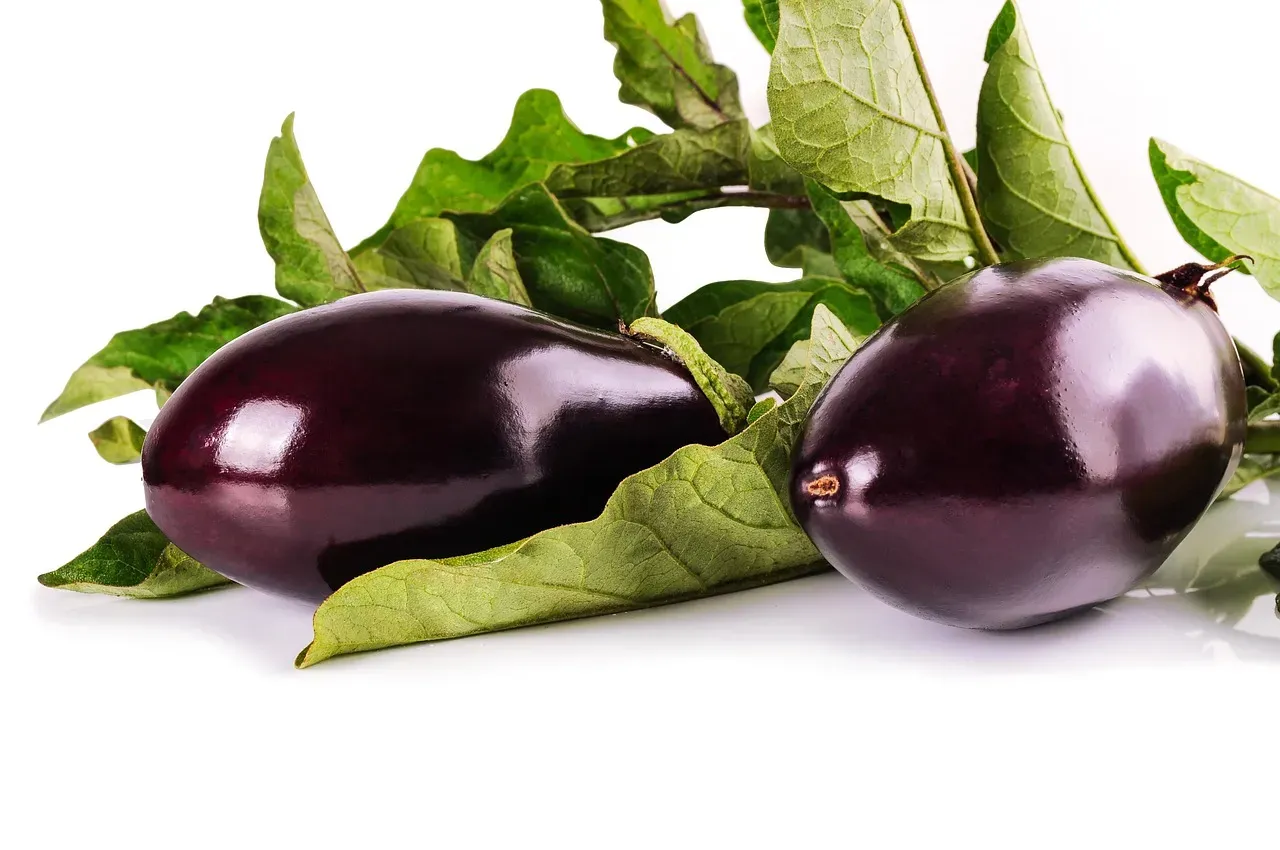
Eggplants love it when the soil warms up to 80 to 90 degrees Fahrenheit and nights are above 70 degrees. They’re native to Southeast Asia and India, where eggplant forms the basis of many delicious recipes. That tropical heritage tells you everything you need to know: this is a crop that genuinely craves heat and rewards you for giving it exactly that.
Eggplant flourishes when the sun is strong and temperatures are high, continues producing through heat waves that halt other crops, and offers real nutritional value, being rich in fiber, vitamins, and antioxidants. Once established, these plants require minimal fuss, making them ideal for busy gardeners. While eggplants do better in some climates than others, they’re perfect full-sun summer vegetables with an early spring through late fall harvest window.
#7 Okra
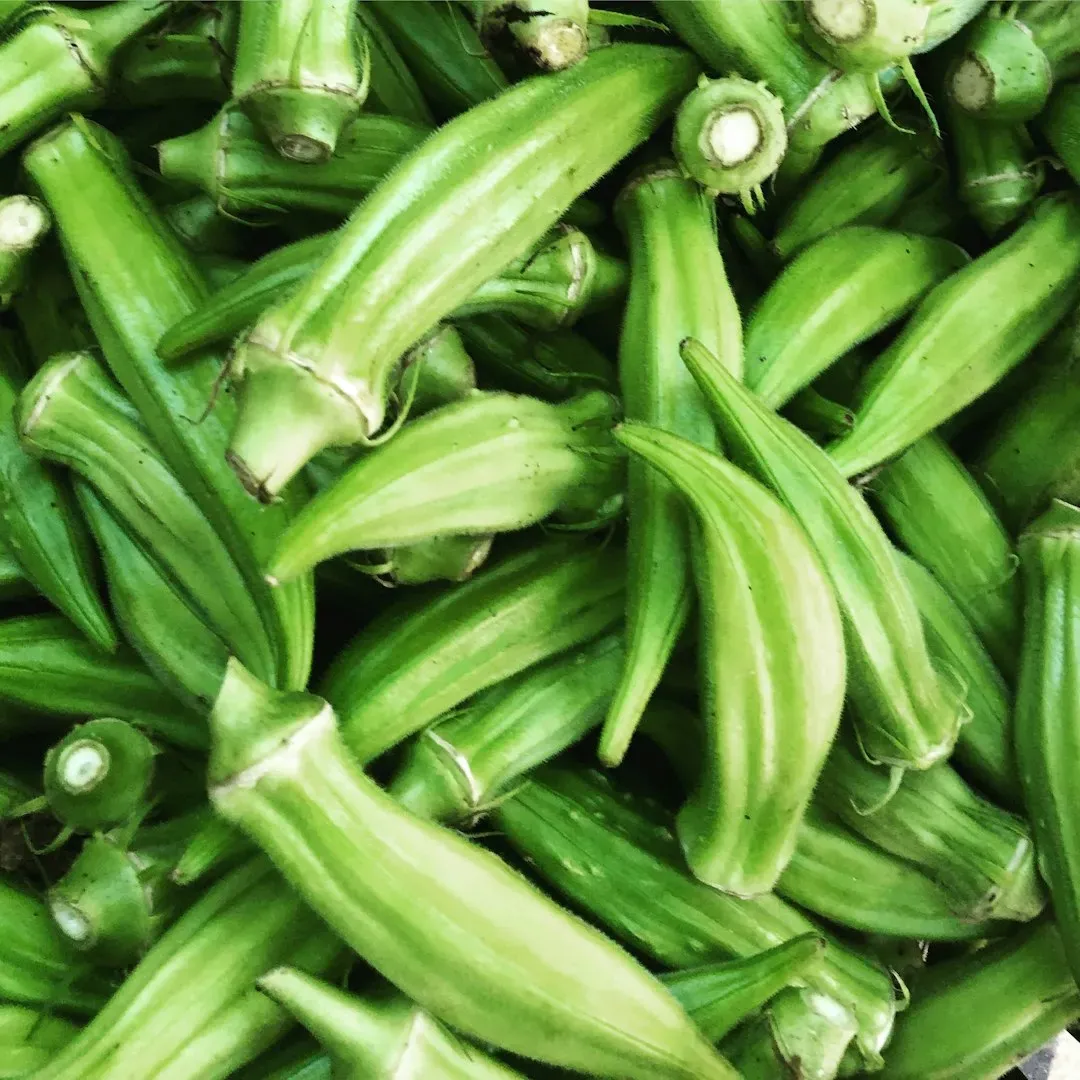
Okra, also known as lady’s finger, is a hot-weather vegetable that grows best in hot and dry conditions. It’s easy to grow and super delicious when harvested before it becomes woody. Okra is so heat tolerant that it has become a staple in Southern cuisine. The fact that it keeps producing through conditions that would flatten most other crops makes it enormously practical.
As the plant matures, harvest young pods when they are two to three inches long. Pods are usually ready for harvesting within ten days of flowering. Use garden scissors to clip immature pods every other day to encourage continued crop production. While okra can tolerate drought conditions, the plant produces the highest yields when provided with a minimum of one inch of water per week.
#8 Sweet Potatoes
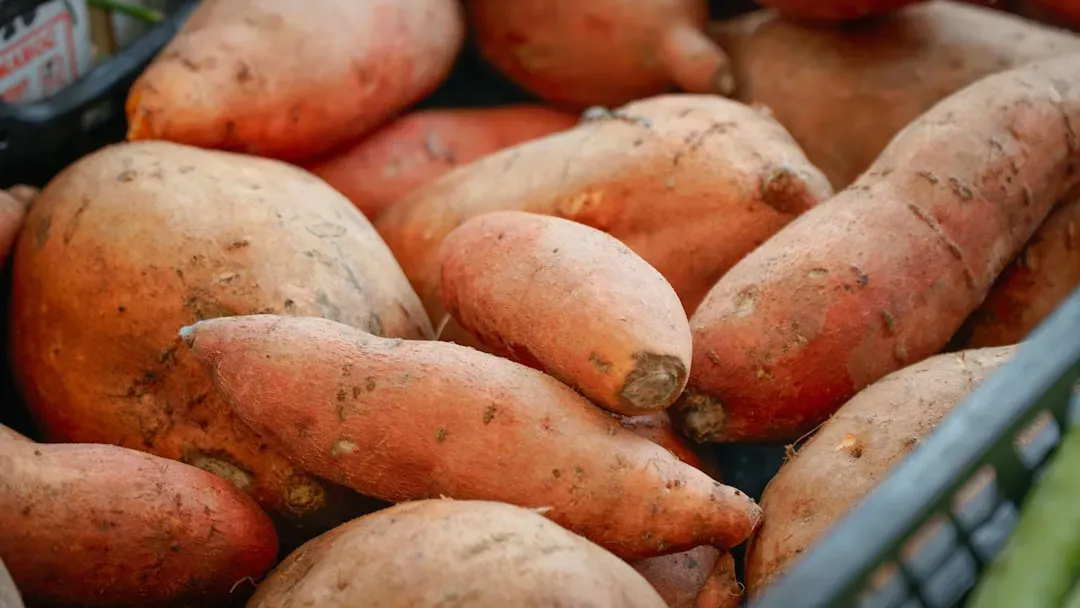
Sweet potatoes are one of the most heat-loving vegetables you can plant in your garden. They’re beloved for their delicious flavor and nutritional richness. Sweet potatoes are another tropical plant that’s popular in the South and becoming a favorite with northern gardeners too. The plants like the heat as long as they have even moisture, and you should harvest before soil temperatures drop below 55 degrees Fahrenheit.
Sweet potatoes are grown from transplants called slips, which are small pieces of rooted tubers. This summer vegetable will grow throughout the hot season until the first frost. They also require minimal cultivation once the vines spread across the garden, as they love hot weather but remain sensitive to cold. For anyone wanting a visually attractive groundcover that also feeds you come fall, sweet potatoes deserve serious consideration.
#9 Corn
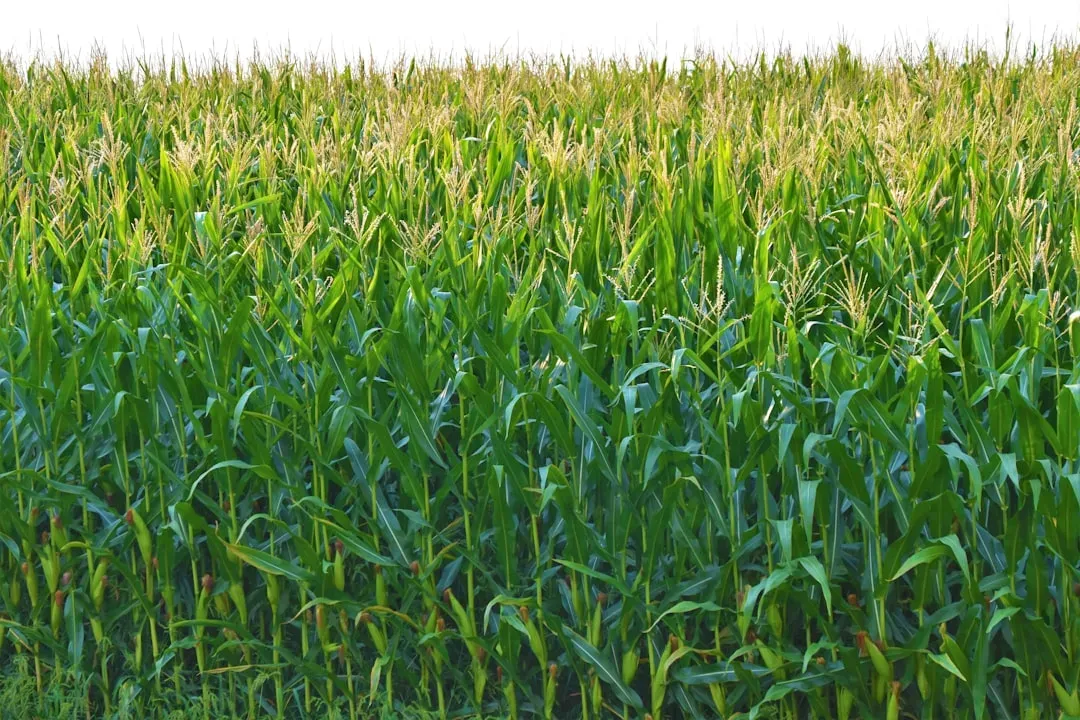
Vegetables that flourish under intense heat include corn among others, as these plants withstand higher temperatures, typically between 75 and 95 degrees Fahrenheit, and grow vigorously in full sunlight. Corn is one of those summer crops that feels almost primal to grow, tall stalks, rustling leaves, and ears that seem to appear overnight when the heat is right.
Corn needs a block planting rather than a single row to pollinate properly. Wind carries the pollen from tassels to silks, and a solid block of at least four rows ensures far better pollination and fuller ears than a lone single row ever would. Most vegetables grown during summer, including corn, require consistent watering of roughly one inch per week. During very hot or dry periods, watering twice weekly supports steady growth, and watering in the early morning or late afternoon minimizes evaporation.
#10 Carrots
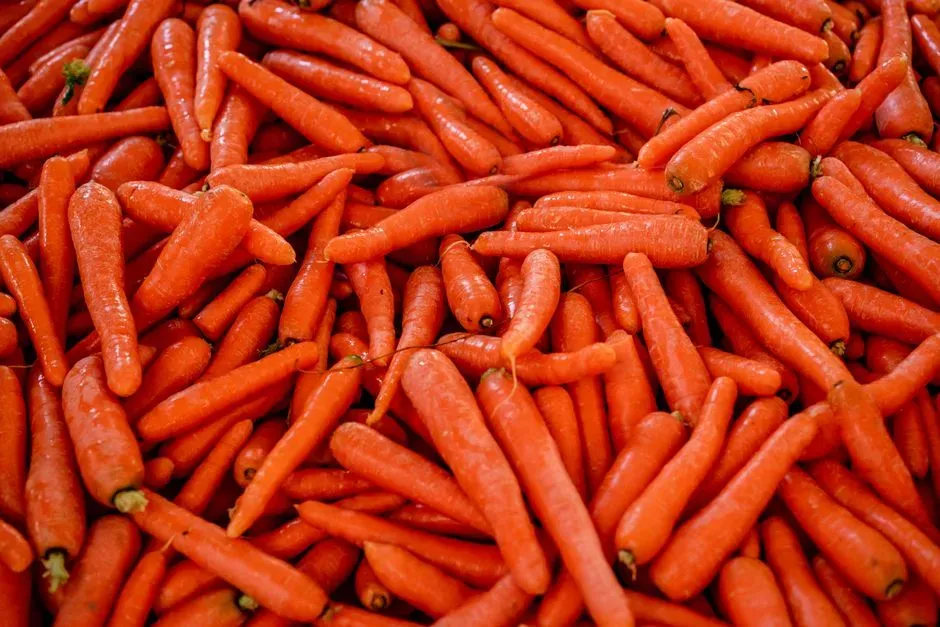
Carrots are one of the most widespread vegetables for summer planting. When grown correctly, they provide sweet, crunchy roots that are perfect for salads, snacks, and cooking. The surprise for many gardeners is that a carrot sown mid-summer, when the soil is warm, can actually be sweeter than a spring carrot, because cooler nights later in the season convert some of the plant’s starches into sugars.
Carrot seeds can be difficult to germinate in dry weather, so keeping the soil surface consistently moist in the days after sowing is critical. Re-sowing crops like carrots every couple of weeks throughout the summer ensures a more continuous harvest rather than one large glut. Thin your seedlings to about three inches apart once they emerge, and the roots will develop with far more room and far better flavor.
#11 Kale
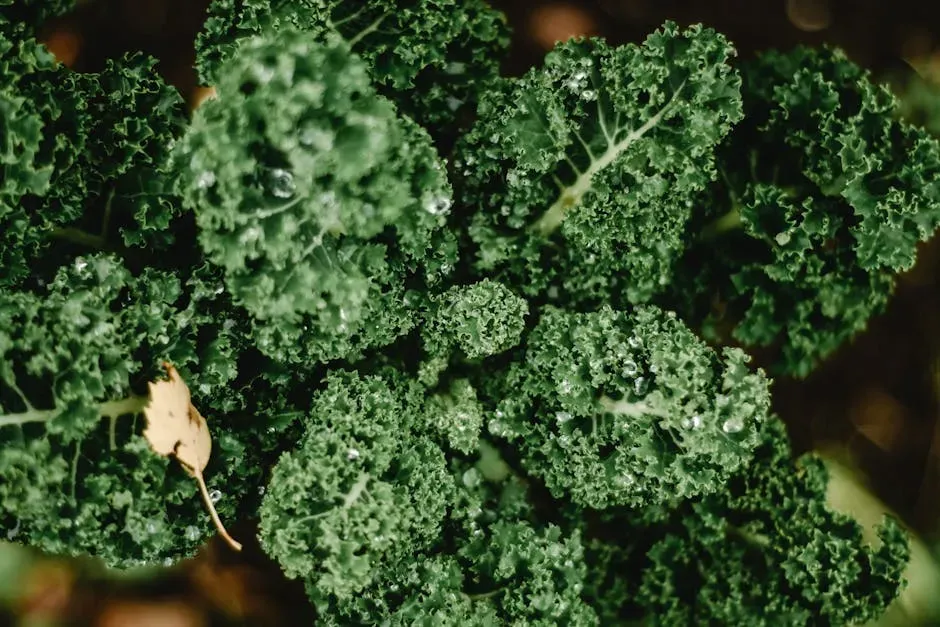
Kale is highly nutritious and packed with antioxidants, vitamins C, A, and K, as well as minerals like manganese and magnesium. It thrives in the summer heat and can be harvested multiple times throughout the season. Most people associate kale with cool weather, and while that’s partly true, starting it gives you a plant that will perform beautifully into autumn.
Sow kale in early to mid-summer for planting out later. Hardy and nutritious, kale thrives in cooler autumn weather but benefits from a summer head start. The leaves are also more tender and less bitter than those that have been through heavy frost. Pick outer leaves regularly and the center of the plant will keep pushing new growth for weeks longer than you’d expect.
#12 Onions
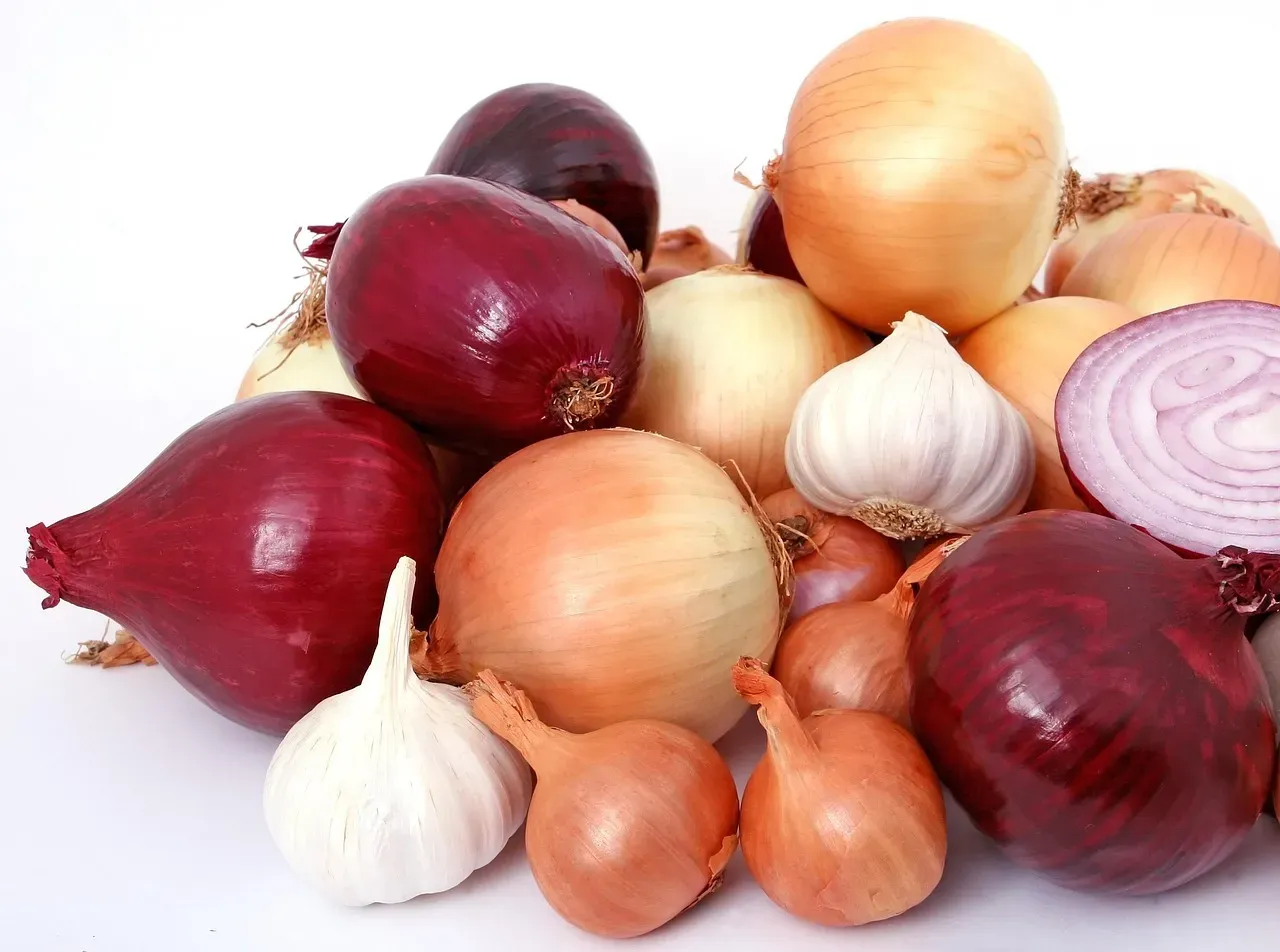
Onions are a reliable and easy summer vegetable to grow. If you plant them in early summer, you’ll get a harvest in late summer or early autumn. They require a warm, sunny spot with well-drained soil and minimal maintenance. For sheer kitchen utility, very few vegetables can compete with what a fresh homegrown onion adds to a meal.
You can grow onions from sets or seeds, and get a harvest when the tops start to yellow and fall over. Sets, which are small dried bulbs, tend to be the easier and more reliable choice for summer planting. It’s best to plant summer vegetables like onions when the soil temperature reaches a minimum of 65 degrees Fahrenheit, as germination rates improve considerably in warmer soil. They don’t demand much attention once they’re in the ground, which frees you up for the crops that do.
#13 Malabar Spinach
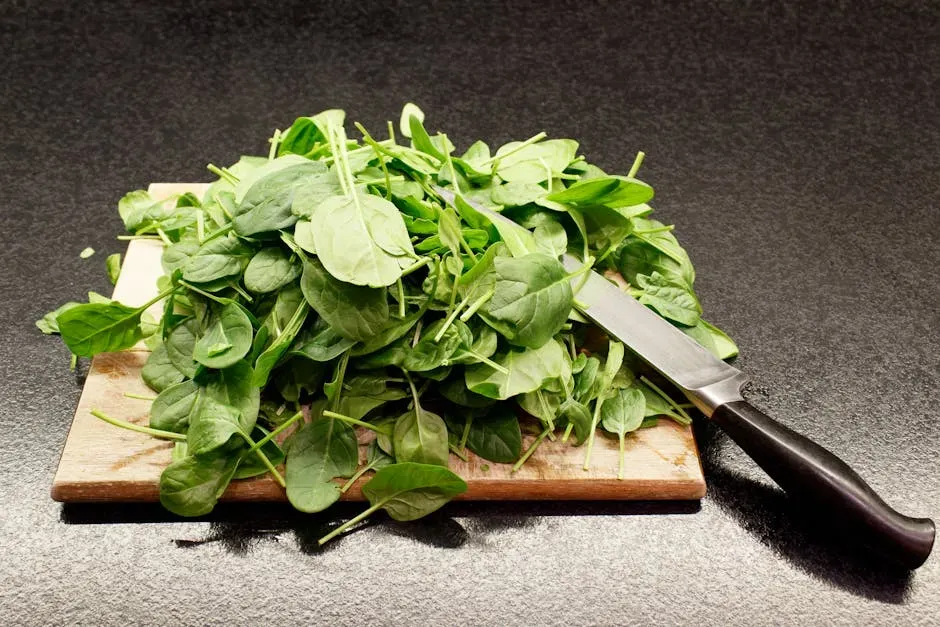
Malabar spinach is an Asian green that grows best when soil temperatures are above 80 degrees Fahrenheit and air temperature is in the 90s. It’s a climber, so plant it near a trellis or fence. It’s not actually related to spinach at all, but makes a great substitute , whether eaten raw or cooked. While regular spinach bolts and turns bitter the moment temperatures climb, Malabar thrives in those exact conditions.
New Zealand spinach is another excellent option for summer greens. Originally from Australia and New Zealand, it’s pretty much pest and disease free, along with being heat and drought tolerant. When cooked, it tastes just like spinach. Together, these two heat-tolerant greens solve a problem most gardeners quietly accept: that gap in the late summer where the leafy green section of the menu goes quiet. They fill it beautifully.
Making the Most of the Summer Garden
Fertilize summer-growing vegetables with a balanced, slow-release fertilizer before planting, then again midway through their growth cycle. A fertilizer ratio around 10-10-10 typically suits vegetable beds, promoting healthy foliage and abundant production. Good soil care is what separates a productive summer garden from a struggling one.
Pick crops early or late in the day. Produce will stay crisper, fresher, and more flavorful than vegetables harvested during the heat of the day. Some crops simply won’t have enough time to mature if planted too late, so always check the days to harvest on seed packets and count backwards from your local first frost date to be sure. That small bit of planning upfront pays off every single time you bring a basket in from the garden.
Summer gardening rewards the attentive. You don’t need a vast plot or years of experience. You need the right plants, a bit of consistent care, and the willingness to keep planting even after the spring enthusiasm fades. The garden doesn’t stop producing when you stop expecting it to.
