

Worried about unexpected vet bills?
Pet insurance can cover thousands in unexpected vet costs. Get a free quote from Lemonade in under 2 minutes.
Get My Free Quote →Sponsored · Opens Lemonade.com
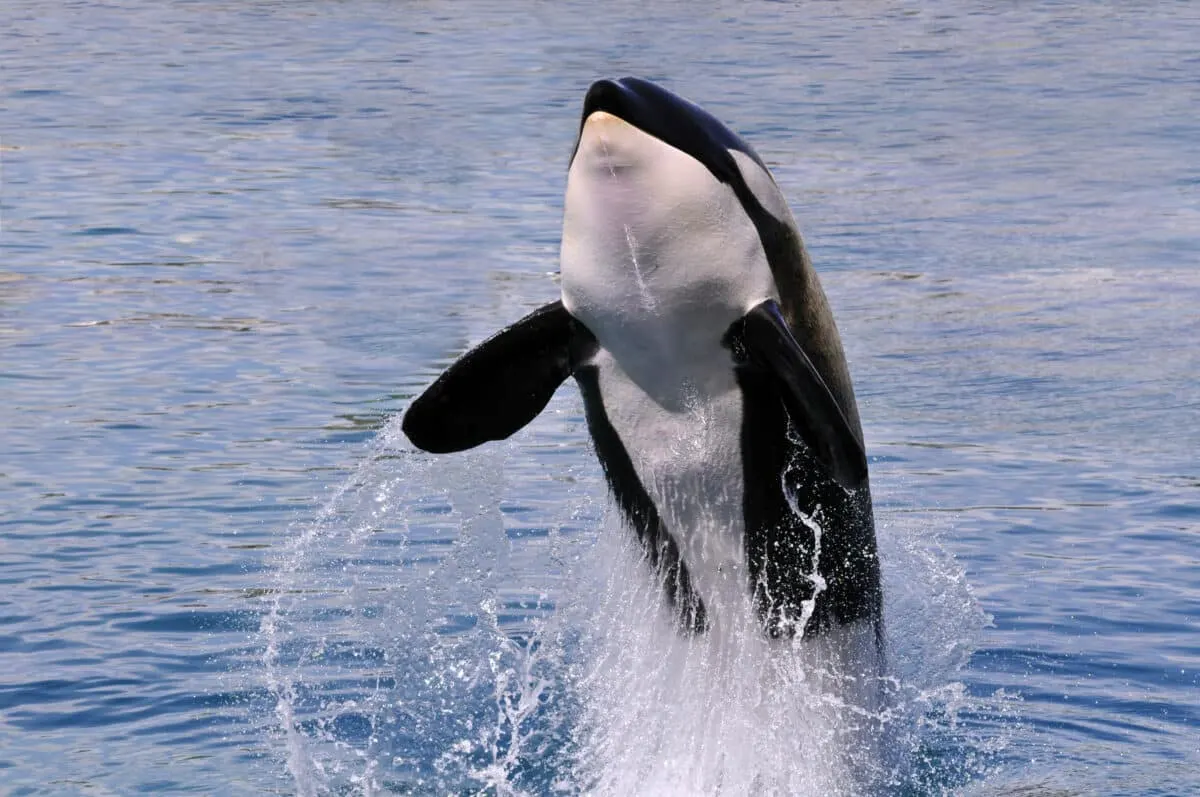
Orcas, also known as killer whales, are among the most majestic and intelligent marine mammals on our planet. These apex predators are found in oceans worldwide, but certain coastal regions offer particularly good opportunities for witnessing them in their natural habitat. From the frigid waters of Antarctica to the temperate coasts of North America and beyond, these magnificent black and white cetaceans captivate wildlife enthusiasts with their complex social behaviors, impressive hunting techniques, and powerful presence. This article explores 13 coastal destinations where your chances of spotting wild orcas are highest, including information about the best viewing seasons, local orca populations, and ethical viewing practices.
Johnstone Strait, British Columbia, Canada
Located between Vancouver Island and mainland British Columbia, Johnstone Strait is widely regarded as one of the world’s premier orca-watching destinations. This narrow passage is home to approximately 200 resident orcas belonging to the Northern Resident population. These orcas are primarily salmon-eaters and gather in large numbers during the summer salmon runs from mid-July through September. What makes this location particularly special is the presence of the Robson Bight Ecological Reserve, a protected area where orcas regularly come to rub their bodies on the smooth pebble beaches—a unique behavior not commonly observed elsewhere. Visitors can observe these magnificent creatures from kayaks, tour boats, or shoreline viewing platforms, with local regulations in place to ensure the whales aren’t disturbed.
San Juan Islands, Washington, USA
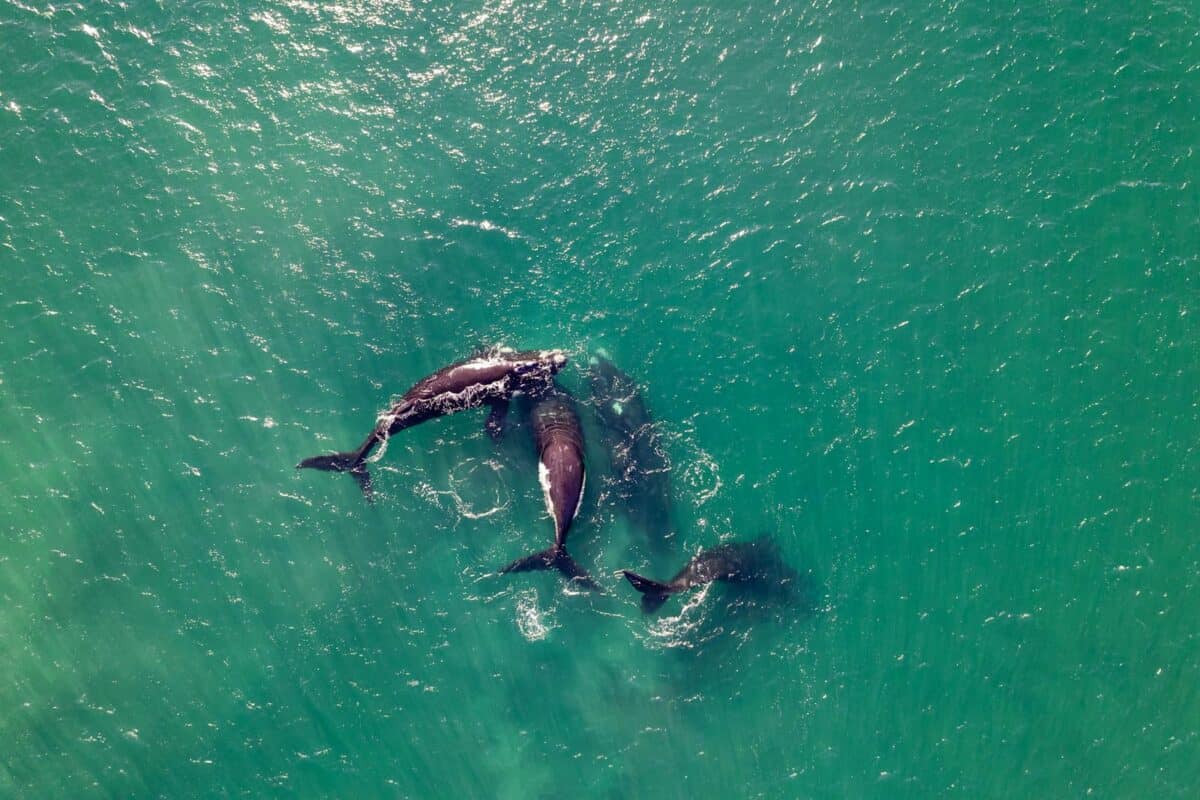
Just south of the Canadian border, Washington State’s San Juan Islands provide another excellent opportunity to witness orcas in their natural environment. The area is frequented by the endangered Southern Resident killer whales, a population currently numbering fewer than 75 individuals divided into three pods: J, K, and L. These orcas specialize in hunting Chinook salmon and are most commonly seen from May through October, with peak viewing in July and August. Lime Kiln Point State Park on San Juan Island, affectionately known as “Whale Watch Park,” offers some of the best land-based whale watching in the world, with orcas sometimes passing just yards from shore. Numerous tour operators also offer boat excursions with naturalists who can identify individual whales and explain their behaviors.
Monterey Bay, California, USA

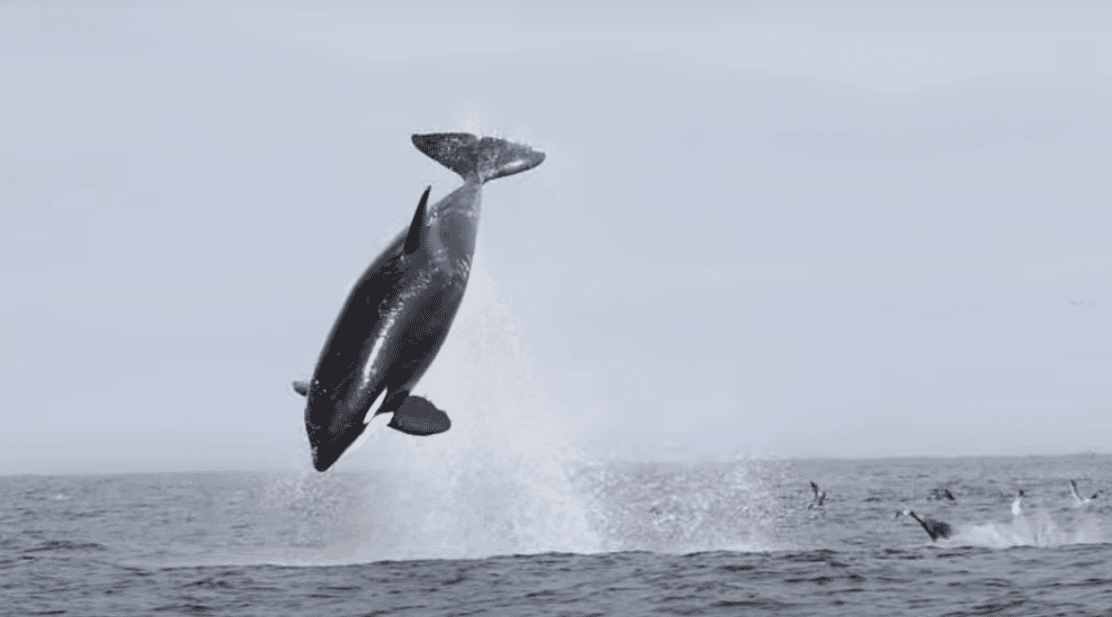
Monterey Bay along California’s central coast is renowned for its rich marine biodiversity and is an excellent place to spot transient (or Bigg’s) killer whales. Unlike resident orcas that primarily feed on fish, transients specialize in hunting marine mammals such as seals, sea lions, and even other whale species. These orcas can be seen year-round in Monterey Bay, but spring (April-May) often offers the best viewing opportunities when they hunt gray whale calves migrating north with their mothers. The deep submarine canyon within the bay creates an incredibly productive ecosystem that supports a diverse food web, making it an attractive hunting ground for these apex predators. The Monterey Bay Whale Watch and other local operators provide trips specifically focused on orca encounters, with experienced naturalists who contribute valuable data to ongoing research efforts.
Bremer Canyon, Western Australia

A relatively recent discovery in the world of orca watching, Bremer Canyon has quickly gained an international reputation as an orca hotspot. Located about 70 kilometers off the coast of Bremer Bay in Western Australia, this deep-sea canyon system hosts one of the largest aggregations of killer whales in the Southern Hemisphere. Between January and April, more than 150 orcas gather here, drawn by a phenomenon believed to be related to deep-water upwellings that create nutrient-rich conditions supporting a complex food chain. What makes this location particularly fascinating for researchers and visitors alike is the opportunity to observe orcas exhibiting hunting behaviors rarely seen elsewhere, including coordinated tactics to capture beaked whales, sharks, and squid. Tour operators run day trips from Bremer Bay during the peak season, offering an unforgettable wildlife experience in remote oceanic waters.
Tysfjord, Norway
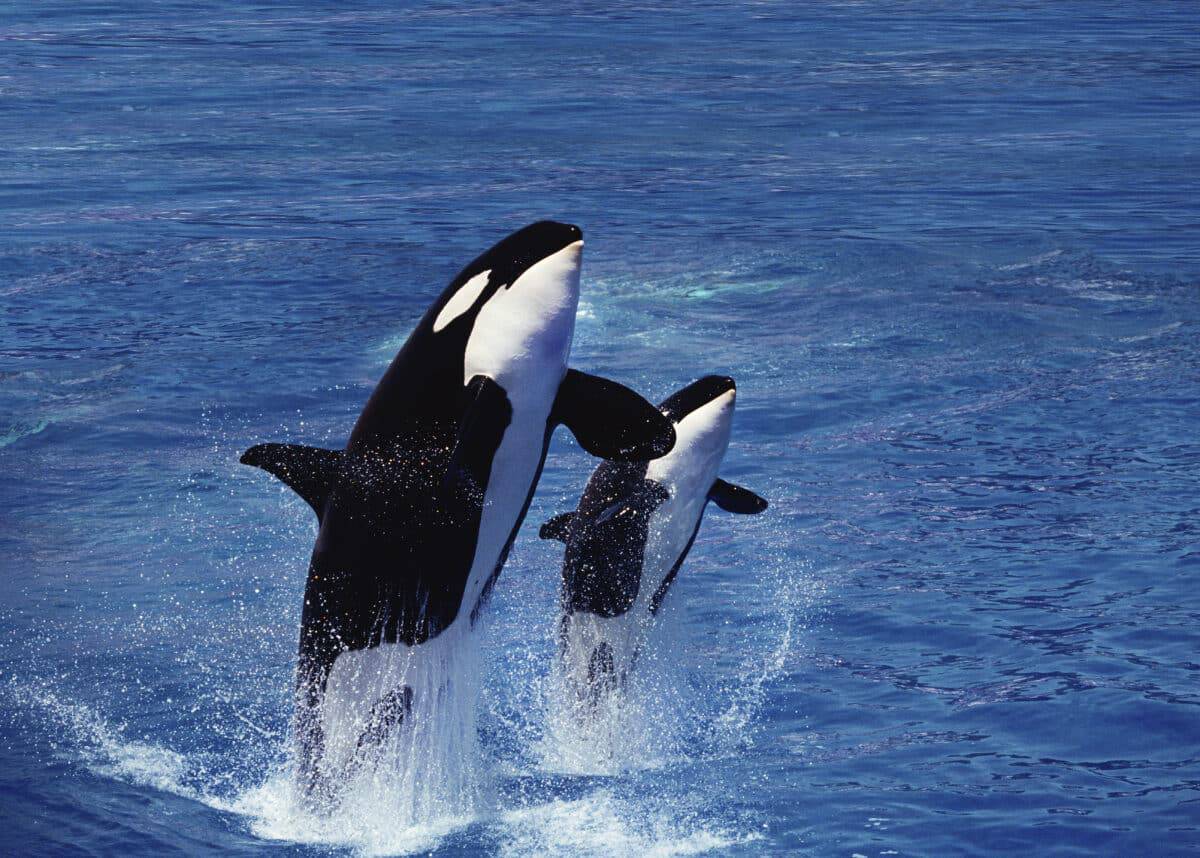
Between November and February, the deep fjords of northern Norway, particularly Tysfjord, become seasonal feeding grounds for large numbers of orcas. These killer whales follow the annual herring migration into the sheltered waters of the fjords, creating one of Europe’s most spectacular marine wildlife events. The Norwegian orcas have developed a unique hunting technique called “carousel feeding,” where they work together to herd herring into tight balls near the surface before stunning them with tail slaps. This feeding behavior is often accompanied by the appearance of humpback whales and sea eagles, creating a multi-species feeding frenzy. The winter timing provides an additional extraordinary element: the opportunity to see orcas under the magical light of the northern lights or during the blue twilight of polar nights. Several companies offer orca safaris by boat, and for the adventurous, snorkeling or diving with orcas (under strict guidelines) is possible with specialized operators.
Kamchatka Peninsula, Russia

The remote eastern coastline of Russia’s Kamchatka Peninsula harbors one of the least-studied but most genetically distinct orca populations in the world. Located in the Russian Far East, this wild and largely untouched region offers intrepid travelers the chance to observe killer whales in pristine wilderness settings. Research suggests at least 650 orcas inhabit these waters, with both resident fish-eating pods and transient mammal-hunting groups present. Avacha Bay and the Commander Islands are particular hotspots from June through September. What makes this location unique is the opportunity to witness orcas in an ecosystem where they face minimal human impact compared to more accessible locations. The volcanic backdrop of the peninsula adds to the dramatic setting for wildlife viewing. Due to its remoteness, organized expeditions with research teams or specialized wildlife tour operators provide the best access to this frontier of orca observation.
South Island, New Zealand

New Zealand’s South Island, particularly around Kaikoura and the Marlborough Sounds, offers Southern Hemisphere opportunities to encounter orcas throughout the year, though sightings peak during summer (December to March). The New Zealand orca population is notable for its specialized hunting of rays and sharks, and they’re frequently seen very close to shore as they search for these prey items in shallow bays and inlets. What distinguishes the New Zealand orcas is their remarkable ability to navigate through extremely shallow water, sometimes in depths of just a few feet, as they hunt for rays hiding in sandy bottoms. Kaikoura, already famous for its sperm whale watching, provides occasional but spectacular orca encounters, while dedicated orca research organizations in the Marlborough Sounds area offer citizen science opportunities for visitors to contribute to photo-identification and behavioral studies of the local population.
Alaska’s Kenai Fjords, USA

The dramatic glacier-carved fjords of Alaska’s Kenai Peninsula provide a stunning backdrop for orca watching. Kenai Fjords National Park and the waters around Resurrection Bay are frequented by both resident and transient killer whales, with peak viewing opportunities from May through September. The resident orcas focus on salmon and other fish, while transients hunt the abundant harbor seals, Dall’s porpoises, and other marine mammals that inhabit these productive waters. What makes this location special is the combination of breathtaking scenery—with tidewater glaciers calving into the sea—and the opportunity to observe orcas hunting in an ecosystem still teeming with prey. The nutrient-rich waters support a diverse array of marine life, making multiple wildlife sightings likely during a single outing. Tour boats operating from Seward offer half-day and full-day excursions into the fjords, where experienced captains know the patterns and territories of the local orca pods.
Peninsula Valdés, Argentina

Peninsula Valdés in Patagonian Argentina has gained international recognition for its unique population of orcas that have developed an extraordinary hunting technique found nowhere else on Earth. These killer whales have learned to intentionally strand themselves on beaches to capture sea lion and elephant seal pups, a behavior that has been passed down through generations as a cultural tradition. This remarkable hunting strategy can be observed primarily during March and April (autumn in the Southern Hemisphere) when young seals are learning to swim, though orcas are present in the area from February through May. El Doradillo and Punta Norte offer the best viewing locations for this behavior, which requires precise timing with the tides. The peninsula’s status as a UNESCO World Heritage site ensures protection for this important ecosystem, while regulated tourism allows visitors to witness one of the most specialized hunting techniques in the animal kingdom.
Lofoten Islands, Norway

Norway’s spectacular Lofoten archipelago, with its jagged mountains rising directly from the sea, provides another outstanding location for encountering orcas during winter months. From November through January, these waters become a critical feeding ground for orcas following the Norwegian spring-spawning herring. What distinguishes the Lofoten experience is the remarkable clarity of the Arctic water combined with the stunning landscape of snow-dusted mountains and traditional fishing villages. The winter timing means shorter daylight hours, but the low-angle Arctic light creates magical conditions for both observing and photographing these magnificent creatures. In recent years, an increasing number of specialized tour operators have begun offering orca safaris from the towns of Svolvær and Andenes, with options ranging from dedicated photography trips to snorkeling experiences. The limited human development and strict environmental protections in this region help ensure genuinely wild encounters.
Strait of Gibraltar, Spain/Morocco

The narrow passage between the Mediterranean Sea and the Atlantic Ocean, the Strait of Gibraltar, is home to a small but specialized population of orcas that have adapted to hunt bluefin tuna. Numbering fewer than 50 individuals, these orcas have developed a cooperative hunting technique known as “thresher hunting,” where they exhaust giant tuna by chasing them, then feed on these energy-rich prey. These interactions can be observed from both the Spanish and Moroccan sides of the strait, primarily between July and September when the tuna migrate through the narrow passage. What makes this location particularly interesting is that researchers have documented the orcas learning to follow fishing boats and take tuna from fishing lines, an example of behavioral adaptation to human activity. This has created a complex conservation situation, as interactions with fishing vessels sometimes lead to negative outcomes for both fishermen and whales. Specialized whale watching boats operating from Tarifa and Algeciras in Spain offer the chance to observe these Mediterranean orcas.
Antarctic Peninsula

The pristine waters surrounding the Antarctic Peninsula offer some of the most spectacular orca viewing opportunities on the planet. Five different ecotypes of killer whales inhabit Antarctic waters, each with distinct physical characteristics, prey preferences, and behaviors—making this a globally significant region for orca diversity. Type A orcas hunt minke whales in open water, Type B (Pack Ice) killer whales specialize in hunting seals using cooperative wave-washing techniques to dislodge them from ice floes, while smaller Type B (Gerlache) orcas feed primarily on penguins. Types C and D are less frequently encountered but equally specialized. The peak viewing season aligns with the Antarctic summer (December through February) when expedition cruise ships navigate the peninsula’s channels and bays. What makes Antarctic orca encounters extraordinary is the combination of pristine environmental conditions, minimal human impact, and the opportunity to observe highly specialized hunting techniques against a backdrop of spectacular ice formations and mountainous terrain.
Orcas Island, Washington, USA
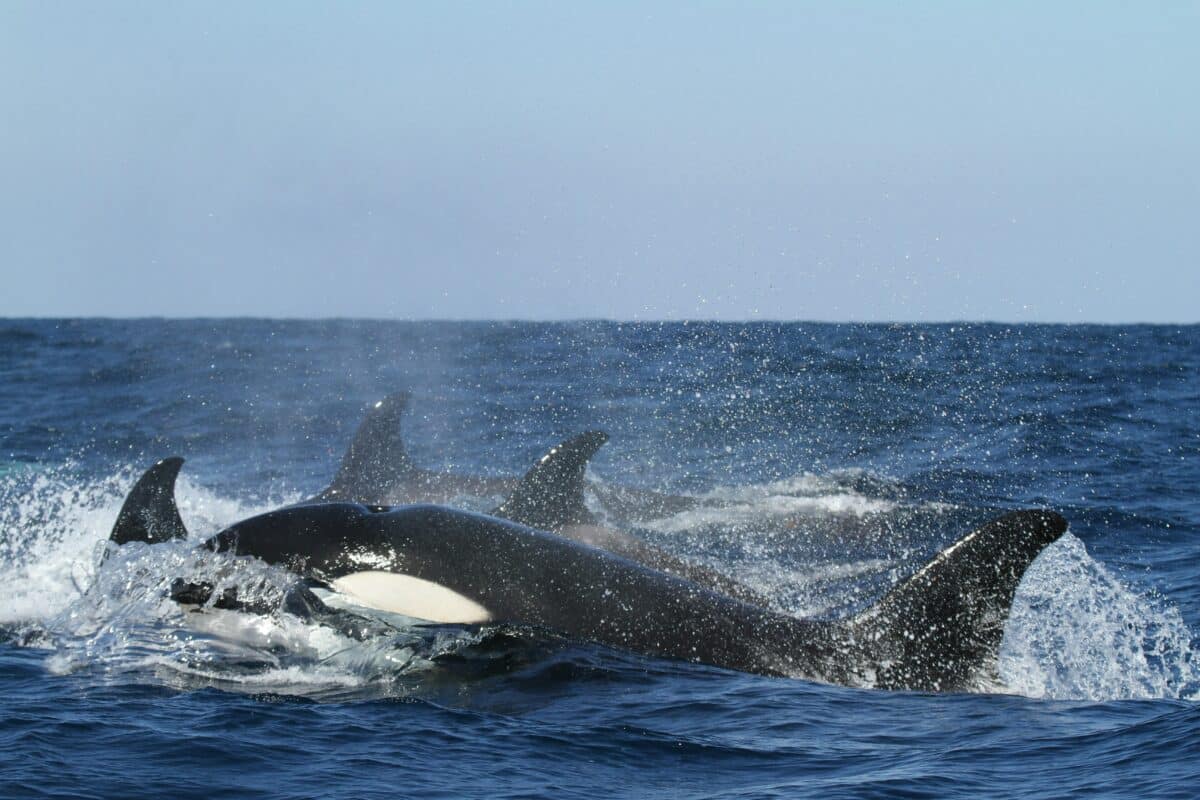
Despite its name, Orcas Island (part of the San Juan archipelago) doesn’t guarantee killer whale sightings, but its strategic location in the Salish Sea makes it an excellent base for orca enthusiasts. The island offers multiple vantage points and various tour options for observing both the endangered Southern Resident killer whales and the more frequently seen Bigg’s (transient) killer whales. From hiking trails with ocean views at Moran State Park to dedicated whale watching operators in Eastsound, visitors have numerous opportunities to spot orcas, particularly from May through September. What makes Orcas Island special is the combination of potential whale sightings with a strong conservation ethic among locals, who have embraced extensive educational initiatives about orca protection. The island hosts research facilities and educational programs focused on Southern Resident killer whale recovery, allowing visitors to deepen their understanding of the complex challenges facing these endangered marine mammals while also enjoying the island’s natural beauty and wildlife viewing opportunities.
Conclusion: Responsible Orca Watching Balancing Enthusiasm with Conservation

As we conclude our journey through the world’s premier orca watching destinations, it’s essential to emphasize the importance of responsible wildlife viewing practices. Orcas face numerous challenges worldwide, including prey depletion, water pollution, underwater noise, and habitat degradation. Responsible tourism can play a crucial role in orca conservation by raising awareness and generating economic incentives for protection. When planning your orca watching adventure, always choose operators who follow local wildlife viewing guidelines, maintain appropriate distances, limit viewing time, and contribute to research or conservation efforts. Remember that we are privileged guests in the orcas’ environment, and our presence should never negatively impact their natural behaviors. By approaching orca watching with respect, patience, and a commitment to conservation, we can help ensure that future generations will also have the opportunity to witness these magnificent creatures in their natural habitat, thriving as they have for millennia in the world’s oceans.
Worried about unexpected vet bills?
Pet insurance can cover thousands in unexpected vet costs. Get a free quote from Lemonade in under 2 minutes.
Get My Free Quote →Sponsored · Opens Lemonade.com

As a little kid, I fell in love with nature, wildlife, and animals. Living in the USA, South Africa, Italy, China and Germany gave me the opportunity to discover the world's Wildlife. My favorite animals are Mountain Gorillas, Siberian Tigers, and Great White Sharks.
I'm a certified PADI Open Water Diver, went to Everest Base Camp and Trekked Gorillas in Uganda. I hold a Master of Science in Economics and Finance.
Please send any feedback to feedback@animalsaroundtheglobe.com
- 10 Common Pet Health Problems and How to Prevent Them - June 8, 2026
- The Spider as a Spirit Animal Weaving Your Own Destiny - June 8, 2026
- 14 Human Foods That Are Actually Safe for Dogs - June 8, 2026