


In the endless quest to understand aging and potentially extend human lifespan, scientists have turned to the natural world for inspiration. While humans inevitably age and eventually die, some creatures across our planet seem to defy the conventional aging process. These biological marvels demonstrate unique survival strategies, remarkable cellular repair mechanisms, or simply different relationships with time itself. From underwater immortals to reptiles that grow stronger with age, these 13 creatures challenge our understanding of senescence and mortality, offering potential insights into human longevity research and fascinating glimpses into nature’s diverse approaches to life and death.
The Immortal Jellyfish (Turritopsis dohrnii)

Perhaps the most famous age-defying creature on Earth, the Turritopsis dohrnii jellyfish has earned its “immortal” moniker through an extraordinary biological process. When facing starvation, physical damage, or environmental stress, this tiny jellyfish (measuring only 4.5mm across) can revert its cells to their earliest developmental stage, essentially becoming young again. Through a process called transdifferentiation, it transforms its mature specialized cells into a younger state, then regrows into an adult form—a biological reset button that can theoretically be pressed indefinitely. This cellular regression is the equivalent of a butterfly turning back into a caterpillar, or a human reverting to an embryonic state. While predation and disease still claim these jellyfish in the wild, their biological immortality has made them central to aging research, as scientists hope to understand the genetic mechanisms behind this remarkable capability.
Naked Mole-Rats (Heterocephalus glaber)
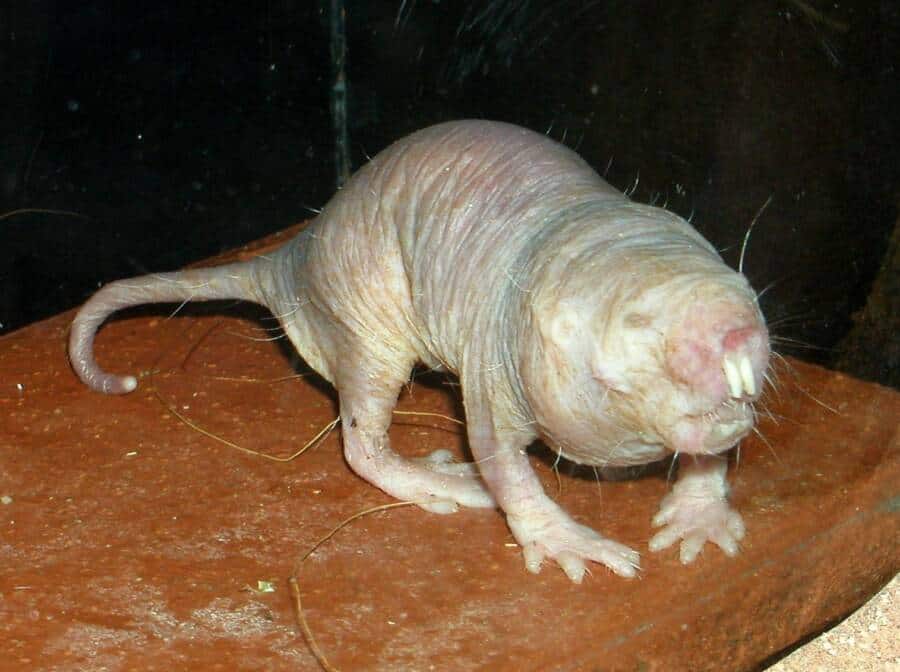
These wrinkled, buck-toothed subterranean rodents defy mammalian aging conventions in spectacular fashion. Naked mole-rats can live over 30 years—nearly 10 times longer than similarly sized mice—and show virtually no signs of aging until very late in life. Their mortality rate doesn’t increase with age as it does in nearly all other mammals, including humans. Even more remarkably, naked mole-rats appear almost immune to cancer, with only a handful of cases ever documented despite decades of observation. Their cells contain unique tumor-suppression mechanisms and enhanced protein integrity systems that prevent the cellular deterioration common in aging. They maintain cardiovascular health, bone density, reproductive capacity, and cognitive function well into their third decade of life. These social, colony-dwelling creatures also maintain stable hormone levels throughout their lives, unlike the declining hormonal function seen in aging humans. Their extraordinary longevity and resistance to age-related disease have made them invaluable models for human aging research.
Lobsters The Crustaceans That Grow Stronger With Age

Contrary to popular myth, lobsters aren’t truly immortal, but their relationship with aging differs dramatically from our own. Rather than becoming weaker with age, lobsters actually grow more fertile and physically powerful as they get older, thanks to continuous production of an enzyme called telomerase. This enzyme repairs the protective caps on their chromosomes (telomeres) that typically shorten with age in other animals, including humans. Lobsters continue growing throughout their lives through periodic molting, with some specimens reaching impressive sizes—the largest recorded Atlantic lobster weighed over 44 pounds and was estimated to be 140 years old. While they do eventually die from exhaustion during molting or disease, lobsters don’t experience the cellular senescence characteristic of human aging. Their cells maintain their youthful function, and older lobsters produce more offspring than younger ones—the opposite of human reproductive patterns. This “negligible senescence” has made lobsters interesting subjects for longevity researchers seeking to understand how some organisms avoid traditional aging pathways.
Hydra Tiny Freshwater Immortals
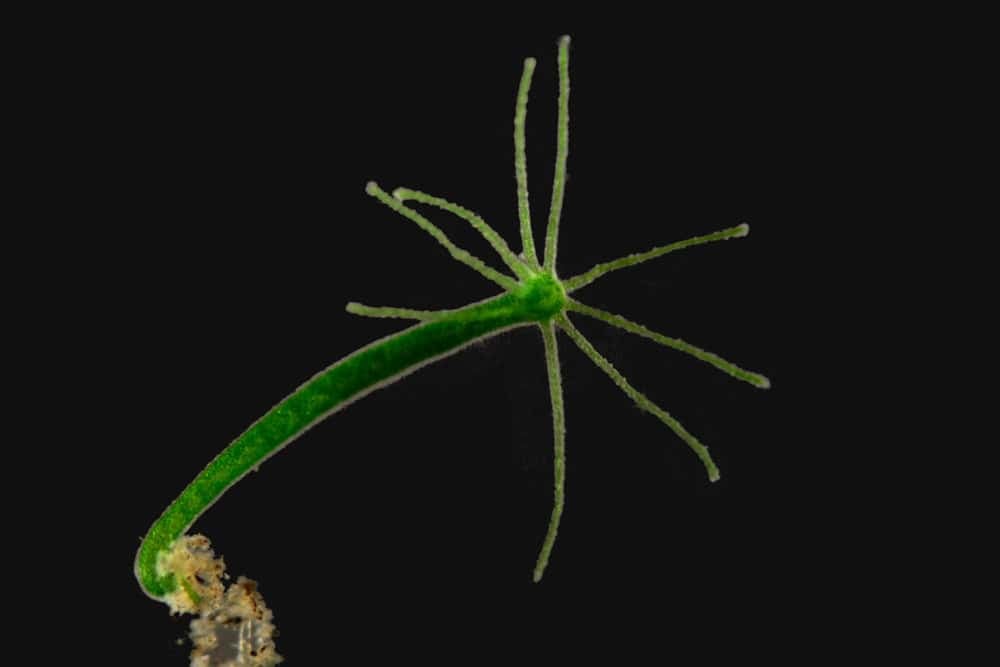
These small freshwater relatives of jellyfish and corals possess extraordinary regenerative abilities that effectively render them biologically immortal under ideal laboratory conditions. Hydra maintain their youthful state through a population of stem cells that continuously renew all cells in their simple body structure. A 2012 study published in the Proceedings of the National Academy of Sciences found no increased mortality or reduced reproductive rates in Hydra populations observed over eight years—suggesting they do not age at all in the conventional sense. Their remarkable regenerative capacity allows them to regrow entire bodies from small fragments, and they reproduce primarily through budding rather than sexual reproduction. The continuous renewal of their cells prevents the accumulation of damage that drives aging in more complex organisms. Scientists have identified that the FoxO gene, which in humans is associated with longevity, is particularly active in Hydra and plays a crucial role in their stem cell maintenance. By studying how Hydra maintain their cellular youth indefinitely, researchers hope to gain insights into human aging and regenerative medicine.
Greenland Sharks The Ocean’s Ancient Mariners

Swimming slowly through the cold, dark waters of the North Atlantic, Greenland sharks (Somniosus microcephalus) represent one of the most extreme examples of vertebrate longevity. These deep-sea dwellers grow at an astonishingly slow rate—less than one centimeter per year—and don’t reach sexual maturity until around 150 years of age. In 2016, researchers used radiocarbon dating of eye lens proteins to determine that some Greenland sharks live for at least 272 years, with one female estimated to be between 272 and 512 years old. This makes them the longest-living vertebrates known to science. Their extreme longevity appears linked to their exceptionally slow metabolism, adapted to life in near-freezing waters. These sharks swim at approximately 0.76 mph and have a core body temperature of about 0.3°C. Their slow-motion existence seems to extend to their aging process as well, with cellular deterioration occurring at a glacial pace compared to other vertebrates. Scientists believe their adaptation to extreme cold and pressure may have resulted in unique cellular preservation mechanisms that could inform human longevity research.
Aldabra Giant Tortoises Living Time Capsules

Among land-dwelling vertebrates, few can match the extraordinary lifespans of Aldabra giant tortoises (Aldabrachelys gigantea). These massive reptiles regularly live beyond 100 years, with some documented individuals surpassing 250 years. The most famous example was Adwaita, an Aldabra tortoise who reportedly lived to 255 years before his death in 2006. Unlike humans, these tortoises show remarkably few signs of aging even in advanced years. Their organs function efficiently throughout their lives, and they remain reproductively viable well into their second century. Research suggests their cells possess enhanced resistance to oxidative damage and exceptional DNA repair capabilities. Additionally, their slow metabolism—a result of their reptilian physiology and deliberate lifestyle—means they accumulate cellular damage more slowly than mammals. Their bodies also efficiently remove senescent cells (damaged cells that drive aging) and maintain robust immune function throughout life. Their remarkably stable genomes have evolved to prioritize maintenance and repair over growth and reproduction, creating a biological system designed for extraordinary longevity. These gentle giants provide living proof that vertebrate aging can be dramatically slowed through the right combination of genetics and metabolism.
Bowhead Whales Arctic Centenarians

The bowhead whale (Balaena mysticetus) stands as the longest-living mammal on Earth, with documented lifespans exceeding 200 years. These Arctic giants were discovered to possess extraordinary longevity when Native Alaskan whalers found 19th-century harpoon heads embedded in the blubber of recently harvested whales—harpoons that hadn’t been used in over a century. Genetic analysis has since confirmed their exceptional longevity, with one male estimated to be 211 years old. Despite their enormous size (reaching 60 feet and 100 tons), bowheads avoid the common correlation between large body mass and increased cancer risk that should theoretically limit their lifespan. Research published in Cell Reports revealed that bowheads possess unique genetic adaptations that enhance DNA repair and reduce cellular stress. They express tumor suppressor genes more effectively than shorter-lived mammals and maintain more stable cell division throughout their lives. Their adaptations to the harsh Arctic environment, including extremely efficient metabolism and robust mechanisms to prevent oxidative damage, appear to have conferred remarkable resistance to aging. As mammals that share many physiological systems with humans but live vastly longer, bowhead whales represent particularly valuable subjects for longevity research.
Ocean Quahog Clams Marine Methuselahs
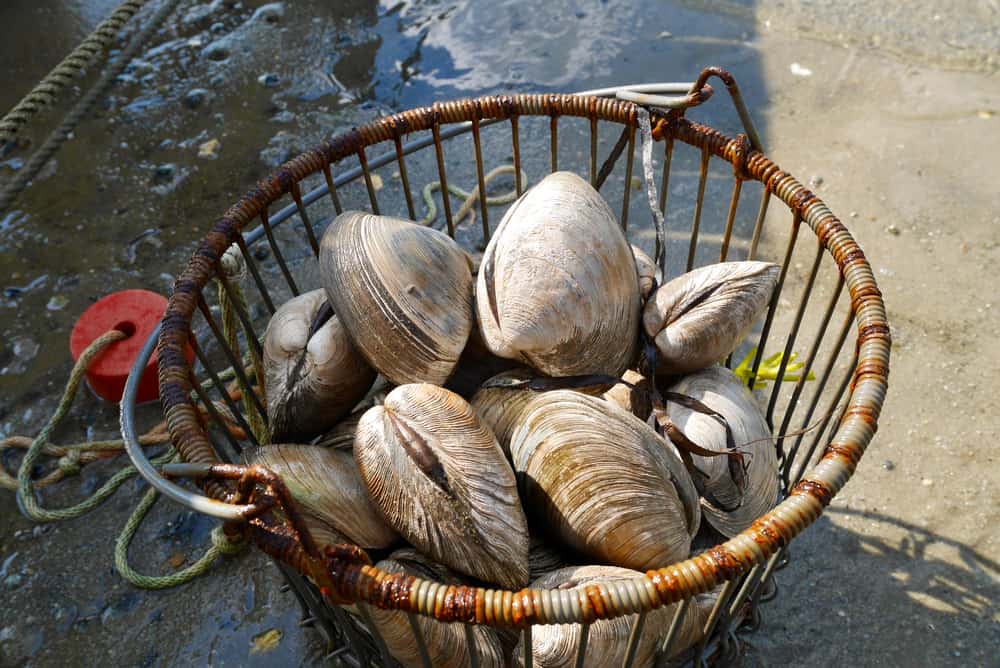
Buried in the cold sediments of the North Atlantic, ocean quahog clams (Arctica islandica) quietly endure through centuries, making them among the longest-lived non-colonial animals on Earth. The most famous specimen, nicknamed “Ming” after the Chinese dynasty during which it was born, was 507 years old when scientists accidentally killed it while determining its age through growth ring analysis. These unassuming bivalves achieve their extraordinary longevity through several mechanisms. They possess extremely efficient antioxidant systems that prevent the cellular damage typically associated with aging. Their cells maintain telomere length and stability throughout their centuries-long lives, and they show minimal accumulation of lipofuscin—the “aging pigment” that builds up in the cells of most animals over time. Perhaps most remarkably, ocean quahogs can enter extended periods of metabolic suspension when environmental conditions become unfavorable, essentially pausing their biological clock. During these periods, they close their shells and reduce their oxygen consumption by over 99%, preventing oxidative damage. Their cells show remarkable resistance to stress and maintain protein quality even after centuries. The combination of these adaptations allows ocean quahogs to achieve lifespans that would seem impossible for organisms with such relatively simple biology.
Rougheye Rockfish The Deep Sea Methuselahs
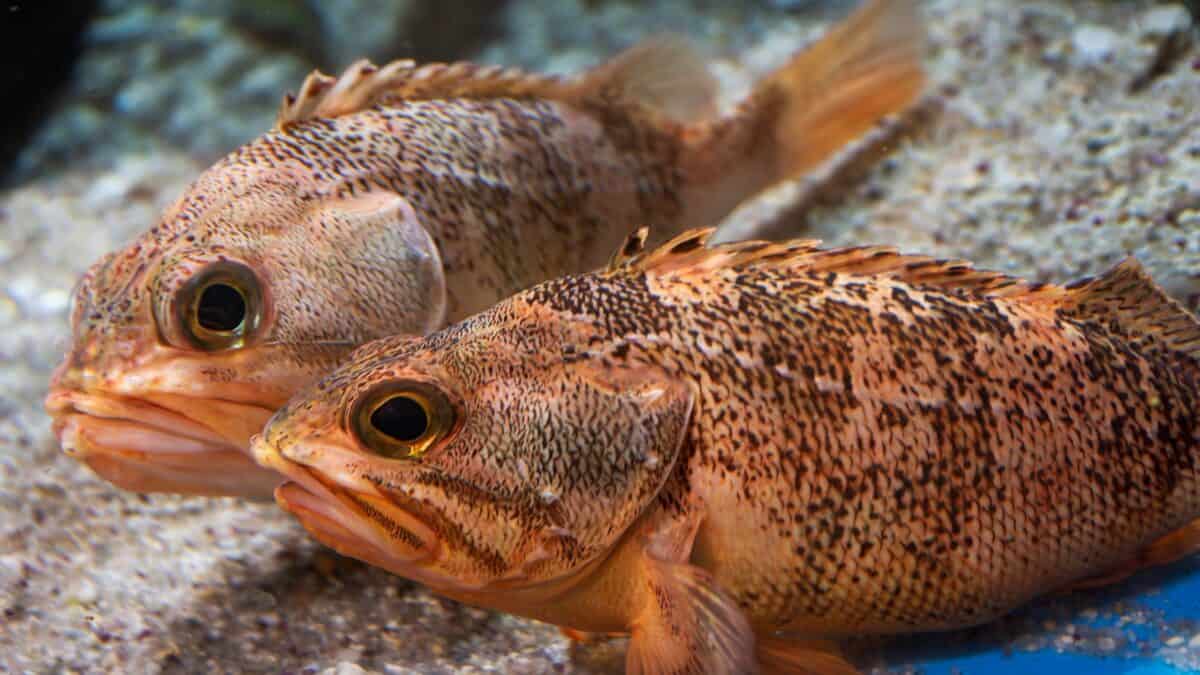
Dwelling in the cold, dark depths of the North Pacific Ocean, the rougheye rockfish (Sebastes aleutianus) lives a life of extraordinary duration measured in centuries rather than decades. These deep-sea fish regularly live beyond 200 years, with the oldest documented specimen reaching 205 years. Unlike humans, rougheye rockfish show remarkably little physical deterioration with age. Their reproductive capacity actually increases as they grow older and larger, producing more eggs with each spawning season throughout their lives. Research has revealed several mechanisms behind their exceptional longevity. They possess enhanced cellular maintenance systems, including particularly effective antioxidant defenses and DNA repair mechanisms that prevent the accumulation of damage. Their cells maintain stable telomere lengths throughout life, avoiding the telomere shortening associated with aging in many species. Additionally, their life in cold, deep waters (up to 2,800 feet deep) results in slowed metabolism, reducing the production of damaging free radicals. Perhaps most intriguing is their apparent resistance to cancer and other age-related diseases that typically limit lifespan in vertebrates. Scientists studying these remarkable fish hope their unique adaptations might provide insights for human longevity research.
Tardigrades Microscopic Survival Machines
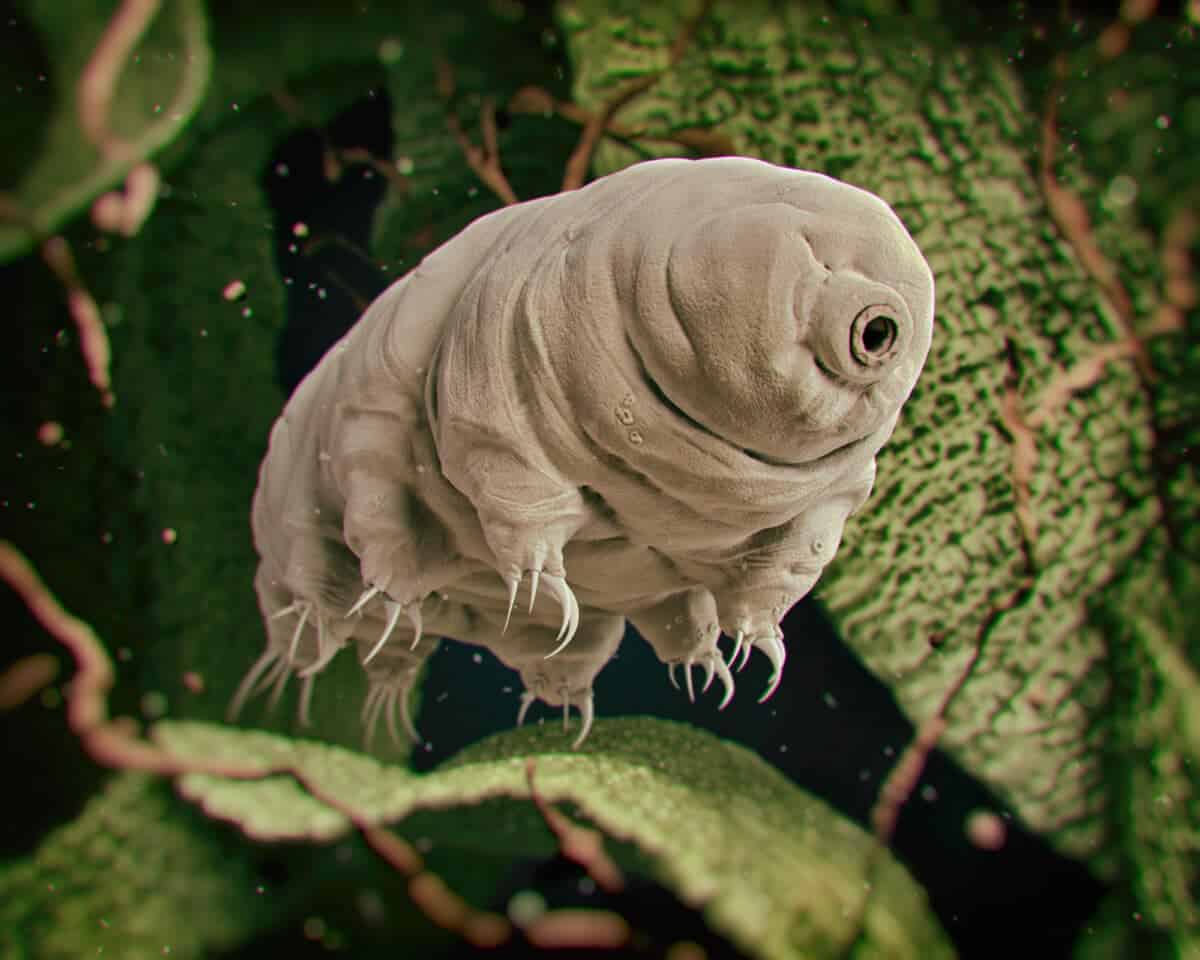
Tardigrades, colloquially known as “water bears” or “moss piglets,” are microscopic eight-legged animals renowned for their extraordinary survival capabilities rather than specific longevity. However, their relationship with aging differs dramatically from most animals. While their natural lifespan ranges from a few months to a few years, tardigrades can enter a state called cryptobiosis when faced with extreme environmental conditions. In this suspended animation state, they expel almost all water from their bodies, reduce their metabolism to less than 0.01% of normal, and can survive for decades—effectively pausing their biological clock. One study documented tardigrades reviving after 30 years of cryptobiosis. During this state, they produce unique protective proteins that preserve their cellular structures and DNA from damage. When favorable conditions return, they rehydrate and resume normal function with minimal cellular deterioration, essentially picking up their life where they left off. This ability to temporarily escape the aging process through extreme metabolic suppression represents a unique approach to longevity. While not conventionally “immortal,” tardigrades demonstrate that biological time can be dramatically slowed or temporarily halted under specific circumstances—a capability that fascinates longevity researchers.
Planarian Flatworms The Regeneration Champions

Planarian flatworms possess perhaps the most remarkable regenerative abilities in the animal kingdom, allowing them to effectively reset their biological clock and avoid conventional aging. These small, aquatic worms can regenerate their entire body from fragments as small as 1/279th of the original animal, including a complete new brain and all internal organs. This extraordinary regeneration is powered by a population of adult stem cells called neoblasts, which make up roughly 20-30% of all cells in their body. These neoblasts can differentiate into any cell type needed for repair or regeneration. The constant renewal of their tissues through these stem cells prevents the accumulation of damaged cells that drives aging in most animals. In laboratory settings, planarians subjected to repeated bisection (cutting in half) showed no signs of aging or decreased regenerative capacity even after 20 cycles of regeneration. This effective biological immortality through continuous renewal has made planarians important models for studying the relationship between regeneration and aging. Research on these remarkable creatures has identified several genes involved in their stem cell maintenance and regenerative capacity that have human counterparts, potentially offering insights for regenerative medicine and anti-aging interventions.
Bristlecone Pines Ancient Sentinels of the Mountains

While plants age differently than animals, the exceptional longevity of bristlecone pines (Pinus longaeva) deserves recognition in any discussion of ageless organisms. These gnarled, wind-sculpted trees growing in the harsh, high-altitude environments of the western United States are the oldest non-clonal living organisms on Earth. The oldest verified specimen, nicknamed “Methuselah,” is 4,853 years old, having germinated around 2833 BCE—when humans were just beginning to work with bronze. Unlike humans, bristlecone pines don’t experience cellular senescence or deterioration with age. In fact, their slow, steady growth continues unabated through the millennia, with older trees remaining just as reproductively viable as younger ones. Their exceptional longevity stems from several adaptations: extremely dense, resin-rich wood that resists insects, fungal decay, and fire; remarkably efficient nutrient usage that allows survival in poor soils; and sectored architecture where portions of the tree can die without affecting the whole organism. Perhaps most significantly, bristlecone pines maintain active antioxidant systems throughout their lives and produce protective compounds that prevent cellular damage from harsh UV radiation at high altitudes. Their ability to maintain genetic stability and cellular function over thousands of years offers potential insights into the fundamental mechanisms of biological aging and longevity.
Olms The Underground Dragons

Deep in the limestone caves of Central and Southeastern Europe dwells a creature that seems to have made a evolutionary trade-off between sensory capability and longevity. The olm (Proteus anguinus), also called the “human fish” due to its pale, pinkish skin color, is an aquatic salamander that has adapted to life in complete darkness. These blind amphibians with vestigial eyes can live up to 100 years—extraordinary for an amphibian—and possibly much longer according to recent research. Their extreme longevity appears linked to their remarkably slow metabolism and development. Olms reach sexual maturity at about 16 years and can go without food for up to a decade by reducing their metabolism and utilizing stored reserves. Their heart rate can drop to just two beats per minute during periods of inactivity. Female olms lay eggs approximately once every 12 years, with some individuals reproducing well into their 80s. Research suggests their cells possess enhanced protection against oxidative damage and maintain stable telomere length throughout their long lives. Their cave-dwelling lifestyle shields them from many environmental stressors and predators that typically limit lifespan. This combination of slow metabolism, reduced reproductive effort, and enhanced cellular protection mechanisms allows olms to achieve centenarian status in their subterranean world, demonstrating how dramatically different aging can be across the animal kingdom.
Conclusion: What These Creatures Teach Us About Ageing

These extraordinary creatures—ranging from regenerating flatworms to centuries-old whales and clams—challenge our conventional understanding of aging by showing that it’s not an inevitable or uniform process across all life forms. Their unique adaptations, such as cellular regeneration, resistance to oxidative damage, and slowed metabolism, reveal that nature has evolved diverse strategies to delay or even escape senescence. By studying these biological outliers, scientists gain valuable insights that could one day inform breakthroughs in human longevity, regenerative medicine, and age-related disease prevention. Far from being mere curiosities, these species remind us that the blueprint for longer, healthier lives may already exist in the natural world.

From exploring the marine wonders in the Azores and witnessing the vast savannas of Kenya, to delving deep into the rich biodiversity of South Africa and traversing iconic landscapes in Australia and the US like Yellowstone, Chris's experiences are vast.
With a penchant for diving alongside sharks, the ocean holds a special place in his heart.
Through his academic insights, he champions wildlife conservation, striving with 'Animals Around The Globe' to cultivate a profound connection between humans and animals, enhancing our mutual appreciation.
Connect with him at Feedback@animalsaroundtheglobe.com.
- The Largest Clam Ever Dredged Up From U.S. Waters - July 22, 2026
- How Animated Films Shape What Kids Believe About Animals - July 22, 2026
- The Most Iconic Animals Saved from Extinction in the U.S. - July 22, 2026