

The vast landscapes of North America are home to an incredible variety of wildlife, each species uniquely equipped to survive in its respective environment. Among these creatures, many have developed some of the most astonishing and, at times, deadly defense mechanisms to deter predators and ensure their survival. These natural defenses can range from venomous bites to intimidating displays, showcasing the remarkable diversity of evolutionary adaptations. In this article, we explore thirteen of the deadliest animal defenses found across the continent, each one a fascinating peek into the tactics nature employs in the ongoing struggle for survival.
Venomous Bite of the Eastern Diamondback Rattlesnake

The Eastern Diamondback Rattlesnake, the largest rattlesnake species in North America, is known for its potent venomous bite. These snakes possess long, hollow fangs that can deliver a large dose of hemotoxic venom, which disrupts the blood’s ability to clot. While Eastern Diamondbacks are generally shy and will avoid confrontation, when threatened, they can strike quickly and accurately. Their rattling warning, housed at the tip of their tails, serves as a chilling reminder of their potent defense.
Spines and Quills of the North American Porcupine

Armed with a coat of nearly 30,000 quills, the North American Porcupine is a master of passive defense. These quills, actually modified hairs coated in keratin, can easily become embedded in predators, causing painful injuries that may lead to infections. Porcupines can’t shoot their quills, contrary to popular myth, but the quills detach easily upon contact, as a painful deterrent to any would-be attackers.
Ink Defense of the Humboldt Squid
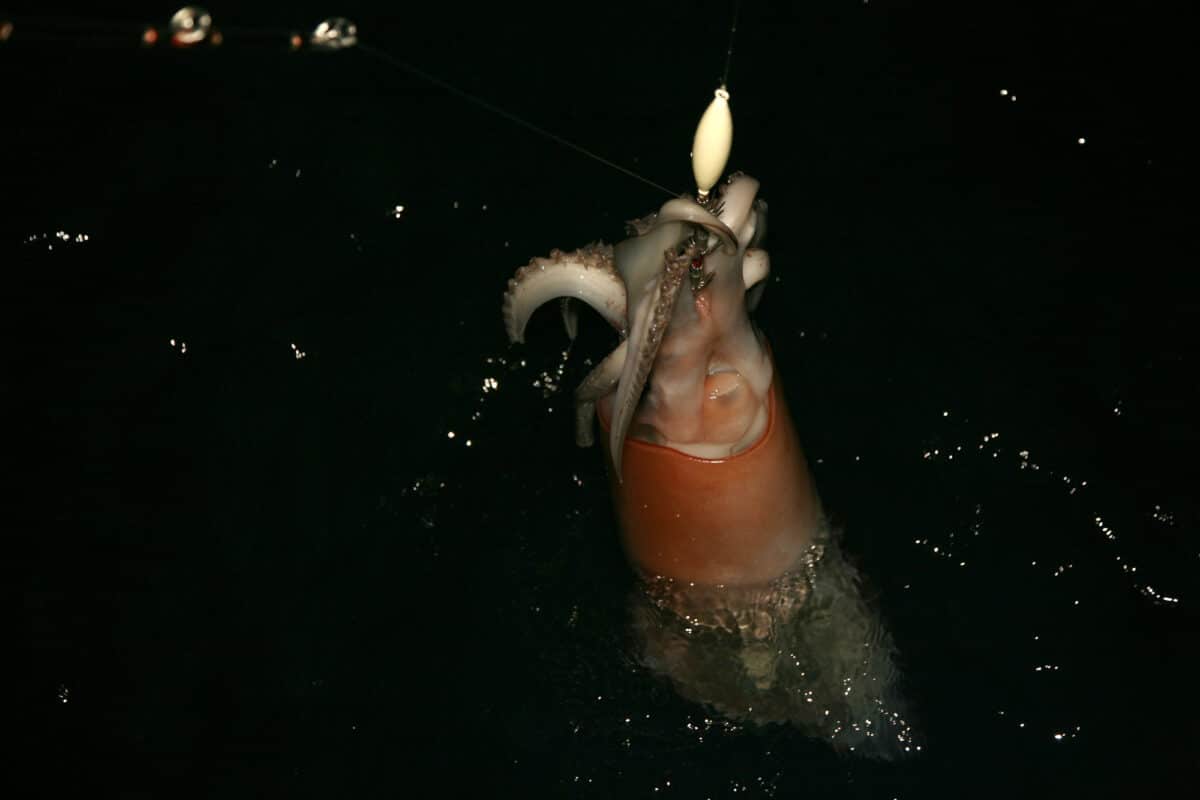
While often associated with the ocean depths, the Humboldt Squid can occasionally be found off the Pacific Coast of North America. This large cephalopod employs an ink defense, ejecting a cloud of dark ink that confuses predators and allows it to escape. Coupled with its speed and elusive maneuverability, this ink cloud is an effective tool in avoiding threats.
Defensive Spray of the Striped Skunk
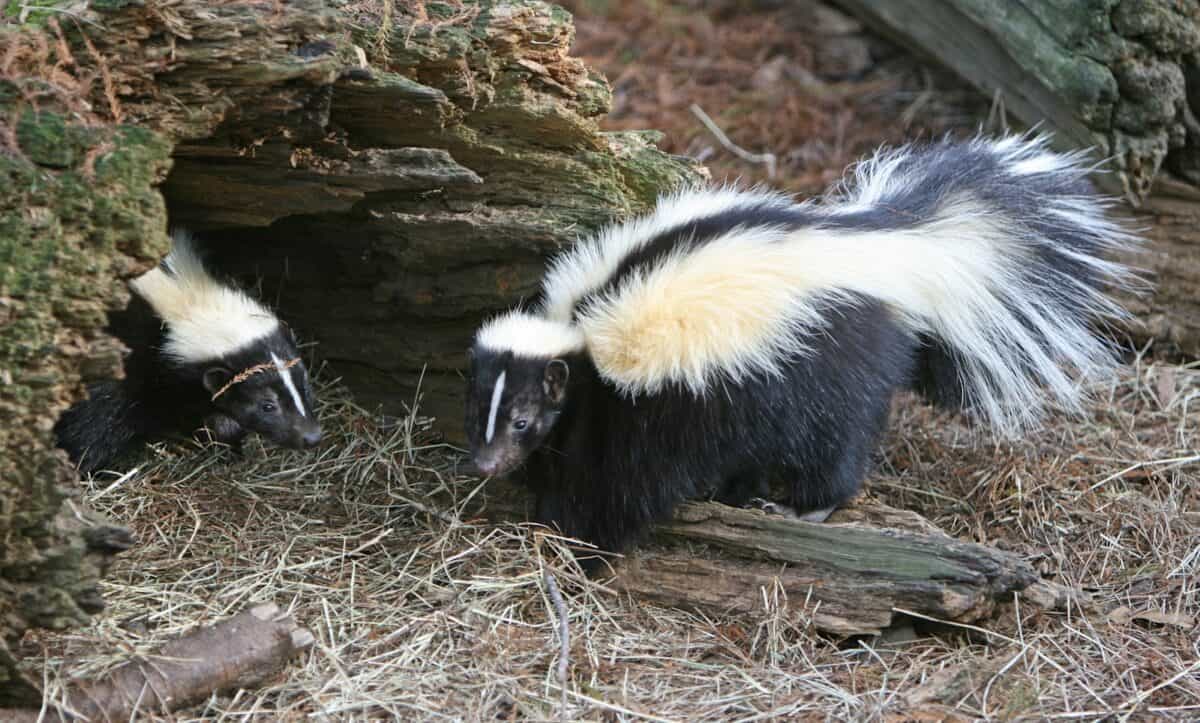
Famously notorious for their malodorous spray, Striped Skunks utilize a defense mechanism that is both impressively accurate and highly effective. When threatened, a skunk can spray a sulfuric chemical from its anal glands, which can cause irritation, nausea, and even temporary blindness in predators. This foul-smelling spray is a powerful deterrent, marking one of the most effective—but non-lethal—defenses in the animal kingdom.
Camouflaged Escape of the Timber Rattlesnake

The Timber Rattlesnake employs a different defense strategy rooted in its expert camouflage. Blending seamlessly into leaf-littered forest floors, these snakes primarily rely on their camouflaged scales to avoid detection. By remaining motionless, they become nearly invisible, thereby avoiding many potential confrontations.
Electric Shock of the Electric Ray

Found in the coastal waters of North America, the Electric Ray possesses an astounding defense: the ability to produce electric shocks. This marine animal can generate a powerful electric shock of up to 200 volts, incapacitating predators or prey. While rarely lethal, this shock is enough to deter many would-be threats, making it a formidable aquatic defense mechanism.
Flight and Speed of the Pronghorn Antelope

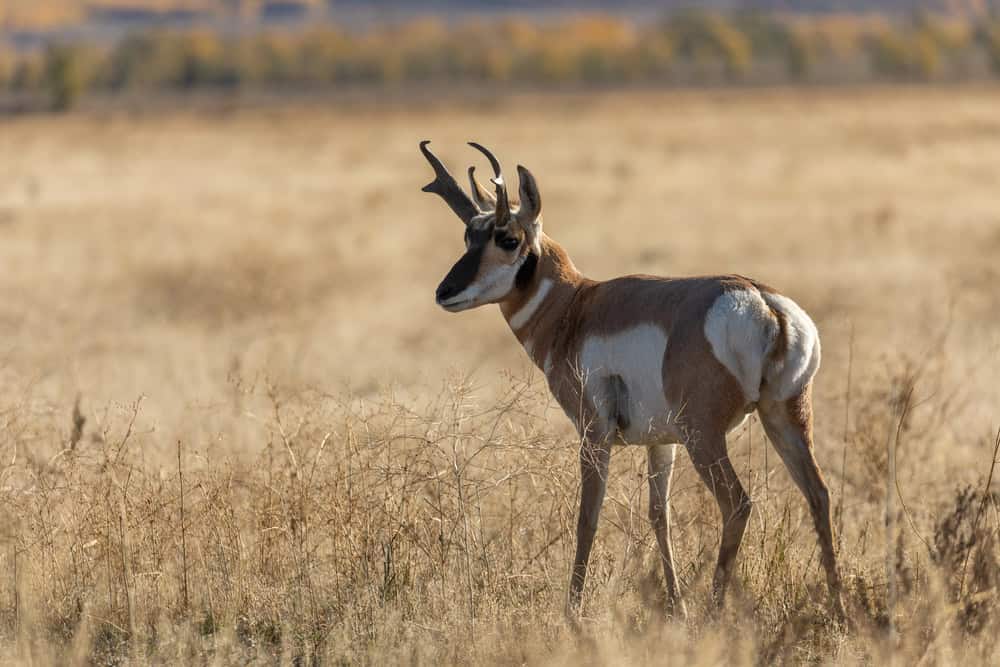
The Pronghorn Antelope of the Great Plains relies on its incredible speed and agility as a primary defense. Capable of reaching speeds of up to 60 miles per hour and maintaining high speeds over long distances, pronghorns can outrun most predators. Their keen vision also aids in spotting threats from afar, allowing them to implement their speed advantage effectively.
Frightening Bluff of the Gila Monster

The Gila Monster, native to southwestern deserts, is one of the few venomous lizards. While its bite is painful and can cause illness, its primary defense is intimidation. When threatened, the Gila Monster stands its ground, hissing and gaping its brightly colored mouth, which serves as a powerful bluff to dissuade potential predators.
Toxic Skin of the American Toad
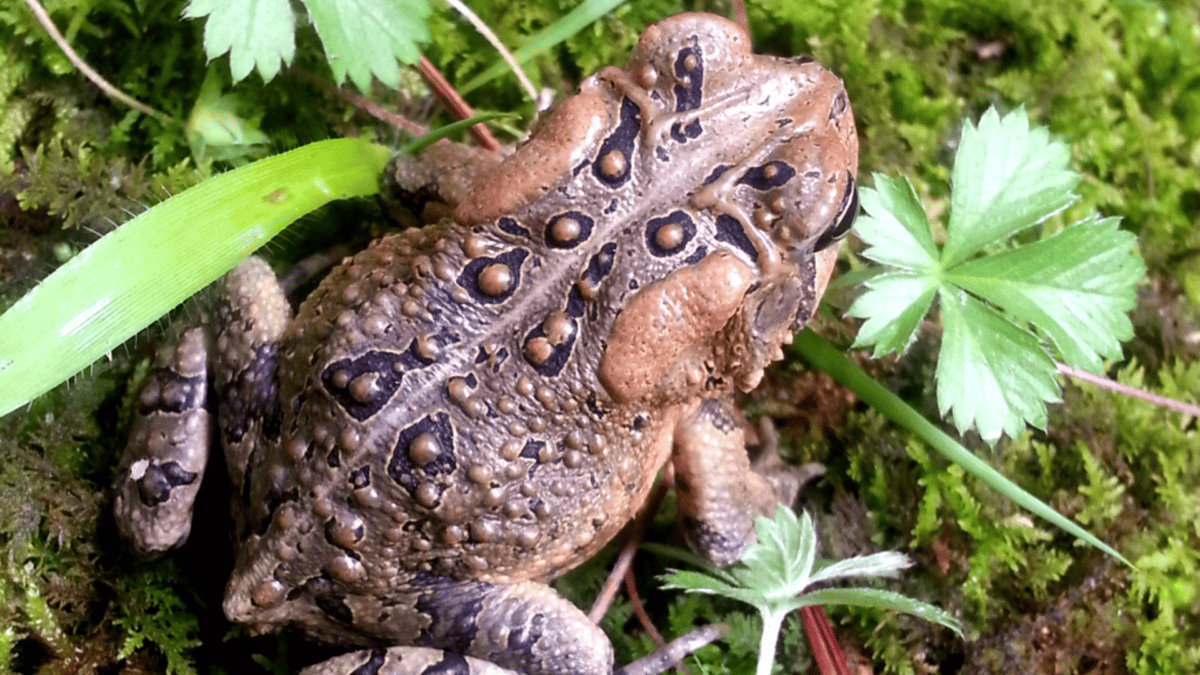
The American Toad employs an unconventional defense through its toxic skin secretions. When threatened, these toads exude a noxious substance that irritates the mucous membranes of predators. While not fatal, this defense is often enough to encourage predators to seek less troublesome meals.
Deadly Venom of the Black Widow Spider

Known for its red hourglass marking, the Black Widow Spider utilizes its venomous bite as an effective defense. The potent neurotoxic venom can cause severe pain and systemic reactions in larger animals, including humans. While bites are rarely fatal, the intense pain serves as a strong deterrent against potential attackers.
Intimidating Armor of the Alligator Snapping Turtle

With its prehistoric appearance, the Alligator Snapping Turtle is well-defended by a powerful jaw and rugged, protective shell. When threatened, it can deliver a crushing bite powerful enough to deter many predators. Its shell provides almost impenetrable protection, adding to its status as a fortified survivor of North American waters.
Diversion Display of the Killdeer
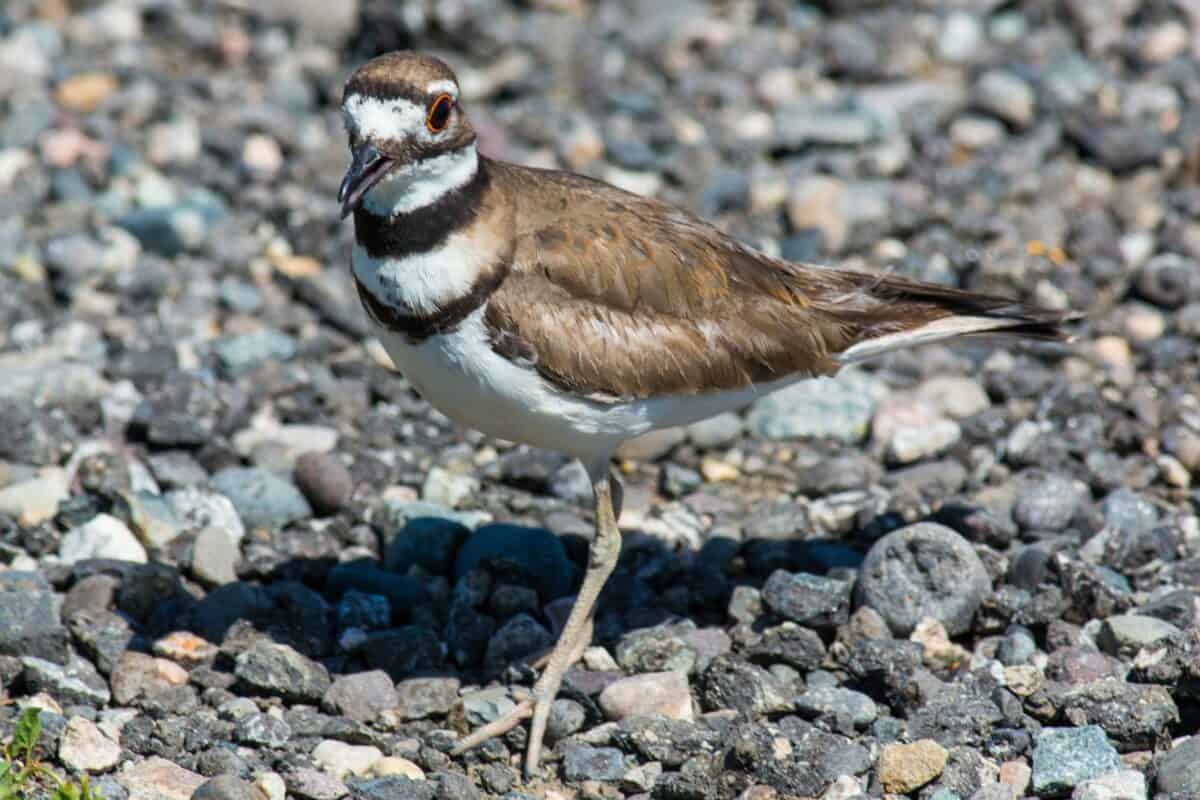
The Killdeer, a type of plover, employs a fascinating defense strategy known as the “broken-wing act.” When its nest is threatened, the killdeer feigns injury, enticing potential predators to follow it away from its vulnerable eggs or chicks. This dramatic display showcases the bird’s ability to divert danger away from its offspring effectively.
Conclusion:

In conclusion, the natural world of North America is teeming with species that have developed jaw-dropping defensive strategies. From venomous bites to chemical sprays, the adaptations of these animals are remarkable. Each mechanism demonstrates the incredible ingenuity of evolution, showcasing the lengths to which nature will go to safeguard survival. As we delve into these fascinating defenses, we gain a deeper appreciation for the complexity and beauty of the animal kingdom, encouraging both respect and awe for these formidable survivors.

As a little kid, I fell in love with nature, wildlife, and animals. Living in the USA, South Africa, Italy, China and Germany gave me the opportunity to discover the world's Wildlife. My favorite animals are Mountain Gorillas, Siberian Tigers, and Great White Sharks.
I'm a certified PADI Open Water Diver, went to Everest Base Camp and Trekked Gorillas in Uganda. I hold a Master of Science in Economics and Finance.
Please send any feedback to feedback@animalsaroundtheglobe.com
- 13 Aquatic Mammals That Don not Look It - July 10, 2026
- 15 Unlikely Hunters With Killer Instincts - July 10, 2026
- 10 Low-Maintenance Pets for Busy Owners - July 10, 2026