
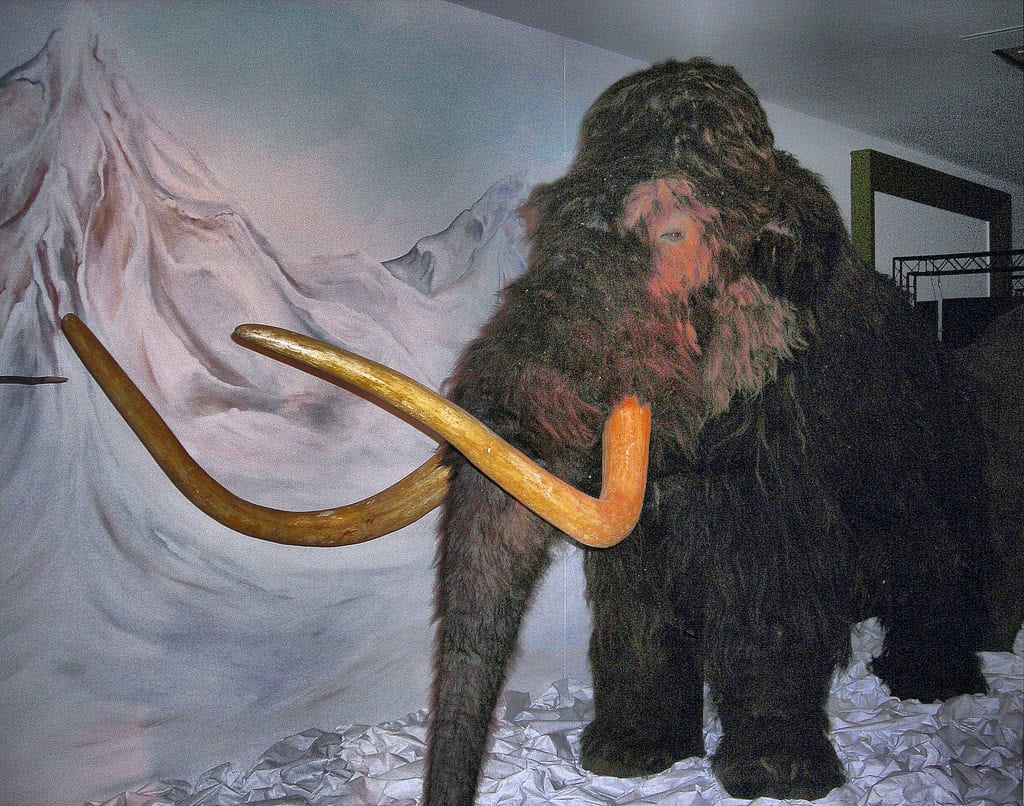
In the frozen tundra of Siberia, a remarkable discovery was made in 2013 – the remarkably preserved remains of a female woolly mammoth, complete with liquid blood. This finding ignited a scientific spark that has been growing into a revolutionary flame. Today, scientists are on the precipice of what once seemed impossible: bringing the woolly mammoth, or at least a creature remarkably similar to it, back from extinction. This isn’t science fiction; it’s de-extinction science, and it’s happening right now in laboratories across the world. Through groundbreaking genetic technologies, researchers are working to resurrect this Ice Age giant that vanished from Earth approximately 4,000 years ago. The implications are profound, not just for our understanding of extinction and evolution, but for ecosystem restoration and possibly even combating climate change. Let’s explore how modern science is working to turn back the clock on extinction and what it could mean for our future.
The Rise and Fall of the Woolly Mammoth

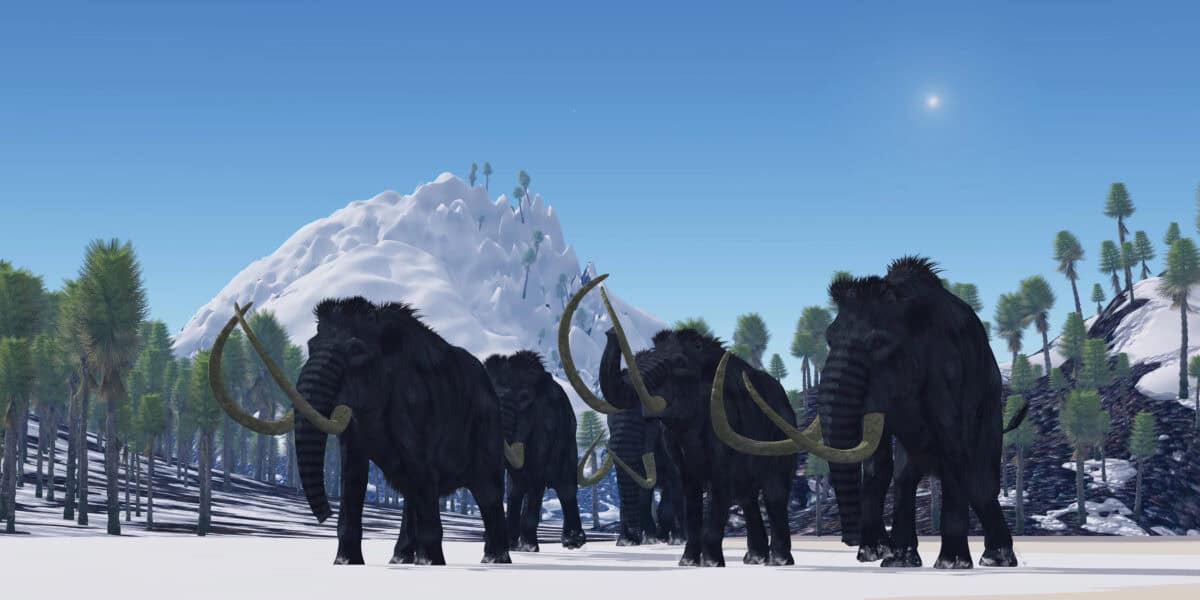
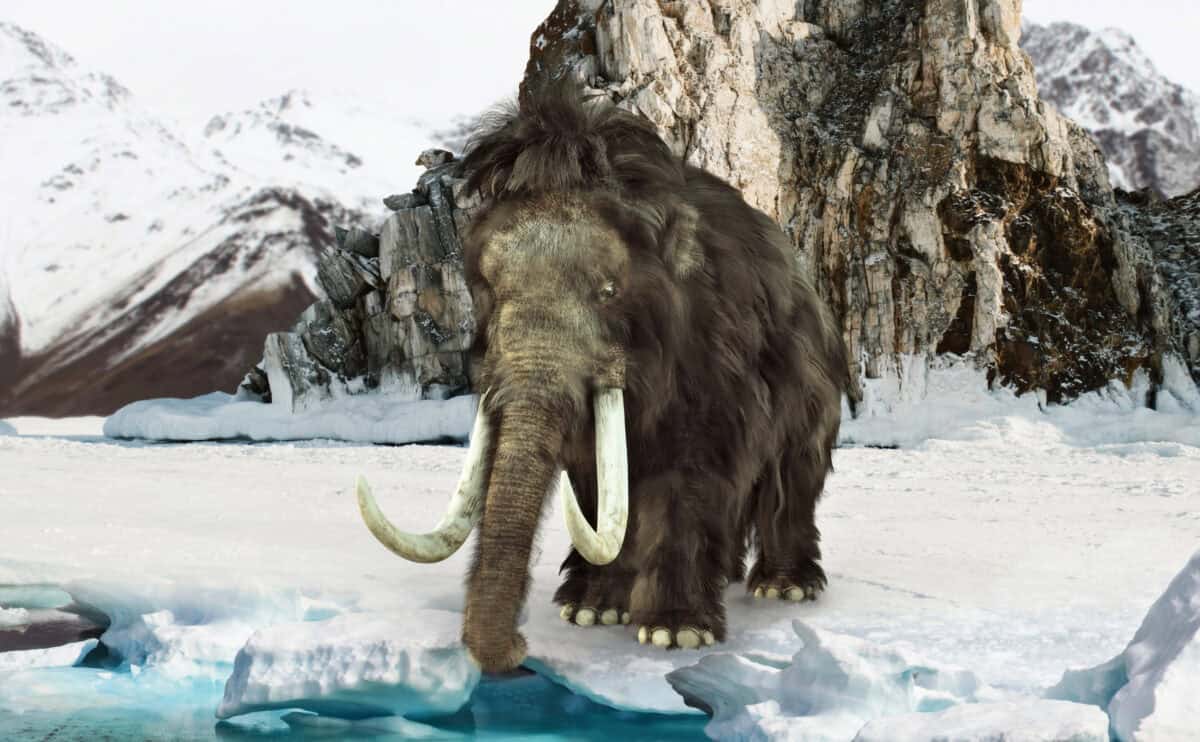
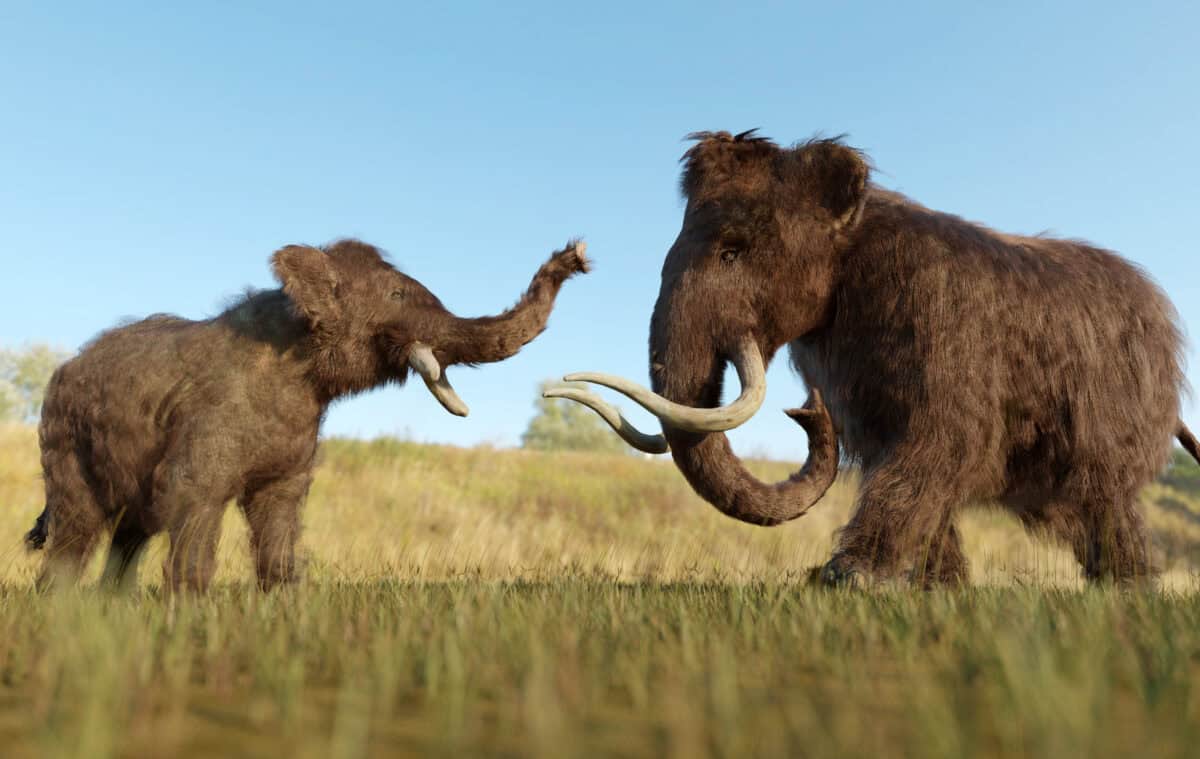
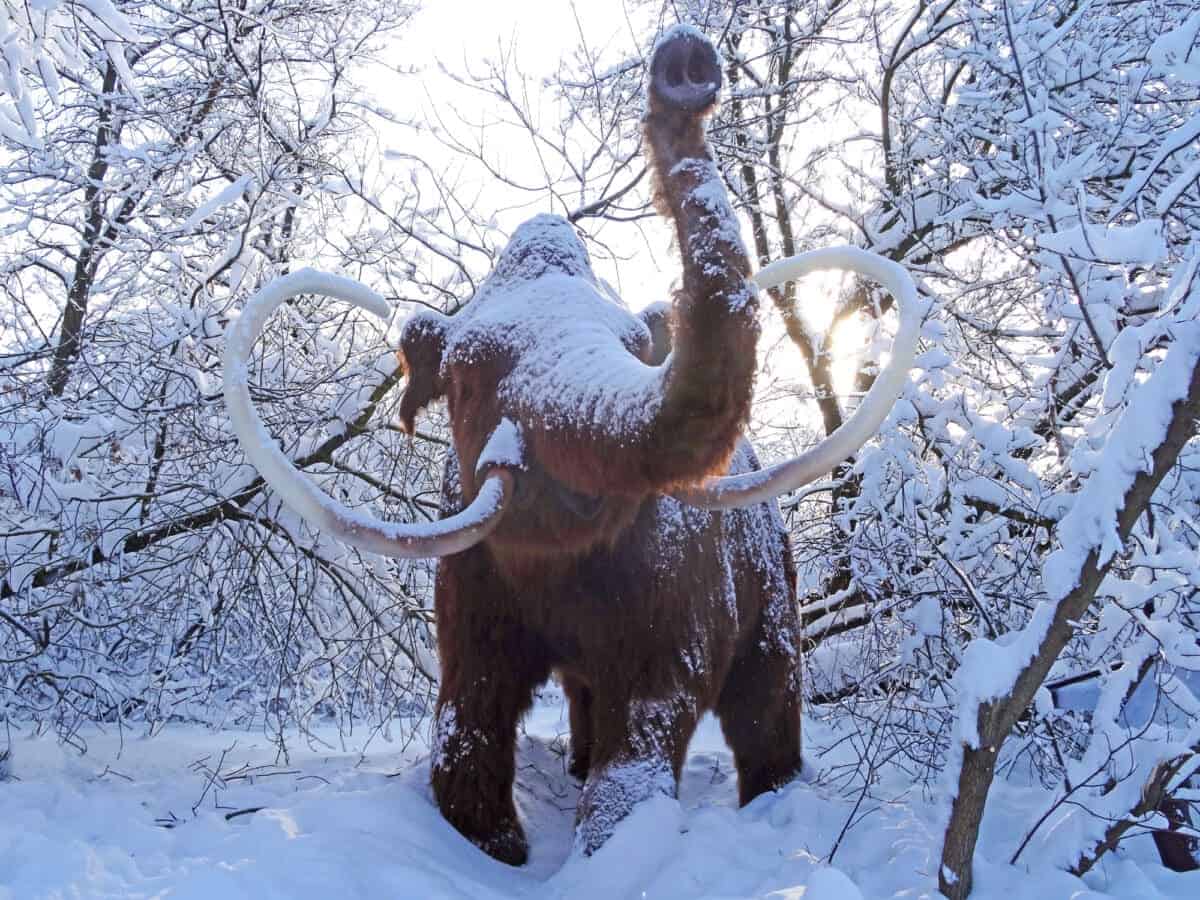
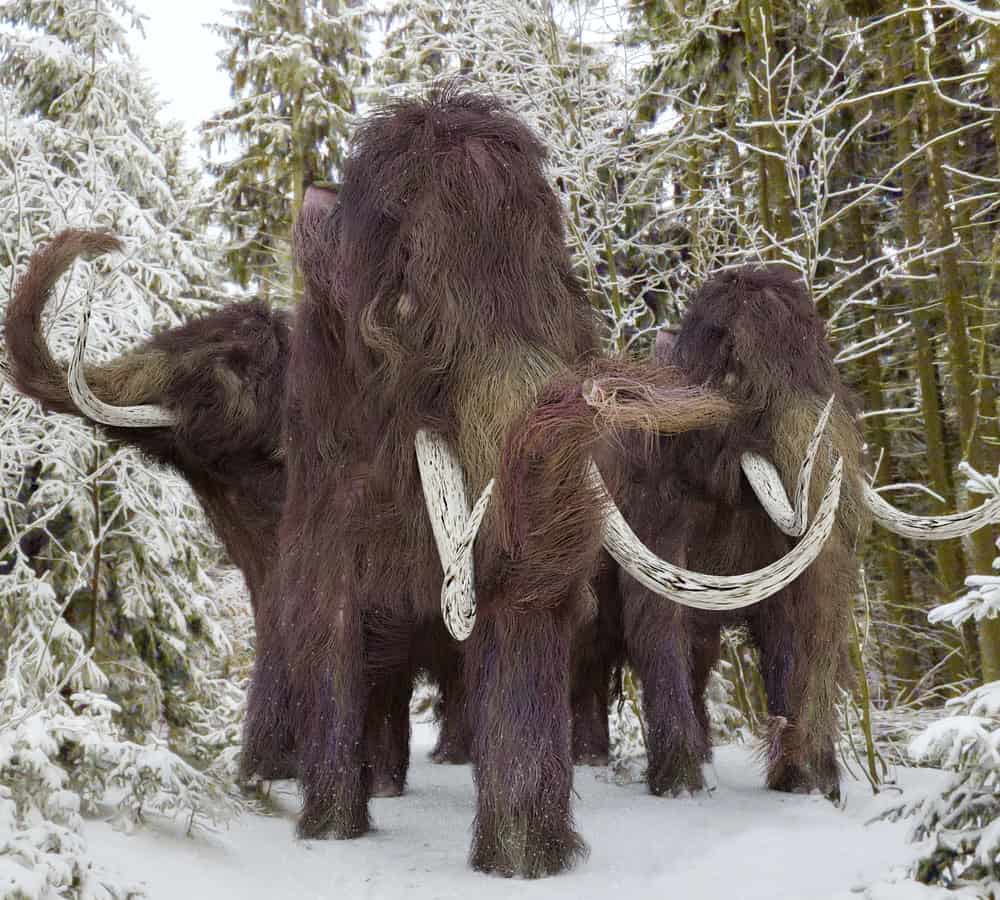
The woolly mammoth (Mammuthus primigenius) dominated the northern landscapes of Eurasia and North America for hundreds of thousands of years. These magnificent creatures stood up to 11 feet tall at the shoulder and weighed as much as 6 tons. Covered in thick, shaggy fur with an insulating layer of fat beneath, they were perfectly adapted to the harsh Ice Age climate. Their distinctive curved tusks, which could grow up to 15 feet long, and their long, trunk-like noses made them somewhat similar to modern elephants – their closest living relatives.
Their decline began around 15,000 years ago at the end of the Pleistocene epoch, with the last mainland populations disappearing about 10,500 years ago. A small population survived on Wrangel Island, off the coast of Russia, until about 4,000 years ago. Scientists debate whether their extinction was due to climate change, human hunting, or a combination of both. What’s certain is that their disappearance altered the ecological balance of their habitat, transforming the mammoth steppe into the tundra we know today. This ecological transformation is one of the key reasons some scientists believe bringing them back could benefit the environment.
The Science of De-extinction

De-extinction, the process of resurrecting extinct species, has moved from theoretical discussions to practical applications in recent years. The science behind this endeavor involves several approaches, with the mammoth revival project primarily focusing on genetic engineering. Unlike the cloning depicted in “Jurassic Park,” scientists aren’t working with intact mammoth DNA (which degrades significantly over time). Instead, they’re using comparative genomics – analyzing the DNA of woolly mammoths preserved in permafrost and comparing it with that of their closest living relatives, Asian elephants, which share 99.6% of their DNA with mammoths.
The current approach involves identifying and splicing specific mammoth genes responsible for cold-adaptation traits (like thick fur, subcutaneous fat, and cold-resistant blood) into elephant DNA. This creates what scientists call a “mammophant” – not a pure mammoth, but an elephant with mammoth characteristics. This technique relies heavily on CRISPR-Cas9, a revolutionary gene-editing tool that allows researchers to modify DNA with unprecedented precision. The goal isn’t perfect resurrection but ecological replacement – creating an animal that can fill the mammoth’s former ecological niche and possibly help restore ancient ecosystems.
Colossal Biosciences: Leading the Mammoth Revival
At the forefront of the mammoth de-extinction effort is Colossal Biosciences, a company co-founded by tech entrepreneur Ben Lamm and renowned Harvard geneticist George Church in 2021. The company made headlines when it announced its ambitious plan to create a woolly mammoth hybrid and reintroduce it to the wild within the decade. Backed by $75 million in funding from investors, including the Winklevoss twins and Peter Thiel, Colossal has assembled a team of geneticists, conservation biologists, and biotechnology experts to tackle this monumental challenge.
Church’s lab at Harvard has already successfully inserted 14 mammoth genes into elephant cell cultures, focusing on traits like hair thickness, fat layers, and cold tolerance. Colossal’s approach involves creating an embryo of this hybrid species and either using an artificial womb (technology still under development) or potentially an elephant surrogate. The company emphasizes that their work extends beyond just mammoth revival – they’re developing technologies with broad applications for endangered species conservation and advancing our understanding of genomics. Their ultimate goal is to release herds of these mammoth-like creatures into the Arctic tundra, where they believe the animals could help restore the ancient grassland ecosystem and potentially slow climate change.
The Preserved Remains: A Window to the Past
The mammoth revival project would be impossible without the remarkably preserved specimens found in the permafrost of Siberia and North America. When Lyuba, a baby mammoth who died approximately 42,000 years ago, was discovered in 2007, scientists were amazed at her preservation—her skin, organs, and even the milk from her last meal were intact. Even more significant was the 2013 discovery of a female mammoth on Maly Lyakhovsky Island in Siberia, which contained liquid blood that could be extracted from her tissue—an unprecedented find that provided valuable genetic material.
These frozen specimens offer a unique opportunity for scientists to study ancient DNA. Unlike dinosaur remains, which are typically fossilized with minimal organic material remaining, mammoths in permafrost have been essentially “refrigerated” for thousands of years, preserving their DNA in a way that makes genetic analysis possible. Although the DNA is still fragmented and damaged, modern sequencing technologies can piece together the genome. In 2015, scientists completed the first full genome sequence of the woolly mammoth, mapping approximately 3.3 billion base pairs. This genetic blueprint is the foundation for current de-extinction efforts, providing the information necessary to identify which genes would need to be edited in elephant DNA to create mammoth-like traits.
CRISPR and Gene Editing: The Tools of De-extinction
The CRISPR-Cas9 gene editing system is revolutionizing de-extinction science. This technology, which earned its developers the Nobel Prize in Chemistry in 2020, functions like molecular scissors, allowing scientists to cut DNA at specific locations and insert new genetic material with remarkable precision. For the mammoth project, researchers are using CRISPR to edit elephant cells, replacing specific genes with their mammoth counterparts. The focus is on approximately 50 genes responsible for the mammoth’s distinctive cold-weather adaptations, including those controlling hair growth, fat distribution, ear size, and hemoglobin structure (which affects how blood carries oxygen in cold temperatures).
Beyond CRISPR, the mammoth revival project relies on a suite of cutting-edge biotechnologies. Advanced DNA sequencing methods allow scientists to read ancient DNA despite its fragmentation. Computational analysis helps identify which genetic differences between elephants and mammoths are most significant for adaptation. Synthetic biology techniques enable the creation of DNA sequences that no longer exist in nature. Cell culturing and stem cell technologies provide the foundation for developing embryos. Together, these tools represent one of the most ambitious applications of modern genetic science, pushing the boundaries of what’s possible in biotechnology and conservation.
Ecological Benefits: Why Bring Back the Mammoth?

The revival of mammoth-like creatures isn’t merely a scientific curiosity—it has potential ecological benefits. Sergey Zimov, a Russian scientist, has been running the “Pleistocene Park” experiment in northeastern Siberia, demonstrating how large herbivores can transform tundra back into grassland. Mammoths were ecosystem engineers; their grazing patterns maintained grasslands by preventing forest encroachment, their movements compacted snow allowing cold air to reach and preserve the permafrost, and their waste fertilized the soil. The theory is that reintroducing mammoth-like creatures could help restore these ancient grassland ecosystems.
This ecological restoration could have climate implications. The Arctic permafrost contains vast amounts of stored carbon—estimated at 1,400 gigatons, nearly twice what’s currently in our atmosphere. As global temperatures rise, this permafrost is thawing, releasing methane and carbon dioxide that further accelerate climate change. The grassland ecosystem that mammoths helped maintain reflects more sunlight than tundra or forests, potentially cooling the region. Additionally, grasses sequester carbon in their extensive root systems more effectively than the mosses and shrubs of the tundra. While mammoth revival alone won’t solve climate change, it represents an innovative approach to ecosystem-based climate mitigation that merits exploration alongside more conventional methods.
Ethical Considerations and Controversies

The mammoth de-extinction project raises profound ethical questions that divide the scientific community and the public. Critics argue that resources directed toward de-extinction might be better spent on conserving endangered species that still exist. They question whether we have the right to bring back species that nature or human activity has eliminated, and whether doing so could have unforeseen consequences for existing ecosystems. Animal welfare concerns also arise regarding the potential use of elephant surrogates and the well-being of the first generations of hybrid creatures, which would be experimental organisms without a natural habitat or social structure.
Proponents counter that de-extinction technologies advance conservation science broadly, developing tools that could help preserve endangered species. They argue that humans bear responsibility for many extinctions and therefore have an ethical obligation to reverse damage where possible. The mammoth project specifically aims to restore ecosystems damaged by the original extinction. This ethical debate touches on fundamental questions about humanity’s relationship with nature: Are we stewards with a responsibility to actively manage and restore, or should we minimize our interference? As the technology advances, these philosophical questions become increasingly pressing and practical.
Timeline and Realistic Expectations

While headlines sometimes suggest mammoth resurrection is just around the corner, the reality is more measured. Colossal Biosciences initially announced ambitious plans to have their first mammoth calves within 4-6 years of their 2021 founding. However, most independent scientists suggest a longer timeline—perhaps a decade or more before we might see the first mammoth-elephant hybrid. Creating the embryo is just one step; developing artificial womb technology or safely using elephant surrogates presents additional challenges. Then there’s the matter of raising and studying these animals before any potential rewilding could occur.
It’s also important to understand what success would look like. The result won’t be a perfect woolly mammoth identical to those that roamed the Ice Age tundra. Rather, it would be a genetically modified Asian elephant with mammoth-like characteristics—a new organism designed to fill a similar ecological niche. Full herds roaming the Arctic, if ever achieved, would likely be decades away. The project is best understood as a long-term scientific endeavor, with incremental advances building toward the ultimate goal. Each step along the way, however, provides valuable scientific insights and technological developments that have broader applications beyond just mammoth revival.
Beyond Mammoths: Other De-extinction Candidates

The woolly mammoth isn’t the only extinct species scientists are working to resurrect. The passenger pigeon, which once flew in flocks so vast they darkened North American skies before being hunted to extinction by 1914, is another prominent de-extinction candidate. Revive & Restore, a nonprofit organization, is leading efforts to genetically engineer band-tailed pigeons to express passenger pigeon traits. Similarly, scientists in Australia are working on the thylacine (Tasmanian tiger), a marsupial predator that went extinct in the 1930s. In February 2023, a team at the University of Melbourne received a $5 million grant to advance their de-extinction work on this species.
Each de-extinction project faces unique challenges based on how long the species has been extinct, the availability of preserved DNA, the existence of closely related living species, and the complexity of the genetic differences that need to be addressed. The science developed for one project often benefits others, creating a broader de-extinction field rather than isolated efforts. For instance, artificial womb technology being developed for the mammoth project could potentially help save extremely endangered species like the northern white rhino, which has only two females remaining. This interconnection highlights how de-extinction research, even when focused on a specific species like the mammoth, contributes to broader conservation technology.
Challenges and Limitations
Despite the exciting progress, mammoth de-extinction faces substantial scientific hurdles. DNA degradation remains a significant challenge—even well-preserved mammoth specimens contain fragmented genetic material that must be painstakingly reconstructed. Identifying which genetic changes are necessary to create cold-adapted traits without compromising the animal’s overall health requires deep understanding of how genes interact. Reproductive challenges are equally daunting; artificial womb technology is still in early development, and using elephant surrogates raises both practical and ethical concerns given the significant genetic modifications involved and elephants’ endangered status.
Beyond the laboratory, successful reintroduction would face additional complications. These animals would need to adapt to a modern Arctic environment that differs significantly from the Pleistocene world—with different plant communities, predator-prey relationships, and climate conditions. Social behavior would be another challenge; mammoths were highly social creatures that passed knowledge through generations. The first mammoth-elephants would lack this cultural heritage and would need to develop appropriate behaviors without mammoth role models. These challenges highlight why mammoth de-extinction is a multi-decade project requiring advances across multiple scientific disciplines—from genetics to reproductive biology to behavioral ecology.
Public Perception and Cultural Impact
The prospect of mammoth de-extinction has captured public imagination in ways few scientific endeavors can match. It sits at the intersection of paleontology, cutting-edge genetics, conservation, and science fiction, making it accessible and fascinating to people who might otherwise pay little attention to genetic research. Media coverage of the mammoth revival project has been extensive, though sometimes sensationalized, focusing on the “Jurassic Park” elements rather than the nuanced scientific and conservation goals. This public interest creates both opportunities and challenges for scientists working in the field.
Culturally, the mammoth occupies a special place in human history. Our ancestors hunted these creatures and depicted them in cave paintings dating back thousands of years. Indigenous peoples of the Arctic have traditional knowledge and stories about mammoths, some of which have proven valuable to scientists. The potential return of a mammoth-like creature raises questions about how we relate to extinction and our power to manipulate nature. It challenges us to consider what “natural” means in the Anthropocene era, where human influence touches every ecosystem. Whether viewed as hubristic overreach or enlightened stewardship, mammoth de-extinction represents a profound shift in humanity’s relationship with extinct species—from studying their remains to actively bringing them back.
The Future of De-extinction Science
As the mammoth revival project advances, it’s driving innovation across multiple scientific fields. The technologies being developed—from improved gene editing techniques to artificial womb development—have applications far beyond de-extinction. These tools could revolutionize conservation of endangered species, potentially allowing scientists to increase genetic diversity in small populations or even help species adapt to changing climate conditions. The project is also enhancing our understanding of genomics, providing insights into how specific genes influence physical traits and adaptations—knowledge that could advance both human and veterinary medicine.
Looking further ahead, successful mammoth de-extinction would establish a framework for considering other candidate species. Future projects might focus not just on charismatic megafauna like mammoths but on ecologically important species whose loss has disrupted ecosystem functions. Key pollinators, seed dispersers, or keystone species that maintained ecosystem balance could become priorities. However, de-extinction will likely remain a limited conservation tool rather than a broad solution to biodiversity loss. The resources required mean it will be reserved for species with significant ecological importance or where the scientific knowledge gained justifies the investment. The mammoth project is thus best understood as pioneering a new set of conservation tools that will continue to evolve and find applications in preserving and potentially restoring Earth’s biodiversity.
Conclusion: Walking With Giants Once Again
The journey to bring back the woolly mammoth represents one of humanity’s most ambitious scientific endeavors—a convergence of paleontology, cutting-edge genetics, and conservation biology that pushes the boundaries of what we thought possible. While we won’t see herds of mammoths roaming the Arctic tomorrow, each step toward this goal advances our scientific capabilities and deepens our understanding of extinct species and their ecological roles. The mammoth revival project forces us to confront profound questions about our relationship with nature and our responsibility toward the species we’ve lost and those we continue to threaten with extinction. As we peer into the depths of prehistory, we are reminded of the delicate balance that once existed in ecosystems, where each species, no matter how large or small, played a pivotal role.
The resurrection of the woolly mammoth, if successful, may not only serve as a symbol of human ingenuity but also offer a chance to restore ecosystems that have been altered by climate change and human intervention. However, it also raises ethical concerns about the limits of human intervention in nature, and whether we have the right to bring back species that once faded into the past. Ultimately, this endeavor challenges us to reconsider what it means to be stewards of the Earth, and whether our attempts to rewrite the natural world will heal it or further disrupt the fragile harmony we’ve yet to fully understand.

- The Forgotten Lake Where Flamingos Nest in the U.S. - July 10, 2026
- This U.S. Forest Is Home to the Largest Herd of Wild Elk - July 10, 2026
- The Most Dangerous Lake in the World—And Why It Can Kill Instantly - July 10, 2026