
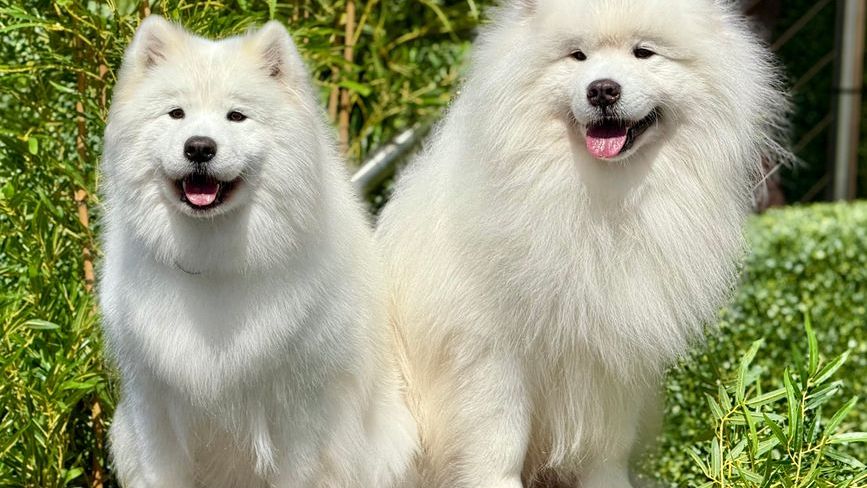
They come in with puppies so fluffy and beautiful that groomers themselves almost hate to say what they know. Young couples, excited kids, families who did “enough” research – they all picked one of these breeds for the same reasons: the photos, the temperament write-ups, the breeder who swore it would be fine. And for the first few months, it usually is. Then the coat takes over, the bills stack up, and the dog that was supposed to complete the family ends up surrendered to a rescue, matted to the skin, confused about why its world just collapsed.
Experienced groomers don’t warn people loudly enough – partly out of professionalism, partly because nobody wants to hear it during the honeymoon phase. But behind the grooming table, the conversations are blunt: certain breeds quietly break first-time owners at a rate that still shocks even the most seasoned professionals. These are the 13 breeds they’ve quietly stopped recommending, and the reasons are more specific – and more heartbreaking – than most people expect.
#13 – Afghan Hound
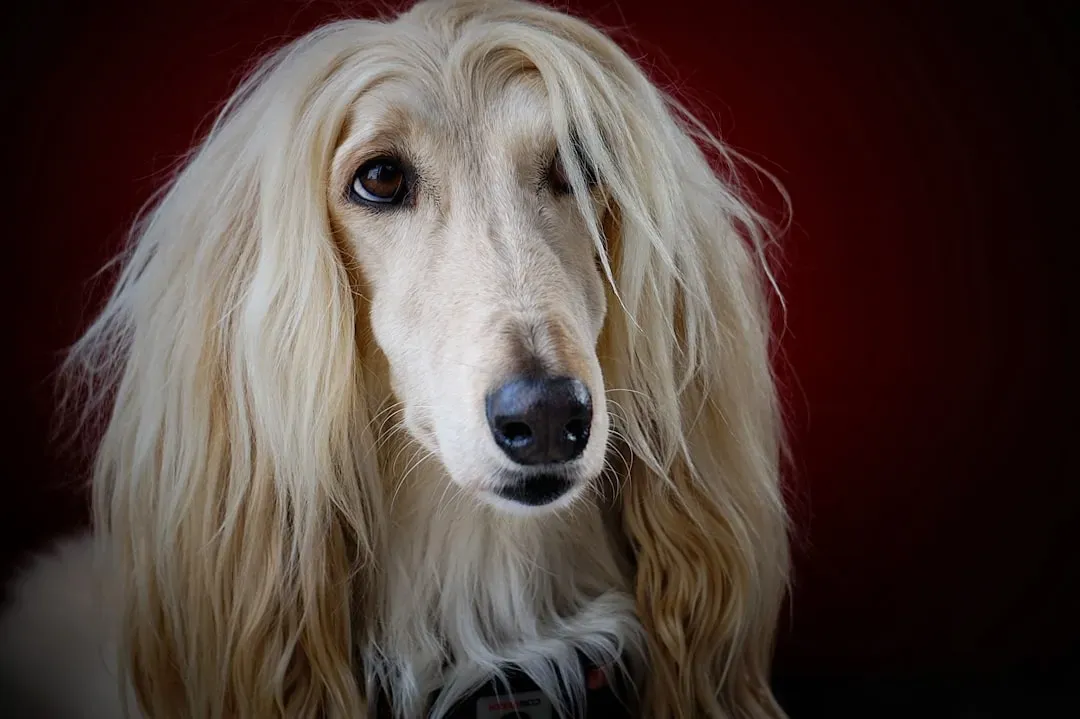
The Afghan Hound looks like something out of a fashion editorial – long, silky hair flowing like a shampoo commercial, elegant bone structure, that impossibly regal gaze. What the photos never show is what happens four days after the last brush-out. Afghan coats mat with a speed that genuinely startles new owners, forming tight, painful knots close to the skin that can trap moisture and bacteria and restrict movement if left too long. Groomers who work with Afghans regularly will tell you that even a single skipped week can mean an hour of painful detangling – if it’s even salvageable.
What compounds the problem is that Afghans aren’t cuddly, patient dogs who’ll sit still for a marathon grooming session. They’re sighthounds bred for explosive speed and independent thinking, which means they need serious daily exercise on top of the coat maintenance – a combination most first-time owners genuinely don’t see coming. The families who surrender their Afghans aren’t irresponsible people. They’re exhausted people who were handed a breed with the maintenance demands of a show horse and the temperament of a cat.
Fast Facts
- Professional grooming recommended every 4–6 weeks, at $75–$100+ per session
- Annual grooming costs alone can run $900–$1,200 – before food, vet, or supplies
- Daily brushing is required at home between every professional appointment
- Mats form fastest behind the ears, in the armpits, and around the hindquarters
- Afghan Hounds typically live 12–15 years – that’s a long-term grooming commitment
#12 – Chow Chow
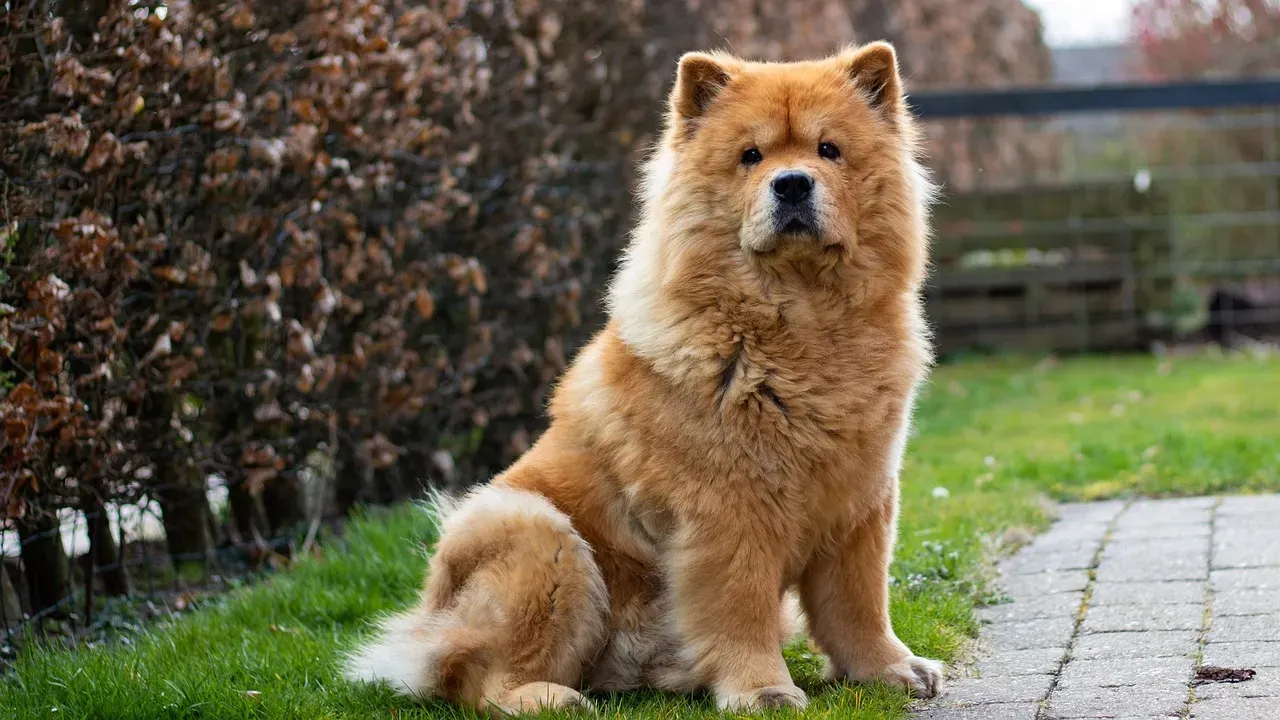
Chow Chows are undeniably striking – that lion’s mane, the deep-set eyes, the almost bear-like presence. They also carry a dense double coat that traps heat, debris, and moisture in ways that turn into serious skin problems shockingly fast when brushing falls behind. Underneath all that fur, hot spots and fungal irritation can develop without any visible warning signs from the outside. By the time a first-time owner notices something is wrong, the vet bill often lands in the hundreds.
The temperament issue is just as real as the coat issue. Chow Chows are famously aloof and strong-willed, which experienced handlers respect and work around – but beginners frequently misread as calm or even affection. That misread becomes dangerous during grooming, when a dog that was never properly conditioned to being handled decides it’s had enough. Groomers who’ve worked with poorly socialized Chows don’t forget the experience. Neither do the owners who eventually realize they’re afraid of their own dog.
#11 – Old English Sheepdog
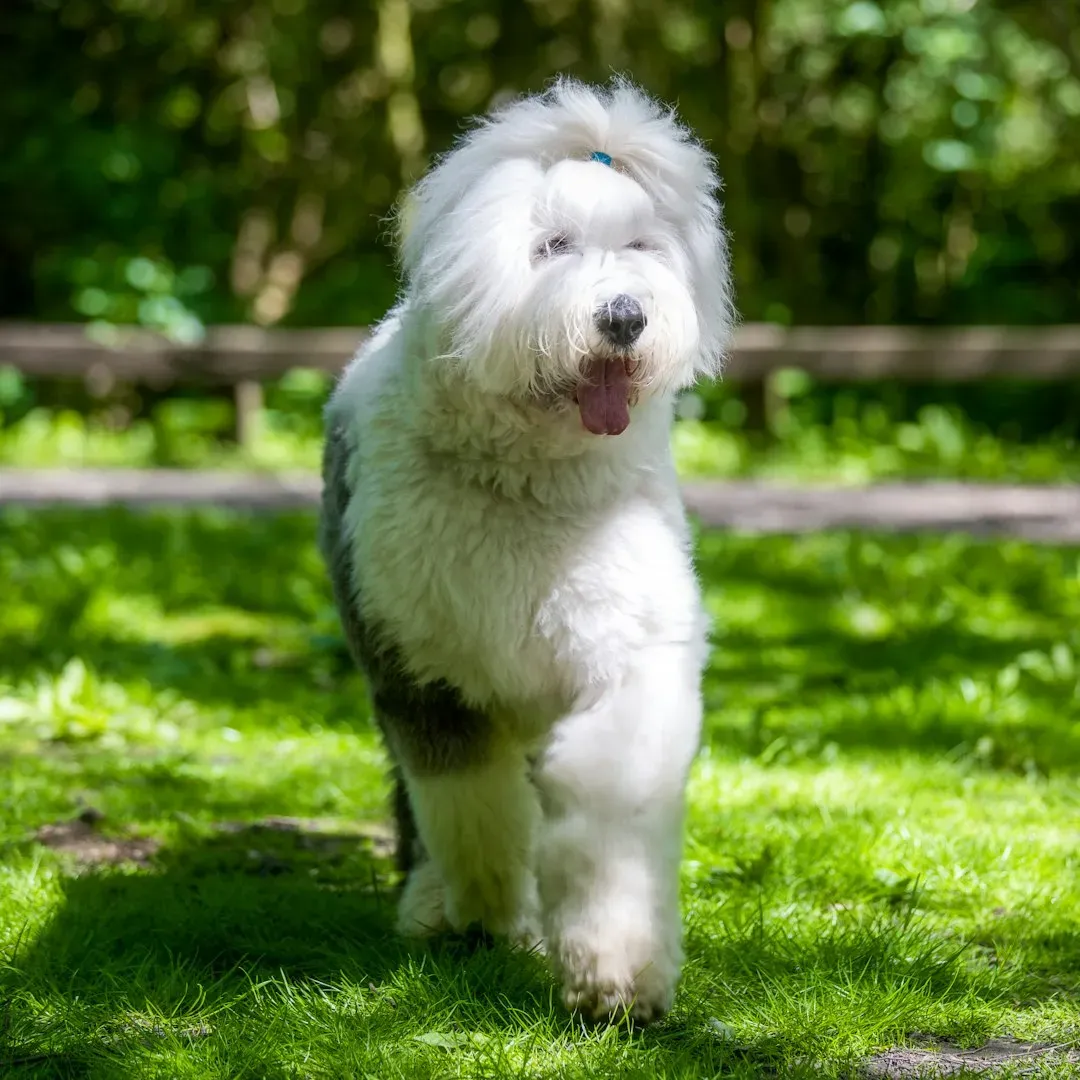
Old English Sheepdogs look like living stuffed animals, and that’s precisely the problem. Families see the bouncy, shaggy dog from the paint commercials and picture a lovable, low-key companion. What they get is a dog whose coat grows continuously, mats aggressively at the root, and requires brushing every single day – not a quick pass-over, but a methodical section-by-section brush-out that can take 45 minutes on a well-maintained dog and considerably longer if anything has been missed. Professional trims every six weeks are non-negotiable, and those appointments aren’t cheap for a dog this size.
The energy level adds another layer most families don’t anticipate. Old English Sheepdogs were bred to herd livestock across long distances, so the boisterous, exuberant dog in the yard doesn’t settle down after a short walk – it just gets more creative about finding things to do. Combine that with the grooming load, the sheer size, and the way matted coats begin restricting movement and causing skin infections, and you have a breed that consistently outpaces what enthusiastic but inexperienced owners can actually manage.
#10 – Komondor
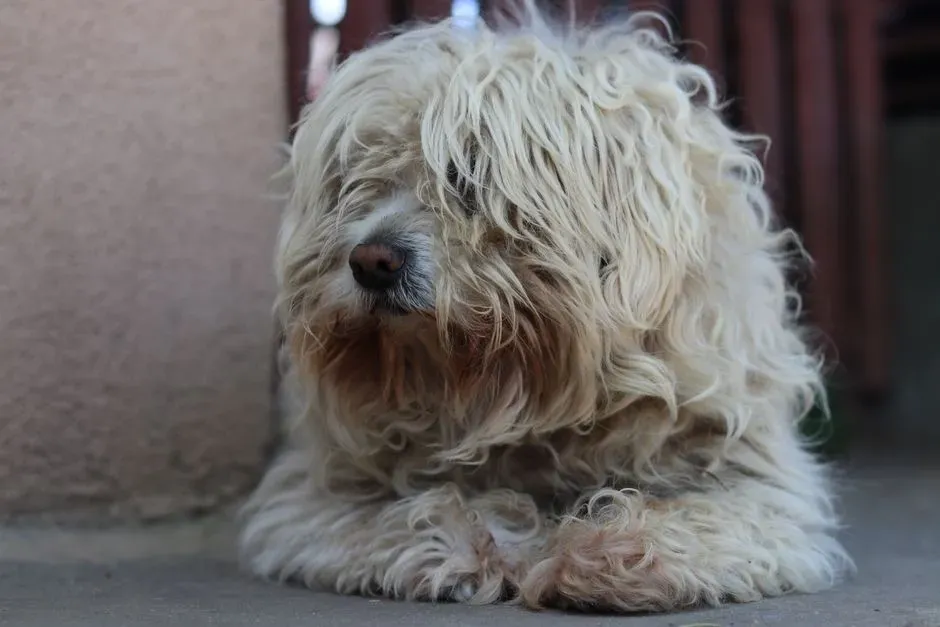
The Komondor’s corded coat is one of the most visually distinctive looks in the dog world – those long, rope-like cords give it the appearance of a living mop, and people are endlessly fascinated by it. The catch is that those cords don’t just form and stay perfect on their own. During the transition from puppy fluff to adult cords, the coat requires careful, regular separation to keep individual cords from fusing together into one giant mat. Miss the window, and the coat can be ruined entirely – sometimes requiring a full shave-down that leaves the dog vulnerable and the owner devastated.
Even once the cords are established, maintenance is relentless. Each cord needs to be checked and separated weekly, and after bathing – which the dog absolutely needs – the cords can take up to two days to fully dry. Moisture trapped inside creates a perfect environment for bacterial growth and a genuinely unpleasant smell. Groomers who see Komondors come in with neglected coats describe the experience in terms that are hard to forget. This is a breed built for experienced shepherds on open land, not for apartment dwellers who fell in love with a photo.
At a Glance: Komondor Reality Check
- Cords must be manually separated weekly – neglect means fusion, not just tangles
- Post-bath drying time: up to 48 hours for a fully corded adult
- Trapped moisture inside cords leads to bacterial growth and persistent odor
- Most professional groomers are not trained to work with corded coats – specialist fees apply
- Originally bred as a livestock guardian in Hungary – needs a job, not just a yard
#9 – Samoyed
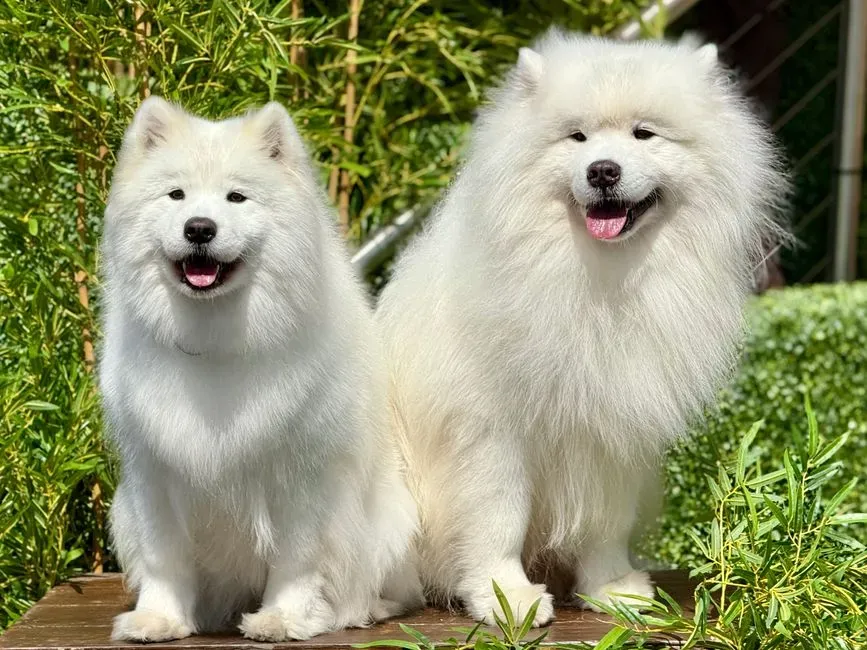
Samoyeds are famously photogenic – bright white coats, that signature “Sammy smile,” a friendly and gentle personality that genuinely earns its reputation. They also shed at a volume that still catches experienced dog owners off guard. The dense double coat blows out seasonally in quantities that cover furniture, clothing, and every surface of a home within hours of vacuuming. Between the major sheds, daily brushing is still required to keep the undercoat from matting against the skin, and professional grooming is essential to stay ahead of the accumulation.
The hidden grooming cost isn’t just money – it’s time, every single day, without exception. Families who get a Samoyed for the friendly temperament and assume the grooming is manageable because “it’s just shedding” are usually in over their heads within the first year. Skin problems surface quickly once brushing slips, because that undercoat holds moisture and heat against the body in ways that cause irritation and infection. Groomers love working with well-maintained Samoyeds. They dread the ones that come in after a month of missed brushings.
#8 – Bichon Frise

Bichon Frises are sold, essentially, on the promise of a teddy bear that also happens to be hypoallergenic. The curly, cloud-like coat is genuinely adorable, and the personality lives up to the hype – cheerful, affectionate, adaptable. But that curly coat is one of the highest-maintenance in the small-dog category, requiring professional clipping every four to six weeks and daily brushing between appointments. The curls don’t shed visibly, but they do tangle, and they mat so tightly that a few skipped brushings can require the dog to be shaved down completely.
The cost accumulates in a way that blindsides families who chose a small dog partly to save money. Twelve professional grooming appointments a year for a Bichon, at typical salon rates, adds up to more than many owners initially budget for a pet annually – before food, vet visits, or anything else. Groomers who work with Bichons regularly describe a pattern they’ve seen dozens of times: the family is devoted for the first year, then life gets busy, then the dog comes in matted to the skin and the owner is ashamed and overwhelmed. The dog pays the price for a mismatch nobody warned them about.
Quick Compare: What “Small Dog” Actually Costs
- Bichon Frise grooming: $50–$80 per session, every 4–6 weeks – roughly $520–$800/year in professional grooming alone
- Matted coat surcharge: $15–$50+ added per visit when brushing has lapsed at home
- Lifetime grooming cost (avg. 14–15 year lifespan): potentially $7,000–$12,000+
- Daily at-home brushing is non-negotiable – professional visits do not replace it
- “Hypoallergenic” coat means hair stays on the dog, not the floor – matting risk is higher, not lower
#7 – Maltese
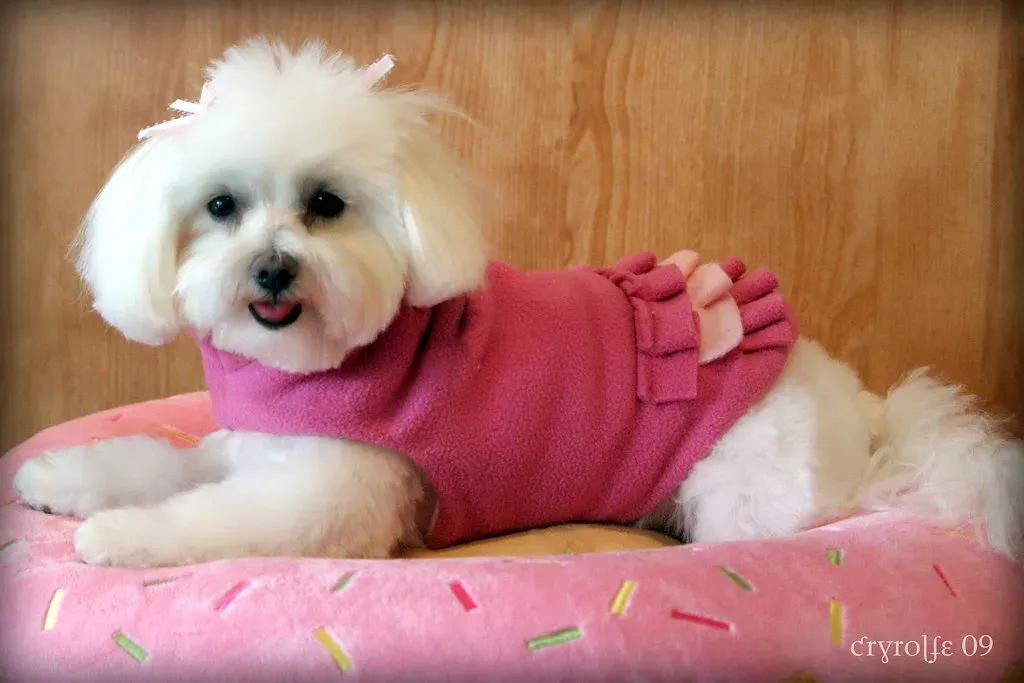
Maltese dogs have hair – not fur – and that distinction matters enormously. Their fine, floor-length coat grows continuously, tangles without warning, and requires daily combing to stay manageable. It also picks up everything: debris from the yard, food particles around the face, moisture that leads to tear staining and skin irritation around the eyes and muzzle. Even owners who commit to daily brushing often find themselves fighting a losing battle against staining and tangles in the areas around the face, which require a level of precision work that most beginners haven’t developed.
The combination of emotional attachment and grooming frustration is particularly hard with Maltese owners. These are people who genuinely love their dogs – the breed earns that love – but who find themselves cutting mats out themselves, trying home remedies for tear stains, and slowly realizing that keeping a Maltese looking the way it did in the photos they fell in love with requires either significant daily effort or a professional appointment every three to four weeks for life. Some families adapt. Many more quietly let the grooming slip and hope for the best, which rarely works out well for the dog.
#6 – Lhasa Apso
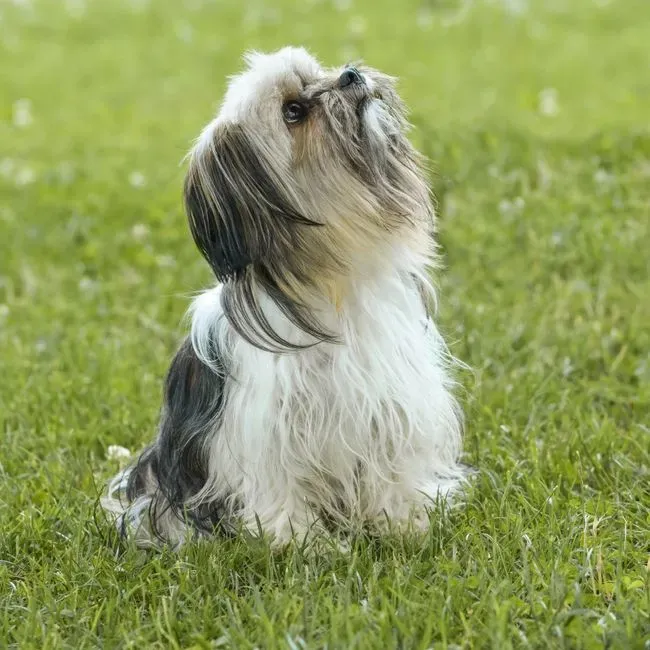
Lhasa Apsos were bred in Tibetan monasteries to serve as alert, watchful companions – and their temperament reflects that heritage in ways first-time owners don’t always anticipate. They’re confident, independent, and deeply uninterested in doing things they haven’t decided to do, which makes grooming sessions a negotiation at best and a standoff at worst. Their long, heavy coat mats close to the skin within a week of inconsistent care, especially around the legs and underbelly where fabric constantly rubs.
The eye and skin issues that develop from an unmaintained Lhasa coat are the detail that genuinely surprises families. Hair that falls across the eyes causes chronic irritation and can contribute to corneal ulcers. Mats near the skin trap heat and moisture, creating conditions for bacterial and fungal infections that require veterinary treatment. Groomers who see Lhasa Apsos regularly describe families who were completely unprepared – not because they didn’t care, but because nobody told them that this compact, seemingly manageable little dog carries the coat demands of a much larger, more obviously high-maintenance breed.
#5 – Shih Tzu
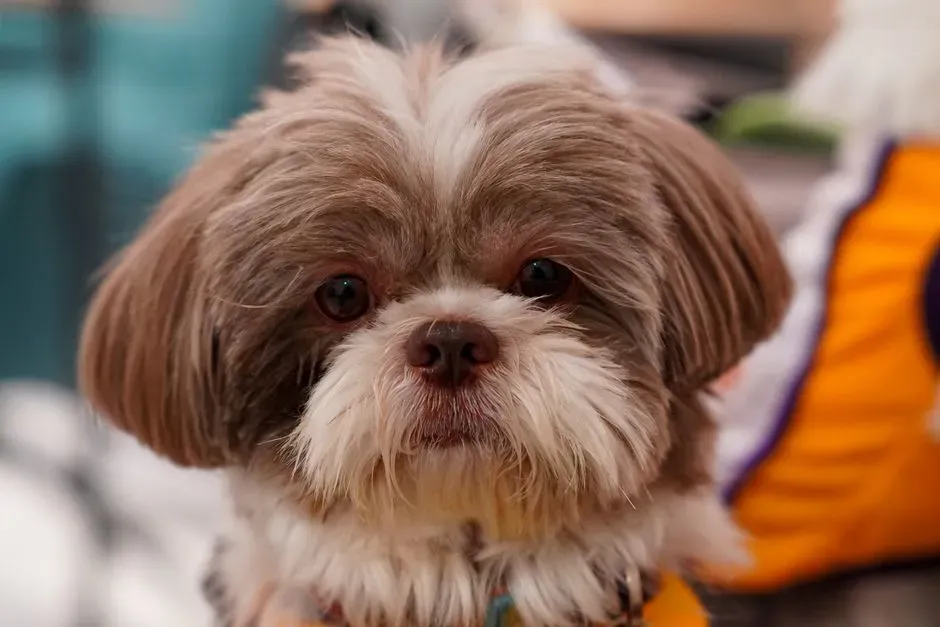
Shih Tzus have one of the most devoted followings of any small breed, and it’s earned – they’re affectionate, adaptable, and genuinely good with families. But their flowing double coat requires daily brushing and professional grooming on a four-week schedule to stay out of crisis. The face is its own separate challenge: the hair around a Shih Tzu’s flat muzzle grows toward the eyes and nose, and without consistent trimming, it contributes to the breathing difficulties the breed already faces due to its brachycephalic structure.
The flat face is the part of the equation that gets overlooked in grooming conversations, but groomers think about it constantly. A Shih Tzu that’s overheated, stressed, or struggling to breathe during a grooming session is a genuine safety concern. Owners who don’t maintain the coat between appointments are sending dogs to groomers already in distress, and the combination of matting, heat, and anatomical breathing challenges turns a routine appointment into something far more complicated. These dogs deserve better than the reality so many of them end up in, and that reality starts with a mismatch at adoption.
Worth Knowing: The Brachycephalic Factor
- Shih Tzus are brachycephalic – their flattened skull structure restricts airflow even at rest
- Stress and heat during grooming sessions can escalate into genuine breathing emergencies
- Coat hair that reaches the eyes accelerates corneal irritation and eye discharge
- Groomers must work faster and with extra ventilation breaks compared to most breeds
- A matted, overdue coat means a longer, more stressful appointment – the opposite of what this breed needs
#4 – Yorkshire Terrier
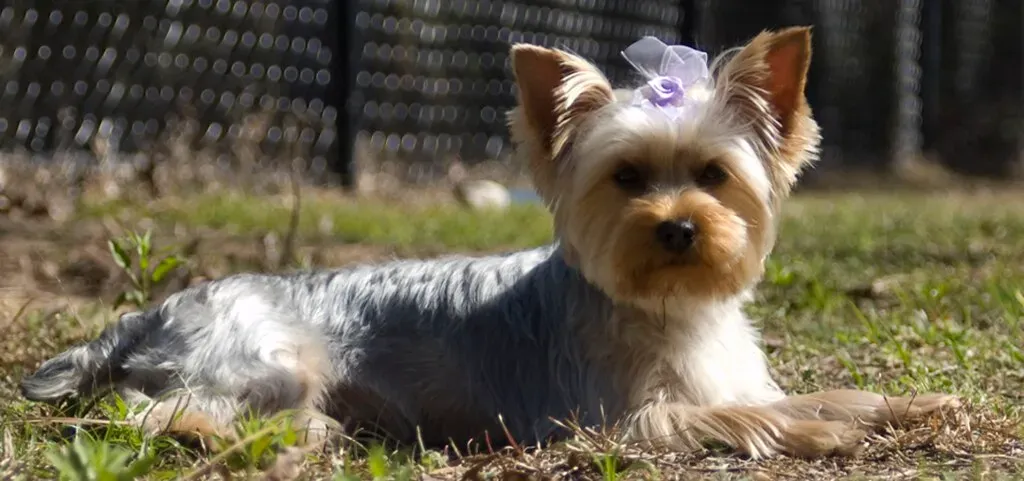
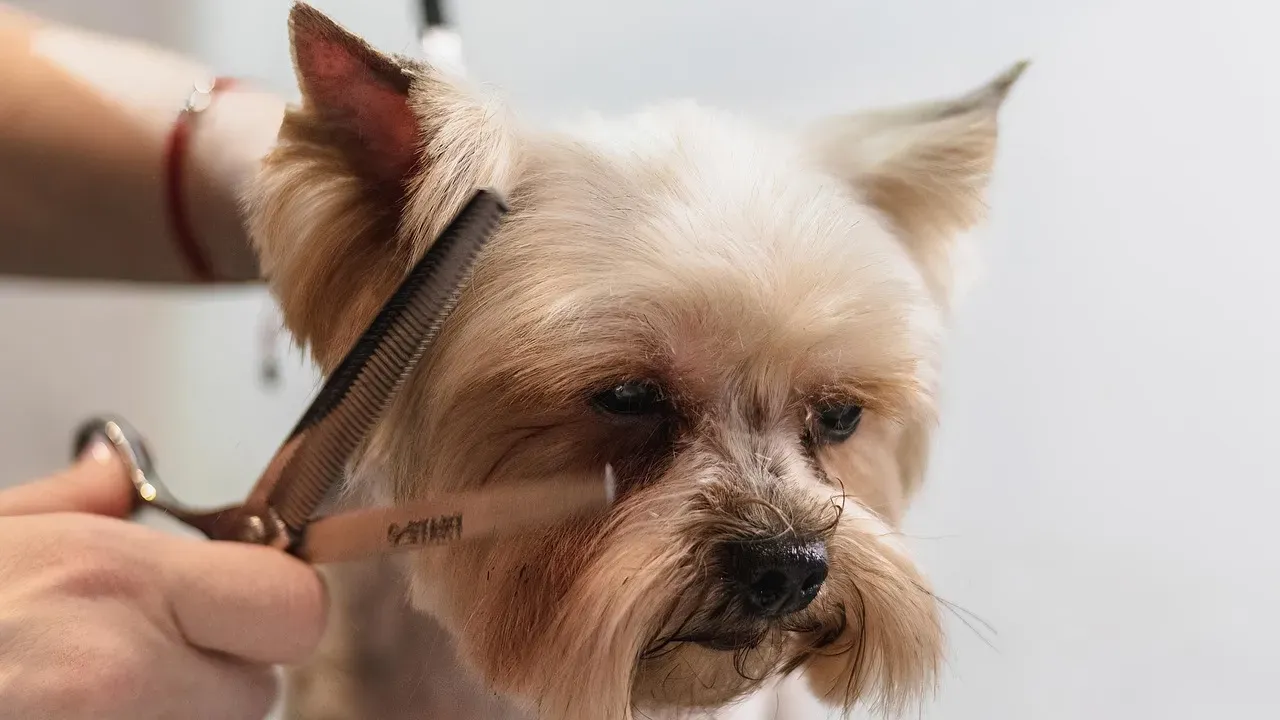
Yorkshire Terriers are permanently underestimated because of their size. People look at four to seven pounds of dog and assume the grooming will be proportionally small – a quick brush, a trim every now and then, nothing serious. What they discover is that the Yorkie’s fine, silky, continuously growing coat is one of the most tangle-prone in the small-dog world, matting tightly after just a few missed brushings in a way that can require full shave-downs on dogs whose owners were certain they’d been keeping up.
Groomers who work with Yorkies regularly describe a nearly universal pattern: the puppy arrives for its first appointment fluffy and perfect, and the family is enthusiastic. By the third or fourth visit, the brushing at home has tapered off because life is busy and the dog is small and “it doesn’t seem that bad.” By the sixth or seventh visit, the groomer is explaining, as gently as possible, that the mats are too close to the skin to brush out and the entire coat needs to come off. The dog is fine. The owner is mortified. And the cycle often repeats.
#3 – Cavalier King Charles Spaniel
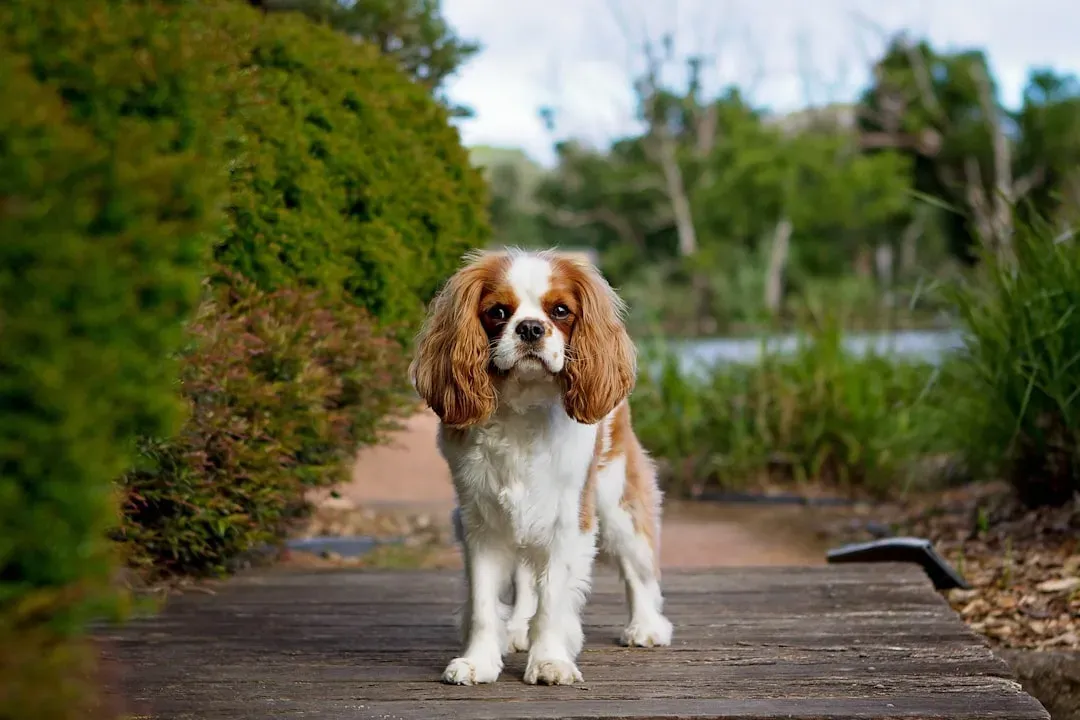
Cavalier King Charles Spaniels are among the most genuinely lovable dogs in existence – gentle, intuitive, devoted in a way that feels almost uncanny. Families choose them for the temperament and are usually right about that part. The silky, feathered coat that frames their face and drapes from their legs and ears is beautiful and also relentless in its need for attention. It tangles most aggressively behind the ears, under the legs, and around the collar – exactly the spots owners brush least thoroughly because they’re hardest to reach.
The health piece is where groomers feel most conflicted about recommending Cavaliers to first-timers. The breed carries a significant predisposition to mitral valve disease – a heart condition that affects the majority of Cavaliers by middle age – and syringomyelia, a neurological condition tied to skull structure. These aren’t obscure risks; they’re well-documented and financially significant. Families already stretched by grooming costs are often blindsided when the veterinary reality of the breed arrives on top of it. Groomers don’t say this to discourage love for Cavaliers. They say it because they’ve watched too many families break under the combined weight of it.
The Heart Disease Reality No One Warns You About
- Mitral valve disease (MVD) is 20 times more prevalent in Cavaliers than in the average dog breed
- Over 50% of Cavaliers show signs of MVD by age 5; that figure climbs to roughly 90% by age 10
- MVD is the leading cause of death for the breed worldwide – not an edge-case risk
- Annual cardiology screenings are strongly recommended, adding to the already significant ownership cost
- Syringomyelia (a neurological condition) is a separate, additional health concern linked to the breed’s skull structure
#2 – Cocker Spaniel
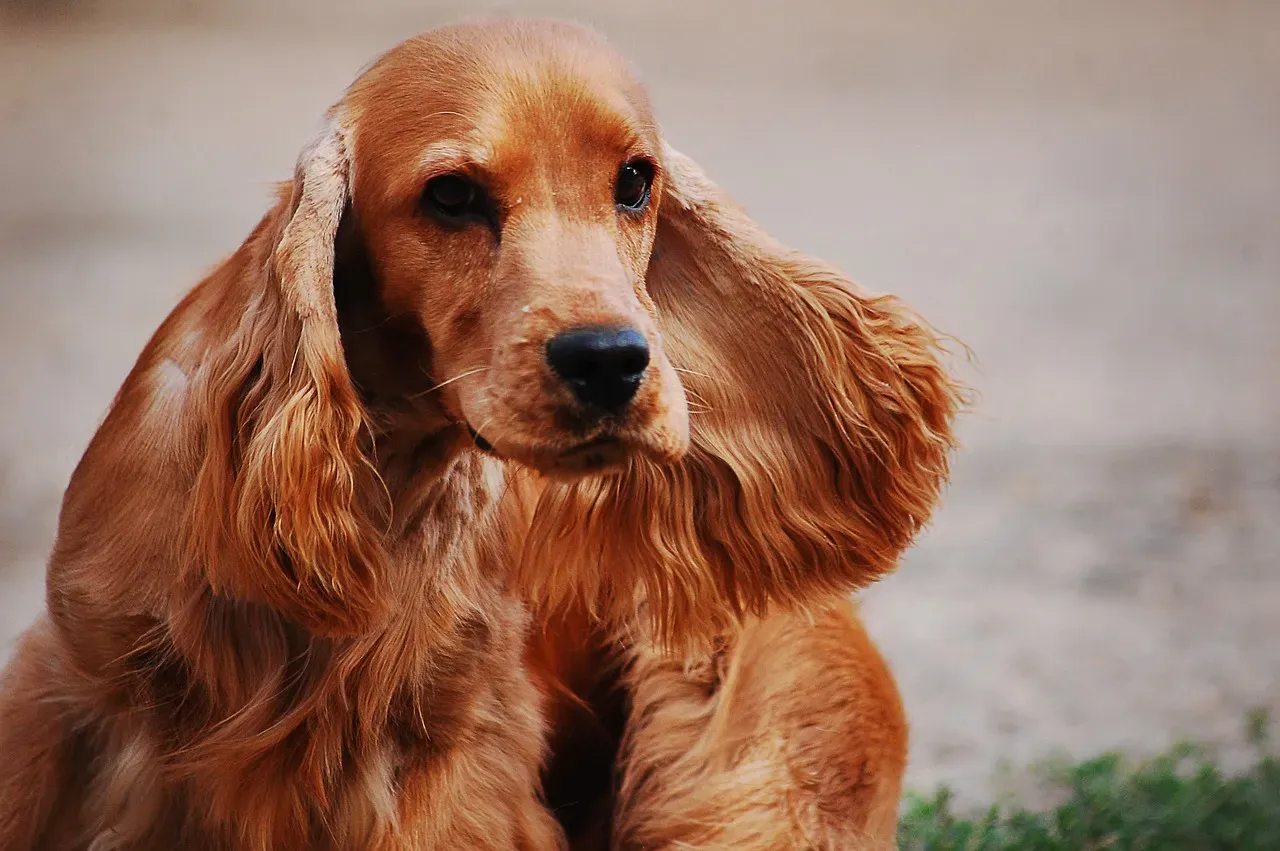
Cocker Spaniels have one of the most beautiful coats in the dog world – long, silky, feathered along the legs and chest in a way that looks effortlessly elegant in photos. In practice, that coat mats with impressive speed, and the feathering picks up every burr, twig, and grass seed it passes near. Professional grooming every six weeks is the minimum to stay ahead of the matting, and daily brushing between appointments is non-negotiable if the owner wants to avoid the shave-down conversation. Most first-time owners don’t know this going in.
The ears are the part that concerns groomers most. Cocker Spaniels have heavy, pendulous ears that hang low and close to the head, creating a warm, moist environment that’s almost ideal for chronic ear infections. Owners who aren’t cleaning those ears regularly – and showing the dog to a groomer who’s looking for early signs of infection – often end up with dogs in real pain from infections that have progressed silently for weeks. Groomers who have loved Cockers their entire careers are still the ones quietly steering first-timers toward easier breeds, because they’ve seen the alternative play out too many times.
#1 – Poodle
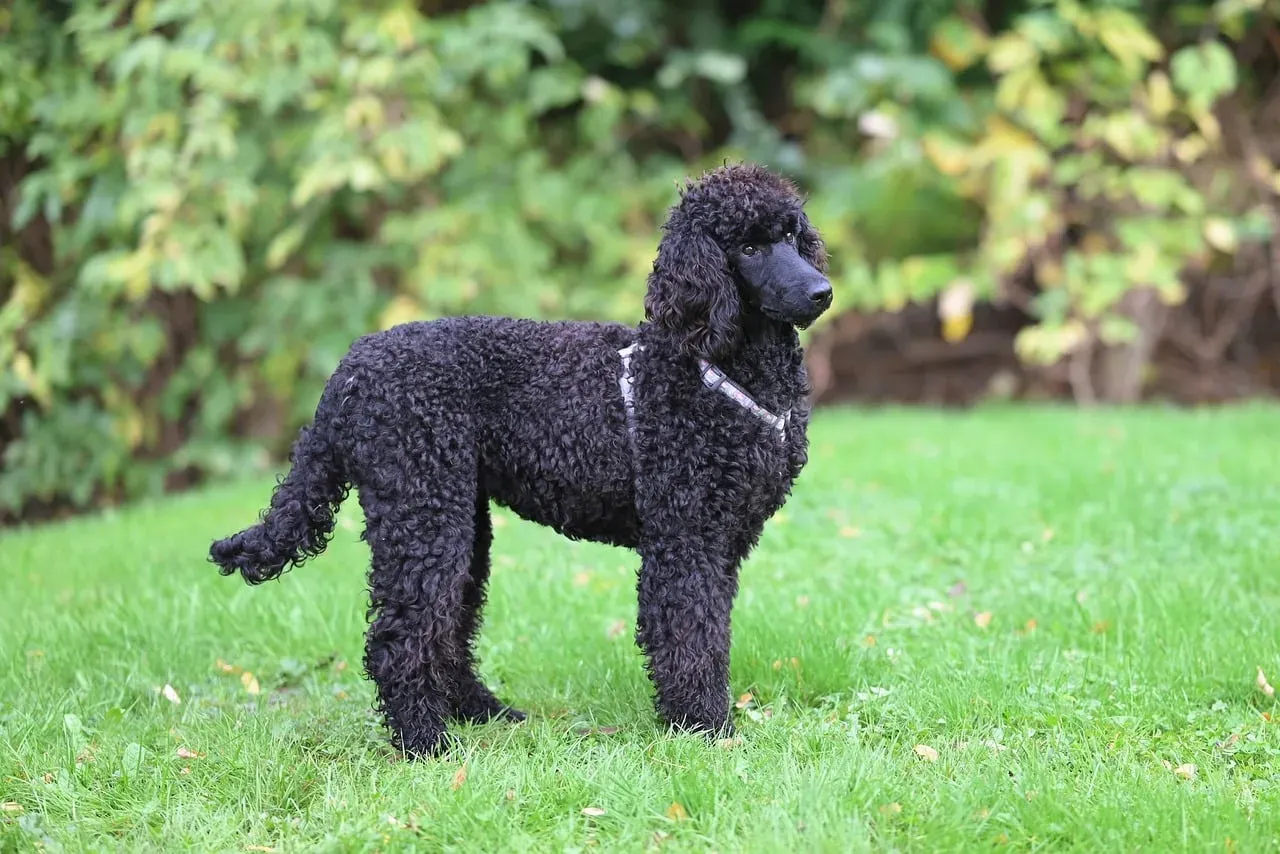
Poodles sit at the top of this list not because groomers don’t admire them – most groomers genuinely love working with well-maintained Poodles – but because the gap between the breed’s reputation and its actual demands is wider than almost any other dog. They’re marketed as hypoallergenic, low-shedding, highly intelligent, and endlessly adaptable. All of that is true. What gets left out is that the curly coat that doesn’t shed instead mats directly to the skin within days of missed brushing, and that professional clipping every four to six weeks is a permanent, non-optional part of Poodle ownership from the day you bring one home until the day you lose them.
The intelligence is the other edge of that sword. Poodles – Standard, Miniature, and Toy alike – are working dogs in elegant packaging, and they need genuine mental and physical engagement every single day. An under-stimulated Poodle in a home that’s also falling behind on grooming is a recipe for behavioral problems, anxiety, and eventually surrender. The number of Poodles that arrive in rescues and shelters matted to the point of requiring sedation for their first groom is, by every groomer’s account, heartbreaking and preventable. They are extraordinary dogs. They are not beginner dogs. And the fact that the pet industry keeps positioning them as both is something experienced groomers have very strong feelings about.
Why It Stands Out: The Poodle Paradox
- Marketed as the “perfect family dog” – but ranked among the highest-maintenance coats in the entire breed world
- Professional grooming every 4–6 weeks for life – skipping is not an option, it’s a welfare issue
- Breed-specific Poodle rescues exist in nearly every U.S. state – a quiet measure of how often the match fails
- Standard, Miniature, and Toy varieties all share the same coat demands – size does not reduce the commitment
- Poodles are working dogs at heart – boredom without daily mental stimulation leads to destructive behavior and anxiety
A Groomer’s Honest Verdict
Every breed on this list has genuine fans – people who made it work, who fell in love with exactly the right dog, and who wouldn’t trade the experience for anything. That’s real, and it matters. But groomers operate at the end of the pipeline where good intentions meet hard reality, and what they see repeatedly is this: families chose a beautiful breed without knowing what was underneath that beauty, and by the time the cost and time commitment became clear, the emotional bond was already deep and the practical situation was already overwhelming.
The dogs on this list aren’t difficult because something is wrong with them. They’re difficult because they were bred for specific purposes by specific people in specific conditions, and a modern first-time owner’s life rarely matches those conditions. The most honest thing anyone in the dog world can say is that breed research isn’t just about temperament and size – it’s about what that dog needs every single day for the next 10 to 15 years, when the novelty is gone and the routine is all that’s left. The families who go in knowing that tend to thrive. The ones who don’t are the reason groomers quietly stopped recommending these thirteen breeds in the first place.

- 8 Backyard Birds That Remember Safe Gardens After Migration - August 6, 2026
- 7 Reasons Hamsters Rearrange Their Bedding Every Night - August 6, 2026
- What It Means When a Cat Waits Outside the Bathroom Door - August 6, 2026