
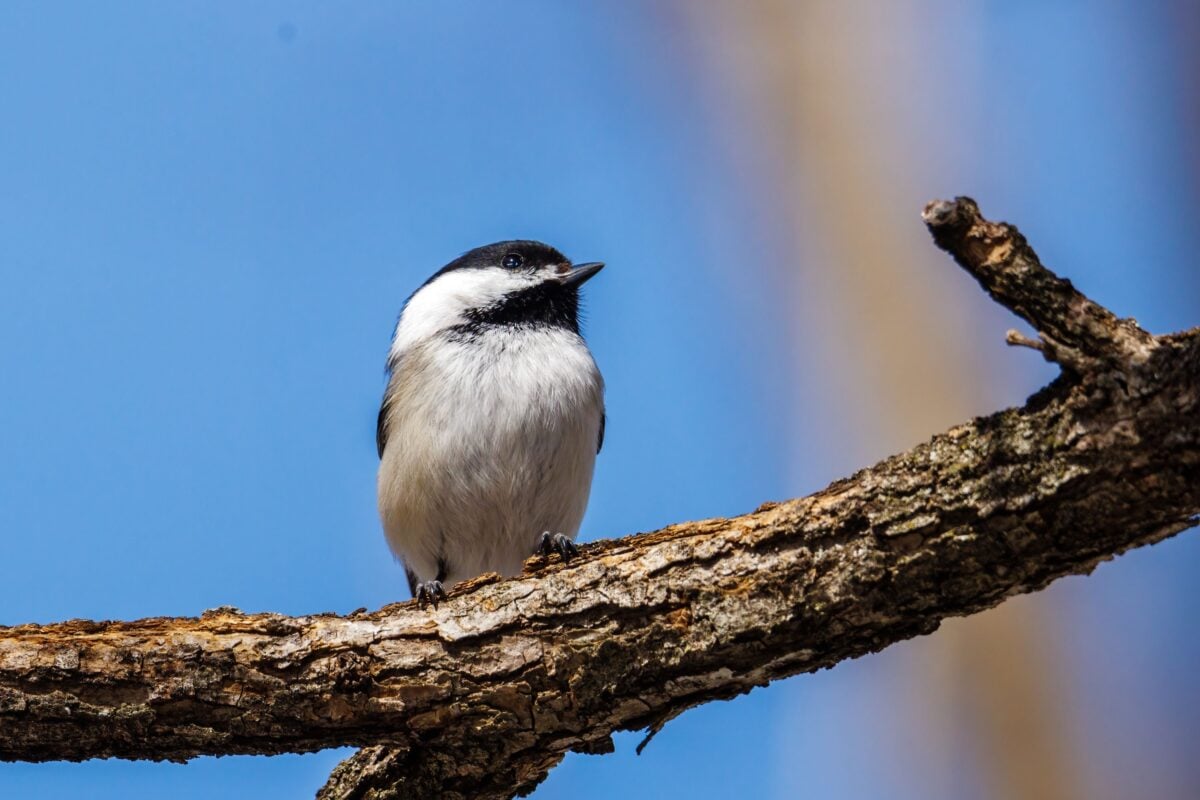
If you keep putting out seed every autumn for “your” birds, it can feel almost magical when the same species show up again like clockwork. It is not magic, though. Many backyard birds are running incredibly detailed mental maps in their tiny heads, remembering which gardens were safe, which feeders were full, and which yards had that murderous cat. Some even come back to the same branch in the same tree, year after year.
What makes this even more astonishing is how far some of these little brains travel. We are talking about birds that may migrate hundreds or even thousands of miles, then zero in on a familiar yard with the accuracy of a GPS. Below are eight common or semi-common backyard visitors that are especially good at remembering and revisiting safe gardens – plus what you can do to become one of the places they lock into their mental map.
American Robin: The Lawn Patrol That Knows Your Schedule
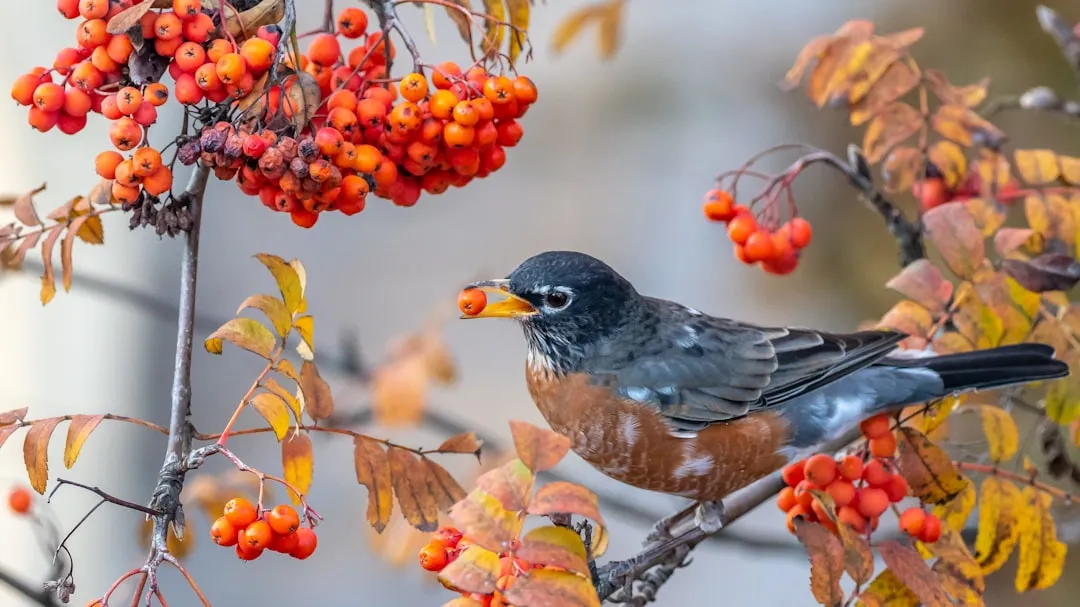
That robin hopping across your lawn at dawn is not just winging it. American robins are classic partial migrants, with many northern birds heading south for winter, then reappearing in the same neighborhoods when conditions improve. They use a combination of visual landmarks, daylight cues, and an internal compass to return to familiar feeding sites, including suburban yards and city parks.
What makes robins especially good at remembering gardens is their reliance on predictable foraging spots. If your lawn reliably offers soft soil full of worms, or your berry bushes ripen around the same time each year, robins will log that into long-term memory and check back. I have watched the same robin pair hit the same three yards on my block in almost the same order every spring, like they were running a food-truck route they designed themselves.
Black-capped Chickadee: Tiny Bird, Giant Memory Upgrade
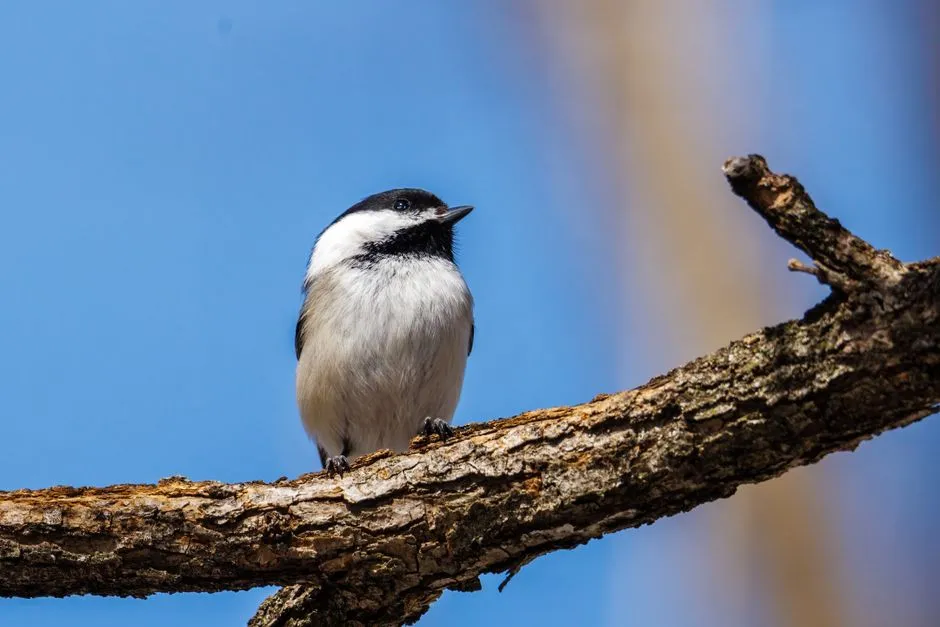
Among backyard birds, chickadees are the memory overachievers. Black-capped chickadees cache thousands of seeds every year, tucking them into bark crevices, dead leaves, and other tiny hiding spots – and then remember where a surprising number of those snacks are hidden. Studies have shown that parts of their brain involved in spatial memory actually grow in the fall when they are doing the most caching, then shrink again later.
That same brain power helps them remember which yards are safe, which feeders are dependable, and where predators tend to lurk. If you keep your feeder topped up, avoid sudden disturbances, and maintain some evergreen cover, chickadees will effectively rank your yard as high-value real estate. Once they decide your place is reliable, they tend to return after migration or local movements like neighbors who know exactly which café has the best coffee.
American Goldfinch: Late Nesters With Specific Tastes
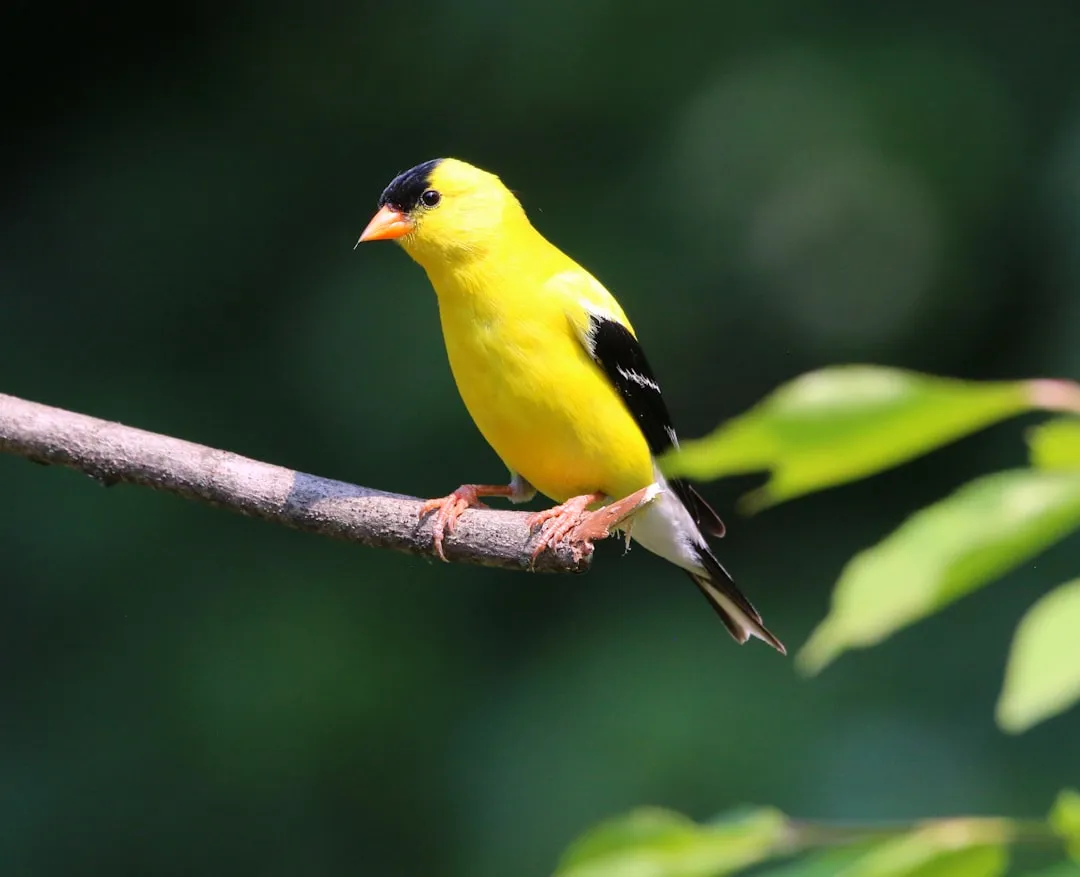
American goldfinches are those bright yellow flashes that look like flying dandelions in summer. Unlike many songbirds, they nest late in the season, timing their breeding to peak seed availability from plants like thistles, coneflowers, and sunflowers. As a result, their movements are closely tied to where they find reliable seed sources, both natural and human-provided.
If your garden offers native seed-bearing plants and a steady nyjer or sunflower feeder, goldfinches are excellent at remembering that combination. They often return to the same gardens year after year, sometimes bringing more birds along once a spot proves safe and productive. Think of them as trend-followers with standards: once your yard makes their internal “approved” list, they keep you bookmarked in their migratory travel plans.
Baltimore Oriole: Colorful Migrants With Precise Site Fidelity
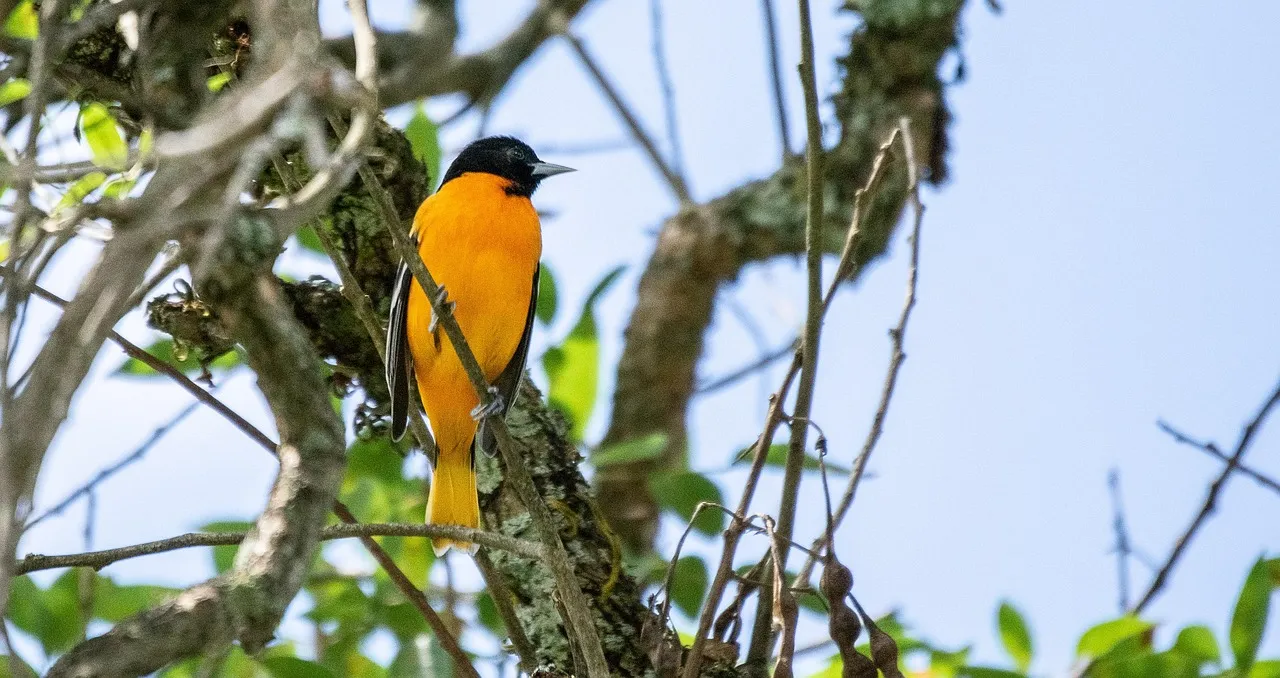
Baltimore orioles feel almost unreal when they appear – bright orange, careful, and somehow both shy and bold. They make impressive journeys between North America and their wintering grounds farther south, yet many individuals show strong site fidelity, returning to the same general nesting and feeding areas each spring. That can absolutely include a backyard that treats them well.
Orioles are not just drifting through at random when they hit your orange halves or grape jelly. Once they discover a safe yard with flowering trees, insect-rich foliage, and maybe an oriole feeder, they can log that resource and revisit it in future seasons. People who put out oranges in early spring often report what feels like the same oriole pair appearing almost on schedule, as if they had a calendar notification that says “Time to hit that one amazing garden again.”
Ruby-throated Hummingbird: Tiny Bodies, Laser-Precise Routes
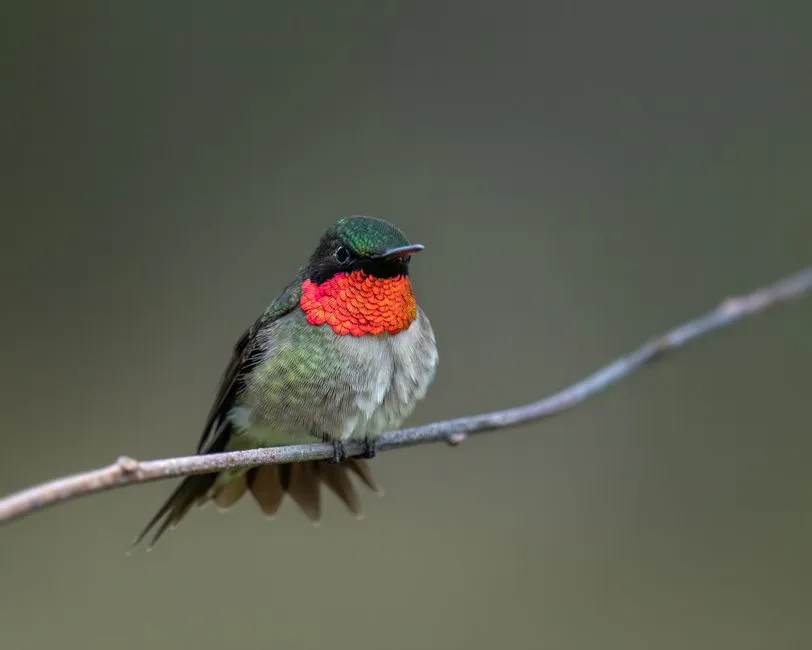
Ruby-throated hummingbirds cover a shocking distance for such small creatures, including long flights across the Gulf of Mexico. Their navigation is remarkably sophisticated; they can remember specific flower patches, feeders, and garden layouts. A safe yard with rich nectar sources and minimal threats is worth encoding firmly in their mental map, and they do exactly that.
If you keep your hummingbird feeder clean and consistent, and plant nectar-rich flowers like bee balm or salvia, there is a very good chance the same individuals will check in year after year. Hummingbirds are quick to abandon places that feel dangerous or unreliable, but they are just as quick to reward stable, safe gardens with regular visits. It is not your imagination if one seems to “recognize” you – it is more that you have become part of the predictable pattern that signals safety and food.
Song Sparrow: Quiet Garden Residents With Sharp Mental Maps
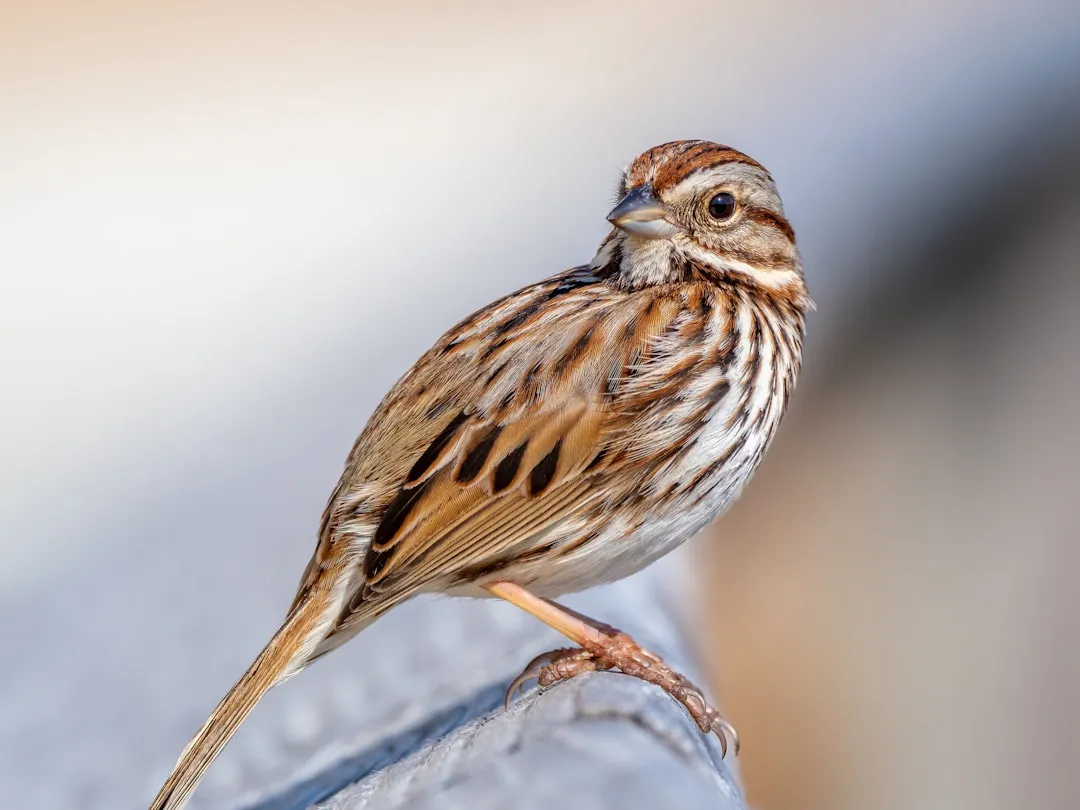
Song sparrows might not be the flashiest birds in your yard, but they are some of the most faithful. Many populations are short-distance migrants or even year-round residents, and they develop detailed knowledge of local habitat features. If your garden has dense shrubs, brush piles, and seed access, a song sparrow may essentially adopt it as part of its core territory.
Because they patrol relatively small home ranges compared with long-distance migrants, song sparrows can build rich mental maps of threats and refuges. They remember where the neighbor’s cat typically appears, which corner of the yard is quickest to reach cover, and which feeder designs minimize exposure. Over time, a safe garden becomes more than just a stopover; it becomes part of the bird’s definition of home, even after seasonal movements.
Dark-eyed Junco: Winter Regulars That Track Friendly Yards
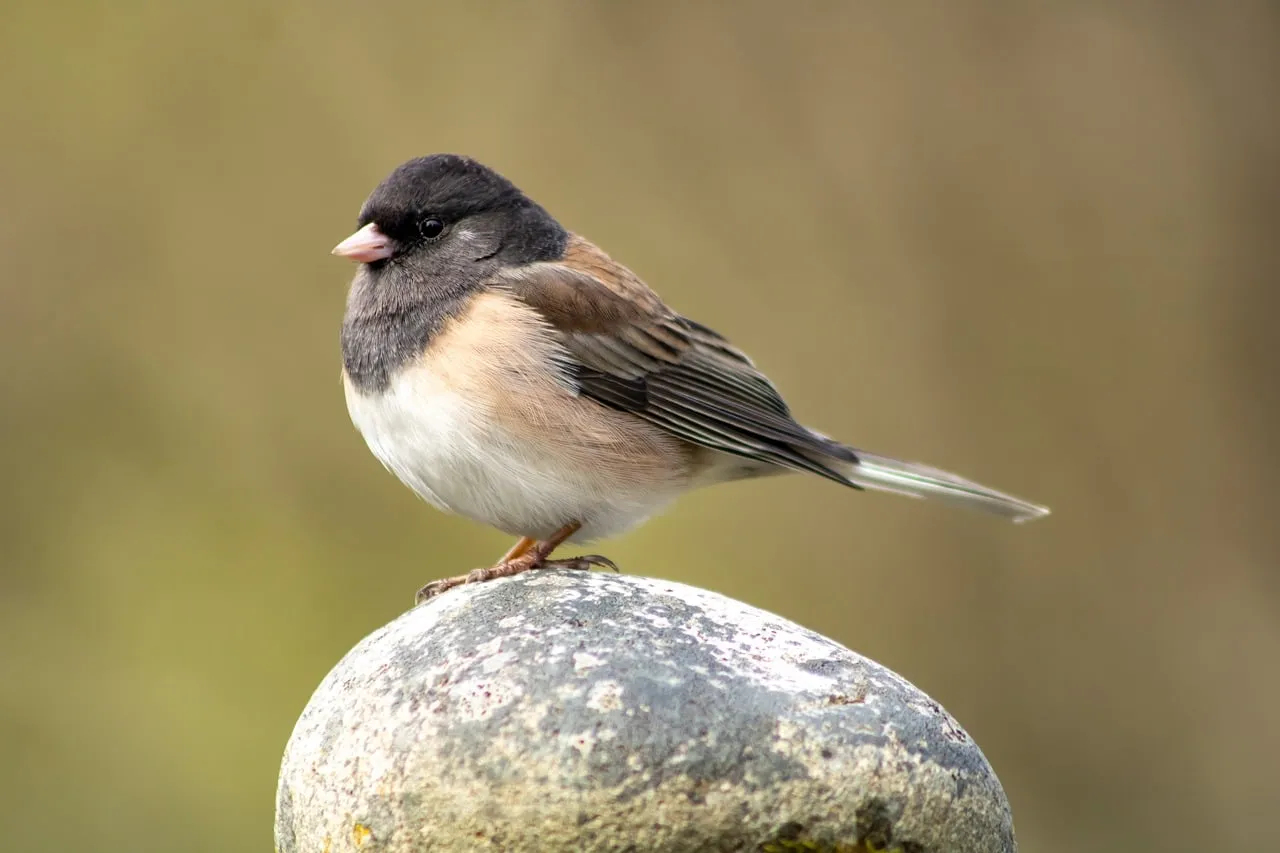
Dark-eyed juncos are the classic “snowbirds” in much of North America, appearing in backyards as temperatures drop and vanishing again in spring. Banding studies have shown that many of these juncos return to the same wintering sites year after year, which means your patio or lawn can become a recurring waypoint on their seasonal circuit. They are essentially running a mental list of trustworthy winter homes.
If you have ever noticed what seems like the same small flock feeding under your feeder each winter, you probably are not imagining it. Juncos learn which yards have consistent ground-level food, like spilled seed, and good cover from shrubs or hedges. Once a garden proves itself safe and steady, it becomes part of their annual plan, like returning college students who know exactly which town diner still feels like theirs.
White-throated Sparrow: Seasonal Guests With Remarkable Site Loyalty
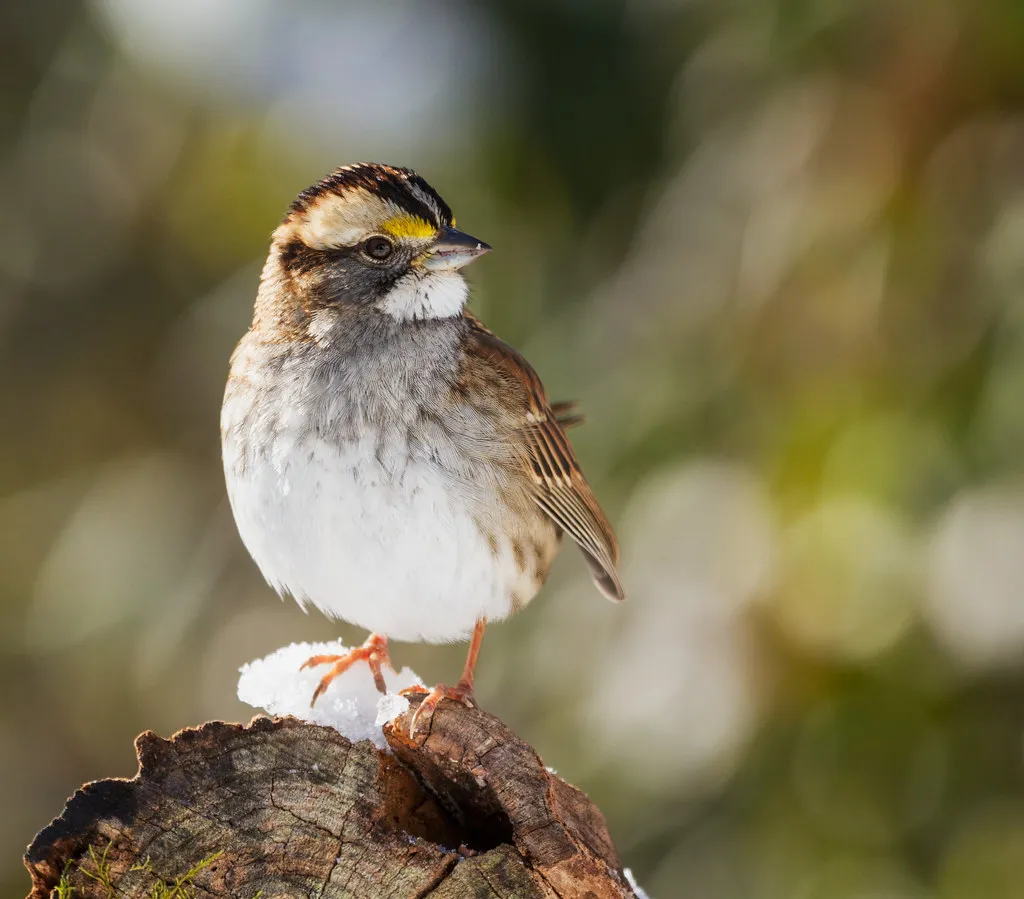
White-throated sparrows are famous for their clear whistling calls in colder months across much of the eastern half of North America. Many of these birds breed far to the north in summer, then migrate to the same regions, and often the same neighborhoods, each winter. They navigate using a blend of magnetic compass cues, stars, and learned landmarks, which allows them to hone in on familiar gardens and thickets.
Backyard observers who spread seed on the ground or maintain sheltered feeding spots often notice these sparrows appearing as soon as the season turns, almost like clockwork. Once they learn that your yard offers cover from hawks, reduced disturbance, and regular food, they can become repeat visitors year after year. Over time, your safe garden is no longer just another patch of grass to them – it is a trusted winter refuge encoded in a brain that has made survival out of remembering the right places.
How to Turn Your Garden Into a Place Birds Remember
The thread running through all these species is simple: birds remember safety and predictability. If you avoid pesticides, keep feeders clean, provide water, and maintain a mix of native plants and dense cover, you are essentially advertising your yard as a reliable sanctuary. Birds notice patterns over time; a feeder that is full most days, a yard where threats are limited, and a garden that offers natural food all year will stand out along their migratory pathways.
I think we underestimate just how much we are teaching these birds every season. When we let the dead flower heads stand through winter, or finally block off that gap where the cat used to slip through, we are sending signals the birds can actually act on. The reward is profound: year after year, as migration churns and the world changes around us, familiar wings circle back to the same safe space. And honestly, knowing that your backyard lives in the memory of a creature that has flown across states or even countries is a quiet kind of wonder that does not wear off.
Opinionated Conclusion: A Deal Between Your Yard and Their Memory
There is a temptation to see migrating birds as passing strangers, just brief flashes on their way to somewhere more important. The truth, though, is that for species like chickadees, robins, orioles, and hummingbirds, your garden can be the “somewhere important” they are actively trying to find again. In my view, that puts a real responsibility on us: if we want the privilege of those repeat visits, we have to hold up our end of the deal by making our yards safer and more livable, not just prettier.
We cannot control storms, habitat loss, or all the dangers that birds face during migration, but we can give them islands of reliability in a very unpredictable world. A safe, remembered garden is more than just a nice backdrop for photos; it is a tiny but real piece of conservation. The next time a familiar bird lands on the same branch it used last year, it is worth asking yourself: if it went to every yard on your street, would it still choose yours again?

- 7 Reasons Sea Otters Matter to California's Kelp Forests - August 6, 2026
- 8 Backyard Birds That Remember Safe Gardens After Migration - August 6, 2026
- 7 Reasons Hamsters Rearrange Their Bedding Every Night - August 6, 2026