

Chow Chow
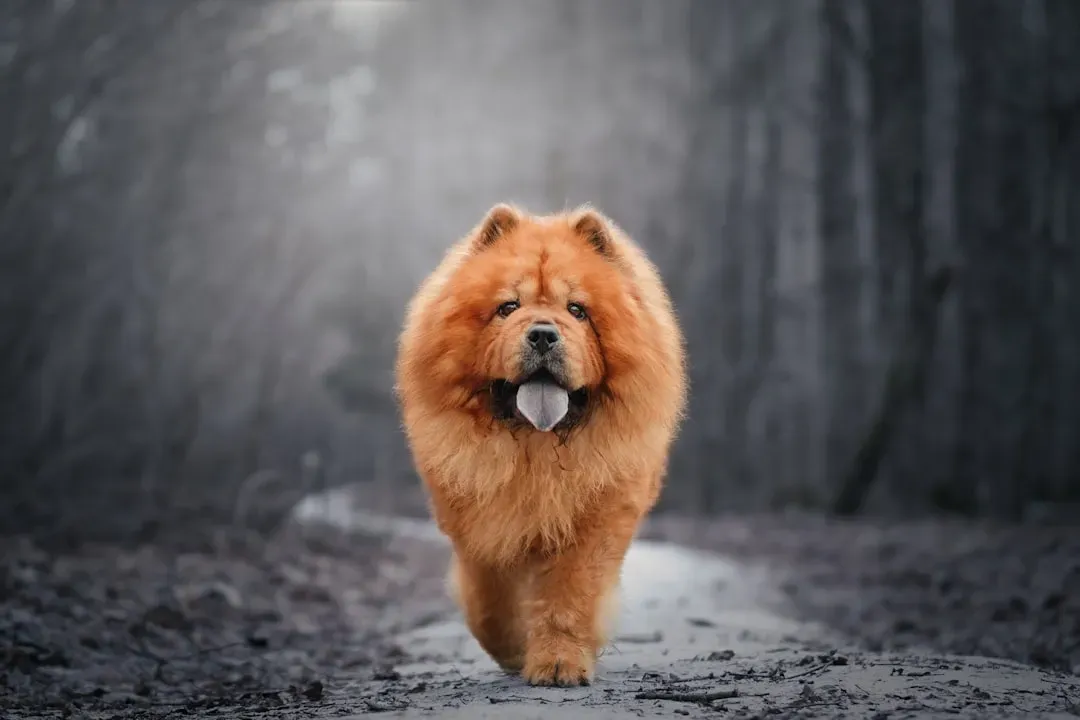
Chow Chows carry a strong independent streak rooted in their history as guard dogs in ancient China. This independence shows up as aloofness toward strangers and even family members at times. Behaviorists frequently note how their dense coats and stubborn nature make daily care and training more demanding than many anticipate.
They also tend toward resource guarding, which can escalate quickly in homes with children or other pets. Families drawn to their teddy bear looks often underestimate the need for experienced handling from day one. Without that foundation, small issues can grow into bigger behavioral challenges over time.
Akita
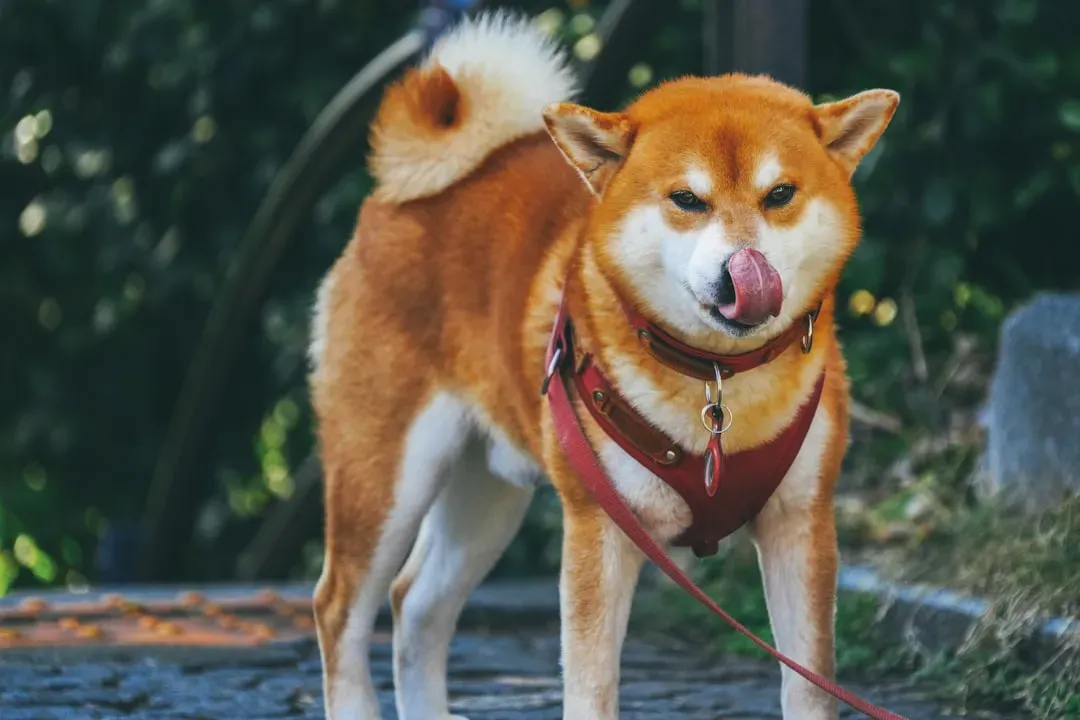
Akitas were bred for hunting and protection in Japan, giving them a powerful loyalty paired with a serious protective drive. This combination often translates into wariness around new people and a low tolerance for rough play from kids. Veterinary behaviorists highlight how their size and strength amplify any training gaps that arise.
Early socialization helps, yet many still retain a dominant personality that requires consistent leadership. In busy family settings, that can lead to tension rather than the easy companionship people expect. The breed rewards dedicated owners who understand working dog temperaments.
Belgian Malinois
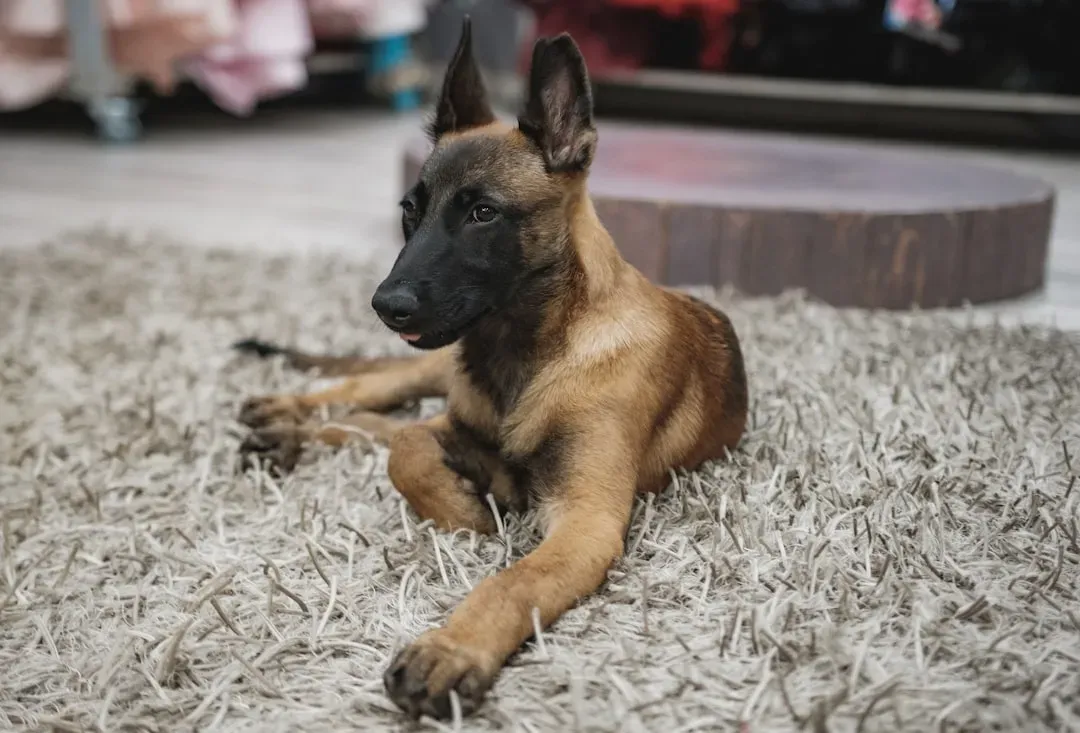
Belgian Malinois thrive on work and mental stimulation, traits that made them favorites in police and military roles. Their high drive means they rarely settle into a relaxed family pet role without structured activities every single day. Behaviorists often see them develop frustration behaviors like excessive barking or destructive chewing when bored.
These dogs bond intensely but can become overprotective or reactive without expert guidance. Families who choose them for their sleek appearance quickly discover the commitment level exceeds what most households can sustain long term. The result is often a stressed dog and overwhelmed owners.
Rottweiler

Rottweilers bring a calm confidence alongside strong guarding instincts from their herding and cart pulling past. While affectionate with their people, they tend to assess newcomers carefully and may react strongly to perceived threats. Behaviorists point out that their power and size make any lapse in training noticeable fast.
They need clear boundaries and ongoing socialization to stay balanced in family life. Many families underestimate how much exercise and mental work these dogs require to avoid restlessness. Proper upbringing turns them into steady companions, but shortcuts rarely work out well.
Siberian Husky
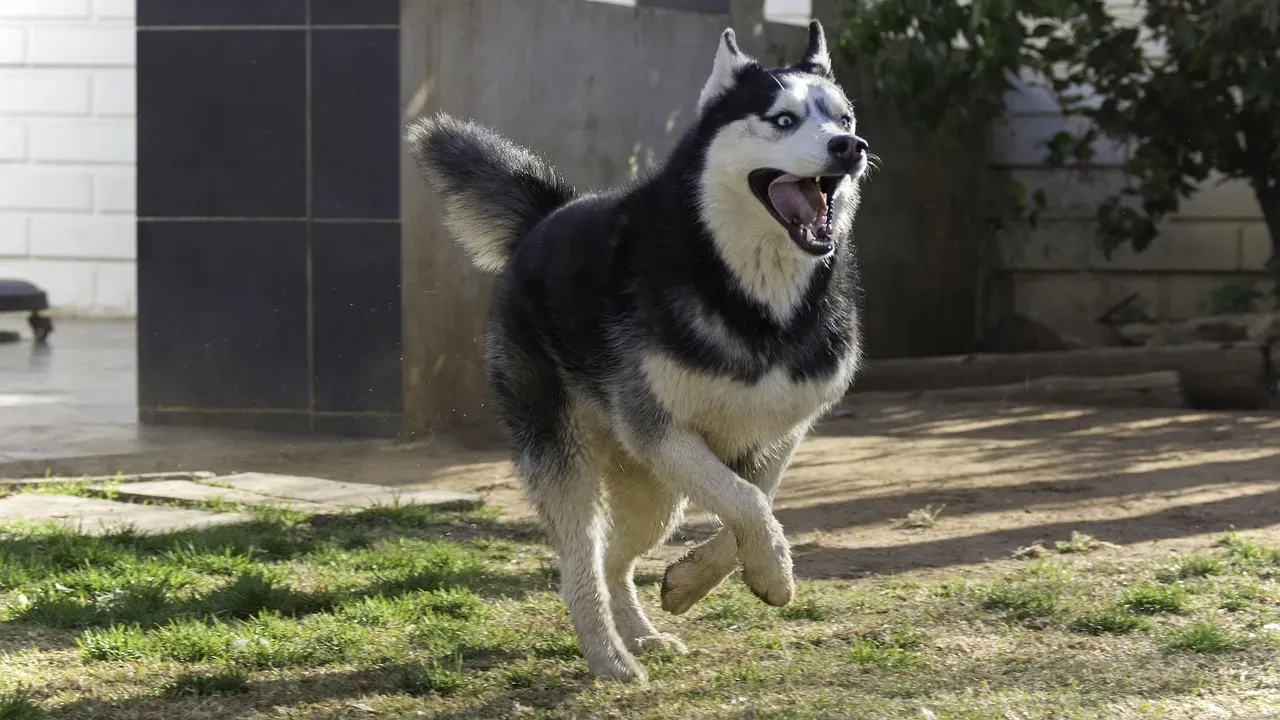
Siberian Huskies were developed for endurance sled pulling in harsh climates, leaving them with boundless energy and a strong prey drive. Their independent thinking often leads to escape attempts and selective hearing during training sessions. Behaviorists regularly encounter families surprised by how little a backyard satisfies these athletes.
The breed also sheds heavily and vocalizes in distinctive ways that can disrupt quiet homes. What starts as admiration for their striking looks frequently shifts to frustration when daily needs go unmet. Experienced handlers manage them successfully, but average families often find the gap too wide.
Border Collie
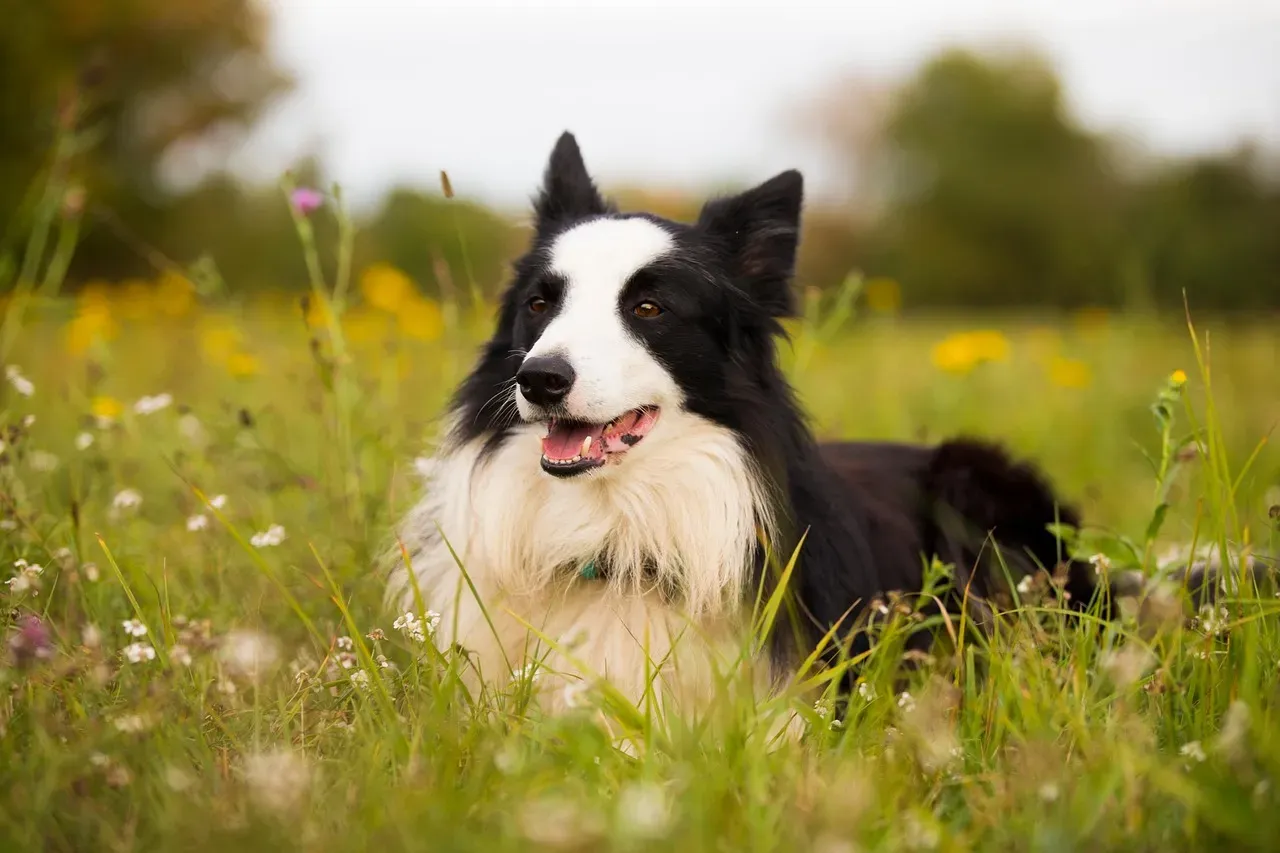
Border Collies rank among the most intelligent breeds, bred for herding livestock with precision and focus. That same intensity often turns toward herding children or chasing anything that moves in a family setting. Behaviorists note how quickly boredom sets in without advanced training and jobs to perform.
Their sensitivity to routine changes can manifest as anxiety or obsessive behaviors. Families who want a low maintenance companion soon realize these dogs demand hours of engagement daily. The mismatch shows up most clearly when the dog’s working drive has no outlet.
German Shepherd
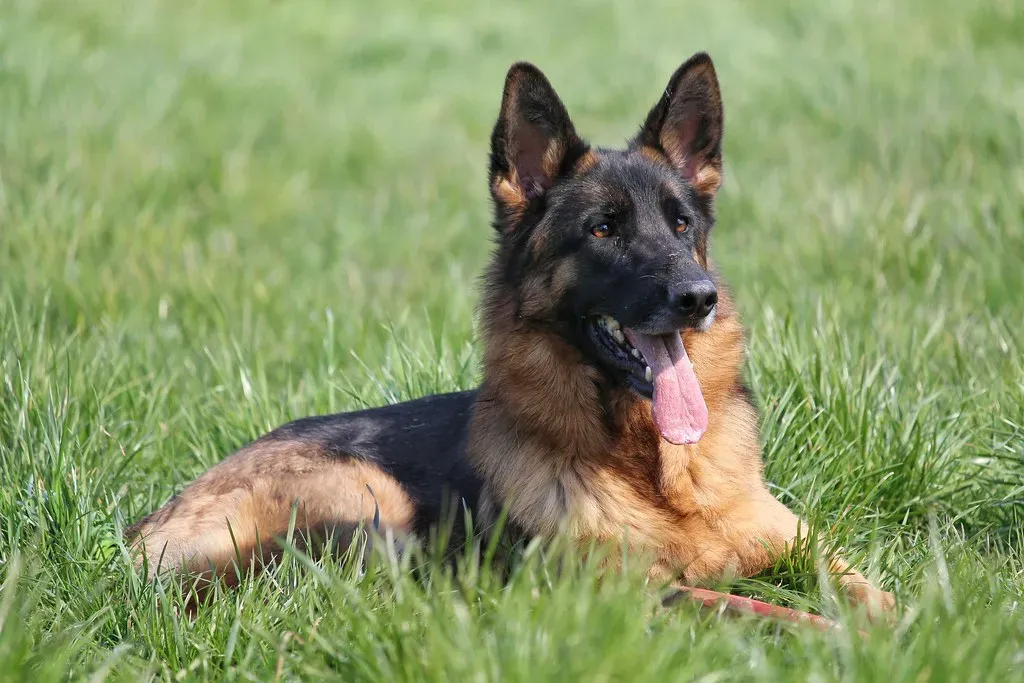
German Shepherds excel in protection and working roles, which shapes their alert and loyal temperament. They form deep bonds yet remain wary of outsiders and can become overly vigilant in family environments. Behaviorists emphasize the importance of early, ongoing training to channel their drive productively.
Without sufficient exercise and purpose, they may develop guarding issues or separation related problems. Their size and strength add another layer that requires confident handling from the start. Many households discover the breed suits active, experienced owners far better than casual ones.
Alaskan Malamute
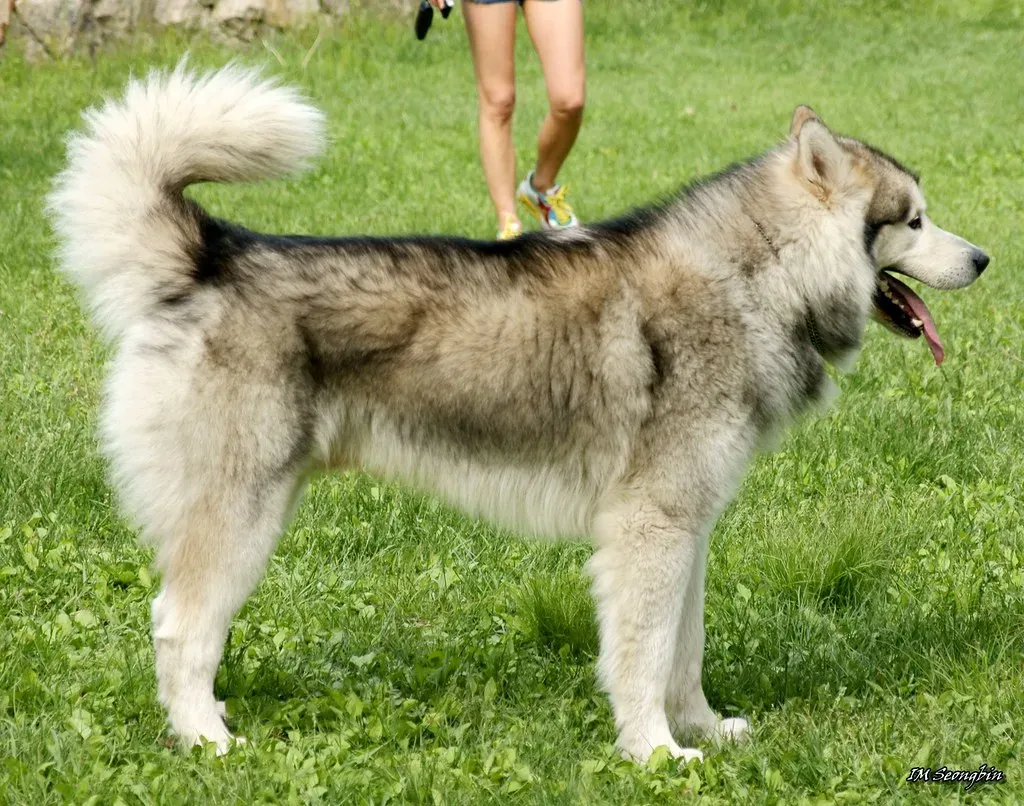
Alaskan Malamutes share the husky lineage but lean even more toward power and independence from their freight hauling roots. They enjoy pulling and exploring yet resist the kind of close cooperation some families expect. Behaviorists often flag their pack mentality and potential for dominance challenges in multi pet homes.
Heavy shedding and a need for cold weather appropriate activity further complicate suburban living. What appeals as a majestic presence can become a handful when energy has nowhere to go. Dedicated training helps, though the breed rarely becomes the easygoing family dog many envision.
Dalmatian
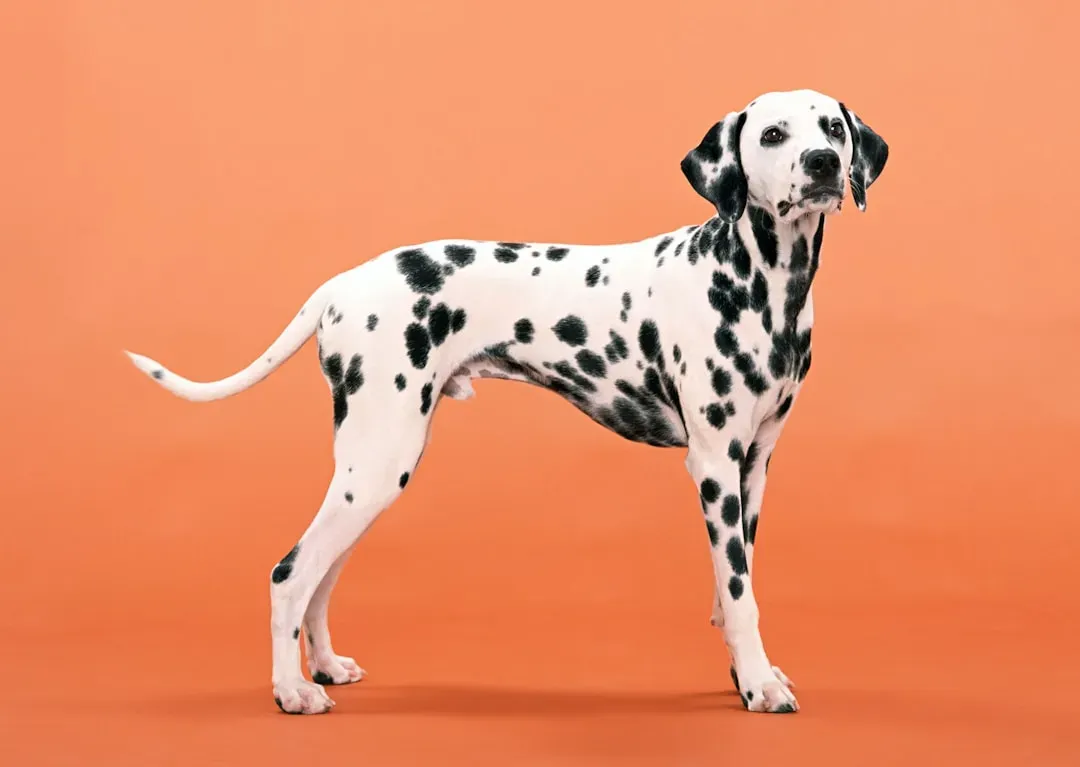
Dalmatians carry a history tied to coaching and firehouse work, resulting in high energy and a need for constant companionship. Their deafness gene in some lines adds training complexity that behaviorists encounter regularly. Families drawn to their spotted coats often overlook how much structured exercise they truly require.
Without outlets, they can turn destructive or develop anxiety from isolation. The breed responds best to experienced owners who treat them like working dogs rather than decorative pets. The gap between expectation and reality catches many households off guard.
Jack Russell Terrier
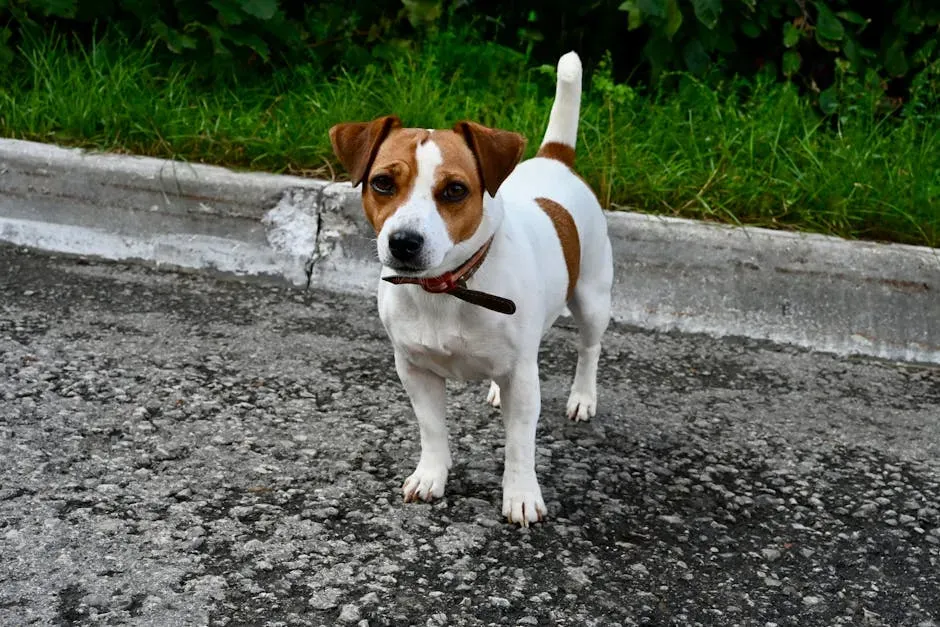
Jack Russell Terriers pack big personalities into small frames, bred for hunting with relentless drive. Their tenacity shows up as digging, barking, and chasing that can overwhelm family routines. Behaviorists frequently advise against them for homes with young children due to their quick movements and low patience for rough handling.
They need mental challenges and firm boundaries to stay content. What seems like lively fun at first often reveals itself as a full time job in management. The breed suits active singles or couples more than bustling family life.
Weimaraner
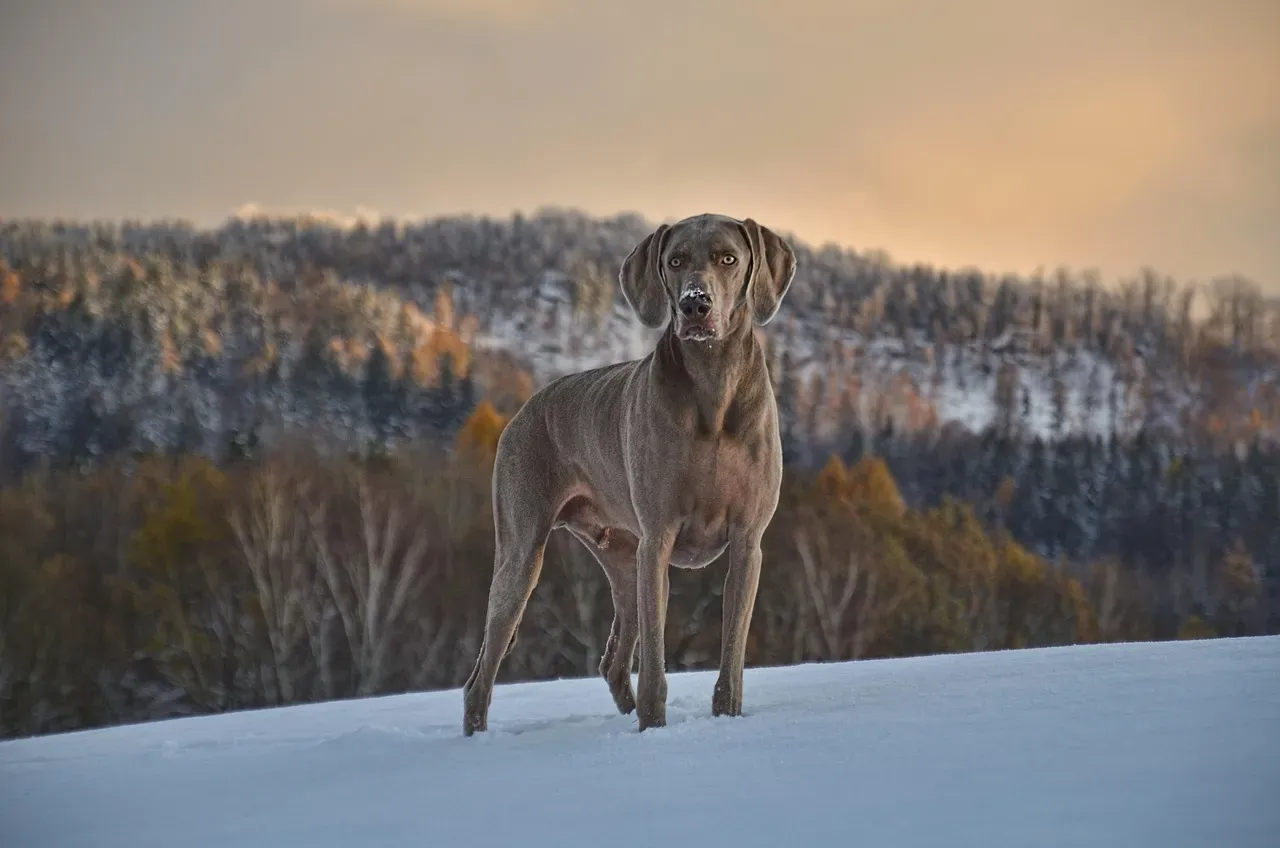
Weimaraners were developed as versatile hunting companions, leaving them with strong attachment needs and athletic builds. They form intense bonds that can tip into separation anxiety when left alone. Behaviorists see this breed struggle in homes where someone cannot be present most of the day.
Their speed and prey drive also make off leash time risky without advanced recall training. Families who admire their sleek silver coats soon learn the emotional and physical demands run high. Consistent structure helps, yet the breed rarely matches low key expectations.
Vizsla
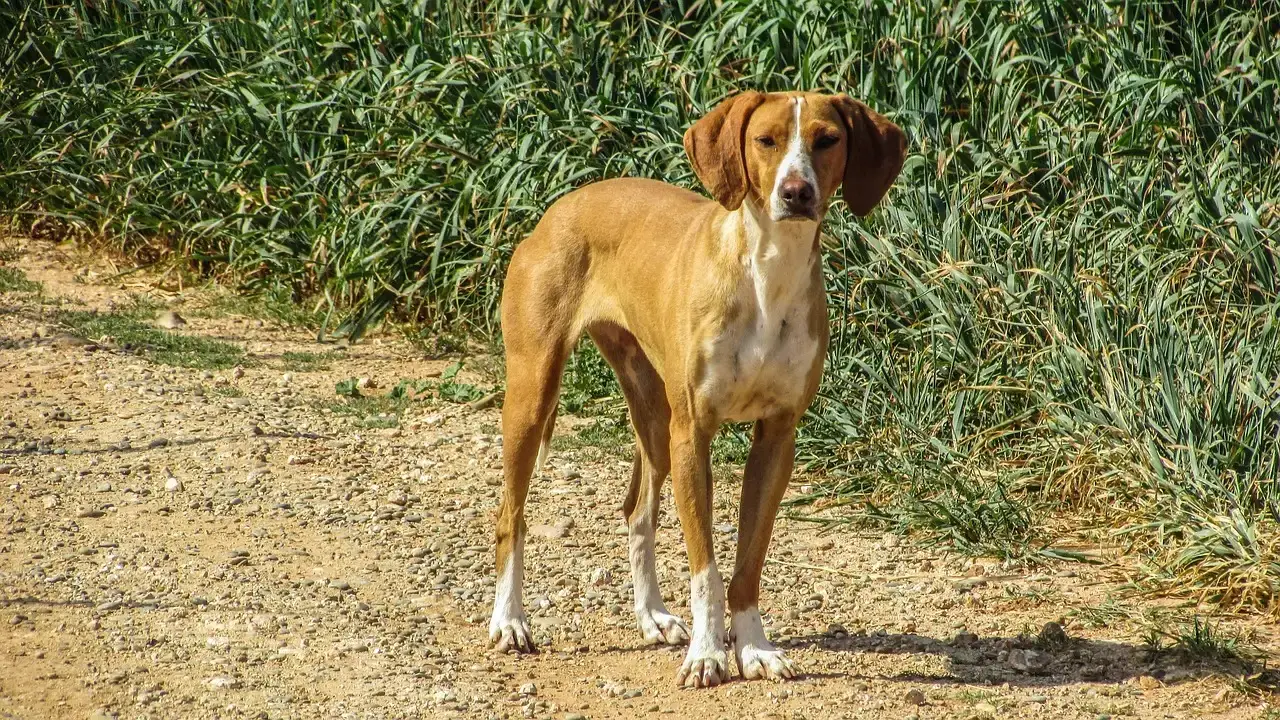
Vizslas earned the nickname “velcro dogs” for their desire to stay glued to their people at all times. Bred for hunting in Hungary, they carry high energy and sensitivity that requires gentle yet firm guidance. Behaviorists note how quickly they develop anxiety or destructive habits when their social needs go unmet.
Their affectionate nature appeals, but the constant companionship demand surprises many families. Exercise must be daily and varied to prevent restlessness. The breed rewards owners who integrate the dog fully into active lifestyles rather than treating it as an add on.
Basenji
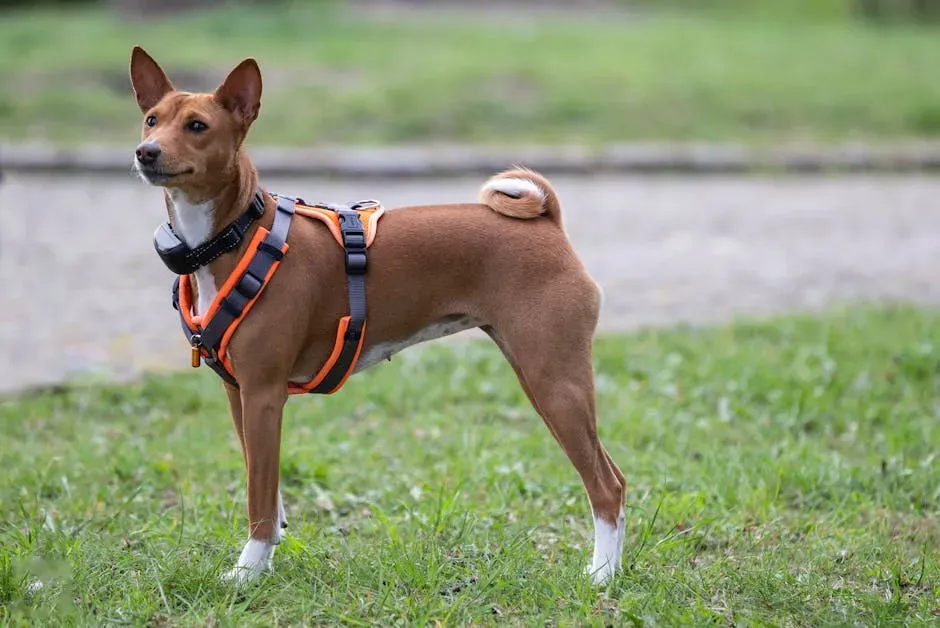
Basenjis originated in Africa as hunting dogs and retain a cat like independence along with a strong prey drive. They rarely bark, instead making unique yodel sounds, yet their stubborn streak challenges traditional training methods. Behaviorists often highlight how their escape artist tendencies and dislike of restraint complicate family integration.
They thrive with experienced handlers who respect their unique personality rather than trying to mold them into typical pets. In homes with small children or other small animals, their hunting instincts can create ongoing management issues. The breed offers charm for the right match but rarely fits average family expectations smoothly. Many behaviorists stress that no breed is inherently bad, yet these dogs carry traits that demand more than most households can realistically offer. Choosing based on lifestyle rather than appearance saves everyone involved from unnecessary stress and disappointment. The right match starts with honest assessment of daily routines and long term commitment.

- 15 Tender Things Old Dogs Do the Closer the End Quietly Comes - July 21, 2026
- 14 Ways a Rescue Cat Shows It Has Given You Its Fragile Heart - July 21, 2026
- 13 Familiar Things That Bring an Aging Dog Deep, Quiet Comfort - July 21, 2026