


Most people pick a horse breed the same way they pick a car – drawn in by looks, reputation, and price tag. What they don’t see is what happens after the purchase: the 3 a.m. colic calls, the lameness diagnoses that arrive six months in, the genetic conditions no amount of love or money can fully fix. Vets who spend their careers stitching together the aftermath of bad breed choices have a very different list of favorites than the glossy magazines do – and they share that list quietly, with friends, over coffee, away from the sales floor.
What follows isn’t a hit piece on horse owners or a reason to panic if you already have one of these breeds. It’s the honest, insider conversation most buyers never get to hear before signing the check. Some of the entries will surprise you. A couple will genuinely shock you. And at least one will make you rethink everything you thought you knew about “beginner-friendly” horses. Start here – but don’t skip to the end. The worst ones aren’t where you’d expect them.
#1 – Arabian
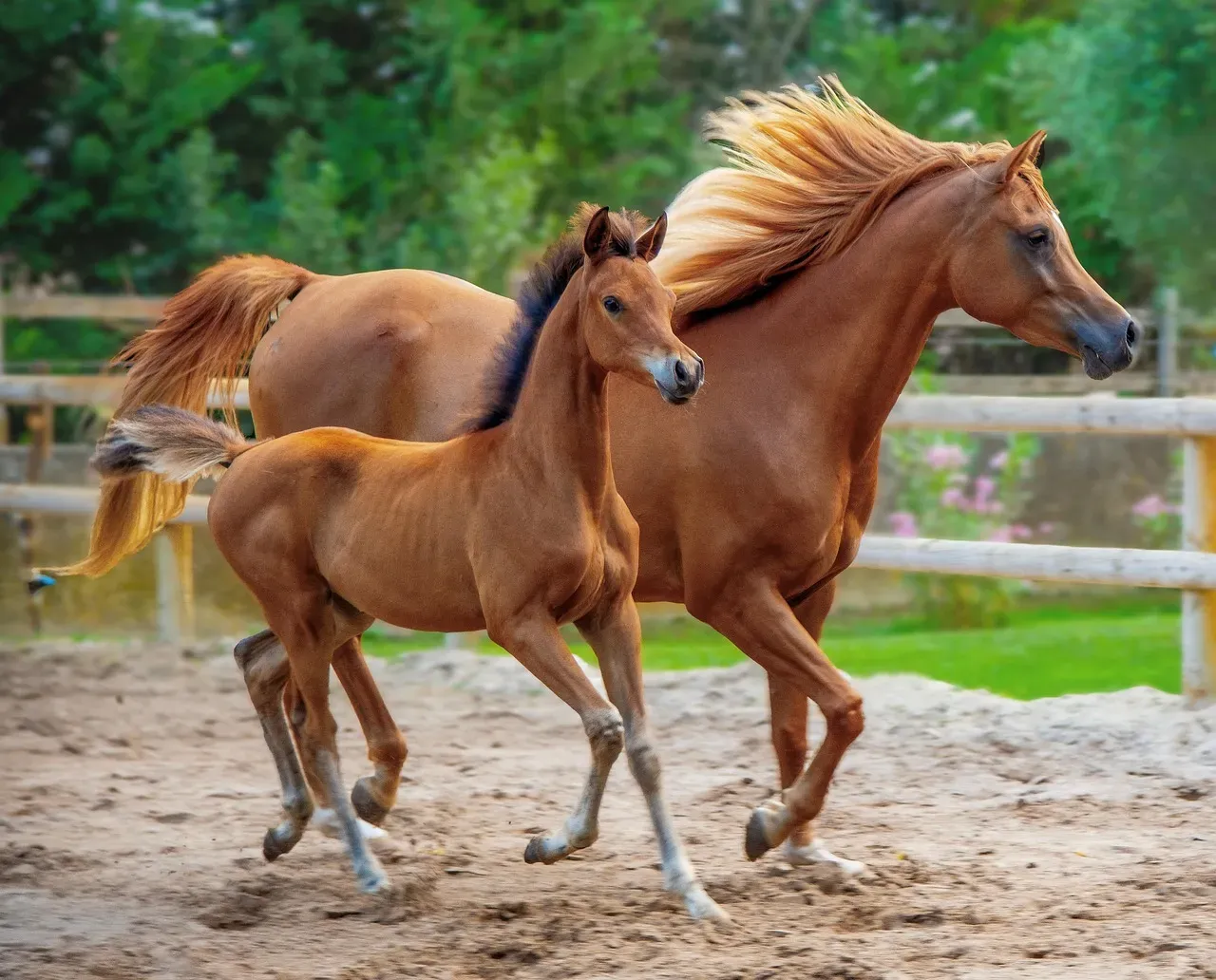
No breed generates more passionate devotion – or more private veterinary dread – than the Arabian. Beneath that sculpted silhouette and legendary endurance record sits a cluster of genetic disorders serious enough to stop experienced breeders cold: Cerebellar Abiotrophy, which destroys coordination and balance; Severe Combined Immunodeficiency, which leaves foals with virtually no immune system; and Lavender Foal Syndrome, which produces neurologically devastated foals that rarely survive their first days. These aren’t obscure theoretical risks. They show up in real barns, real families, and real vet bills every single year.
The show ring has made things worse, not better. Decades of breeding for an extreme dished face – tighter and more exaggerated with every generation – has raised genuine welfare concerns about restricted airways in some modern show lines. Vets who specialize in equine reproduction will tell you in private that untested Arabian bloodlines are one of the highest-stakes gambles in the horse world. Testing exists. Responsible breeders use it. But the resale market is flooded with horses whose histories are unknown, and the genetic consequences of that gap are severe. The beauty is real. So is the risk.
Fast Facts
- SCID carrier prevalence estimated at 1–8% in Arabian populations; affected foals rarely survive past 6 months
- Lavender Foal Syndrome (LFS) carrier rate found at approximately 11.7% in some studied populations
- Cerebellar Abiotrophy (CA) causes progressive loss of balance and coordination; most affected horses are euthanized before adulthood
- All three conditions are autosomal recessive – both parents must carry the gene for a foal to be affected
- DNA tests exist for SCID, LFS, and CA; always demand documented results before any purchase
#2 – Friesian
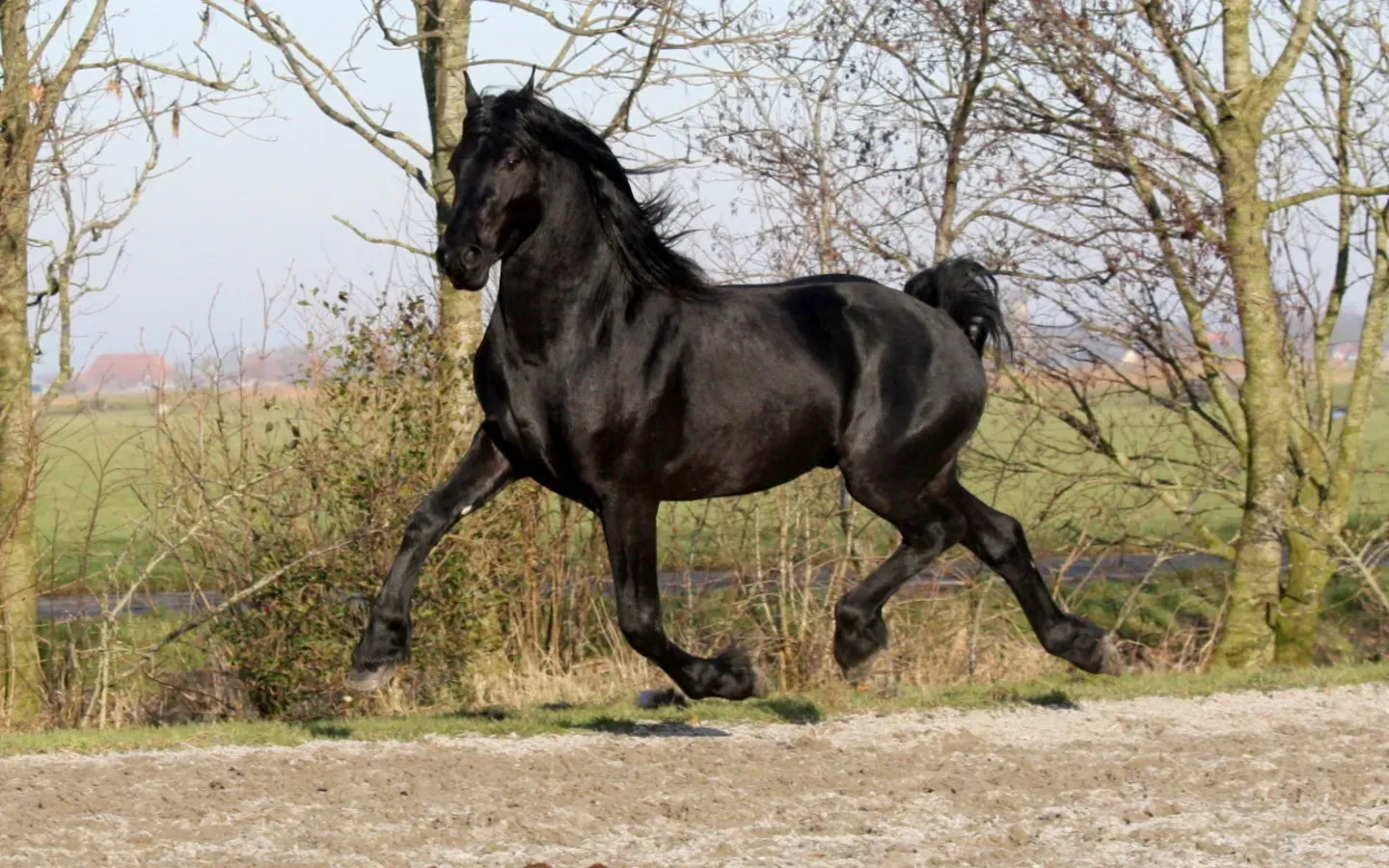
The Friesian is arguably the most visually dramatic horse on earth – that ink-black coat, the flowing mane, the powerful arched neck. It’s also one of the most genetically compromised breeds in modern existence, and vets know it. The entire global Friesian population traces back to an extremely small founder group, and that bottleneck shows up in the medical charts: dwarfism, hydrocephalus, aortic rupture, and PSSM are all documented at rates that would disqualify lesser-known breeds from serious consideration. Heart problems can appear suddenly and without warning in horses that seemed perfectly healthy at purchase.
Reproductive failure is another quiet epidemic in the breed. Mares struggle to carry foals to term at higher rates than most other warmbloods, and the foals that do arrive sometimes carry conditions that only become apparent weeks or months later. The average Friesian lifespan of just 16 to 20 years is dramatically shorter than the 25 to 30 years typical of most light breeds – a gap that researchers attribute directly to the breed’s genetic bottleneck. The cruelest part is the information gap: the breed’s theatrical appearance sells horses faster than full health disclosures can catch up. Many buyers only find out what they bought after the first serious crisis.
At a Glance
- Average lifespan: 16–20 years vs. 25–30 years for most light breeds
- Aortic rupture – a connective tissue failure that can cause sudden death – estimated at 1–2% breed incidence
- Hydrocephalus documented at approximately 0.25% of Friesian foals; often results in stillbirth or difficult delivery
- Inbreeding rate has approached 1.5% per generation, exceeding the UN FAO’s recommended limit of 1%
- KFPS now mandates genetic testing before breeding registration – always verify compliance
#3 – Thoroughbred

The Thoroughbred was engineered, over centuries, to do one thing: run faster than any other horse alive. That engineering came at a cost that shows up every day in equine clinics across the country. Bone density issues, stress fractures, and catastrophic injury rates are the breed’s dark statistical shadow – and those don’t disappear when a horse leaves the track. The same genetics that make a Thoroughbred electric under saddle also make the skeleton more vulnerable, the tendons more reactive, and the nervous system more sensitive than most amateur owners are equipped to manage.
Recurrent Exertional Rhabdomyolysis – a painful muscle disorder sometimes called “tying up” – runs through Thoroughbred bloodlines at rates vets describe as persistently high. A horse can tie up badly enough to cause kidney damage from moderate trail work if the condition isn’t identified and managed from day one. Off-track Thoroughbreds are wonderful horses in the right hands, and rescue programs do incredible work. But “right hands” is doing a lot of heavy lifting in that sentence. Many well-meaning buyers adopt retired racehorses without realizing they’re inheriting a set of medical and behavioral complexities that require experienced, well-resourced management. The regret rate is high.
#4 – Miniature Horse
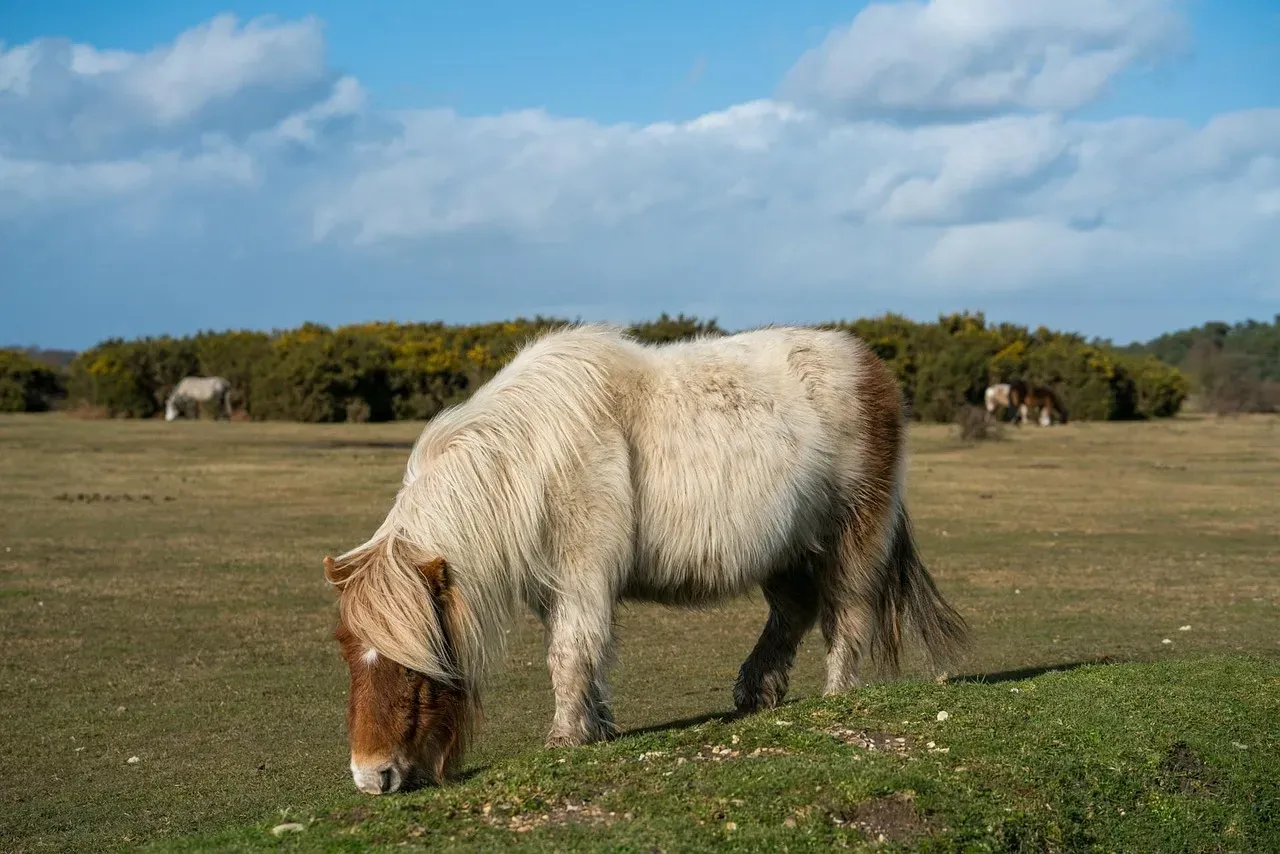
They look like a child’s dream come to life, and that’s exactly the problem. Miniature horses are marketed aggressively as low-maintenance pets, starter horses, and therapy animals – and the demand has driven breeding practices that vets describe, in candid moments, as deeply troubling. Dwarfism mutations are common in the breed and produce foals with severely deformed legs, compressed spines, and organ abnormalities that cause chronic pain from birth. Genetic testing can identify carriers, but a huge portion of the backyard breeding market doesn’t bother, because cute sells fast and questions slow things down.
Even structurally normal miniatures face elevated risks of hyperlipemia – a metabolic crisis triggered by stress or food restriction – that can turn a missed feeding into a life-threatening emergency. Dental overcrowding, laminitis from easy weight gain, and reproductive complications are all disproportionately common in the breed relative to their size. The tragedy is that many of these horses end up in rescue situations when owners discover the actual care demands don’t match the marketing. What looked like a fun, affordable alternative to a full-sized horse becomes a welfare crisis that no one saw coming at the sales barn.
#5 – Clydesdale
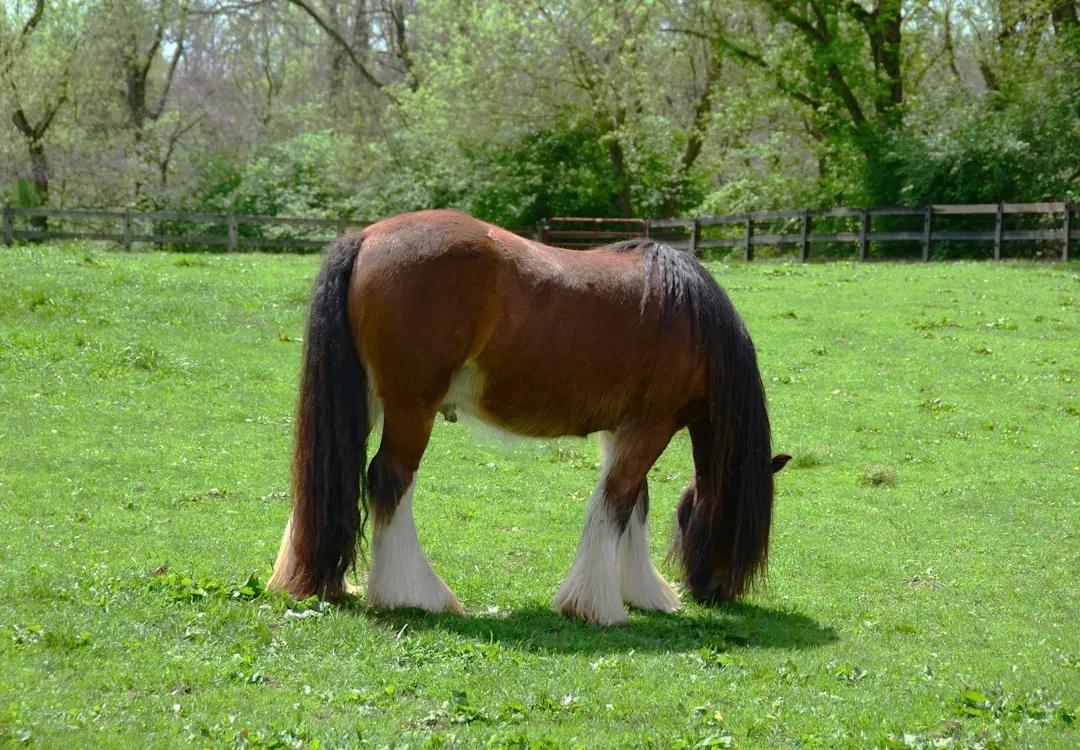
Clydesdales carry one of the lowest genetic diversity scores of any domestic horse breed on the planet – a fact that surprises most people who associate the breed with raw power and robust health. That diversity collapse happened fast: the two World Wars decimated the breed’s numbers catastrophically, and the population has never fully recovered its genetic depth. What that means in practical terms is that congenital defects, reduced immune competence, and increased susceptibility to certain diseases are baked into the breed at the population level, not just in unlucky individual horses.
The iconic feathering that makes Clydesdales so visually striking is also a chronic management liability. Moisture and bacteria accumulate under those thick leg feathers, creating a near-perfect environment for a painful condition called “scratches” or pastern dermatitis – a skin infection that can penetrate to deeper tissue if not caught early and managed obsessively. Add the breed’s massive size (every pound of extra body weight amplifies stress on already-compromised joints) and you have an animal that demands significantly more veterinary expertise than most first-time draft owners anticipate. The costs are real, and they compound quickly.
Worth Knowing
- Feathered legs trap moisture and bacteria, creating near-ideal conditions for pastern dermatitis (“scratches”) year-round
- Chronic Progressive Lymphedema (CPL) – permanent, progressive lower-leg swelling – has no cure, only lifelong management
- Breed population was decimated by both World Wars; genetic diversity has never fully recovered
- Every extra pound of body weight in a 1,800+ lb horse amplifies joint stress far beyond what lighter breeds experience
- Specialized draft farriery and draft-experienced vets are not available in every region – factor that into your location
#6 – Belgian Draft
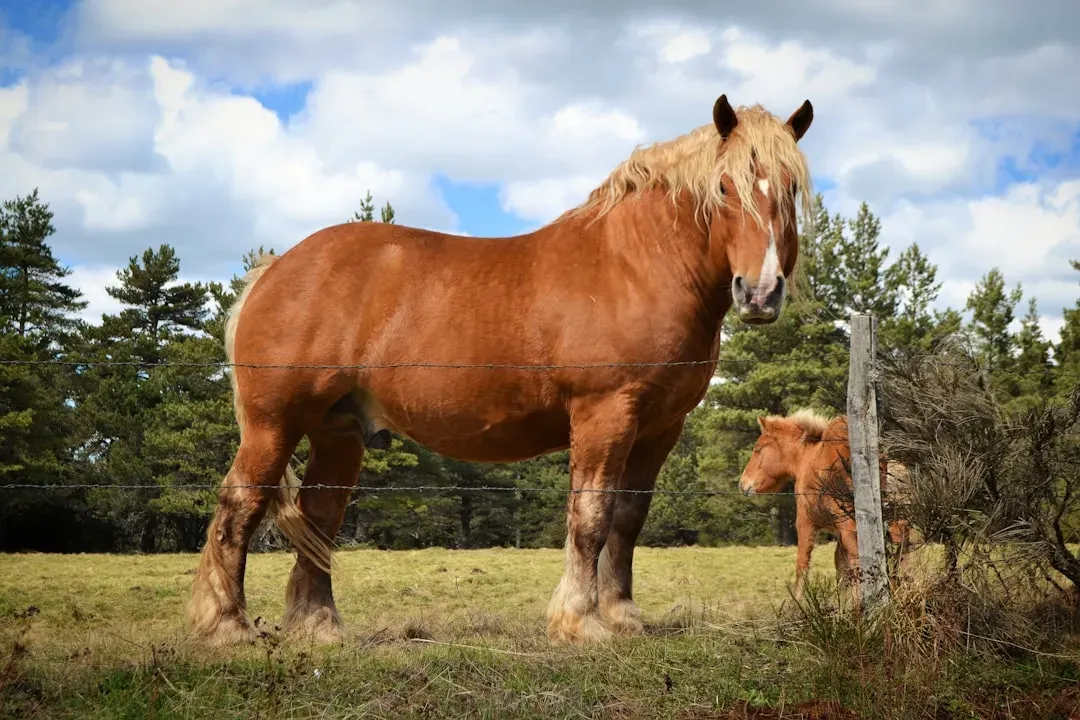
Belgians are the workhorses of the draft world – literally – and their reputation for steadiness and strength is well-earned. What’s less advertised is that certain Belgian populations carry some of the highest documented rates of PSSM (Polysaccharide Storage Myopathy) in the entire horse world, with some registry studies suggesting that a significant majority of horses in certain lines test positive. PSSM causes muscle pain, weakness, and tying-up episodes that can be severe enough to leave a horse unable to move. Managing it requires lifelong dietary and exercise discipline that many buyers don’t realize they’re signing up for.
Junctional Epidermolysis Bullosa – a fatal skin condition in foals – also appears in Belgian bloodlines, though testing has helped responsible breeders reduce its incidence. The more persistent problem is that the breed’s size turns every health issue into a logistical and financial challenge. A Belgian with a skin infection, a joint problem, or a metabolic crisis is an 1,800-pound patient that requires specialized equipment, specialized farriery, and often a vet with draft-specific experience that isn’t available everywhere. The gentle temperament is genuine and appealing. The hidden management costs are just as genuine and considerably less appealing.
#7 – Warmblood

“Warmblood” covers a broad category of sport horse breeds – Hanoverian, Dutch Warmblood, Oldenburg, and others – that dominate the upper levels of dressage and show jumping. They’re also among the most expensive horses in the world to purchase and among the most medically complex to maintain over a full career. Osteochondrosis (OCD), a developmental joint condition linked to rapid growth and selective breeding for massive musculature, shows up at rates that experienced sport horse vets describe as troublingly routine. Young horses with OCD often require surgery before they ever take their first competitive step.
PSSM also runs through warmblood bloodlines, partly a legacy of the draft horse crosses used to build the modern sport horse type. The combination of OCD risk, PSSM risk, and the sheer physical demands of elite sport means that many warmblood careers end earlier than the purchase price would suggest is fair. Buyers spending six figures on a performance prospect sometimes find themselves with a horse that can’t hold up to the job within three or four years. Vets who work the A-circuit show season see this pattern play out repeatedly and consistently – and they’re not quiet about it among themselves, even when they stay diplomatic in public.
#8 – Appaloosa
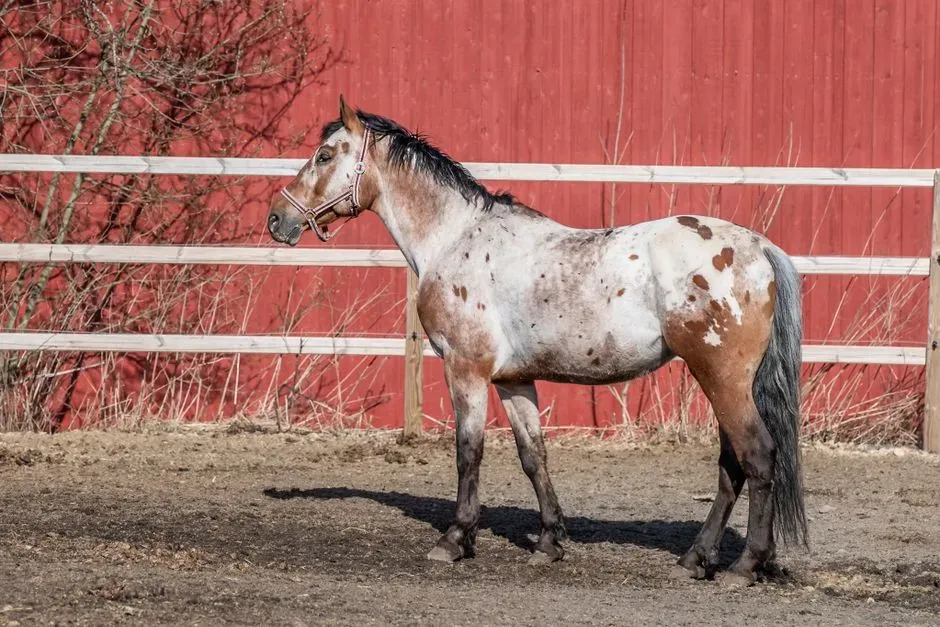
The Appaloosa’s spotted coat is one of the most recognizable color patterns in the horse world, and it comes with a genetic shadow that buyers rarely hear about upfront. The same genetic mechanism that produces the breed’s distinctive coloring – the LP (Leopard Complex) gene – is directly linked to equine recurrent uveitis, a chronic, painful inflammation of the eye that is the leading cause of blindness in horses globally. Appaloosas are dramatically overrepresented in uveitis statistics compared to most other breeds, and the condition is progressive: each flare-up leaves scar tissue that compounds the next one.
Managing equine recurrent uveitis requires regular ophthalmic exams, prescription anti-inflammatory medications, and in some cases, surgical implants that slowly release cyclosporine to reduce inflammation. It’s expensive, it’s ongoing, and it never fully goes away. Many owners describe the experience as watching their horse slowly lose vision despite doing everything right – because the disease is that relentless in susceptible individuals. The same LP gene lines that produce the most striking color patterns also carry the highest risk, which means the most visually impressive Appaloosas are often the ones vets worry about most. That irony is not lost on anyone who works with the breed clinically.
Quick Compare: Appaloosa ERU Risk by LP Genotype
- No LP gene (lp/lp): Baseline ERU risk – lowest of the three groups
- One LP copy (LP/lp): Approximately 6x greater ERU risk than lp/lp horses
- Two LP copies (LP/LP): Approximately 19x greater ERU risk; highest severity classification
- Breed-wide: Appaloosas are 8 times more likely to develop ERU than other breeds studied
- Blindness outcome: Approximately 56% of ERU-affected horses eventually lose their sight; over 60% cannot return to prior work levels
#9 – American Saddlebred
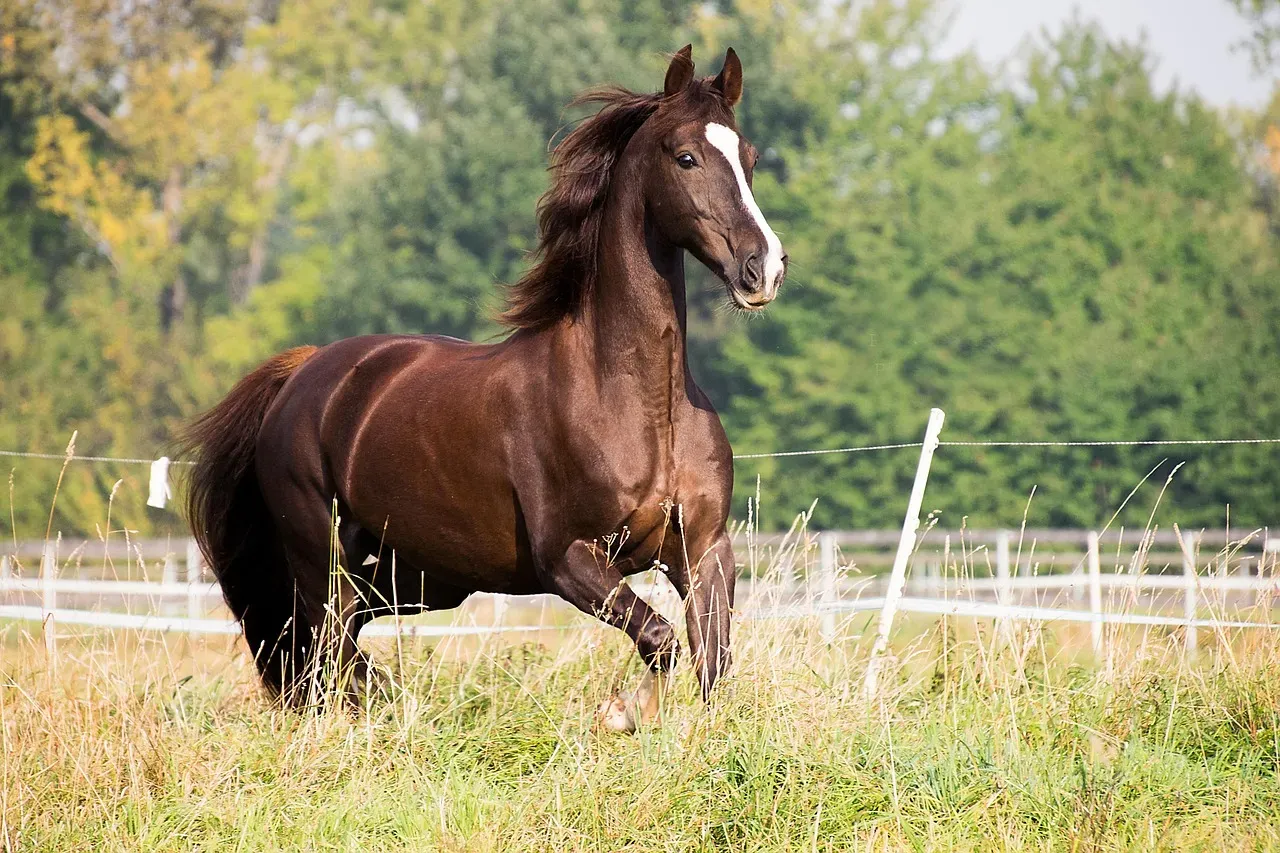
The Saddlebred’s electric presence in the show ring – that soaring trot, that flagged tail, that almost theatrical presence – reflects decades of breeding for extreme animation. What that selection has also concentrated, in certain bloodlines, is Junctional Epidermolysis Bullosa: a fatal skin condition that produces foals whose skin literally cannot adhere properly to the tissue beneath it. Genetic testing now exists for this mutation, and responsible breeders use it, but the resale market and less scrupulous breeding operations don’t always make test results available or accessible to buyers.
Beyond the JEB risk, vets flag the Saddlebred’s conformation – particularly the steep angles and the high-set neck bred into show lines – as a setup for back strain and chronic hind-end soreness in horses used for any kind of serious work. The breed’s nervous temperament, another show-ring byproduct, means that pain-related behavior is often misread as attitude, leading to management approaches that make the underlying problems worse rather than better. Saddlebreds in the right hands, with the right history and full genetic testing, can be genuinely wonderful horses. The problem is that “right hands” and “full genetic testing” are rarer in practice than they should be.
#10 – Morgan
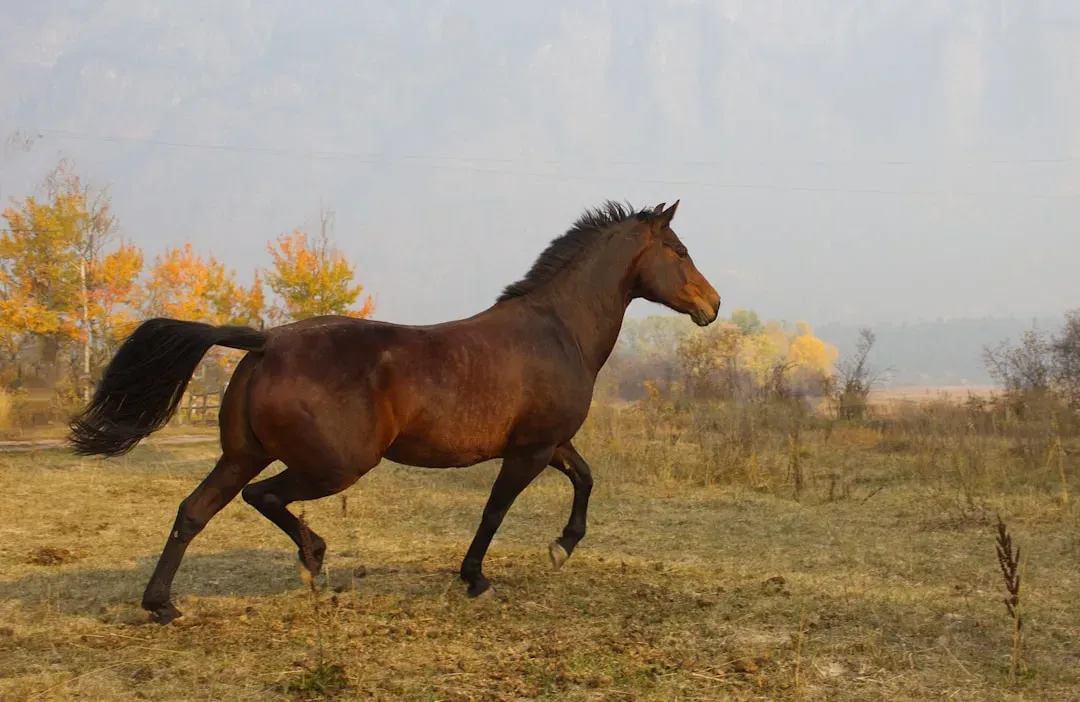
Morgans sell on the promise of versatility and hardiness – and in many respects, that promise is real. The breed has a long history as a working horse that could do a little of everything, and that utilitarian background genuinely shows in their baseline constitution. What the marketing leaves out is that Morgans are extreme easy keepers, meaning they extract calories from feed with unusual efficiency. In practice, that means they gain weight rapidly on pasture that wouldn’t challenge most other breeds – and excess weight in a horse is never just a cosmetic issue.
Equine Metabolic Syndrome and the laminitis it triggers are documented at elevated rates in Morgan populations, and laminitis is one of the most painful, most expensive, and most career-ending conditions a horse can develop. Managing a Morgan’s weight requires consistent, sometimes maddening dietary restriction – grazing muzzles, dry lots, carefully weighed hay – that many owners aren’t prepared for or willing to maintain long-term. When the management slips, the horse pays the price physically. Vets who see this cycle repeat across multiple Morgan patients in the same practice tend to develop strong opinions about who should and shouldn’t own the breed, regardless of how charming the individual animal is.
#11 – Standardbred
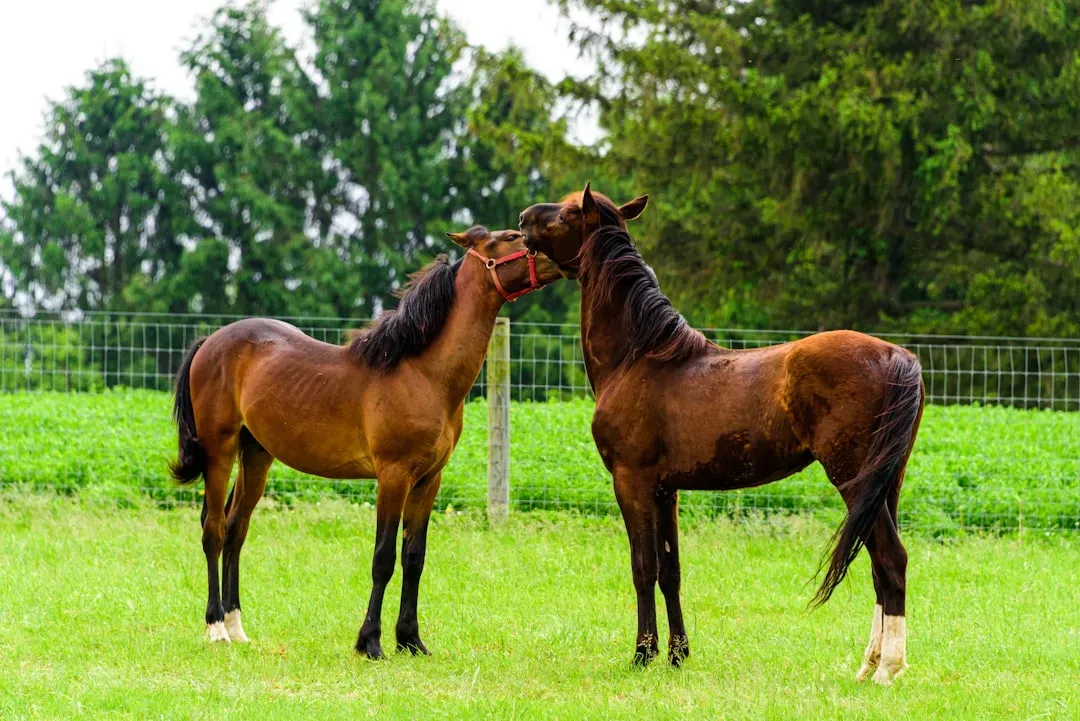
Standardbreds are the quiet workhorses of the equine rescue world – hardy, sensible, and underrated as riding horses once their racing career ends. They also carry a significant legacy of Recurrent Exertional Rhabdomyolysis baked into certain racing bloodlines, and that legacy doesn’t retire when the horse does. RER causes painful, sometimes severe muscle cramping during or after exercise, and in bad episodes, the muscle breakdown releases enough protein into the bloodstream to damage the kidneys. Horses that tied up repeatedly on the track may have underlying muscle enzyme profiles that make them genuinely unsuitable for even moderate recreational work without specialized management.
The secondary challenge is that Standardbreds often arrive in second careers with undisclosed histories. Racing records are public, but veterinary records from the track are rarely transferred, and horses that had repeated tying-up episodes or respiratory issues during their racing years may show no obvious signs of those problems during a pre-purchase exam on a quiet day. Vets recommend thorough bloodwork and a careful exercise challenge as part of any Standardbred pre-purchase evaluation, but many buyers skip that step, especially when acquiring horses from rescue situations where the price is low and the horse seems calm. The surprises tend to surface later.
Worth Knowing
- Track veterinary records are rarely transferred at sale – always request racing history documentation independently
- RER episodes severe enough to cause kidney damage can occur during moderate exercise in susceptible horses
- A pre-purchase exam should include bloodwork and an exercise challenge – a quiet barn exam alone will miss subclinical RER
- Respiratory issues from track environments may be silent on exam day but resurface under regular work
- Standardbreds from rescue programs are often wonderful horses – but “low price” should never be a reason to skip thorough vetting
#12 – Missouri Fox Trotter
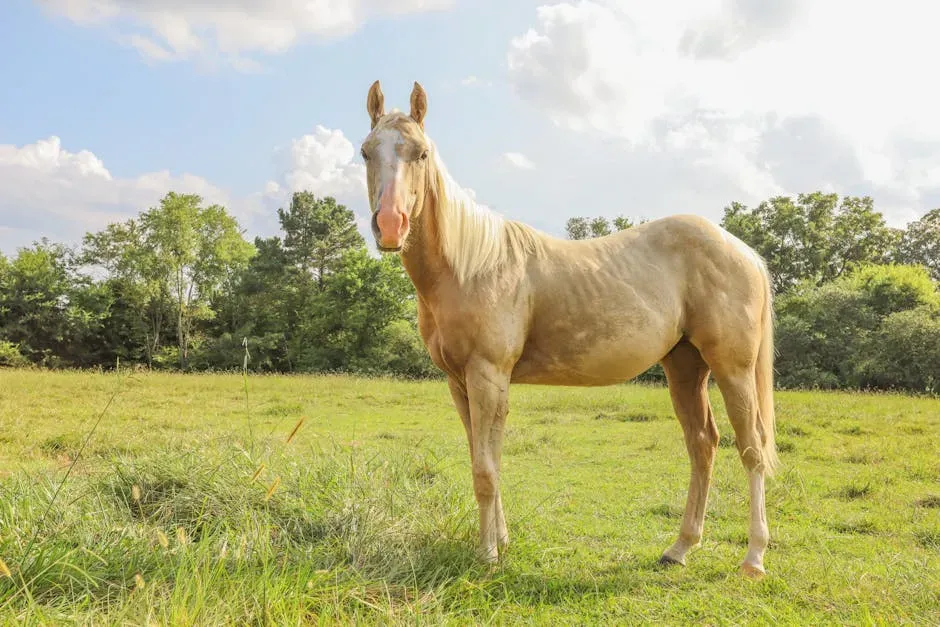
The Missouri Fox Trotter’s smooth, broken diagonal gait is genuinely comfortable to ride – it’s one of the reasons trail riders love the breed. But that distinctive movement pattern places repetitive, asymmetrical stress on joints that are already under load from carrying a rider, and vets who see performance-line Fox Trotters in middle age report a consistent pattern of early-onset arthritis that surprises owners who expected a long, low-maintenance trail career. The gaited movement that feels so effortless in the saddle is not always effortless for the horse’s structural anatomy over time.
Genetic bottlenecks in certain popular bloodlines add a second layer of concern, concentrating health vulnerabilities that might otherwise be diluted by greater diversity. This isn’t a breed-wide condemnation – there are plenty of sound, well-bred Fox Trotters working comfortably into their late teens. But the performance lines bred specifically for exaggerated gait in show competition tend to be the ones that age less gracefully, and those are often the horses being resold to trail buyers who don’t know the difference. A buyer who does their research and selects from sensibly bred, performance-tested stock has a much better experience than one who simply buys the smoothest-going horse at the sale.
#13 – Tennessee Walking Horse
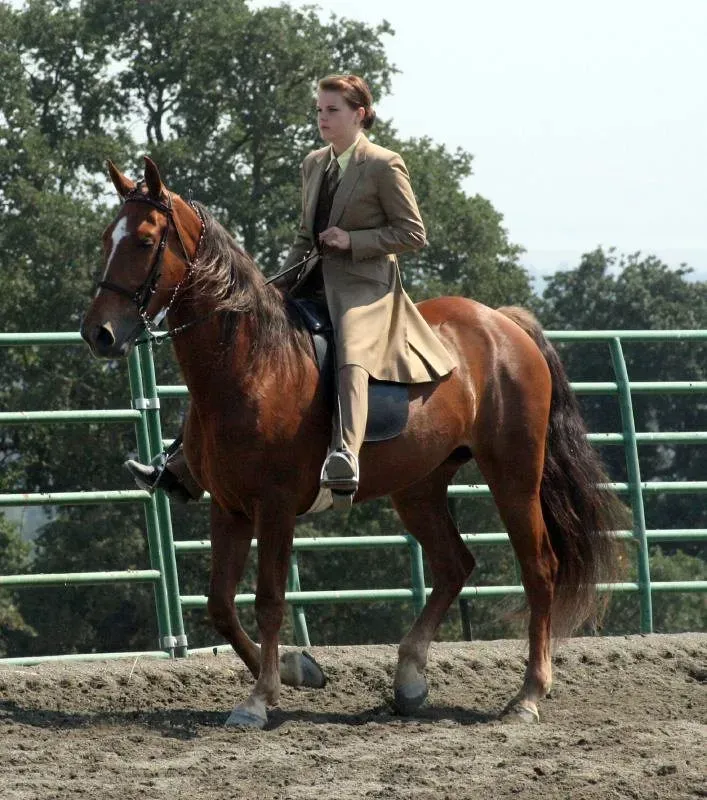
The Tennessee Walking Horse’s running walk is one of the smoothest, most distinctive gaits in the equine world, and for riders with bad backs or aging joints, it can feel like a revelation. What’s less often discussed is what that exaggerated, high-stepping movement costs the horse’s front end over time. Selective breeding for the show ring’s “big lick” performance has concentrated conformational patterns that place disproportionate stress on the navicular apparatus – the small bones and soft tissue structures deep inside the hoof – and research confirms that over-angulated hindlegs increase the risk of soft tissue injury and degenerative joint disease. Even outside the show world, the biomechanical demands of the running walk require careful farriery and consistent hoof management to keep horses comfortable over a long career.
The breed also has a deeply complicated welfare history. Soring – deliberately causing pain to the lower legs to exaggerate the gait – has been illegal under federal law since 1970, yet it persists. The USDA published new enforcement regulations in 2024, but the Tennessee Walking Horse industry immediately filed a lawsuit to block them, and implementation has been repeatedly delayed. Horses that arrived from show barns may carry years of sensitization and pain responses that make even routine veterinary examinations difficult and that color every interaction they have with humans. For casual trail riders, the horse they’re buying is often a very different animal from the promotional image – and untangling that history takes time, expertise, and money that most buyers don’t budget for.
#14 – Haflinger
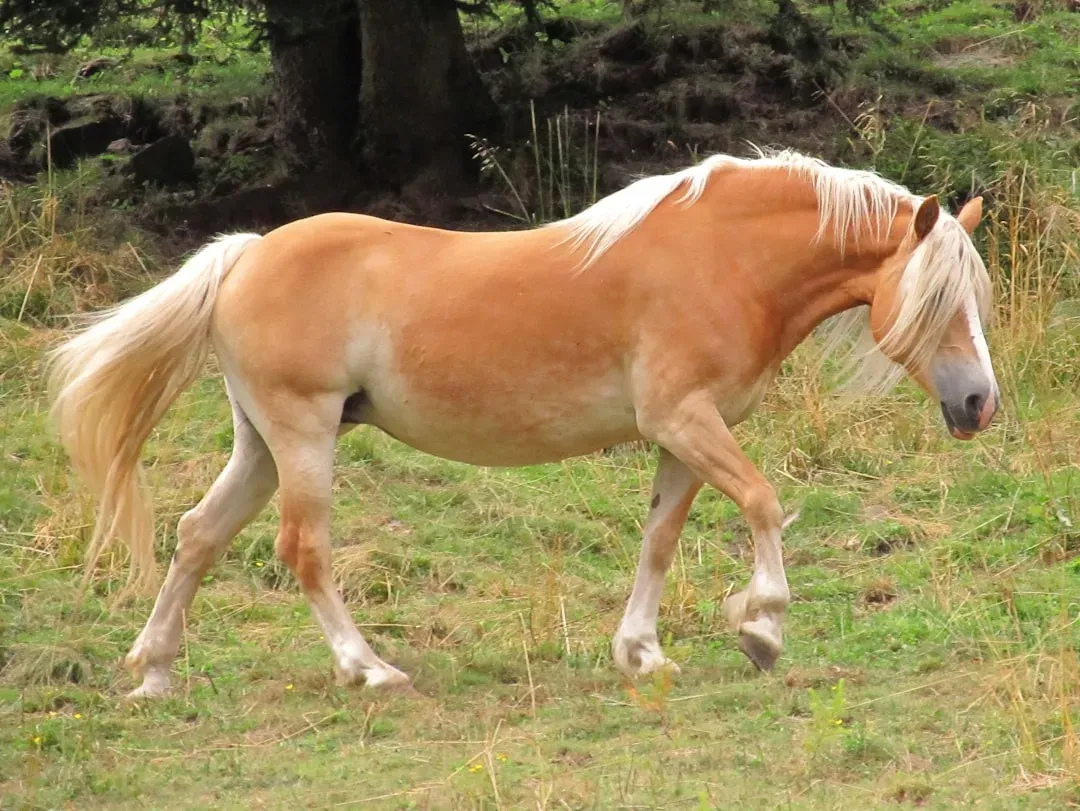
Haflingers are the golden retrievers of the horse world – sunny, willing, and marketed heavily as ideal family horses for beginners and children. That warm reputation is not entirely undeserved; they genuinely have pleasant temperaments and a forgiving attitude toward inexperienced riders. What the family-horse marketing doesn’t mention is that the breed’s compact, heavily muscled build combined with its easy-keeper metabolism creates a chronic back and joint stress problem that shows up with surprising consistency in middle-aged Haflingers that have spent years carrying riders not quite matched to their size and structure.
Arthritis appearing earlier than owners expect is a recurring veterinary observation in the breed, and hoof quality in some lines is genuinely poor – thin soles, shelly walls, and a tendency toward white line disease that requires attentive farriery to manage. The breed’s popularity has also expanded the market for average-quality animals sold without full health histories, meaning buyers who shop on price rather than pedigree and health documentation are taking on risks they don’t fully see at purchase. A well-bred Haflinger from a conscientious breeder is a different animal than one from a large-scale operation focused on volume. The difference matters enormously over a ten-year ownership horizon.
#15 – Icelandic Horse

Iceland’s isolation produced a horse that is genuinely unique – the famous tölt, a smooth four-beat gait that feels almost surreal the first time you ride it, plus a constitution shaped by centuries of surviving brutal northern winters on minimal feed. That hardiness is real. What’s also real is that the same genetic isolation that gave the Icelandic Horse its distinctive characteristics also concentrated certain health vulnerabilities that don’t show up in the breed’s rugged reputation. Metabolic issues, dental problems that develop earlier than in most breeds, and a pronounced tendency toward laminitis from easy weight gain are documented consistently in Icelandic Horse veterinary literature.
The breed’s unique gaits also place specific biomechanical demands on the horse’s joints over time, and some individuals show earlier joint wear than their size and apparent hardiness would suggest. New owners drawn to the Icelandic Horse’s reputation for low-maintenance hardiness are sometimes genuinely blindsided by the dietary management required to keep weight in check on even modest pasture – and by the dental bills that arrive sooner than expected. These aren’t deal-breakers for experienced owners who go in prepared, but they’re a real shock for buyers who took “tough little horse that practically takes care of itself” at face value.
#16 – Gypsy Vanner
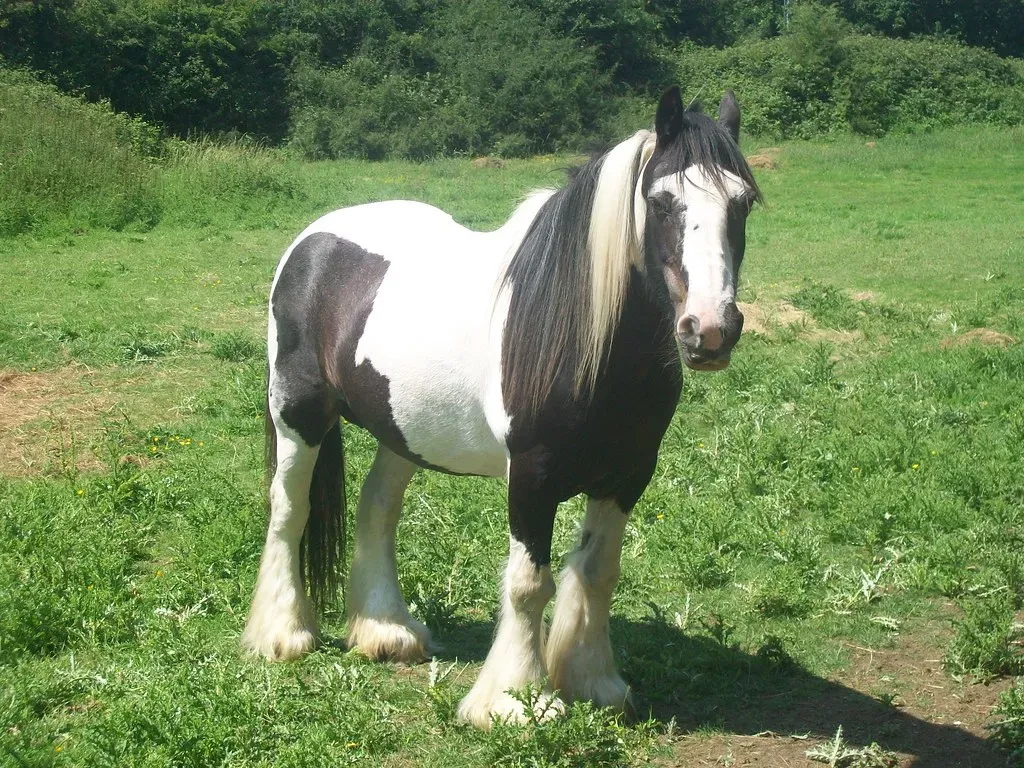
The Gypsy Vanner’s appeal is almost impossible to resist: flashy pinto coloring, a compact powerful build, rivers of mane and feathering, and a temperament breeders describe as “gentle giant in a smaller package.” The problem is that “smaller draft” is still very much “draft” – and draft-breed health risks travel with the type regardless of how the marketing is framed. PSSM and exertional rhabdomyolysis appear in Gypsy Vanners at rates consistent with other draft-descended breeds, and the management requirements are identical: carefully controlled diet, mandatory regular exercise, and lifelong monitoring of muscle enzyme levels.
The breed’s explosion in popularity over the past two decades has created a large secondary market full of horses whose backgrounds are uncertain and whose health histories are incomplete. The feathering that makes the breed so visually spectacular requires serious grooming commitment and creates the same moisture-trapping, bacteria-harboring conditions that plague other feathered draft breeds – scratches, dermatitis, and mite infestations that can become deeply entrenched if owners aren’t proactive. Many buyers discover within the first year that “easy keeper” means easy to keep fat and easy to develop metabolic problems, not easy to care for overall. The gap between the fantasy and the reality can be significant.
At a Glance: The “Draft-Type” Danger Zone
- PSSM: Documented across Belgian, Shire, Percheron, Clydesdale, and Gypsy Vanner lines – none are exempt
- Feathering: Scratches, mite infestations, and Chronic Progressive Lymphedema (CPL) are the hidden tax on every heavily feathered breed
- “Easy keeper”: Sounds like a perk; in practice it means constant weight management and metabolic monitoring
- Size: Every health crisis in a 1,500–2,000 lb horse requires specialized equipment and often a specialist vet
- Popularity surge: High demand + social media marketing = flooded resale market with poor health documentation
#17 – Shire
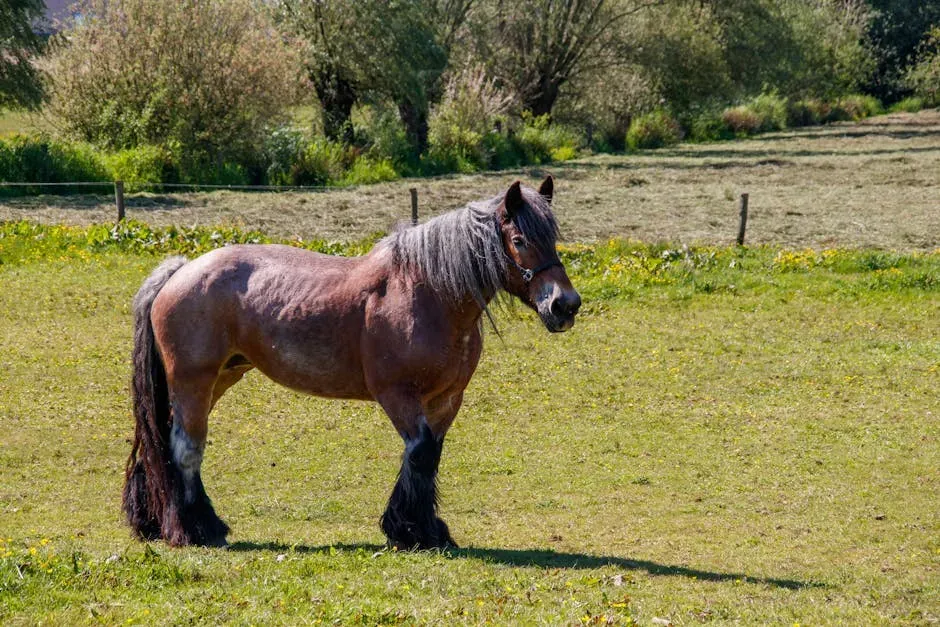
The Shire is England’s gentle giant – a horse that has pulled barges, plowed fields, and captured imaginations for centuries. It is also a breed in genuine genetic trouble, with a global population small enough that meaningful inbreeding is essentially unavoidable in many breeding programs. That inbreeding shows up clinically in several ways: reduced fertility in both mares and stallions, compromised immune function in some lines, and a higher baseline rate of congenital issues than you’d expect from a breed that looks so physically imposing. Size does not equal genetic robustness, and Shires are a clear example of that disconnect.
The breed’s extraordinary leg feathering – one of its most iconic visual features – demands grooming discipline that many owners underestimate. Chronic progressive lymphedema, a condition that causes permanent, progressive swelling in the lower legs, is documented in Shires and other heavy feathered draft breeds and has no cure, only management. A horse that develops this condition requires lifelong bandaging, massage, and veterinary monitoring to stay comfortable. The sheer size of a Shire also means that any lameness, however minor in origin, becomes a major physical crisis faster than it would in a lighter breed. These horses require experienced ownership, and the learning curve is steep.
[article_quiz]#18 – Percheron
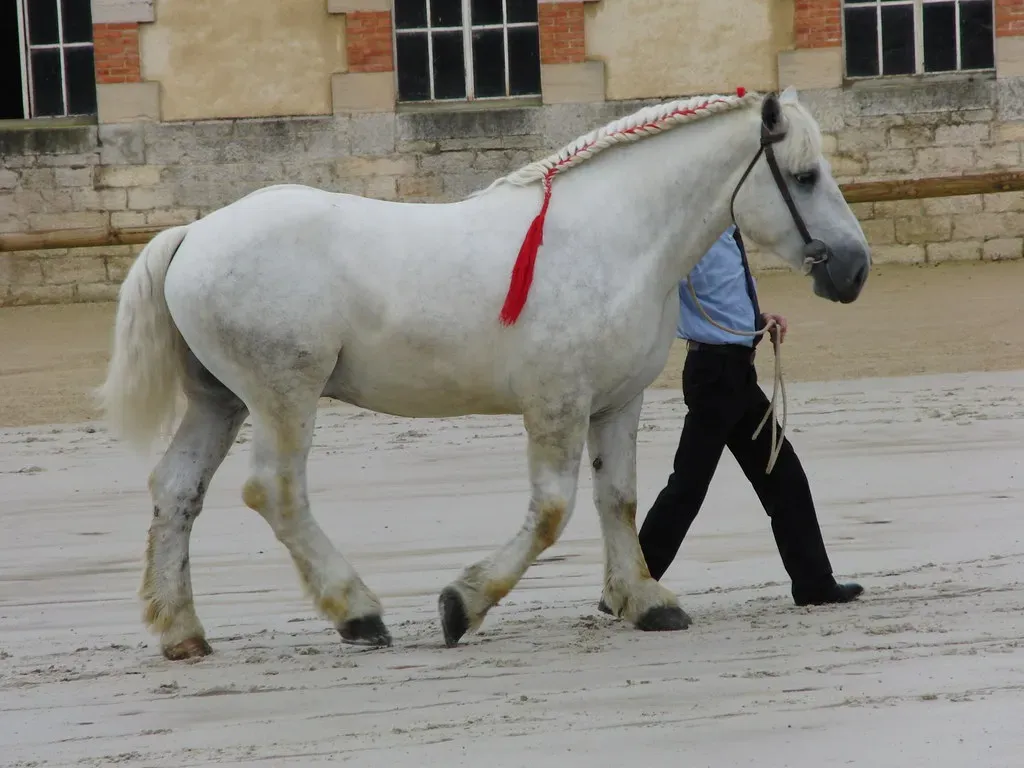
The Percheron closes this list with a breed that looks, on paper, like the most sensible draft horse you can buy – calmer and more refined than some of its heavyweight peers, with a long history of versatile work across multiple disciplines. Vets don’t dispute the breed’s genuine qualities. What they flag is the PSSM burden that runs through draft populations broadly, and Percherons are no exception. Even horses from “healthy” lines frequently show elevated muscle enzyme levels under stress testing, meaning the condition is present and sub-clinical before it ever becomes an obvious crisis. The first owner to push a horse past its tolerance threshold discovers the problem the hard way.
Repeated colic episodes are also reported at higher rates in Percherons than casual buyers anticipate, likely linked to digestive sensitivities that interact poorly with changes in feed, water, or management routine. Low genetic diversity in many draft lines compounds every health challenge: when the gene pool is narrow, treatment responses are less predictable, drug sensitivities are more common, and recovery from illness or injury takes longer. The Percheron’s reputation for calm and capability is real – but that reputation was built in an era before modern genetic analysis revealed what was accumulating beneath the surface. Buying one today means buying that history too.
The Bottom Line
Here’s what this list actually means: these breeds aren’t evil, and owning one isn’t a mistake if you go in with open eyes, a genetic testing budget, and a realistic picture of lifetime care costs. What is a mistake is buying on aesthetics and reputation alone, skipping the pre-purchase exam, trusting sellers who answer health questions vaguely, or assuming that a popular breed is popular because it’s problem-free. Popularity in the horse world often just means the marketing is excellent.
Vets give this advice quietly, to friends, because the horse industry is small and relationships are everything. But the pattern they’re describing is consistent across practices, across regions, and across decades: concentrated genetics, extreme trait selection, and commercial breeding pressure create animals whose beauty and performance come bundled with suffering that the buyer absorbs, financially and emotionally, long after the seller has moved on. Demand genetic testing. Demand veterinary records. Demand a prepurchase exam from your own vet, not the seller’s. The horse you save from a bad situation is worth it. The horse you buy blind into a genetic nightmare – for you and for them – rarely is.
Your Pre-Purchase Checklist – Don’t Skip a Single Step
- Genetic panel test: Breed-specific DNA testing for known heritable conditions – get the actual results, not the seller’s summary
- Independent vet exam: Your vet, not the seller’s – full pre-purchase including flexion tests, hoof evaluation, and eye exam
- Exercise challenge: Especially critical for Thoroughbreds, Standardbreds, draft breeds, and any horse with a performance history
- Full veterinary records: Request all available history; “no records” is itself important information
- Lifetime cost estimate: Draft breeds, warmbloods, and gaited performance horses often cost $5,000–$15,000+ per year in upkeep
- Breed-specialist consultation: For high-risk breeds, a 30-minute call with a vet who specializes in that type can save years of heartbreak
