
There’s a specific kind of quiet that settles over a garden when the hummingbirds stop coming. No flutter at the window. No iridescent blur near the feeder. Just stillness where there used to be something alive and electric. Most gardeners assume they did something irreversible – used the wrong spray, planted the wrong thing, waited too long – and that the birds have simply moved on for good.
They haven’t. Hummingbirds are creatures of route and memory, and the right bloom in the right place can reopen a territory they abandoned months or even years ago. The 13 flowers below aren’t random – they were chosen for tubular shape, nectar sugar concentration, bloom timing, and the specific visual signals that trigger a hummingbird to claim a garden as worth returning to. A few of these will surprise you. At least one will make you wish you’d planted it last spring.
#13 – Zinnia: The Colorful Annual That Restarts the Nectar Flow
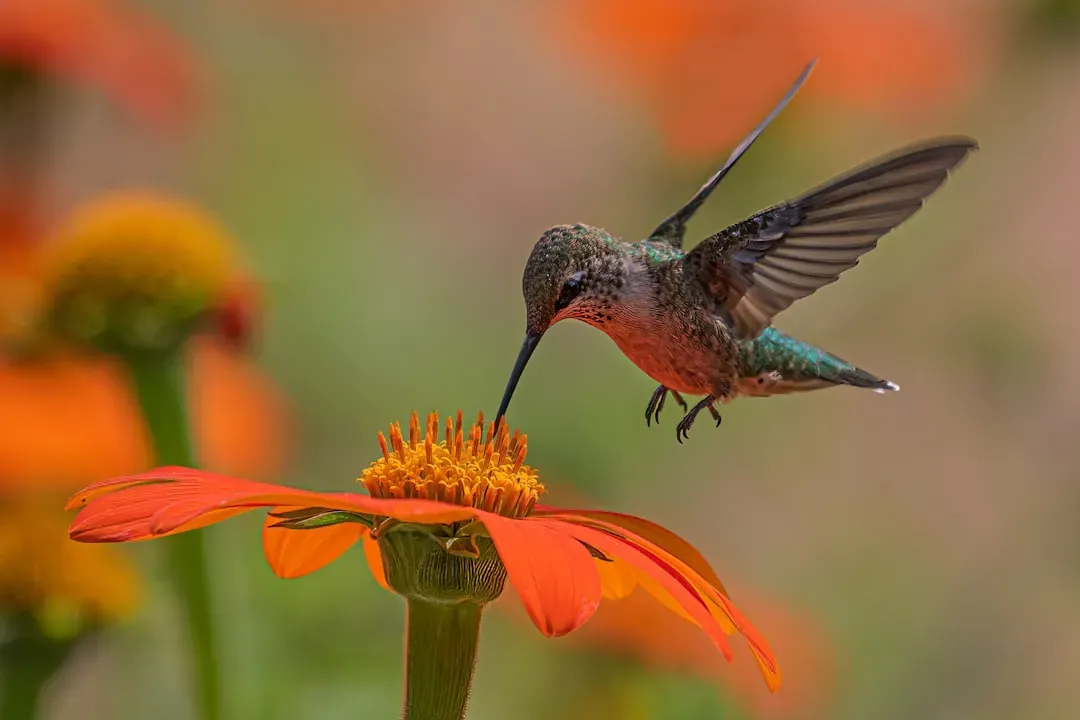
Most gardeners overlook zinnias because they seem too cheerful and common to do serious recovery work. That’s a mistake. These tough annuals deliver consistent nectar in the exact shades – deep reds, burnt oranges, hot pinks – that hummingbirds have evolved to seek out from a distance. They start blooming in early summer and don’t stop until hard frost, which means they’re still producing when a lot of trendier plants have already given up.
What makes zinnias genuinely useful for recovery is their reliability. A single established plant can support multiple hummingbird visits per day without needing supplemental feeders nearby. They also attract the tiny gnats and aphids that give hummingbirds protein – something pure nectar can’t provide. If your garden has been quiet for a season and you need a fast, low-cost way to signal “there’s food here,” a dense row of red and orange zinnias is one of the simplest first moves you can make.
Fast Facts
- Bloom season: Early summer through first hard frost
- Best colors for hummingbirds: Deep red, burnt orange, hot pink
- Double duty: Attracts the insects hummingbirds need for protein alongside nectar
- Cost: One of the least expensive recovery flowers available – seed packets under $5
- Effort level: Direct-sow after last frost; minimal maintenance required
#12 – Petunia: The Trailing Favorite That Fills Vertical Space
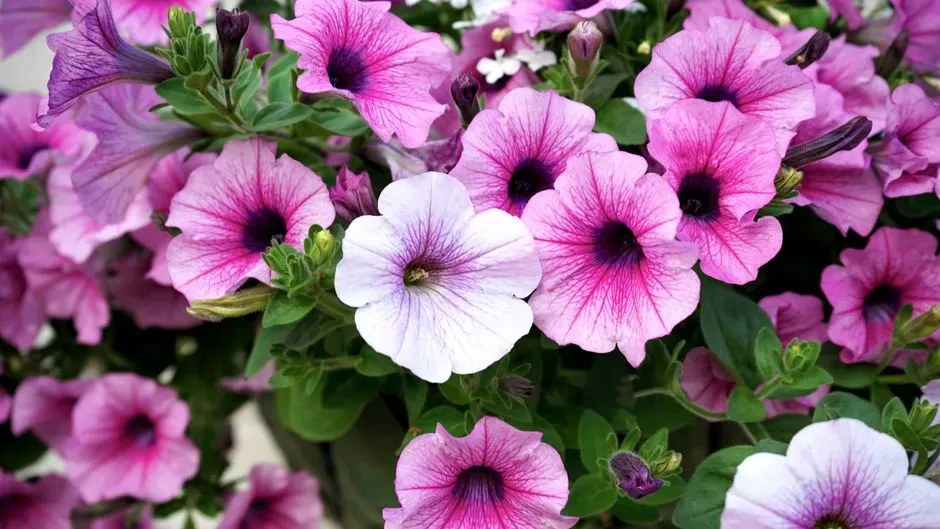
Petunias get written off as beginner plants, the kind you grab at a gas station in May and forget about by July. But that reputation undersells what they actually do for hummingbirds. Their tubular throat shape is nearly ideal for a hovering bird, and when planted in hanging baskets or window boxes, they bring nectar up to the mid-air feeding zone where hummingbirds already feel comfortable operating.
The real correction petunias offer is vertical. Most struggling gardens pile everything at ground level and wonder why birds stay cautious. Hanging baskets of deep red or violet petunias change the spatial relationship entirely – suddenly the garden has a three-dimensional structure that reads as safe and food-rich. During peak summer heat, petunias can outproduce several native perennials in raw nectar volume, which makes them a stronger recovery tool than their humble reputation suggests.
#11 – Lantana: The Heat-Loving Shrub That Defies Expectations
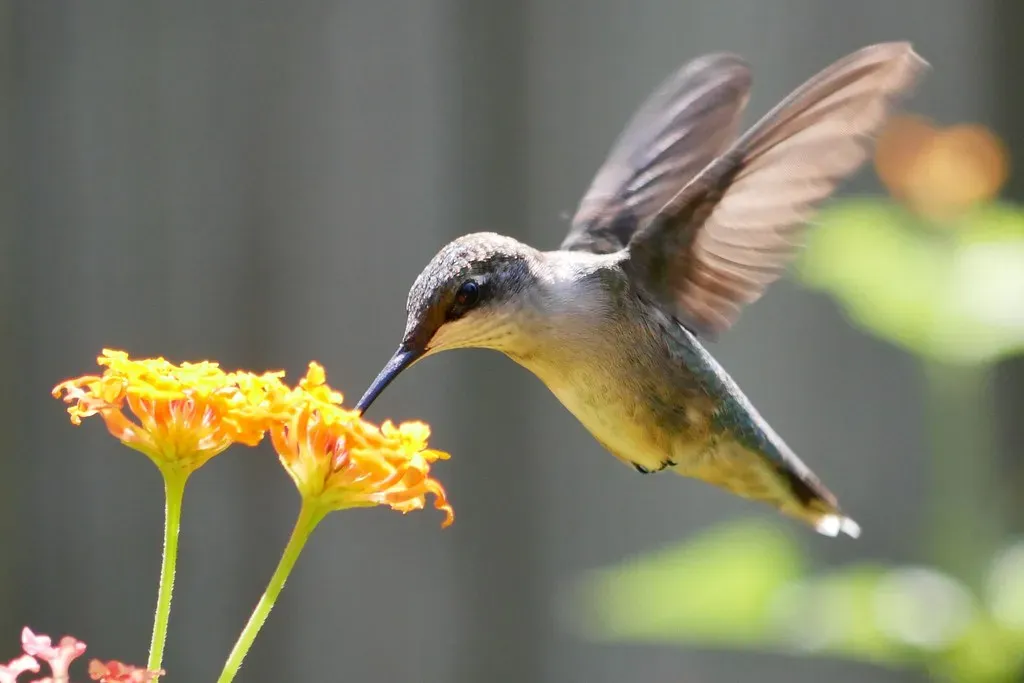
Lantana has a complicated reputation. In warmer climates it gets flagged as invasive, and in colder ones it gets dismissed as a tender annual not worth the effort. Both camps tend to miss what hummingbirds actually think of it, which is that lantana’s tightly clustered tubular florets and relentless bloom cycle make it one of the most dependable nectar sources through the brutal stretch of July and August when other plants are gasping.
It also thrives in conditions that would kill more delicate recovery flowers – poor soil, reflected heat, irregular watering. Hummingbirds learn the location of a productive lantana plant quickly, and once a bird has claimed a patch, it will defend and return to it with real consistency. The nectar sugar concentration rivals plants specifically marketed for hummingbird gardens, and the multicolored flower clusters create a visual signal that’s visible from a surprising distance. For gardens in hot, dry climates that have lost their visitors, lantana is often the fastest turnaround option available.
#10 – Fuchsia: The Shade-Tolerant Bell That Brings Hidden Rewards
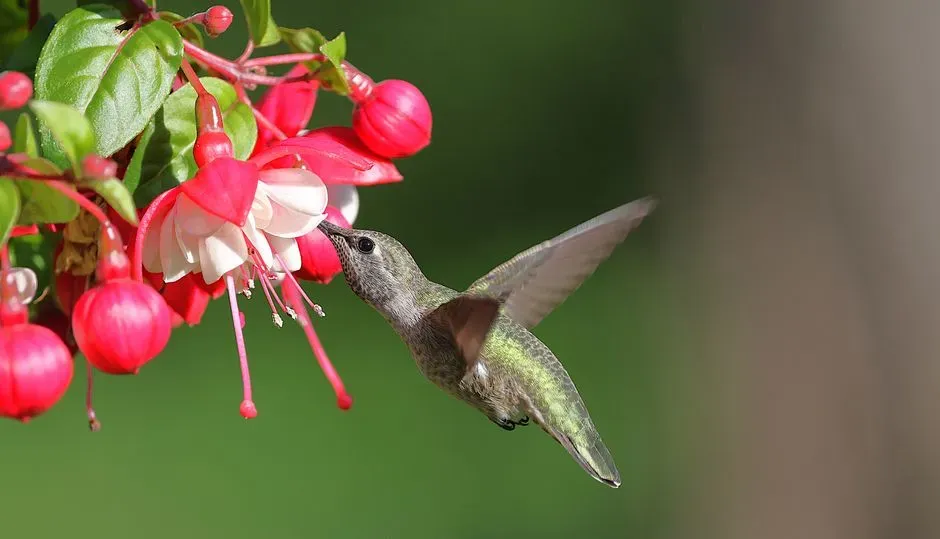
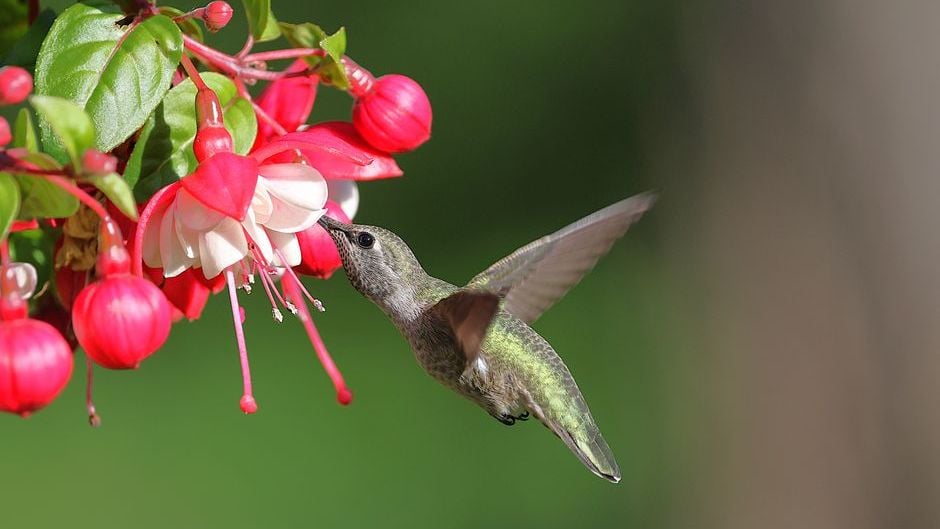
Fuchsia gets left out of most hummingbird recovery conversations because the conversation almost always defaults to sunny, open gardens. That’s a real gap. For yards with significant shade – the kind of canopy coverage that makes it hard to grow much of anything – fuchsia is one of the few reliable answers. Its pendulous, jewel-toned blooms hang at exactly the right angle for a hummingbird to approach from below and hover while feeding, which is how these birds prefer to work.
The overlooked advantage is timing. Fuchsias produce nectar through cooler morning and evening hours when many sun-dependent flowers have already closed or dried out. That extended daily window matters more than most gardeners realize – a hummingbird’s metabolic demands don’t stop at noon. In shaded urban gardens or wooded backyards that once had regular visitors, a few well-placed fuchsia baskets can reopen feeding routes that have been dormant for years.
At a Glance: What Hummingbirds Are Actually Looking For
- Color signal: Red, orange, and pink register strongest in hummingbird vision; scent is largely irrelevant to them
- Flower shape: Tubular blooms with nectar held deep – long enough to exclude most competing insects
- Nectar sweetness: Hummingbirds prefer flowers in the 20–25% sucrose range – too dilute means too many visits, too concentrated is hard to lap efficiently
- Feeding height: Mid-air access points (hanging baskets, tall spikes, climbing vines) signal a safe, bird-friendly space
- Reliable output: Birds memorize productive routes – consistency matters more than peak volume
#9 – Salvia: The Perennial Workhorse That Outlasts Trends
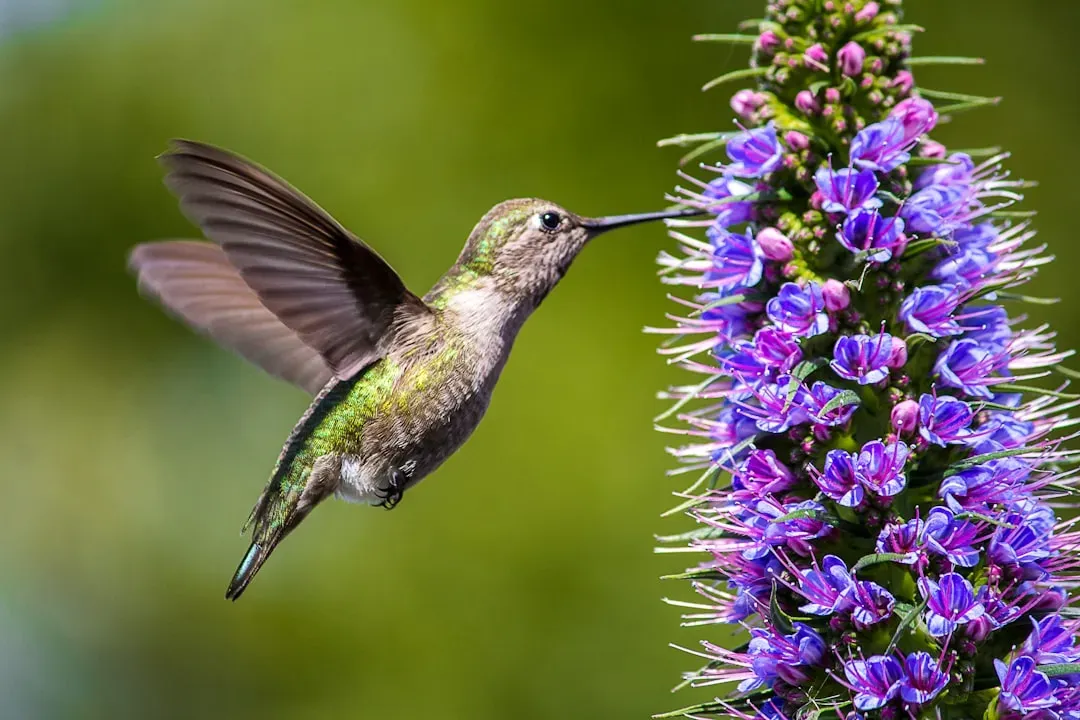
Salvia comes in so many varieties that gardeners often get decision fatigue and skip it entirely, or grab whatever’s cheapest at the nursery and wonder why it underperforms. The species matters. Salvia guaranitica, S. greggii, and S. splendens all have the tubular flower structure and nectar density that hummingbirds actively seek out. Planted in mass – a whole drift rather than a single specimen – they create a feeding station visible and worth defending from a bird’s perspective.
What salvias offer that trendy annuals don’t is persistence. A well-chosen salvia perennial will come back harder every year, extending its bloom window from late spring through the first frost and producing more flowers – and more nectar – as the root system matures. Hummingbirds that establish territory around salvia tend to return to the same garden in successive years. That’s the difference between a one-season recovery and a permanent comeback.
#8 – Penstemon: The Native Tubular Star That Matches Local Needs
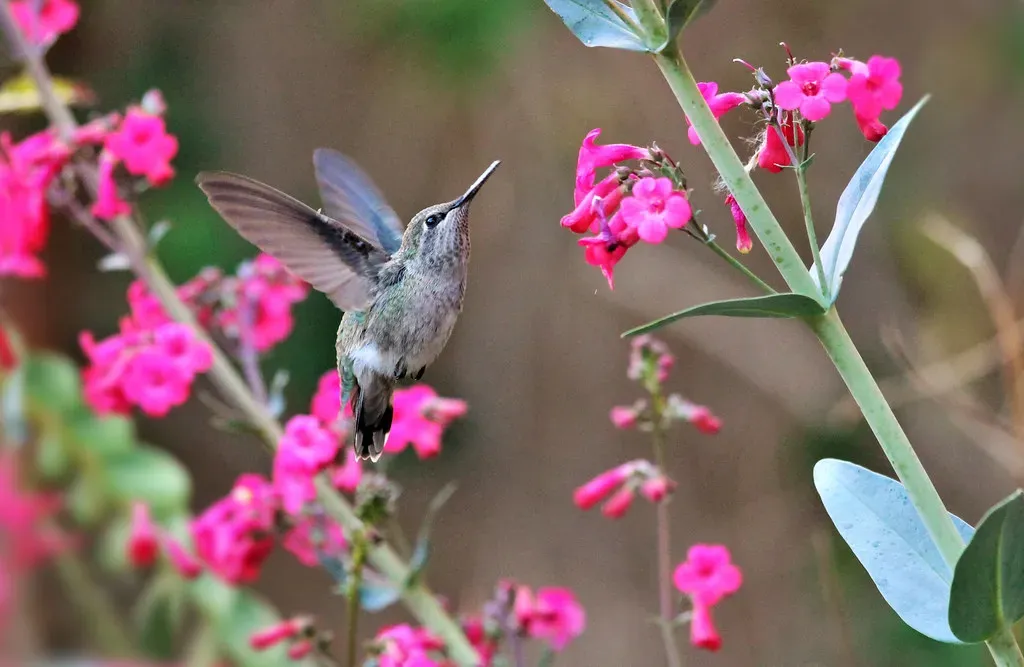
Penstemon is one of those plants that horticulturalists quietly love and most homeowners have never heard of. That’s changing, slowly, but the gap between how well it performs and how rarely it gets planted is still wide. The tubular flower shape fits a hummingbird’s bill almost perfectly – longer and narrower than petunias, with nectar held deep enough that insects with shorter mouthparts can’t easily steal it before the bird arrives.
The native-plant angle matters here in a practical way, not just a philosophical one. Region-specific penstemon varieties bloom in sync with local hummingbird migration and breeding schedules in a way that imported ornamentals simply can’t match. Some studies on native plantings have found penstemon nectar running significantly higher in sugar concentration than common hybrid garden flowers. For gardens that lost their hummingbirds gradually over several seasons – often a sign that the plant palette drifted away from what local birds evolved to expect – penstemon is the correction that works at the root level.
#7 – Agastache: The Anise-Scented Perennial That Holds Territory
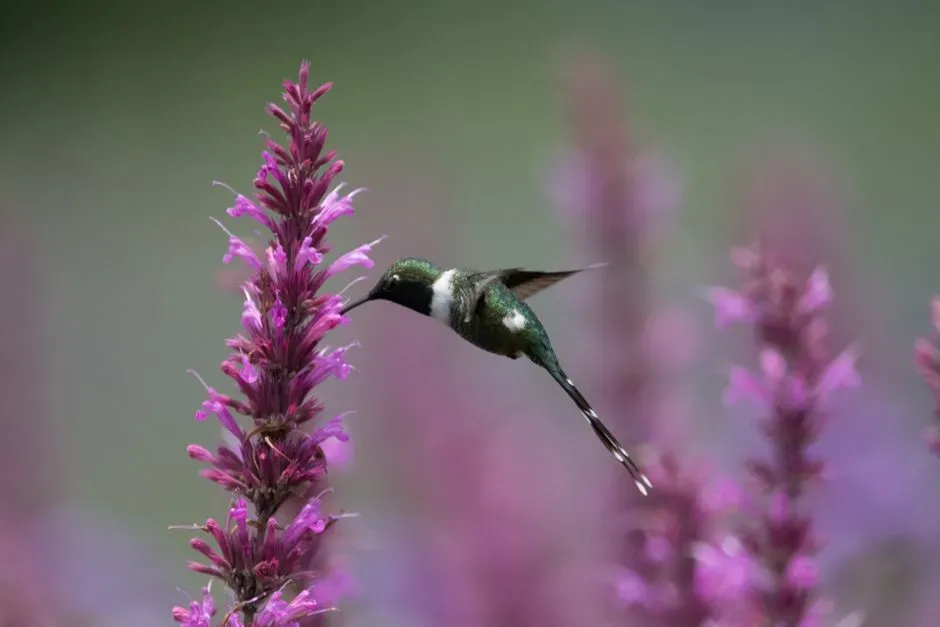
Agastache is the plant that garden designers recommend to each other and rarely see in mainstream nurseries. Its tall, densely flowered spikes in shades of orange, purple, and coral have a faint licorice scent that humans find pleasant and hummingbirds apparently find magnetic. The tubular individual florets pack tightly along each spike, which means a bird working a single stem is making dozens of small, efficient stops rather than hunting across the whole garden.
The seasonal edge agastache has over most competitors is real. It keeps producing after light frosts hit the zinnias and petunias, extending the feeding window into the period when migrating hummingbirds are actively fueling up for long flights south. Established clumps are also deer-resistant, which removes one of the most common reasons a hummingbird garden gets stripped bare before birds can benefit from it. Plant it in a sunny spot, cut it back hard in early spring, and within two years it becomes one of the most reliable territories in the yard.
Quick Compare: Annuals vs. Perennials for Hummingbird Recovery
- Annuals (Zinnia, Petunia): Fast results, low cost, ideal for first-season signaling – replant every year
- Tender perennials (Lantana, Fuchsia): Strong mid-season output; may overwinter in zones 9–11, treated as annuals elsewhere
- Hardy perennials (Salvia, Agastache, Penstemon): Build stronger territory year over year; root systems deepen and nectar output increases with age
- Native perennials (Bee Balm, Cardinal Flower, Columbine): Timed to local migration; highest co-evolutionary alignment with resident hummingbird species
- Vines & structural plants (Trumpet Vine, Honeysuckle): Anchor long-term routes; highest single-source nectar volume once established
#6 – Bee Balm: The Bold Red Magnet That Dominates Early Season
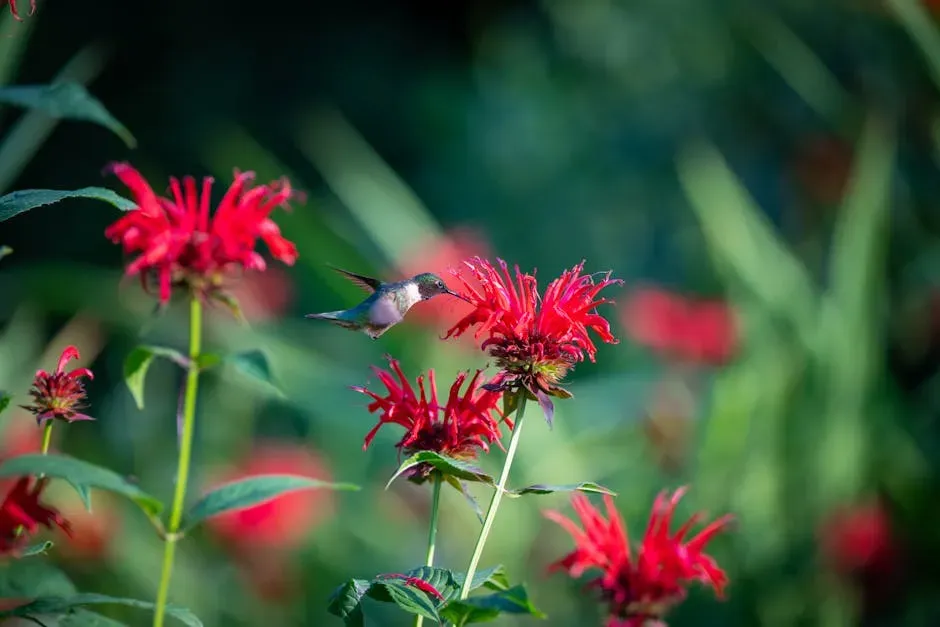
Bee balm – Monarda didyma – earns its place near the top of this list through timing alone. It blooms in early to midsummer, right when the first hummingbirds are actively scouting territories and setting routes. A gardener who plants bee balm is essentially putting up a “vacancy” sign at exactly the moment birds are deciding which gardens to adopt for the season. Miss that window with late-blooming plants and you’re competing for birds that already have their routes locked in.
The flowers themselves are architectural – spidery red crowns on tall stems that stand out visually even from a bird flying at speed. They’re one of the few plants where hummingbirds can be spotted sipping visible nectar droplets from the blooms on warm mornings. The plant spreads aggressively, which frustrates gardeners who want tidy borders, but that spreading habit is a feature from the bird’s perspective: a bigger patch means a more defensible, more productive territory. Contain it with buried edging and let it do its work.
#5 – Cardinal Flower: The Intense Red Native That Signals Prime Habitat
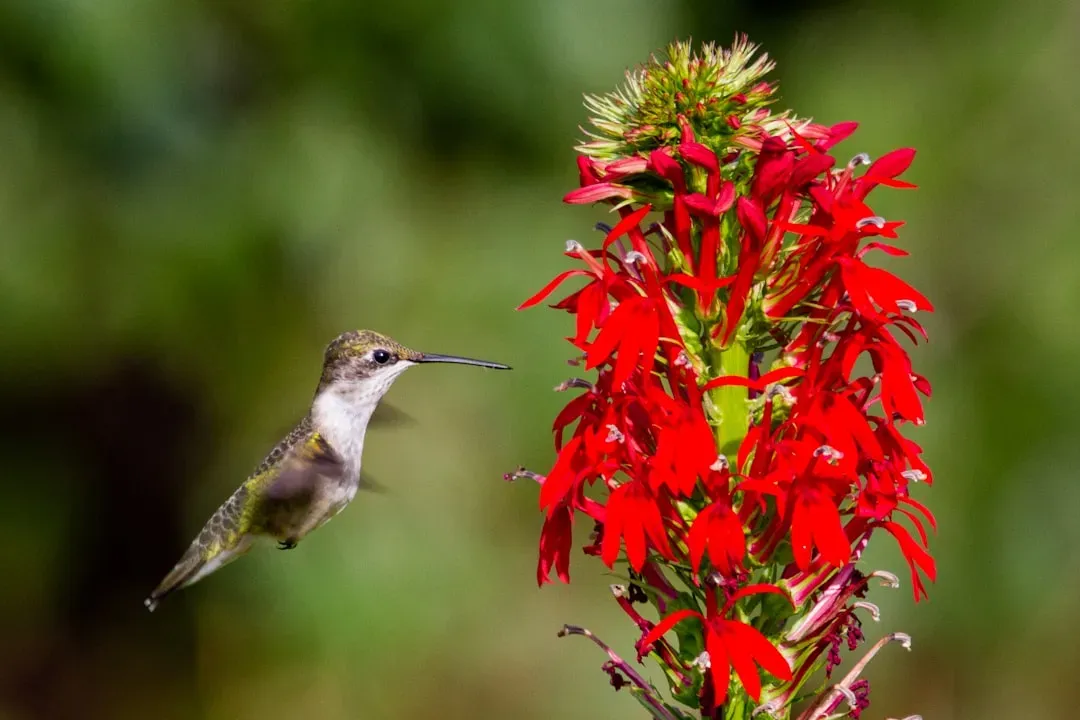
Cardinal flower (Lobelia cardinalis) is the plant that ornithologists point to when they want to explain the co-evolutionary relationship between hummingbirds and flowers. The bloom’s intense, almost alarming shade of red sits at the exact frequency that hummingbird vision is most sensitive to, while the tubular structure excludes most insects, preserving the nectar for the birds. It’s not a generalist pollinator plant – it’s specifically designed, over millions of years, to work with hummingbirds.
The reputation for being moisture-hungry is partially earned, but it’s overstated. Cardinal flower handles average garden soil once rooted, and it blooms in late summer when the nectar landscape often gets sparse and returning migrants are desperate for reliable sources. The nectar concentration it produces frequently exceeds what cultivated hybrids offer. For a garden trying to signal “this is good habitat” to a passing hummingbird that hasn’t committed to the territory yet, a clump of cardinal flower in late July or August can be the deciding factor.
#4 – Columbine: The Delicate Spur That Provides Early Nectar
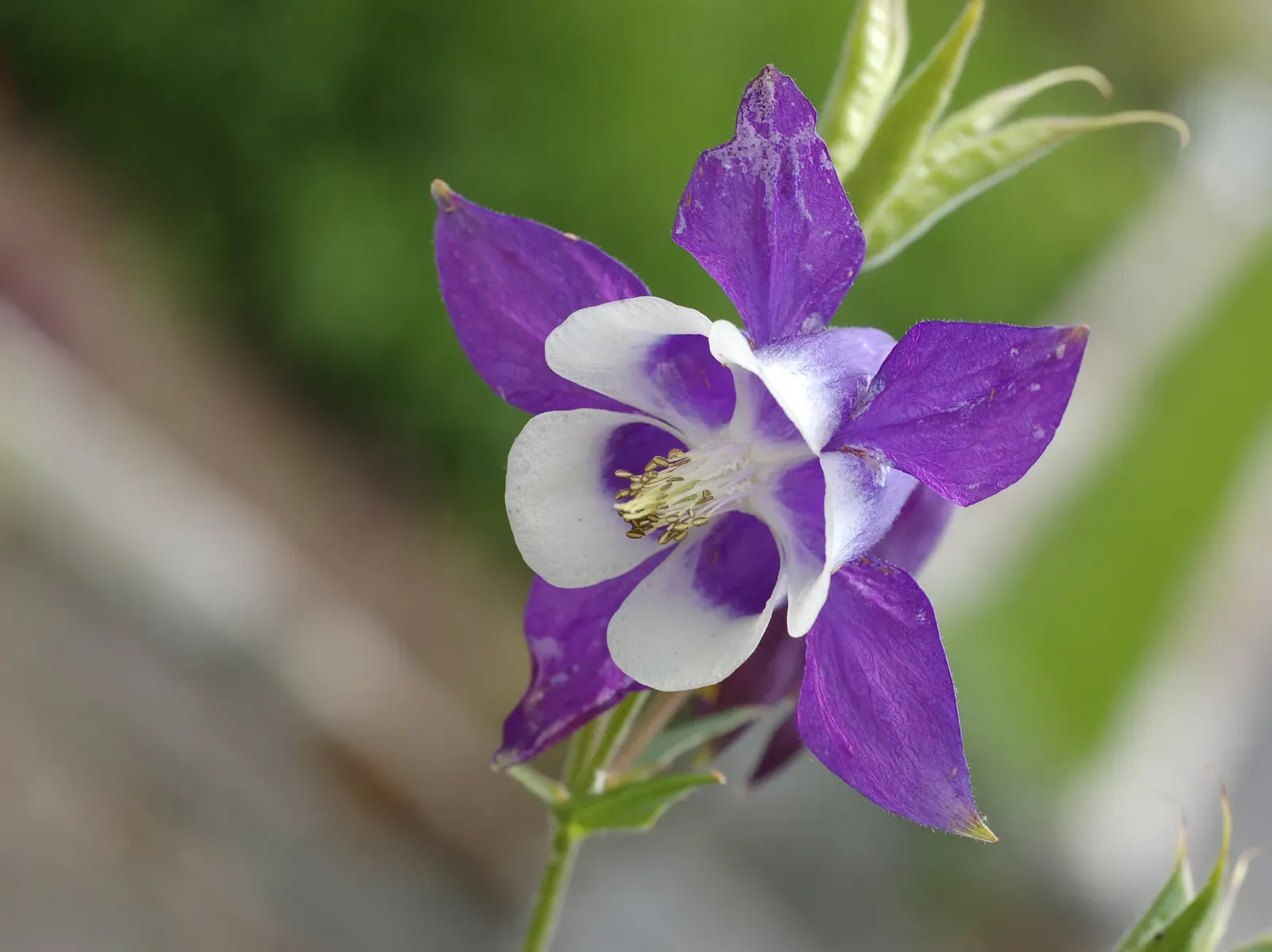
Columbine is where hummingbird recovery actually begins, because it blooms before almost anything else is open. While gardeners are still planning their summer plantings, columbine is already producing nectar in April and May – right when the first hummingbirds of the year are arriving, hungry after long migrations, and making fast decisions about which gardens to bookmark. A yard with columbine in bloom has a significant head start on every yard that’s still waiting for summer annuals to establish.
The spurred tubular flowers hold nectar at a depth that matches hummingbird bill length closely, and the plant’s self-seeding habit means that once you establish it, it slowly multiplies and fills in on its own. It tolerates partial shade and rocky, lean soil where more demanding perennials refuse to grow. Red and yellow native varieties like Aquilegia canadensis tend to outperform the fancy hybrid columbines for hummingbird attraction – the birds seem to trust the shapes and colors they’re hardwired to recognize over the elaborate showpieces bred for human aesthetics.
#3 – Honeysuckle: The Vining Classic That Creates Vertical Corridors
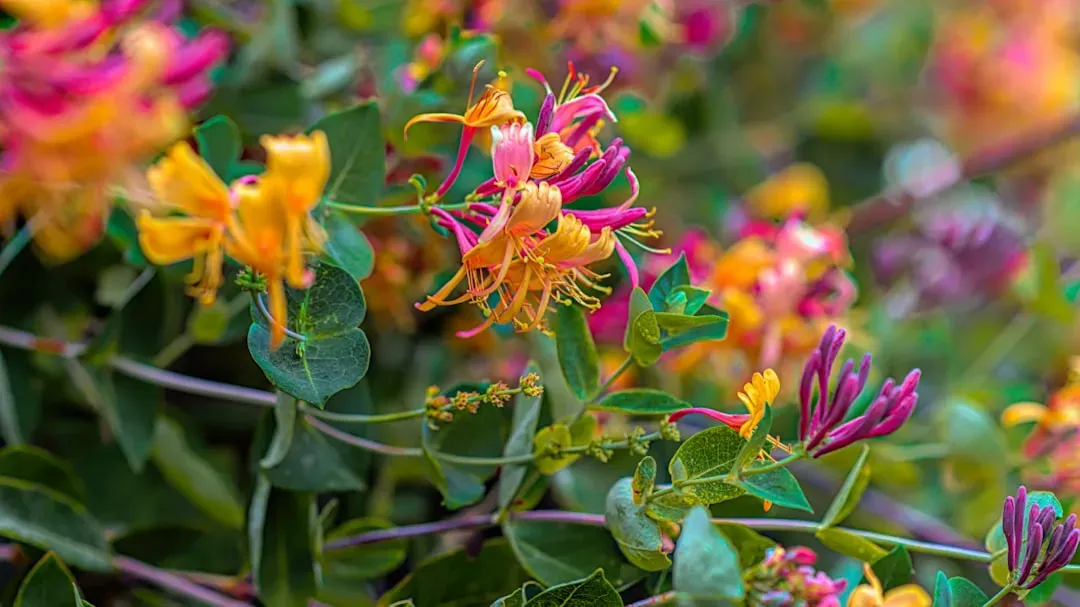
Native honeysuckle – specifically Lonicera sempervirens, the coral honeysuckle, rather than the invasive Japanese species – does something no other plant on this list does quite as well: it creates structure. When it covers a fence, trellis, or arbor, it turns a flat boundary into a three-dimensional feeding corridor that hummingbirds can travel along, stopping at dozens of tubular blooms in a single pass. That kind of spatial richness signals a high-quality territory to a bird deciding where to spend its energy.
The vine’s resilience during dry spells is a practical advantage that matters in a changing climate. When summer heat stresses other nectar plants and reduces their output, established honeysuckle vines hold their nectar production with more consistency. A common mistake in struggling gardens is ripping out vines for being “messy” or “too aggressive,” which often removes one of the highest-output nectar sources in the yard. Managed rather than eliminated – cut back hard after bloom, trained onto a structure – native honeysuckle can become the backbone of a long-term hummingbird habitat.
#2 – Trumpet Vine: The Aggressive Climber That Locks In Repeat Visitors
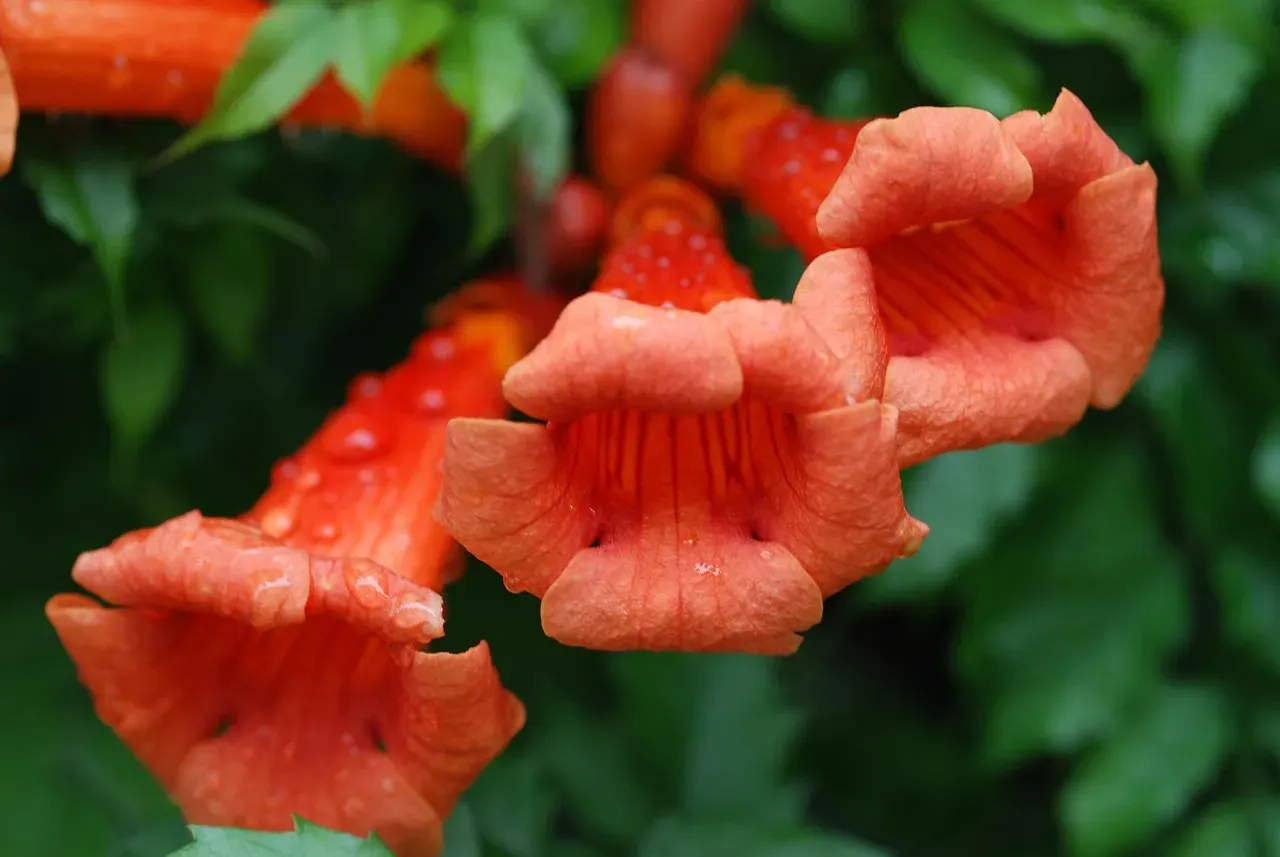
Trumpet vine (Campsis radicans) has a reputation that precedes it into every gardening conversation, and that reputation is not entirely unfair. It will climb your house. It will sprout in the lawn twenty feet from the mother plant. It will outlive the fence it’s attached to. And none of that changes the fact that its large, flared orange tubes produce some of the highest nectar volumes of any plant a backyard gardener can grow – enough that a single established vine in mid-to-late summer can anchor a hummingbird’s entire daily feeding route.
The birds treat trumpet vine the way they treat the best feeder in a competitive yard: they defend it. A hummingbird that has claimed a trumpet vine as its territory will chase off rivals, return to it dozens of times a day, and come back to the same spot in subsequent years. For gardens trying to convert occasional fly-by visitors into committed residents, that territorial loyalty is exactly the mechanism you want to trigger. Give it a sturdy metal structure, be ruthless with the suckers, and let the vine do what it was built to do.
Worth Knowing: Trumpet Vine at a Glance
- Nectar output: Reported to offer hummingbirds up to 10 times more nectar than most competing plants
- Bloom window: Flowers typically run June through September, sometimes into fall
- Hardiness: Performs in USDA Zones 4–10 – one of the widest ranges of any hummingbird vine
- Flower size: Trumpet-shaped blooms reach 3–4 inches long, perfectly sized for a hummingbird’s tongue
- Caution: Mildly toxic on contact for some people; wear gloves when pruning and keep away from pets
#1 – Red Hot Poker: The Unexpected Torch That Seals the Comeback
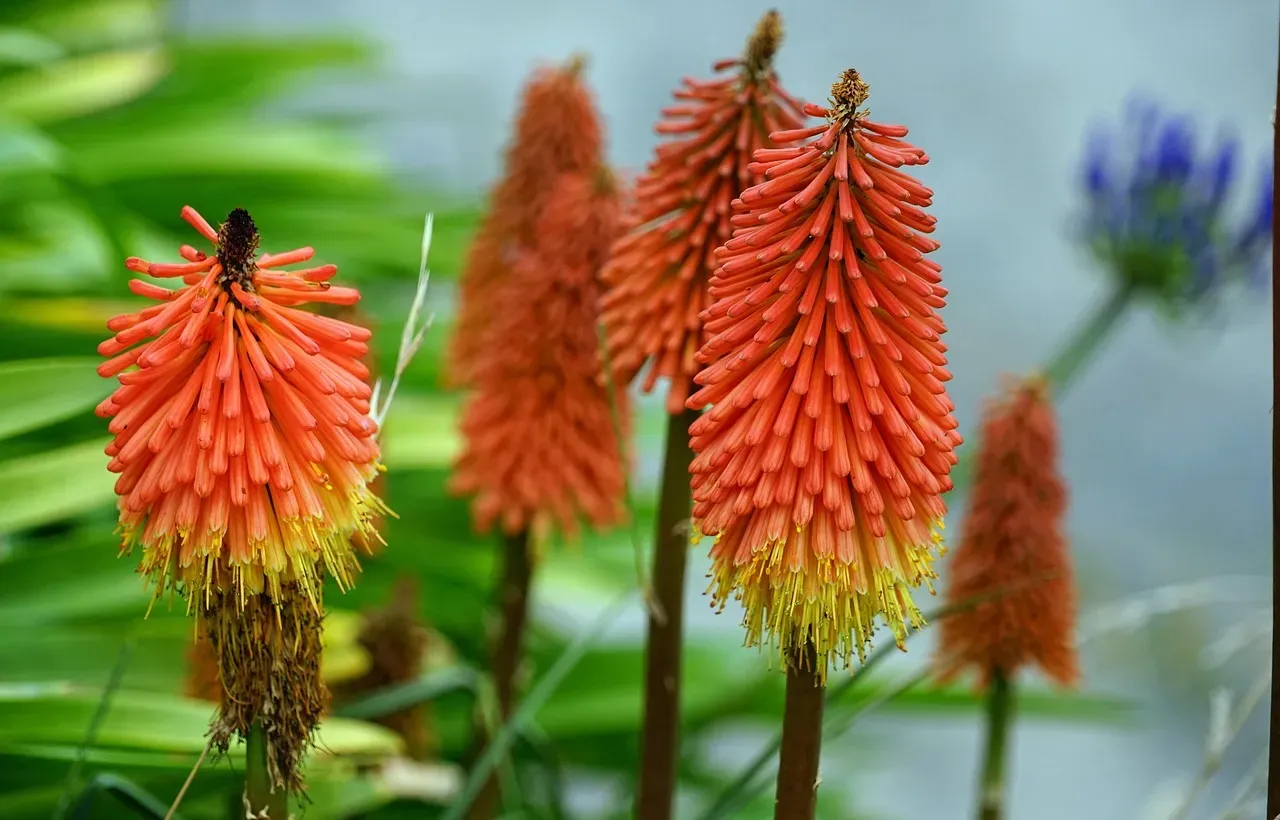
Red hot poker (Kniphofia) doesn’t look like a garden flower. It looks like something a landscape architect put there to make a point. The tall, torch-shaped spikes – blazing orange at the top fading to yellow at the base – are visually unlike anything else in a typical perennial border, and that difference is precisely what makes them so effective. Hummingbirds spot structural anomalies from a distance. A red hot poker spike standing three feet above everything else in the garden is a landmark, and landmarks get investigated.
What cements its place at the top of this list is what happens after the first visit. Once a hummingbird finds the densely packed tubular florets along a poker spike – each one holding concentrated nectar – it returns. Repeatedly. Kniphofia blooms from midsummer into fall, precisely the period when most gardens are winding down and migrating birds are most desperate for dependable fuel. It thrives in full sun and poor, even dry soil. It asks almost nothing from the gardener and delivers the one thing a recovering hummingbird garden needs most: a reason to come back tomorrow.
Why It Stands Out: Red Hot Poker
- Bloom time: Midsummer through fall – fills the gap when most gardens go quiet
- Height range: Varieties span from compact 14-inch dwarfs to dramatic 6-foot giants
- Maintenance: Deadhead spent spikes to encourage rebloom; established plants need little supplemental water
- Resilience: Deer resistant, drought tolerant once established, and hardy in Zones 5–9
- Visual impact: Torch-like spikes act as landmarks hummingbirds can spot and navigate toward from a distance
The Real Lesson These 13 Flowers Teach
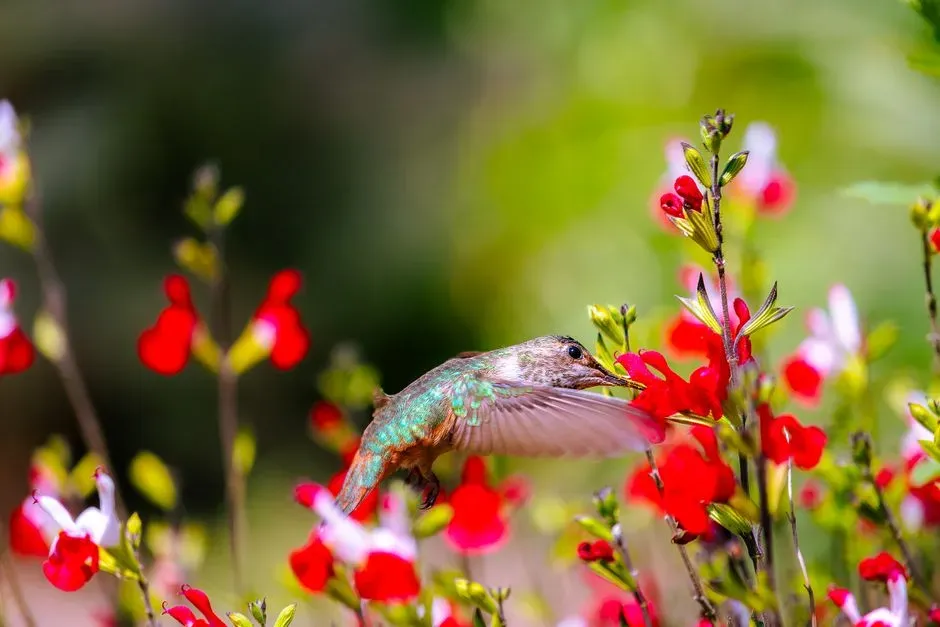
Here’s the honest conclusion: most gardens don’t lose hummingbirds because of one catastrophic mistake. They lose them gradually, as the plants that made the garden worth visiting get replaced with things that look beautiful to humans but mean nothing to a bird scanning for tubular red blooms and concentrated nectar. The recovery isn’t complicated – but it does require being intentional about what you put in the ground and when.
The 13 flowers above aren’t magic. They work because they speak the language hummingbirds already know – the colors, shapes, and sugar depths these birds have been reading for millions of years. Plant for early season arrival with columbine and bee balm. Hold territory through summer with salvia, agastache, and trumpet vine. Carry birds through fall with red hot poker and agastache’s frost-defying second act. Do that across two or three seasons and you won’t just get hummingbirds back. You’ll get them staying.

- 7 Plants That Groundhogs Usually Leave Until Everything Else Is Gone - August 15, 2026
- Bird Science Says Chickadees Change Their Alarm Calls Depending on How Dangerous a Predator Is - August 15, 2026
- Animal Science Says Dolphins Use Signature Whistles That Function Remarkably Like Individual Names - August 15, 2026