
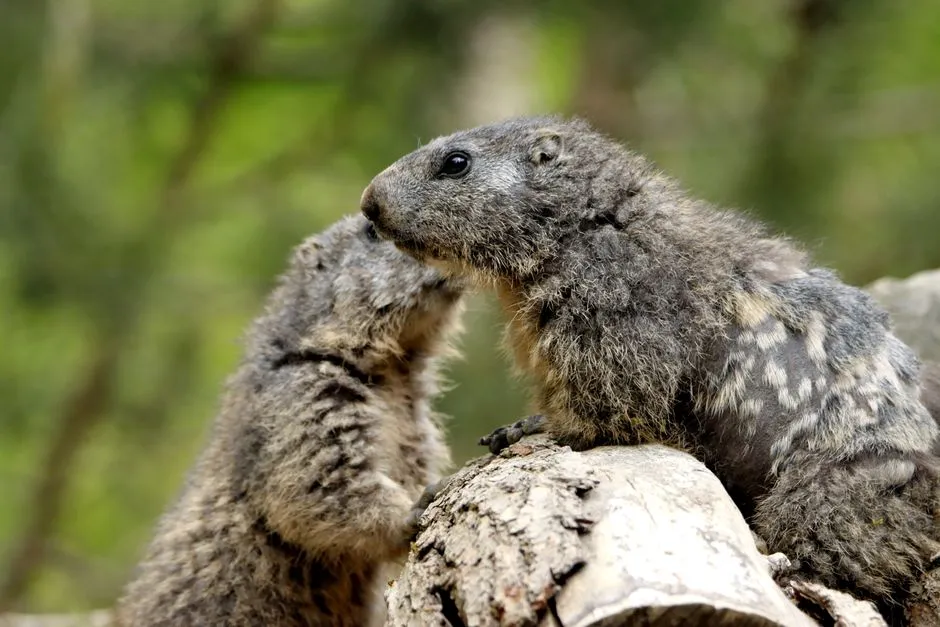
If you’ve ever walked into the garden to find your lettuces shaved to the soil and your beans snapped off like sad little green toothpicks, you know that sick, hollow feeling a groundhog can cause. It can feel like you’re feeding a furry, round landlord who pays rent in holes and chaos. But here’s the twist most people don’t realize: groundhogs are actually a bit picky, and there are plants they tend to treat as last-resort food, only nibbling once the tastier buffet is gone.
This list is not a magic shield, and no plant is truly groundhog proof. Still, some flowers and herbs usually sit untouched long after the salad bar has been demolished. Think of these as your garden’s “backup crew” – the plants most likely to still be standing when the hungry hordes roll through. Let’s walk through seven plants that groundhogs usually leave alone until they’re desperate, and how you can use them to keep both your sanity and your garden’s beauty intact.
1. Lavender: The Beautiful, Bitter Perfume Bar
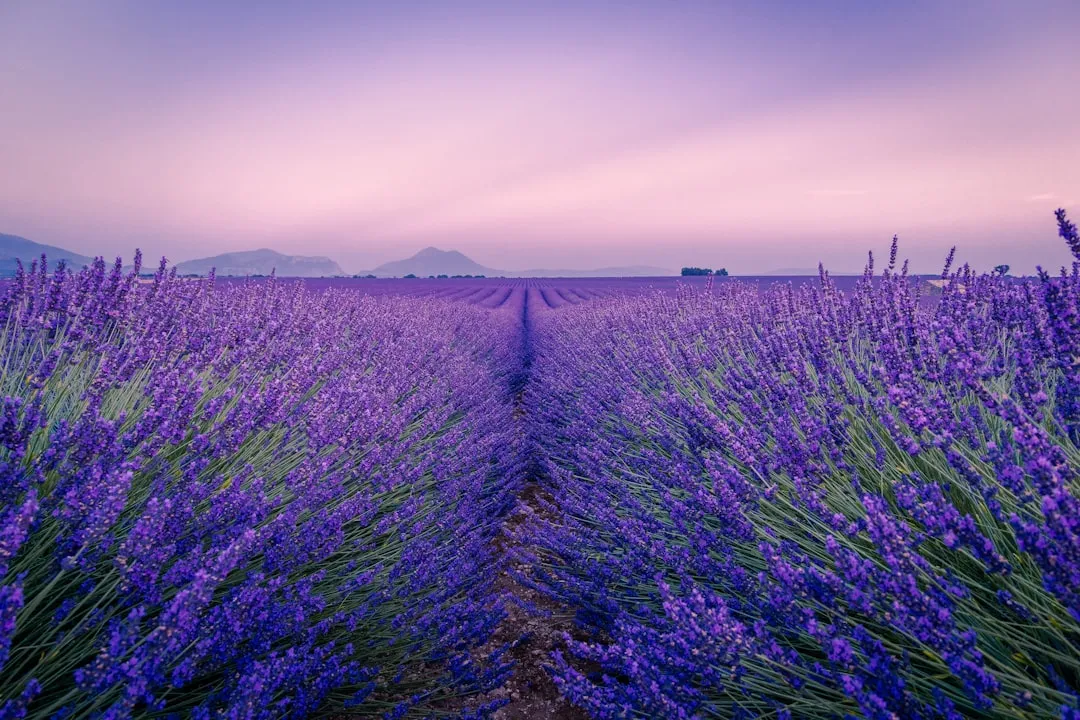
It feels almost unfair that something as gorgeous and fragrant as lavender is also one of the least appealing snacks for groundhogs. The strong, oily scent that humans love for soaps and sachets tends to be overwhelming to many herbivores, and the foliage itself has a slightly bitter, resinous taste. Most groundhogs seem to prefer tender, mild greens over anything that smells like it belongs in a spa.
In practical terms, that means your lavender plants often stay upright when softer plants like basil or lettuce are chewed to stubs. Many gardeners notice that lavender borders sometimes act as a soft “speed bump,” not a forcefield, but a discouraging first impression for browsing wildlife. If a groundhog is truly starving, it might sample a stem, but it’s far more likely to keep moving in search of something less pungent and more juicy.
2. Yarrow: The Tough, Herbal Survivor
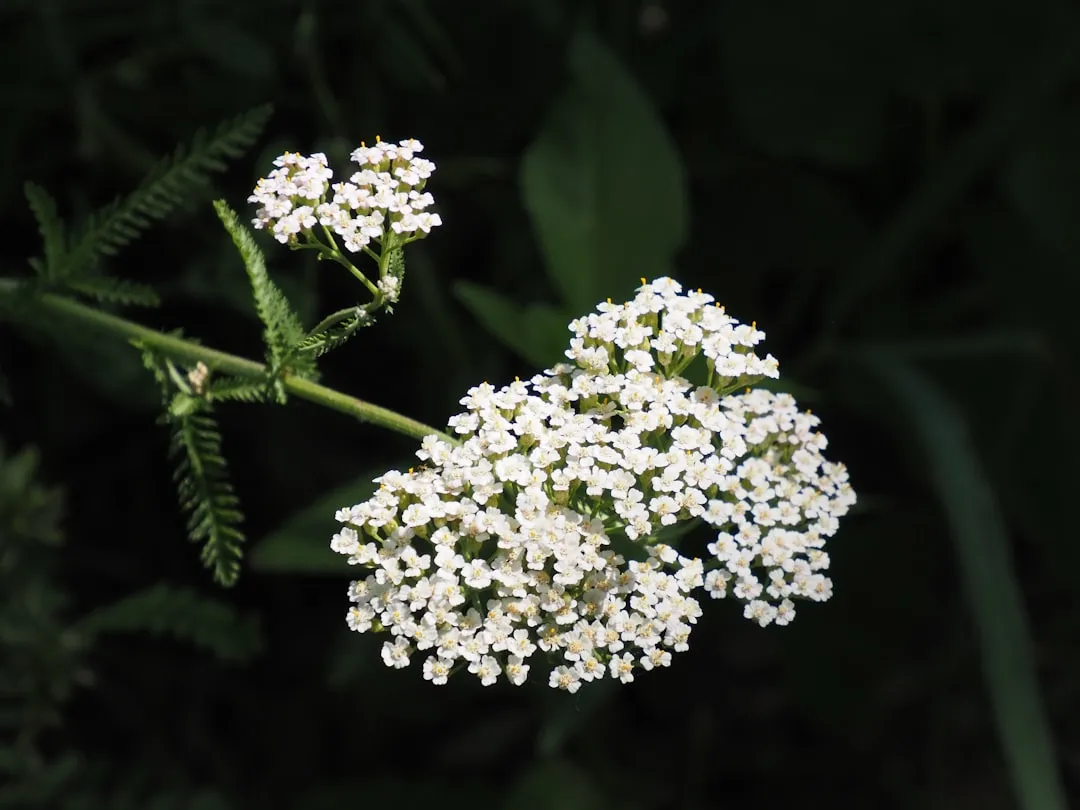
Yarrow has that rugged, wildflower vibe that makes it look like it could grow out of a crack in the driveway and shrug off a drought, and honestly, that’s part of its charm. Its leaves are feathery but not very lush, and they carry a strong, somewhat medicinal aroma that many animals instinctively turn away from. While yarrow is completely fine for humans in the right preparations, it just doesn’t scream “tasty” to a groundhog the way clover or peas do.
Because of this, gardeners often find that yarrow stands strong even in yards where wildlife pressure is intense. Once established, it forms clumps that are not only tolerant of poor conditions but also usually low on the groundhog’s menu. In those rare moments when a groundhog does nibble, it tends to be more of a trial bite than a prolonged feast, making yarrow one of those plants that often remains standing when the rest of the garden looks like it hosted a salad convention.
3. Catmint (Nepeta): Loved by Cats, Snubbed by Groundhogs
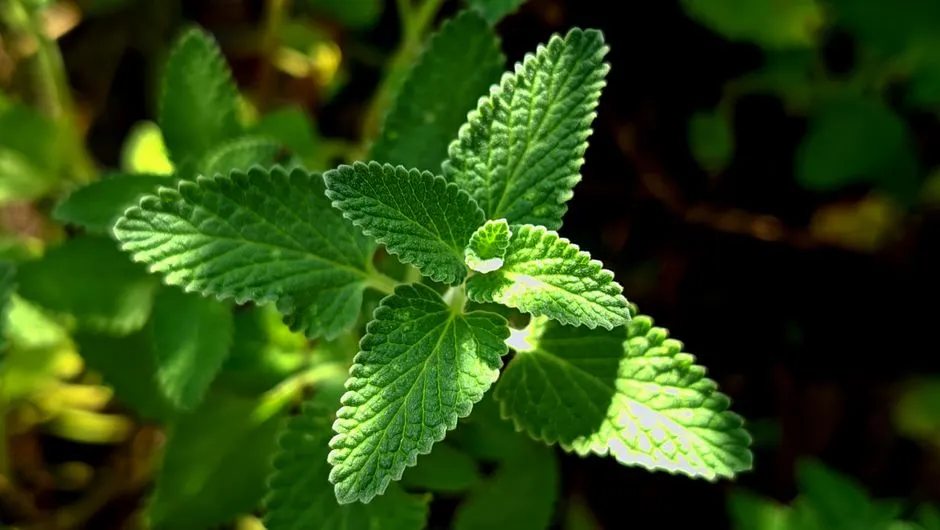
Catmint is like the mellow cousin of catnip: soft-looking, gently sprawling, and covered in dainty flowers that bees adore. Its foliage carries a strong, minty-herbal scent that many humans enjoy in the garden, but that same bold aroma is part of what makes it unappealing to groundhogs. They typically go for bland, succulent foliage they can gobble quickly, not strongly flavored leaves that cling to their noses.
In many gardens, catmint becomes one of the reliable splashes of color that remain after groundhogs have worked their way through more tender ornamentals and vegetables. While nothing is guaranteed, it’s fairly common to hear frustrated gardeners say that their catmint clumps look almost untouched beside shredded hostas and devoured marigolds. If you want something that blooms for a long stretch and often escapes serious damage, catmint is a smart, low-stress choice.
4. Echinacea (Coneflower): Spiky Textures, Stubborn Stems
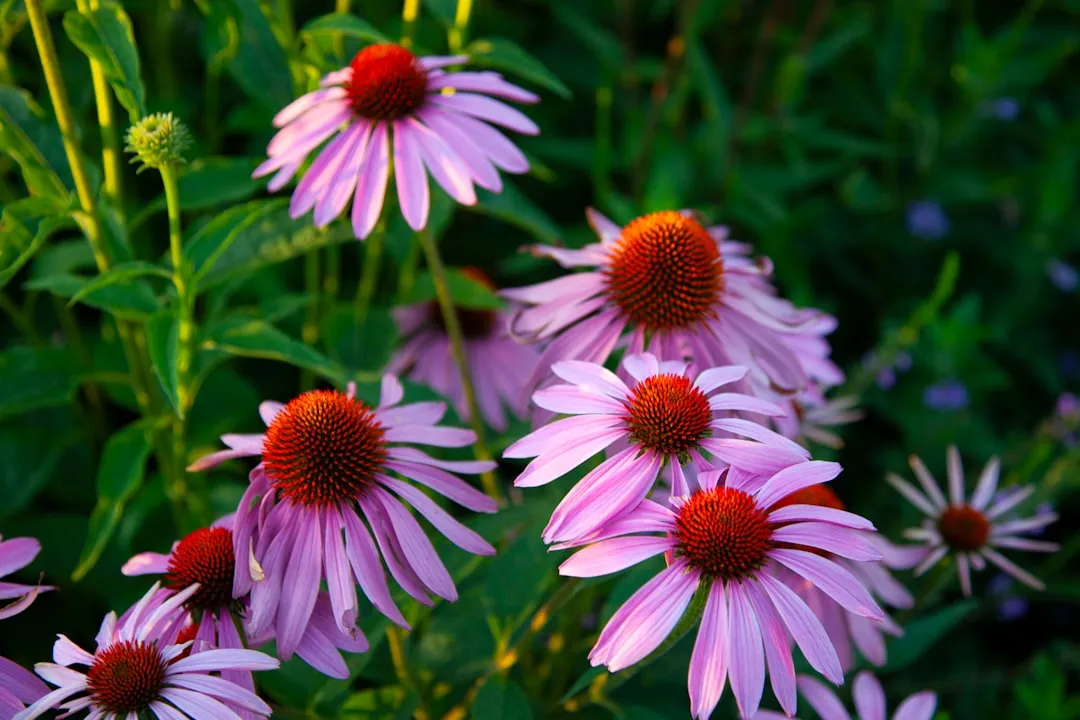
Echinacea has this sturdy, no-nonsense presence that seems to broadcast: “I’m not here to be your snack.” The foliage is coarser than many of the soft greens groundhogs favor, and the tall stems and spiky flower centers are not exactly convenient mouthfuls. While a determined animal might nibble young leaves, echinacea just doesn’t offer the same instant, juicy payoff as something like beans or broccoli.
Many gardeners notice that even when groundhogs are roaming, mature coneflower clumps manage to put on a full show of summer blooms. Part of the secret is that by the time echinacea is tall and visible, the stems have toughened and the plant doesn’t read as soft, vulnerable food. It is still possible to lose young seedlings in a bad year, but once established, echinacea is often one of the last things to be seriously bothered, and sometimes is barely touched at all.
5. Russian Sage: The Wispy Cloud They Rarely Munch
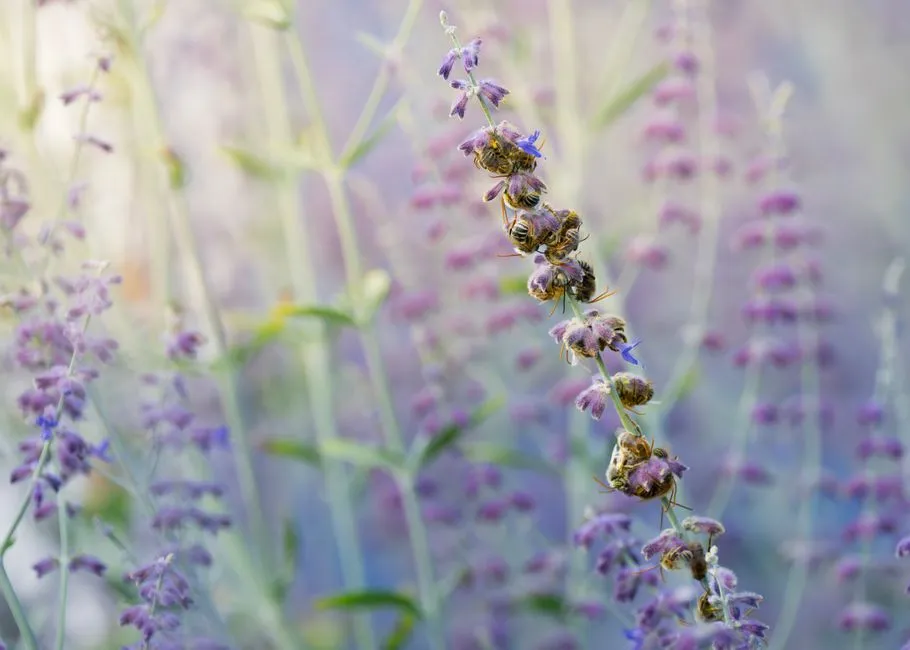
Russian sage looks like a delicate purple mist from a distance, but up close, its stems and leaves are surprisingly firm and scented. The foliage has a pungent, somewhat camphor-like smell that many animals, including groundhogs, seem to dislike. That strong taste combined with its woody framework makes it a lousy candidate for a quick, satisfying snack.
Gardeners who grow Russian sage often find it still standing tall when more tender perennials and annuals have been gnawed to nothing. It thrives in hot, dry conditions, which means it can hold its own physically, and it usually avoids heavy browsing simply because it’s not very appealing as food. If a groundhog is hungry enough, it might nose around it, but in many cases it gets left for last, if it is eaten at all.
6. Ornamental Alliums: Pretty Fireworks with a Garlic Attitude
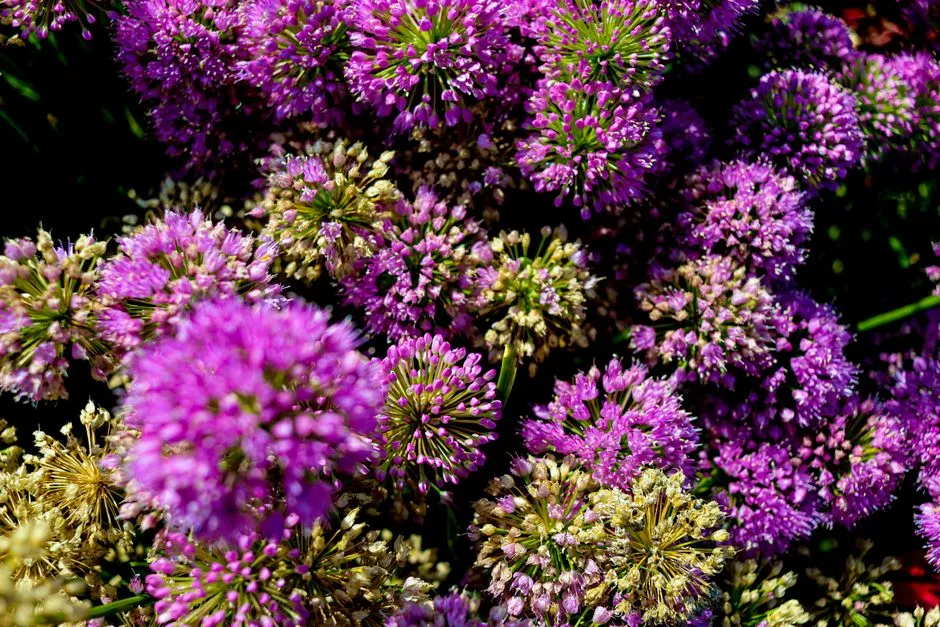
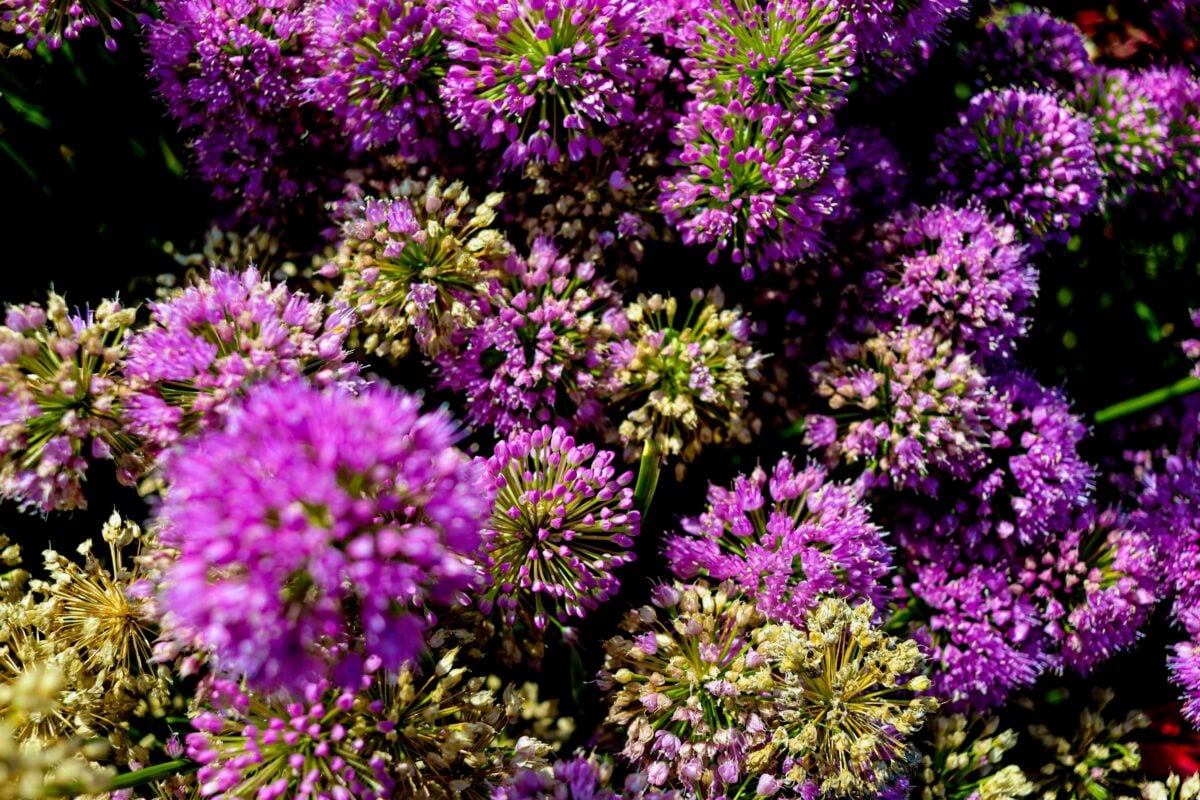
Alliums bring those fun, spherical blooms that look like purple or white fireworks frozen in the air. They also belong to the same family as onions and garlic, and that family resemblance shows up in their scent and chemical makeup. Many foraging animals, groundhogs included, are not big fans of that oniony aroma and taste, especially when there are milder plants around.
While no plant is completely off-limits to a desperately hungry groundhog, ornamental alliums are often found untouched even in heavily browsed beds. Their bulbs and foliage carry compounds that many animals instinctively avoid, and the firm, sometimes waxy leaves do not have the tender feel of prime grazing material. If you want spring and early summer color that often survives wildlife damage, sprinkling ornamental alliums among more vulnerable plants can help your garden still look intentional instead of just eaten.
7. Bee Balm (Monarda): A Showy Mint with a Strong Opinion
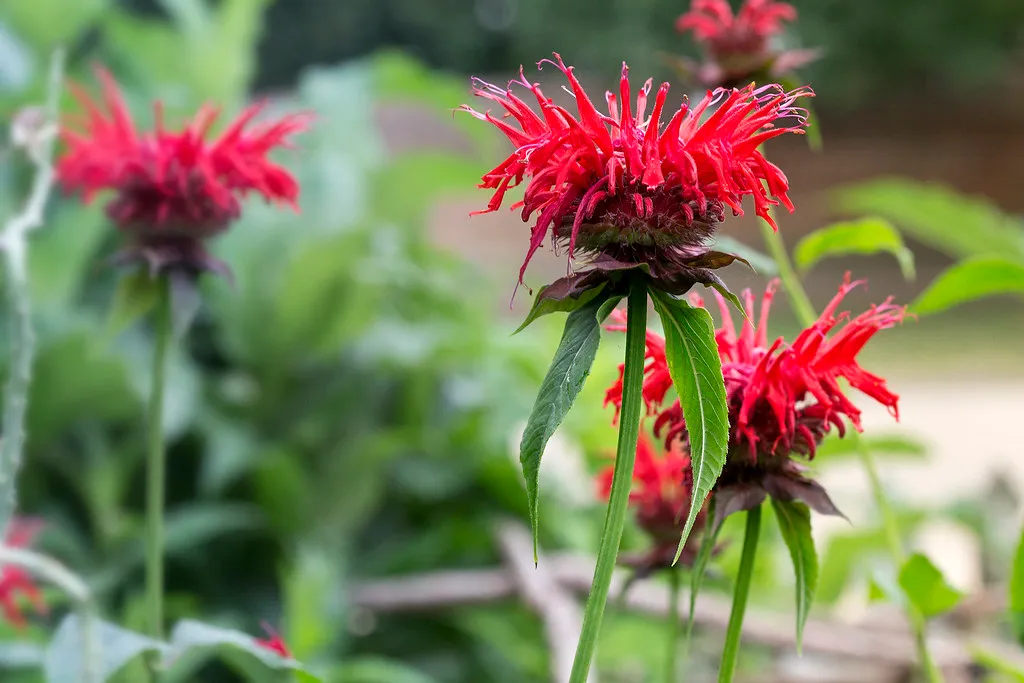
Bee balm has an almost theatrical presence when it blooms, with its wild, shaggy flowers and tall stems swaying above the rest of the border. Like other members of the mint family, it has strong essential oils and a bold scent that is wonderfully attractive to pollinators, but far less attractive to many mammals. Groundhogs, who often prefer mild-tasting, high-moisture plants, typically do not rush to mow down bee balm when they have other options.
In gardens where groundhogs are regular uninvited guests, bee balm often earns a reputation as one of the survivors. It may get the odd exploratory bite, especially when young, but mature clumps can usually bloom through the season with minimal damage. That combination of attractive flowers for humans and pollinators, plus a lower likelihood of becoming lunch, makes bee balm a smart anchor plant when you’re trying to build a garden that still has some drama even under wildlife pressure.
Conclusion: Planting for Beauty, Expecting Reality
Here’s the honest truth: if a groundhog is hungry enough and options are limited, almost any plant can end up on the menu. Lists like this are not ironclad rules; they’re more like patterns that show up over and over again in real gardens. Lavender, yarrow, catmint, echinacea, Russian sage, ornamental alliums, and bee balm tend to be the understudies that finally get called onstage only when the headliners have already been devoured.
In my own experience and from countless stories shared by other gardeners, the most resilient gardens are not built on wishful thinking that wildlife will behave, but on the acceptance that they won’t. Choosing plants that groundhogs usually leave until last is one piece of a bigger strategy that can include fencing, layout, and a bit of trial and error. The goal isn’t perfection; it’s walking out the door and still seeing some life, color, and shape even after a furry marauder has passed through. When you picture your future garden, would you rather gamble everything on lettuce and petunias, or mix in a few hard-to-love plants that might just save the show?

- 7 Plants That Groundhogs Usually Leave Until Everything Else Is Gone - August 15, 2026
- Bird Science Says Chickadees Change Their Alarm Calls Depending on How Dangerous a Predator Is - August 15, 2026
- Animal Science Says Dolphins Use Signature Whistles That Function Remarkably Like Individual Names - August 15, 2026