
You raked every last leaf. You cut the border down to neat brown stubble, and the yard looked finished. For a surprising number of winter animals, that tidy afternoon was the moment their home disappeared.
Most of us assume wildlife handles winter on its own, because nature is tough. But many insects spend the cold months in leaf litter, hollow stems or underground, then emerge in spring to pollinate plants and feed nesting birds. Here are 13 habits that protect them, and most involve doing less. Some of the tenants are hiding in places you’d never think to look, and the habit at #1 is the one almost everyone gets wrong.
#13 – Stop Bagging Your Leaves
🔥 Would you like to save this?
We'll email this post to you, so you can come back to it later!
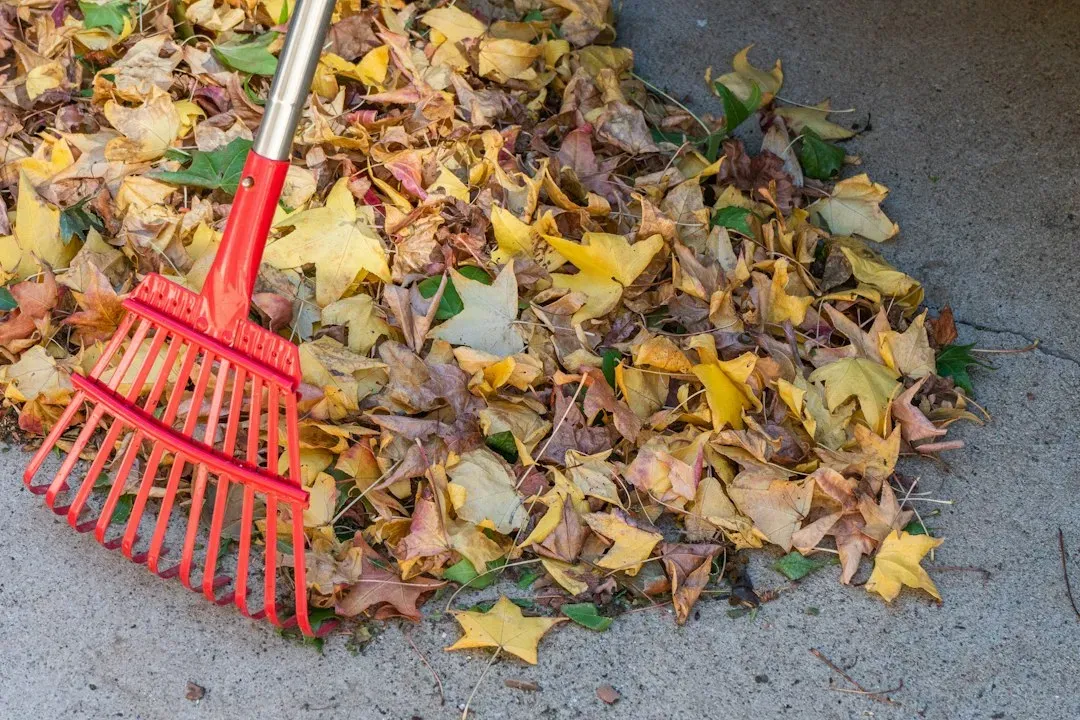
Your leaf pile is not trash. For a lot of small creatures, it’s a winter home.
The caterpillars we see in autumn need fallen leaves to overwinter. Moths, beetles and other insects tuck into the litter and wait out the freeze. Many then emerge in spring as pollinators or as food for nesting birds.
Illinois Extension recommends leaving leaves in garden areas because they insulate and shelter overwintering insects, including moths and butterflies. Some cocoons, like those of the luna moth, blend into fallen leaves and are hard to tell apart from ordinary debris. Bagging your leaves could mean bagging a moth.
You don’t have to bury the lawn. A thick, soggy mat of leaves can smother grass, so it’s fine to clear the turf. Just move the leaves onto your beds instead of sending them to the curb.
Good places to relocate leaves:
- Under shrubs and trees
- Along fence lines and hedges
- In a corner bed you rarely look at
Here’s the opinion that annoys neighbors: sending leaves to the curb every fall is one of the most wasteful habits in American yards. You throw away free insulation, then buy mulch in spring.
But the leaves are only half the story. What’s still standing in your flower beds matters even more, as #12 shows.
#12 – Leave Perennial Stems Standing
🔥 Would you like to save this?
We'll email this post to you, so you can come back to it later!
That brown, dead-looking stalk in your border may be a nursery.
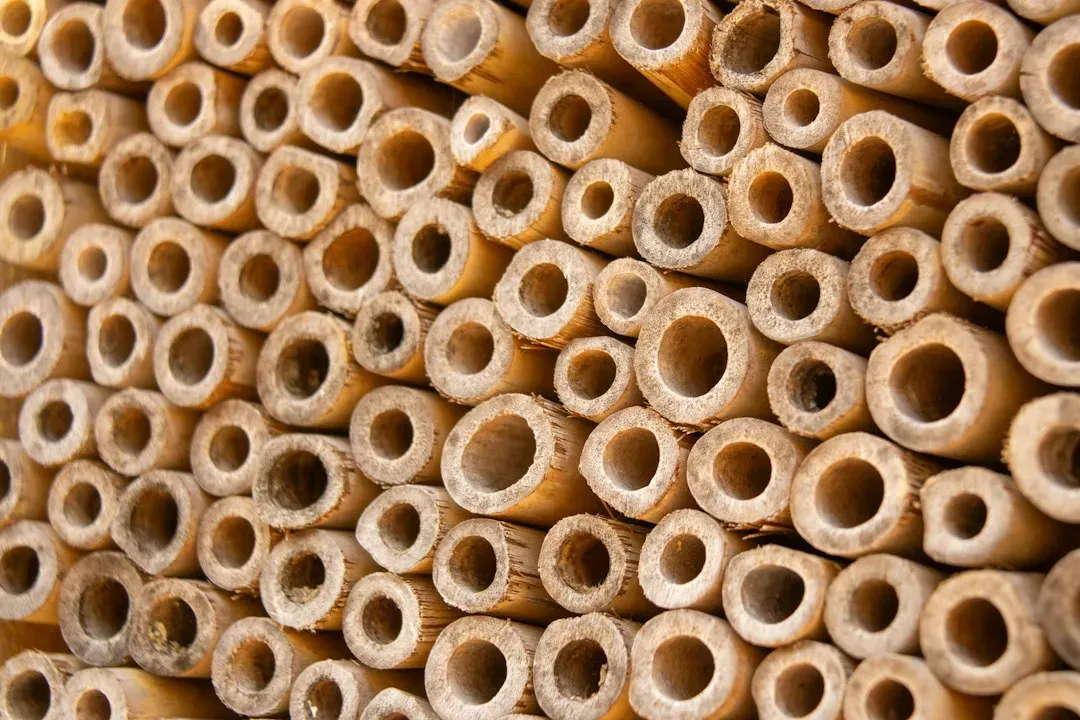
Hollow stems can serve as overwintering sites for pollinators, including native bees, which use the cavities to hibernate or lay eggs. Cut them to the ground in October and you remove the nursery along with the plant.
Some of these bees are tiny. Ceratina are small, metallic blue-green bees that nest in pithy stems, such as raspberry and blackberry canes, spiraea and aster. Most people don’t realize their raspberry prunings could be a bee apartment block.
Insects aren’t the only tenants. A praying mantis lays her egg mass on sticks and plant stems. Cut the stem and you may toss the next generation of mantises in the trash.
Stems also help the plant. Iowa State University recommends leaving stems, leaves, dried flowers and seed heads on many perennials, because they protect the plants and benefit pollinators and wildlife.
Stems worth keeping:
- Raspberry and blackberry canes
- Asters and spiraea
- Any hollow or pithy stalk from a healthy plant
And those same plants are doing something else for hungry birds, which brings us to #11.
#11 – Keep the Seed Heads for Winter Birds
🔥 Would you like to save this?
We'll email this post to you, so you can come back to it later!
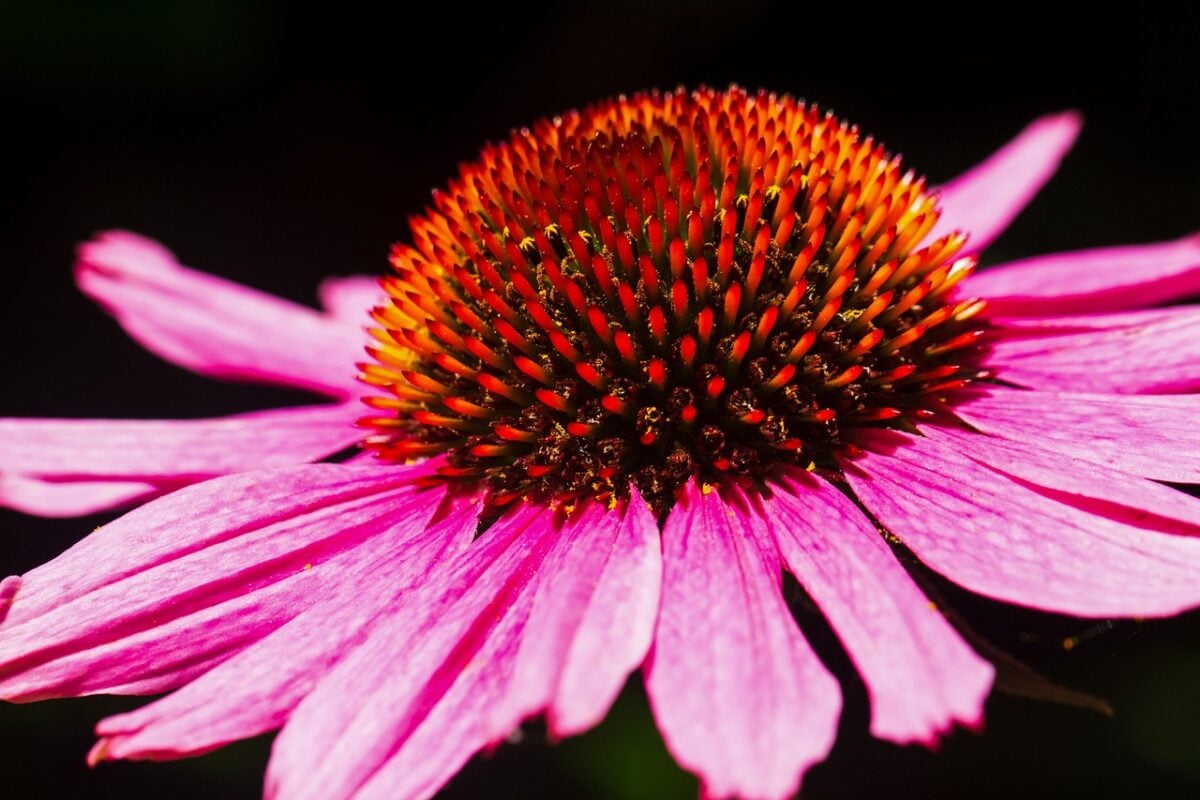
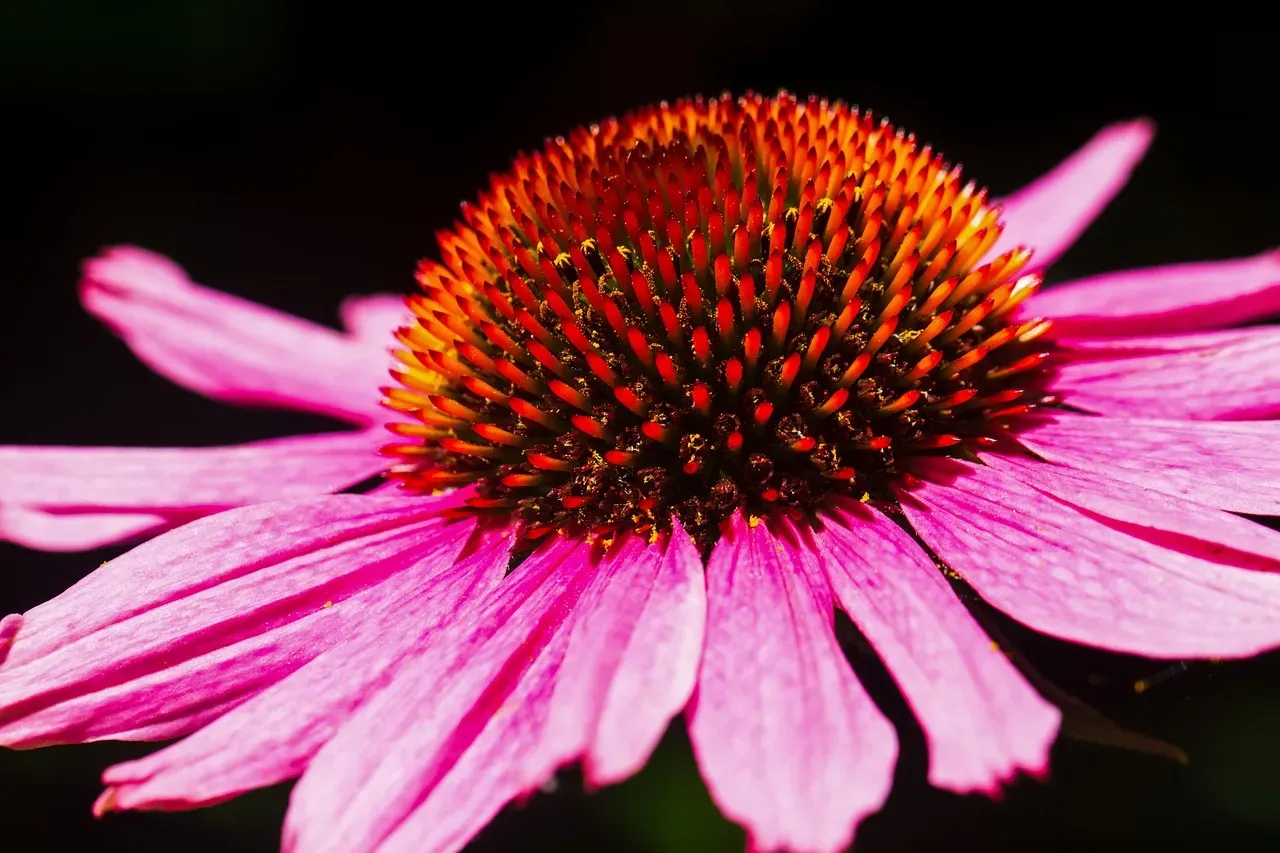
Your coneflowers aren’t finished. They’ve just changed jobs.
Penn State Extension says birds will thank you for leaving the seed heads of sunflowers, asters, black-eyed Susans, coneflowers and goldenrod. Those seed heads feed goldfinches and many other birds.
Plenty of birds are around to use them. Northern cardinals and black-capped chickadees are common birds that stay through the winter, and many blue jays do too. They need calories every cold day, and a standing seed head is a free, self-refilling buffet.
Goldenrod usually gets blamed for hay fever, but ragweed, which blooms at the same time, is the more common culprit. Pulling goldenrod “for allergies” often removes a good bird food and leaves the real offender standing.
Fast Facts
- Five plants to leave standing: sunflowers, asters, black-eyed Susans, coneflowers and goldenrod
- Goldfinches are among the birds that feed on those seed heads
- Cardinals and chickadees stay all winter, and so do many blue jays
- Your cost: no refills, no cleaning and no trip to the store
Here’s a take that will annoy feeder fans. A patch of standing coneflowers arguably does more for birds than a store-bought feeder, because it needs no refills, no cleaning and no trips to the store.
The feeder still has a role, and #2 covers how to do it properly. First, though, the shelter that keeps those birds out of the wind.
#10 – Build a Brush Pile
🔥 Would you like to save this?
We'll email this post to you, so you can come back to it later!
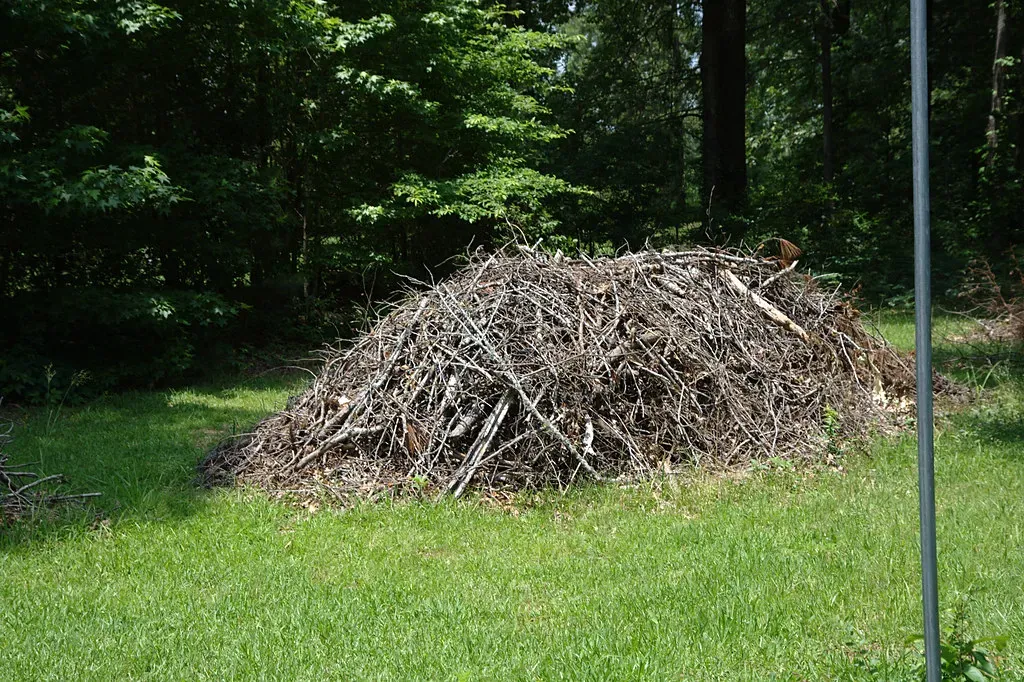
A heap of sticks looks like laziness. To a rabbit, it looks like a fortress.
Small mammals like rabbits and squirrels use brush piles to escape predators and find warmth during winter. Insects use them too. Mourning cloak butterflies seek out gaps within brush piles to survive the winter. Fireflies are among the beneficial insects that hibernate in piles of twigs, old wood, logs or bark.
Mourning cloaks winter as adults, so a good pile can mean butterflies in your yard very early next year. That’s one of the first wings you’ll see in spring.
The build is simple:
- Start with large branches at the base for a stable foundation.
- Add smaller twigs, leaves and plant stems to fill the gaps.
- Leave air spaces inside so animals can move around.
Now the controversial bit. Some neighbors may see a brush pile as unattractive. Honestly, that’s a style opinion, not an ecological one. A pile of pruned branches does more for local wildlife than most ornamental plantings.
Brush piles aren’t the only pile worth building, and the next one has a very different set of tenants.
#9 – Stack a Rock Pile or Wall
🔥 Would you like to save this?
We'll email this post to you, so you can come back to it later!
Not every winter resident wants wood. Some prefer stone.
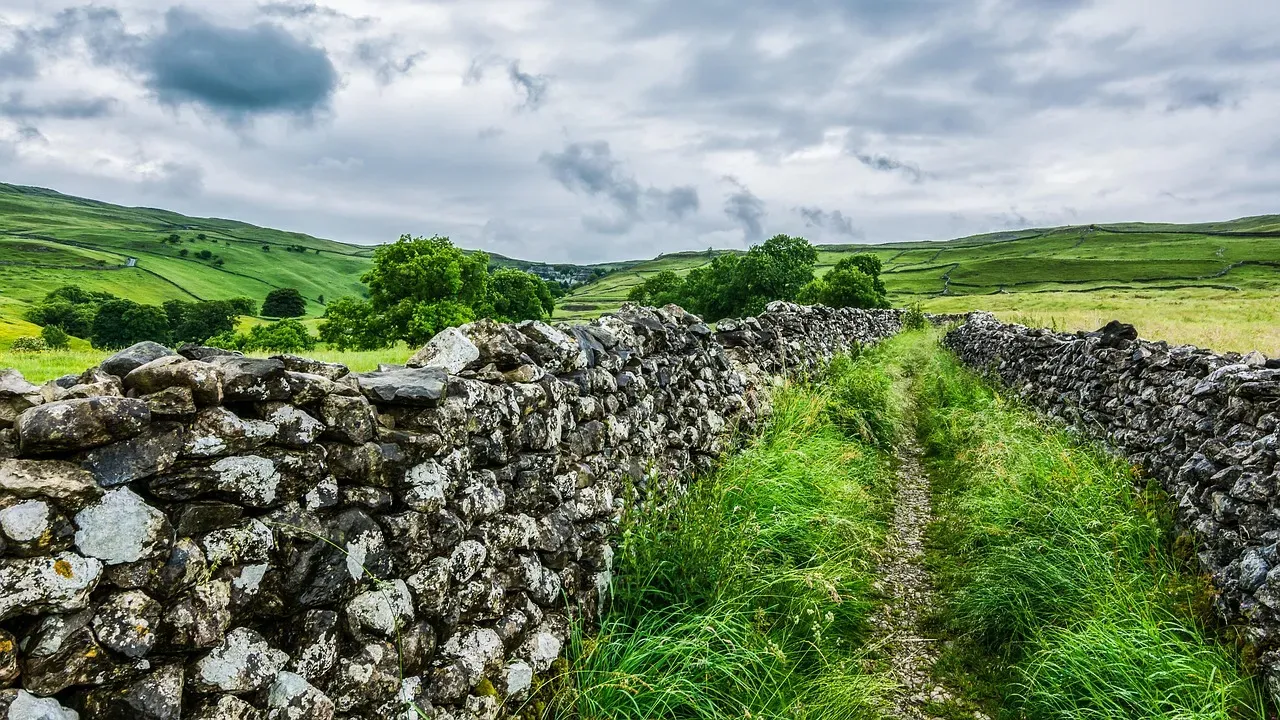
Rock piles offer cool, dark, protected spaces for reptiles, amphibians and various insects. Those are exactly the animals that need a stable spot to ride out the cold.
You don’t need a rustic mess. Whether it’s a simple rock pile or a neatly built rock wall, it provides habitat for a diverse group of beneficial insects. A tidy dry-stone wall counts just as much as a scruffy heap. That’s good news if you want habitat without the unkempt look.
The trick is depth. Animals that hibernate need gaps that run well below the surface, away from the worst temperature swings. A shallow scatter of stones does little, while a thick stack with deep crevices does a lot.
What to look for when building:
- A sheltered spot, ideally with some shade or cover nearby
- Stones of mixed sizes, so gaps vary
- Gaps that open toward the ground, not just the sky
Think of it as a low-maintenance cottage for toads, salamanders and beetles.
But the warmest shelter in your whole garden may be one you’re about to disturb, and it’s covered in #8.
#8 – Leave the Compost Pile Alone
🔥 Would you like to save this?
We'll email this post to you, so you can come back to it later!
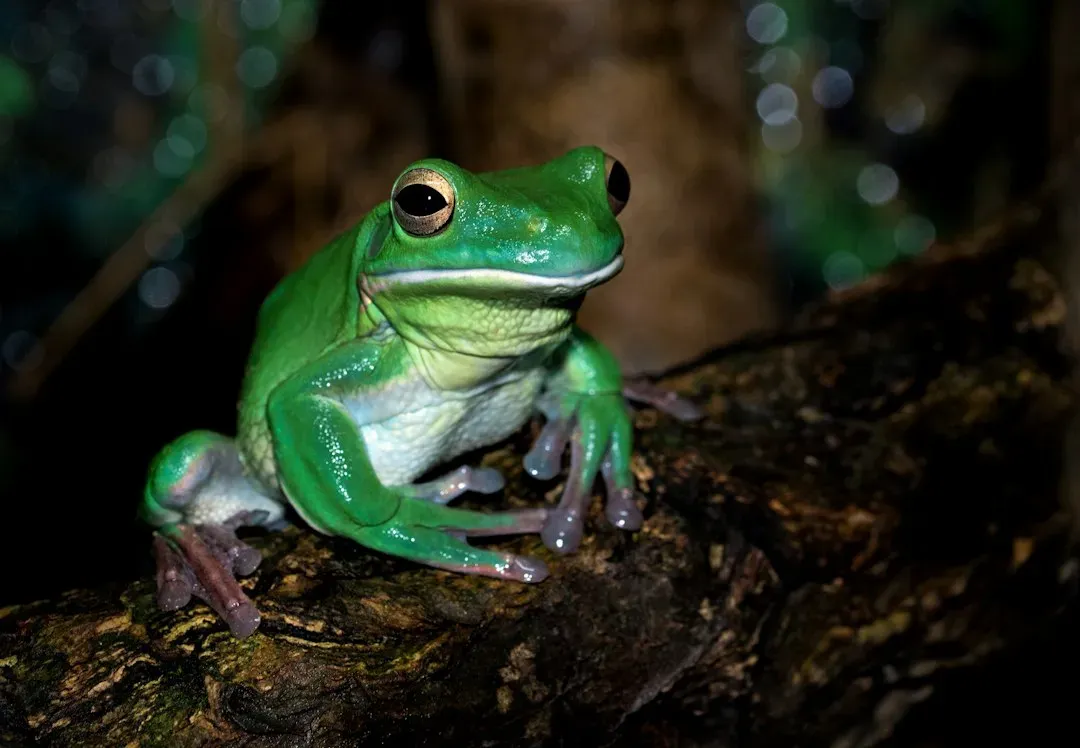
Your compost heap is secretly a winter hotel.
Toads and frogs may hibernate in compost piles because they offer warmth. Decomposition generates heat, so the pile can stay milder than the frozen ground around it.
That’s why turning it in January is a mistake. Disturb the pile as little as possible during winter. A single turn can expose a hibernating amphibian to a killing freeze. It can’t easily move or recover in the cold.
Dormant animals can’t dash to safety. Cold-blooded creatures slow right down in winter, and waking them costs energy they can’t replace until insects return.
Easy ways to handle it:
- Stop turning the pile once temperatures drop for good
- Add kitchen scraps on the top only
- Wait until spring to dig in, and use a fork gently
Here’s an honest opinion. Winter compost turning is more about gardener guilt than productivity. The pile breaks down on its own schedule, and spring turning gets the same result without the risk.
Quick Compare
- Turning in January: risks exposing a hibernating amphibian to a killing freeze
- Turning in spring: the same compost result, without the risk
- Scraps on top only: keeps disturbance to a minimum all winter
Compost shelters amphibians, but birds need protection of a different kind. That’s #7.

Portable Dog Water Bottle Foldable Dog Travel Water Bottle
Check Price on AmazonAs an Amazon Associate, we earn from qualifying purchases.
10/7/2026 1:29 pm GMTi

Air Purifiers for Home Pets Large Room Up to 3000 Ft²,HEPA Air Cleaner with Washable Double-Side Filter, PM2.5 Air Quality Monitor,15dB Sleep Mode for Bedroom Odor Dust Pollen,White
Check Price on AmazonAs an Amazon Associate, we earn from qualifying purchases.
10/8/2026 8:23 am GMTi

Halloween Dog Collar with Bow, Orange Cute Ghost Collar,
Check Price on AmazonAs an Amazon Associate, we earn from qualifying purchases.
10/9/2026 2:43 pm GMTi

Earth Rated XL Dog & Puppy Pee Pads, Discreet Top, Max Absorbency
Check Price on AmazonAs an Amazon Associate, we earn from qualifying purchases.
10/7/2026 1:28 pm GMTi

Halloween Cat Costume Cloak Witch Hat Pet Accessories
Check Price on AmazonAs an Amazon Associate, we earn from qualifying purchases.
10/9/2026 2:44 pm GMTi
#7 – Keep Evergreens and Dense Shrubs

🔥 Would you like to save this?
We'll email this post to you, so you can come back to it later!
Cover can matter as much as food on a bitter night.
Evergreen trees, dense shrubs and brush piles are excellent options for providing cover. Non-migratory birds need food during the winter and protection from the weather. Dense branches break wind, hold off snow and hide birds from hawks.
A bare, tidy lawn gives a small bird almost no place to hide. That’s why feeders in open yards often sit quiet. Birds visit only if there’s an escape route nearby.
Layering matters more than any single plant. A mix of tall evergreens, mid-height shrubs and low cover gives birds several choices as the wind changes. American winters vary a lot by region, so pick species native to your area.
Many native conifers and berry-bearing shrubs do double duty as shelter and food. A local native plant society or extension office can tell you which ones suit your region.
Shelter and food help, but one thing often gets forgotten entirely. See #6.
#6 – Offer Fresh Water That Doesn’t Freeze
🔥 Would you like to save this?
We'll email this post to you, so you can come back to it later!
Everyone talks about food in winter. Hardly anyone talks about water.
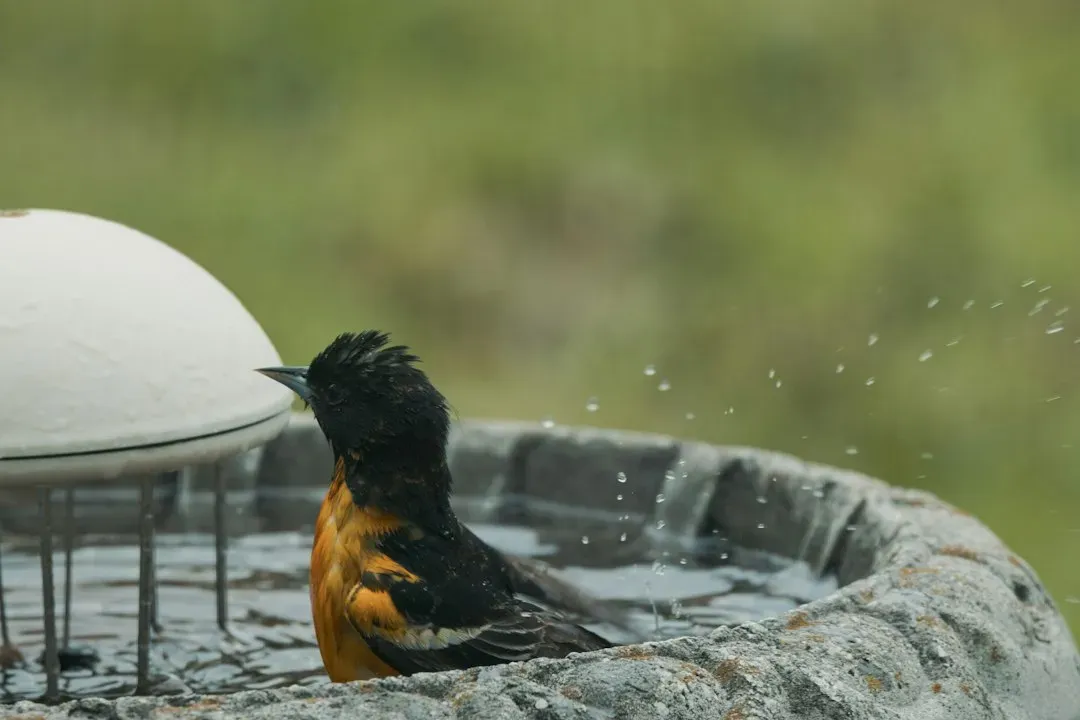
Providing fresh water is another way to help wildlife through the winter. In a hard freeze, liquid water can be scarcer than food. Snow and ice aren’t a convenient replacement, because melting them costs a bird body heat.
Placement counts. Putting water sources near shelter, such as shrubs or brush piles, makes your garden more appealing to birds and other wildlife. Birds want a quick escape route when they drink.
If you have a pond, don’t strip it for winter. It’s a good idea to leave some submerged and marginal plants in place through the cold months.
Basic rules for winter water:
- Keep it shallow
- Refresh it daily, or use a heated bird bath
- Never add antifreeze or other chemicals, which are toxic
Water brings birds in. Next, a habit that gives them somewhere to stay, and it starts with something that looks dead.
#5 – Leave Dead Limbs and Standing Dead Trees (When Safe)
🔥 Would you like to save this?
We'll email this post to you, so you can come back to it later!
A dead tree can be the most valuable thing in a yard.
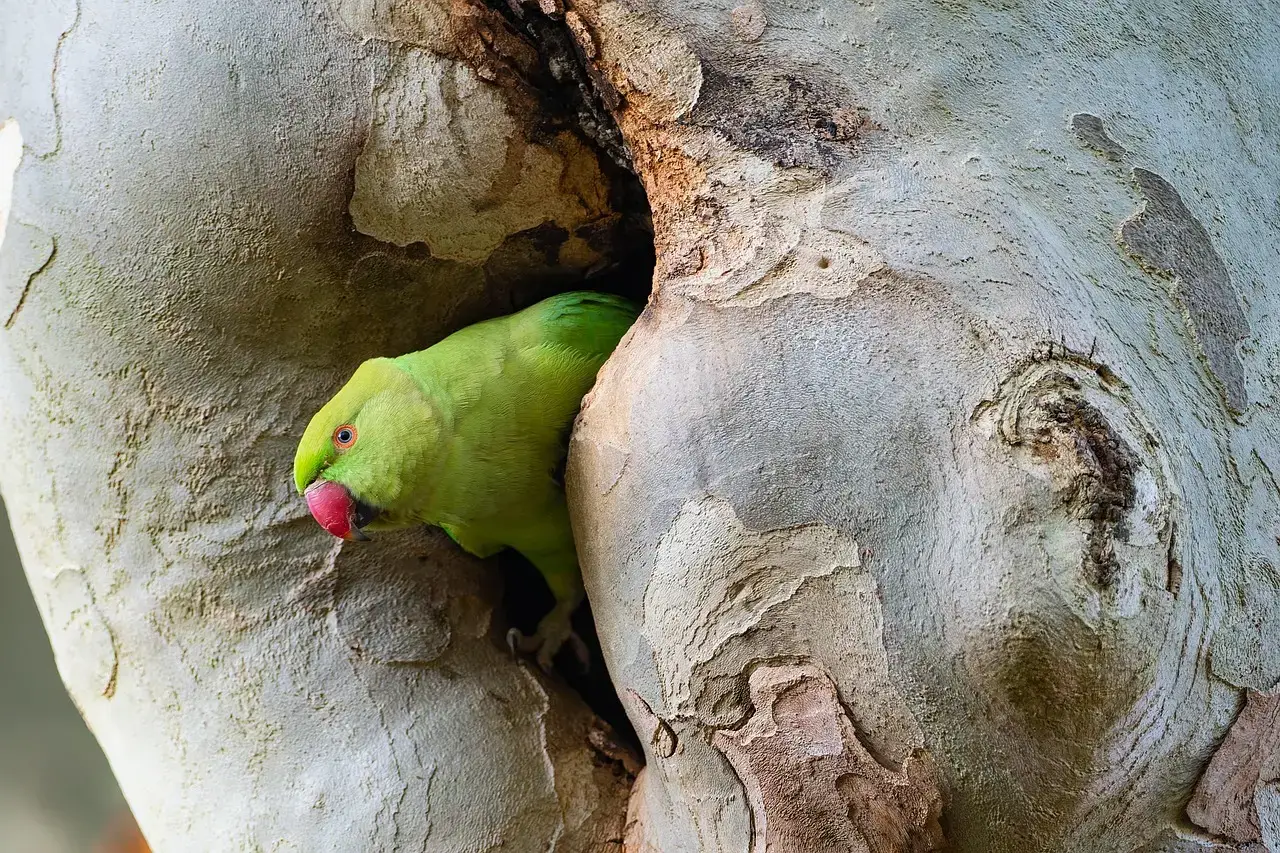
Leave limbs and dead trees in the landscape when it is safe to do so. Bark and wood hold insects, which feed birds. Woodpeckers excavate cavities, and chickadees, nuthatches and others later use them for roosting and nesting.
Many cavity-nesting birds can’t dig their own holes, so they depend on cavities that other birds or decay have already made. Remove every dead tree and you remove their housing.
Why It Stands Out
- Bark and wood hold insects, so it works as a pantry
- Woodpeckers carve the cavities that others inherit
- Chickadees and nuthatches use them for roosting and nesting
- Trees near buildings or paths are a different story, so call an arborist
“Safe” is the key word. A dead tree beside a house, driveway or play area is a hazard, and an arborist should make that call, not a blog post. Away from buildings and paths, though, it’s a different story.
Ways to keep the benefits without the risk:
- Leave fallen logs where they land, away from walkways
- Cut a hazardous tree down to a tall stump rather than removing it
- Ask an arborist before deciding
The contrarian view is that the “hazard” label gets overused. Some dead trees really do need to come down, and many don’t. Ask before assuming.
Dead trees supply natural cavities, but you can also supply a manufactured one. #4 shows why a box on a pole may matter more in January than in May.
#4 – Keep Nest Boxes Up Through Winter
🔥 Would you like to save this?
We'll email this post to you, so you can come back to it later!
Nest boxes aren’t just for spring.
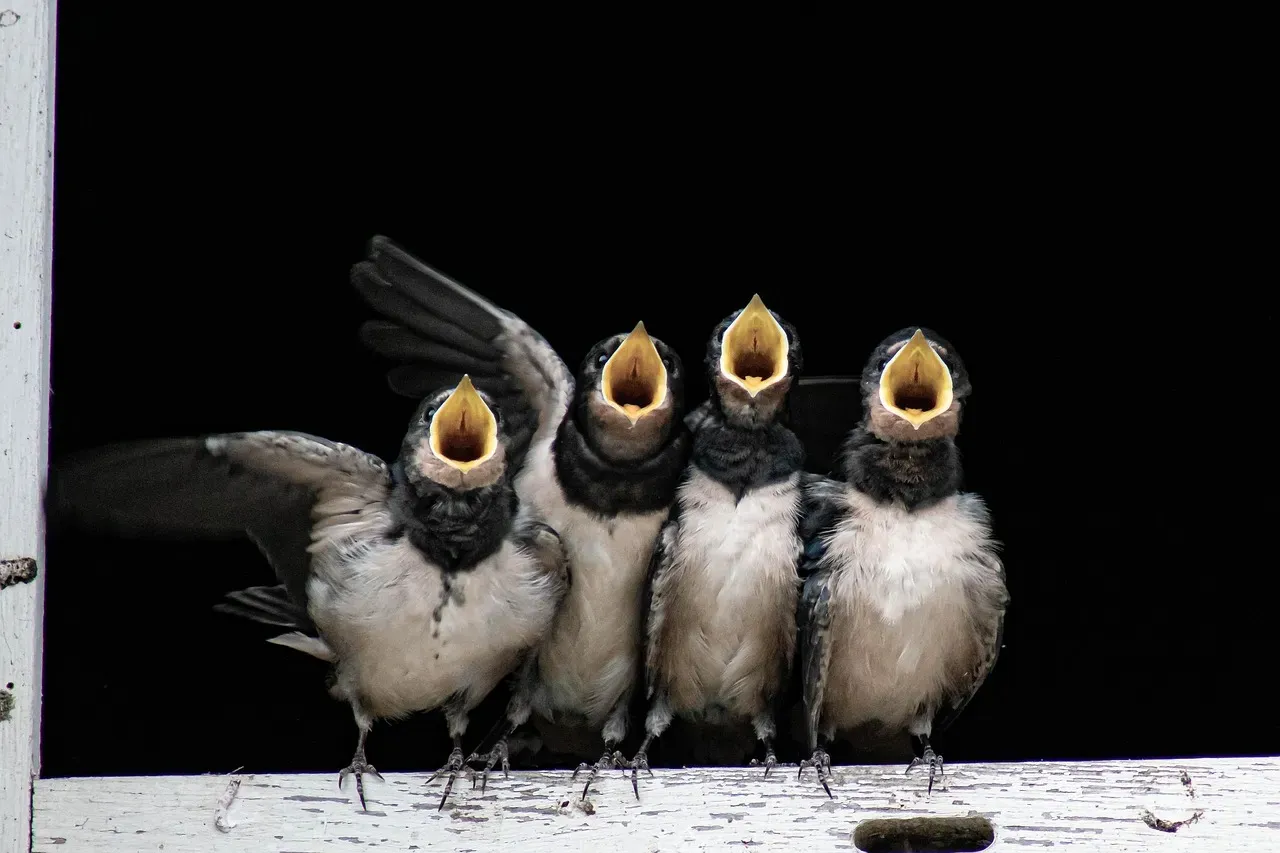
Some birds, like chickadees, may use nest boxes for roosting on cold winter nights. Many people take boxes down after nesting season, which removes a possible warm refuge just when birds need one.
A single box can shelter a bird through a night that would otherwise be dangerous. Even a small cavity can cut wind and hold in body heat.
Before winter, clean out old nesting material. Old nests can hold parasites, so a quick clean in early fall helps. Make sure ventilation and drainage holes are clear, and that the box is firmly mounted.
A few simple checks:
- Entrance hole faces away from prevailing wind
- Roof and walls are intact
- No old nest left inside
You’ve now covered shelter. What you do around that shelter can undo all of it, and #3 is where many well-meaning gardeners slip.

Professional 7 in 1 Dog Paw Cleaner for Dogs & Cats - Includes 1 Portable Paw Washer, 1 Bath Brush
Check Price on AmazonAs an Amazon Associate, we earn from qualifying purchases.
10/7/2026 1:26 pm GMTi

PetSafe Oasys Pet Fountain, 1/2 Gallon (64 oz), Small Dogs & Cats
Check Price on AmazonAs an Amazon Associate, we earn from qualifying purchases.
10/8/2026 8:14 am GMTi

Smart Bird Feeder with Camera Solar Powered, 2K HD Live Video, 10,000+ Bird Species AI Identification
Check Price on AmazonAs an Amazon Associate, we earn from qualifying purchases.
10/7/2026 1:22 pm GMTi

Glass Hummingbird Feeder for Outdoors Hanging
Check Price on AmazonAs an Amazon Associate, we earn from qualifying purchases.
10/7/2026 1:21 pm GMTi

Hand Blown Glass Hummingbird Feeders for Outdoors Hanging, 24oz Wild Bird Nectar Feeder
Check Price on AmazonAs an Amazon Associate, we earn from qualifying purchases.
10/7/2026 1:23 pm GMTi
#3 – Keep Pets, Fire and Tools Away From Shelter Spots
🔥 Would you like to save this?
We'll email this post to you, so you can come back to it later!
One careless moment can wipe out a winter’s worth of habitat.
Don’t burn brush piles in winter, in case wild things are hibernating inside. Block brush piles and ponds off from curious dogs if animals may be overwintering or regularly using those spots.
A brush pile you set alight on a calm winter day may be someone’s bedroom. Hibernating animals can’t flee a fire.
Outdoor cats are the other big risk. Widely cited estimates put the number of birds killed by cats in the U.S. in the billions each year. Birds that burn energy just to survive winter can’t afford a predator at the feeder, and keeping cats indoors is one of the most effective things you can do. Some people dislike hearing it, but it’s true.
Quick habits to adopt:
- Don’t burn or move brush piles in winter
- Fence or leash dogs away from piles and ponds
- Keep cats indoors
- Avoid loose netting, which can entangle small animals
If a pile has to go, wait until spring arrives and the garden is coming back to life.
Now, feeders. They’re helpful, but only if you do them right, as #2 explains.
#2 – Feed Birds Properly (Or Not At All)
🔥 Would you like to save this?
We'll email this post to you, so you can come back to it later!
A feeder helps only if it’s clean.
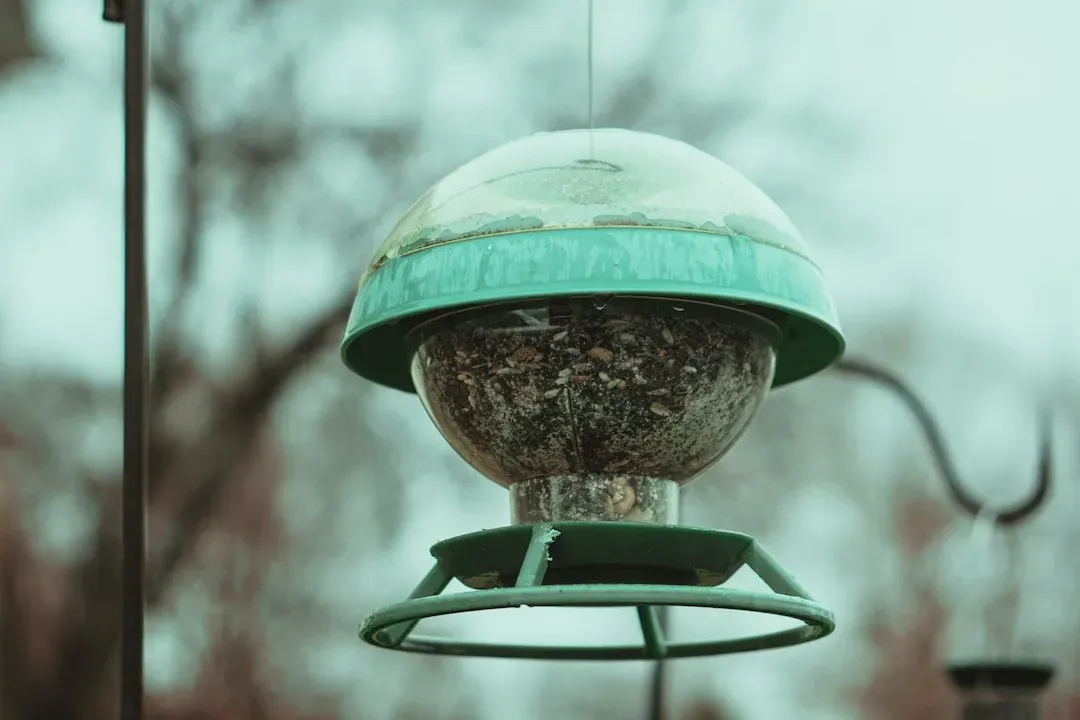
Even small actions like leaving a brush pile or offering supplemental food can make a difference. Black-oil sunflower seed and suet are popular winter choices, since birds burn a lot of energy on cold days.
Dirty feeders can spread disease between birds, and crowded feeders make it worse. Clean yours regularly with a mild bleach solution, rinse well and let it dry. Rake up spilled seed so it doesn’t rot underneath.
Placement matters too. Put feeders close to cover so birds can dart away from hawks, but not so close that cats can ambush them from hiding. A feeder near a window can cause strikes, so use decals or move it either very close to the glass or well away from it.
Consistency counts as well. Birds learn your feeder’s schedule, so a long gap in the middle of a cold snap can hurt.
You’ve done the winter work. The strongest habit of all comes after winter ends, and it’s #1.

Glass Hummingbird Feeder for Outdoors Hanging, 16 oz Leak-Proof Nectar Feeder with Bee Guards & Ant Moat
Check Price on AmazonAs an Amazon Associate, we earn from qualifying purchases.
10/7/2026 1:22 pm GMTi

2 Pcs Halloween Pet Hat Bandana Set, Witch Pumpkin Costumes for Dogs
Check Price on AmazonAs an Amazon Associate, we earn from qualifying purchases.
10/9/2026 2:45 pm GMTi

Dog Stairs for Bed 18" H, 4-Step Dog Steps for High Bed
Check Price on AmazonAs an Amazon Associate, we earn from qualifying purchases.
10/9/2026 2:42 pm GMTi

Orthopedic Extra Large Dog Bed, Waterproof Washable XL Pet Bed 44"
Check Price on AmazonAs an Amazon Associate, we earn from qualifying purchases.
10/7/2026 1:32 pm GMTi
#1 – Wait Until Spring to Clean Up (and Then Wait Longer)
🔥 Would you like to save this?
We'll email this post to you, so you can come back to it later!
The best thing you can do for winter wildlife is delay a chore.
If you do remove leaves, wait to clean up the garden until late in the spring, so you don’t destroy the life you’ve worked to protect. Insects may still be developing inside stems or sheltering beneath leaves.
Cleaning up on the first warm weekend can destroy the very insects you protected all winter. Warm days in late winter are often followed by another freeze, so waking things up and clearing out too soon is risky.
Don’t give up the whole yard. Consider designating one garden bed, a section behind a hedge, or a quiet corner where leaves and healthy stems can stay all winter. A small refuge is far better than none.
It’s also one of the simplest ways to support wildlife while cutting unnecessary gardening expenses. You save time, money and effort.
When you finally do clean, go in stages:
- Cut stems to a stub rather than flush to the soil
- Move leaves instead of bagging them
- Wait for a sustained warm spell, not a single sunny day
The habit that matters most is the one that asks the least of you.
The Bottom Line
The common thread is restraint. Leaves, stems, seed heads, rocks and brush piles all look like neglect, but each one gives insects, amphibians and birds a way through the cold. Your tidiest habits often do the most harm. A raked lawn, a cut-back border and a burned brush pile can erase habitat in an afternoon that took nature months to build.
My view: the “perfect yard” is overrated. A yard with one messy corner is better than one with none, and far better than one that’s tidy everywhere. If you could keep just one untidy corner this winter, would it be the leaf pile, the stems or the brush heap?

- 13 Garden Habits That Quietly Help Animals Survive an American Winter - November 9, 2026
- 9 Routines a Dog Will Defend Long After a Household Drops Them - November 9, 2026
- 14 Guided Walk Places Held for Visitors Over 62 at Busy National Parks - November 9, 2026