

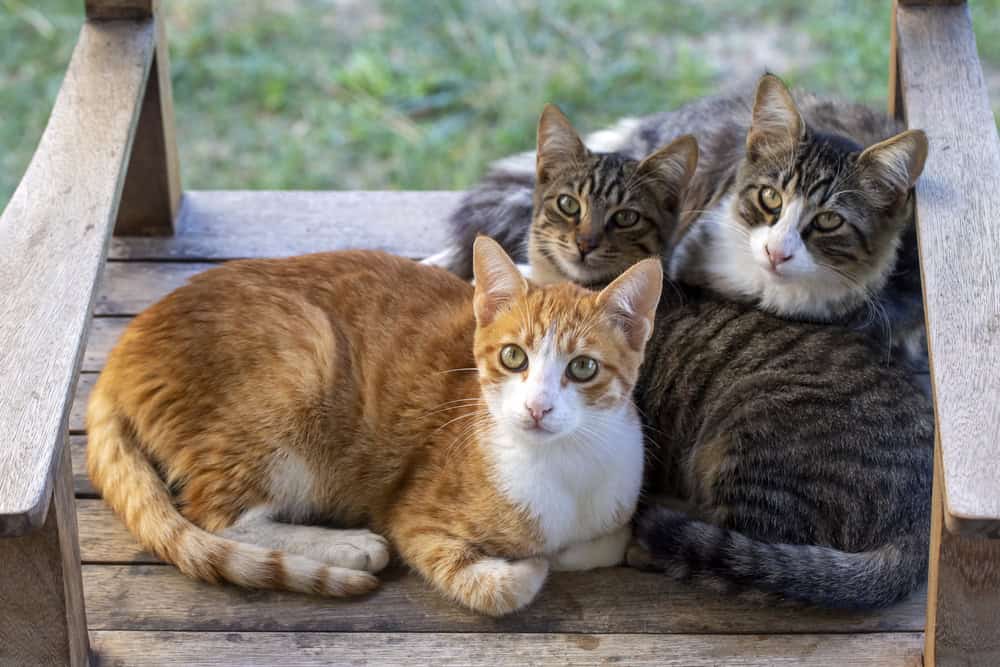
For the millions of people who suffer from allergies, the dream of having a furry companion can seem out of reach. The sneezing, itchy eyes, and respiratory issues that come with pet allergies can make the idea of cuddling with a pet seem like an impossible fantasy. However, there’s good news for allergy sufferers who still crave the companionship and comfort that pets provide. Many animal species produce fewer allergens or have characteristics that make them more suitable for people with allergies. This comprehensive guide explores 13 low-allergy pet options that allow you to enjoy pet ownership without the constant discomfort of allergic reactions.
Understanding Pet Allergies

Before diving into specific pet recommendations, it’s important to understand what causes pet allergies. Contrary to popular belief, it’s not actually animal fur that triggers allergic reactions. Rather, it’s proteins found in an animal’s skin cells (dander), saliva, and urine. When pets groom themselves, they spread these proteins onto their fur, which then shed into the environment. Different animals produce different types and amounts of these proteins, which is why some pets are better suited for allergy sufferers than others. No pet is completely hypoallergenic, but certain breeds and species produce fewer allergens or have characteristics that reduce allergen spread, making them more compatible with allergy-prone individuals.
Bichon Frise

The Bichon Frise is a small, cheerful dog breed that’s often recommended for allergy sufferers. Their curly, white coat has a unique texture that traps dander close to the skin rather than allowing it to spread throughout your home. Bichons have hair that grows continuously rather than fur that sheds seasonally, which means less dander distribution. Regular grooming is essential to maintain their coat and further reduce allergens. These dogs are known for their playful, affectionate personalities and adapt well to apartment living. Their moderate exercise needs and loving disposition make them excellent companions for individuals or families looking for a cuddly, low-allergy dog.
Portuguese Water Dog

The Portuguese Water Dog gained significant attention when the Obama family chose one (named Bo) due to Malia Obama’s allergies. These medium-sized, intelligent dogs have a single-layer coat that grows continuously like human hair rather than shedding extensively. Their wavy or curly coat requires regular grooming but produces fewer allergens than many other breeds. Portuguese Water Dogs are energetic, trainable, and affectionate companions who thrive with active owners. Originally bred to assist fishermen, they love water and need substantial exercise and mental stimulation. Their loyal nature and tendency to form strong bonds with their families make them wonderful cuddle partners despite their athletic build.
Siberian Cat

While cats are often more problematic than dogs for allergy sufferers, the Siberian cat is a notable exception. Research suggests that many Siberians produce lower levels of the Fel d 1 protein—the primary allergen in cats—than other breeds. These medium to large-sized cats have a thick, water-resistant triple coat that, surprisingly, doesn’t seem to cause as many allergic reactions. Siberians are playful, intelligent, and affectionate companions who often enjoy being held and petted. They’re known for their dog-like loyalty, sometimes following their owners from room to room, and many are fascinated by water. Before committing to a Siberian, it’s advisable for allergy sufferers to spend time with one to test their reactivity, as individual cats vary in allergen production.
Devon Rex Cat

The Devon Rex is another feline option for allergy sufferers, thanks to its unique coat characteristics. These cats have a very short, fine, wavy coat with much less fur than typical cats. They shed minimally, and their distinctive appearance—large ears, big eyes, and slender bodies—gives them an almost elf-like appearance. Devon Rex cats are known for their mischievous, playful personalities and form strong bonds with their humans. They’re often described as “monkey cats” due to their agility and tendency to perch on high places. Their affectionate nature often leads them to seek out warm laps and cuddle sessions. While no cat is completely allergen-free, many people with mild to moderate allergies find they can tolerate Devon Rex cats better than other breeds.
Syrian Hamsters

Syrian hamsters (also known as golden hamsters or teddy bear hamsters) are small, solitary rodents that can make excellent low-allergy pets. Because they’re contained in their habitat most of the time, allergen exposure is naturally limited compared to free-roaming pets. These hamsters are nocturnal, becoming most active in the evening and night, which suits owners who work during the day. Despite their small size, Syrian hamsters have distinct personalities and can become quite tame with regular, gentle handling. They’re relatively clean animals that groom themselves frequently and can be housed in a spacious cage with proper bedding. While they may not be lap pets in the traditional sense, they can be held and petted, providing a different kind of cuddle experience for those with allergies.
Miniature Poodle

Poodles of all sizes—standard, miniature, and toy—are excellent choices for allergy sufferers, but the miniature variety offers a perfect balance of size and cuddliness. Their curly, non-shedding coat traps dander close to the skin, reducing allergen distribution throughout your home. Miniature Poodles are highly intelligent, trainable dogs that form strong bonds with their owners. Standing between 10-15 inches tall, they’re large enough to be sturdy but small enough to be comfortable lap dogs. Their playful, affectionate nature makes them excellent companions, and they adapt well to various living situations. Regular professional grooming every 4-6 weeks is necessary to maintain their coat, which further helps reduce allergens by removing dead hair and dander before it can spread.
Leopard Gecko

For those open to reptilian companions, the leopard gecko offers a fascinating, low-maintenance, and virtually allergen-free pet option. These small lizards have no fur or feathers, eliminating the primary sources of pet allergies. Leopard geckos have distinctive spotted patterns, expressive eyes, and an endearing “smile” that many owners find charming. Unlike many reptiles, they’re docile, easy to handle, and can recognize their owners over time. While they don’t cuddle in the traditional sense, many enjoy being handled gently and will sit calmly on a warm hand or arm. Leopard geckos require a properly set up terrarium with temperature gradients and hiding spots, but their care is straightforward compared to many pets. They’re carnivorous, eating primarily insects, and can live 15-20 years with proper care.
Basenjis

Often called the “barkless dog,” the Basenji is a unique breed that produces a yodel-like sound instead of barking. These medium-sized dogs have short, fine coats that shed minimally and require little grooming beyond occasional brushing, making them suitable for many allergy sufferers. Basenjis are fastidiously clean animals that groom themselves similar to cats, which helps reduce dander. Originally from Africa, these independent, intelligent dogs have distinct personalities that combine aloofness with deep loyalty to their chosen people. While they’re not typically velcro dogs that demand constant attention, they do form strong bonds and enjoy quality time with their owners. Their moderate energy level requires daily exercise, but they’re generally calm indoors, making them adaptable to apartment living for active owners.
Italian Greyhound

The Italian Greyhound is a miniature version of the Greyhound, standing just 13-15 inches tall. These elegant, slender dogs have very short, fine coats with minimal shedding, producing fewer allergens than many breeds. Their small size and gentle nature make them excellent cuddle companions, and they’re known for burrowing under blankets and seeking warmth against their humans. Italian Greyhounds are sensitive, affectionate dogs that form strong attachments to their owners and often suffer from separation anxiety if left alone too long. Despite their delicate appearance, they have surprising bursts of energy and enjoy short, brisk walks and play sessions. Their thin skin and low body fat mean they get cold easily, so they appreciate sweaters in cool weather and warm laps year-round.
Fancy Rats
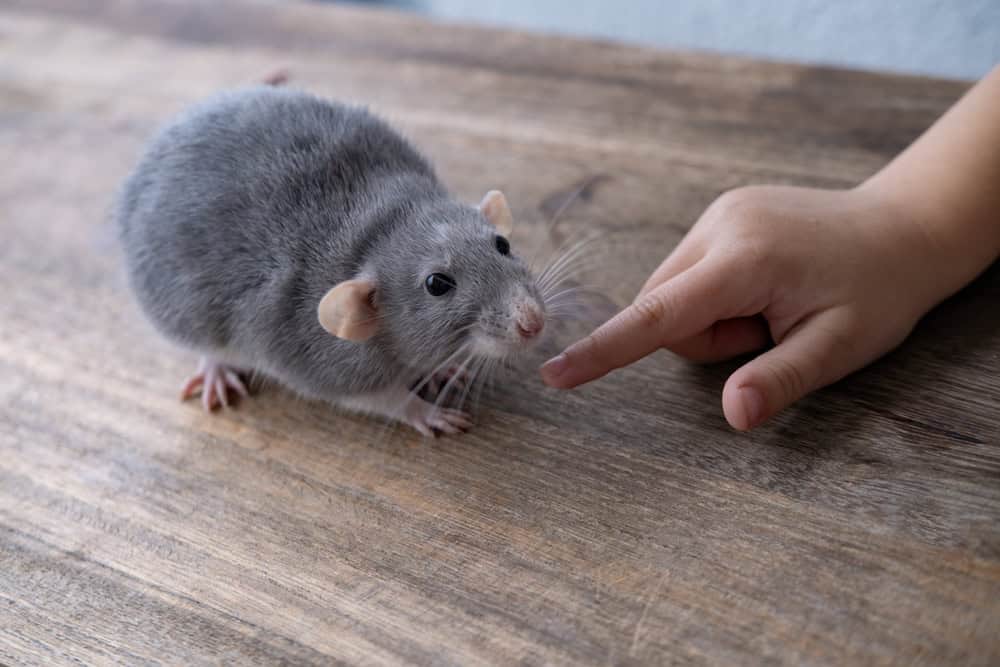
Despite their unfortunate reputation, fancy rats are intelligent, clean, and affectionate pets that can be suitable for many allergy sufferers. These domesticated rodents are distinct from their wild counterparts in both appearance and behavior. Fancy rats come in various colors and coat types and are known for their social, curious personalities. They form strong bonds with their owners, recognizing them by scent and voice, and many enjoy riding on shoulders or cuddling in laps. Unlike hamsters, rats are highly social and should be kept in same-sex pairs or small groups. Their small size means allergen production is naturally limited, and they’re contained in their habitat except during supervised playtime. Regular cage cleaning helps further reduce potential allergens. With proper care and handling, fancy rats can become surprisingly affectionate companions with distinct personalities.
Cornish Rex Cat

The Cornish Rex cat has a distinctive appearance characterized by its extremely short, wavy coat that lies close to the body. This unique coat results from a genetic mutation and contains only the soft undercoat, missing the guard hairs that make up the majority of a typical cat’s fur. While they do produce the Fel d 1 protein that causes most cat allergies, their minimal coat means less fur for the allergen to cling to and spread around your home. Cornish Rex cats are known for their playful, energetic personalities well into adulthood. They’re extremely social, heat-seeking cats that bond closely with their humans and often follow them from room to room. Their warm, soft bodies and affectionate nature make them excellent cuddle partners for those whose allergies can tolerate them.
Budgerigars (Budgies)
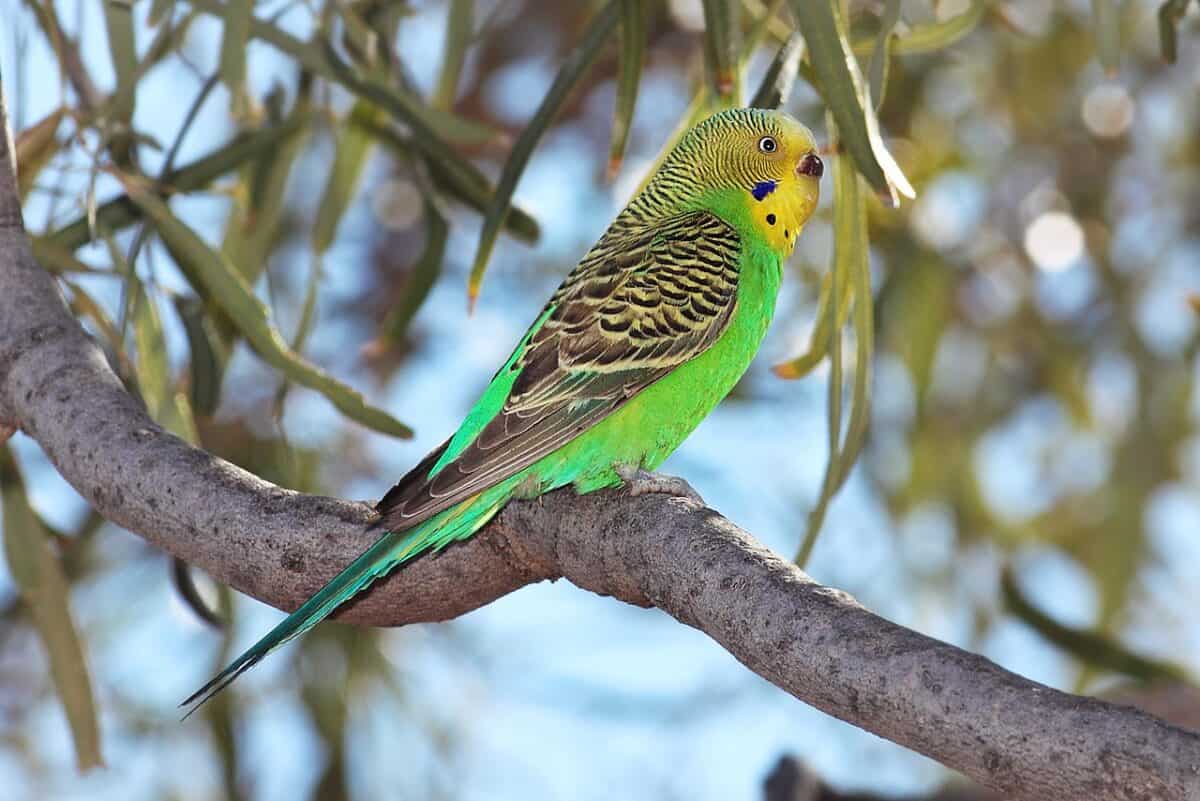
Budgerigars, commonly known as budgies or parakeets, are small, colorful birds that can make wonderful companions for allergy sufferers who aren’t specifically allergic to feathers. These intelligent birds are more than just beautiful cage decorations; they can learn to talk, perform tricks, and develop distinct personalities. Many budgies enjoy being handled gently and will perch on fingers or shoulders. Their small size means they produce fewer allergens than larger pets, and containing their habitat to a specific area of your home can further reduce exposure. Keeping their cage clean and using an air purifier nearby can minimize any feather dust that might trigger allergies. Budgies are social creatures that form strong bonds with their owners, particularly when hand-raised from a young age.
Fish as Therapeutic Companions

While fish might not be the first animals that come to mind when thinking of cuddle pets, they offer a completely allergen-free option with surprising therapeutic benefits. Watching fish swim has been scientifically proven to reduce stress, lower blood pressure, and create a sense of calm. From colorful bettas that recognize their owners to interactive goldfish that can be trained to perform simple behaviors, fish offer more companionship than many people realize. Aquariums become living art in your home, with the gentle bubbling creating white noise that many find soothing. The routine of caring for fish—feeding them, maintaining their environment—creates a bond between pet and owner that, while different from cuddling a furry pet, provides its own form of comfort and connection. For those with severe allergies, fish provide a way to enjoy pet ownership without any allergen exposure.
Conclusion: Living Comfortably with Your Low-Allergy Pet

Finding the right low-allergy pet is just the beginning of your journey toward comfortable pet ownership. Implementing proper strategies to minimize allergen exposure is equally important for long-term success. Regular grooming of your pet—preferably by someone without allergies or outdoors—can significantly reduce allergen load in your home. Creating pet-free zones, particularly in bedrooms, gives your immune system a break while sleeping. High-quality HEPA air purifiers can remove pet dander from the air, while regular cleaning with a HEPA vacuum helps eliminate allergens from surfaces. For many allergy sufferers, a combination of these environmental controls plus appropriate medication when needed makes living with a beloved pet completely manageable. The emotional benefits of pet companionship often outweigh the minor inconveniences of allergy management, especially with these naturally lower-allergen options.

As a little kid, I fell in love with nature, wildlife, and animals. Living in the USA, South Africa, Italy, China and Germany gave me the opportunity to discover the world's Wildlife. My favorite animals are Mountain Gorillas, Siberian Tigers, and Great White Sharks.
I'm a certified PADI Open Water Diver, went to Everest Base Camp and Trekked Gorillas in Uganda. I hold a Master of Science in Economics and Finance.
Please send any feedback to feedback@animalsaroundtheglobe.com
- 11 Most Endangered Insects Buzzing in America Today - July 22, 2026
- 10 Most Frequently Googled Animal Birth Facts - July 22, 2026
- 10 Incredible Migration Journeys in the Animal Kingdom - July 22, 2026