
Most people assume dogs forget yesterday’s walk the second a squirrel shows up. Ask anyone who’s raised a dog into old age, though, and they’ll tell you something stranger: senior dogs don’t forget much of anything about their favorite human. They just don’t remember the way we expect them to.
It’s not the vacations, the fancy toys, or the perfectly executed training sessions that stick. It’s the crooked, unglamorous stuff – the 2 a.m. panic, the goofy game you invented by accident, the exact sound of your key in the door. Stick around, because by the end of this list, you’ll probably recognize your own dog in ways that will genuinely surprise you.
#1 – The First Time You Really Saw Them
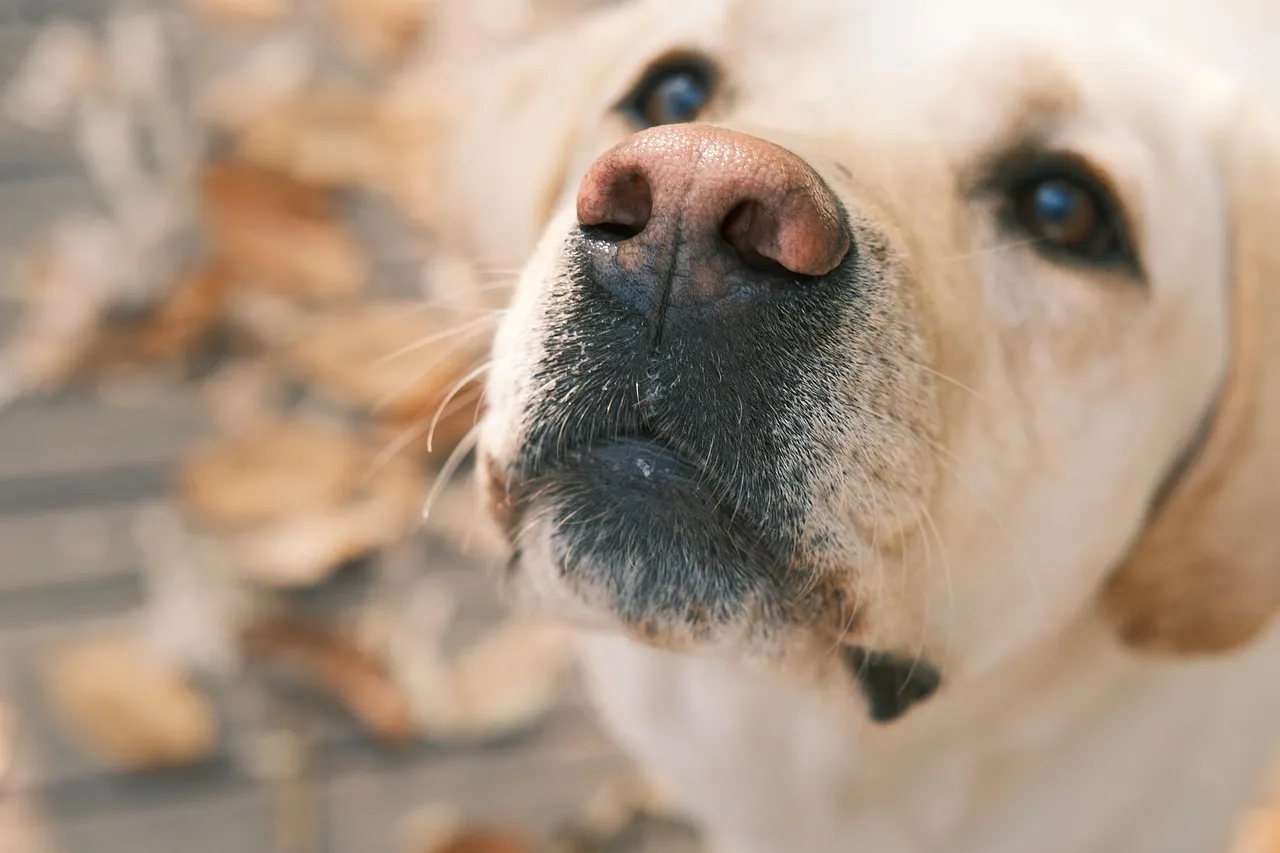
Your dog probably doesn’t remember the whole adoption day. But they almost certainly remember the exact second your energy shifted from “just browsing” to “that’s my dog.” Owners swear they “just knew,” and behaviorists back that up – your body language changes in ways dogs never forget: the slower knee-bend, the softer voice, the hand that hovered a beat too long before it finally touched them.
That first steady, calm eye contact filed you away as safe. Long after the paperwork and first-day photos faded, that impression never did. It’s why your senior dog can still scan a noisy, crowded room, skip right past strangers, and lock onto you with that same relieved look. To them, you’re still the one person who made the world go quiet.
#2 – That Awkward First Night Together
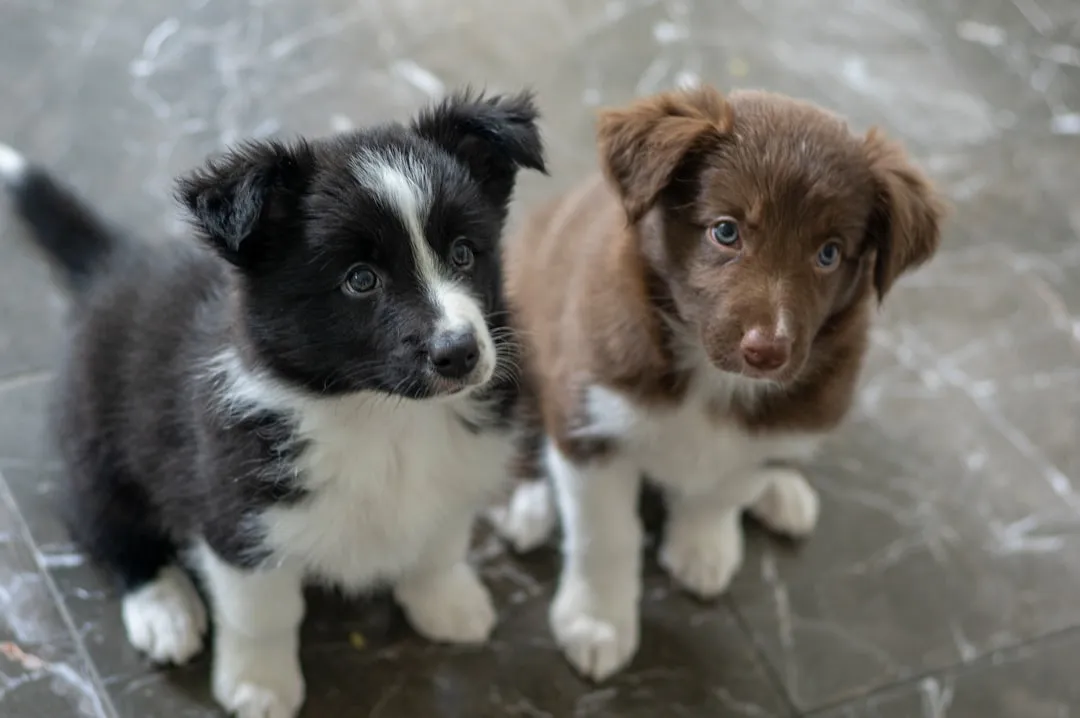
You remember the first night as chaos – the whining, the pacing, maybe a little 2 a.m. second-guessing. Your dog remembers something else entirely: the mix of nerves and stubborn determination in your voice as you both figured it out in the dark. Maybe you moved their bed three times. Maybe you sat on the floor in your pajamas whispering “it’s okay” more for your own nerves than theirs.
They remember the tremor in your voice the moment you decided you were all in. Dogs are experts at reading transitions, and that first night was one of the biggest of their life – the cardboard-box smell, the glow of your phone, the fridge humming at 1 a.m. All of it backdrop to one fact: you didn’t give up. That’s why they still burrow into you during thunderstorms. They’re leaning on the same person who stayed up that first long night.
#3 – Your Weird, Predictable Morning Habits
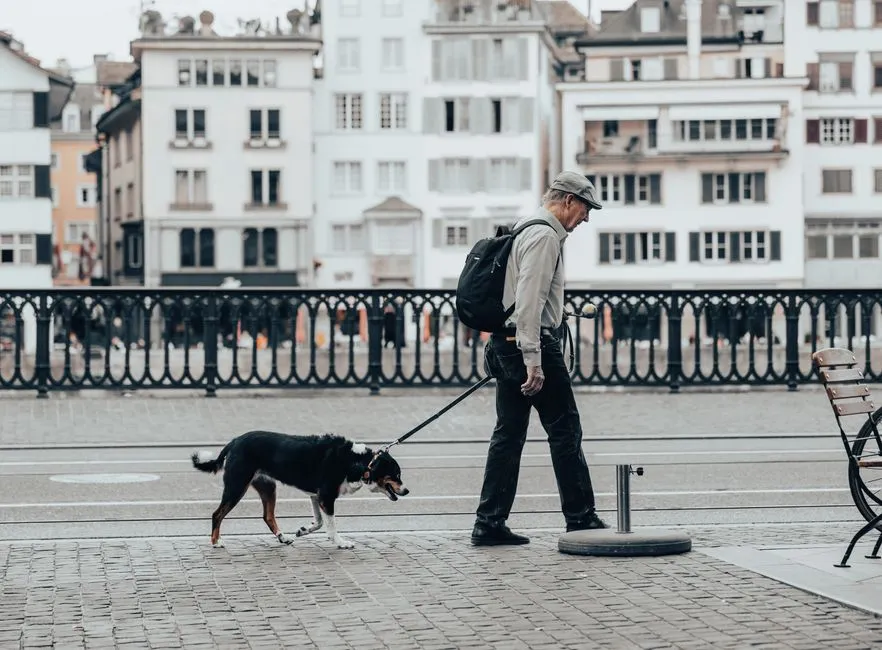
People assume their dog just loves breakfast. Not quite. Senior dogs memorize the sequence that leads to it – the alarm tone, how many times you hit snooze, the heavy sigh before your feet hit the floor. The coffee grinder, the bathroom fan, the way you always misplace your keys – all of it became your dog’s personal clock years ago.
Even as they slow down and sleep more, they still track those cues without fail. That’s why an older dog will lift their head right before the alarm goes off, or shuffle toward the kitchen the second you grab your mug. It’s not a sixth sense. It’s years of quiet observation boiled down to one simple rule: when you do A, B, and C, the day officially starts.
Fast Facts
- A dog’s sense of smell is estimated to be thousands of times more powerful than a human’s, which makes memorizing scent-based routines almost effortless for them.
- Many senior dogs sleep 16 to 18 hours a day, so the waking hours they do have are built almost entirely around your habits.
- Dogs often notice subtle body-language shifts, like a stretch or a sigh, before they react to an actual command.
- A dog’s internal clock runs on light, hunger, and repetition rather than the literal time – which is exactly why routines stick so hard.
#4 – The Day You Changed Your Plans Just for Them
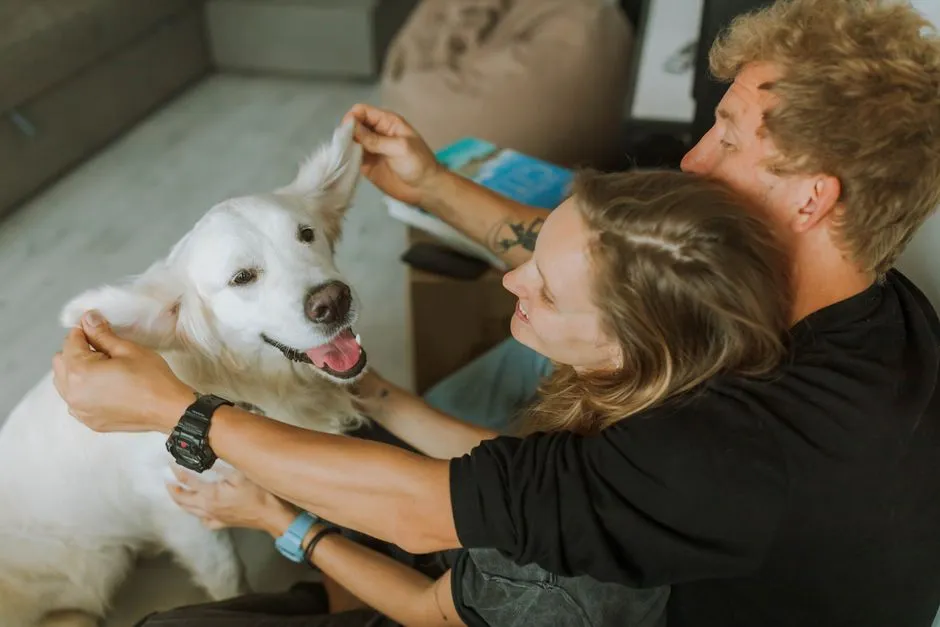
At some point, you canceled something real – a night out, a workout, even a trip – because your dog needed you. A vet scare, a bad anxious day, a moment when they just weren’t themselves. You may barely remember the date. Your dog almost certainly does, right down to your shoes going back on the rack and your bag hitting the floor.
Dogs live in the present, but they notice broken patterns instantly. When your usual “leaving for work” script suddenly turned into you on the floor with a hand on their chest and worry on your face, that moment got flagged as important. Senior dogs often go a little velcro after experiences like that – not because they’re needy, but because they’ve learned exactly what kind of person you are when it counts.
#5 – The Silly Game Only the Two of You Understand
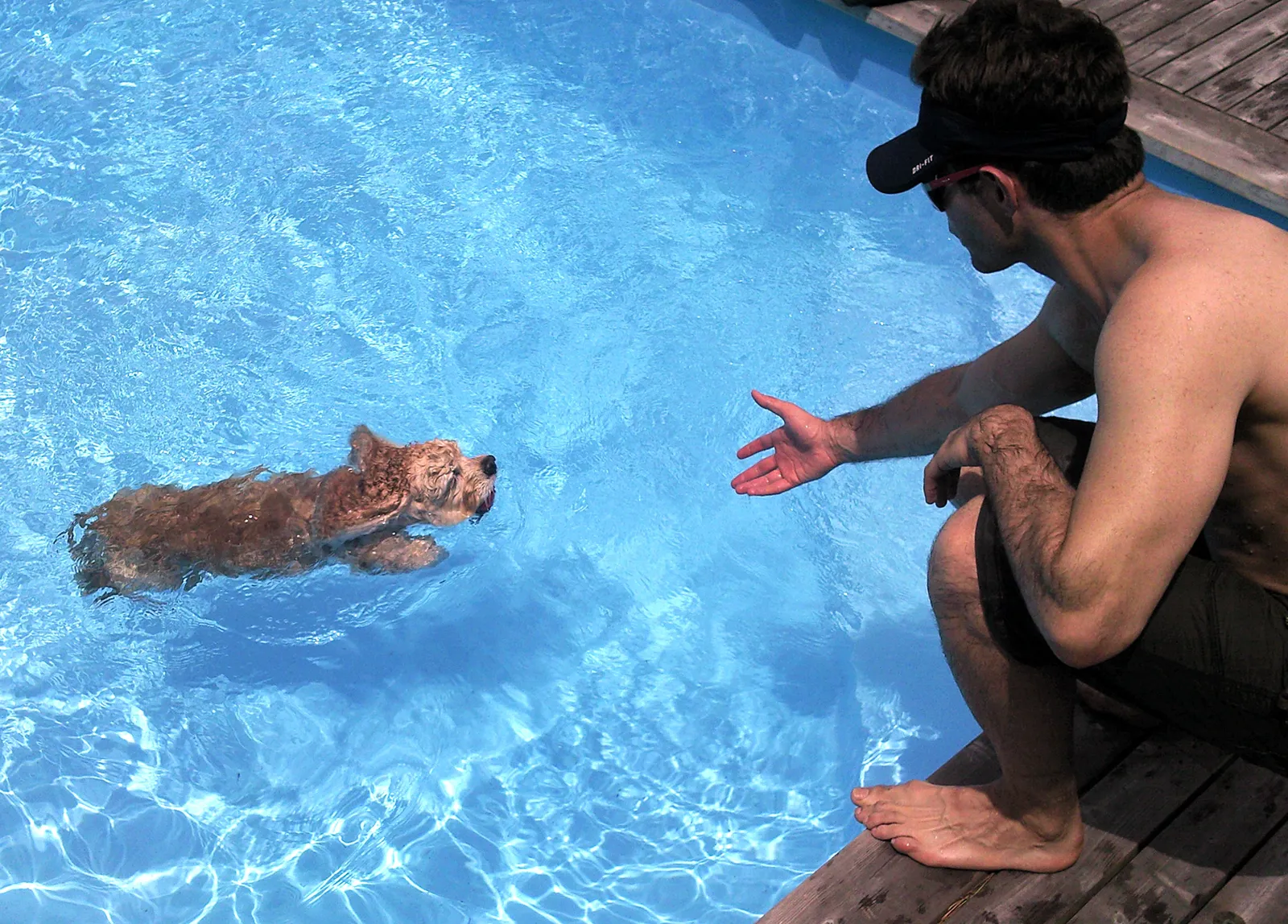
Every long-term dog-human pair has one – the ridiculous, slightly embarrassing game you’d never admit to in front of a serious trainer. Maybe it’s “sock monster” under the blanket. Maybe it’s the kitchen-island chase. From the outside, it’s nonsense. To your senior dog, it’s basically a shared language.
They remember the first time it made you laugh so hard you had to lean on the counter. Over the years that silly game became a signal: everything’s fine, we’re still us. Even now, with stiffer hips and shorter sprints, watch their eyes light up at a half-hearted sock wave. The joy of the full-speed version still lives somewhere in their body – it’s a shortcut straight back to their younger self.
#6 – The Night You Cried and Thought They Didn’t Understand
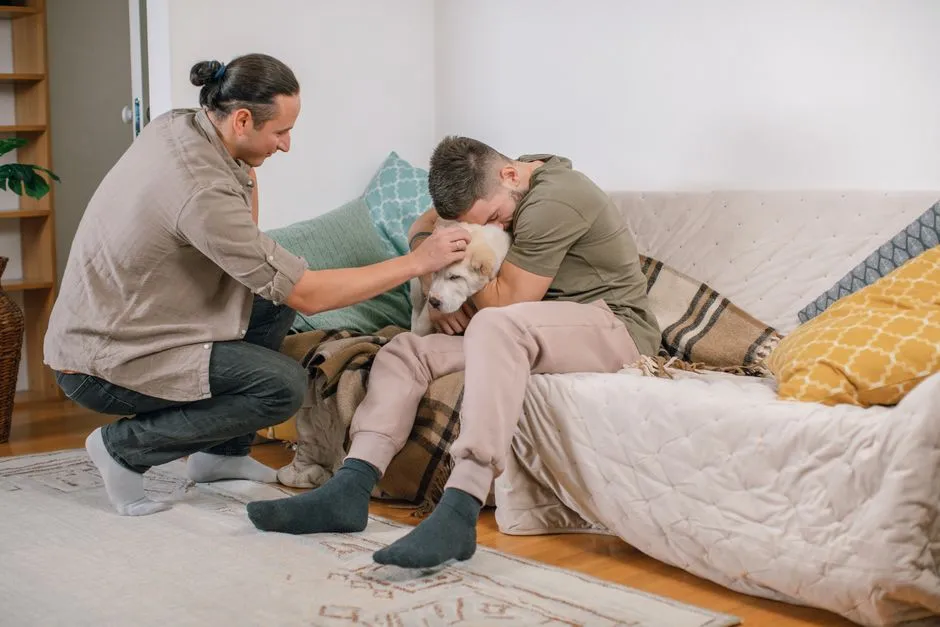
Ask most owners and they’ll admit it: there was a night the dog sat quietly through a full human breakdown. You might assume they’ve forgotten it. It’s far more likely the opposite is true. They remember your heavier footsteps, the way stress changes your scent, the hitch in your breathing before you finally sank to the floor.
Dogs don’t understand human problems in words, but they track emotional patterns better than almost anything else. For many senior dogs, that night is when the relationship quietly shifted from “fun roommate” to “packmate in trouble.” Tucking their head under your hand, pressing against your leg, lying close but not quite touching – that wasn’t random. That was them staying.
Dogs are our link to paradise. They don’t know evil or jealousy or discontent.
Milan Kundera
#7 – The Tiny Food Rituals You Think They Don’t Notice
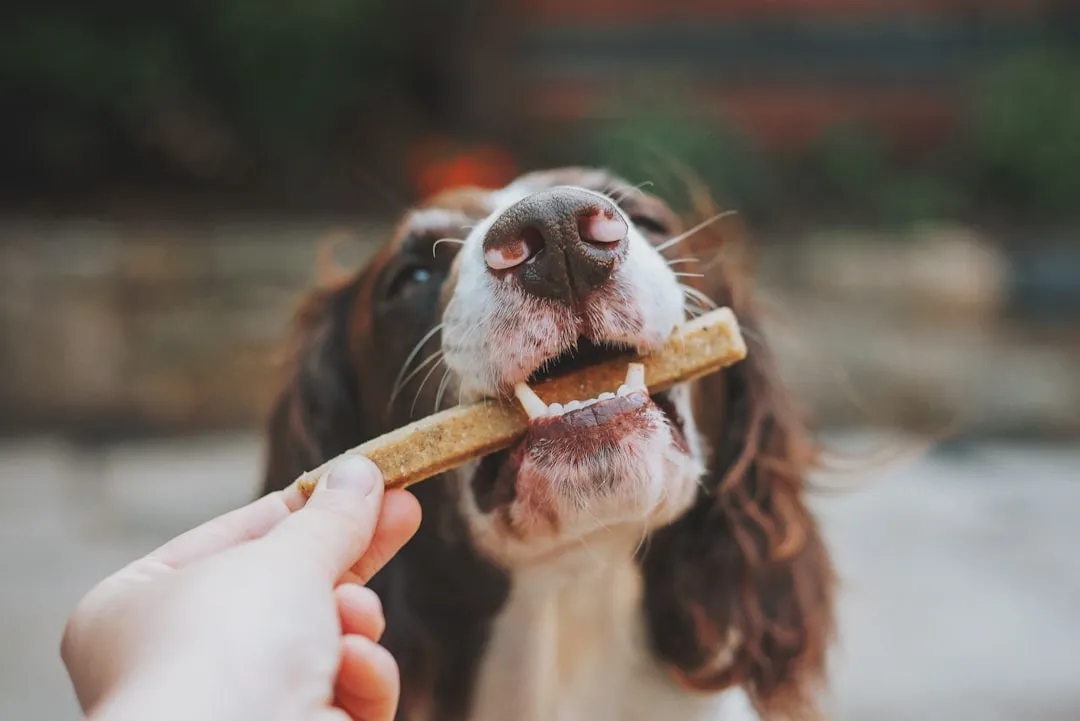
Everyone jokes that dogs only love us for snacks. That’s lazy thinking. Senior dogs don’t just remember “treats” – they remember the exact context around them. The last bite of toast you always “accidentally” drop. The carrot piece you pretend is gourmet. The specific tone you use right before you share something off your plate.
These micro-rituals build real associations – not just “food appears,” but “food appears when my human is relaxed,” or “something good happens after dinner gets cooked.” That’s why an older dog still shuffles into the kitchen at the sound of a cutting board, or hovers near the table only during that one particular meal. It isn’t opportunism. It’s a long, generous history they’ve quietly kept score of.
#8 – The Background Noises That Mean “We’re Safe”
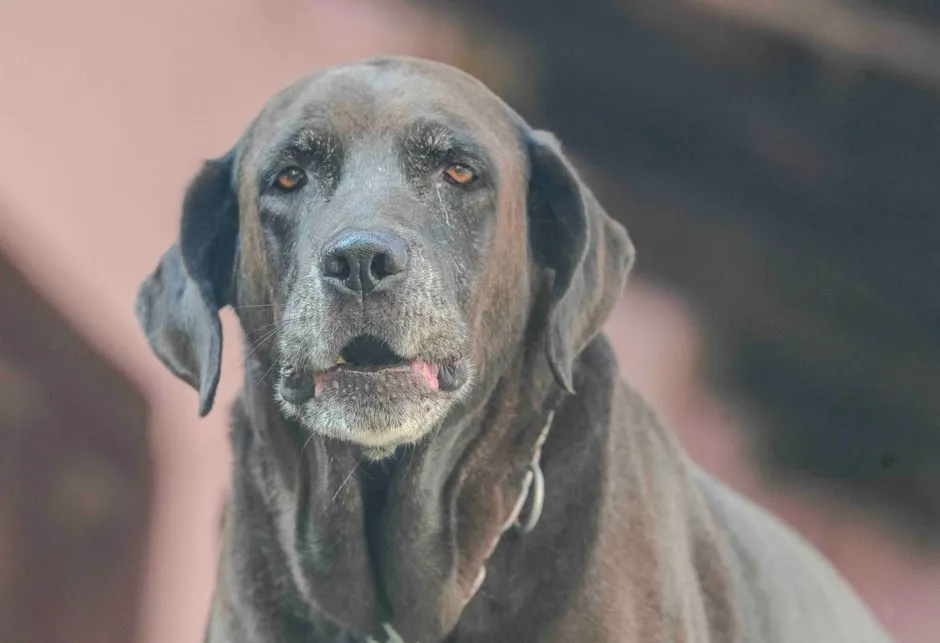
To you, home is walls and furniture. To your senior dog, home is mostly sound and smell. The hum of the old fridge, the TV theme you always doze off to, the ringtone that makes you move faster, the laundry machine thumping unevenly – none of that is background noise to them. It’s proof that everything is normal.
Over the years, your dog paired those sounds directly with your presence. Kettle whistling? You’re probably close by. That one creaky stair? You’re either coming or going. If the furniture moves or an appliance changes, watch how unsettled an older dog gets – not stubbornness, disorientation. They’re quietly rebuilding a sound map they once knew by heart, and your footsteps are still the favorite track in it.
Worth Knowing
- A dog’s hearing range extends well beyond a human’s roughly 20,000 Hz ceiling, which is why they pick up on faint sound cues long before we notice anything at all.
- Even mild age-related hearing loss rarely erases a lifetime of learned sound patterns.
- Familiar household sounds act like anchors, helping anxious or vision-impaired senior dogs feel oriented in their own home.
- It’s often a sudden new noise, not just a loud one, that unsettles an aging dog the most.
#9 – The Exact Way You Say Goodbye and Hello
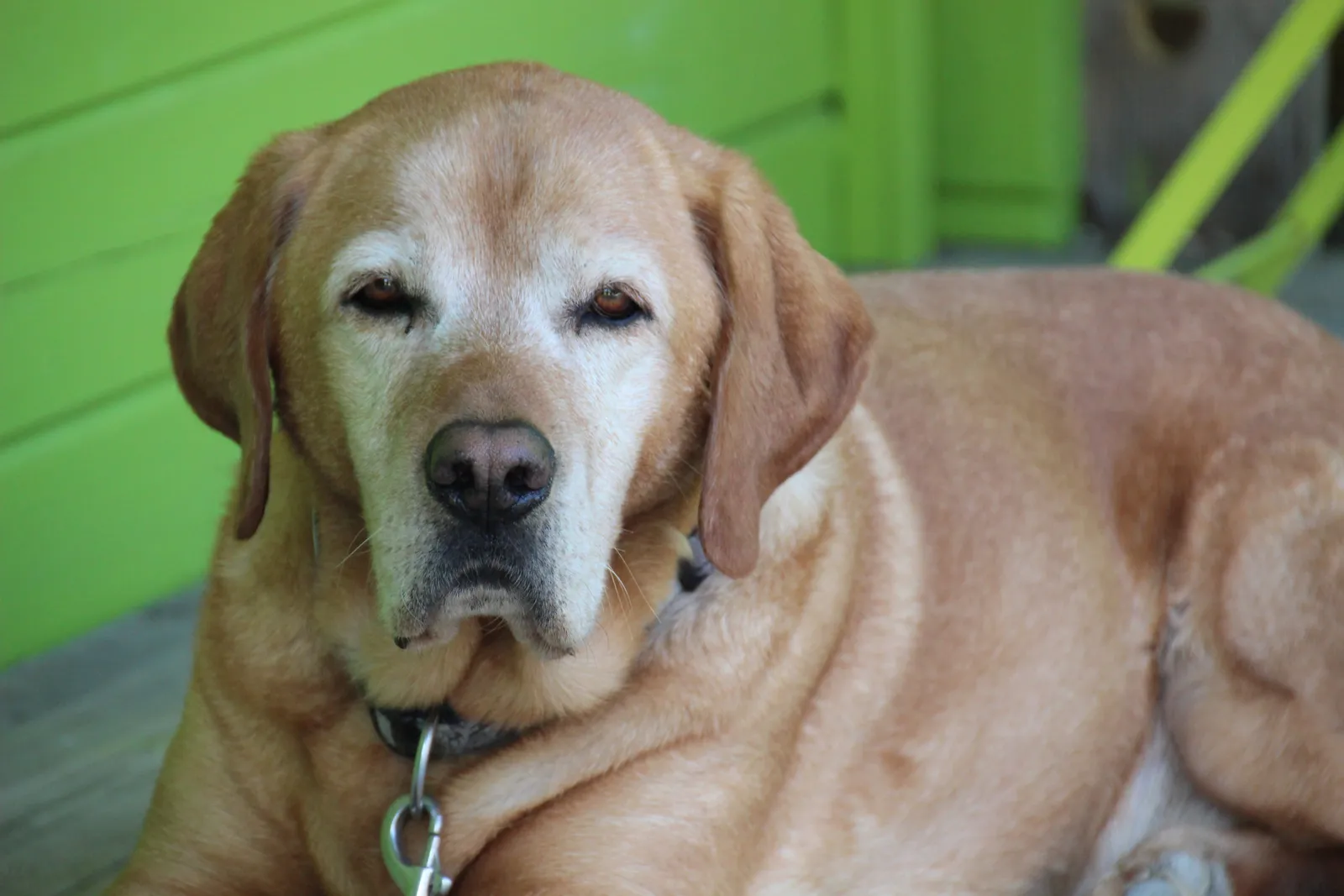
People assume dogs just hate goodbyes because of separation anxiety. Senior dogs are more nuanced than that. They remember the pattern behind every departure – the rushed, distracted workday exit versus the slower, chattier one before a weekend trip. They know exactly when a “quick errand” goodbye sounds different from a “suitcase by the door” goodbye.
Your hellos aren’t equal either. Older dogs can tell the difference between your “exhausted but happy to see you” greeting and your “something went wrong today” greeting – and they respond accordingly, with a calm lean, a cautious sniff, or a full-body wag. Trainers can argue all day about how much language dogs understand. Your senior dog doesn’t care about vocabulary. They’ve been cataloging how you walk through that door their entire life.
#10 – The One Spot in the House That’s Secretly “Yours”
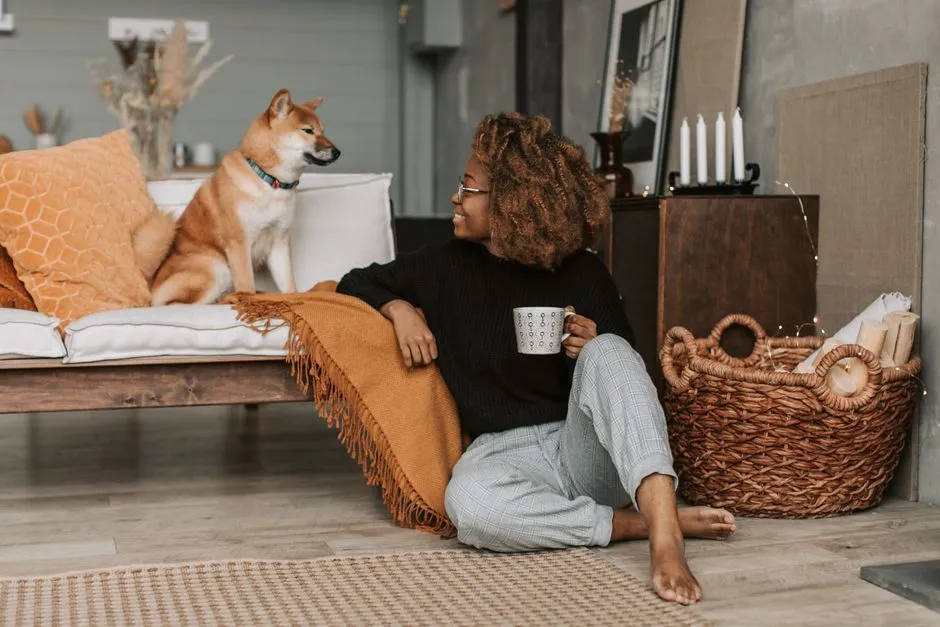
Every dog-human duo has a weird little “third place” somewhere in the home – a sunny patch of hallway, a particular stair, a corner of the couch you didn’t even mean to share. Maybe it’s where you scroll your phone while they lean against your legs. Maybe it’s where you both sat during the power outage last winter.
Notice how they gravitate there even when you’re not around. That’s not aimless napping – that’s parking themselves where your combined scent and routines are thickest. As dogs age, these anchor points matter more, especially if the house layout changes. That “insignificant” corner is basically a shrine to your life together, which is exactly why moving one chair can throw an old dog off far more than you’d expect.
#11 – The Walking Route Their Body Could Do Blindfolded
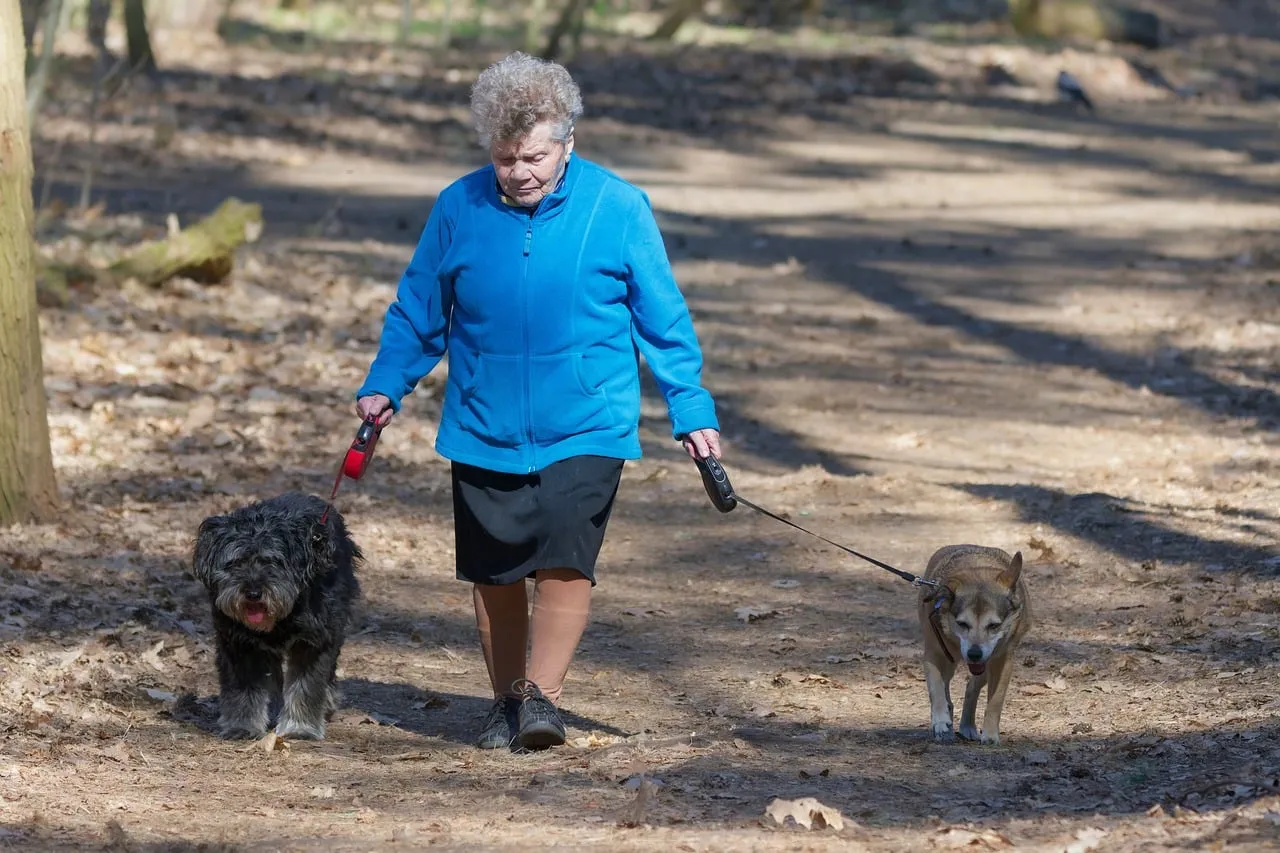
You probably think your dog’s favorite walk is about scenery. It isn’t. It’s about predictable landmarks in a predictable order – the gate where that one neighbor always waves, the bush that smells like five hundred other dogs, the corner where you once stood talking for twenty minutes while they dug bored little holes in the grass.
As they slow down, watch them linger at certain spots longer than others. Sometimes that’s not stiffness – that’s revisiting an old chapter, like where you once panicked over a lost leash or celebrated a small training win. Dogs don’t replay memories like humans do, but their bodies clearly hold onto the feelings tied to places. When your senior dog pauses, sniffs, then looks back at you, they’re quietly checking: are we still us?
Quick Compare
- Younger dogs: race toward new smells, cover more ground, rarely glance back at you.
- Senior dogs: slow down at familiar spots and check in with a glance every few steps.
- Younger dogs: treat the walk as pure exploration and novelty.
- Senior dogs: treat the same walk as a shared ritual, not just exercise.
#12 – The Old Toys, Blankets, and Shirts That Smell Like “Before”
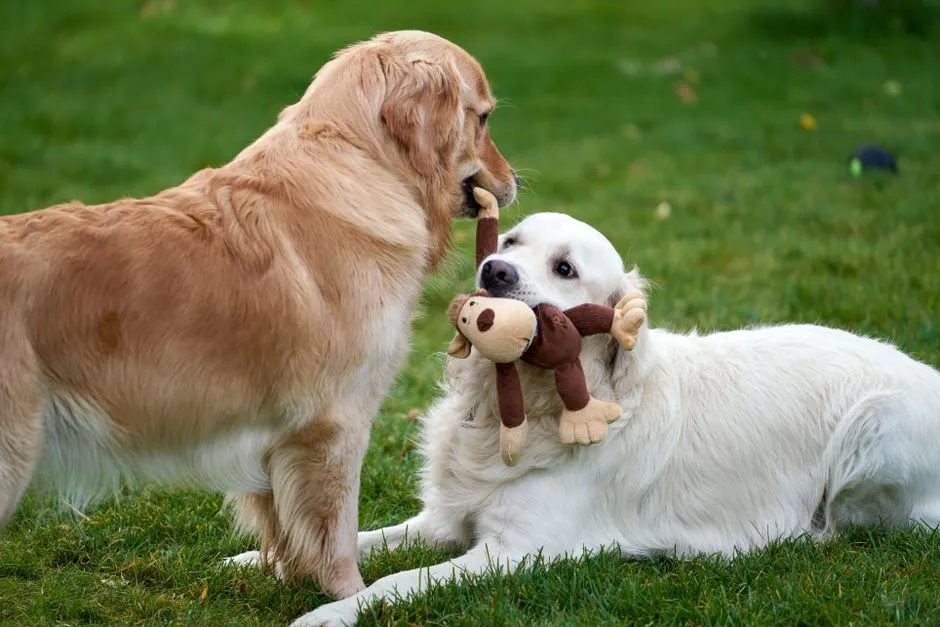
That ratty toy you keep meaning to throw out? That blanket with the mystery stain? Your senior dog may act casual about them now, but don’t be fooled – those objects are time machines. They hold layered traces of old versions of you: different jobs, different apartments, different sleep schedules, all stacked on top of each other.
Older dogs often seek out these “archive items” on rough days or when their body aches more than usual. To you, it’s clutter. To them, it’s a compressed file of your entire shared life. Even an old T-shirt left in their bed can function like a security system when you travel. Anyone who’s watched a senior dog rest their muzzle on a frayed puppyhood toy already knows how deep this runs.
#13 – The First Time You Stepped Between Them and Something Scary
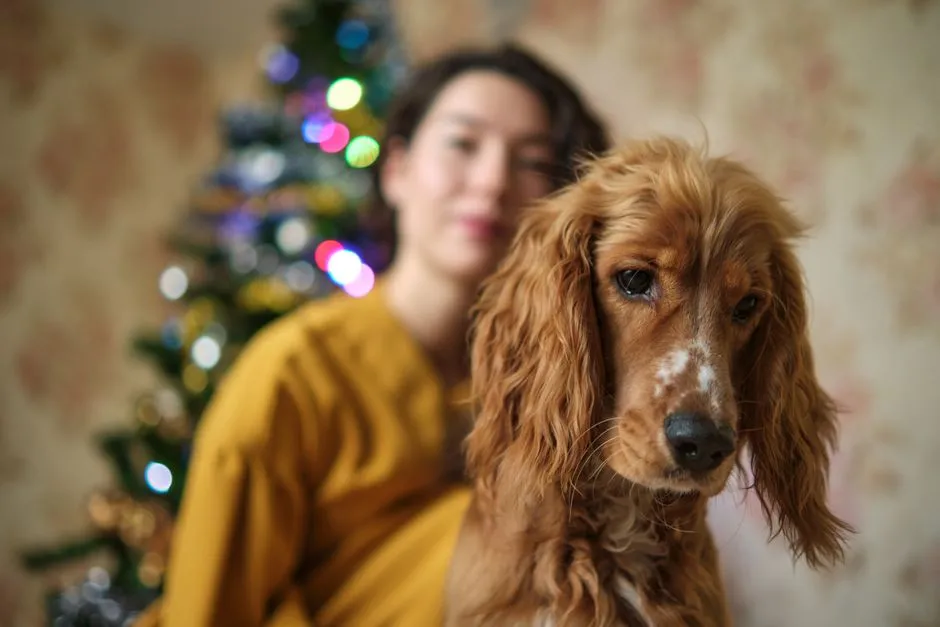
Every dog has a “big scary moment” – a motorcycle that got too close, a dog that lunged, fireworks, a slammed door. What older dogs remember isn’t just the fear itself. It’s your reaction. Did you kneel down and let them hide behind your legs? Stand taller and calmly block the threat? Scoop them up and simply walk away?
That’s often the exact moment they decided you were their safe place when the world got loud. Your intention landed even if your form wasn’t textbook. You can still see the echo of it every New Year’s Eve or thunderstorm, when your senior dog presses against the exact side of you they hid behind that very first time. Long-term owners know it: once a dog has watched you become the shield, they never look at you quite the same way again.
#14 – How You Treat Them Now That They’re Old
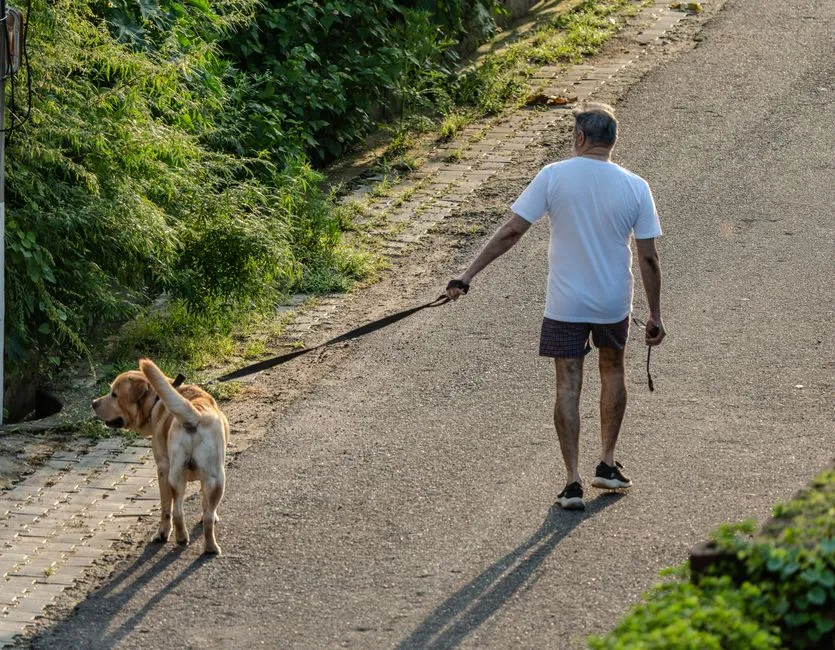
Here’s the memory that will probably matter most in the end – how you adapt to who they are today. Your senior dog feels it every time you walk a little slower for them, lift them gently into the car, or offer a ramp instead of expecting a jump. They notice when a long hike quietly turns into a slow sniff-walk, and you still treat it like a real adventure.
They also notice, painfully, when people get impatient with their accidents, their stiffness, their confusion. Dogs don’t understand aging as a concept, but they absolutely register that their body doesn’t work like it used to – and they register whether that frustrates you or you simply adjust. This is the memory being written right now, in real time, with no do-overs. Are you the person who only loved the easy, fun version of them, or the one who stayed soft when things got harder?
Why It Stands Out
- Simple changes like ramps, non-slip rugs, and shorter but more frequent walks can meaningfully ease strain on aging joints.
- Patience, not perfection, is what senior dogs register most during confusing moments like accidents or hearing loss.
- Consistent routines matter even more once a dog’s senses start to dull with age.
- How you respond to their slower pace often becomes the clearest signal of how much they’re still valued.
The Bottom Line
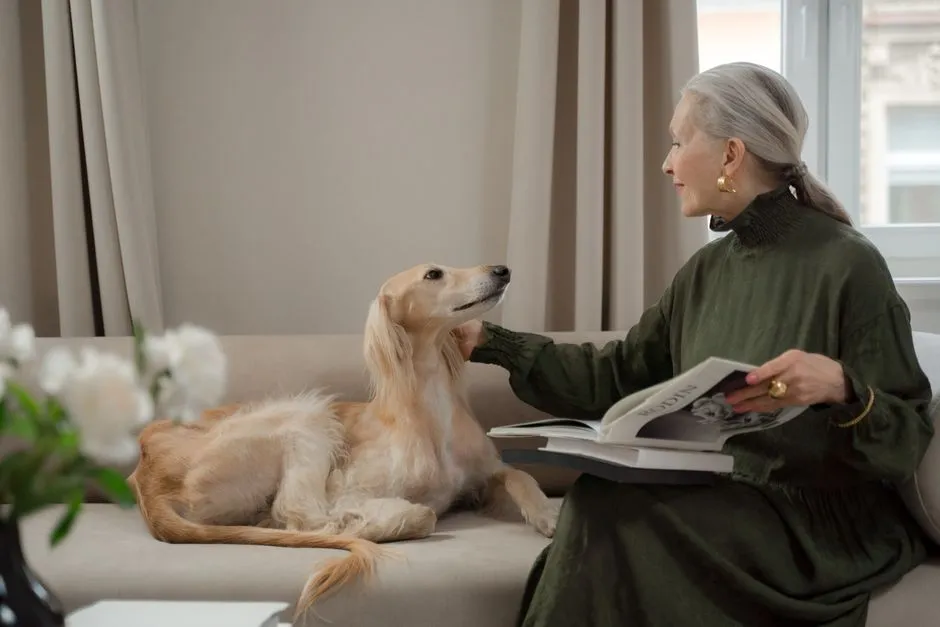
Senior dogs don’t hold onto cinematic, movie-moment memories. They hold onto small, repeated proof that you chose them again and again in the most ordinary moments imaginable. The first sleepless night, the dumb game you still half-play, the way you shorten your stride when their hips ache – none of it looks like much on its own. Together, it adds up to one quiet verdict: this human is my home.
Anyone who insists dogs “only live in the moment” has clearly never watched an old dog track a decade of small kindnesses without missing a single one. If anything, age sharpens their read on exactly who you’ve been to them. So take an honest look at the unglamorous, everyday version of how you treat your dog right now – because that’s the memory you’re actually leaving behind.
