


West Virginia’s diverse landscapes—from the Appalachian Mountains to lush forests and winding rivers—harbor a variety of wildlife that most residents and visitors may encounter during outdoor activities. While the Mountain State is known for its natural beauty rather than dangerous creatures, several animals can pose significant threats to humans under certain circumstances. Understanding which species present genuine dangers and how to safely coexist with them is essential for anyone exploring West Virginia’s wilderness. This comprehensive guide ranks the 16 most dangerous animals in West Virginia based on their threat level, considering factors such as aggression, venom toxicity, likelihood of encounters, and historical incidents with humans.
1. Northern Copperhead Snake (High Threat Level)

The Northern Copperhead (Agkistrodon contortrix mokasen) tops our list as West Virginia’s most dangerous native animal. These venomous pit vipers are responsible for more snake bites in the state than any other species. With their distinctive copper-colored heads and hourglass-patterned bodies, copperheads blend perfectly with forest floor leaf litter, making them easy to step on accidentally. Their excellent camouflage, combined with a tendency to freeze rather than flee when threatened, creates dangerous encounters for hikers and outdoor enthusiasts.
While copperhead venom is generally less lethal than some other venomous snakes, their bites cause intense pain, tissue damage, and can lead to serious medical complications if left untreated. What makes them particularly dangerous is their abundance throughout the state and their adaptability to suburban environments, including parks, gardens, and woodpiles near homes. Unlike many snakes, copperheads may not always give warning before striking, increasing the risk of unexpected bites during warm months when they’re most active.
2. Timber Rattlesnake (High Threat Level)

The Timber Rattlesnake (Crotalus horridus) ranks second on our list of West Virginia’s most dangerous animals. As the state’s largest venomous snake, reaching lengths of up to 5 feet, these pit vipers possess a potent hemotoxic venom that destroys tissue and disrupts blood clotting. Their distinctive rattling warning sound provides some protection for humans, but encounters in rocky, remote areas of the state’s forests and mountains still occur regularly. The Timber Rattlesnake’s venom is significantly more powerful than the copperhead’s, with untreated bites potentially leading to severe tissue damage, internal bleeding, and even death.
Despite their dangerous potential, Timber Rattlesnakes are generally shy and prefer to avoid human contact, rattling vigorously when they feel threatened before resorting to striking. Their declining numbers have led to protected status in West Virginia, making them illegal to kill or capture without proper permits. These snakes primarily inhabit remote wilderness areas, especially rocky outcroppings and ledges in the state’s eastern mountains, limiting somewhat the frequency of human encounters compared to the more widespread copperhead.
3. Black Bears (Moderate to High Threat Level)
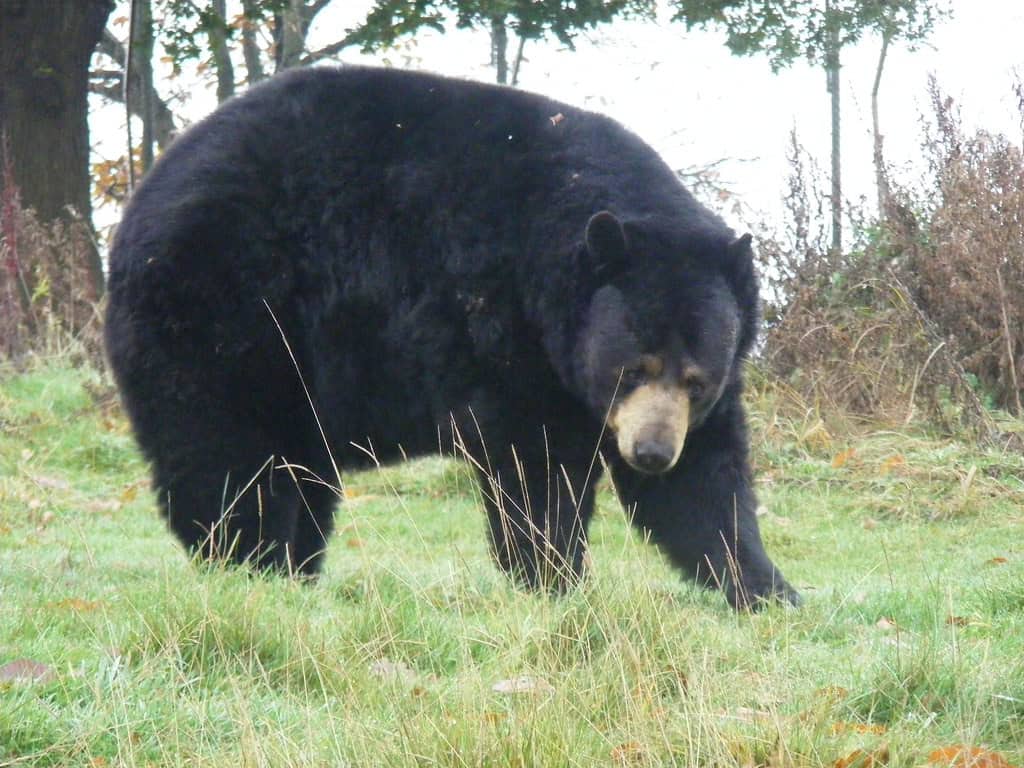
The American Black Bear (Ursus americanus) represents West Virginia’s largest predator and a potentially serious threat to humans. With an estimated population of 8,000-10,000 bears throughout the state, encounters are becoming increasingly common as their range expands. Adult black bears typically weigh between 200-600 pounds, possessing tremendous strength, sharp claws, and powerful jaws. While they generally avoid human interaction, bears habituated to human food sources or females protecting cubs can become aggressive and dangerous.
Black bear attacks remain rare in West Virginia, but their potential danger cannot be underestimated. The West Virginia Division of Natural Resources reports dozens of nuisance bear complaints annually, with occasional property damage and rare instances of human injury. Bears searching for food may enter campsites, raid trash cans, or even break into vehicles and structures. Their population resurgence in recent decades means outdoor enthusiasts must take precautions in bear country, including proper food storage, making noise while hiking, and carrying bear spray in remote areas.
4. White-Tailed Deer (Moderate Threat Level)
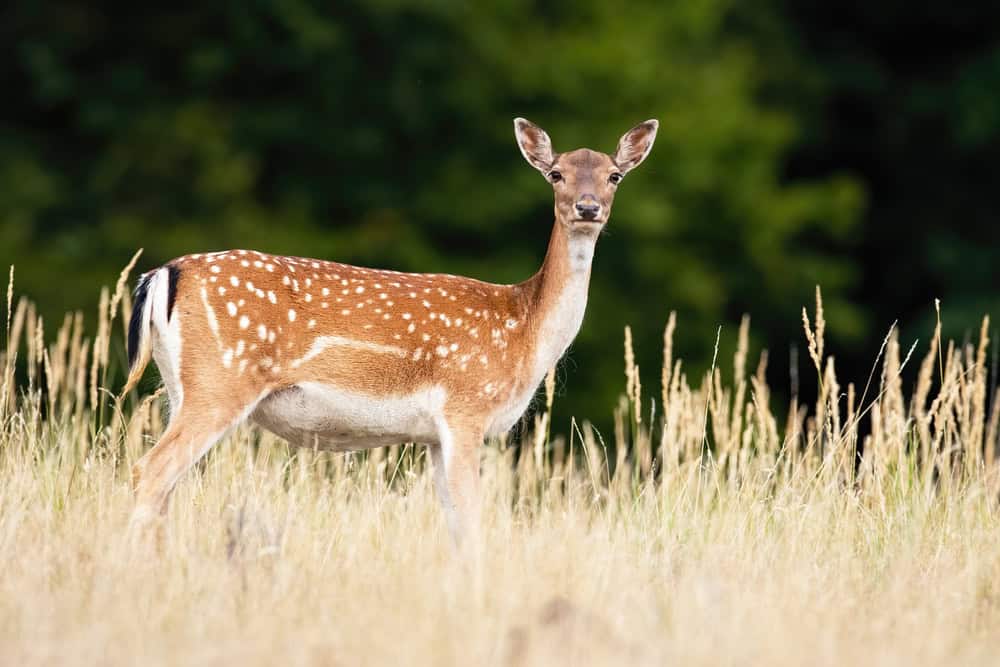
While deer may seem harmless, white-tailed deer (Odocoileus virginianus) pose one of the most consistent dangers to West Virginians through vehicular collisions. With an estimated population exceeding 500,000 statewide, West Virginia consistently ranks among the top states for deer-vehicle accidents. According to the West Virginia Department of Transportation, the state averages approximately 25,000-30,000 deer-vehicle collisions annually, resulting in several human fatalities and hundreds of injuries each year. These accidents peak during the fall rut (mating season) when deer movement increases dramatically.
Beyond road hazards, male deer (bucks) during rutting season can become aggressive toward humans, especially if they perceive a threat to their territory. A charging buck with antlers can cause serious injuries with their sharp tines and powerful bodies weighing up to 300 pounds. Additionally, deer serve as primary hosts for disease-carrying ticks, including those transmitting Lyme disease, making them indirect vectors for serious illness. Their abundance and wide distribution throughout the state ensure that deer-human interactions will remain a significant safety concern for residents.
5. Coyotes (Moderate Threat Level)
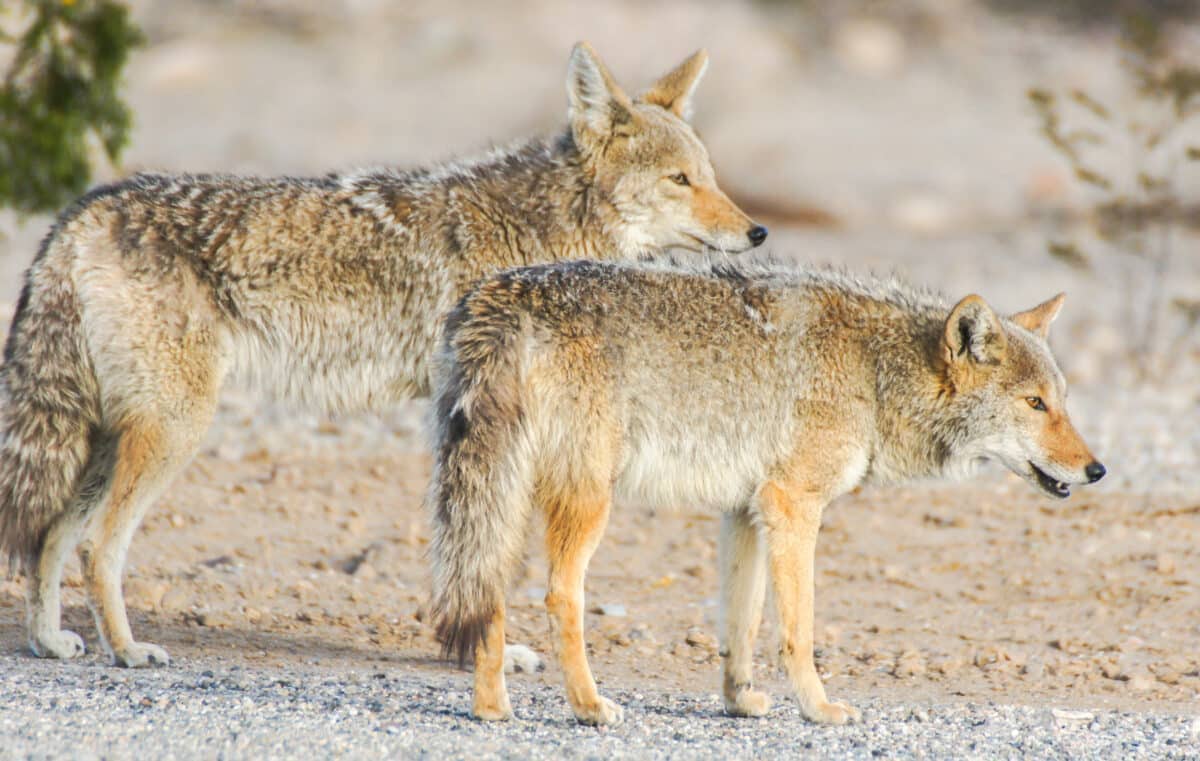
Coyotes (Canis latrans) have expanded their territory throughout West Virginia in recent decades, establishing populations in all 55 counties. These adaptable predators typically weigh 25-45 pounds and possess strong hunting instincts. While coyote attacks on humans remain extremely rare in West Virginia, they present a genuine threat to pets and small livestock. Incidents of coyotes killing cats, small dogs, and farm animals are reported regularly across the state, particularly in rural and suburban interface areas.
The greatest concern regarding coyotes comes from potentially rabid individuals, which lose their natural fear of humans and may behave aggressively. The West Virginia Department of Health and Human Resources documents several cases of rabid coyotes annually, making any abnormally bold or aggressive coyote a serious public health concern. Additionally, coyotes can interbreed with domestic dogs, occasionally producing larger, less fearful “coydogs” that may be more dangerous than pure coyotes. Wildlife officials advise residents to never feed coyotes, secure trash and pet food, and supervise small pets outdoors, especially during dawn and dusk when coyotes are most active.
6. Eastern Diamondback Rattlesnake (Moderate Threat Level)

The Eastern Diamondback Rattlesnake (Crotalus adamanteus) is included on this list despite being extremely rare in West Virginia, with only occasional sightings reported in the state’s southernmost regions. When present, however, they represent a significant danger as North America’s largest venomous snake, reaching lengths of up to 8 feet. Their venom is highly toxic, with a single bite potentially delivering enough venom to kill several adults if left untreated. The distinctive diamond pattern and large rattle make them relatively easy to identify, though their excellent camouflage in tall grass and brush creates risk for accidental encounters.
The Eastern Diamondback’s rarity in West Virginia significantly reduces its overall threat ranking, as most residents will never encounter one in the wild. However, the severity of their bite and potent venom warrant their inclusion on this list. Those venturing into the southern counties of the state should be aware of proper identification and safety measures. Like other rattlesnakes, they typically warn before striking by rattling loudly, providing some opportunity for humans to retreat from dangerous proximity. Any confirmed sightings should be reported to the state’s Division of Natural Resources.
7. Brown Recluse Spiders (Moderate Threat Level)
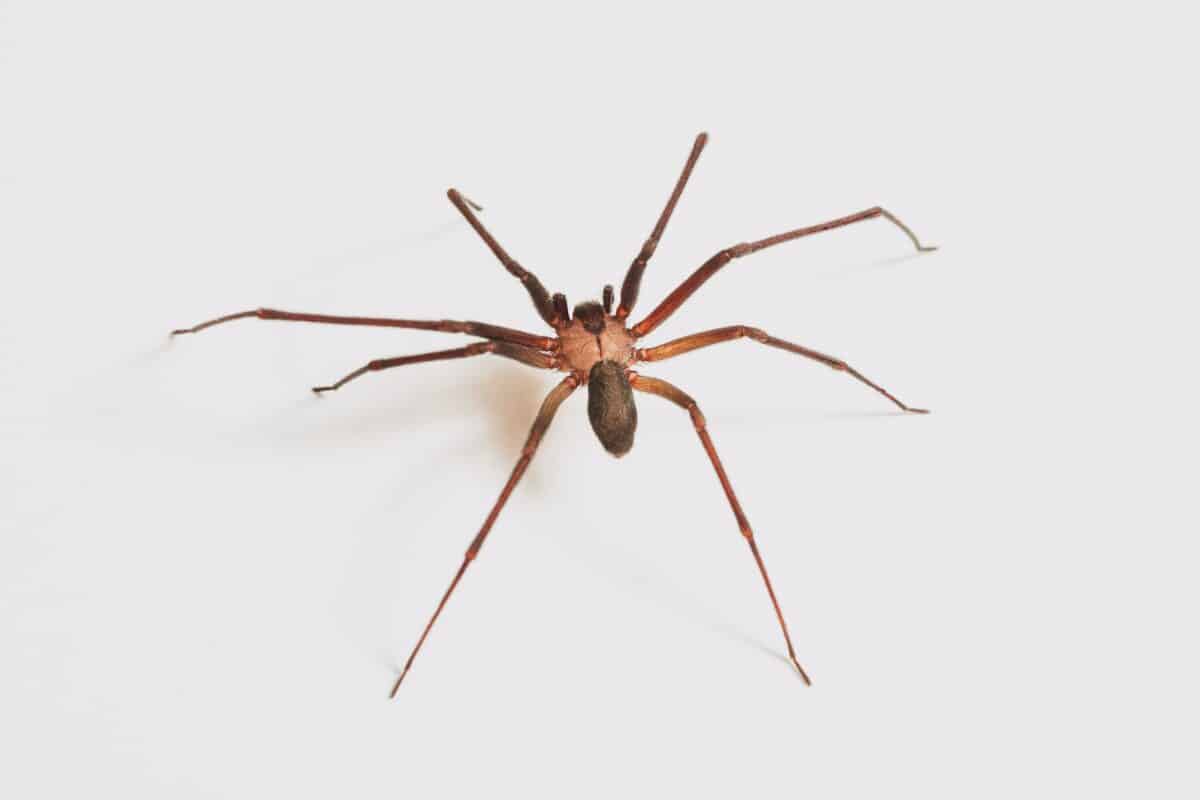
The Brown Recluse spider (Loxosceles reclusa) ranks among West Virginia’s most dangerous arachnids despite being uncommon in most parts of the state. These small, brown spiders are identified by their violin-shaped marking and six eyes arranged in pairs (most spiders have eight eyes). Their venom contains a dermonecrotic agent that can cause severe tissue damage, creating painful, slow-healing wounds that may require medical intervention. In rare cases, systemic reactions can occur, leading to more serious complications including fever, chills, and blood disorders.
Brown Recluse spiders typically avoid human contact, preferring dark, undisturbed areas like closets, attics, storage boxes, and woodpiles. Most bites occur when people inadvertently press against them while putting on clothing or reaching into spaces where the spiders hide. While not naturally aggressive, they will bite defensively when trapped against skin. The southern counties of West Virginia see more Brown Recluse activity than northern regions, though climate change may be expanding their range. Prevention includes shaking out stored clothing, wearing gloves when handling stored items, and reducing clutter in homes.
8. Black Widow Spiders (Moderate Threat Level)
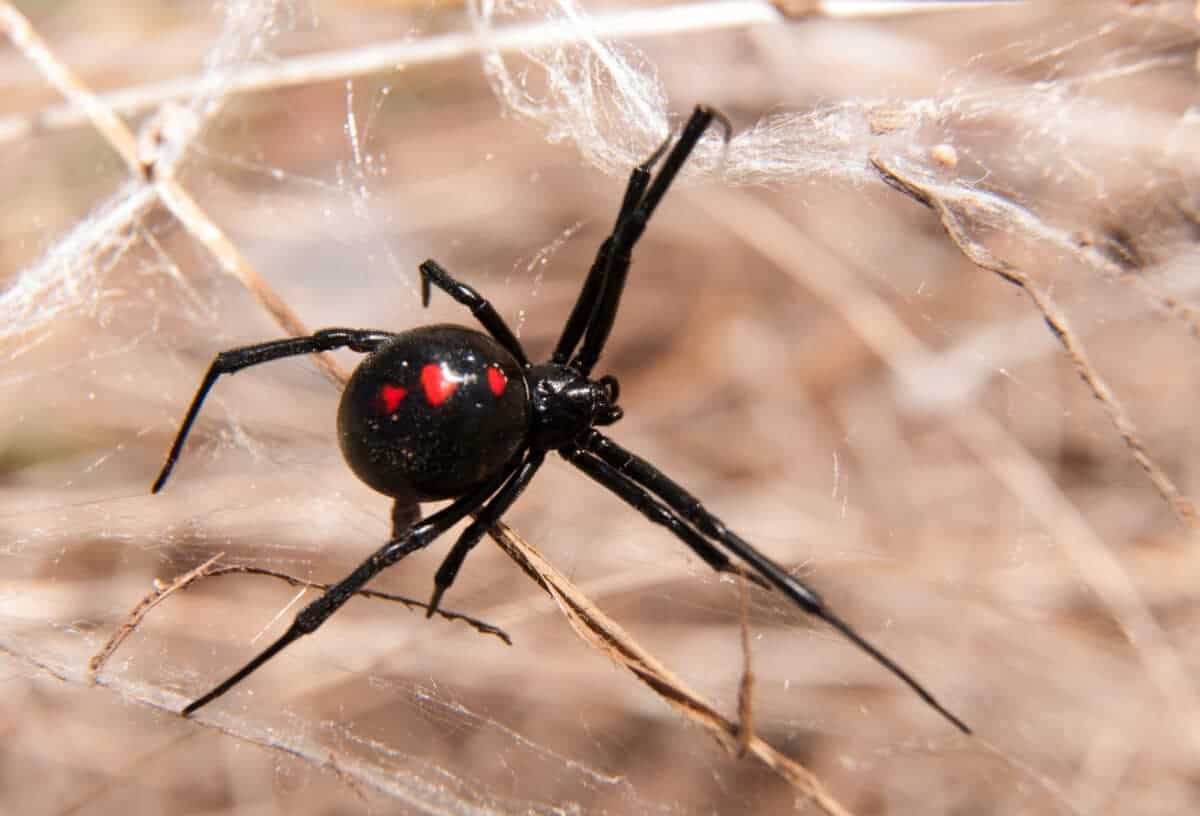
The Northern Black Widow spider (Latrodectus variolus) is West Virginia’s most venomous arachnid, recognizable by its glossy black body and distinctive red hourglass marking on the underside of its abdomen. Found throughout the state, these spiders construct irregular webs in dark, protected locations including woodpiles, hollow logs, outbuildings, and under rocks. Their neurotoxic venom is potentially dangerous to humans, particularly children, elderly individuals, and those with compromised immune systems. Bite symptoms typically include intense pain, muscle cramping, abdominal rigidity, and in severe cases, respiratory difficulties.
Despite their potent venom, black widow bites rarely result in death with modern medical treatment. Most bites occur when humans inadvertently disturb their hiding places, as the spiders are not naturally aggressive toward people. The West Virginia Poison Center reports approximately 15-25 significant black widow bites annually, with most victims responding well to medical intervention. Female black widows pose the primary threat, as males are smaller and rarely bite humans. Prevention includes wearing gloves when working in areas where these spiders commonly nest and being cautious around stone walls, wood piles, and cluttered storage areas.
9. Eastern Box Jellyfish (Low to Moderate Threat Level)

While West Virginia is landlocked with no coastal waters, the Eastern Box Jellyfish (Chiropsalmus quadrumanus) appears on this list because it can occasionally be found in portions of the Ohio River along West Virginia’s western border, having been introduced through ballast water from ocean-going vessels. These jellyfish are much smaller than their deadly Australian relatives but still possess stinging cells that can cause painful skin reactions, including redness, swelling, and in sensitive individuals, more severe allergic responses. Swimmers in certain parts of the Ohio River during late summer months should be aware of their possible presence.
The threat level remains low for most West Virginians due to the limited range and seasonal nature of these jellyfish. However, water enthusiasts should be particularly cautious during August and September when water temperatures peak. Unlike many other dangers on this list, these jellyfish can sting without warning or provocation, simply through contact with their tentacles. Treatment for stings includes rinsing with vinegar to neutralize unfired stinging cells and applying cold compresses to reduce pain and swelling. Anyone experiencing severe reactions including difficulty breathing should seek immediate medical attention.
10. Wild Boars (Low to Moderate Threat Level)

Feral hogs and wild boars (Sus scrofa) represent an emerging threat in parts of West Virginia, particularly in the southern and western counties. These non-native invasive species can weigh up to 400 pounds and possess sharp tusks capable of inflicting serious wounds. While direct attacks on humans are uncommon, wild boars can become aggressive when cornered, wounded, or when sows are protecting piglets. Their size, strength, and unpredictable nature make them potentially dangerous during chance encounters in remote wooded areas or agricultural lands.
Beyond physical danger to humans, wild boars cause extensive environmental and agricultural damage through their rooting behavior and predation on ground-nesting birds and small animals. The West Virginia Division of Natural Resources has documented their expanding range within the state, raising concerns about increasing human-boar conflicts. Hunters targeting these animals should be particularly cautious, as wounded boars can be extremely dangerous and may charge without warning. Anyone encountering wild boars should maintain distance, avoid positioning between sows and their young, and back away slowly rather than running, which may trigger a chase response.
11. Bald-Faced Hornets (Low to Moderate Threat Level)
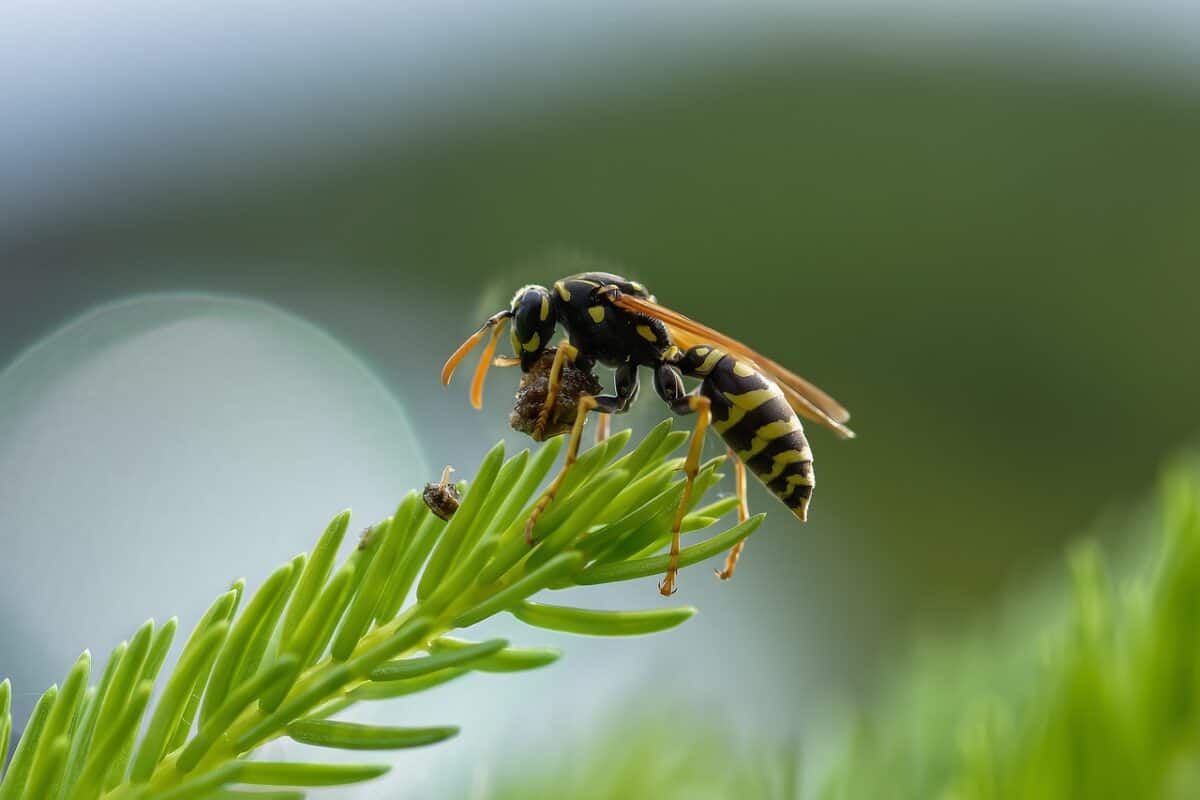
Bald-faced hornets (Dolichovespula maculata) represent one of West Virginia’s most aggressive stinging insects. These large black and white wasps build paper nests that can reach basketball size in trees, shrubs, and occasionally on buildings. Unlike honeybees, bald-faced hornets can sting repeatedly without dying, and they vigorously defend their nests against perceived threats. Their venom contains chemicals that can trigger severe allergic reactions in sensitive individuals, potentially leading to life-threatening anaphylaxis. Each year, West Virginia emergency departments treat numerous patients for serious reactions to hornet stings.
The threat from bald-faced hornets increases in late summer and early fall when colonies reach peak population and become more defensive of their nests. Outdoor activities including yard work, hiking, and picnicking can inadvertently bring people near hidden nests, triggering attacks. For most people, multiple stings cause significant pain and swelling but aren’t life-threatening. However, an estimated 3-5% of West Virginians have severe allergies to wasp venom, making hornets a potentially lethal threat for this population. Those with known allergies should carry emergency epinephrine when outdoors, and anyone experiencing throat swelling, difficulty breathing, or dizziness after being stung should seek immediate medical attention.
12. Eastern Massasauga Rattlesnake (Low Threat Level)
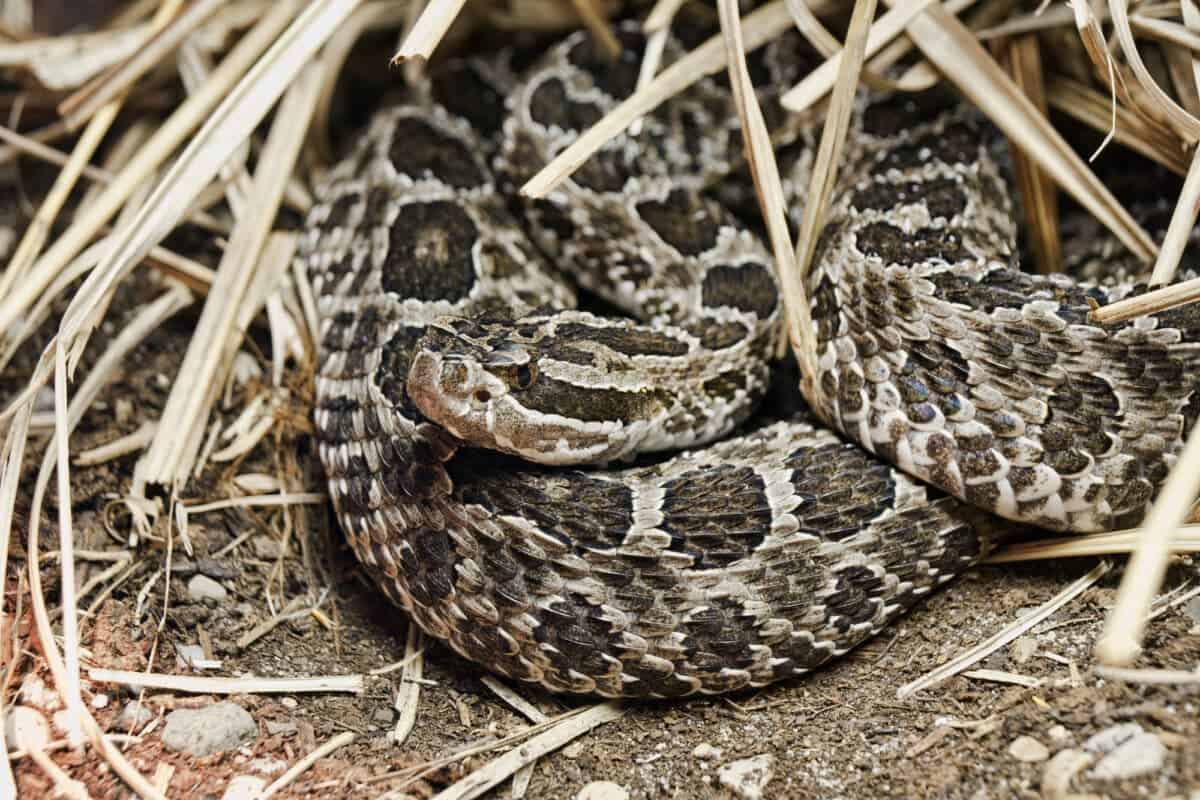
The Eastern Massasauga Rattlesnake (Sistrurus catenatus) is a small but venomous pit viper that occurs rarely in West Virginia’s wetland areas, primarily in the northwestern counties. Growing to only 2-3 feet in length, these endangered snakes are much less common than copperheads or timber rattlesnakes in the state. Their venom is potent, containing both hemotoxic and cytotoxic components that can cause significant tissue damage, though fatalities are extremely rare with proper medical treatment. Their small size, limited range, and declining numbers place them lower on the threat scale despite their venomous capability.
Eastern Massasaugas prefer wet prairie habitats, marshes, and low-lying areas that are often unsuitable for human development, further reducing encounter opportunities. When encountered, these rattlesnakes typically attempt to flee or remain motionless rather than striking, though they will defend themselves if cornered or stepped on. Their distinctive rattle provides warning, albeit quieter than larger rattlesnake species. Conservation efforts to protect this endangered species have included habitat preservation in areas where they still occur, making it illegal to harm or collect these snakes. Outdoor enthusiasts in northwestern West Virginia wetlands should wear appropriate footwear and remain vigilant when traversing tall grass areas where these cryptic snakes may be hidden.
13. Bobcats (Low Threat Level)
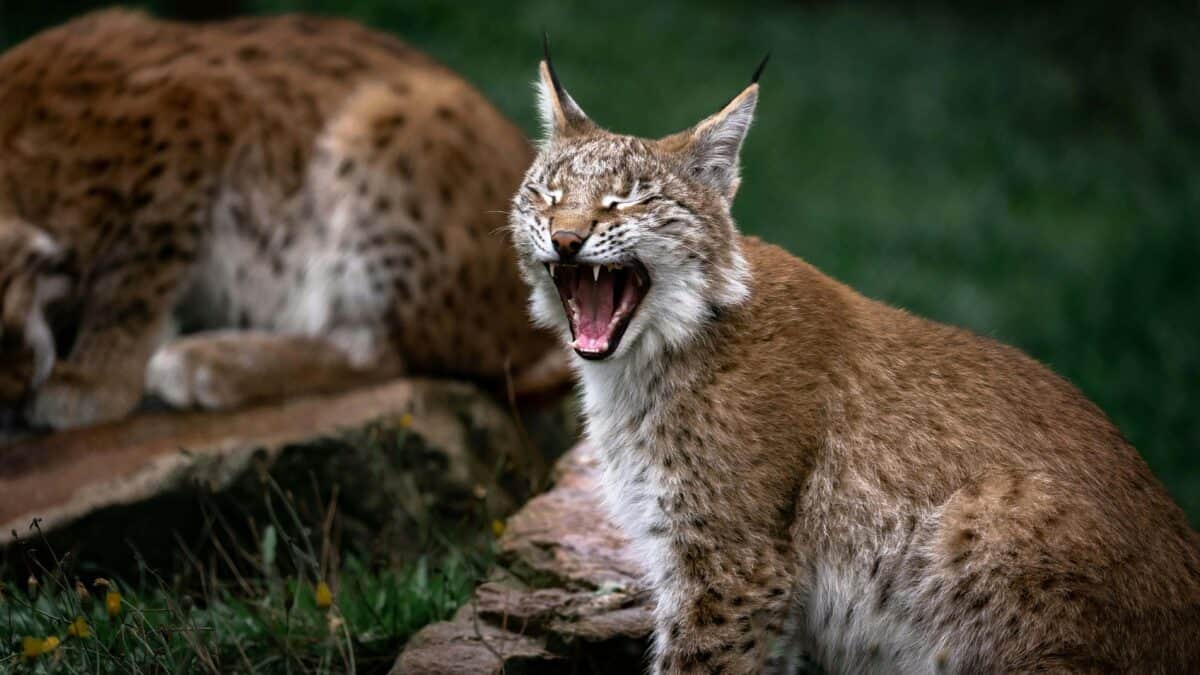
Bobcats (Lynx rufus) inhabit forested regions throughout West Virginia, with population estimates suggesting several thousand reside in the state. These medium-sized wild felines typically weigh 15-35 pounds and possess powerful limbs, sharp claws, and teeth designed for predation. Despite their predatory nature, bobcat attacks on humans are extremely rare, with no documented cases of unprovoked attacks in West Virginia’s recent history. Their natural wariness of humans and primarily nocturnal habits mean most residents never see bobcats despite their widespread presence.
The primary risk from bobcats involves rabid individuals, which may lose their fear of humans and behave erratically. The West Virginia Department of Health and Human Resources documents occasional cases of rabies in bobcats, making any abnormally bold or aggressive bobcat a potential health concern. Bobcats may also prey on small pets left unattended outdoors, particularly cats and small dogs. While their risk to humans remains minimal, anyone encountering a bobcat showing unusual behavior—such as approaching humans, appearing disoriented, or being active during daylight hours in populated areas—should maintain distance and contact wildlife authorities.
Conclusion: Respecting Wildlife in the Mountain State
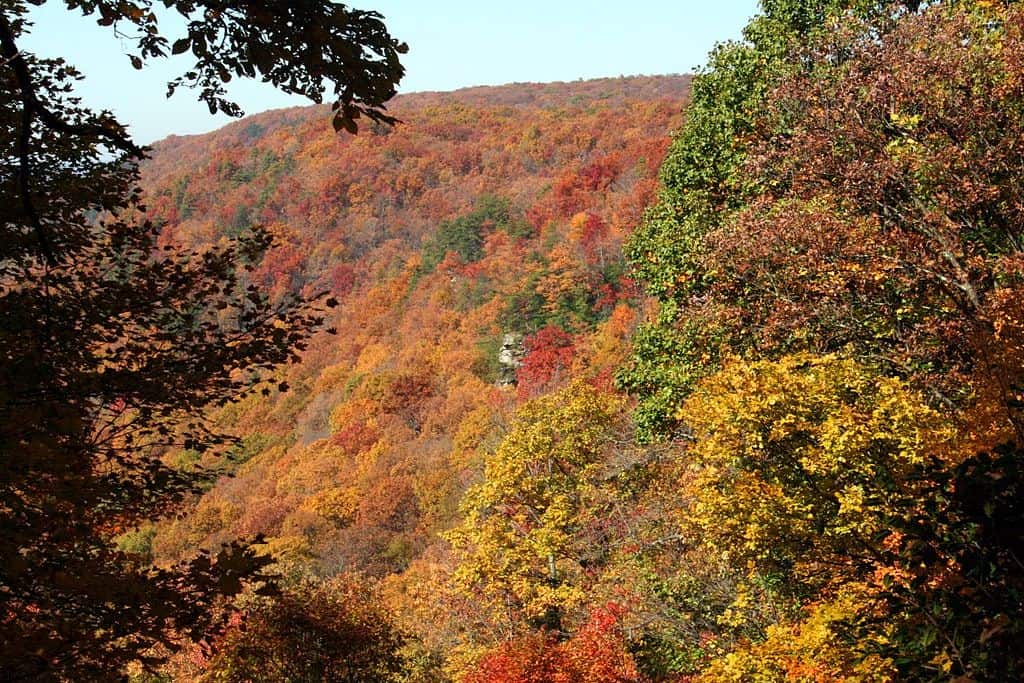
West Virginia’s wild landscapes are home to a surprising variety of animals that, while not typically aggressive, can pose serious risks when threatened or provoked. From venomous copperheads and timber rattlesnakes to large mammals like black bears, each species plays an important ecological role—even those that rank high in potential danger. Most human-animal encounters end harmlessly, and understanding the behaviors and habitats of these creatures is key to avoiding conflict.
Ranking the most dangerous animals of West Virginia isn’t about fear—it’s about awareness and respect. With a little knowledge and caution, residents and visitors alike can safely explore the state’s forests, rivers, and mountains while coexisting with its remarkable wildlife. In the end, the true danger lies not in the animals themselves, but in underestimating or misunderstanding the wild places they call home.

From exploring the marine wonders in the Azores and witnessing the vast savannas of Kenya, to delving deep into the rich biodiversity of South Africa and traversing iconic landscapes in Australia and the US like Yellowstone, Chris's experiences are vast.
With a penchant for diving alongside sharks, the ocean holds a special place in his heart.
Through his academic insights, he champions wildlife conservation, striving with 'Animals Around The Globe' to cultivate a profound connection between humans and animals, enhancing our mutual appreciation.
Connect with him at Feedback@animalsaroundtheglobe.com.
- The Lizard That Shoots Blood From Its Eyes - July 21, 2026
- What Happens If Fireflies Stop Glowing? - July 21, 2026
- Coyotes Are Thriving in Every U.S. State — Even New York City - July 21, 2026