


Animal testing has long been a controversial practice in scientific research, cosmetics development, and pharmaceutical production. Despite advances in technology that provide alternatives, millions of animals worldwide continue to suffer in laboratories. Fortunately, numerous organizations are working tirelessly to end animal experimentation and promote cruelty-free alternatives. These dedicated groups employ various strategies—from public education and legislative advocacy to scientific innovation and corporate engagement—in their mission to create a world where animal testing is obsolete. This article highlights 13 prominent organizations leading the fight against animal testing, each making significant contributions to this crucial cause through their unique approaches and ongoing initiatives.
Cruelty Free International

Formerly known as the British Union for the Abolition of Vivisection (BUAV), Cruelty Free International stands as one of the world’s most established organizations dedicated to ending animal experiments. Founded in 1898, this London-based organization works through a combination of investigations, political lobbying, and public awareness campaigns to expose the reality of animal testing and advocate for policy changes worldwide.
One of Cruelty Free International’s most recognized initiatives is the Leaping Bunny certification program, which provides consumers with a reliable way to identify genuinely cruelty-free products. Their scientific team also works to validate and promote alternative testing methods, while their legal experts help draft legislation to end animal testing globally. Their campaigns have been instrumental in achieving the European Union’s ban on cosmetic animal testing and the sale of animal-tested cosmetics.
The Humane Society International

The Humane Society International (HSI) operates globally with offices across six continents, making it one of the most far-reaching organizations fighting animal testing. Their #BeCrueltyFree campaign, launched in 2012, has been pivotal in securing legislation against cosmetic animal testing in numerous countries, including India, Taiwan, South Korea, Australia, and Canada. The organization works with governments, companies, and scientists to implement humane, effective non-animal testing methods.
HSI’s approach combines scientific expertise with policy development and corporate outreach. Their scientists work to validate new testing methods, while their policy experts engage with regulators to facilitate the acceptance of these alternatives. Additionally, HSI partners with cosmetics companies to help them transition to cruelty-free practices, providing resources and guidance throughout the process. Their comprehensive strategy has contributed significantly to the global movement against animal testing.
Physicians Committee for Responsible Medicine
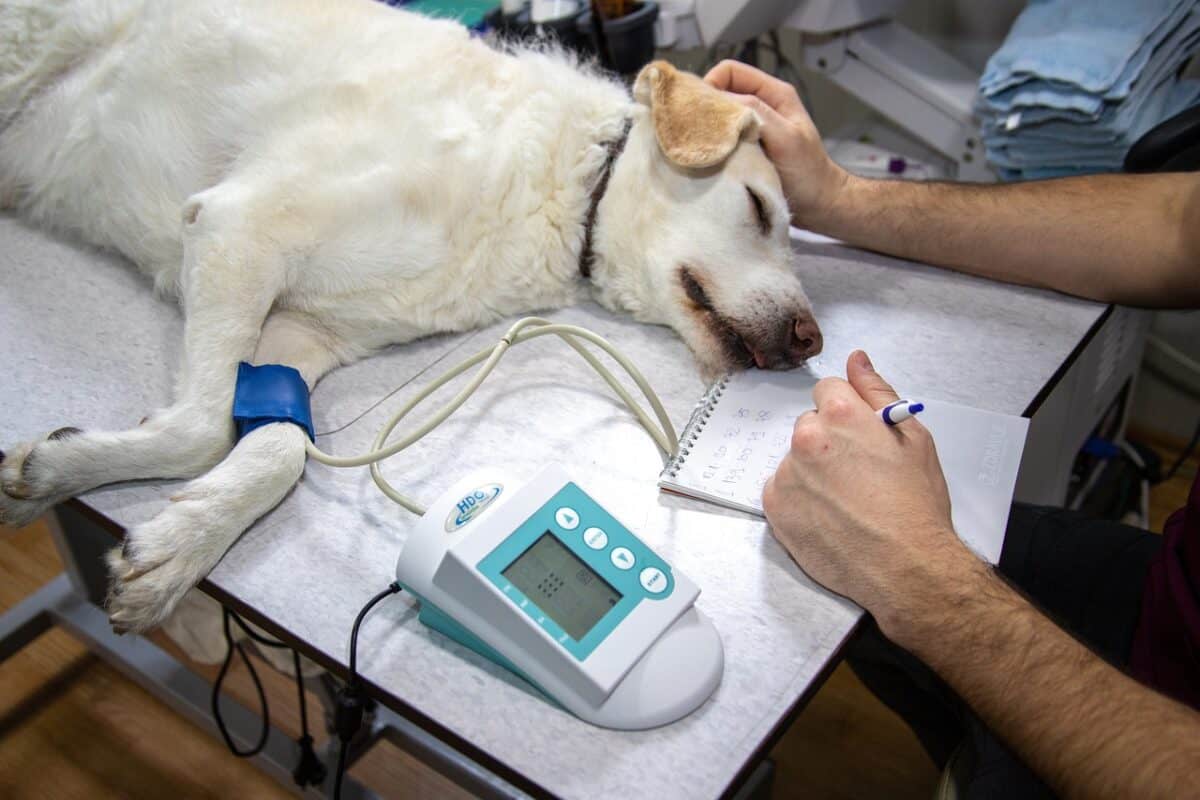
The Physicians Committee for Responsible Medicine (PCRM) brings a unique perspective to the fight against animal testing through its network of more than 17,000 physicians. Founded in 1985 by Dr. Neal Barnard, this organization promotes alternatives to animal use in research, testing, and education from a medical and scientific standpoint. PCRM’s approach is particularly powerful because it challenges animal testing on scientific grounds, arguing that animal models often fail to predict human outcomes accurately.
PCRM has been instrumental in developing and promoting alternative research methods, including in vitro techniques, computer modeling, and human tissue samples. Their advocacy has led to significant policy changes, including amendments to the Toxic Substances Control Act that prioritize non-animal testing methods. The organization also conducts educational outreach to medical schools, encouraging them to replace animal laboratories with human-relevant simulation technologies and other modern teaching tools.
People for the Ethical Treatment of Animals
People for the Ethical Treatment of Animals (PETA) is perhaps the most recognizable animal rights organization globally, known for its direct-action protests and provocative campaigns against animal testing. Founded in 1980, PETA operates under the principle that animals are not ours to experiment on, and works through public education, investigations, research, legislation, special events, and protest campaigns to achieve its objectives. Their high-profile exposés have revealed the conditions in testing laboratories, bringing public attention to the suffering of animals used in experiments.
PETA’s Science Consortium International collaborates with industry, regulatory agencies, and research institutions to promote the development, validation, and implementation of non-animal testing methods. The organization also maintains a searchable database of companies that do and don’t test on animals, helping consumers make informed choices. PETA’s Beauty Without Bunnies program certifies cruelty-free companies and products, providing another tool for consumers who wish to avoid supporting animal testing.
European Coalition to End Animal Experiments

The European Coalition to End Animal Experiments (ECEAE) represents a powerful alliance of animal protection groups from across Europe working together to end animal testing. Established in 1990, this coalition has been particularly effective in influencing EU policy, playing a crucial role in securing the EU ban on cosmetic animal testing and the marketing of animal-tested cosmetics. The ECEAE works through coordinated lobbying efforts at both national and EU levels, engaging directly with policymakers and regulatory bodies.
Beyond policy work, the ECEAE also funds research into alternative testing methods and runs public awareness campaigns to build support for ending animal experimentation. Their scientific expertise allows them to engage effectively with regulatory authorities on the validation of alternative methods. The coalition’s collective approach demonstrates the power of organizations working together toward a common goal, leveraging the strengths and networks of member groups across different European countries.
Center for Alternatives to Animal Testing

The Center for Alternatives to Animal Testing (CAAT) at Johns Hopkins University takes a science-focused approach to ending animal testing. Founded in 1981, CAAT promotes and develops alternative test methods through scientific research, education, and policy initiatives. Unlike some advocacy organizations, CAAT works primarily within the scientific community, focusing on the development and validation of new testing approaches that can effectively replace animal use while maintaining or improving human safety assessment.
CAAT’s research programs focus on the development of in vitro (cell-based) models, computational approaches, and other new technologies that can provide more human-relevant data than animal testing. The center hosts conferences, workshops, and training programs to disseminate knowledge about alternative methods. Through its publications and educational initiatives, CAAT helps scientists, regulators, and industry professionals understand how to implement non-animal methods effectively. Their approach exemplifies how scientific innovation can drive progress toward ending animal testing.
Animal Defenders International

Animal Defenders International (ADI) combines investigative work with scientific, legal, and parliamentary expertise to end animal testing globally. Founded in 1990, ADI has conducted numerous undercover investigations in laboratories across multiple countries, documenting the suffering of animals and bringing these practices to public attention. Their evidence has been instrumental in securing legislative changes in various countries, particularly in Latin America, where they’ve achieved significant bans on animal testing for cosmetics.
ADI’s approach includes legal challenges, expert testimony in court cases and parliamentary hearings, and the production of detailed scientific reports analyzing the limitations of animal testing. They’ve been particularly effective at engaging with legislators and regulators in countries where animal protection laws are still developing. ADI also works with companies to help them transition to cruelty-free practices, providing guidance on alternative testing methods and supply chain management to ensure products remain truly cruelty-free.
The American Anti-Vivisection Society

The American Anti-Vivisection Society (AAVS) is one of the oldest animal advocacy organizations in the United States, founded in 1883. Their long-standing commitment to ending animal experimentation is reflected in their comprehensive approach, which includes public education, advocacy for legislative change, and funding for the development of alternatives to animal testing. AAVS has been instrumental in raising awareness about animal testing issues in the United States and has helped secure important policy victories at both state and federal levels.
Through their Animalearn program, AAVS promotes humane science education by providing resources to help teachers and students use non-animal methods in science classrooms. Their Leaping Bunny Program, which they co-founded with several other organizations, certifies cruelty-free products and companies. Additionally, AAVS’s scientific arm, the Alternatives Research & Development Foundation, provides grants to scientists developing non-animal research methods, directly contributing to the advancement of alternative technologies that can replace animal testing.
New England Anti-Vivisection Society
The New England Anti-Vivisection Society (NEAVS) has been working to end animal testing since 1895, making it one of America’s oldest and most respected animal protection organizations. Based in Boston, NEAVS combines scientific expertise with compassionate advocacy to advance alternatives to animal experimentation. Their work focuses on ending the use of animals in research, testing, and education through public outreach, policy initiatives, and support for the development of alternative methods.
NEAVS has been particularly active in campaigning for the release and rehabilitation of animals used in laboratory research, especially chimpanzees and other primates. Their Project R&R (Release and Restitution for Chimpanzees in U.S. Laboratories) campaign was instrumental in ending the use of chimpanzees in U.S. federal research. NEAVS also provides grants to scientists developing alternatives to animal testing and works with educators to implement humane teaching methods that don’t involve animal specimens or dissection.
The Human Toxicology Project Consortium
The Human Toxicology Project Consortium (HTPC) takes a unique approach to ending animal testing by focusing specifically on the scientific and regulatory aspects of developing human-relevant toxicology testing methods. Founded in 2009, the HTPC is a collaboration of corporate, academic, and non-profit organizations committed to accelerating the global shift toward a new paradigm in chemical safety testing that doesn’t rely on animals. Rather than traditional advocacy, the HTPC works on technical solutions to make animal testing scientifically obsolete.
The HTPC focuses on advancing the science of pathway-based toxicology, which examines how chemicals affect cellular pathways in human tissues rather than observing symptoms in whole animals. They engage with regulatory agencies to facilitate the acceptance of these new methods and work to coordinate research efforts internationally. By bringing together stakeholders from industry, academia, government, and animal protection, the HTPC creates collaborative solutions that can be implemented across sectors, helping to accelerate the transition away from animal testing.
The Animal Legal Defense Fund
The Animal Legal Defense Fund (ALDF) approaches the fight against animal testing through the legal system, using litigation, legislation, and education to advance the interests of animals. Founded in 1979 by attorneys dedicated to protecting animals, the ALDF has a unique focus on using the law to challenge animal testing practices and strengthen legal protections for laboratory animals. Their team of lawyers works on cases involving violations of the Animal Welfare Act and other relevant laws, seeking to hold laboratories accountable for mistreatment of animals.
Beyond litigation, the ALDF advocates for stronger laws to protect laboratory animals and limit animal testing. They provide legal assistance to other animal protection organizations and help draft legislation at state and federal levels. The ALDF also works to increase transparency in animal research through Freedom of Information Act requests and other legal mechanisms. Their education programs include resources for law students and professionals interested in animal law, helping to build a stronger legal foundation for animal protection.
The National Anti-Vivisection Society

The National Anti-Vivisection Society (NAVS) has been working to end animal experimentation since 1929, making it one of the oldest organizations dedicated to this cause in the United States. NAVS takes a multi-faceted approach to ending animal testing, combining education, advocacy, and funding for alternative methods. Their work spans from classrooms to laboratories, focusing on replacing animal use in research, testing, and education with humane, effective alternatives.
Through their International Foundation for Ethical Research (IFER), NAVS funds the development of scientifically valid alternatives to animal experiments, directly contributing to the advancement of new testing technologies. Their Science First program provides educators with resources to teach science without using animals or animal specimens. NAVS also maintains the Sanctuary Fund, which helps provide homes for animals rescued from laboratories. By addressing the issue from multiple angles, NAVS works to create systemic change in how science is conducted and taught.
The Coalition for Consumer Information on Cosmetics
The Coalition for Consumer Information on Cosmetics (CCIC) represents a collaborative effort by eight national animal protection organizations to promote a single, comprehensive standard for cruelty-free labeling on cosmetics and household products. Through their internationally recognized Leaping Bunny Program, the CCIC provides consumers with a reliable way to identify genuinely cruelty-free products. Unlike some self-declared “cruelty-free” claims, the Leaping Bunny certification requires companies to eliminate animal testing from all stages of product development, including ingredients.
The CCIC works directly with companies to help them achieve and maintain cruelty-free status, providing guidance on ingredient sourcing, manufacturing processes, and supply chain management. They conduct regular audits to ensure compliance with their rigorous standards. Through consumer education initiatives, the CCIC helps shoppers understand the importance of choosing cruelty-free products and how to identify them reliably. Their work has contributed significantly to the growth of the cruelty-free market, creating economic incentives for companies to end animal testing practices.
The Future of Animal Testing Advocacy

The collective efforts of these 13 organizations demonstrate the multi-faceted approach necessary to end animal testing worldwide. From scientific innovation and legal advocacy to consumer education and corporate engagement, each organization contributes unique strengths to the movement. Their combined impact has already led to significant reductions in animal testing and the development of numerous alternative methods that provide more human-relevant data without animal suffering. As technology continues to advance, these alternatives become increasingly sophisticated, undermining the scientific justification for animal testing.
Looking forward, collaboration between these organizations and engagement with scientists, regulators, and industry will be crucial to achieving a complete end to animal testing. Public awareness and consumer demand for cruelty-free products continue to grow, creating market incentives for companies to abandon animal testing. With continued advocacy, scientific advancement, and policy reform, a future without animal testing is increasingly within reach. The organizations highlighted here are at the forefront of this transformation, working tirelessly to create a more humane and scientifically advanced approach to ensuring product safety and advancing medical research.

As a little kid, I fell in love with nature, wildlife, and animals. Living in the USA, South Africa, Italy, China and Germany gave me the opportunity to discover the world's Wildlife. My favorite animals are Mountain Gorillas, Siberian Tigers, and Great White Sharks.
I'm a certified PADI Open Water Diver, went to Everest Base Camp and Trekked Gorillas in Uganda. I hold a Master of Science in Economics and Finance.
Please send any feedback to feedback@animalsaroundtheglobe.com
- 14 Creatures That Glow in the Dark And Why - June 18, 2026
- 12 Most Powerful Animal Jaws in the Wild - June 18, 2026
- 16 Ways Horses Have Helped Humans Over the Ages - June 18, 2026