


Have you ever wondered what creatures are hiding just out of sight across America’s wildest landscapes? Some animals are so elusive, so rare, that even the most determined wildlife lovers may never catch a glimpse. Their stories are laced with mystery, survival, and sometimes heartbreak. From the deepest forests to remote deserts, these animals remind us that the U.S. is home to more than just deer and raccoons—it’s a treasure trove of rare wonders, each with their own secrets. Let’s pull back the curtain and explore 13 of the rarest animals living in the United States today.
13. Black-Footed Ferret

The black-footed ferret almost vanished forever. Once thought extinct, this slender, masked mammal was rediscovered in Wyoming in the 1980s, sparking both excitement and a massive recovery effort. With their playful antics and masked faces, they look like little bandits of the prairie. These ferrets rely almost entirely on prairie dog towns for food and shelter, making them incredibly vulnerable to habitat loss. Today, their numbers remain dangerously low, and spotting one in the wild is like winning the wildlife lottery. Most Americans will never see this nocturnal hunter, but its story is a powerful symbol of hope for endangered species.
12. Red Wolf

The ghostly howl of the red wolf barely echoes in the wild anymore. Native to the southeastern U.S., this wolf is now one of the rarest canids on the planet. Habitat loss, interbreeding with coyotes, and persecution pushed it to the brink. A few small packs remain in the wilds of North Carolina, watched closely by conservationists. Their rusty coats and long legs set them apart from gray wolves, yet most people will never see one outside a wildlife center. Every wild red wolf sighting is a small miracle.
11. Ocelot

Imagine a cat with a coat painted like a work of art—welcome to the ocelot. Once widespread across the southern U.S., this exquisite feline now survives in only a few pockets of dense thorn scrub in Texas. Ocelots are masters of stealth, hunting mostly at night and blending perfectly with their surroundings. Less than 100 are believed to remain in the country, making a wild sighting an almost mythical event. Their beauty and rarity have made them a symbol for vanishing wild places.
10. California Condor

With wings that can span nearly ten feet, the California condor is North America’s largest flying bird—and one of its rarest. In the 1980s, only a handful were left, all brought into captivity in a desperate bid to save them. Thanks to years of work, condors have returned to the skies over California, Arizona, and Utah. Still, their population is tiny, and seeing one soar overhead is a breathtaking, almost spiritual experience. These giants are living fossils, reminders of a wilder America.
9. Sierra Nevada Red Fox

This fox is as elusive as a shadow at dusk. The Sierra Nevada red fox prowls the high mountains of California and Oregon, but its population is so small that even researchers struggle to find them. With thick fur and a bushy tail, it’s built for snowy peaks and cold winters. This fox is actually a rare subspecies, even more secretive than its more common cousins. If you ever see one, you’re among the luckiest hikers alive.
8. Florida Panther

The Florida panther is a symbol of wild Florida, yet fewer than 200 are believed to survive. These big cats roam the tangled swamps and forests of the Everglades, rarely seen except by the luckiest of visitors. Decades of habitat loss, car strikes, and disease have pushed them to the edge. Their survival is a daily struggle, making every glimpse of a panther a heart-pounding moment. Their persistence inspires everyone fighting to protect the last wild places.
7. American Marten

The American marten is a sleek, squirrel-sized predator with a reputation for being tricky to spot. Living in the deep forests of the northern U.S. and in isolated pockets out West, martens prefer dense, old-growth woods that are becoming increasingly rare. Their soft, golden-brown fur and playful antics make them a favorite among wildlife watchers—if you can find them. These animals are shy, mostly nocturnal, and their populations are patchy, making a sighting a rare treat.
6. Gopher Tortoise

This gentle reptile is more than just a rare face—it’s a keystone species in the southeastern U.S. The gopher tortoise digs deep burrows that provide shelter for hundreds of other creatures. Sadly, habitat destruction and human interference have left their numbers dwindling. Spotting a gopher tortoise in the wild is a peaceful, grounding experience, a reminder of nature’s quiet architects. Many Floridians have never seen one, despite living just miles away from their burrows.
5. Hawaiian Monk Seal
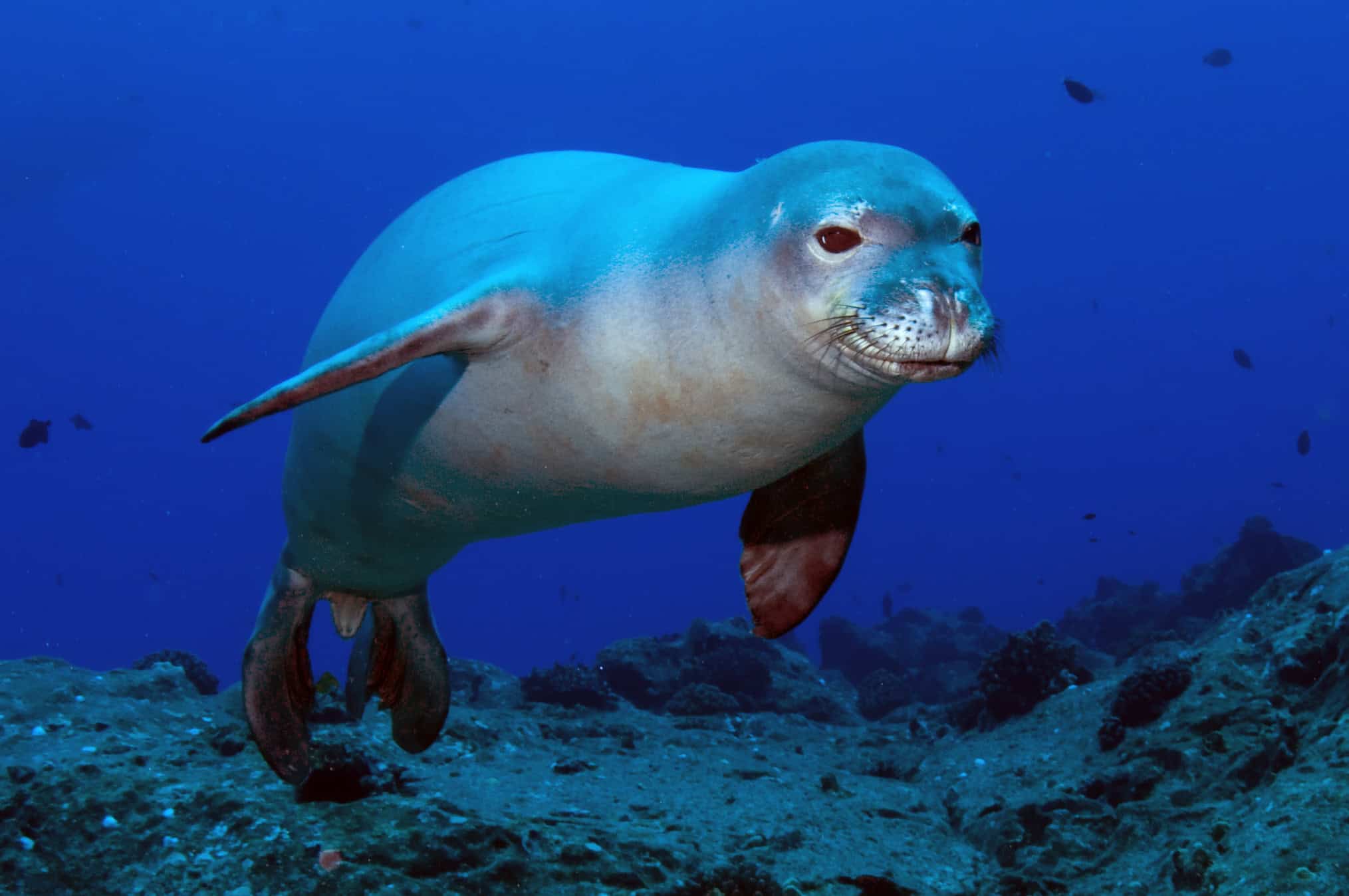
Sunbathing on a remote Hawaiian beach, the Hawaiian monk seal looks like a creature from another world. Only about 1,400 remain, making them one of the rarest marine mammals on earth. These seals face threats from entanglement, habitat loss, and disease. They spend much of their lives alone, and their shy nature means most visitors to Hawaii will never see one in person. Their survival story is both beautiful and precarious.
4. Ivory-Billed Woodpecker

The ivory-billed woodpecker is the stuff of legend. For decades, it was thought extinct, with only hopeful rumors and grainy footage to keep the dream alive. If it still survives, it haunts the bottomland forests of the Southeast, where its striking black-and-white plumage and loud calls once echoed through the trees. Searching for this bird is like searching for a ghost—most ornithologists would give anything for just one confirmed glimpse.
3. Sonoran Pronghorn
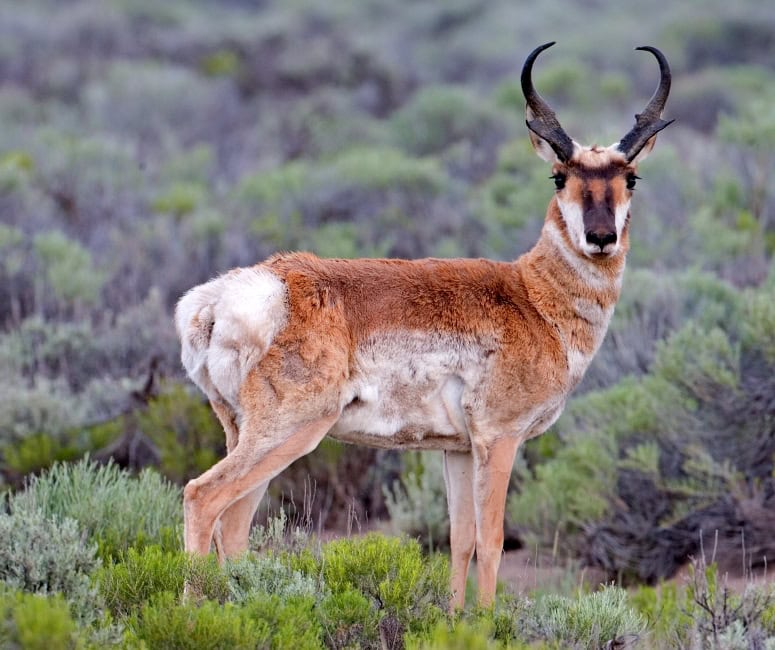
The Sonoran pronghorn is a desert speedster built for survival. Fewer than 200 are believed to roam the arid landscapes of southern Arizona. With their slender bodies and incredible running speed, they’re perfectly adapted to life in the harsh desert. Yet drought, barriers, and shrinking habitat keep their future uncertain. These antelope-like animals are so rare that even experienced naturalists rarely catch more than a distant flash.
2. Appalachian Cottontail

Blending perfectly with the underbrush, the Appalachian cottontail is a rabbit most people have never heard of, let alone seen. Found in the mountains of the eastern U.S., it looks much like the more common eastern cottontail, but it’s a separate, much rarer species. These rabbits are shy, quick to vanish at the slightest hint of danger. Their secretive nature and dwindling habitat mean a wild sighting is a special event for any wildlife lover.
1. Pacific Fisher
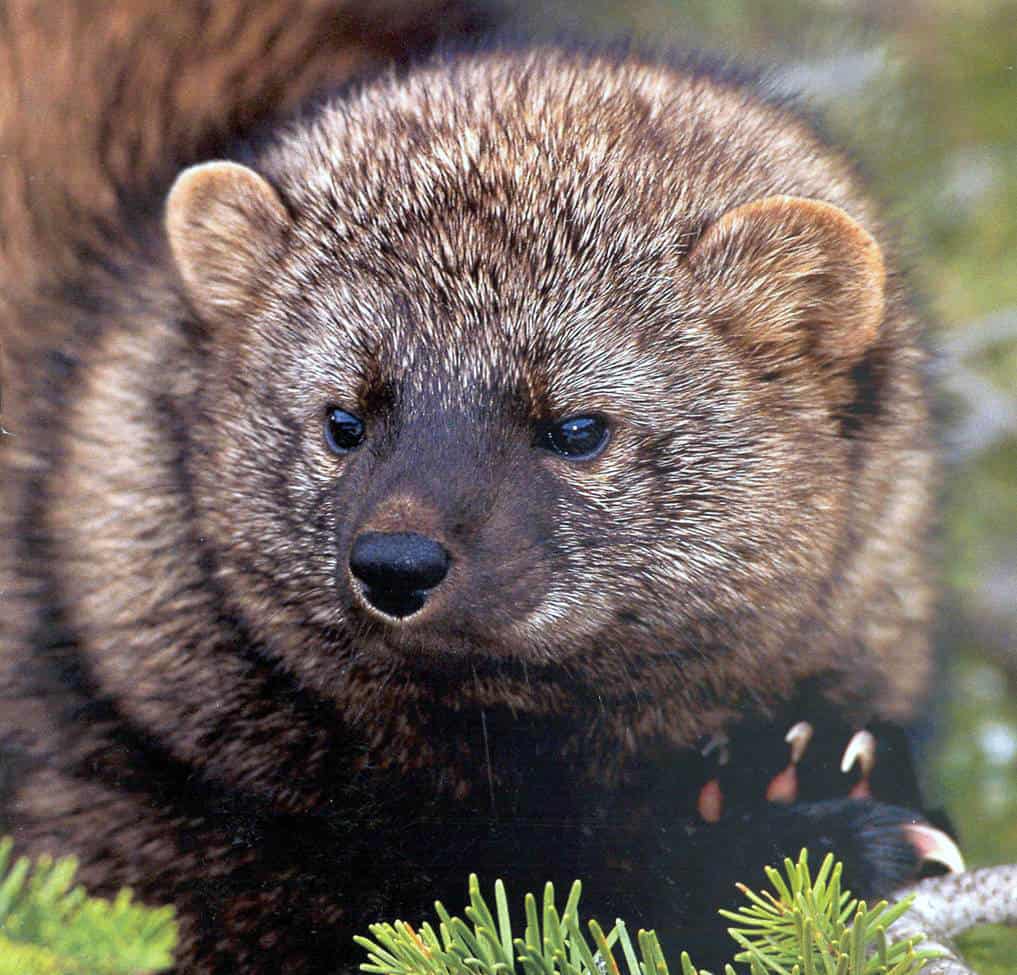
Rounding out the list is the Pacific fisher, a member of the weasel family that’s both fierce and elusive. Living in the dense forests of the Pacific Northwest and California, fishers are rarely seen by humans. They climb trees with ease and hunt everything from small mammals to porcupines. The destruction of old-growth forests has left their numbers perilously low. Spotting a Pacific fisher in the wild is like finding a needle in a haystack—a moment you’ll never forget.
Conclusion
America’s rarest animals are more than just fascinating curiosities—they’re living reminders of the wildness that still exists, hidden in the shadows and corners of our country. Each one faces its own challenges, and every sighting is a small victory for nature. Their stories urge us to look closer, care deeper, and remember that even the most secretive creatures deserve a place in our world. Which one would you hope to spot on a wild adventure?

As a little kid, I fell in love with nature, wildlife, and animals. Living in the USA, South Africa, Italy, China and Germany gave me the opportunity to discover the world's Wildlife. My favorite animals are Mountain Gorillas, Siberian Tigers, and Great White Sharks.
I'm a certified PADI Open Water Diver, went to Everest Base Camp and Trekked Gorillas in Uganda. I hold a Master of Science in Economics and Finance.
Please send any feedback to feedback@animalsaroundtheglobe.com
- 13 Rare U.S. Animals You Might Never See - July 13, 2026
- 12 Animals That Became More Aggressive Due to Climate Change - July 12, 2026
- 12 Dog Breeds That Can Face a Leopard in the Wild - July 12, 2026
Leave a comment
You must be logged in to post a comment.