
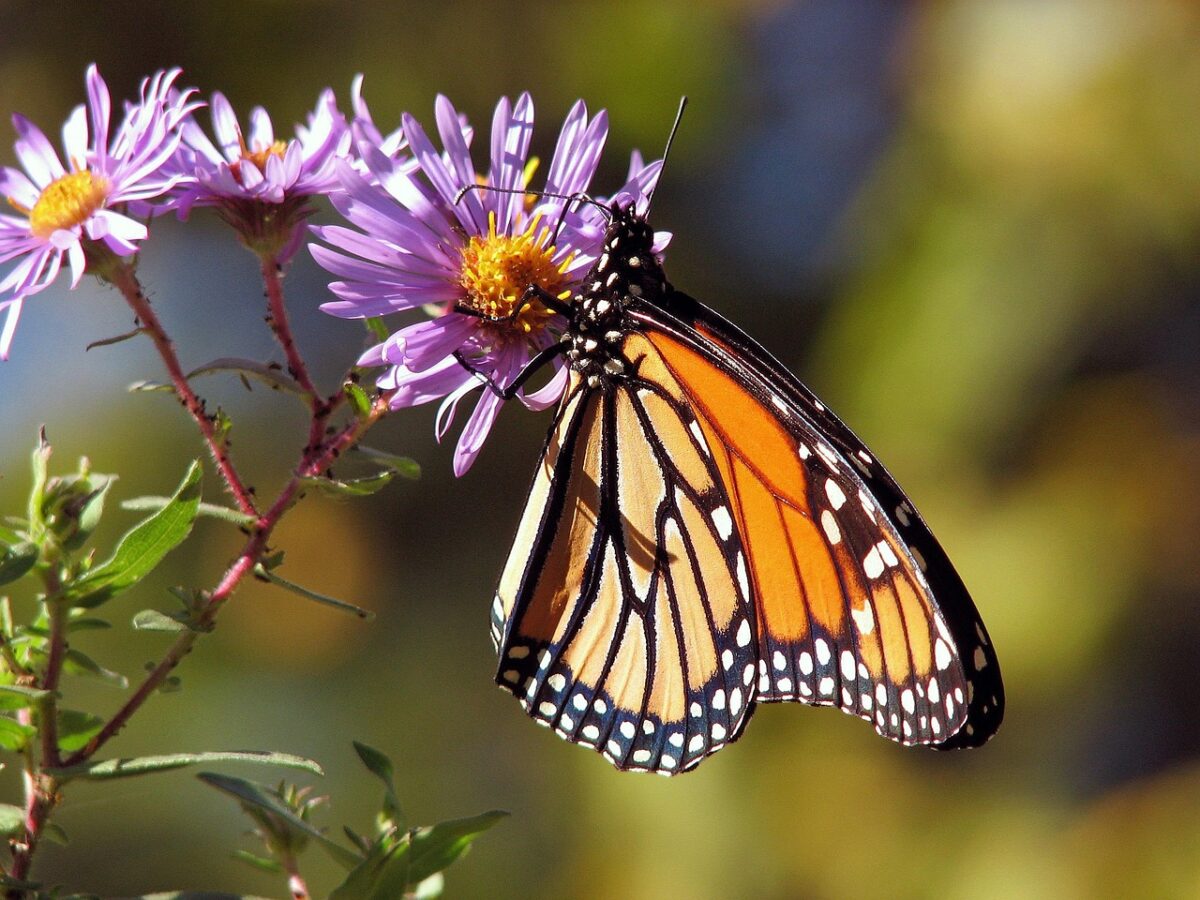
Everyone assumes a butterfly garden is just a few pretty flowers and good intentions. But the neighbor leaning over your fence with their phone out, snapping pictures of your yard instead of walking their dog? They’ve noticed something you built on purpose, not by accident.
Most butterfly gardens fail quietly. Wrong plants, wrong timing, and a handful of missing details nobody warns you about. What separates a forgettable flower bed from the kind of yard that stops foot traffic comes down to fourteen specific choices, and a few of them are going to surprise you.
14. Plant a Butterfly Bush for a Nonstop Nectar Show
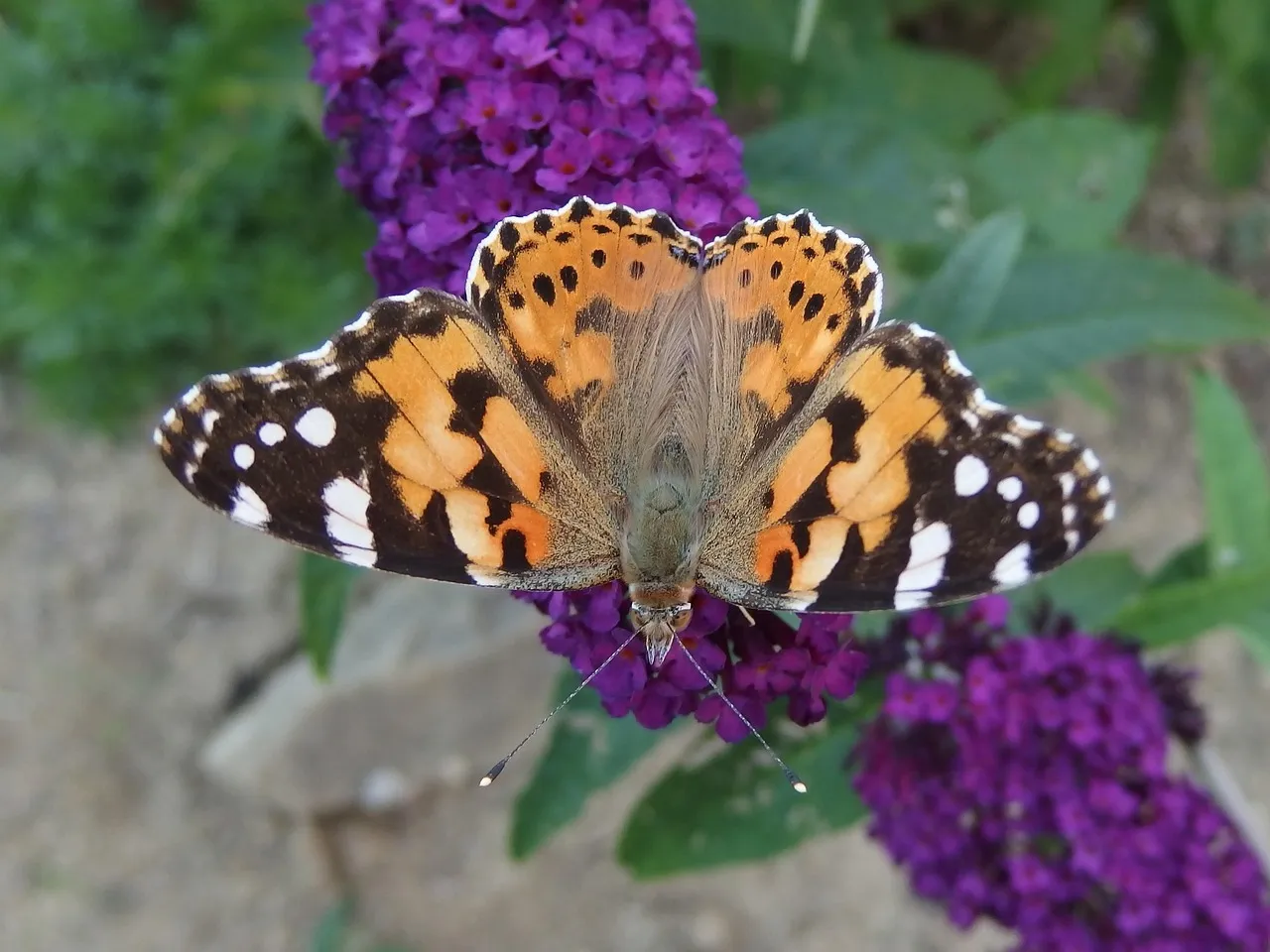
The Butterfly Bush earns its name honestly. Its long, fragrant flower spikes bloom from summer straight through early fall, which means it’s rarely without a visitor. In purple, pink, white, or yellow, it does double duty as both a butterfly magnet and a genuine showpiece.
Here’s the catch nobody mentions at the garden center: some varieties of Buddleia spread aggressively and crowd out native plants. Stick to compact, non-invasive cultivars like ‘Miss Molly’ or ‘Blue Chip,’ plant them in full sun with well-drained soil, and you get all the drama without the guilt.
13. Plant Milkweed Before It’s Too Late for the Monarchs
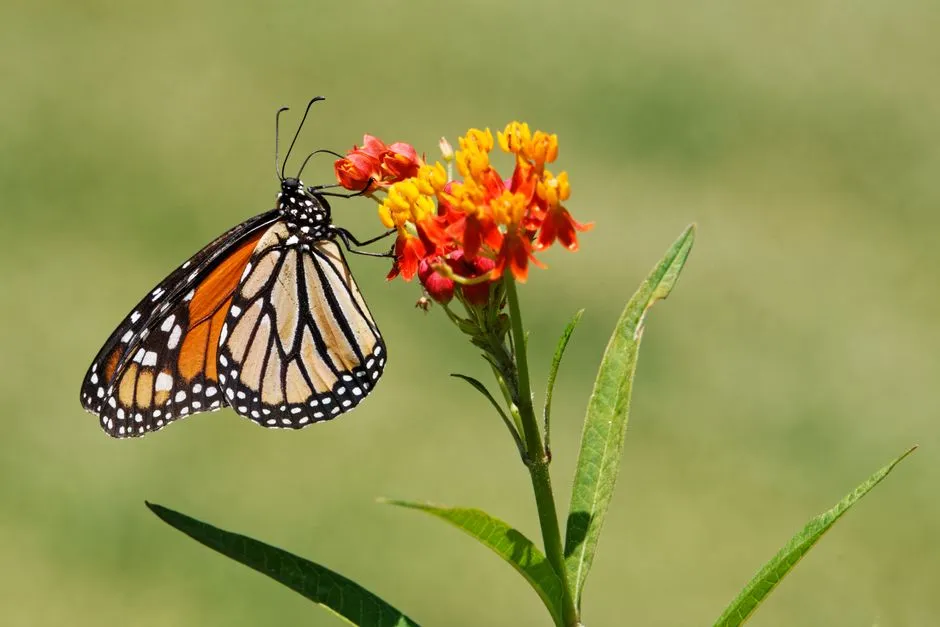
Milkweed isn’t just another pretty option on this list. It’s the only plant Monarch caterpillars can eat, period. No milkweed in your yard means no Monarch babies in your yard, no matter how many other flowers you plant.
Go with native varieties like Common Milkweed or Swamp Milkweed so they actually thrive in your climate instead of struggling through it. These perennials love full sun and well-drained soil, and once established, they quietly turn your backyard into a rest stop on one of the most fragile migrations in North America.
Fast Facts
- Monarch caterpillars can only eat milkweed leaves – nothing else will do
- North America is home to well over 100 native milkweed species
- Monarchs are among the few insects known to migrate thousands of miles, much like birds
- A single milkweed plant can support multiple generations of caterpillars in one season
12. Design With Coneflowers for Reliable, Season-Long Color
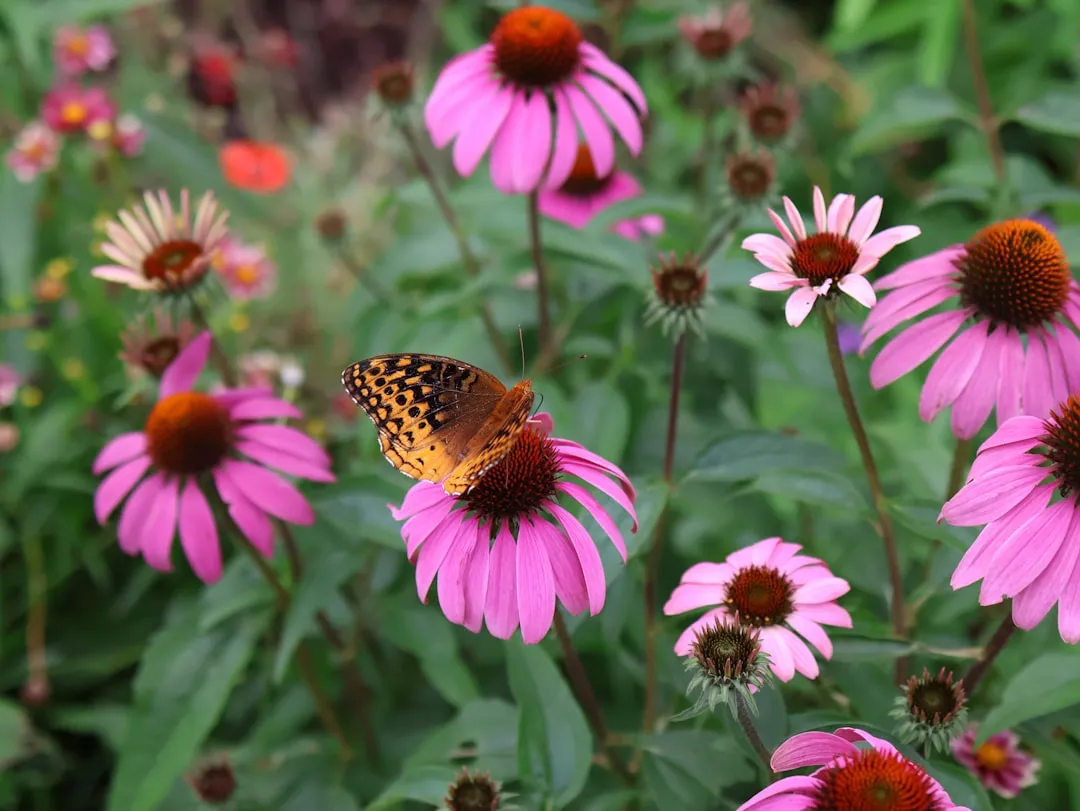
Coneflowers show up when other blooms have already given up. Their big, daisy-like faces are loaded with nectar and hold strong from summer clear through fall, which makes them one of the most dependable plants on this entire list.
They’re drought-tolerant, low-maintenance, and genuinely hard to kill. Cluster them in groups rather than scattering them one by one; butterflies spot a bold patch of color from far away much faster than a single stem hiding in the mix.
11. Add Lantana So Something Is Always Blooming
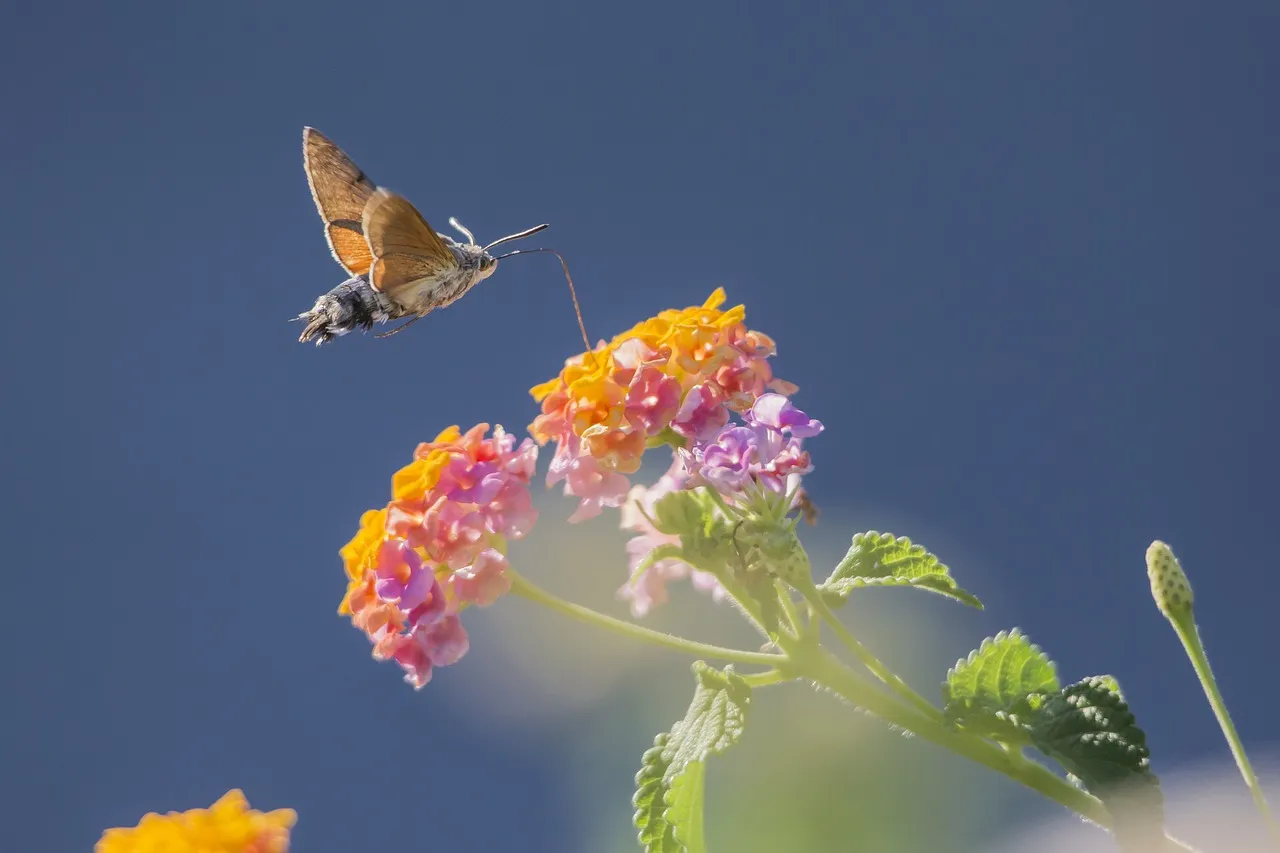
Lantana doesn’t take breaks. Its clusters of tiny, multicolored flowers keep coming from spring all the way until the first frost, which means your garden never hits that awkward dead stretch with nothing to offer.
It shrugs off heat and drought like it’s nothing, which makes it a favorite in yards where other plants quietly give up by August. Deadhead it regularly and the blooms just keep coming, keeping your garden lively when everyone else’s has gone quiet.
10. Sow a Wildflower Meadow Instead of a Perfect Lawn
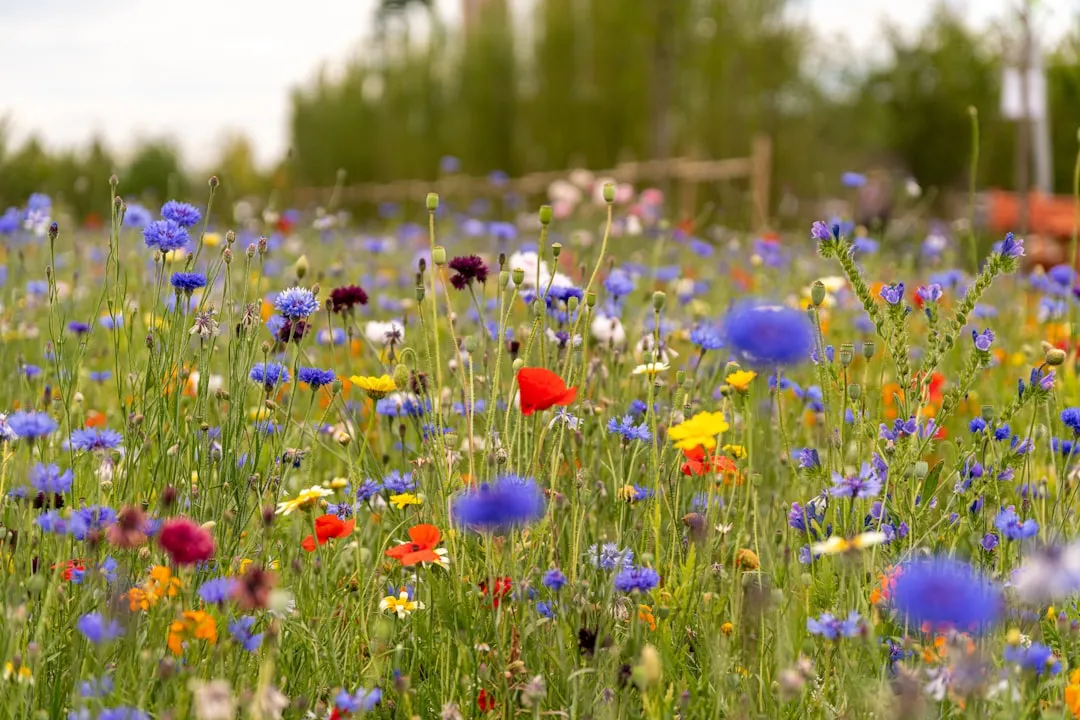
A patch of wildflowers looks a little wild and a little unruly, and that’s exactly the point. Instead of a single food source, it offers dozens, mimicking the messy, layered habitats butterflies actually evolved to live in.
Mix in native species like Black-eyed Susan, Coreopsis, and Aster and the whole patch shifts color and texture as the seasons change. It’s less work than a manicured flower bed, and it ends up supporting far more life.
9. Set Out Flat Stones for Basking Butterflies
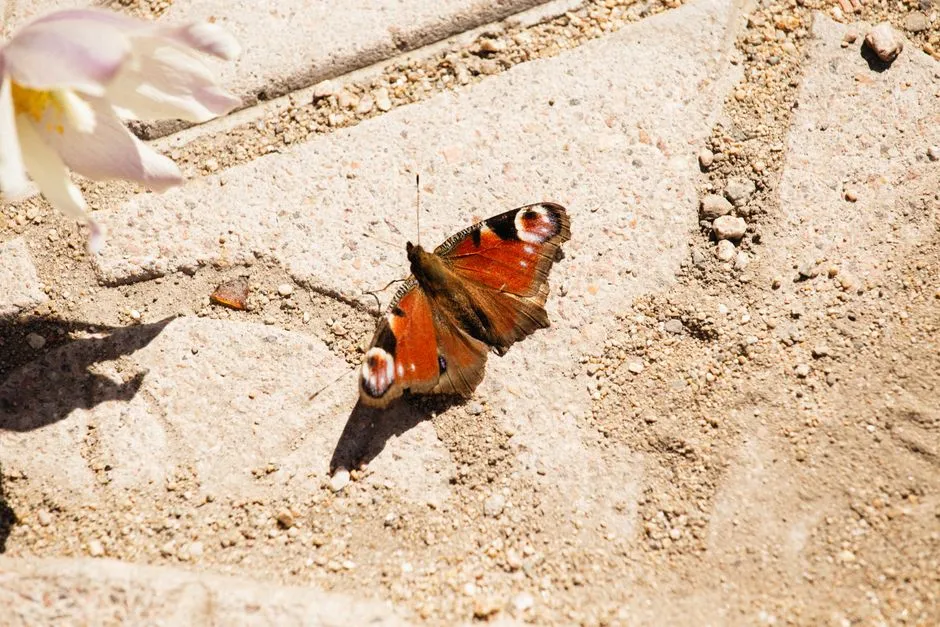
Butterflies can’t regulate their own body heat. They depend entirely on the sun, which means a simple flat stone in a sunny spot becomes a warming station they genuinely need to fly at all.
Place a few near your nectar plants so butterflies don’t waste energy traveling between warming up and feeding. It’s one of the cheapest additions on this list, and almost nobody thinks to include it.
8. Give Them a Puddle, Not Just a Flower
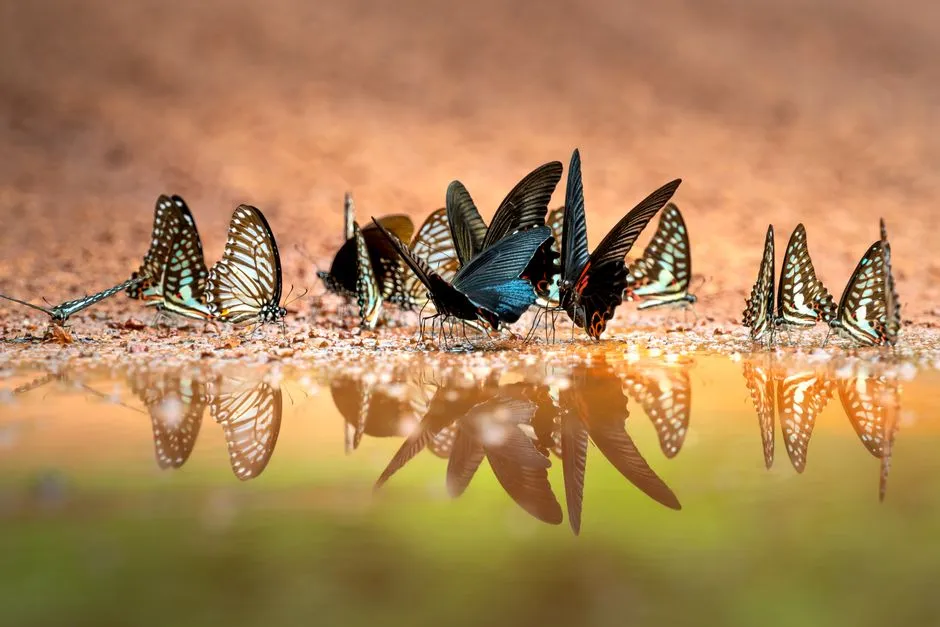
Nectar isn’t the whole story. Butterflies also need water and minerals, and they get both from something called puddling, gathering around shallow damp mud or sand to drink and absorb salts they can’t get anywhere else.
A shallow dish filled with wet sand, tucked into a sunny, sheltered spot, becomes a private watering hole. Keep it topped off and you’ll start noticing butterflies clustering there in ways your neighbors have probably never seen up close.
Worth Knowing
- Male butterflies puddle far more often than females, often seeking sodium to pass along during mating
- Puddling spots sometimes draw several different species drinking side by side
- Damp compost, rotting fruit, or wet gravel can work as a puddling station in a pinch
- A puddling area rarely needs more than a shallow dish and a sunny, sheltered corner
7. Plant Verbena for Height and Nonstop Nectar
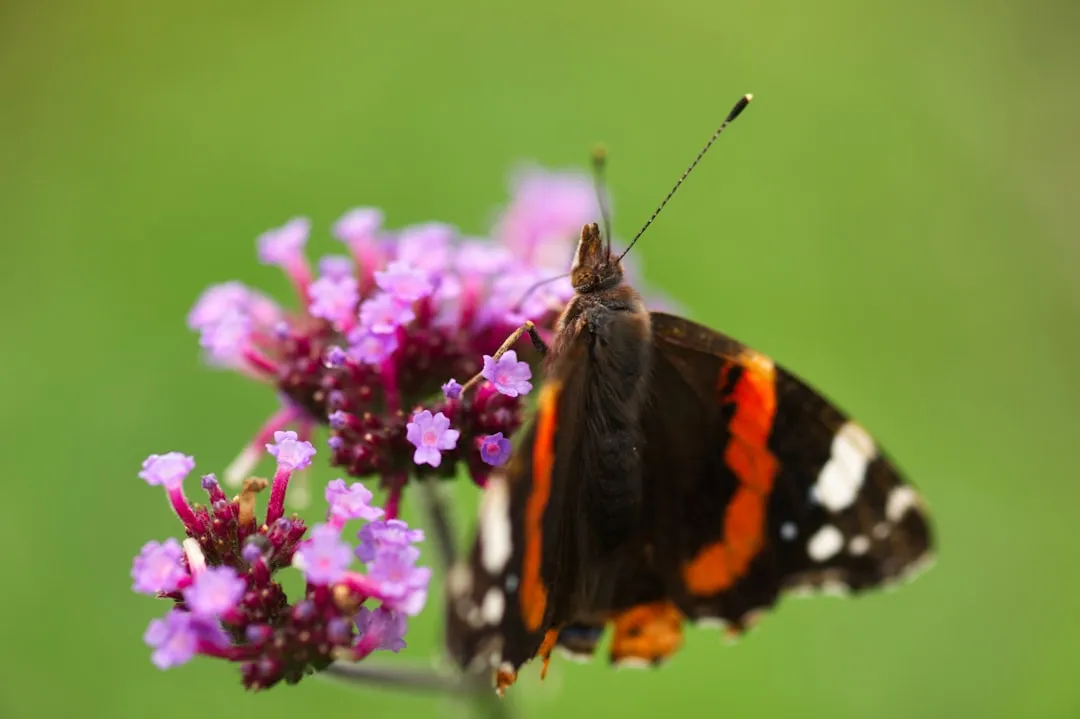
Verbena bonariensis brings something most butterfly plants don’t: height. Its tall, airy purple blooms rise above everything else in the bed, blooming steadily from early summer clear into autumn.
It’s drought-tolerant, low-fuss, and takes up almost no ground space despite its height, so it slots into tight garden corners without crowding anything out. The vertical interest alone makes a flat garden bed suddenly look designed.
6. Let Native Grasses Do the Quiet Work
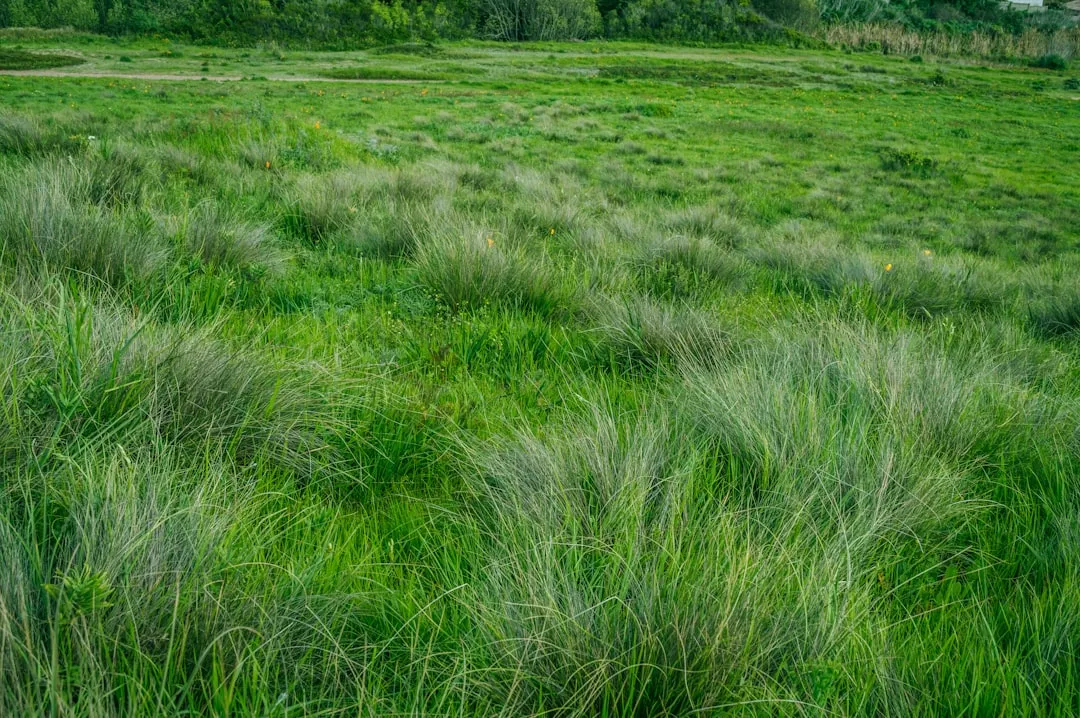
Grasses don’t get the glory, but Little Bluestem and Switchgrass are doing something the flowers can’t: offering shelter. Their dense blades give butterflies a place to hide from wind, weather, and predators.
They’re tough, low-maintenance, and adapt to almost any soil, which makes them an easy add-in rather than a redesign. Skip them and your garden feeds butterflies but gives them nowhere safe to actually live.
5. Plant Shrubs Butterflies Can Actually Hide In
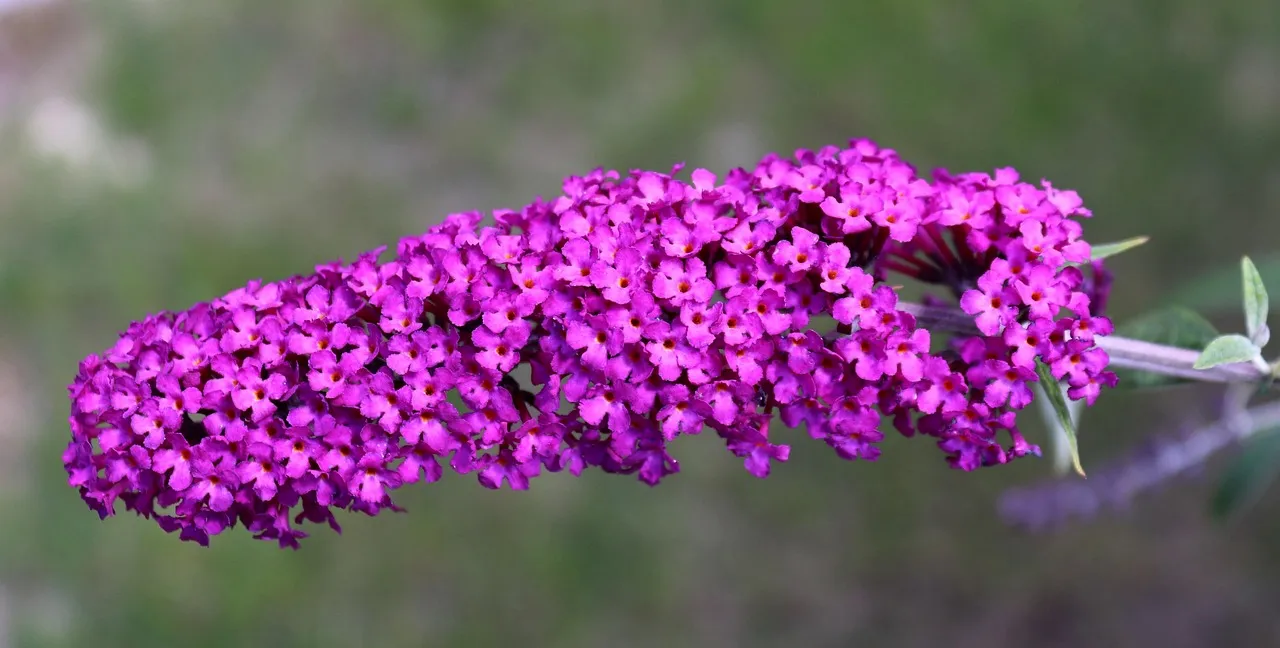
Buttonbush and Spicebush do something flowers alone can’t manage: they create shelter. Their dense branches give butterflies a place to rest, hide from birds, and wait out bad weather.
Planted along a border or as a loose hedge, these shrubs add structure to a garden that might otherwise look flat. They’re nectar source and safe house in one, which is a rare combination in a single plant.
4. Add Host Plants the Caterpillars Actually Eat
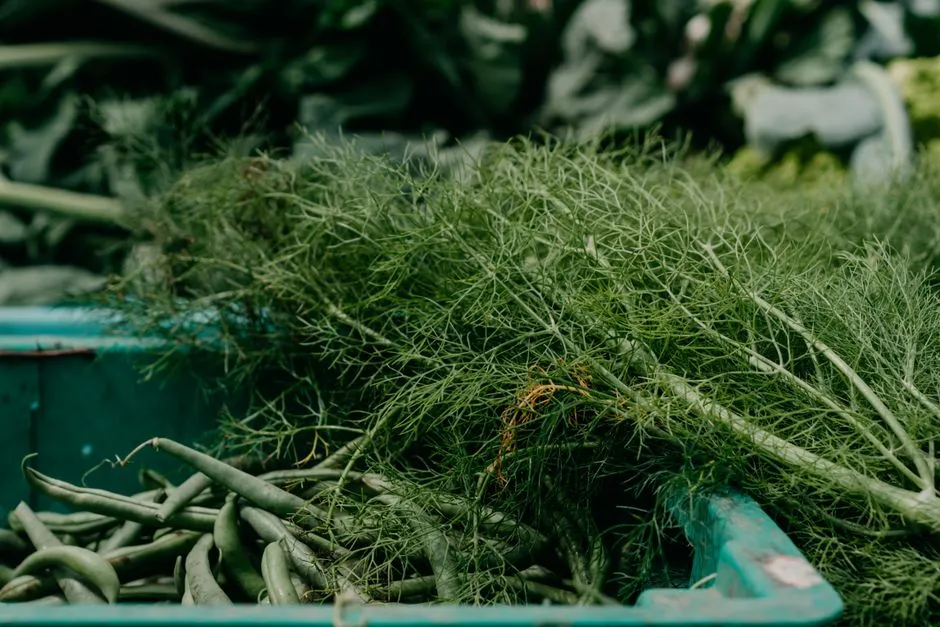
Nectar plants feed adult butterflies, but almost nobody plants for the caterpillars, which is exactly why so many butterfly gardens never see a second generation. Dill, parsley, and fennel are exactly what Black Swallowtail caterpillars need to survive, and they’re plants most people already have in a vegetable patch.
Let a few go unharvested and unpicked. It looks like neglect to a neighbor walking by, but it’s actually the difference between a garden that attracts butterflies and one that raises them from scratch.
Quick Compare
- Black Swallowtail caterpillars – dill, parsley, fennel, and other carrot-family plants
- Monarch caterpillars – milkweed, exclusively
- Eastern Tiger Swallowtail caterpillars – wild cherry, tulip tree, and birch
- Painted Lady caterpillars – thistles and mallows
3. Skip the Pesticides Completely
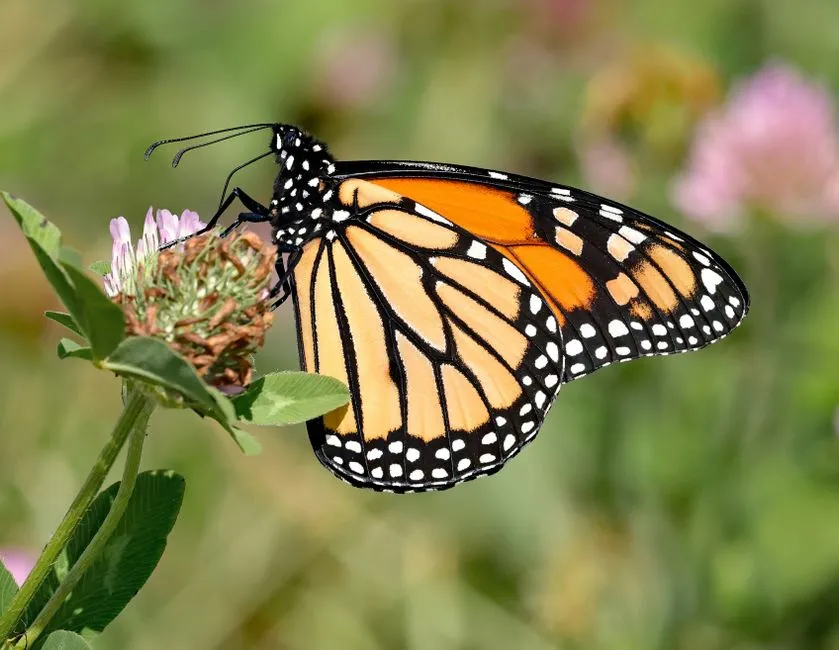
This is the one that quietly ruins everything else on this list. A single round of broad-spectrum pesticide can wipe out the caterpillars, eggs, and adult butterflies you spent all season attracting, even if the spray was meant for something else entirely.
Butterflies and their larvae are sensitive in a way most garden pests aren’t. If something’s chewing your leaves, hand-pick it or tolerate a little damage. A slightly imperfect leaf is a small price for a garden that’s actually alive.
2. Group Blooms in Color Blocks, Not Scattered Dots
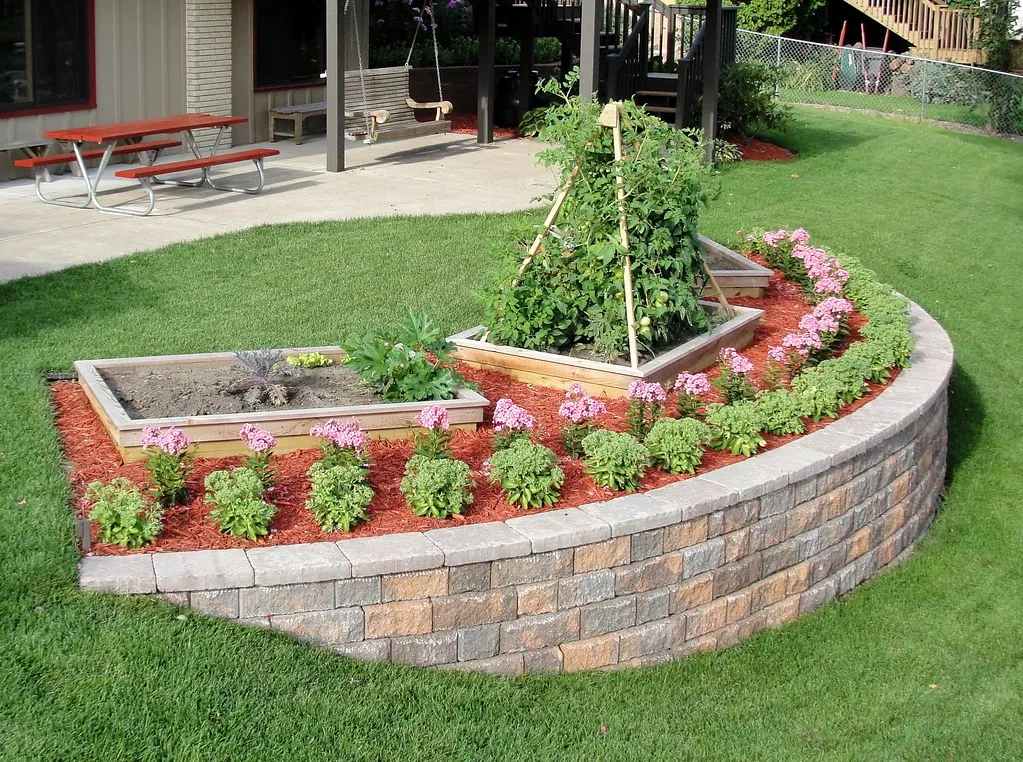
Butterflies see the world in shapes and color masses, not individual flowers. A single coneflower here and a lone lantana there barely registers, but a solid block of the same color practically shouts from across the yard.
Grouping five, ten, or more of the same plant together does two things at once: it makes your garden dramatically easier for butterflies to find, and it’s the exact visual trick that makes a yard look professionally designed instead of thrown together.
1. Leave the Leaves Alone This Fall

Here’s the part almost nobody wants to hear. Many butterfly and moth species overwinter as eggs, chrysalises, or caterpillars tucked inside fallen leaves and dead plant stems, exactly the stuff most people rake up and haul to the curb every autumn.
A clean, tidy fall cleanup can quietly erase an entire season’s worth of butterflies before they ever get the chance to emerge. Leave a messy corner of your yard untouched through winter, and you’re not being lazy, you’re running a nursery.
At a Glance
- Many swallowtail species overwinter as chrysalides attached to stems and twigs
- Luna moths and other native moths spend winter tucked inside leaf litter
- A single untouched leaf pile can shelter dozens of overwintering insects
- Waiting until nights stay reliably above 50°F before spring cleanup gives emerging insects a safe window to leave
Here’s the uncomfortable truth behind all fourteen of these: a butterfly garden isn’t a flower garden that got lucky. It’s a set of deliberate, sometimes unglamorous decisions, skipping the pesticide, tolerating the chewed leaf, leaving the messy pile of leaves nobody wants to look at through winter.
A tidy yard gets a polite nod from the neighbors. A layered, imperfect, host-plant-heavy butterfly garden gets people stopping mid-walk to stare. If you have to choose between the two, choose the one that actually has something alive in it.

- 14 Butterfly Garden Ideas That Make Every Neighbor Stop and Stare - July 13, 2026
- 6 US States With the Most Salmon - July 12, 2026
- 14 Signs Your Dog Has Started Living in the Moment More Than You Do - July 12, 2026