

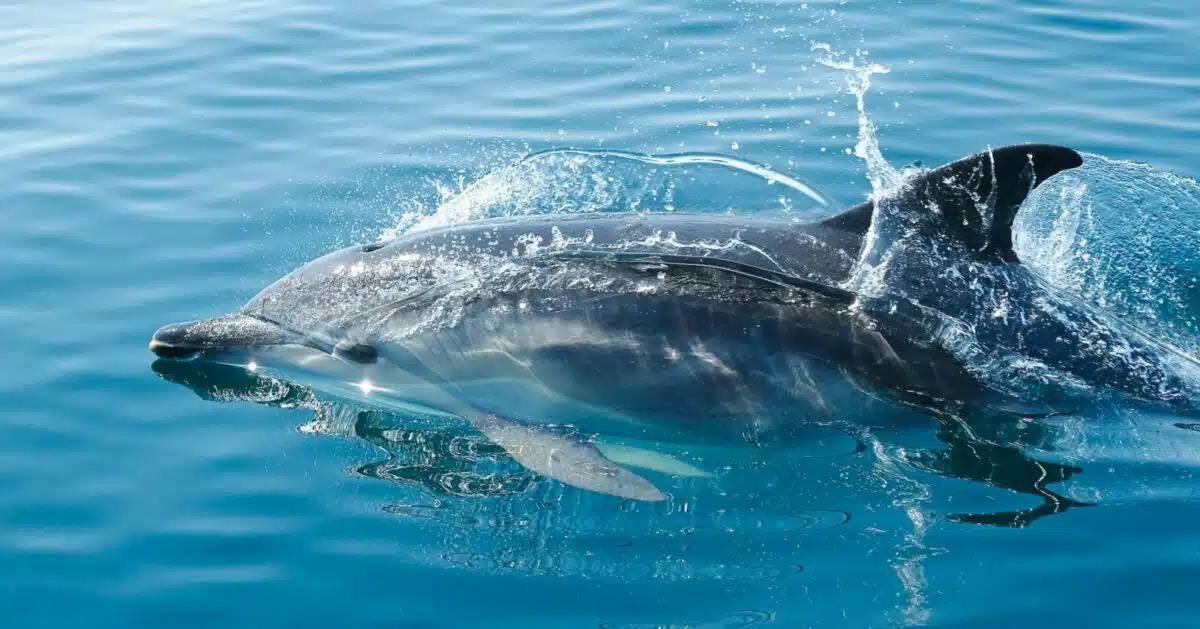
Beneath the waves of our vast oceans swims one of nature’s most remarkable intellects. Dolphins have captivated scientists and animal enthusiasts alike with their extraordinary cognitive abilities and complex social behaviors. While intelligence across species is notoriously difficult to measure definitively, dolphins consistently demonstrate remarkable problem-solving skills, self-awareness, and social complexity that rival many primates. Their large brains relative to body size, intricate communication systems, and ability to learn abstract concepts place them among the planet’s most intellectually advanced creatures. In this comprehensive exploration, we’ll dive deep into the fourteen compelling reasons why dolphins are widely considered one of the animal kingdom’s most intelligent inhabitants, examining the fascinating research and observations that have led scientists to this conclusion.
Exceptional Brain Size and Structure
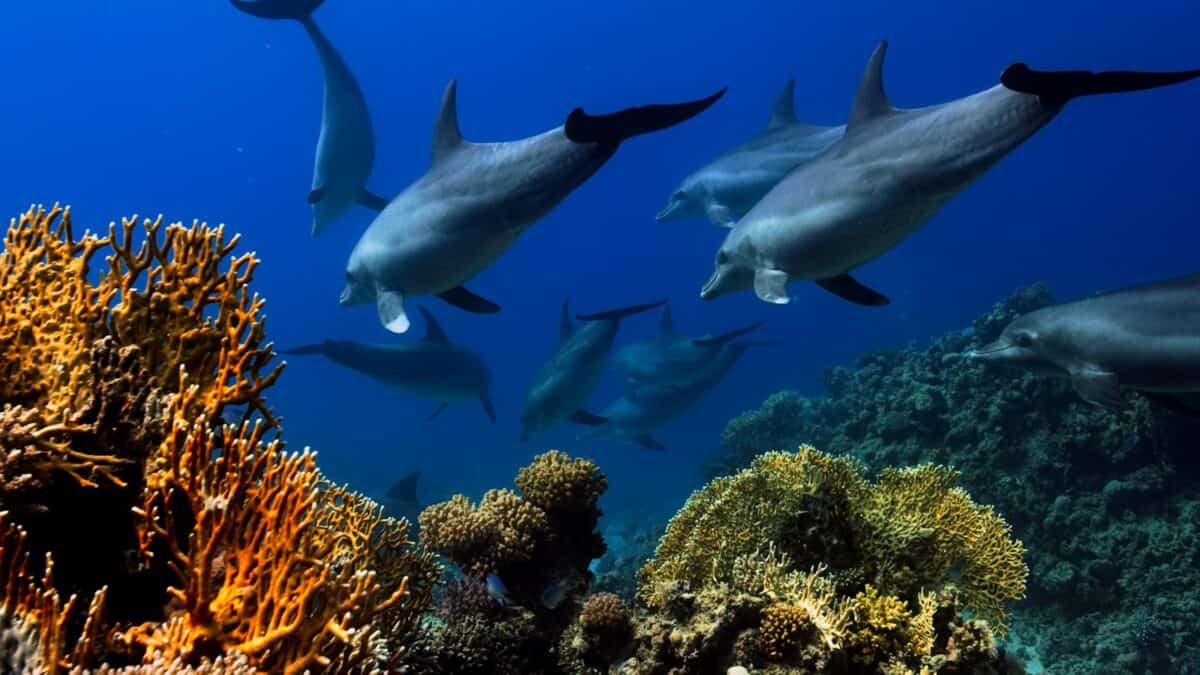
Dolphins possess remarkably large brains relative to their body size, with an encephalization quotient (EQ) – a measure comparing brain size to body mass – second only to humans. The average adult bottlenose dolphin has a brain weighing approximately 1,500-1,700 grams, while a human brain typically weighs about 1,300-1,400 grams. This impressive brain-to-body ratio provides the neurological foundation for their advanced cognitive abilities. What makes their brains particularly special isn’t just size but structure.
The dolphin neocortex, the part of the brain associated with higher-order thinking and processing, is highly developed and contains a dense concentration of neurons. Their brain structure shows a high degree of convolution (folding), which increases surface area and neural capacity. Interestingly, dolphins have evolved a different brain organization than primates yet have independently developed similar advanced cognitive abilities through what scientists call “convergent evolution” – a fascinating example of how intelligence can emerge through different evolutionary pathways.
Self-Awareness and Mirror Recognition
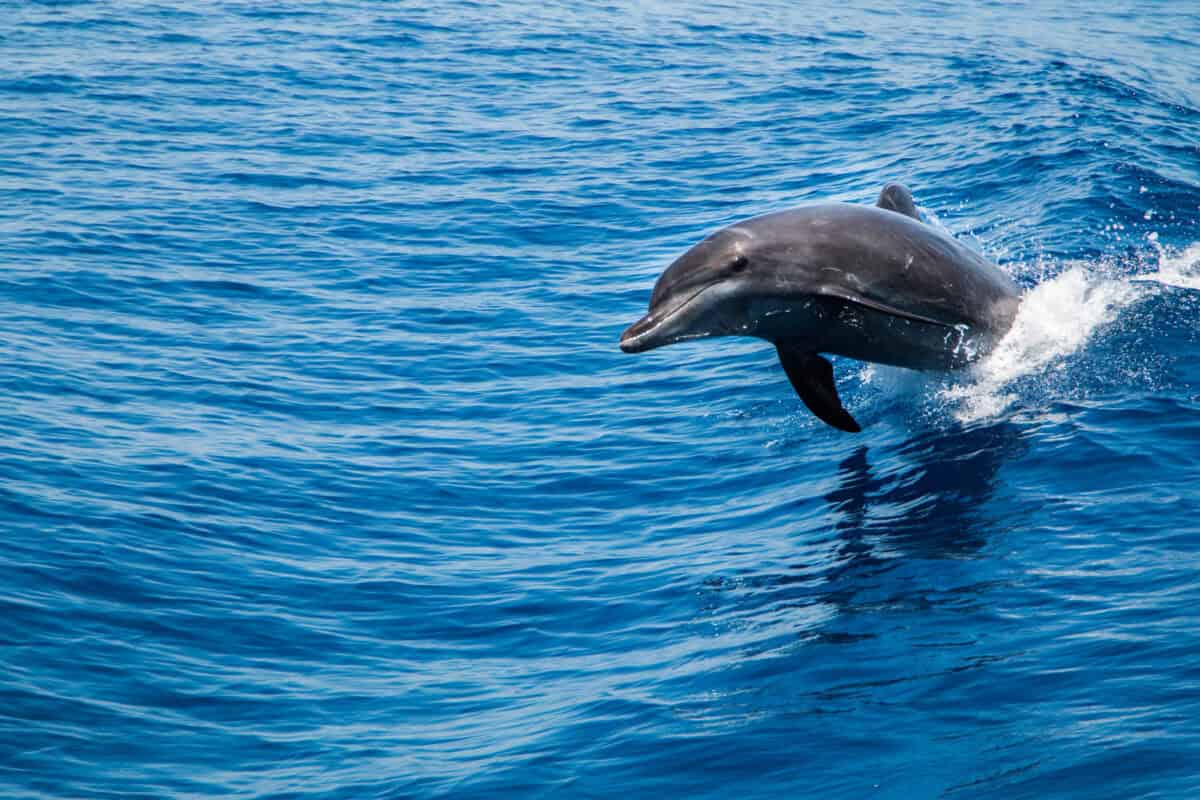
One of the most compelling indicators of advanced cognition in dolphins is their demonstrated self-awareness through mirror recognition tests. In groundbreaking research, scientists placed temporary marks on dolphins’ bodies in locations they couldn’t normally see. When presented with mirrors, the dolphins adjusted their positions to view the marks, demonstrating they recognized their own reflections and understood the mirror was showing them their own bodies. This self-recognition ability has only been documented in a handful of species including great apes, elephants, and magpies.
Beyond simple recognition, dolphins show evidence of using mirrors for self-directed behaviors like examining parts of their bodies they can’t normally see. This level of self-awareness suggests a sophisticated understanding of themselves as individuals distinct from their environment and other animals. Self-awareness is considered a fundamental building block for more complex forms of consciousness and is often linked to the capacity for empathy and understanding others’ perspectives – abilities dolphins have repeatedly demonstrated in various contexts.
Complex Language and Communication Systems
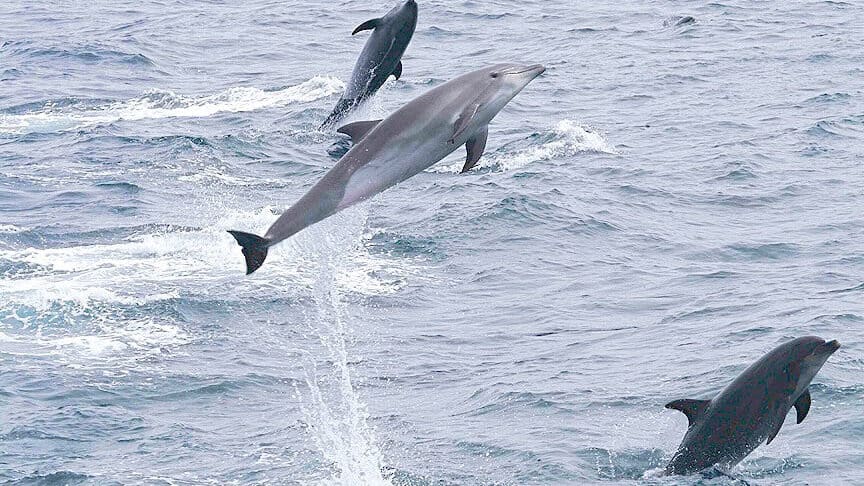
Dolphins possess one of the most sophisticated communication systems in the animal kingdom, featuring a diverse repertoire of clicks, whistles, and body language. Each dolphin develops a unique “signature whistle” that functions much like a name, which they use to identify themselves and call to others. Research has shown that dolphins can remember these signature whistles for decades, recognizing old companions even after long periods of separation – demonstrating remarkable long-term social memory.
Their communication extends beyond simple signals to what appears to be a complex language system. Dolphins have been observed using syntax-like structures in their vocalizations and can understand artificial languages created by humans. Studies at the Wild Dolphin Project have documented regional “dialects” among dolphin populations, suggesting cultural transmission of communication patterns. While scientists haven’t fully decoded dolphin language, the evidence points to a communication system with many elements parallel to human language, including referential signaling (using sounds to refer to specific objects or concepts) and the ability to communicate about past and future events.
Tool Use and Problem-Solving

Dolphins have repeatedly demonstrated sophisticated tool use in both wild and captive settings, placing them among the select few animal species known to use tools. In Australia’s Shark Bay, scientists have documented bottlenose dolphins using marine sponges as protective nose guards while foraging on the seabed, a behavior known as “sponging.” This cultural practice is primarily passed from mother to daughter, representing a form of material culture previously thought exclusive to great apes and humans. Other documented tool use includes carrying shells to trap fish and using empty shells for play.
Their problem-solving abilities extend beyond tool use to understanding complex causal relationships. In laboratory settings, dolphins quickly grasp the relationship between their actions and rewards, often figuring out solutions faster than researchers anticipate. They’ve been observed creating bubbles to trap fish, coordinating with other dolphins to herd prey, and developing innovative hunting techniques specific to their local environments. These abilities demonstrate not just intelligence but creativity and adaptability – hallmarks of advanced cognition.
Cooperative Hunting Strategies
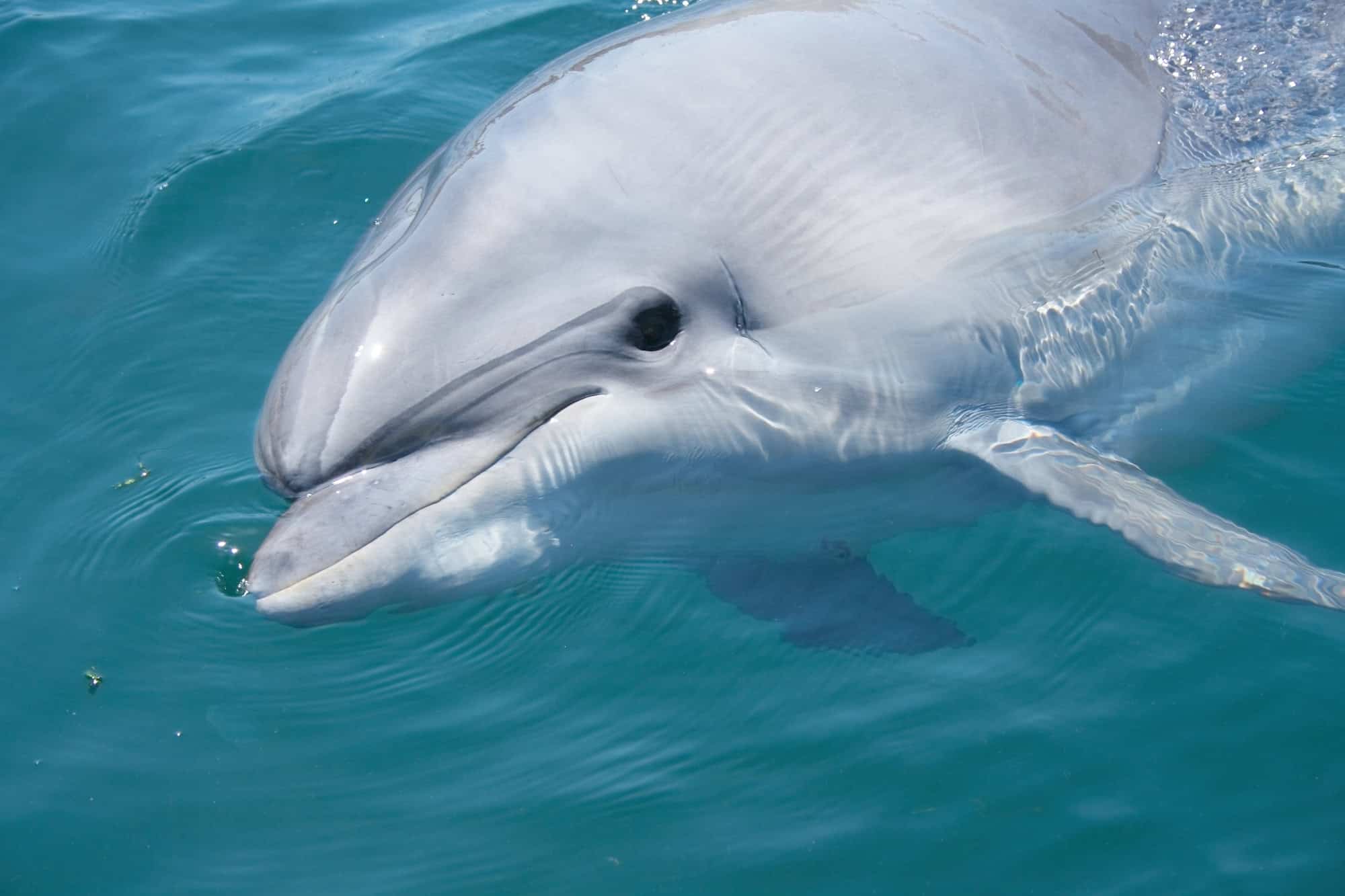
Dolphins exhibit remarkably sophisticated cooperative hunting behaviors that require planning, coordination, and role specialization. One of the most impressive examples is the “mud ring” technique employed by bottlenose dolphins in Florida. A group of dolphins will circle a school of fish while one dolphin slaps its tail on the muddy seafloor, creating a ring of suspended sediment that acts as a net. The fish, attempting to escape the turbid water, jump out of the ring directly into the waiting mouths of other dolphins positioned strategically around the perimeter.
Even more impressive is their ability to coordinate with other species. In Brazil, dolphins have been documented working collaboratively with human fishermen in a tradition dating back generations. The dolphins herd fish toward the fishermen’s nets, giving signals when it’s time to cast, and then feeding on the fish that escape. This cross-species cooperation demonstrates not just intelligence but an understanding of mutual benefit and interspecies communication. Such complex coordination requires sophisticated cognitive abilities including planning, communication, role comprehension, and the understanding of others’ intentions.
Cultural Learning and Knowledge Transmission

Dolphins demonstrate robust cultural learning and knowledge transmission systems that rival those of great apes. Young dolphins learn complex skills through a combination of observation, imitation, and guided practice from their mothers and other community members. The transmission of specialized hunting techniques like sponging in Shark Bay provides clear evidence of cultural learning rather than genetic inheritance, as these behaviors are passed primarily through social learning rather than genetics.
Research has identified distinct “dolphin cultures” with different populations exhibiting unique behaviors not explained by ecological factors alone. For example, some dolphin groups engage in “strand feeding” – a dangerous technique where they temporarily beach themselves to catch fish on shore, while others never develop this behavior despite similar environments. The cultural diversity observed across dolphin communities demonstrates their ability to innovate, maintain, and transmit knowledge across generations – a hallmark of advanced social cognition that creates distinct cultural identities within dolphin societies.
Abstract Concept Understanding
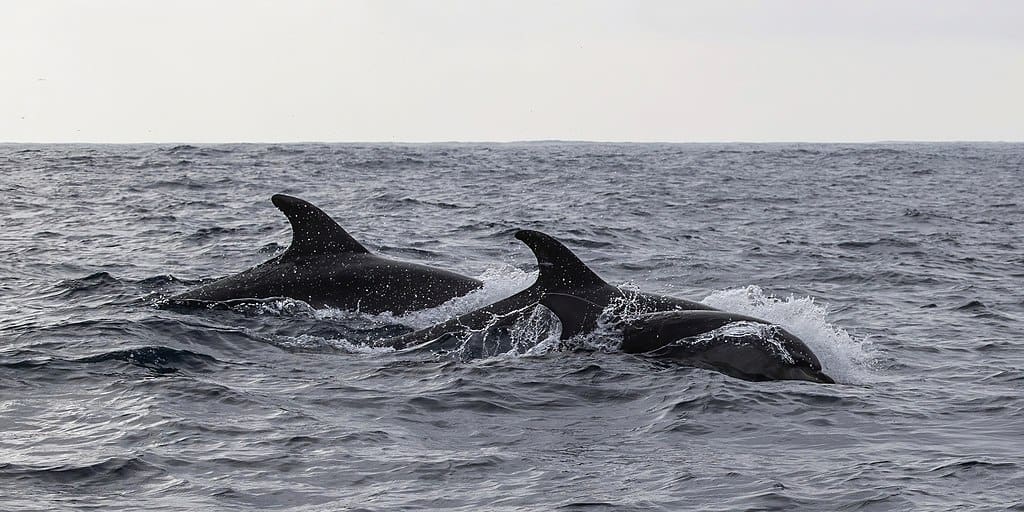
Dolphins have demonstrated the ability to understand abstract concepts that were once thought to be uniquely human cognitive abilities. Research with dolphins has shown they comprehend concepts like “same” and “different,” understanding the relationships between objects rather than just the objects themselves. In laboratory settings, dolphins have successfully completed tasks requiring them to select objects based on abstract properties rather than physical characteristics – a form of conceptual thinking that demonstrates sophisticated cognitive processing.
Even more impressively, dolphins can understand symbolic language and syntax. In groundbreaking work by researchers like Dr. Louis Herman, dolphins learned to respond correctly to commands given in artificial languages with different word orders and grammatical rules. They could understand sentences like “bring the surfboard to the person” versus “bring the person to the surfboard,” showing they comprehend not just individual symbols but how their arrangement changes meaning. This understanding of abstract linguistic concepts and rules represents one of the highest levels of cognitive processing observed in non-human animals.
Emotional Intelligence and Empathy
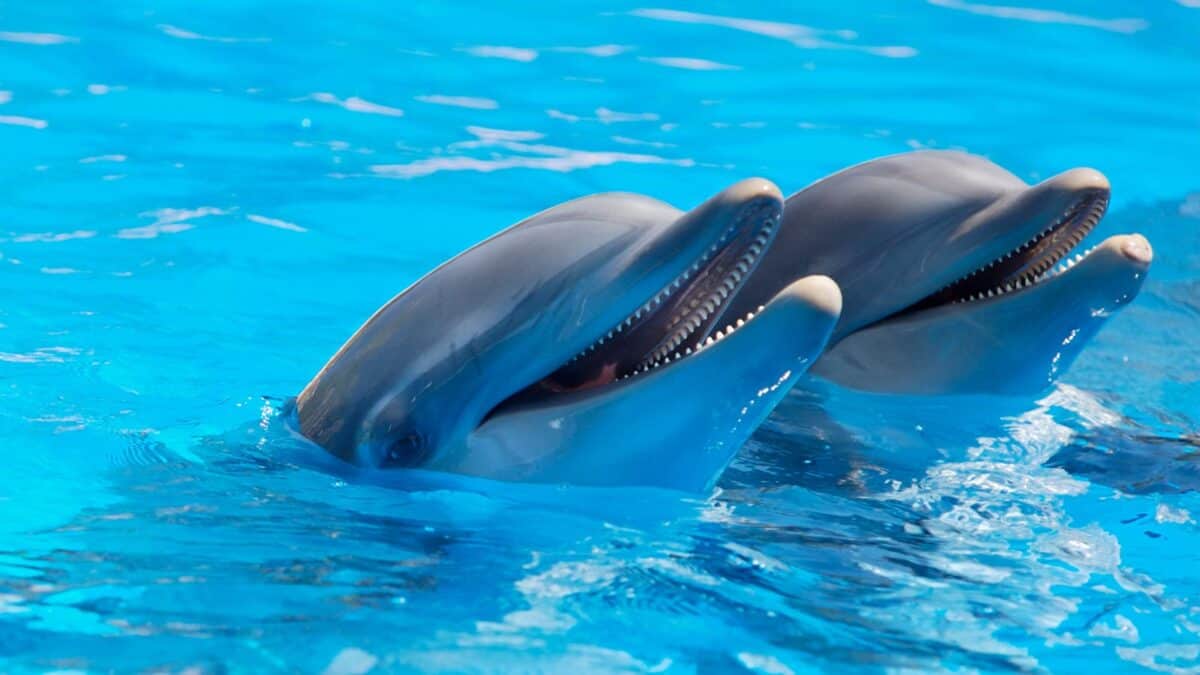
Dolphins display remarkable emotional intelligence and empathetic behaviors that suggest a deep understanding of others’ mental and physical states. They have been observed supporting sick or injured pod members, lifting them to the surface to breathe and staying with them for extended periods – even at potential risk to themselves. In one well-documented case, dolphins formed a protective ring around a human swimmer being stalked by a great white shark, effectively shielding the person from danger.
Their capacity for grief also suggests sophisticated emotional processing. Dolphins have been observed carrying deceased calves for days or weeks in what appears to be mourning behavior. They form strong social bonds and can become visibly distressed when separated from close companions. These behaviors, combined with their well-developed limbic system (the brain region associated with emotion processing), suggest dolphins possess emotional lives of considerable complexity and depth. Their apparent understanding of others’ emotional states and needs represents a form of social intelligence that facilitates their highly cooperative social structures.
Advanced Memory Capabilities
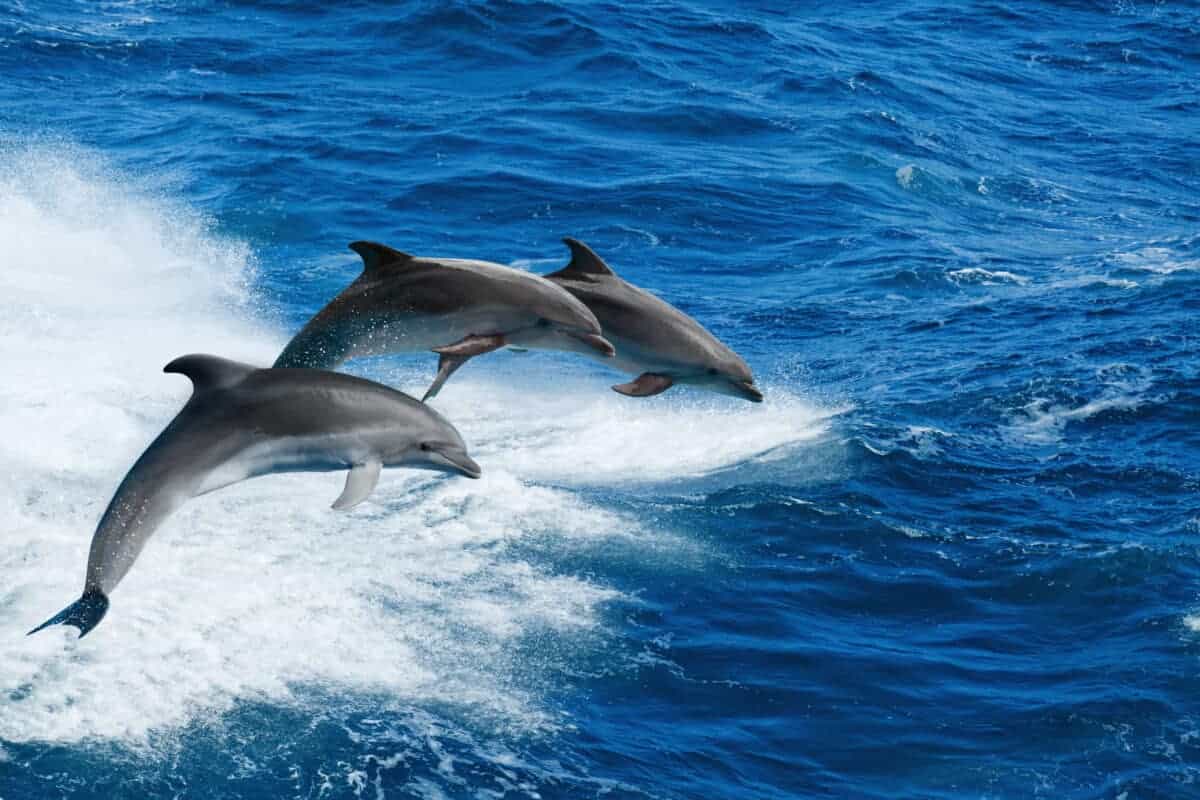
Dolphins possess extraordinary memory capabilities that facilitate their complex social lives and survival strategies. Their social memory is particularly impressive – dolphins can remember and recognize the signature whistles of other individuals even after decades of separation. In one study, a dolphin recognized the whistle of a former tankmate after 20 years of separation, demonstrating long-term memory comparable to humans. This remarkable social memory enables dolphins to maintain complex social networks involving hundreds of individuals across vast oceanic territories.
Beyond social recognition, dolphins demonstrate excellent spatial and procedural memory. They can remember detailed maps of their environments, migration routes spanning thousands of miles, and complex sequences of behaviors. Captive dolphins easily remember dozens of different commands and their corresponding behaviors, often after just a few demonstrations. They also exhibit episodic memory – the ability to recall specific events from their past – which was long thought to be uniquely human. These advanced memory systems provide the cognitive foundation for their social learning, navigation abilities, and cumulative cultural development.
Metacognition and Self-Monitoring
One of the most sophisticated cognitive abilities observed in dolphins is metacognition – the awareness of one’s own knowledge and mental processes. In pioneering research, dolphins have demonstrated they know when they don’t know something, a hallmark of metacognitive awareness. When presented with tasks where they could either attempt to answer or opt out if uncertain, dolphins choose to skip questions they’re unlikely to answer correctly, much like humans would. This ability to monitor one’s own knowledge state requires a level of self-reflection previously thought unique to humans and perhaps some great apes.
This metacognitive ability extends to dolphins’ learning processes as well. They appear to actively monitor their own learning, showing increasing confidence in tasks as they master them and appropriately calibrated uncertainty when facing novel challenges. Such sophisticated self-monitoring facilitates efficient learning and decision-making in complex environments. The presence of metacognition in dolphins suggests a level of conscious awareness and introspection that represents one of the highest forms of cognition in the animal kingdom, supporting the argument for their exceptional intelligence.
Playful Creativity and Innovation
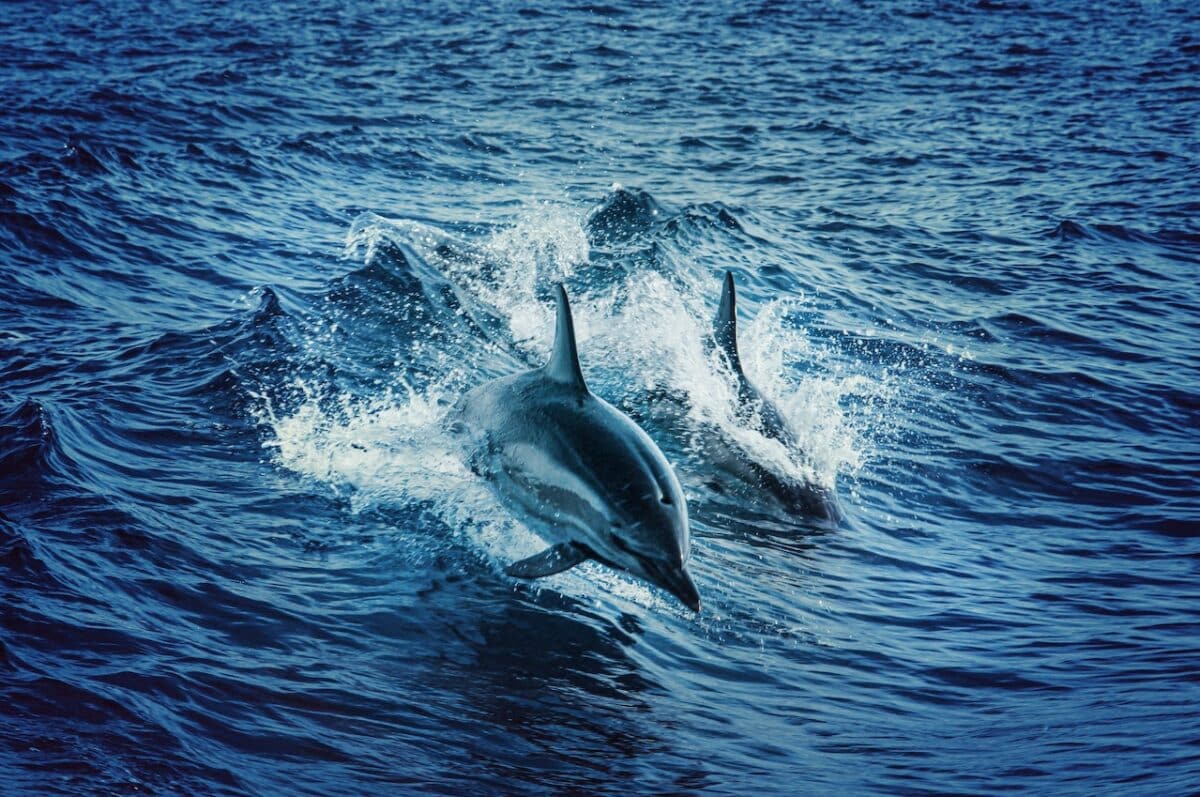
Dolphins are extraordinarily playful animals, and their play behaviors demonstrate remarkable creativity and innovation. They create and play with bubble rings, blowing perfect toroidal air bubbles underwater and then manipulating them through precise movements – a behavior with no apparent survival benefit but showing remarkable control and innovation. Dolphins have been observed inventing games spontaneously, both with objects and with other dolphins, showing a capacity for creative thinking and enjoyment that parallels human play behaviors.
What makes dolphin play particularly indicative of advanced cognition is how they modify and elaborate their play behaviors over time. They create novel variations of games, invent rules, and appear to communicate these rules to others. In captivity, dolphins have been observed creating entirely new behaviors never taught by trainers, suggesting they actively explore possibilities rather than simply repeating learned actions. This innovative capacity extends beyond play to problem-solving contexts, where dolphins regularly develop novel solutions to challenges. This blend of creativity, innovation, and enjoyment demonstrates a cognitive flexibility and exploratory intelligence that resembles human creative thinking.
Sophisticated Social Structures
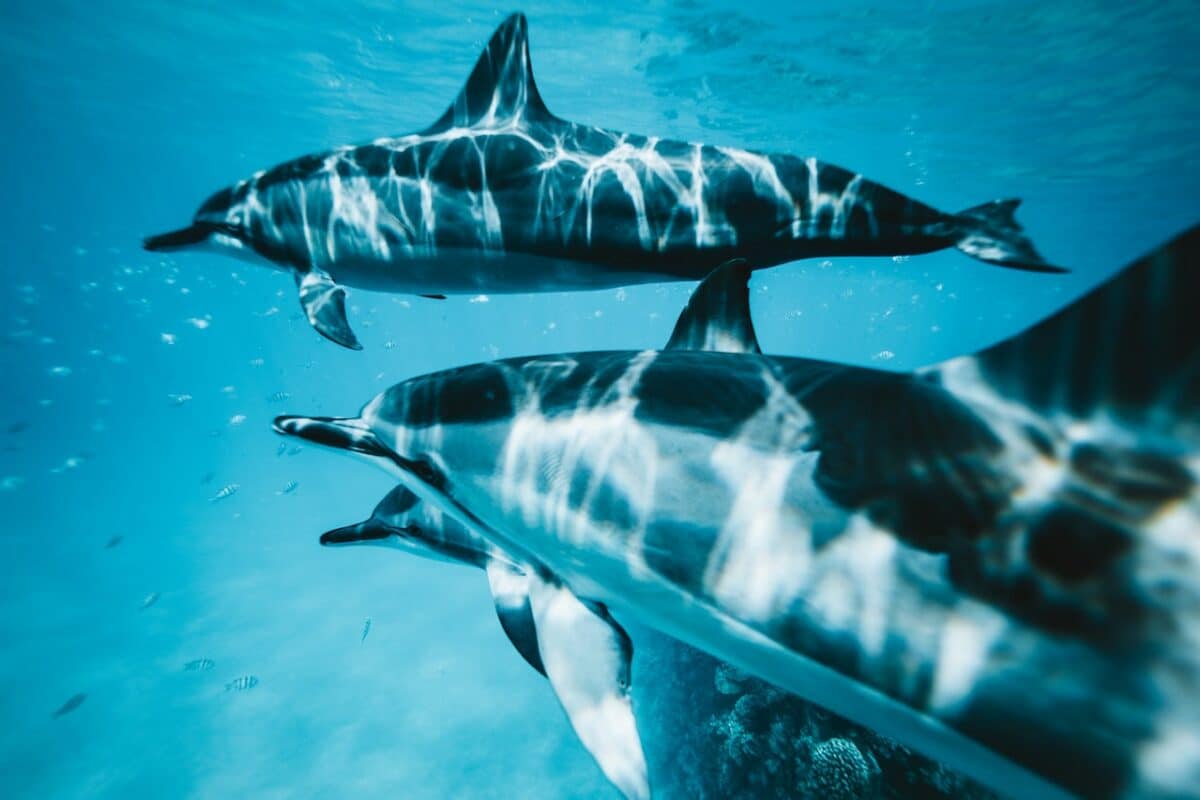
Dolphins live in remarkably complex social structures that rival the sophistication of many primate societies. They form what scientists call “fission-fusion” societies, where group composition changes dynamically while maintaining long-term social bonds. Within these fluid communities, dolphins form various levels of alliances – including “first-order alliances” between 2-3 males, “second-order alliances” between multiple first-order groups, and even “third-order alliances” between second-order groups. This multi-level alliance structure, most extensively documented in Shark Bay, Australia, represents one of the most complex non-human social systems ever observed.
The cognitive demands of navigating these intricate social networks are substantial. Dolphins must track dozens or hundreds of social relationships, remember past interactions, understand the status and strength of various alliances, and predict how their actions will affect their social standing. Such social complexity requires advanced social cognition, including theory of mind (understanding others’ perspectives and intentions) and strategic thinking. The “social brain hypothesis” suggests that the evolution of large brains in dolphins, as in primates, was driven largely by the cognitive demands of managing these intricate social relationships – pointing to social intelligence as a key dimension of dolphin cognition.
Adaptability to Human Interaction

Dolphins demonstrate exceptional cognitive flexibility in their interactions with humans, readily adapting to cooperative relationships across cultures and contexts. The fishing partnerships between dolphins and humans in places like Laguna, Brazil, where dolphins herd fish toward fishermen’s nets and signal when to cast, have developed independently in multiple locations worldwide. These interactions show dolphins’ ability to understand human intentions, communicate across species boundaries, and participate in mutually beneficial relationships that require substantial cognitive sophistication.
In captive settings, dolphins quickly learn to understand human gestures, verbal commands, and even televised instructions. They can generalize learned behaviors to new contexts and understand when humans are attempting to communicate with them versus simply moving around. Perhaps most impressively, dolphins have been observed engaging in spontaneous mimicry of human actions, even when not specifically trained to do so – a behavior requiring both observational learning and cross-species social understanding. This remarkable adaptability to human interaction demonstrates their cognitive flexibility and social intelligence, allowing them to bridge the species gap in ways few other non-human animals can achieve.
Conclusion: The Remarkable Intelligence of Dolphins

The evidence for dolphin intelligence spans multiple cognitive domains, from their self-awareness and abstract thinking to their complex social structures and cultural transmission of knowledge. What makes dolphin intelligence particularly fascinating is that it evolved independently from primate intelligence along a completely different evolutionary path, representing a remarkable case of convergent evolution of advanced cognition. Their intelligence reminds us that human-like cognition is not the only form of intelligence in nature, and different evolutionary pressures can produce equally impressive but differently structured minds.
As we continue to study these remarkable marine mammals, we discover more layers to their cognitive abilities that challenge our understanding of animal intelligence. The sophisticated cognition of dolphins raises important ethical questions about how we treat these sentient beings, supporting arguments for stronger conservation efforts and reconsideration of dolphins in captivity. Perhaps most profoundly, understanding dolphin intelligence expands our appreciation of the diverse forms cognition can take in nature and reminds us that intelligence is not a single ladder with humans at the top, but rather a complex branching tree with multiple expressions of cognitive excellence.

As a little kid, I fell in love with nature, wildlife, and animals. Living in the USA, South Africa, Italy, China and Germany gave me the opportunity to discover the world's Wildlife. My favorite animals are Mountain Gorillas, Siberian Tigers, and Great White Sharks.
I'm a certified PADI Open Water Diver, went to Everest Base Camp and Trekked Gorillas in Uganda. I hold a Master of Science in Economics and Finance.
Please send any feedback to feedback@animalsaroundtheglobe.com
- 13 Animals That Use the Earths Magnetic Field - August 7, 2026
- 10 Coldest Days in American History - August 7, 2026
- Top 10 Animals and Wildlife in Connecticut - August 7, 2026