
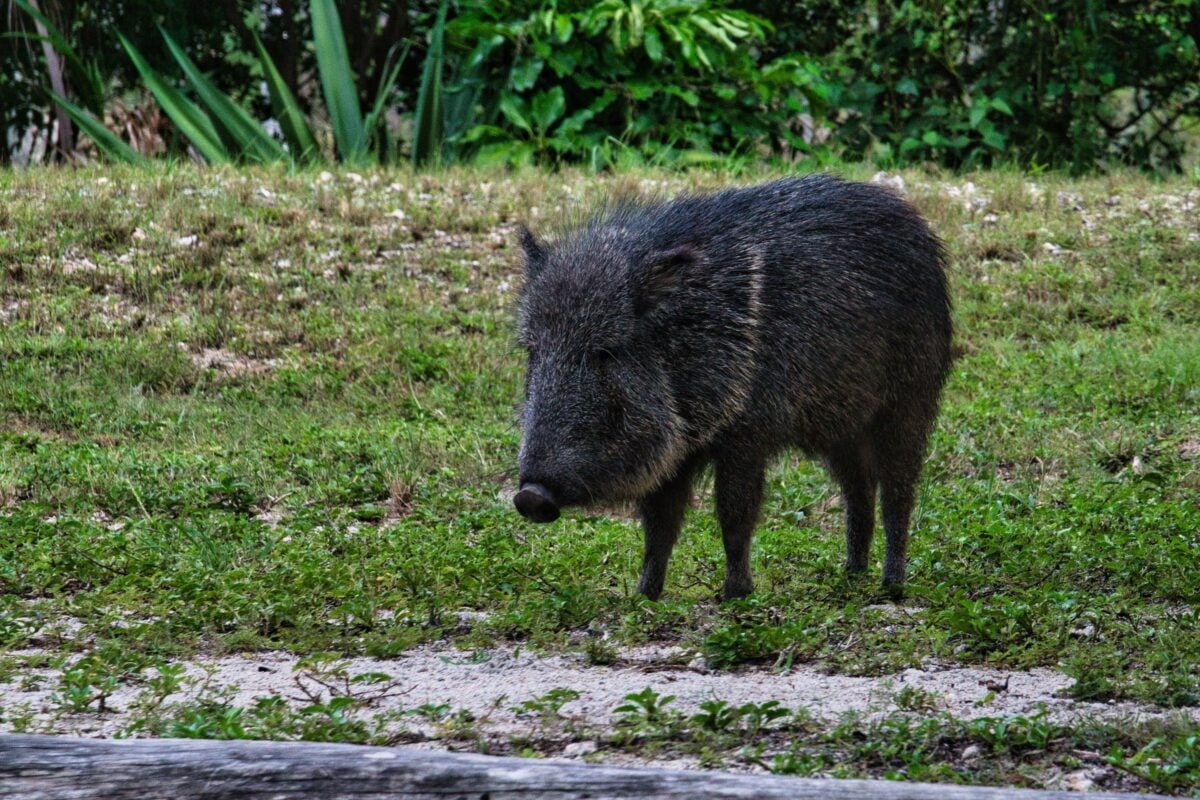
Texas: the undisputed stronghold
No state comes close to Texas when it comes to sheer javelina numbers. Based on aerial survey data, there are an estimated 100,000 javelina currently occupying approximately 62 million acres of Texas rangelands. That is a staggering footprint for an animal most people picture as a niche desert curiosity, and it makes Texas the closest thing the United States has to a true javelina heartland.
The state’s javelinas are not spread evenly, though. Originally distributed in Texas from Brownsville to the Red River, the javelina’s current range has been restricted to the southwestern one third of the state, including portions of the lower coastal plains, the South Texas Plains, the western half of the Edwards Plateau, the Trans-Pecos, and the southern edge of the Rolling Plains. Interest in hunting them has picked up too, with wildlife officials noting that Texas has recently opened new javelina seasons in several counties due to range expansion and increased observations.
Arizona: fewer animals, a much bigger public profile
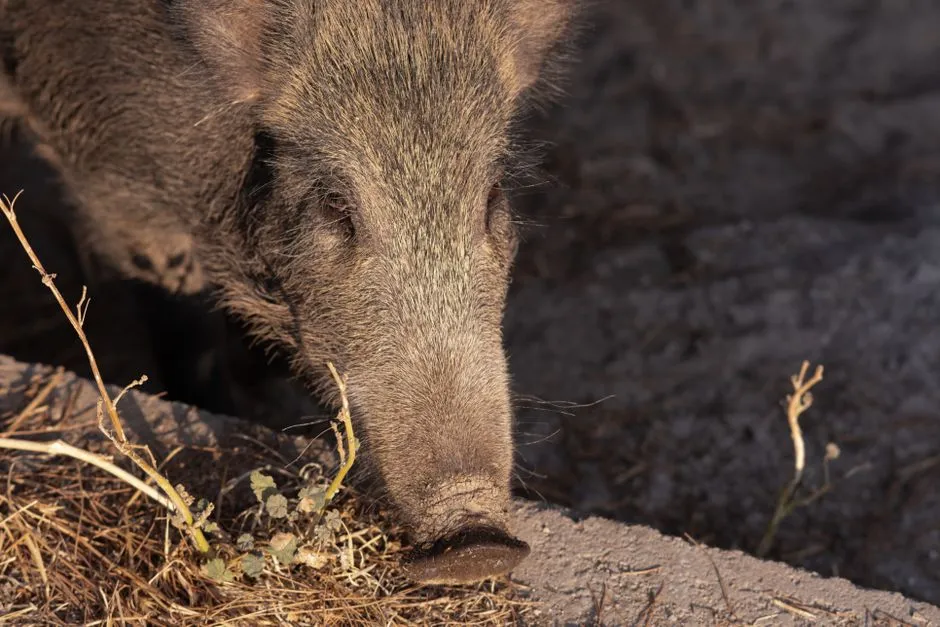
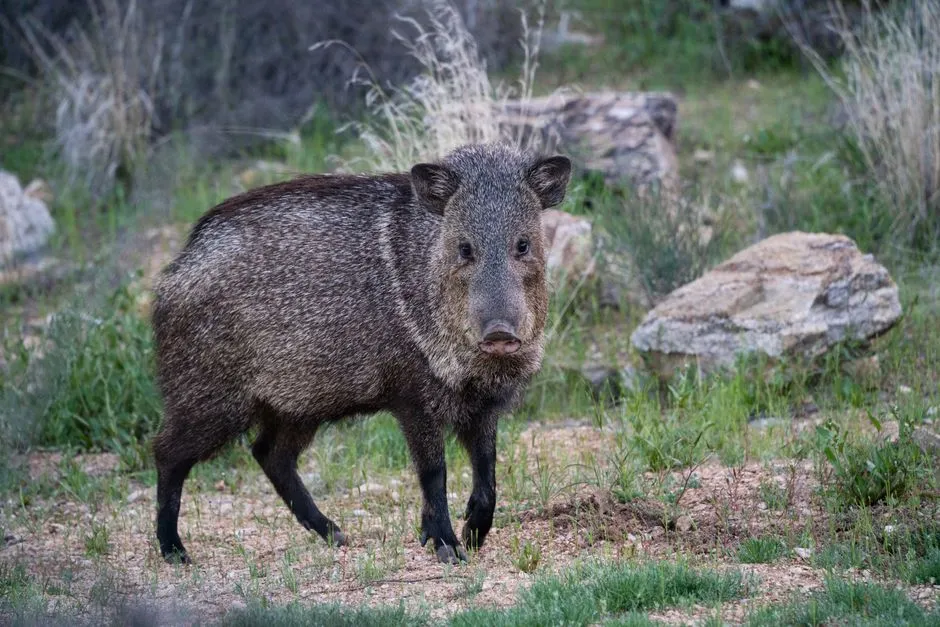
Arizona doesn’t out number Texas, but it may out perform it in sheer visibility. Arizona is home to approximately 45,000 javelinas, making it the second most javelina dense state in the country. What sets the state apart is how comfortable these animals have become around people, showing up in places most wildlife would avoid entirely.
Suburban Arizona has essentially adopted the javelina the way other regions adopted raccoons or deer. Notable populations exist in the suburbs of Phoenix and Tucson, where they feed on ornamental plants and other cultivated vegetation, and there are also urban populations as far north as Sedona, where they have been known to fill a niche similar to raccoons and other urban scavengers. Extension researchers have documented the same pattern even further north, noting that javelinas have also found their way into Flagstaff within the last few years, a sign of just how adaptable this animal has become.
New Mexico: the smallest of the big three, and still expanding
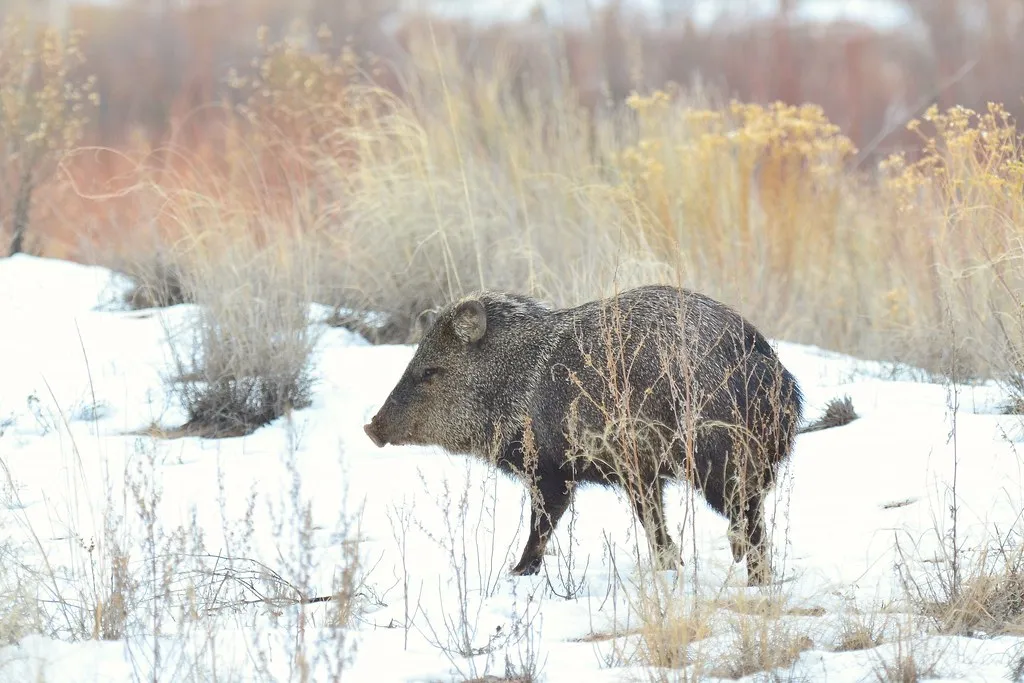
New Mexico rounds out the trio of states where javelinas are officially recognized as native, established wildlife, even though its numbers trail well behind its two neighbors. Historically, javelina have occupied a variety of habitats in southern New Mexico, from Lea to Hidalgo County, with their stronghold traditionally in the warmer, lower elevation zones of the southern part of the state. Good places to actually spot one today include specific mountain ranges near Deming, where the Big Hatchets have excellent javelina habitat and are easy to glass, along with the Florida and Tres Hermanas mountains, and the Cedar mountain range just southwest of town.
What makes New Mexico particularly interesting right now is that its javelina map is not static. According to the Journal of Mammalogy, javelina have been increasing their range in New Mexico following population declines early in the 1970s, with present day sightings now reaching as far east as Bitter Lake and the Roswell areas, and moving up the east side of the state through Bosque Del Apache, Clines Corners, and even as far north as Santa Fe. Hunter demand has followed that trend, with applicants for the state’s roughly 1,500 javelina licenses roughly doubling between 2019 and 2023.
California: rare visitors, not residents
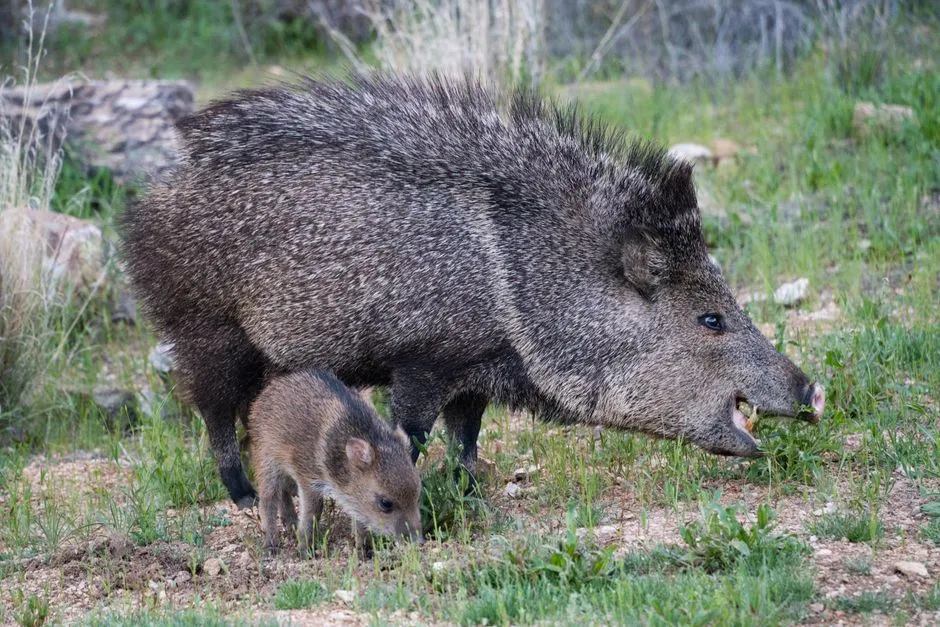
California shows up on javelina lists constantly, but the reality is far more modest than the mentions suggest. Wildlife officials are direct about this. In the U.S., javelina typically occur in Arizona, New Mexico and Texas, there are no established permanent populations of them in California, and only rarely do they make their way into southeastern California.
When javelinas do turn up in California, it’s usually a temporary detour rather than a colonization attempt. Biologists have documented that javelina do occasionally cross the Colorado River in low water events, but then they return back into Arizona to their home ranges. It’s a reminder that a single sighting, however exciting for the person who spots it, doesn’t equal an established population.
Nevada: the transplant experiment that never quite took
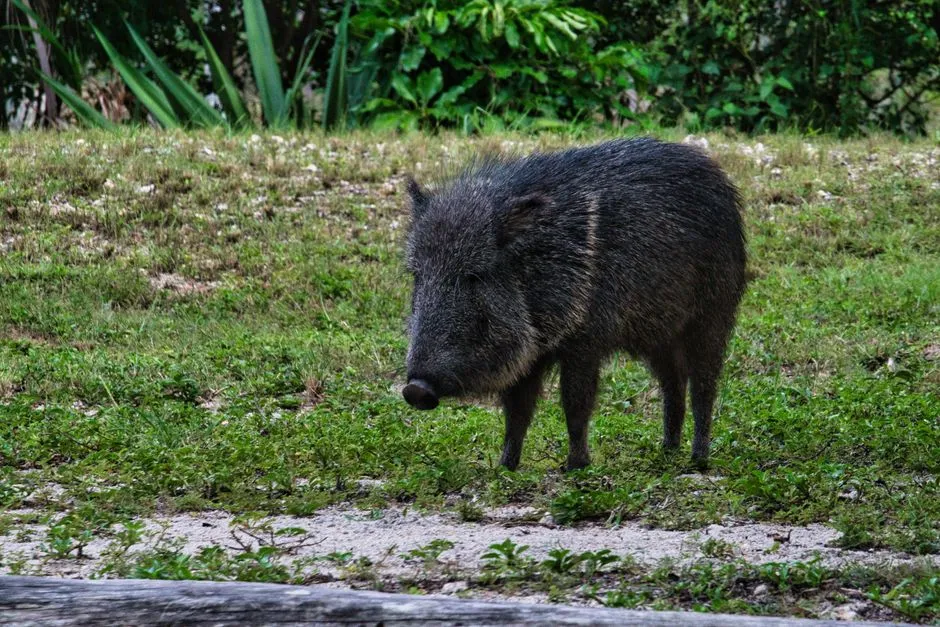
Nevada’s javelina story is unusual because it wasn’t natural at all. According to hunters who have tracked the history closely, the Nevada Department of Wildlife transplanted javelina into the area west of Searchlight in the late 1950s or early 1960s. The idea was to establish a new huntable population in the state’s southern desert corner.
The results were underwhelming. After several decades of no reports, there were confirmed sightings of javelina in the 1990s, with the latest report around 2003, and there is not a season in the state, since it is not likely there will ever be many javelina there. A separate outdoors columnist affiliated with Nevada’s wildlife agency summed up the region’s actual hunting map plainly, noting that javelina range from Argentina in the south to Texas, New Mexico and Arizona in the north, and all three states provide hunting opportunity for these animals.
The historical fourth: where javelinas used to roam
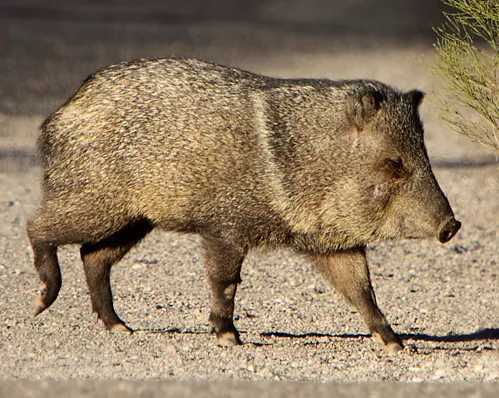
Before intensive hide hunting reshaped their range, javelinas covered considerably more ground than they do now. Collared peccaries were once found as far north as Arkansas but have been extirpated by hunting to a northernmost limit of southwest Arizona, southeast and southwest New Mexico, and southwest Texas. That history matters, because it shows the current three state range isn’t some ancient, fixed boundary. It’s the result of a population that got pushed backward first, and is now, in places, slowly pushing forward again.
The pressure that shrank their range decades ago was economic rather than environmental. A publication from Arizona Game and Fish references the heavy exploitation and decline of javelina in Arizona and Texas in the early 1900s before the species was designated as a game animal in these states, with hides valued for gloves and jackets and bristles used for brushes. Regulated hunting seasons, introduced later, are largely what allowed the species to stabilize and, in some corners, begin expanding again.
Why only three states really count, and where the map might go next
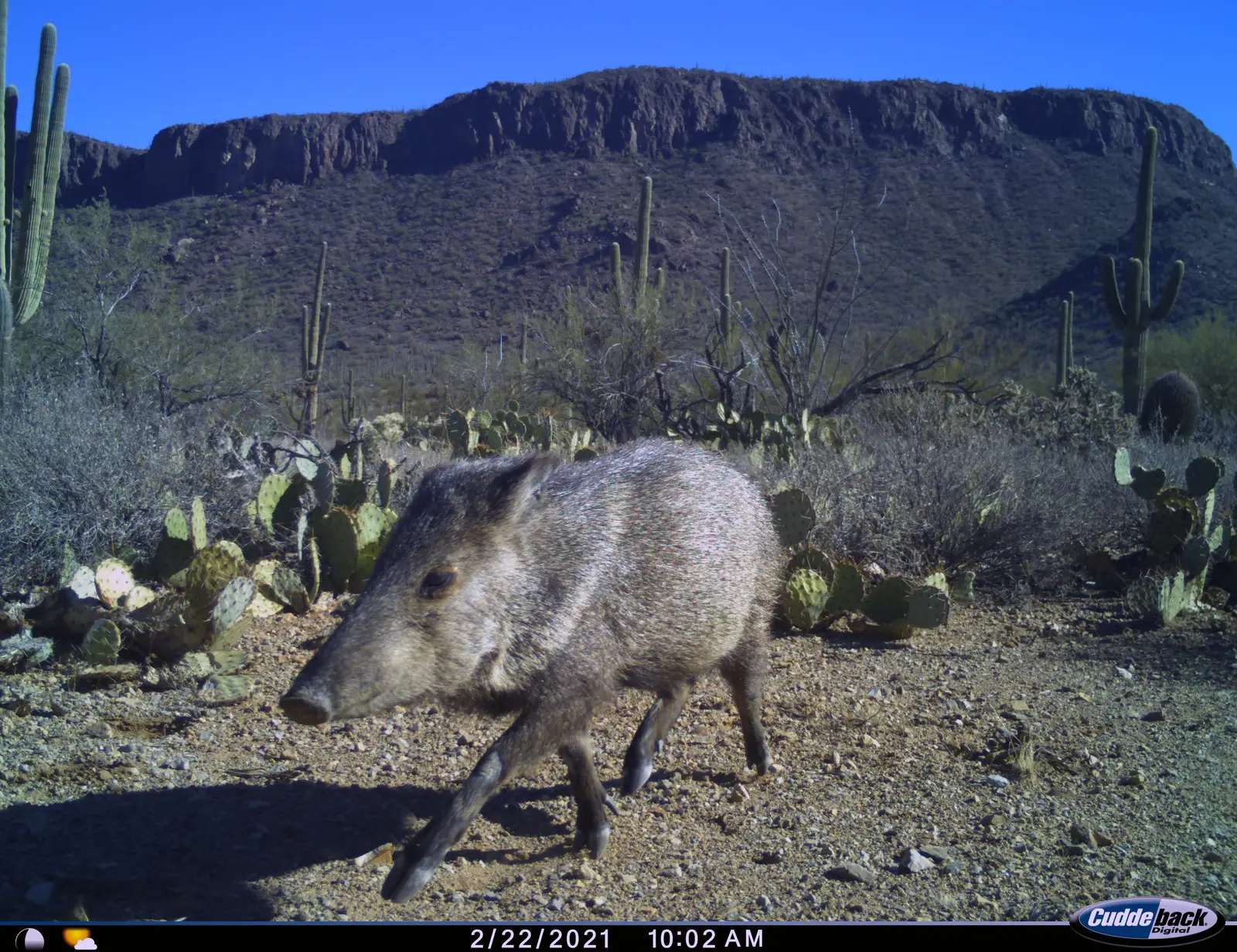
Strip away the transplants, the historical footnotes, and the occasional wandering herd, and the working definition of javelina country in the United States comes down to just three states. That distinction was formalized recently at a national level. Approval of the collared peccary as a designated trophy species was recommended by a working group that included wildlife managers from New Mexico, Arizona, Texas, and Mexico, along with representatives of other conservation groups. It’s a fairly narrow official range for an animal whose broader story stretches all the way to Argentina.
Cold weather appears to be the main thing keeping that range from spreading further, at least for now. Their distribution seems to be curtailed by continued cold weather, but they’ve been seen as far north as Santa Fe, where it gets pretty darned cold. With Texas opening new counties to hunting and New Mexico’s population pushing steadily northward, it’s reasonable to expect the boundaries of javelina country to keep shifting, even if slowly, in the years ahead.
A tighter map than the myths suggest
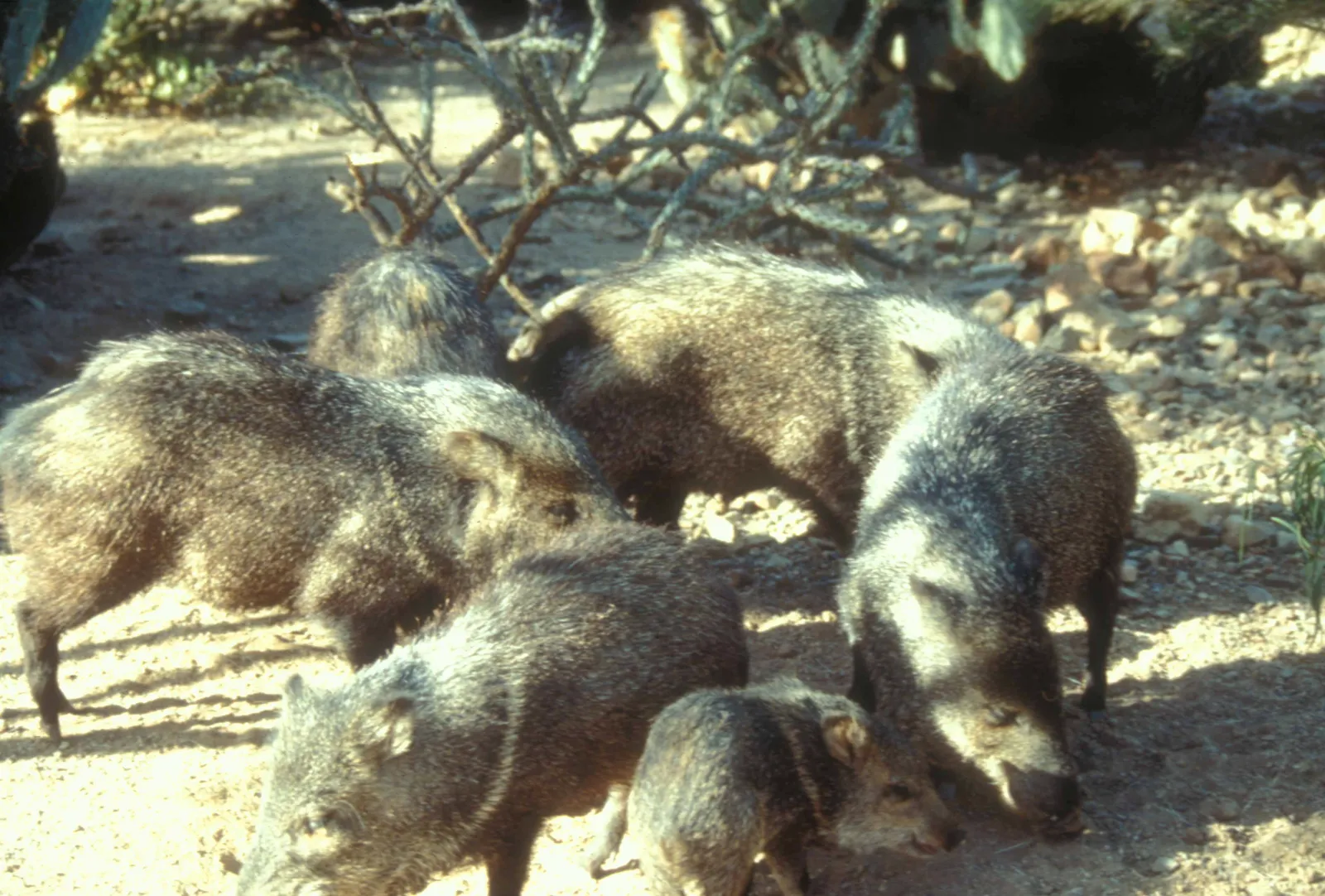
After digging through the population figures, the range maps, and the odd Nevada transplant story, I’ll say this plainly: the popular idea of six javelina heavy states doesn’t hold up to much scrutiny, and I think that’s actually the more interesting finding. Texas, Arizona, and New Mexico are the real story, home to genuine breeding populations numbering in the tens of thousands and a documented, still expanding range. California, Nevada, and the historical Arkansas range earn their place on the list through curiosities rather than population counts, a rare river crossing, a failed relocation effort, a chapter closed by hunters a century ago.
None of that makes those extra states less worth knowing about. If anything, the gap between myth and reality here says something honest about how these lists get built and repeated online without much scrutiny. The javelina’s true range is smaller and stranger than the popular version, and that’s a better story than the tidy one.

- 6 US States With the Most Javelinas - August 7, 2026
- Why Do Octopuses Change Color Instantly? The Scientific Reason Explained. - August 7, 2026
- 7 Signs a Cat Trusts Your Child More Than You Realize - August 7, 2026