
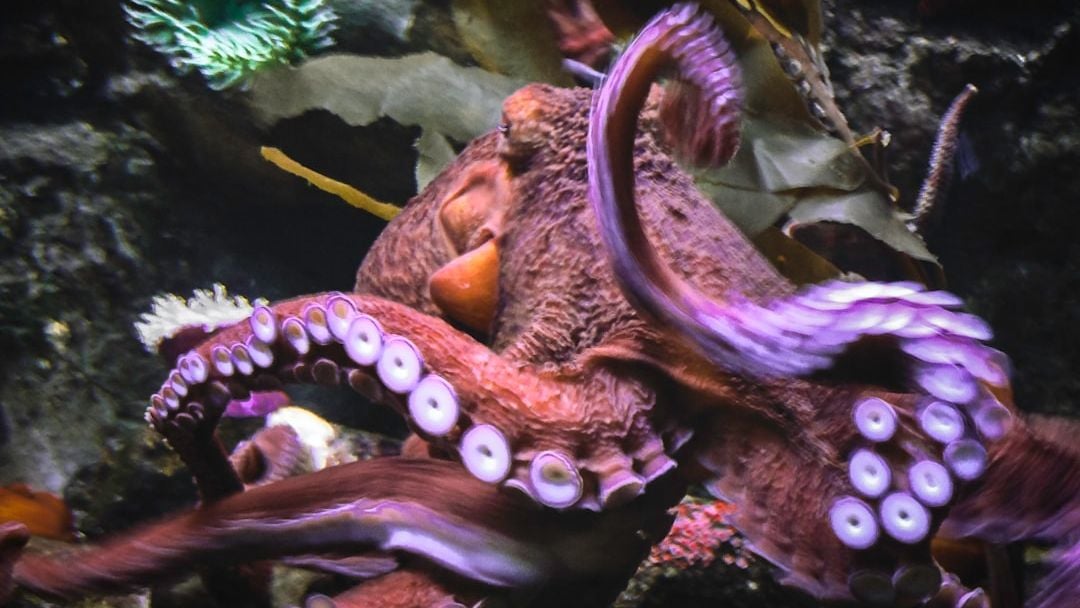
Picture this: an octopus gliding over a coral reef, suddenly vanishing into the sandy bottom right before your eyes. These clever creatures pull off disguises faster than you can snap your fingers. What sorcery powers their skin?
Scientists have unraveled the mystery, revealing a toolkit of specialized cells working in perfect sync. Let’s dive into the wild science behind their instant makeovers. Prepare to be amazed by nature’s own special effects.
A Disguise Faster Than a Blink
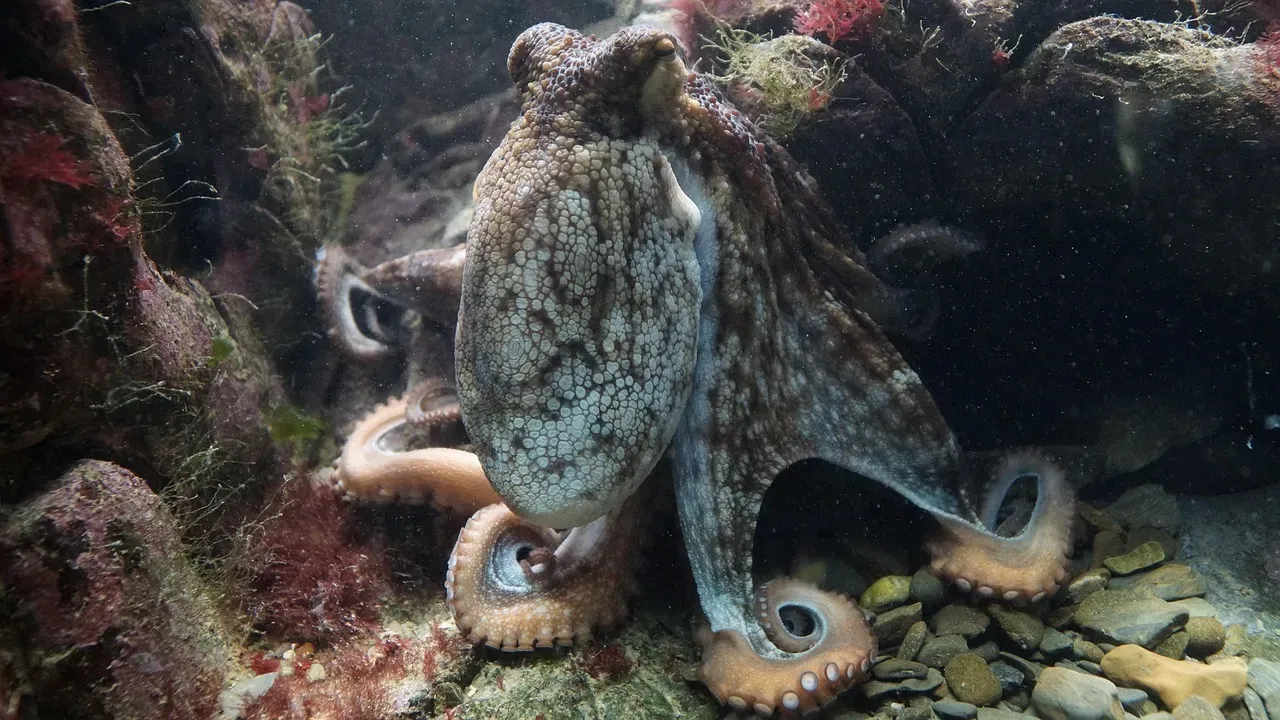
Octopuses shift hues in under 100 milliseconds, quicker than any human reaction.[1] That’s lightning speed for camouflage against lurking predators. Honestly, watching footage feels like magic, but it’s pure biology at work.
Their skin packs millions of these color cells, densely layered for high-resolution patterns. No wonder they fool sharks and eels so effortlessly. This rapid change demands direct brain signals, skipping slower pathways.
Chromatophores: The Pigment Explosions
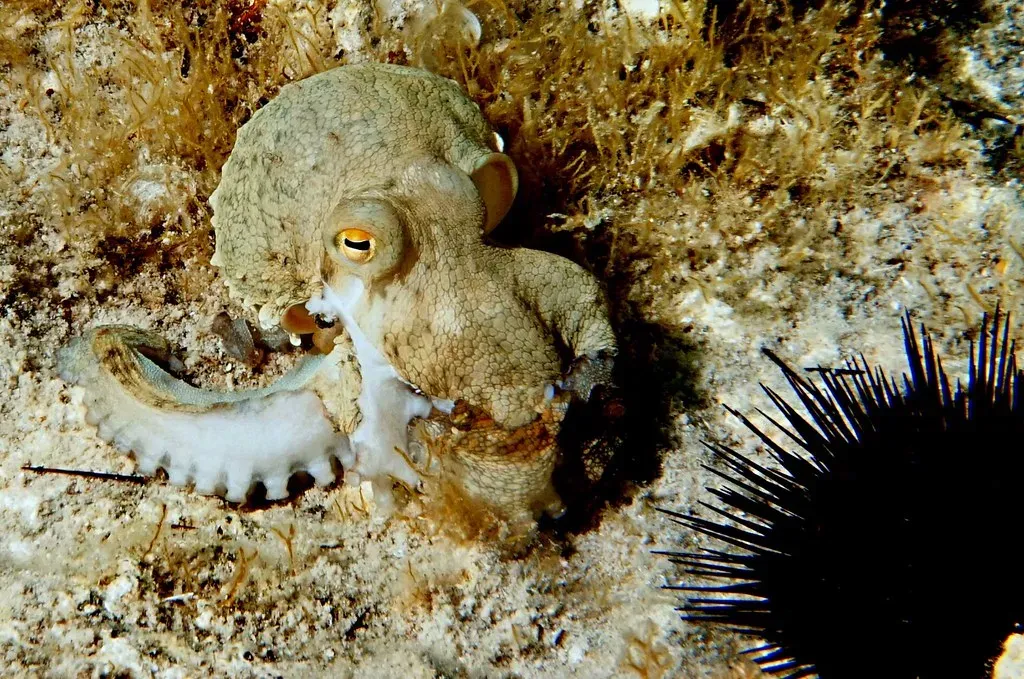
Chromatophores form the core army, tiny sacs bursting with pigments like yellow, red, or brown.[2] Muscles around each sac contract on command, stretching it wide to flood the skin with color. Relax, and it shrinks back, vanishing the hue almost instantly.
Layered in the skin, yellow on top mixes with deeper reds and browns for endless combinations. Thousands dot every inch, creating waves or spots on demand. It’s like having built-in paint guns, fired by nerves.
Let’s be real, this setup lets them mimic seaweed or rocks in a flash. No mixing needed, just expand and boom.
Iridophores and Leucophores: Shimmer Masters
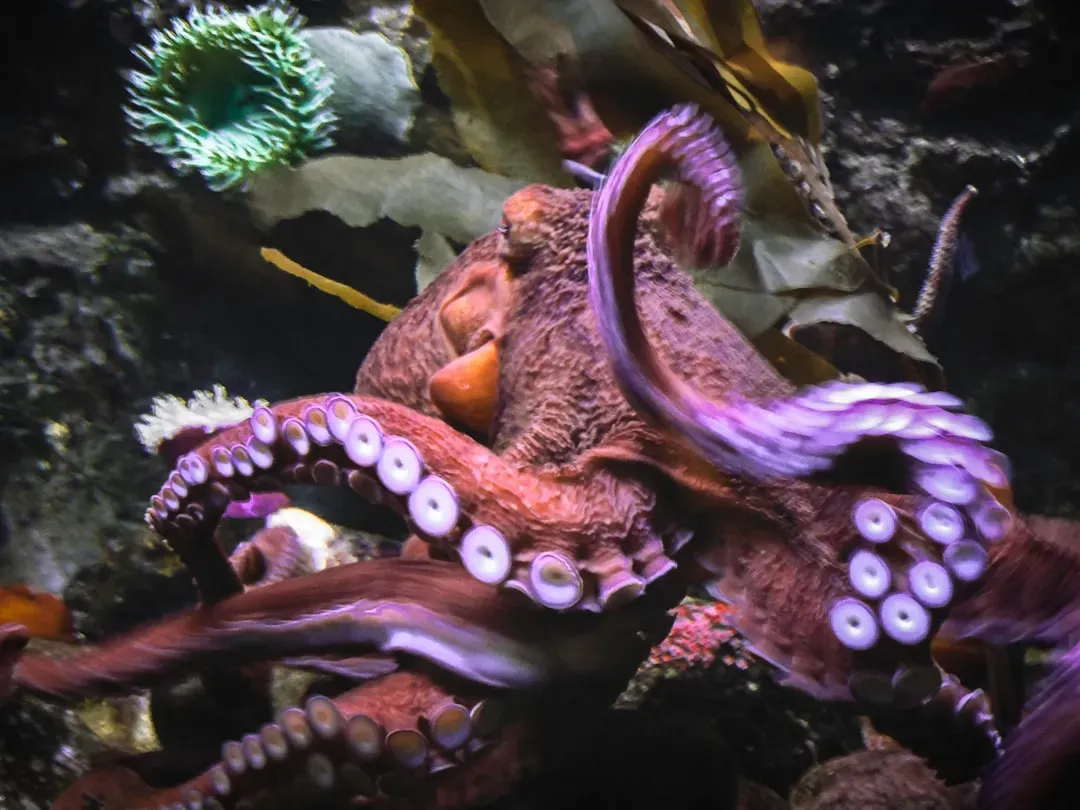
Iridophores stack reflective plates of reflectin protein, bouncing light into blues, greens, and silvers.[3] These structural colors add sparkle that pigments alone can’t touch. They tilt or space plates to tweak the glow, perfect for metallic sheens.
Leucophores scatter ambient light, appearing white or matching surroundings to blend edges. Together, they handle brightness and iridescence, filling gaps in the chromatophore palette. Though slightly slower, they amp up the realism.
The Neural Superhighway to Skin
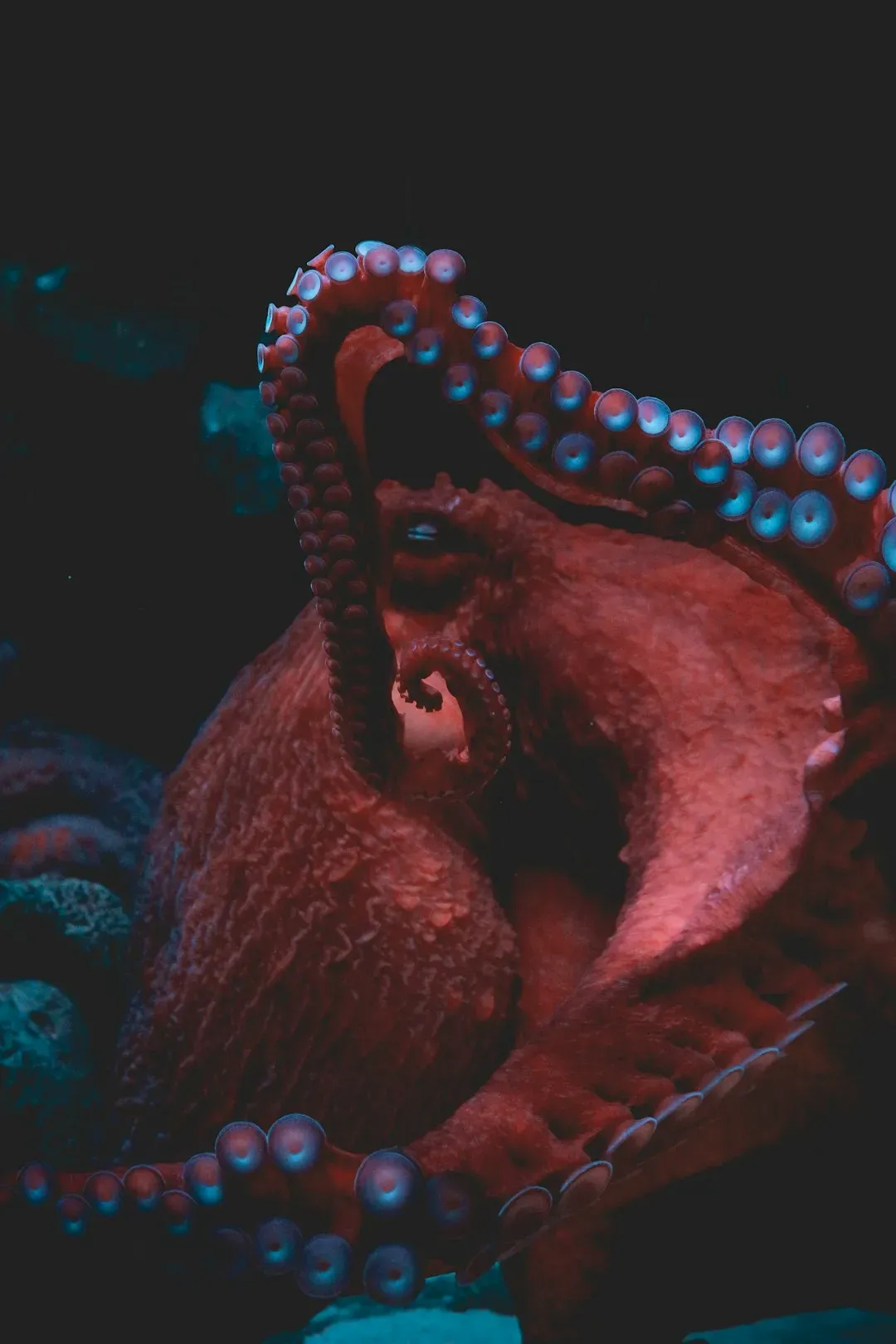
A dense nerve network links the brain straight to skin cells, bypassing delays.[1] Distributed brain nodes process visuals and fire signals in milliseconds. Gap junctions sync muscle contractions for uniform expansion.
This setup rivals computer graphics in precision. Even if colorblind, they nail brightness matches via keen eyes and perhaps skin sensors.[4] I think it’s genius evolution, prioritizing survival over sight limits.
Texture Too: Papillae in Play
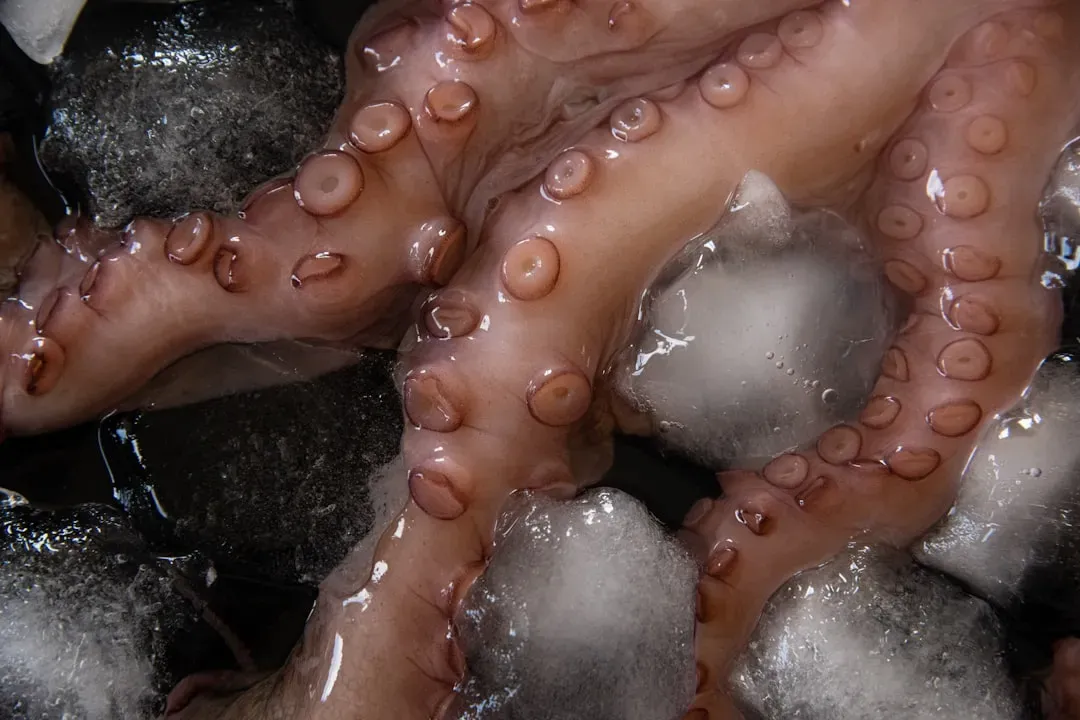
Papillae bulge or flatten the skin into bumps, spikes, or smooth waves.[2] Hydrostatic muscles pump fluid to sculpt textures matching corals or sand. Chromatophores ride along, coloring the new shape.
This full-body makeover disrupts outlines, fooling predators hunting edges. Visual cues alone trigger it, no touch required. Suddenly, a smooth octopus sprouts spikes like a sea urchin.
Camouflage, Signals, and Stealth Hunts
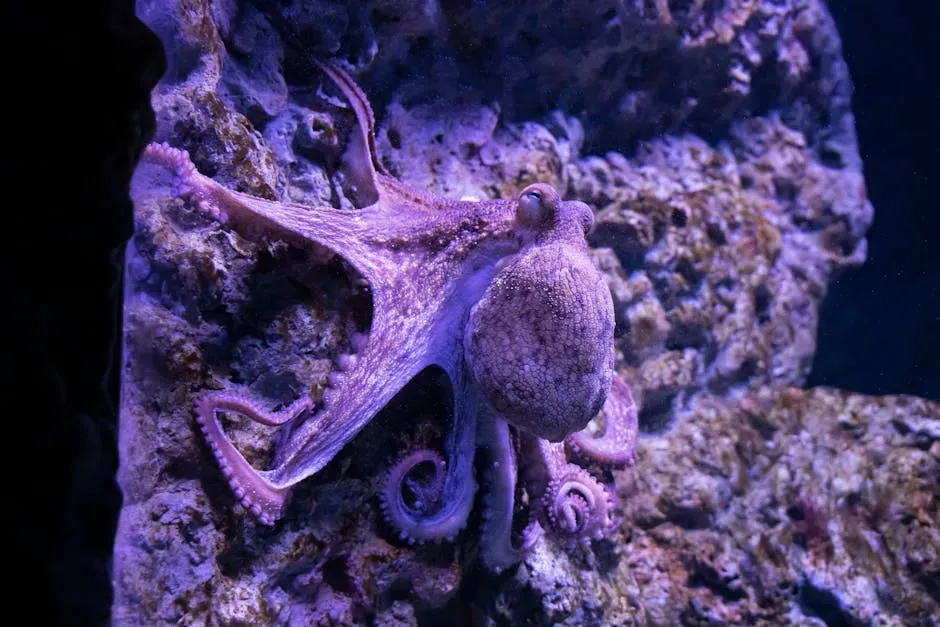
Primary goal stays hiding from threats like conger eels or stingrays.[4] They scan backgrounds, then replicate patterns for near-invisibility. Hunters sneak up on crabs this way too.
Bonus uses include warning flashes, like blue-ringed octopuses glowing danger rings. Mating dances or rival chases light up with pulses. The versatility shocks me every time.
Yet it burns serious energy, more than a short run for us humans. No wonder they den up to recover.
Wrapping Up the Octopus Enigma
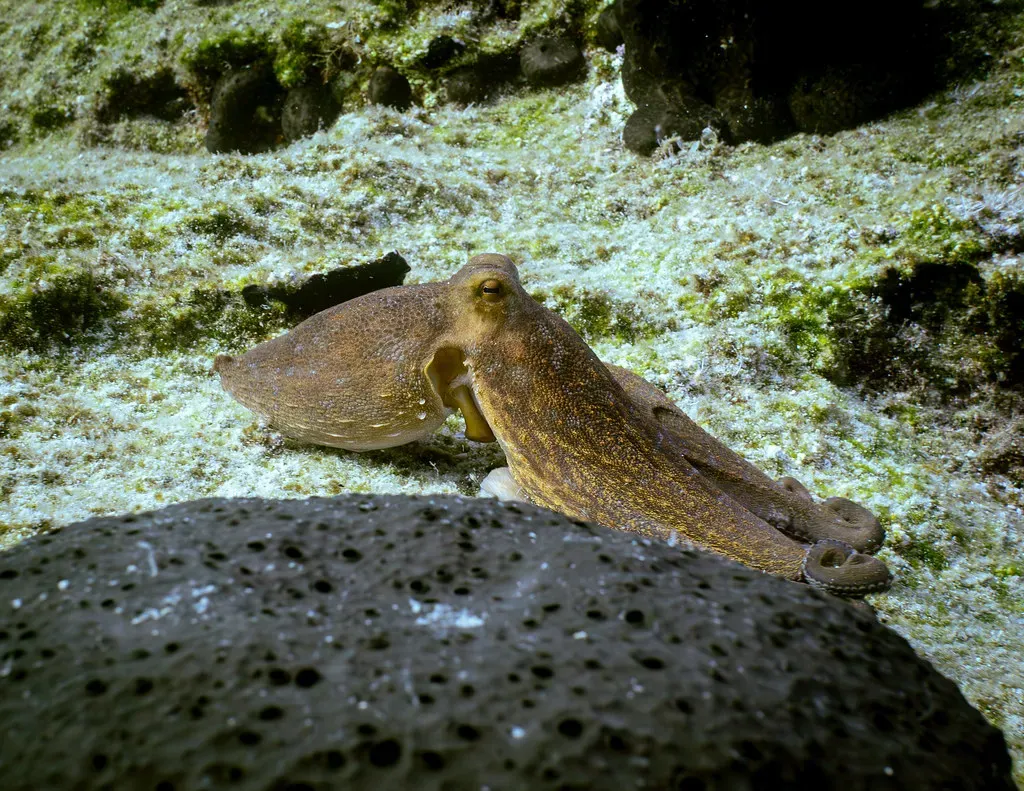
Octopuses redefine camouflage through chromatophores, reflectors, and nerves wired for speed. This instant artistry secures their ocean throne. Nature outdoes Hollywood effects every dive.
What blows your mind most about these shape-shifters? Share in the comments below.
