
Walk into a horse sale with the wrong questions and you will not just waste money – you will inherit someone else’s problem, pay for it every single month, and wonder how nobody warned you. Breeders see it happen constantly. The buyer shows up excited, falls in love with a pretty head and a calm arena trot, writes the check, and drives away without asking a single thing that actually matters. The horse world has a phrase for what comes next: “expensive education.”
Here’s the thing the professionals rarely say out loud: most of these disasters are completely avoidable. Experienced breeders will answer honestly if you ask the right questions – they just aren’t going to volunteer the hard stuff unprompted. These are the 13 questions they quietly hope you’ll bring up before you sign anything. The last one on this list is the one most buyers never even think about until it’s too late.
#1 – The Question About Full Veterinary History
Breeders wish every buyer would demand complete vet records going back at least five years instead of accepting a seller’s cheerful assurance that the horse is “perfectly sound.” Most first-timers skip this entirely and later discover recurring lameness, past surgeries, or joint injections that the seller conveniently forgot to mention. These aren’t rare horror stories – they’re Tuesday for most equine vets.
Asking for X-rays, bloodwork, farrier notes, and a list of every veterinary visit reveals patterns that a single pre-purchase exam can easily miss. It also tells you whether the horse has been overworked, underfed, or pushed through pain in ways that will catch up with you within the first year. Veterinary bills that exceed the original purchase price in year one are not bad luck. They’re almost always the result of skipped paperwork.
Fast Facts
- A basic pre-purchase exam typically runs $250 to $500 and takes at least two hours of a vet’s time.
- A more comprehensive exam with X-rays and imaging can reach $2,000 or more depending on the horse’s age and intended use.
- The exam gives a risk assessment for the horse’s intended use – it does not issue a pass or fail grade.
- Radiographs of hocks, fetlocks, knees, stifles, and feet are a common add-on to a basic pre-purchase workup.
- Buyers are responsible for scheduling and covering the cost of the pre-purchase exam.
#2 – The Question About Daily Maintenance Costs
The sale price is the smallest number you’ll ever write for this horse, and breeders know it. Yet almost no first-time buyer asks for a real, itemized breakdown of what the animal actually costs to maintain each month. Feed, bedding, farrier visits, routine dental work, deworming, and seasonal vaccinations add up fast – often hitting figures that shock new owners into difficult decisions within the first six months.
Ask the seller to walk you through the exact quantities of hay and grain the horse eats daily, any supplements required, and how often the farrier comes out. If the horse needs special feed, custom shoes, or twice-yearly dental floating, you deserve to know that before you fall in love with the sticker price. Breeders who are proud of their animals will answer this without hesitation. Ones who dodge it are telling you something important.
At a Glance: What Horse Ownership Really Costs
- Annual ownership total: roughly $8,600 to $26,000 per horse before show fees or travel.
- Monthly range: most owners spend $500 to $1,800 per month depending on care level and region.
- Feed and supplements alone: typically $50 to $200 per month on grain plus hay costs on top.
- Routine vet and farrier care: an estimated $350 to $600 annually for basic checkups and hoof care.
- Emergency vet incidents such as mild colic after hours can average $400 to $600 per visit before surgery is even considered.
#3 – The Question About Temperament Under Pressure
A horse can stand like a statue in a quiet arena and come completely unglued the first time it sees a plastic bag on a trail, hears a crowd at a show, or gets loaded into an unfamiliar trailer. Sellers rarely bring this up voluntarily. Breeders wish buyers would specifically ask for videos of the horse in stressful or unfamiliar situations – not just a polished demo in familiar surroundings.
Request honest accounts of past spooks, difficult trailer loading, reactions to farrier work, or behavior when the horse is tired and asked to keep going. These aren’t signs of a bad horse – every horse has triggers – but knowing them upfront prevents genuinely dangerous mismatches. A horse that suits an experienced rider who understands the quirks can be terrifying for a beginner who didn’t know to expect them.
#4 – The Question About Rider Skill Match
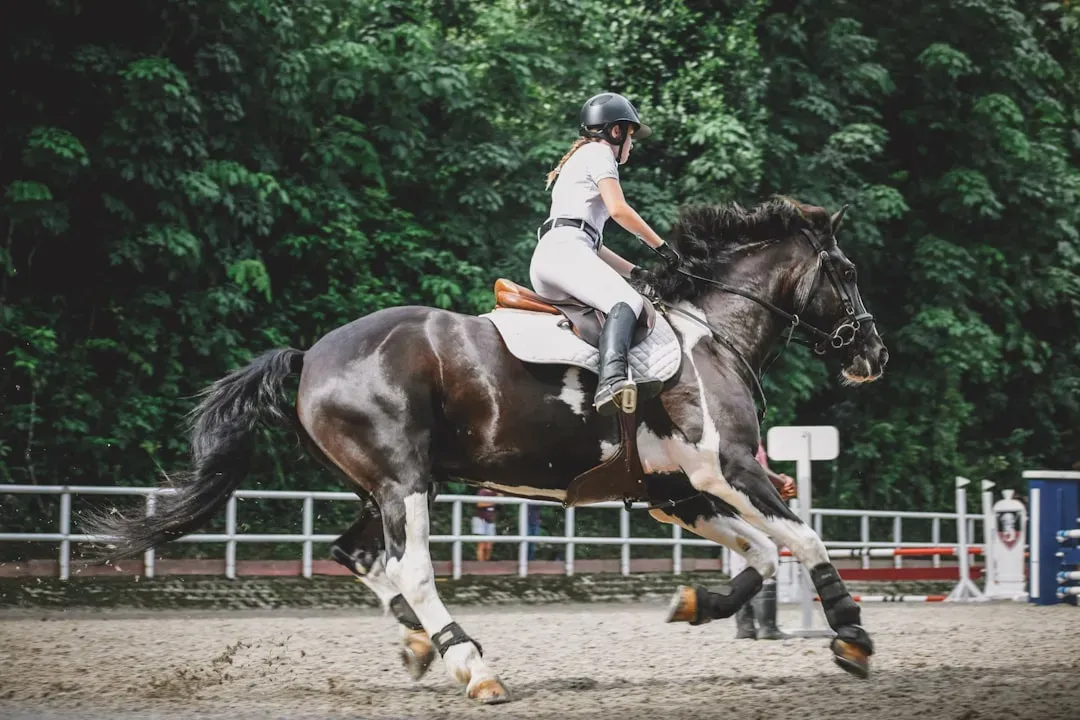
This is one breeders feel almost personally about. They watch sales happen where the horse’s training level is three rungs above the buyer’s actual ability, and they already know how it ends. The rider gets frustrated, the horse gets confused, bad habits form on both sides, and six months later the horse is listed for sale again at a lower price – a little worse for the experience.
Ask the seller directly: what level of rider does this horse need to stay happy, responsive, and well-behaved? How forgiving is it of timing mistakes or mixed signals? A well-matched horse and rider is the difference between building confidence and dreading every ride. Breeders who know their horses will tell you the truth here – and if they oversell the horse’s gentleness, the first few rides will tell you what they wouldn’t.
Quick Compare: Trained vs. Green Horse for First-Time Buyers
- Fully trained horse: higher upfront cost – a horse with years of professional training can cost 5 to 10 times more than an untrained one – but far lower risk for a new rider.
- Lightly trained or green horse: more affordable to purchase, but demands consistent, skilled handling to avoid reinforcing bad patterns.
- Beginner-friendly age range: most experts suggest 8 to 12 years old, when horses are typically experienced and steady.
- Training gaps missed at purchase rarely fix themselves and almost always cost more to correct later than the initial price difference.
#5 – The Question About Exercise Requirements
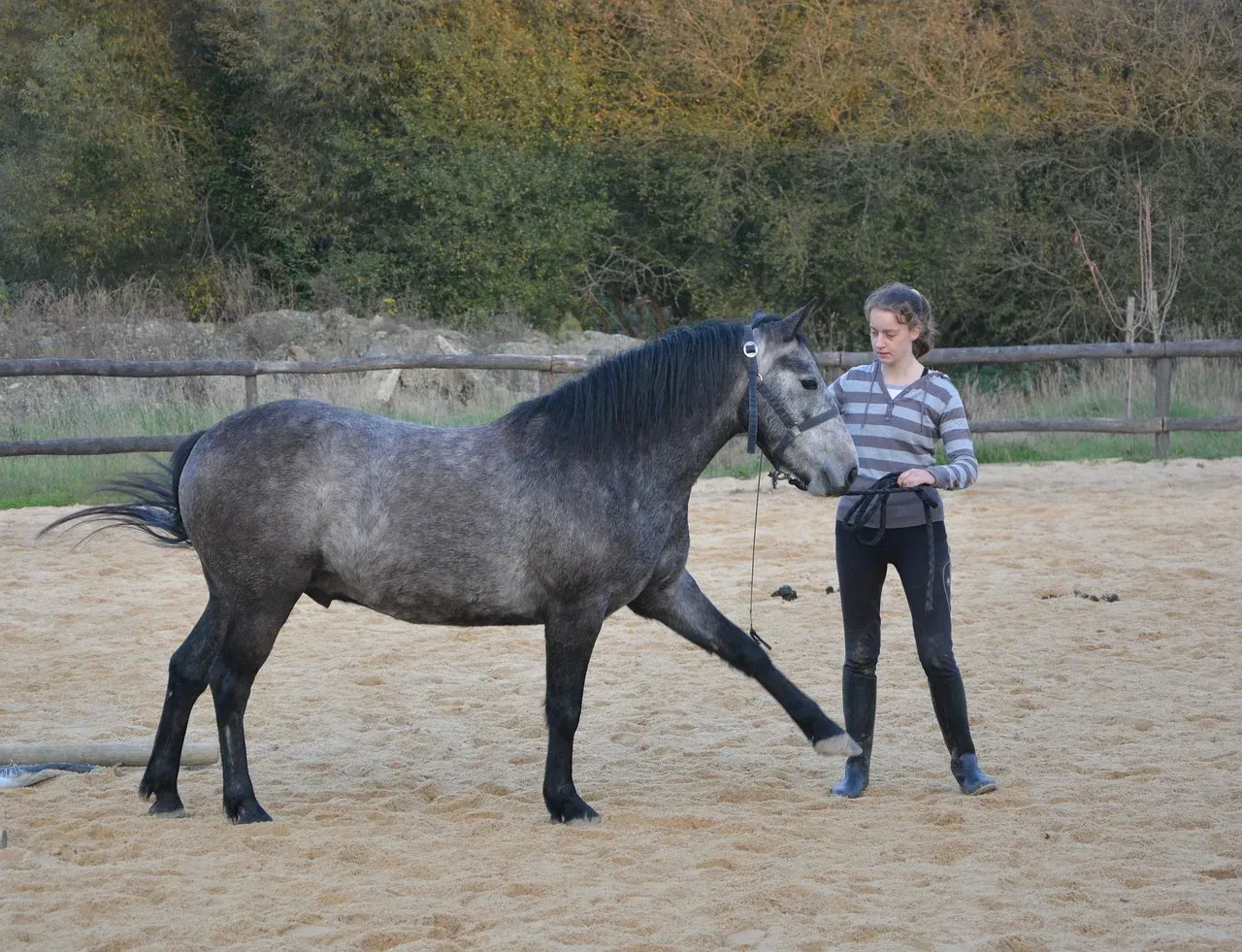
Not every horse thrives on the same schedule, and the gap between what a horse needs and what a busy new owner can realistically provide is one of the most common sources of trouble breeders see. Some horses genuinely need daily work to stay mentally stable and physically comfortable. Others do fine with three lighter rides a week. The wrong assumption in either direction causes real problems.
Ask specifically about preferred turnout time, how the horse behaves after days off, and what happens if the schedule gets interrupted for a week or two. Horses that aren’t getting the movement they need develop stable vices – cribbing, weaving, stall walking – or come out of the stall like a coiled spring. Neither is fun. Knowing upfront whether the horse’s needs match your actual lifestyle is not a nice-to-have; it’s a safety question.
#6 – The Question About Breeding or Reproductive History
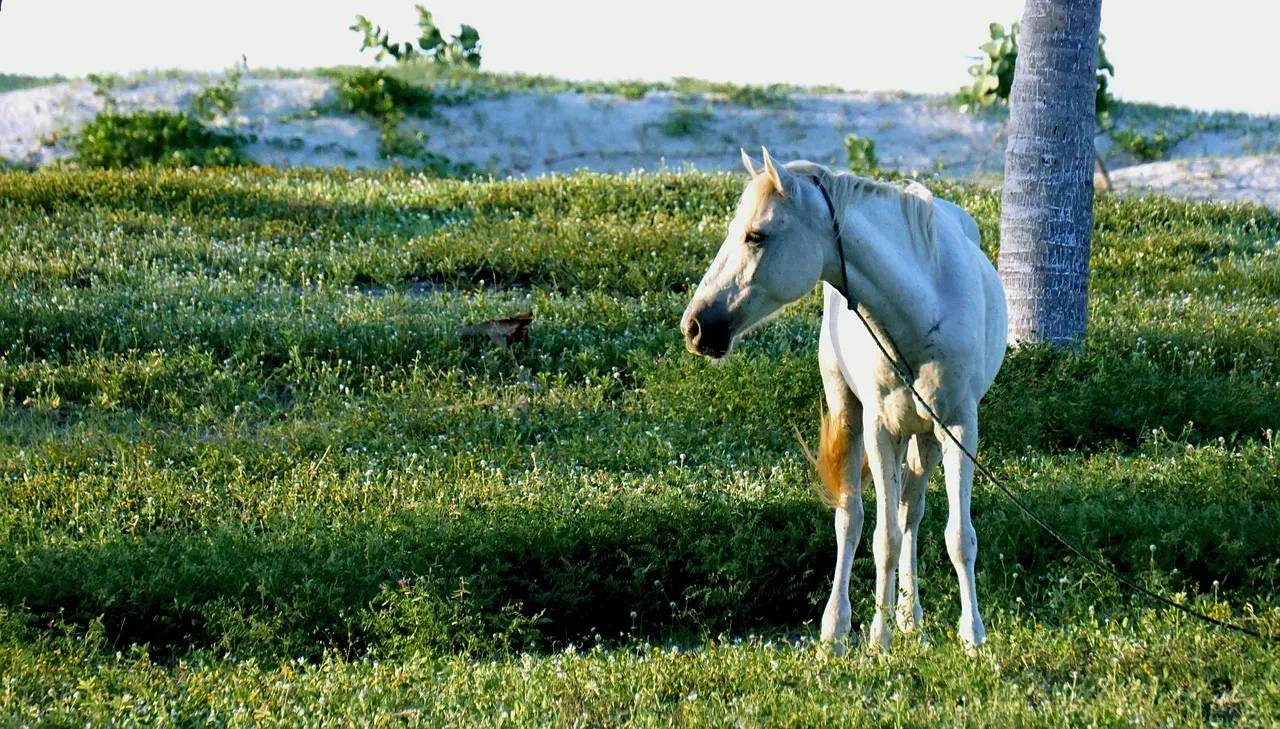
Even buyers who have zero interest in breeding need to ask this question, because a horse’s reproductive and genetic history carries medical implications that can surface years down the road. Past foaling complications, known genetic markers, or undisclosed breeding attempts can affect how the horse is managed, what health screenings it needs, and what activities it’s suited for long-term.
Review registration papers carefully and ask whether any reproductive exams have been performed. For mares especially, prior foaling history can affect everything from hormonal behavior to structural soundness. For stallions and geldings, certain genetic conditions tied to specific bloodlines are worth screening for. This conversation takes five minutes and protects you from surprises that can take years to manage.
#7 – The Question About Previous Ownership Changes
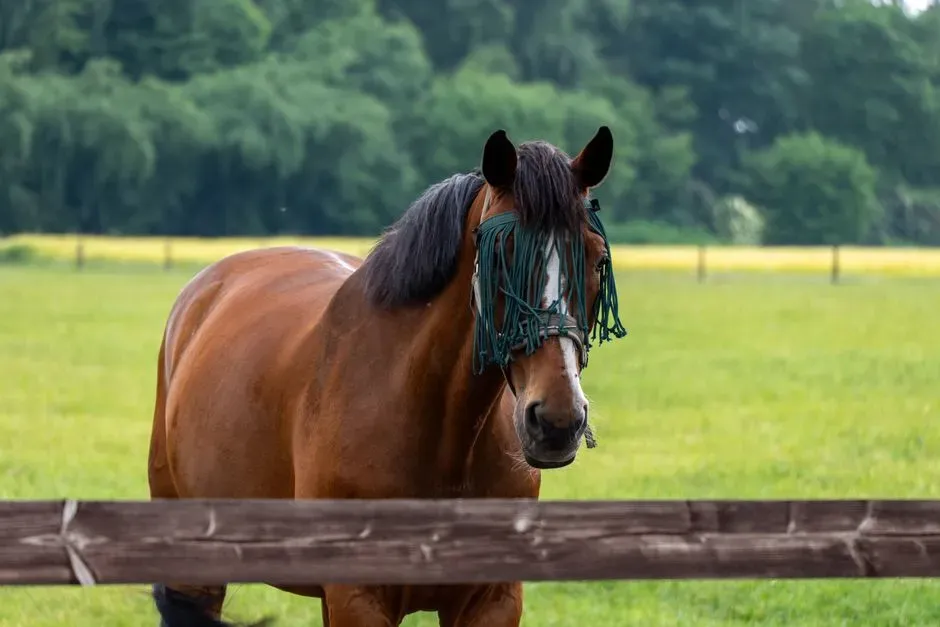
A horse that has had four owners in six years is not a horse with bad luck. Breeders know this pattern, and they quietly wish buyers would ask about it every single time. Frequent ownership changes are almost always a signal – sometimes of a behavioral issue, sometimes of a chronic health problem, sometimes of a training gap that nobody wanted to put in the work to fix.
Ask how many previous owners the horse has had and, more importantly, why each sale happened. Then ask for contact information for at least one or two prior owners and actually call them. What you hear from someone who loved the horse but couldn’t keep it will tell you more than anything a current seller puts in a listing. Patterns of early resales don’t lie, and the few minutes it takes to make those calls can save you from repeating someone else’s expensive mistake.
Worth Knowing: Red Flags in an Ownership History
- Three or more owners in under five years warrants a direct conversation about the reasons for each sale.
- Gaps in vet records between ownership changes often mean the horse went without routine care – and that care gap will become your problem.
- A horse relisted at a lower price than its previous sale is rarely a bargain – it’s more often a signal something went wrong.
- Sellers who can’t provide even one previous owner’s contact information should be approached with real caution.
#8 – The Question About Insurance and Liability
First-time horse owners almost universally skip this conversation, and breeders watch the consequences play out in painful ways. Horses are large animals that can injure people, damage property, and require emergency veterinary care that runs into the tens of thousands of dollars. Most standard homeowners or renters policies either exclude equine-related claims entirely or cap them at levels that don’t come close to covering real incidents.
Ask the seller what coverage they currently carry on the horse and what they’d recommend for a new owner. Discuss mortality insurance, major medical coverage, and personal liability – especially if the horse will be kept at home or ridden by anyone other than you. The conversation might feel premature when you’re still in the excited buying stage, but the people who skip it are the ones who later face a $15,000 colic surgery or a liability claim with no financial cushion underneath them.
Fast Facts: Equine Insurance in Plain Numbers
- Full mortality coverage typically runs 2.9% to 4.5% of the horse’s insured value annually – roughly $290 to $450 per year on a $10,000 horse.
- Emergency colic surgery coverage of $5,000 to $10,000 is included at no extra charge on many standard mortality policies for eligible horses.
- Major medical endorsements start around $200 to $250 per year and cover accidents, lameness, illness, and surgery beyond routine care.
- Most policies cover horses from 24 hours to 20–25 years of age, with premiums increasing as the horse ages.
- A prior colic surgery or gastrointestinal history typically results in a permanent colic exclusion on future policies.
#9 – The Question About Resale Potential
Most buyers don’t want to think about selling a horse they haven’t bought yet, which is exactly why breeders wish they would. The reality is that most horses change hands at least once or twice over a lifetime, and buyers who understand resale factors from the beginning make smarter purchase decisions. Bloodlines, documented show records, training certifications, and breed registration all affect what you’ll realistically recover if life circumstances change.
Ask about competition history, registration status, and what the seller thinks the horse’s market looks like five years from now. A horse with no paper trail, no documented accomplishments, and unknown lineage often sells for a fraction of its purchase price. That’s not a reason to walk away – but it is information that should shape what you’re willing to pay today. Thinking about the exit strategy on the front end is just smart ownership.
#10 – The Question About Special Health Needs
Chronic conditions, ongoing medications, metabolic disorders, allergies, and specialty farrier work are the kinds of things sellers know about and buyers should never have to discover by accident. Yet in deal after deal, this information doesn’t surface until the new owner is already three months in and wondering why the monthly bills keep climbing. Breeders see it and wince every time.
Ask directly whether the horse has any conditions that require ongoing management – Cushing’s disease, equine metabolic syndrome, navicular changes, skin allergies, respiratory sensitivities. Ask for the contact information of the current vet and farrier and plan to actually call them before you buy. A horse that needs $200 in supplements every month and custom orthopedic shoes every six weeks is still potentially a great horse – you just need to know that going in, not after the check clears.
Why It Stands Out: The Hidden Cost of Chronic Conditions
- Medications for ongoing issues like ulcers or arthritis can run $300 to $2,000 annually on top of standard care costs.
- Cushing’s disease (PPID) and equine metabolic syndrome both require long-term management changes and often daily medication.
- Horses with navicular changes may need corrective or orthopedic shoeing, which costs significantly more per cycle than standard farrier work.
- Respiratory sensitivities can limit where and how a horse is stabled, directly affecting your boarding options and costs.
- A current farrier or vet will usually speak candidly with a prospective buyer – call them before the sale, not after.
#11 – The Question About Trial Period Terms
A one-afternoon test ride tells you almost nothing about what living with a horse is actually like. Breeders who are confident in their animals know this and are generally willing to discuss extended trial arrangements – but buyers rarely think to ask. A horse can be on its best behavior in its familiar home environment and show you a completely different personality two weeks into a new routine, new barn, and new handler.
Before any money changes hands, ask specifically about trial length, what conditions would allow a return, and who is responsible for costs if something goes wrong during the trial period. Get the terms in writing. A seller who flatly refuses any trial arrangement and pressures you to decide immediately is showing you something about how this relationship will go. The right horse and the right breeder will both hold up under a little patience.
#12 – The Question About Seller Reputation and References
The horse world is smaller than it looks. Breeders with patterns of misrepresentation, undisclosed health issues, or horses that don’t match their descriptions are generally known within regional networks – but only if you ask. First-time buyers, who don’t have those networks yet, are the most vulnerable, and they’re also the least likely to think about checking references before a purchase.
Ask for contact information for two or three recent buyers and actually follow up. Look for the seller’s name in breed-specific forums, local Facebook groups, and equine community boards. A single complaint might be noise; a pattern of similar stories is a warning. Honest breeders are proud of their reputation and will hand you references without hesitation. The ones who deflect, get defensive, or can’t produce a single satisfied past buyer are telling you everything you need to know.
#13 – The Question About Long-Term Commitment Fit

This is the one breeders say matters most and buyers ask about least. Not the bloodlines, not the price, not even the health history – the question of whether your actual life, five or ten years from now, can realistically support this animal. Horses live 25 to 30 years. The person buying at 28 in a one-bedroom apartment near a boarding barn may be a homeowner in a different state with two kids and a different career by the time that horse is middle-aged. Breeders have watched this movie enough times to know how it usually ends when nobody thought it through.
Ask yourself – and ask the seller to push back on you honestly – whether your time, finances, and emotional bandwidth are built for this commitment across major life changes. Think through boarding options if you move, backup caregivers if you travel, and what an exit strategy looks like if circumstances shift dramatically. The horses that end up shuffled through multiple unsuitable homes are almost never the difficult ones. They’re the ones whose buyers made a beautiful, impulsive decision without asking the one question that would have changed everything.
At a Glance: The Long-Game Checklist Before You Buy
- A horse bought today could still be with you when your children graduate high school – financial planning must cover future phases of life, not just today’s budget.
- Identify at least one backup caregiver before purchase, not after your first out-of-town trip becomes a crisis.
- Research boarding availability in cities or states you might realistically move to within the next decade.
- Build an honest emergency fund separate from routine horse costs – unexpected vet bills and facility changes are not rare events over a 25-year ownership span.
- If you can’t confidently answer “what happens to this horse if my life changes dramatically,” that’s the question to resolve before writing the check.
The breeders who care most about their animals aren’t trying to talk you out of buying. They’re hoping you’ll ask hard enough questions that when you do say yes, it sticks – for you and for the horse. That’s the version of this story that ends well for everyone.

- 13 Quiet Signs an Old Dog Is Gently Saying Goodbye - July 30, 2026
- 12 Signs a Horse Mourns Quietly Every Time You Walk Away - July 30, 2026
- 10 Remarkable Facts About the African Cheetah: The Lightning of the Grasslands - July 29, 2026