
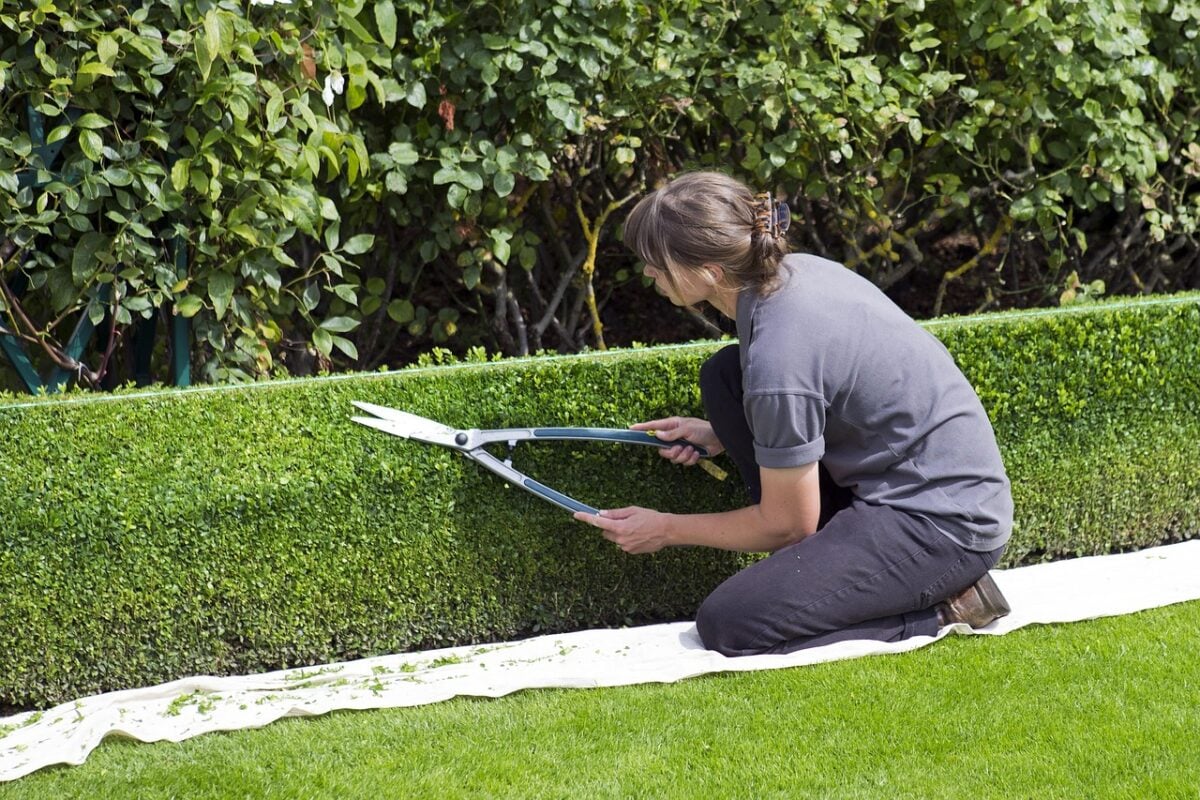
Here’s the part nobody tells you at the garden center: almost every failed first garden was doomed weeks before a single seed touched dirt. Not from bad luck, not from a missing “green thumb,” but from a handful of quiet, invisible mistakes that looked totally reasonable at the time.
Master gardeners didn’t start out knowing better. They just failed first, paid attention, and never made the same mistake twice. Below are the 13 lessons they learned the hard way – the ones most beginners only discover after the plants are already dying.
#1 – Your Yard’s Sunlight Is Lying to You
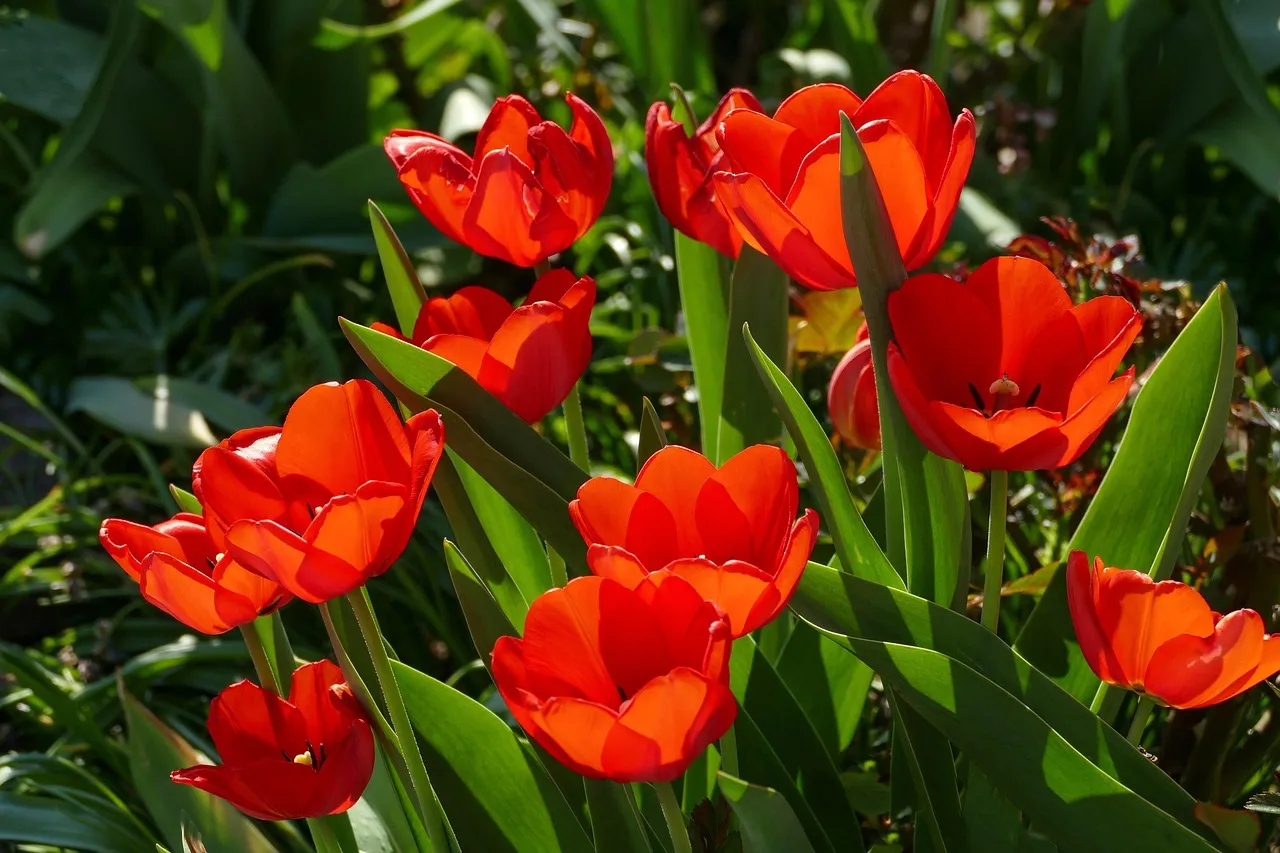
Everyone rushes to buy plants before understanding the one factor that decides everything else: how much honest sun their space actually gets. New gardeners glance outside at 1 p.m., see brightness, and assume they’ve got “full sun.” Master gardeners quietly track light across the entire day before they plant a thing.
That difference between 3 hours and 6 hours of direct sun can decide whether your tomatoes fruit or just sit there sulking. That “bright corner” under a tree? It might be dappled shade, not sun at all. Most vegetables and many flowers labeled “full sun” need at least 6-8 hours of direct, unobstructed light – anything less and you get leggy, weak plants and a disappointing harvest.
- Walk your yard at 9 a.m., noon, 3 p.m., and 6 p.m.
- Note where shadows actually fall, not where you wish they did.
#2 – You Probably Planted in Dead Dirt, Not Living Soil
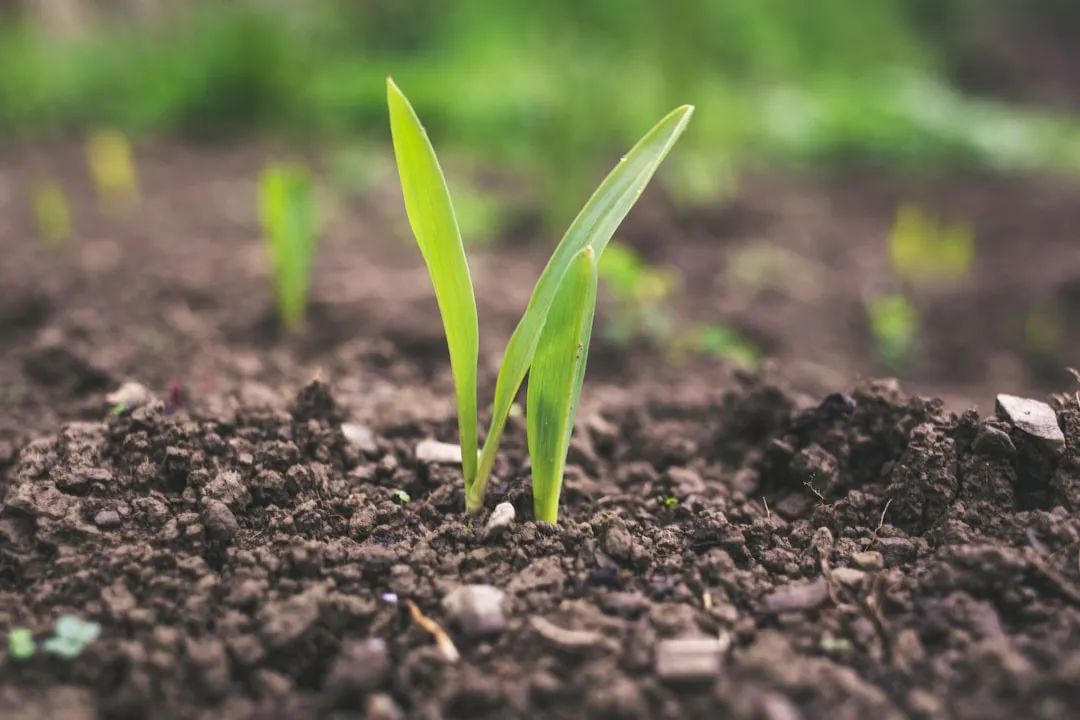
Beginners obsess over plant varieties and completely ignore what master gardeners care about most: soil health. If your soil is compacted, low in organic matter, or drains poorly, it doesn’t matter how expensive your plants were – they’re struggling from day one.
Healthy garden soil is loose, crumbly, and full of life you can’t always see: earthworms, fungi, beneficial microbes. Most first-timers unknowingly plant into heavy clay or lifeless fill dirt left behind by a new build. The plants hang on for a few weeks, then stall, yellow, and wither. That’s not bad luck – that’s bad soil. The rule experts quietly live by: feed the soil, not the plant. Add compost, aged manure, or shredded leaves months before you plant, and if water puddles on the surface or roots hit a hard layer underneath, you’ve got work to do first.
Worth Knowing
- Healthy soil smells earthy, not sour, sulfuric, or rotten.
- A handful should crumble loosely – not clump like clay or run through fingers like dry sand.
- Plenty of earthworms is one of the simplest signs your soil is actually alive.
- Fresh compost usually needs several weeks to a few months to fully break down before it’s planting-ready.
#3 – Watering “A Little Every Day” Slowly Kills Most Gardens
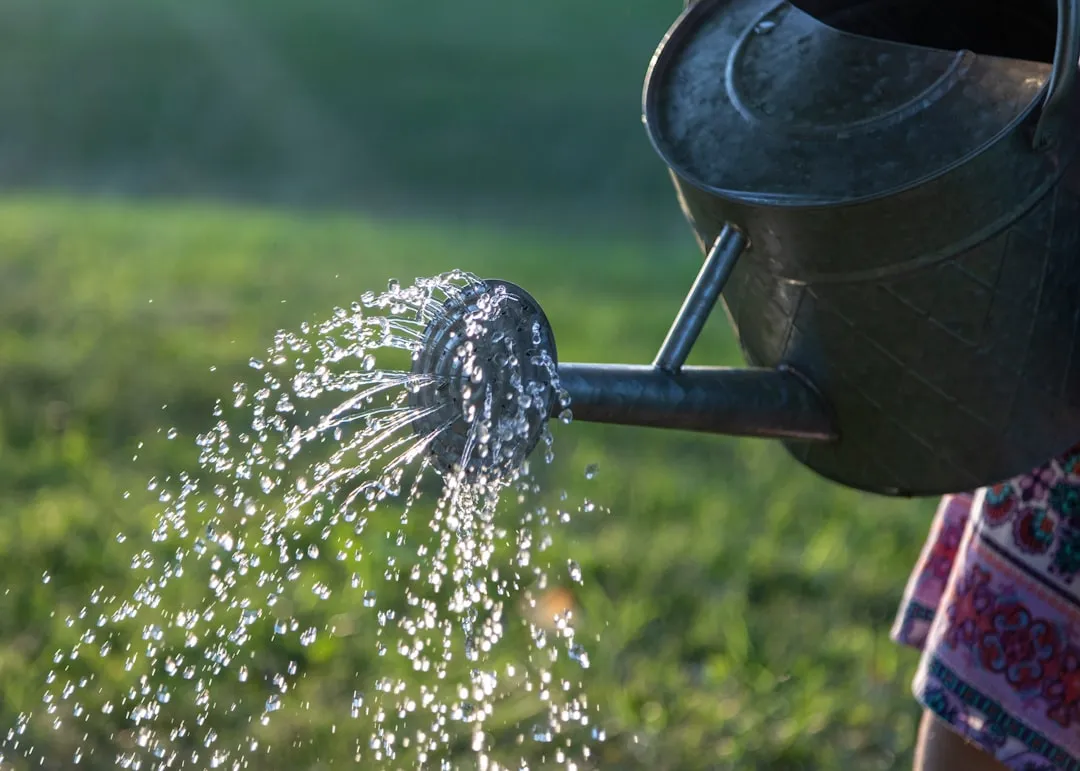
New gardeners proudly say, “I water every day,” and master gardeners wince. Shallow, frequent watering trains roots to stay near the surface, making plants far more vulnerable to heat, drought, and stress. Then one hot weekend away, and everything collapses at once.
Pros water deeply but less often – soaking the root zone so moisture reaches 6-8 inches down, then letting the top inch dry before watering again. That builds deep, resilient roots. Sprinkling from above until the soil just looks damp mostly wets the mulch and topsoil, not the roots that actually need it, and it invites fungus by keeping foliage wet overnight.
- Morning watering is best; evening wet leaves invite disease.
- Containers are the exception – they often do need daily water in real heat.
#4 – Plant Tags Lie About Spacing (And Crowding Ruins Everything)
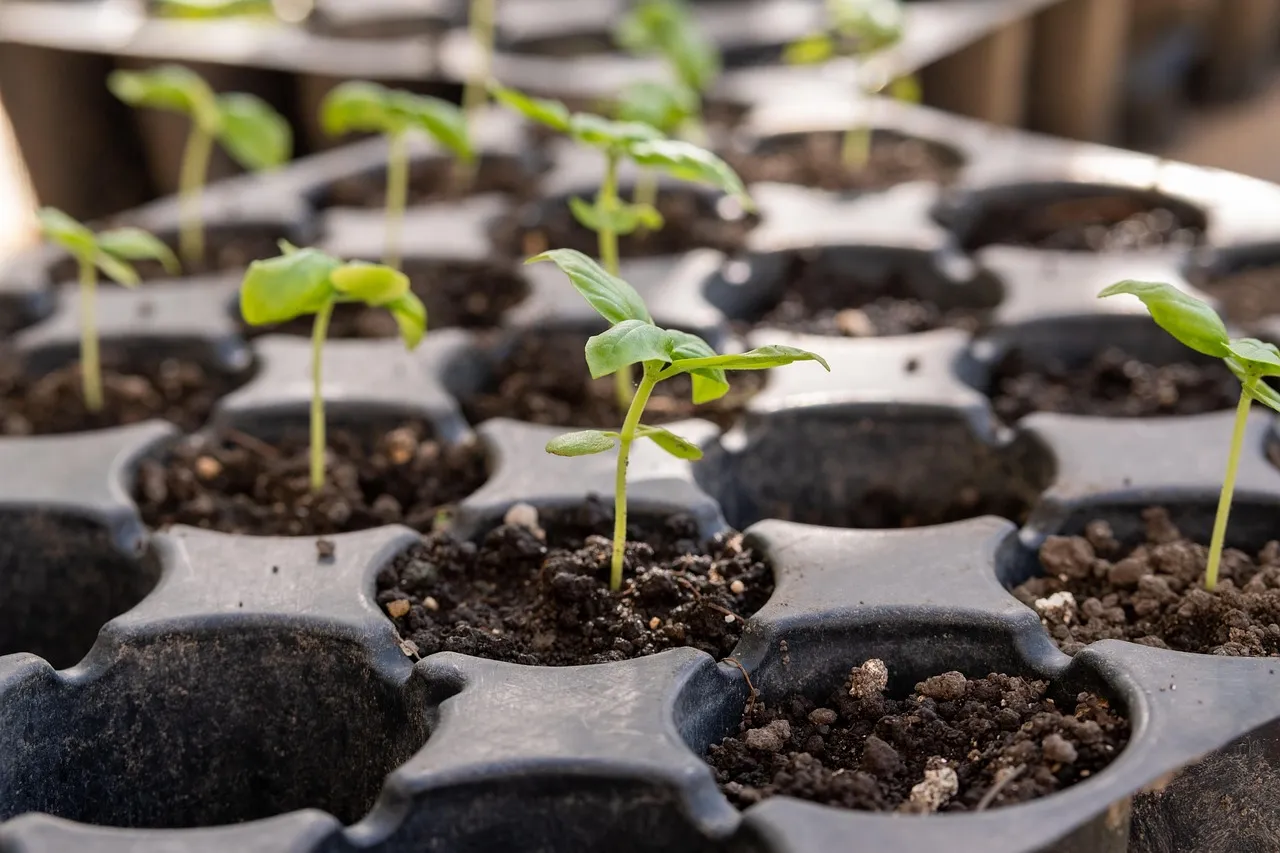
Those cute plant starts in spring look tiny, so beginners pack them in tight. By midsummer, it’s a tangled jungle with no air circulation, and disease spreads like wildfire through it. Plant tags tend to suggest optimistic spacing that looks nice on a nursery bench, not in real-world heat and humidity.
Master gardeners routinely give plants more room than the label suggests, especially tomatoes, squash, cucumbers, and big perennials. Cramped plants compete for light, water, and nutrients, and their shaded lower leaves stay damp and become disease magnets. The rule insiders follow: if it looks right at planting, it’s too close. It should look a little bare at first – within a few weeks, the gaps fill in on their own.
#5 – You Planted at the Wrong Time (And the Calendar App Misled You)
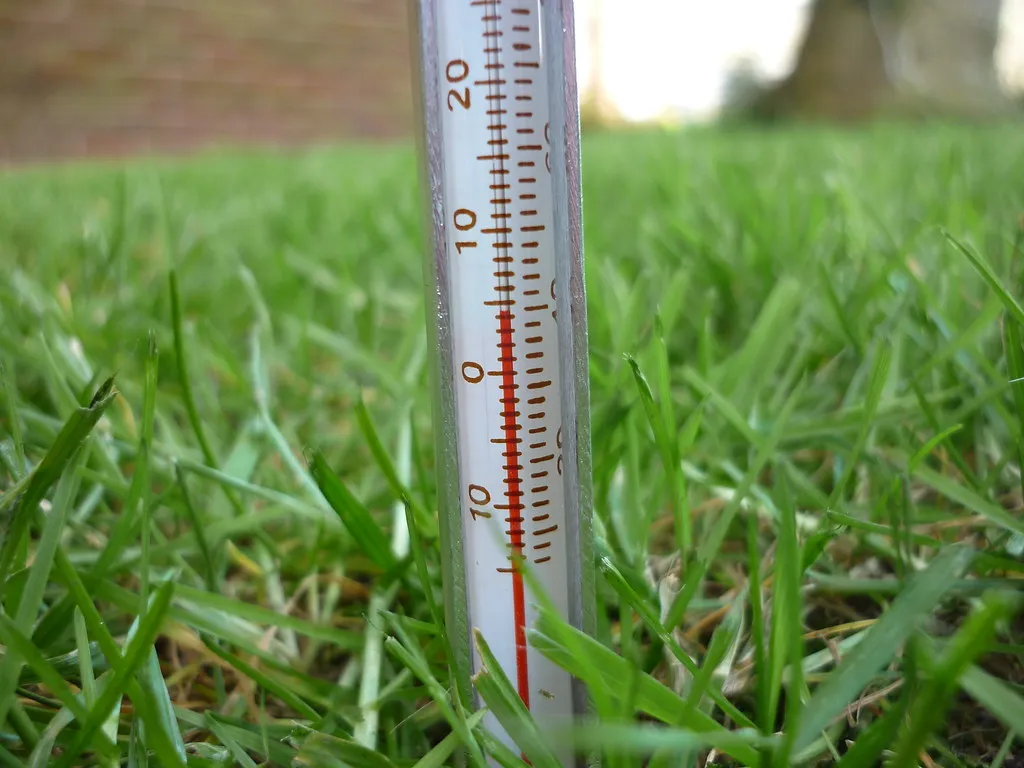
Most people think the “last frost date” is the only thing that matters. Experts quietly track soil temperature, nighttime lows, and plant-specific windows, because planting too early or too late can doom a garden before the seeds even sprout.
Warm-season crops like tomatoes, peppers, basil, and cucumbers sulk in cold soil – plant them while nights are still in the 40s and you get stunted growth that never fully recovers. Cool-season crops like lettuce, spinach, peas, and broccoli do the opposite: plant them too late into the heat and they bolt or turn bitter fast. Many beginners don’t realize they missed the cool-season window entirely until every lettuce head shoots up a flower stalk overnight.
- Use a cheap soil thermometer: most warm crops want 60-65°F soil or warmer.
- Check your local extension’s planting calendar, not a generic chart from social media.
#6 – More Fertilizer Does NOT Mean More Growth
New gardeners get sold shelves of “miracle” plant foods and assume more is better. Over-fertilizing is actually one of the fastest ways to burn roots, invite pests, and grow a big leafy plant with no flowers or fruit to show for it.
Master gardeners are oddly stingy with fertilizer, and very choosy about it. High-nitrogen products push lush green growth at the expense of blooms and fruit – that’s why you end up with a massive tomato plant and almost no tomatoes. Synthetic fertilizers give a quick hit but never fix the underlying soil structure. Pros often start with a soil test so they’re not blindly dumping in nutrients the plant doesn’t even need, leaning instead on compost, slow-release organics, and crop-specific blends used sparingly.
Quick Compare
- Synthetic fertilizer: fast, visible green growth, but short-lived and easy to over-apply.
- Organic feeding (compost, aged manure): slower release, but builds real soil structure over time.
- Smartest approach: test the soil first, then feed only what’s actually missing.
#7 – You’re Afraid to Cut, So Your Plants Never Really Thrive
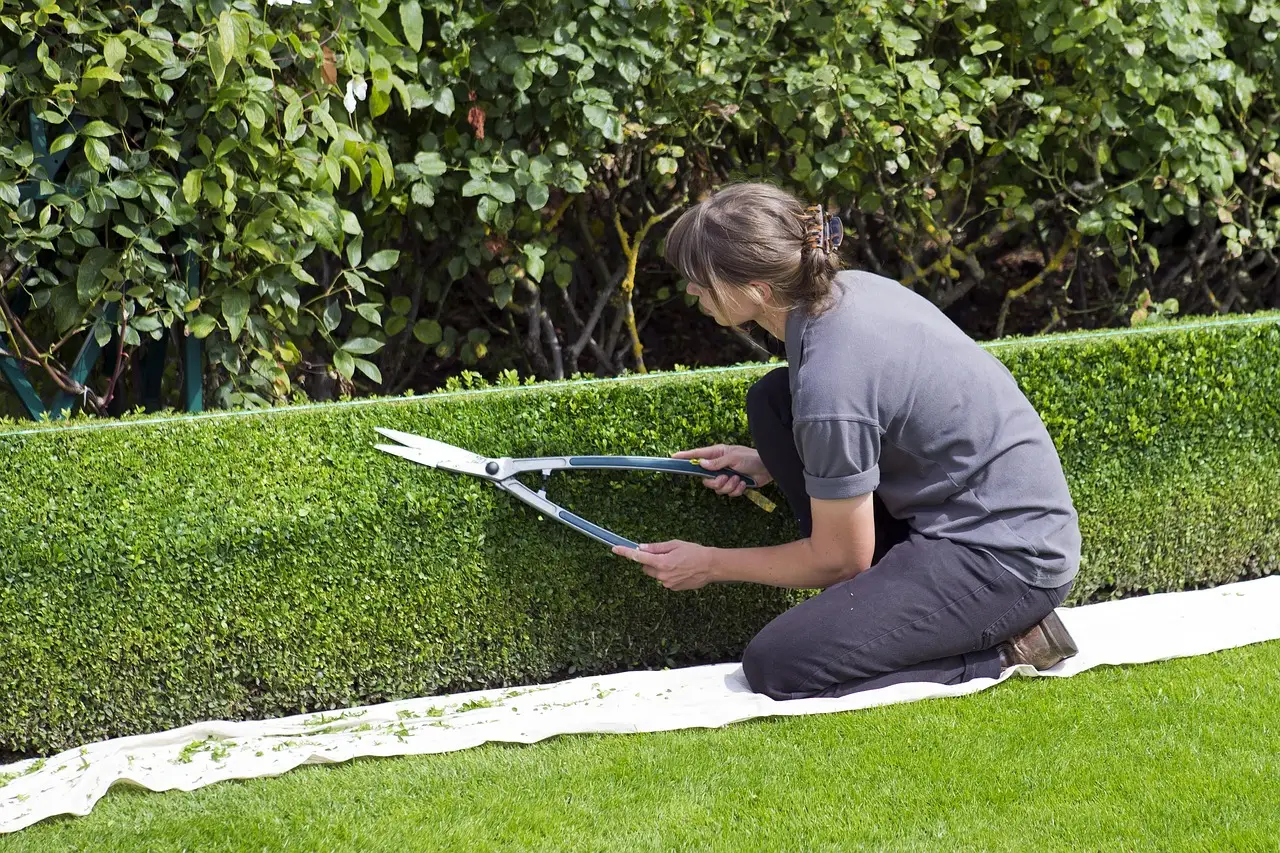
Beginners treat every leaf like it’s sacred. Master gardeners know that strategic cutting is what actually makes plants stronger. Skipping pruning leads to weak, tangled, disease-prone growth and disappointing flowers or fruit down the line.
Tomatoes are the classic victim – many varieties benefit from removing suckers and lower leaves to improve airflow. Left unpruned, they turn into sprawling monsters that shade themselves, invite blight, and collapse under their own weight. Perennials and shrubs often need hard cutbacks at the right time of year to stay vigorous, but nervous beginners “play it safe” and end up with woody, half-dead plants instead. Deadheading spent flowers matters too: leaving dead blooms on the plant literally signals it to stop producing.
#8 – Skipping Mulch Makes Your Garden 10x Harder Than It Needs to Be
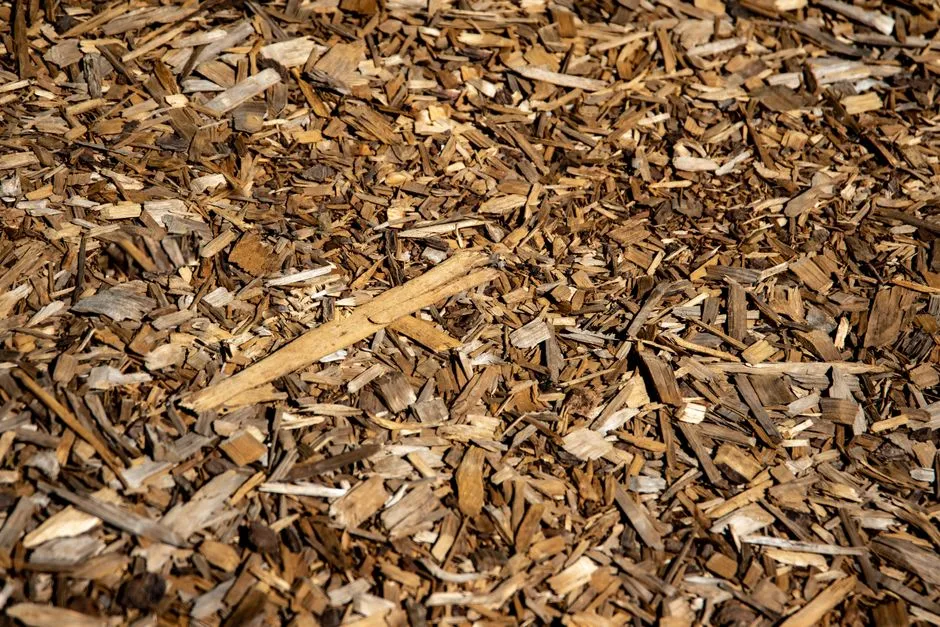
A bare-soil garden might look “clean” to beginners, but to master gardeners it screams weeds, evaporation, and erosion incoming. Mulch is one of the simplest, most powerful tools in the whole hobby, and most first-timers either skip it or use it wrong.
A 2-3 inch layer of organic mulch – shredded leaves, straw, or wood chips around perennials – keeps soil cooler, holds moisture, and cuts weeds dramatically while it slowly feeds the soil as it breaks down. Skip it, and you’ll be watering constantly while fighting an endless weed war. The one catch: mulch should never touch the stems. That “mulch volcano” piled against a trunk invites rot and pests – leave a small gap around the base instead.
#9 – Not Every Bug Is Bad (But One Missed Week Can Wreck a Season)
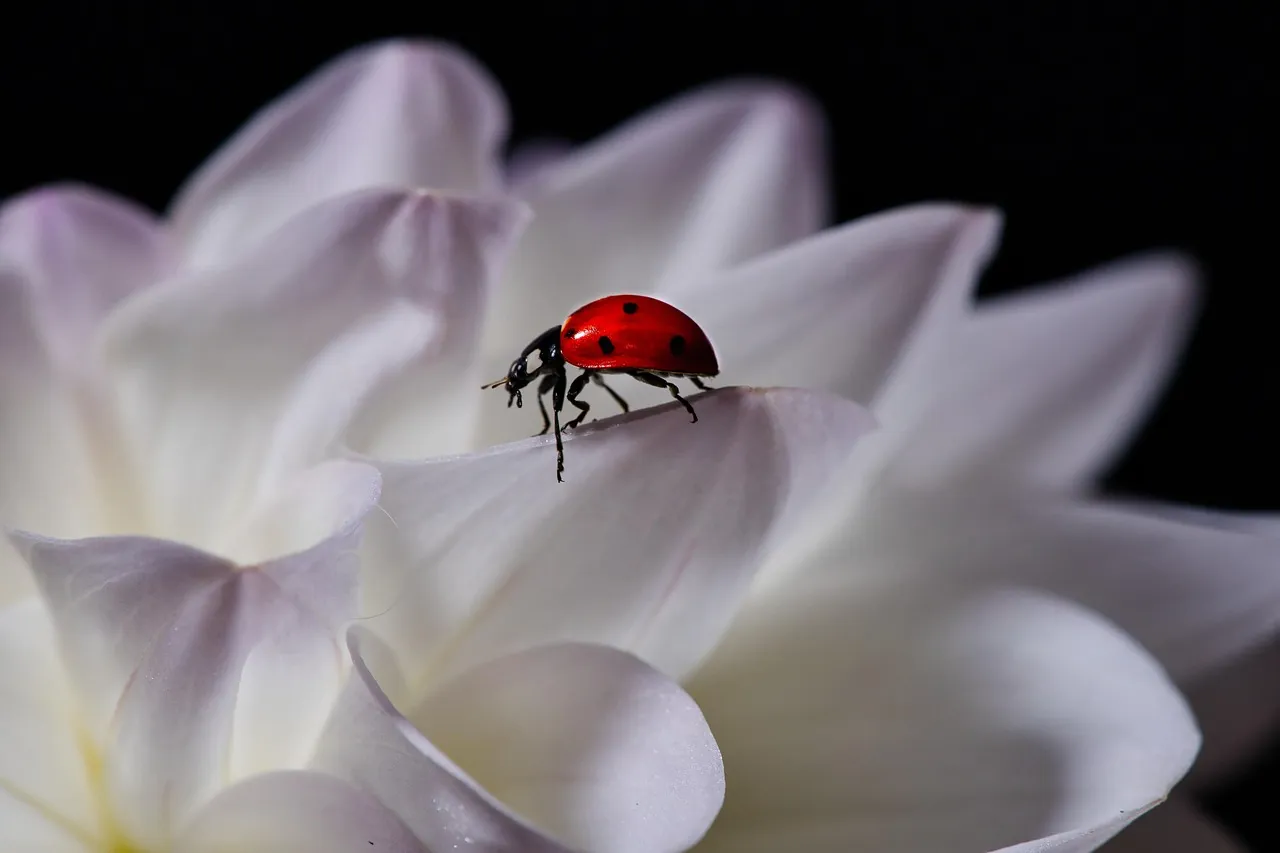
Most beginners do one of two things: ignore every insect until the plants are shredded, or spray anything that moves. Master gardeners do neither. They know some “ugly” bugs are actually your best allies, and that timing is everything.
Ladybugs, lacewings, and parasitic wasps prey on aphids and caterpillars – squash every bug or douse the garden in broad-spectrum pesticide, and you wipe out your own defense first, leaving the real villains to move in later unchecked. On the flip side, ignoring the first signs of trouble – tiny holes, sticky leaves, curling new growth – often means a full-blown infestation by the time you actually look again. One missed scouting week in peak season can genuinely cost you the whole crop.
- Flip leaves over once a week and actually inspect them.
- Learn to identify 5-10 common pests and 5-10 beneficials in your area.
#10 – Buying Whatever Looks Pretty at the Nursery Is a Trap
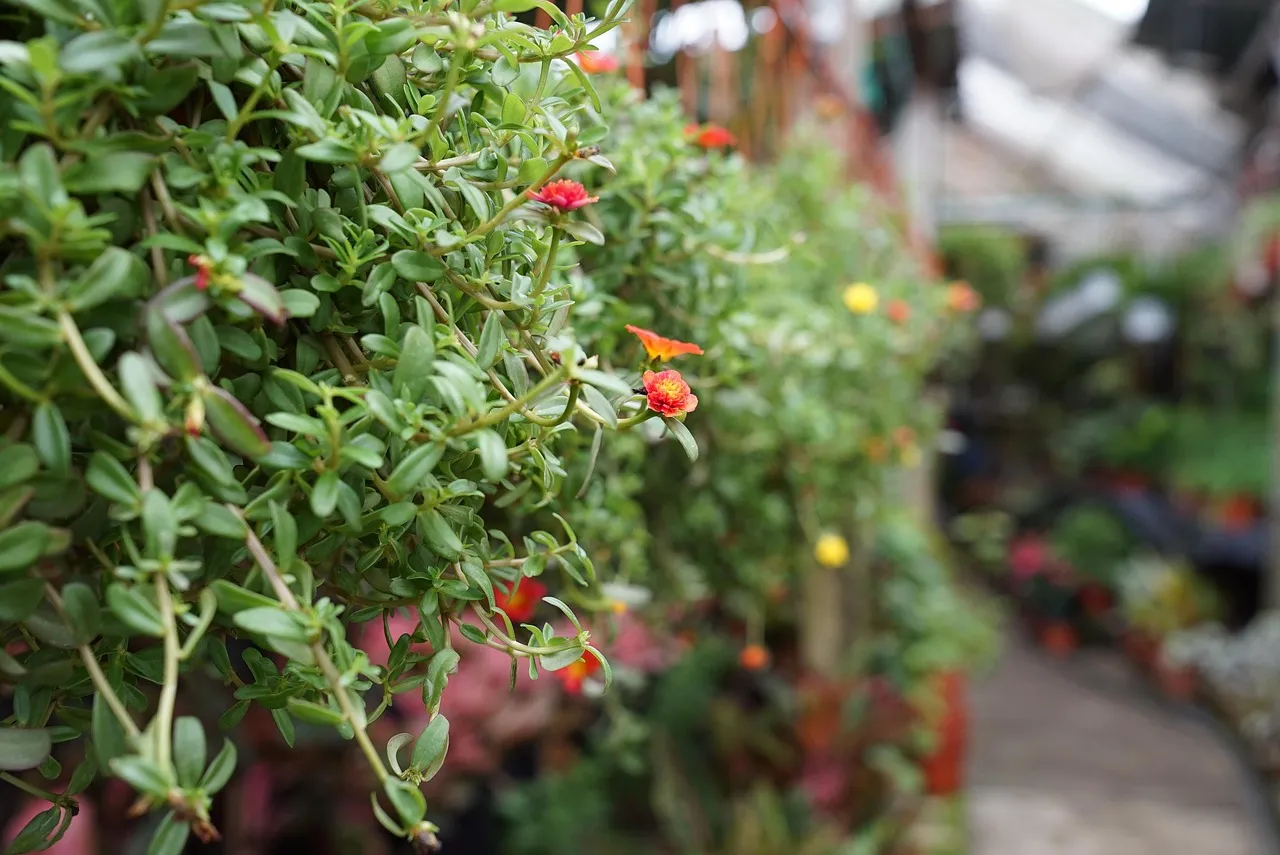
Most people build their first garden the way they shop for décor: they grab whatever looks good that day. Master gardeners almost never shop that way – they start with a plan built around sun, soil, climate, and mature size, and pick color dead last.
Nurseries are basically built to sell impulse buys: plants are packed together, perfectly watered, and often forced into early bloom to look irresistible. That showy plant that “looked fine at the store” might actually hate your heat, your humidity, or your shade – and plenty of big-box stores sell varieties that are borderline unsuitable for your region, because they know most beginners never check. Build your garden from random pretty faces, and don’t be surprised when half of them ghost you by July.
Fast Facts
- Greenhouse conditions often push plants into early bloom just to look better on the shelf.
- Big-box retailers frequently stock the same varieties nationwide, regardless of local climate fit.
- A plant that thrives in a shaded, watered nursery display can struggle fast once it hits real backyard conditions.
#11 – Starting Too Big Guarantees Burnout (And Neglect Kills Faster Than Bugs)
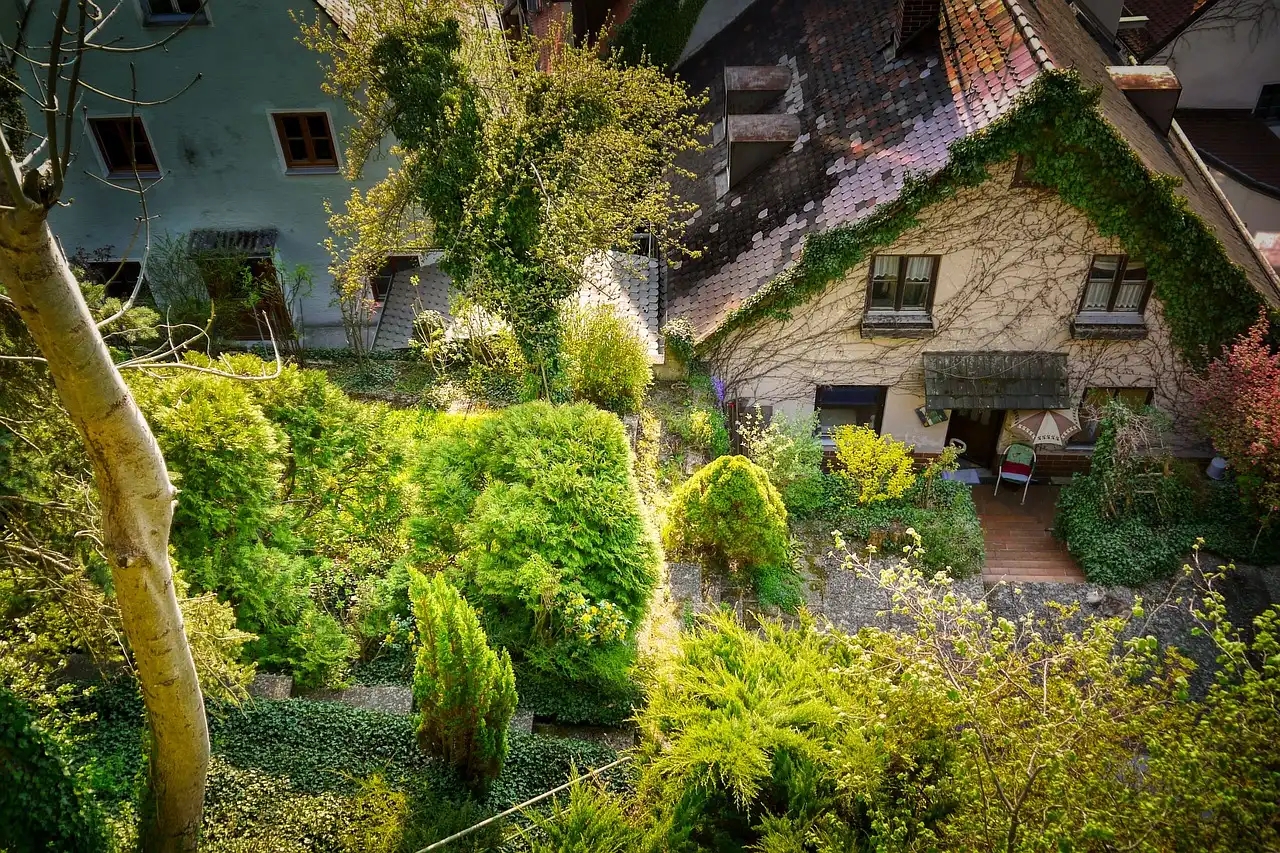
The first-timer fantasy is a huge, overflowing garden in year one. The expert move is the opposite: start smaller than you think you want, then expand slowly once you know what you’re doing.
Most beginners badly underestimate the weekly maintenance a big garden demands once everything is actually growing – the weeding, watering, staking, pruning, and harvesting all scale up fast. Miss one busy week with work or travel, and you come back to bolted greens, an overgrown zucchini the size of a bat, and a mat of weeds that feels like personal failure. That single overwhelming season is why so many people quietly quit gardening for good. Master gardeners know a 4×8 raised bed or a dozen containers can teach you more in one season than a chaotic mini-farm ever will.
At a Glance
- Containers: lowest-effort entry point, great for testing sun and soil first.
- 4×8 raised bed: manageable weekly upkeep for a true beginner.
- Large in-ground plot: can demand several hours a week once peak season hits.
#12 – Chasing “Perfect” Instagram Gardens Steals the Joy (And the Learning)
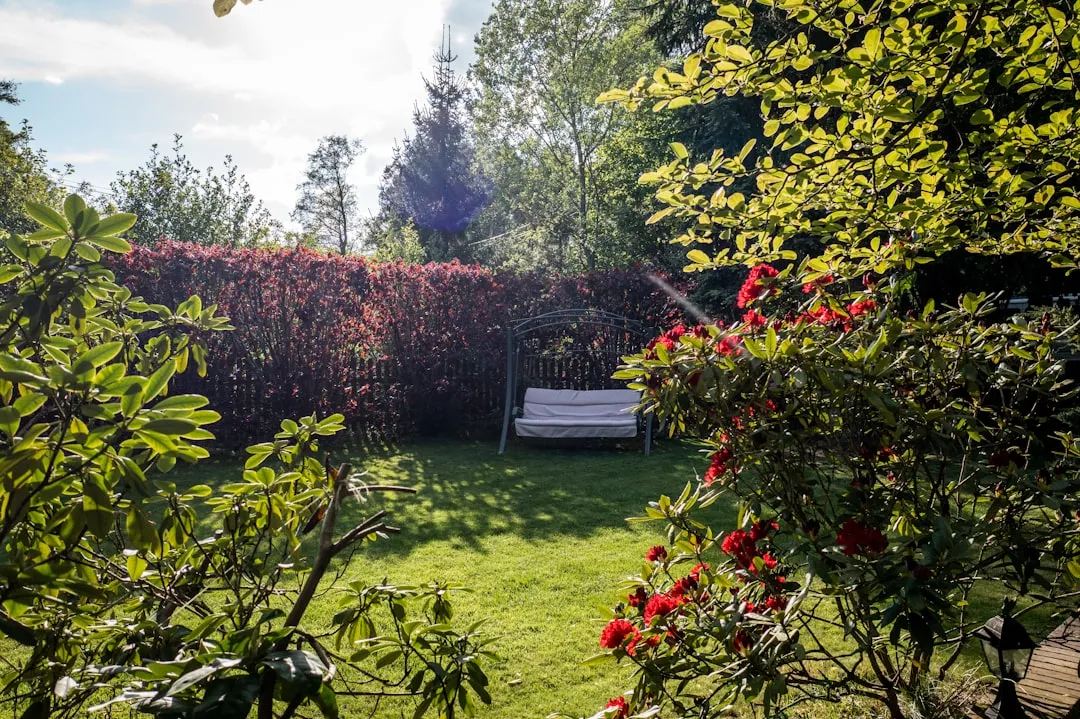
New gardeners scroll social media, see flawless raised beds and spotless leaves, then look at their own slug-nibbled kale and feel like failures. Master gardeners roll their eyes, because they know real gardens are messy, experimental, and often a little ugly up close.
That online perfection often hides heavy editing, staged photos, or plants that were simply bought already in bloom and stuck in the ground for the shot. In real life, leaves yellow, flowers flop, and some varieties just won’t work in your microclimate no matter what you do. The gardeners who get good are the ones who treat every season as a test, not a verdict. Your first garden is supposed to be rough – chasing a curated look too early is a great way to quit right when you’re finally starting to figure it out.
#13 – If You Don’t Take Notes, You’ll Repeat the Same Mistakes Every Year
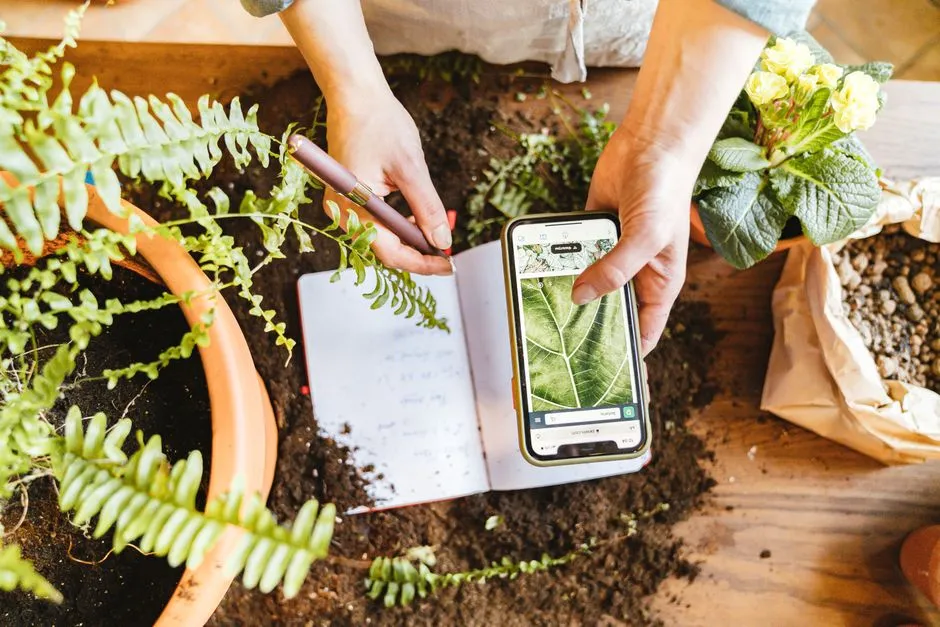
Here’s the unsexy secret almost nobody tells beginners: the difference between a struggler and a “natural” often comes down to a notebook. Master gardeners write things down. Beginners trust their memory, then re-learn the same painful lessons every spring.
When did you actually plant those tomatoes? Which variety cracked in the rain? Where did the mildew start first? What date did the real first frost hit your yard, not the airport 20 miles away? These details vanish by next season unless you record them – but patterns emerge fast once you track even a few basics.
- Keep a simple log: dates, varieties, weather notes, problems, and what worked.
- Take a few photos with dates on them; they’re a surprisingly powerful memory tool.
The Bottom Line
Most first gardens don’t fail because someone “lacks a green thumb.” They fail because beginners are set up with bad assumptions from day one: fake sun, dead soil, random plants, rushed timing, shallow watering, and Instagram expectations nobody could actually meet.
Master gardeners quietly do the opposite of what gets marketed to beginners. They obsess over soil, timing, and spacing, they cut harder and mulch more than seems necessary, and they start smaller than their ambition wants them to. If you’re just getting started, your real power move isn’t buying more plants – it’s simply avoiding these 13 slow-motion disasters before they take root.
Which of these hard truths do you think most new gardeners will argue with first? Drop your take in the comments.

- 13 Things Master Gardeners Say Beginners Learn Far Too Late to Save Their Very First Garden - August 3, 2026
- The 20 Ways a Rescue Horse Shows It Has Finally Given Its Heart to One Single Person - August 3, 2026
- 16 Choices Experienced Dog Owners Say They Would Undo If They Could Start All Over Again - August 3, 2026