


The copperhead snake, with its distinctive copper-colored head and hourglass-patterned body, is one of North America’s most recognizable venomous serpents. Despite their fearsome reputation, these remarkable reptiles remain largely misunderstood. From their fascinating hunting techniques to their surprising maternal behaviors, copperheads possess characteristics that many people are completely unaware of. As members of the pit viper family, they play important ecological roles in their habitats while showcasing remarkable adaptations for survival. Whether you’re a wildlife enthusiast, a cautious hiker, or simply curious about these copper-crowned creatures, these thirteen surprising facts will transform your understanding of the often-feared but truly fascinating copperhead snake.
Copperheads Can Deliver “Dry Bites”

Contrary to popular belief, copperheads don’t always inject venom when they bite. In fact, approximately 25% of copperhead strikes are “dry bites,” meaning no venom is released. This venom conservation strategy serves an important purpose for these snakes, as producing venom requires significant energy expenditure. Since venom is primarily used for hunting prey rather than defense, copperheads often reserve their precious venom for catching food.
When threatened by humans or large predators, copperheads may deliver these dry bites as a warning. This behavior is particularly common in defensive situations where the snake feels cornered but isn’t trying to secure a meal. While still painful and requiring medical attention, dry bites typically don’t cause the severe symptoms associated with envenomation. However, since it’s impossible to know whether a bite contains venom without medical evaluation, all copperhead bites should be treated as medical emergencies.
They Hunt Using Heat-Sensing Pits

Like other members of the pit viper family, copperheads possess specialized heat-sensing organs located between their eyes and nostrils. These small pits are essentially infrared detectors that allow the snake to create a thermal image of its surroundings. This remarkable adaptation enables copperheads to detect the body heat of warm-blooded prey even in complete darkness or when the prey is perfectly still.
These heat-sensing pits are so sensitive they can detect temperature differences as small as 0.003 degrees Celsius. This extraordinary ability allows copperheads to precisely strike at warm-blooded targets up to one meter away with impressive accuracy. The thermal imaging capability complements their visual system, essentially giving these snakes a form of night vision that helps them locate mice, rats, and other small mammals that comprise most of their diet. This sophisticated hunting mechanism explains why copperheads are such effective predators, particularly during nocturnal hunting expeditions.
Copperheads Practice Unique Ambush Tactics

Copperheads employ a fascinating hunting strategy called “caudal luring” that showcases their evolutionary ingenuity. Young copperheads, and sometimes adults, will wiggle their bright yellow-tipped tails to mimic the movement of a worm or insect. This clever deception attracts curious prey like frogs, lizards, and small birds directly into striking range. The bright coloration of juvenile tail tips makes this strategy particularly effective, acting as visual bait for unsuspecting creatures.
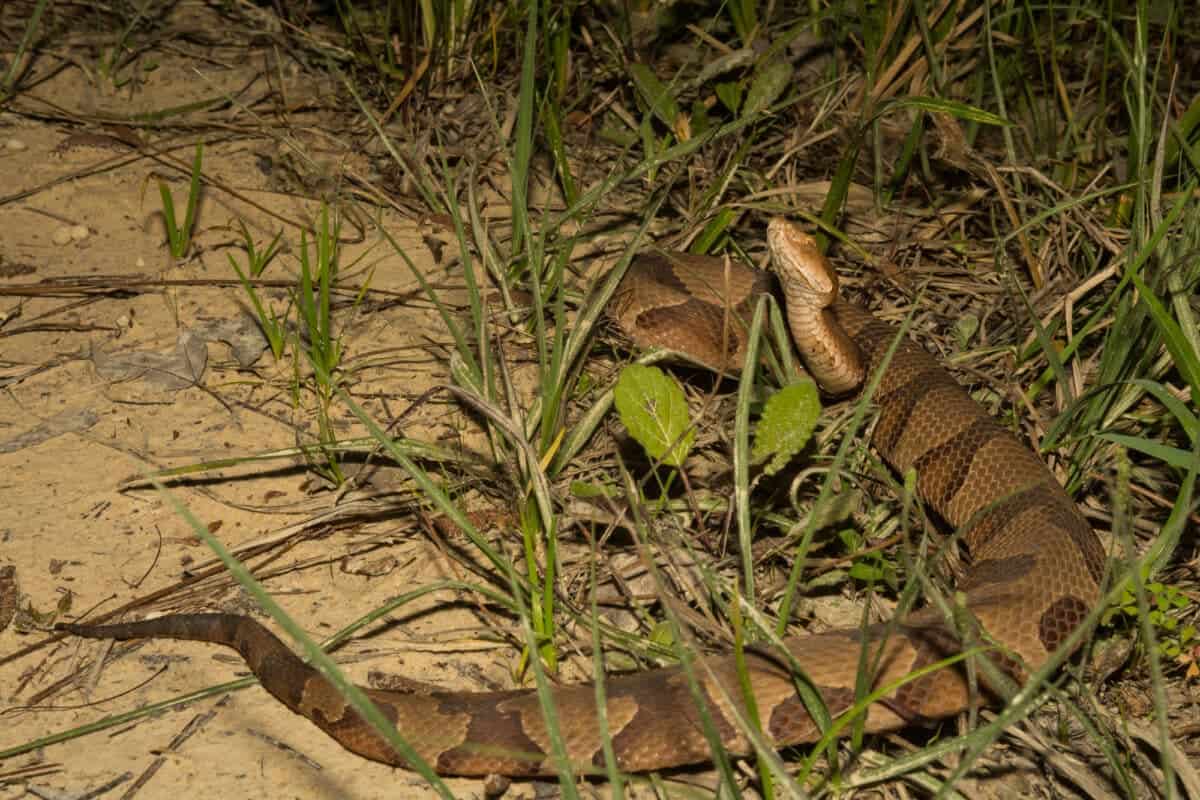
Beyond caudal luring, copperheads are master ambush predators who rely on their exceptional camouflage to blend perfectly with forest floor detritus. They often position themselves near fallen logs, rock crevices, or along trails where rodents frequently travel. Rather than actively pursuing prey, they patiently wait—sometimes for hours or even days—for an opportune moment to strike. Their copper, tan, and brown patterned bodies create such effective camouflage that prey animals (and humans) often fail to notice them until it’s too late, making copperheads one of nature’s most patient and effective hunters.
Mothers Guard Their Young

Unlike many reptiles that abandon their eggs immediately after laying them, female copperheads display remarkable maternal behavior. These dedicated mothers not only give birth to live young (being ovoviviparous) but also remain with their newborn snakes for several days after birth. This protective behavior significantly increases the survival rate of the vulnerable neonates as they navigate their first hours in a dangerous world.
During this guarding period, mother copperheads may defend their offspring from predators and provide them time to shed their first skin and disperse safely. A typical copperhead litter consists of 2-10 young, each measuring about 7-10 inches long at birth. These baby copperheads are born fully equipped with functional venom glands and fangs, making them dangerous from the moment they enter the world. While the maternal bond is temporary—lasting only until the juveniles begin to disperse—this period of protection represents an unusual level of parental care rarely seen in reptiles.
They’re the Most Common Source of Venomous Snakebites in America

Copperheads hold the dubious distinction of being responsible for more venomous snakebites in the United States than any other species. This isn’t because they’re particularly aggressive—quite the opposite—but rather because of their exceptional camouflage and habitat preferences that frequently overlap with human activities. Their tendency to freeze rather than flee when threatened means people often step on or near them before noticing their presence.
While copperhead bites account for an estimated 2,920 of the approximately 8,000 venomous snakebites reported annually in the United States, they’re rarely fatal. Their venom, while certainly painful and capable of causing tissue damage, is less potent than that of many other venomous snakes like rattlesnakes or cottonmouths. Most copperhead bite victims experience intense pain, swelling, and tissue damage, but with proper medical treatment, long-term complications are uncommon. Nevertheless, any suspected copperhead bite should receive immediate medical attention, as individual reactions to venom can vary significantly.
Copperheads Can Crossbreed with Other Pit Vipers
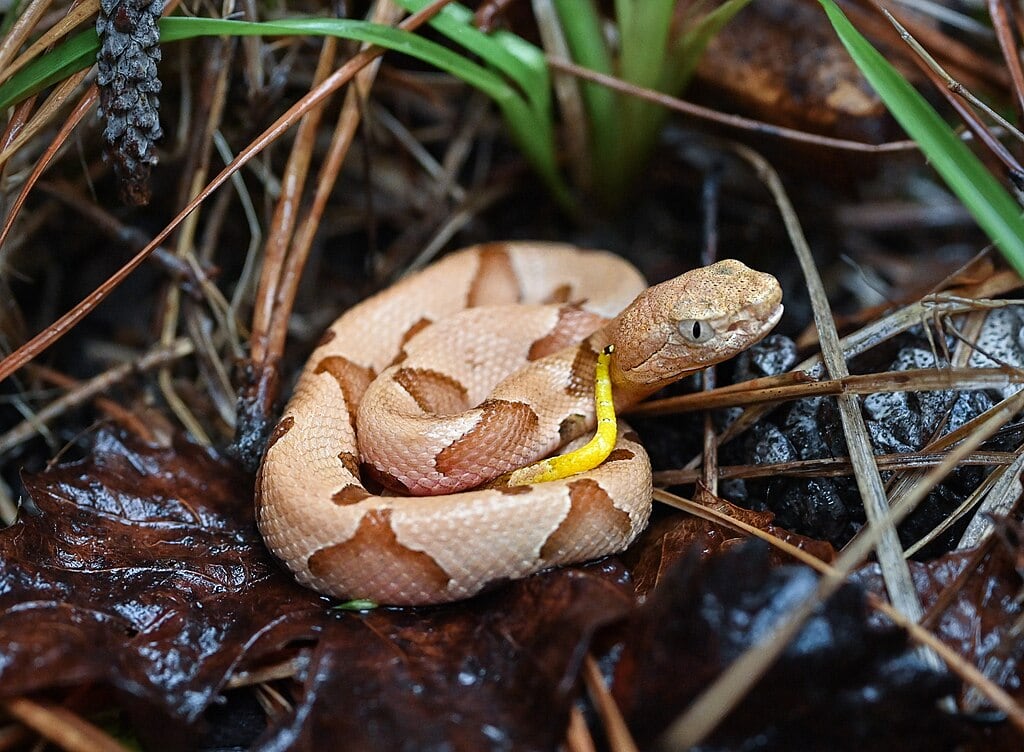
One of the most surprising aspects of copperhead biology is their ability to hybridize with certain other pit viper species. Most notably, copperheads can successfully breed with cottonmouths (water moccasins), producing viable hybrid offspring in areas where their ranges overlap. These hybrids, sometimes called “cottonheads” or “coppermouth” snakes, display physical characteristics and behaviors intermediate between the parent species, though they’re relatively rare in the wild.
Even more remarkable is the documented hybridization between copperheads and some species of rattlesnakes. While these intergeneric hybrids are extremely uncommon in natural settings, they’ve been confirmed through genetic testing. These hybridization events provide fascinating insights into the evolutionary relationships within the pit viper family and demonstrate the genetic compatibility that exists despite millions of years of separate evolution. However, hybrid individuals often face reproductive disadvantages, limiting the long-term impact of such crossbreeding on wild populations.
They Have an Unusual Diet That Includes Cicadas

While most people associate snakes with a diet of rodents or other small vertebrates, copperheads display remarkable dietary flexibility that includes an unexpected food source: cicadas. During the periodic emergence of cicada broods—particularly the 13-year and 17-year cicadas—copperheads undergo a fascinating dietary shift. These snakes will climb into low vegetation and trees (unusual behavior for typically terrestrial vipers) to feast on these protein-rich insects during their brief above-ground life cycle.
Research has shown that during cicada emergences, some copperhead populations derive up to 80% of their caloric intake from these insects. This dietary opportunism allows the snakes to capitalize on an abundant but temporary food source, often resulting in population booms following cicada emergence years. Beyond cicadas, copperheads consume an impressively varied diet that includes mice, small birds, lizards, frogs, small snakes, large insects, and even some plant matter like seeds and berries. This dietary flexibility has helped copperheads remain successful across their range despite habitat changes.
Copperheads Have Evolved Multiple Color Variations

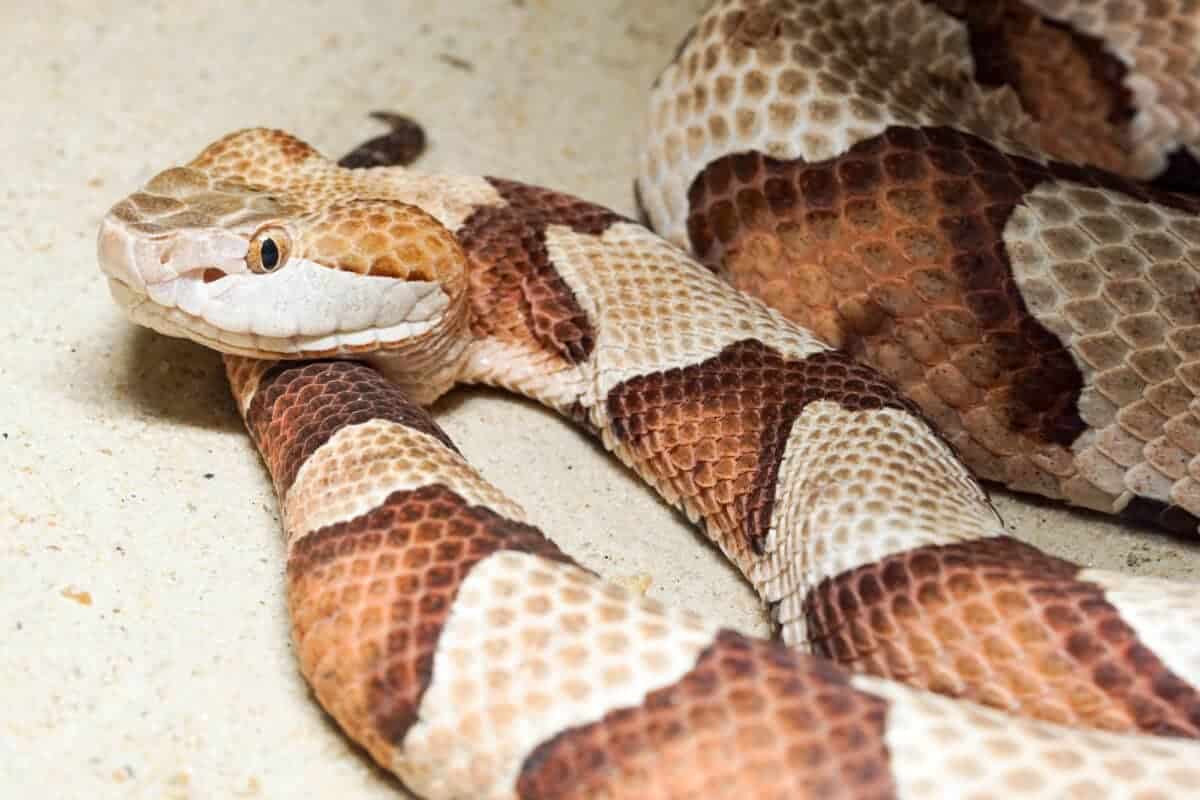
While the classic copperhead pattern of copper-colored head and hourglass-shaped crossbands on a light brown body is most familiar, these snakes display remarkable color variation across their range. Scientists recognize five distinct subspecies of copperheads, each with its own geographic range and subtle color variations. The northern copperhead tends toward reddish-brown hues, while the southern copperhead often displays a paler background color with more contrasting bands.
Beyond standard subspecies variations, copperheads occasionally exhibit striking color morphs, including amelanistic (lacking dark pigments), hypomelanistic (reduced dark pigmentation), and anerythristic (lacking red pigments) individuals. These genetic variations, while rare in wild populations, have become sought after in captive breeding programs. Perhaps most striking are leucistic copperheads, which display reduced pigmentation resulting in a whitish appearance while retaining their characteristic pattern. These color variations demonstrate the genetic diversity within copperhead populations and provide important camouflage adaptations for different habitat types across their extensive range.
They’re Venomous But Rarely Deadly

Copperhead venom has evolved primarily as a hunting tool rather than a defense mechanism, which helps explain why it’s less lethal to humans than many other venomous snakes. Their hemotoxic venom targets blood cells and tissue, causing pain, swelling, and localized tissue damage, but rarely results in human fatalities. In fact, less than 0.01% of copperhead bites prove fatal to humans, with most deaths occurring in individuals with compromised immune systems or those who don’t receive appropriate medical care.
Interestingly, components of copperhead venom have shown promise in medical research. Scientists have isolated proteins from their venom that demonstrate potential in treating breast cancer, slowing tumor growth, and preventing the spread of cancer cells. Other venom components are being studied for use in pain management and blood clotting treatments. This medical potential adds another dimension to understanding these often-maligned creatures, highlighting how even venomous animals can contribute to human health advances. Modern antivenin treatments, combined with supportive care, have made copperhead bites a painful but usually manageable medical emergency.
Copperheads Live Longer Than You Might Think
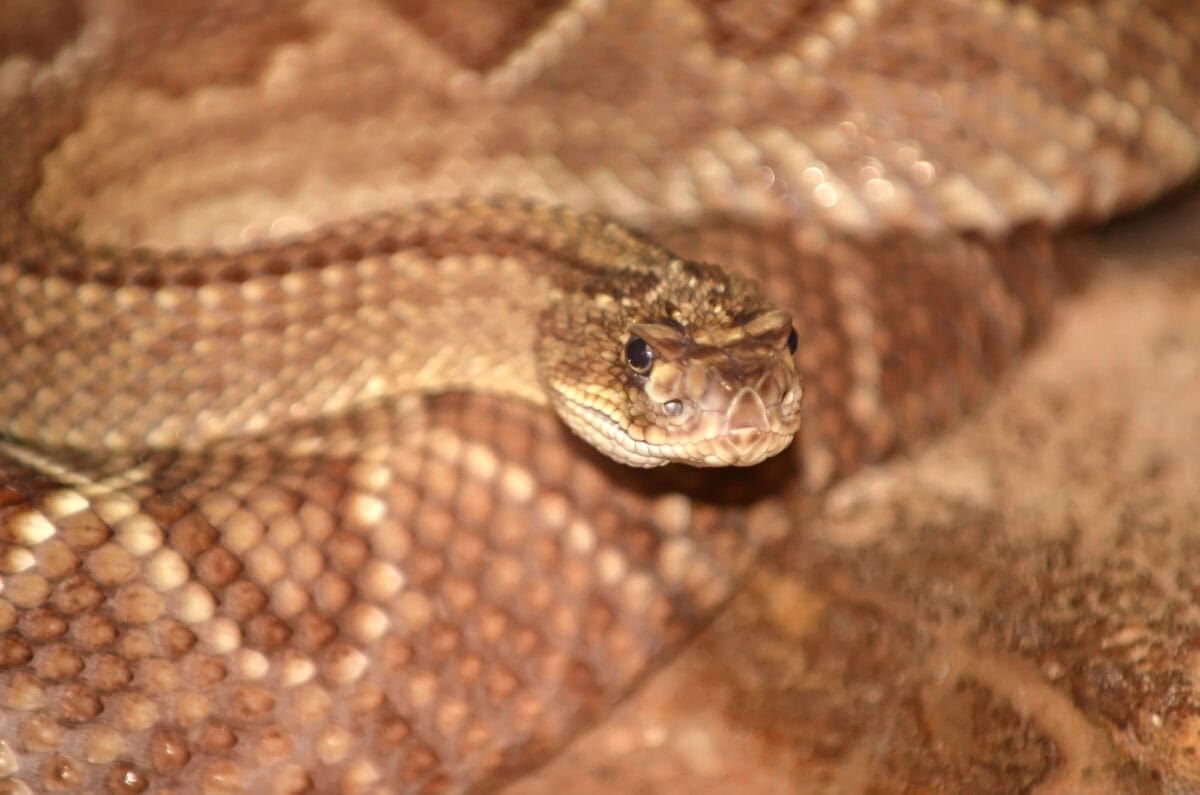
While many people assume snakes have relatively short lifespans, copperheads can be surprisingly long-lived reptiles. In the wild, these resilient serpents regularly reach 15-20 years of age, with some individuals documented living into their mid-twenties. When maintained in captivity with proper care, nutrition, and veterinary attention, copperheads can survive even longer, with some specimens reaching 30 years or more.
This longevity is particularly impressive considering the numerous threats copperheads face throughout their lives. From predation by hawks, owls, kingsnakes, and raccoons to road mortality and human persecution, wild copperheads navigate a gauntlet of dangers. Their remarkable lifespan is supported by their slow metabolism, which allows them to survive on relatively few meals, and their ability to remain inactive for extended periods during winter brumation (similar to hibernation). This long life cycle has important implications for conservation, as it means populations recover slowly from declines and require long-term protection strategies.
They’re Among the Most Cold-Tolerant Pit Vipers
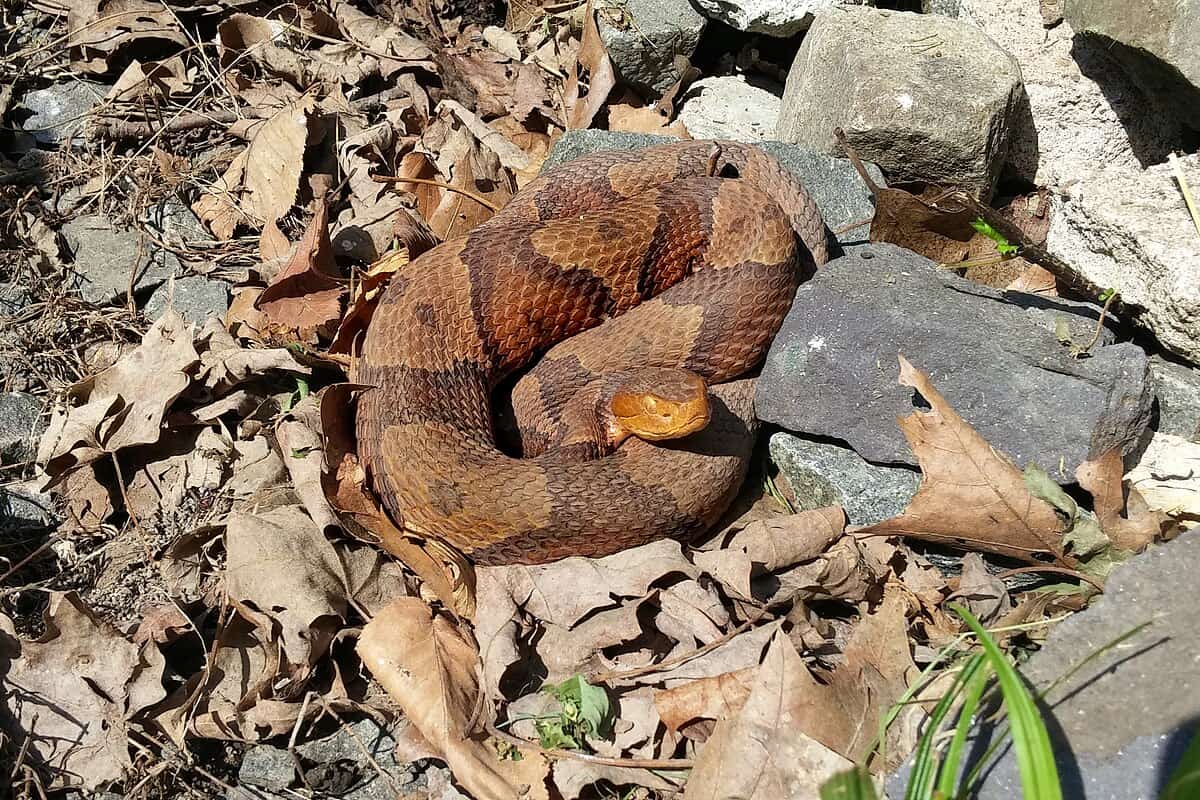
While many people associate venomous snakes with warm climates, copperheads are remarkably cold-tolerant compared to most other pit vipers. The northern subspecies of copperhead has the northernmost range of any pit viper in the Americas, extending into states like Massachusetts, New York, and parts of southern New England. This cold-hardiness is achieved through sophisticated physiological adaptations that allow them to survive harsh winter conditions.
During winter months, copperheads enter a state of brumation—a reptilian version of hibernation—where they seek underground dens called hibernacula that remain above freezing. These winter retreats are often shared with other snake species, including rattlesnakes and rat snakes, creating mixed-species aggregations. Copperheads can survive body temperatures approaching 35°F (1.7°C), allowing them to emerge earlier in spring and remain active later into autumn than many other snake species. This extended active season gives them additional time for feeding and reproduction in northern climates where the warm season is relatively brief, contributing to their success across diverse habitats.
Copperheads Have Unique Defensive Behaviors
While copperheads are venomous, they rely on a fascinating repertoire of non-aggressive defensive strategies before resorting to biting. Their first line of defense is exceptional camouflage, allowing them to remain motionless and blend perfectly with leaf litter when threatened. Unlike many snakes that flee when detected, copperheads often freeze in place, betting on their camouflage to avoid detection even when a potential predator is just inches away.
If the threat persists, copperheads display a graduated response that includes vibrating their tail (mimicking a rattlesnake), emitting a musk with a strong cucumber-like odor, and flattening their body to appear larger. Only when physically contacted or cornered will most copperheads resort to striking. Even then, they often deliver warning strikes or dry bites before fully committing to venom injection. This restraint makes ecological sense—venom is metabolically expensive to produce and primarily evolved for hunting rather than defense. These sophisticated defensive behaviors demonstrate the complex behavioral adaptations that have allowed copperheads to survive alongside humans and predators for millions of years.
Understanding the Fascinating World of Copperheads
Copperheads represent a perfect example of how venomous creatures often receive undeserved reputations based on fear rather than facts. These remarkable reptiles have evolved sophisticated hunting strategies, complex social behaviors, and impressive adaptations that allow them to thrive across diverse habitats throughout eastern and central North America. From their heat-sensing abilities to their maternal care, copperheads display biological features that deserve admiration rather than fear. Their contribution to ecosystem health through rodent control cannot be overstated, making them valuable components of natural communities.
As human development continues to encroach on natural habitats, understanding these often-misunderstood creatures becomes increasingly important for coexistence. Education about their behavior, appearance, and the actual risks they pose can help reduce negative encounters and unnecessary killings. With proper awareness and respect for their space, humans and copperheads can share environments with minimal conflict. The next time you encounter information about these copper-crowned serpents, remember that behind their venomous reputation lies a fascinating animal that has successfully navigated millions of years of evolution to become one of North America’s most adaptable and resilient reptiles.
Conclusion:
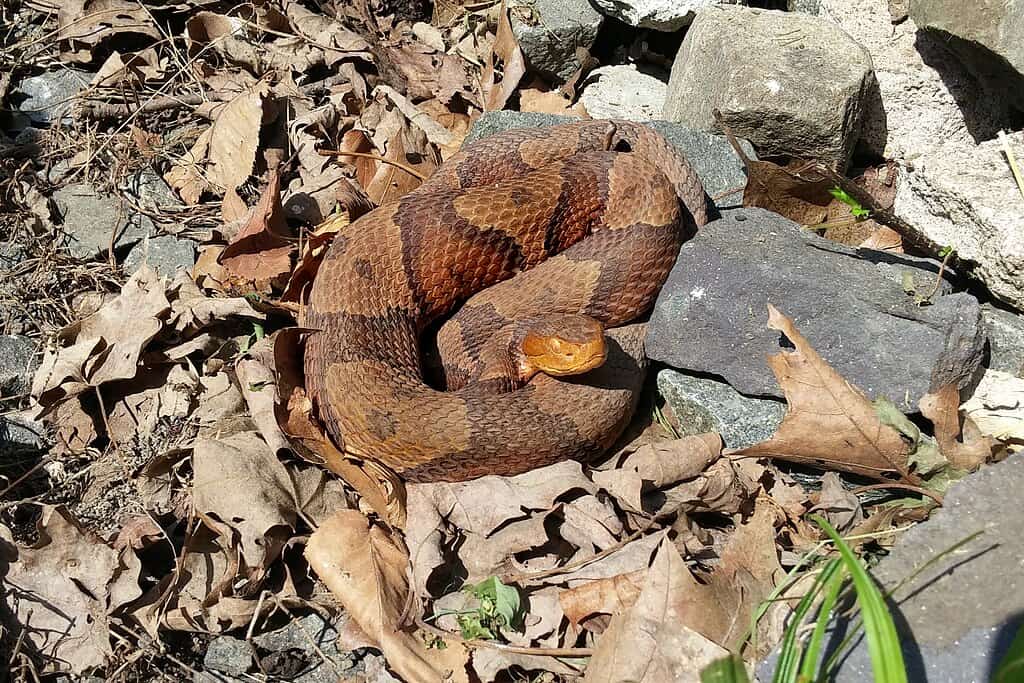
Copperheads may be one of the most misunderstood snakes in North America, but a closer look reveals a fascinating creature full of surprises. From their unique camouflage and “freeze” defense strategy to their surprisingly mild venom and role in medical research, copperheads challenge many common assumptions about venomous snakes. They are not the aggressive monsters some fear, but rather secretive, ecologically important animals that prefer to avoid confrontation.
Understanding the lesser-known aspects of copperhead behavior, biology, and survival tactics helps foster respect rather than fear. As human development continues to encroach on their habitats, promoting awareness and coexistence is more important than ever. By shedding light on these 13 little-known facts, we gain not only a better understanding of the copperhead but also a deeper appreciation for the complexity and value of all wildlife.

As a little kid, I fell in love with nature, wildlife, and animals. Living in the USA, South Africa, Italy, China and Germany gave me the opportunity to discover the world's Wildlife. My favorite animals are Mountain Gorillas, Siberian Tigers, and Great White Sharks.
I'm a certified PADI Open Water Diver, went to Everest Base Camp and Trekked Gorillas in Uganda. I hold a Master of Science in Economics and Finance.
Please send any feedback to feedback@animalsaroundtheglobe.com
- 10 Amazing Ways Animals Survive Extreme Cold - August 1, 2026
- Why America Next Megaquake Might Strike Sooner Than We Think - August 1, 2026
- 10 Lakes With Strange and Deadly Secrets - August 1, 2026