
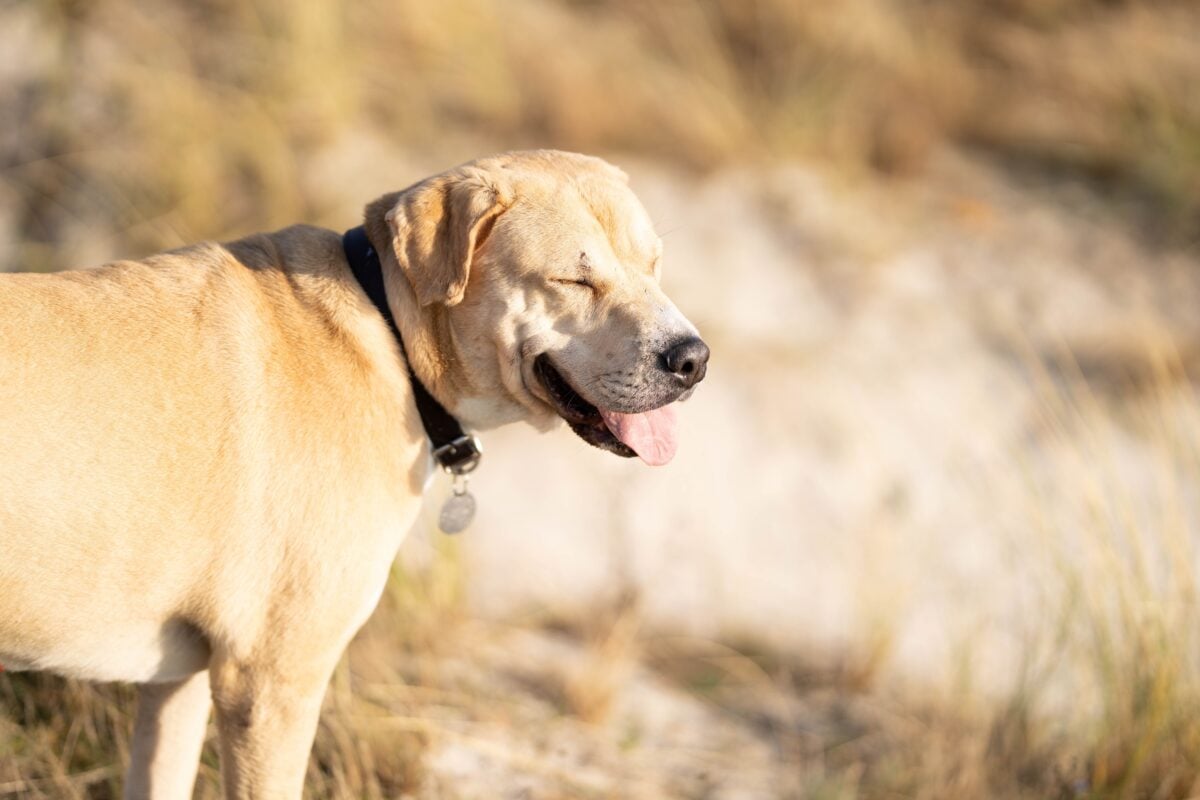
Most people picture a dog’s “final season” as something loud and unmistakable: the day they stop eating, the day they can’t stand up, the frantic drive to the emergency vet. That’s not usually how it starts.
Long before any of that, many dogs quietly rewrite their entire day around one single goal – staying as close to you as physically possible, every waking hour. They follow you into rooms they used to ignore. They abandon favorite napping spots to sleep somewhere they can hear you breathe. Owners call it “clingy.” Longtime dog people and behaviorists call it something else entirely – one of the clearest, most deliberate emotional signals a dog can send. Here are 13 of them, and once you see them, you won’t be able to un-see them.
#1 – They Start Shadowing You From Room to Room
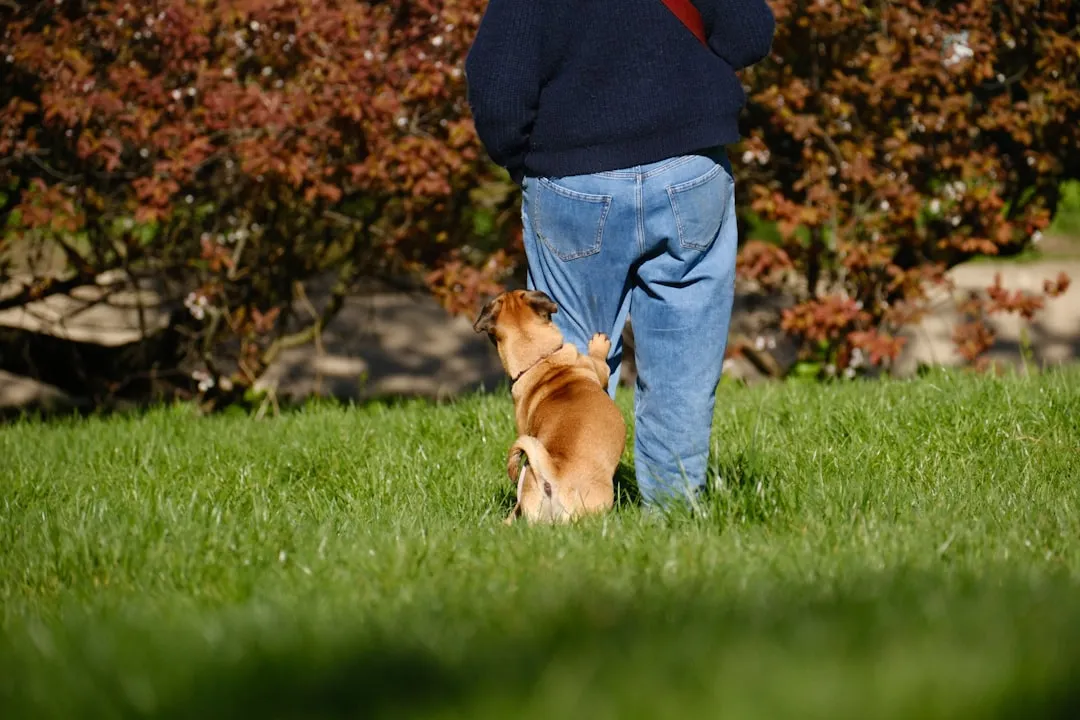
Owners often call it “velcro dog mode,” but in a dog’s final season, this isn’t a quirky phase. It’s a survival-level choice. A dog that once lounged in another room will now get up, slowly and stiffly, just to lie back down near your feet.
They’re not guarding the house anymore – they’re guarding their connection to you. You might notice them give up the “best” spots, like a sunny window or a favorite couch cushion, to curl up somewhere less comfortable but within sight of you. That shift from “my spot” to “your orbit” says everything.
Dogs evolved to feel safest near their person, and as the body weakens or pain creeps in, that need only intensifies. Some owners misread the shadowing as anxiety or bad behavior. It isn’t. It’s a conscious, emotional decision: if time is limited, they’re going to spend it pressed into your daily life.
#2 – They Sleep Where They Can Hear You Breathe
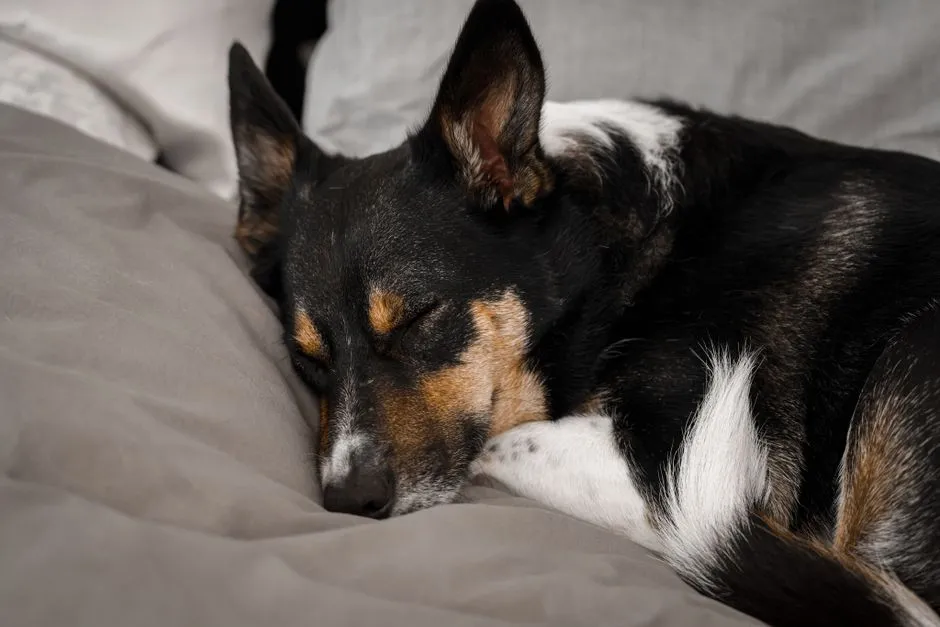
In their younger years, your dog might have happily snoozed in another room, or on a different floor entirely. During the final season, many dogs quietly relocate their naps to spots where they can track you without even opening their eyes.
Often that means by your bed, in your doorway, or right next to your couch – anywhere your breathing becomes their white noise. New “sleep stations” tend to appear almost overnight:
- A pile of blankets suddenly parked beside your side of the bed
- A tight curl pressed against the couch every time you sit down to watch TV
This isn’t random. Dogs are hard-wired to feel safest when their pack is together, and older or sick dogs lean on that instinct harder than ever. Hearing you breathe or shift in your sleep reassures them they’re not alone if something goes wrong. Some people see the new closeness and try to retrain the old boundaries. This is the season to bend the rules instead – that extra inch of nearness is often their most effective pain relief.
Fast Facts
- Dogs are typically considered “senior” starting around age 7, though giant breeds can reach that stage by 5 or 6.
- A dog’s sense of smell often stays sharp even as hearing and eyesight fade with age.
- Senior dogs commonly sleep well beyond the average 12-14 hours a day seen in healthy adults.
- Increased need for closeness in older dogs is frequently tied to sensory decline, not just emotional attachment.
#3 – They Drop Old Games but Keep the Rituals With You
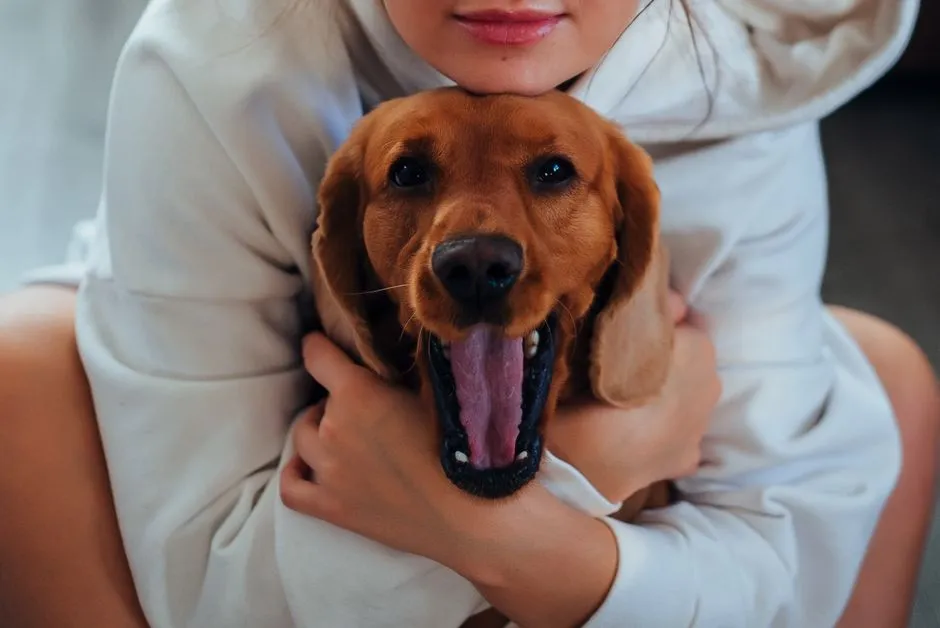
One of the quietest changes in a dog’s final season is how selectively they “retire.” Fetch, wrestling, zoomies in the backyard – all of it can suddenly feel like too much effort. But notice what doesn’t disappear: the routines that connect directly to you.
They’ll skip the ball, but still drag themselves over for the nightly couch cuddle. It can look confusing from the outside – “she won’t chase toys anymore, but she still insists on our 9 p.m. snuggle,” or “he doesn’t want to walk far, but he cries if I leave without saying goodbye.”
That’s not inconsistency. It’s prioritization. They’re quietly sorting what costs their body the least while giving their heart the most, and shared rituals – morning greetings, evening pets, the way you decompress together – move straight to the top of the list. Miss this shift and it’s easy to assume your dog is “just getting lazy,” when really, they’re curating the time they have left.
#4 – They Start Watching You More Than the World
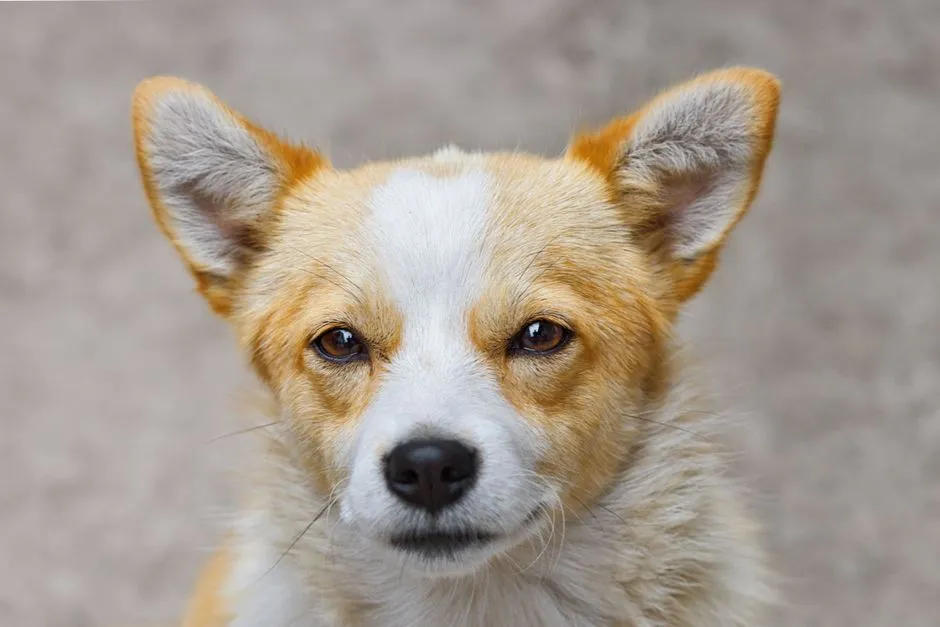
Young dogs constantly scan for stimulation – windows, doors, squirrels, every sound outside. In the final season, that radar turns inward. You’ll catch them just… staring. At you. Not a demanding “throw the ball” stare, but a soft, fixed gaze that lingers even when nothing is happening.
Their favorite show becomes your face. For a lot of owners, this is the most haunting change of all. It can leave you feeling guilty (“what does he want that I’m not giving?”) or a little unnerved (“why does she watch me even when I’m just scrolling my phone?”).
In reality, that gaze is usually pure contentment mixed with a quiet check-in: are we still together, are we okay? Older dogs stop caring much about doorbells or neighbors; their curiosity narrows down to one person. Some call it “weird old dog behavior,” but behaviorists increasingly read it as deep attachment and emotional awareness – they know something inside their body has changed, and they use their eyes to anchor to the one constant they trust.
#5 – They Tolerate More Touch, Even Where They Used to Say “No”
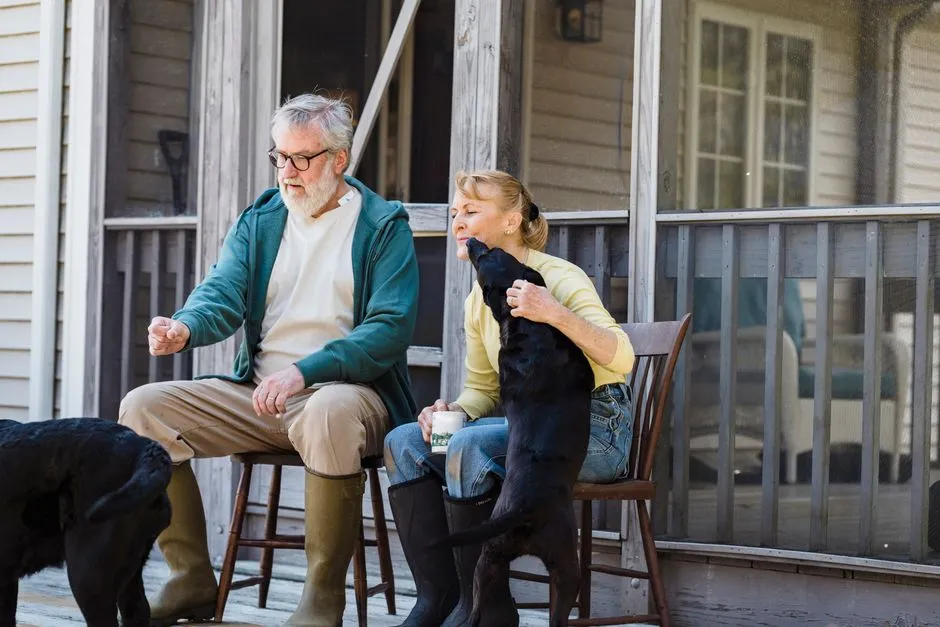
Plenty of dogs are picky about handling – no paws, no tail, don’t touch the hips. In the final season, that rulebook often loosens. Dogs who once pulled away may suddenly allow gentle strokes in old off-limit zones, or lean into slow massages they used to avoid entirely.
Closeness starts to outweigh their old preferences. This doesn’t mean the pain has disappeared – arthritis, organ issues, or general frailty can make certain spots even more sensitive than before. What changes is their willingness to trade a little discomfort for the comfort of your hands, as if their internal math has rewritten itself: this hurts a little, but it means I’m with you, so it’s worth it.
You might catch them actively guiding your hand, nudging under your palm and going very still, or turning to offer their side or chest where your touch calms them fastest. Some owners assume their dog simply “got over” being touch-sensitive. It’s more serious than that – it’s a dog quietly choosing connection over self-protection.
#6 – They Get Anxious When You’re Out of Sight, Not Just Out of the House
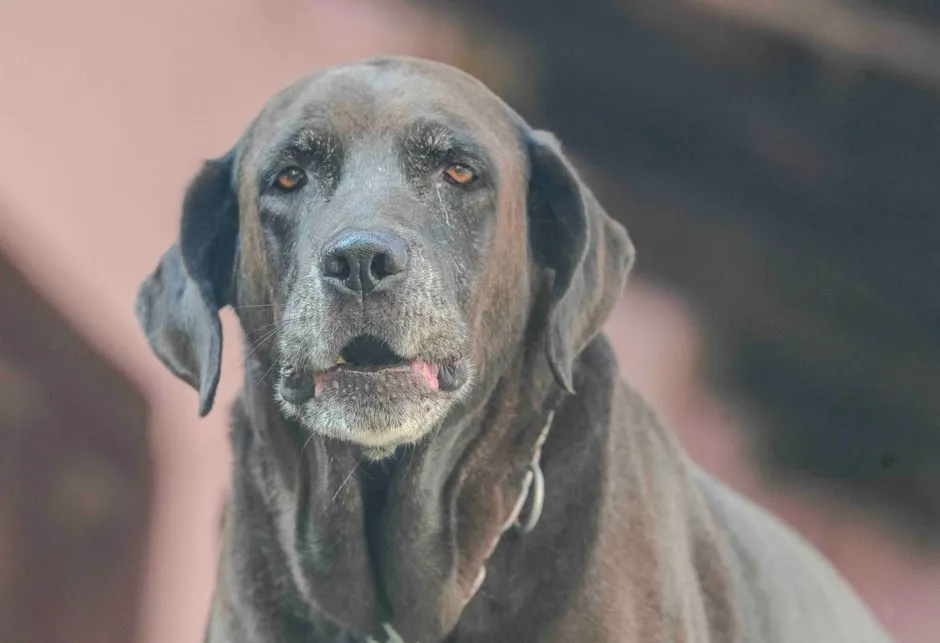
Classic separation anxiety kicks in when you leave the house. Final-season anxiety often shows up at a much shorter distance – the moment you leave the room. A dog who used to snooze alone without a second thought may now struggle the instant you shut a door, head upstairs, or linger too long in the bathroom.
They’re not afraid of the house – they’re afraid of being away from you. Watch for scratching or whining at closed doors, pacing until they can relocate wherever you’ve gone, or settling instantly the second you reappear.
Some people chalk it up to clinginess and try to toughen the dog back up. But in this season, many vets and trainers quietly advise the opposite: give them the reassurance. They’re dealing with foggier senses, possible cognitive decline, and a body that no longer cooperates the way it used to. You are their one constant, and answering that need isn’t spoiling them – it’s responding to something they understand on some level, that time is running short.
Worth Knowing
- Cognitive decline in older dogs can produce symptoms that look almost identical to separation anxiety, including pacing and whining.
- Veterinarians recognize canine cognitive dysfunction as a real, diagnosable condition in aging dogs.
- Consistent routines and physical closeness are commonly recommended to help ease stress in anxious senior dogs.
#7 – They Move Slower but Refuse to Skip “Your” Walk
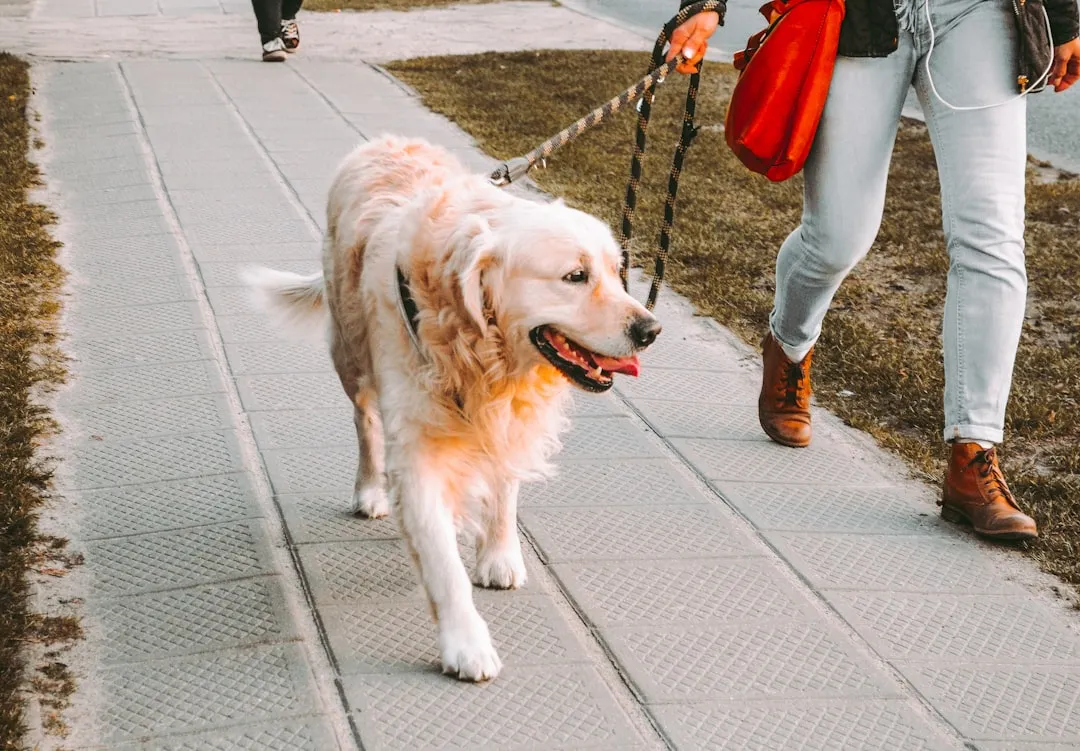
One of the more heartbreaking signs: the body clearly can’t keep up, but they still insist on coming along for “your” time to move – the morning walk, the school run, the trip to the mailbox. A dog who limps just getting up may still shuffle determinedly to the door the second they think you’re leaving without them.
They’ll trade comfort for one more shared route. You might see shorter strides paired with desperate eyes the moment you pick up the leash, slower and sniff-heavy walks where they stay glued to your leg, or sudden stops to rest followed by a flat refusal to turn back alone.
Here’s the part people argue about: some believe you should stop all walks at the first sign of discomfort, while others insist that gentle, dog-paced strolls are one of the last great pleasures you can safely share. The key is listening – if they’re asking to come and your vet has cleared it, a five- or ten-minute stroll can be priceless. They’ve stopped chasing fitness. They’re chasing one more lap around the world with you.
#8 – They Share Their “Safe Objects” With You
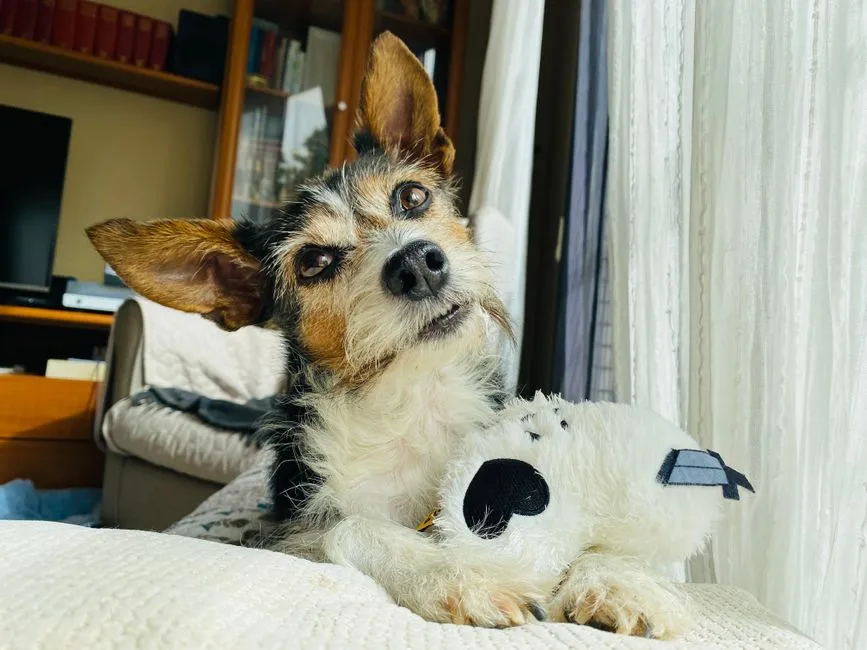
Most dogs have one deeply personal item – a ratty toy, a specific blanket, a certain spot on the bed. In the final season, many start bringing or sharing those safe objects with the person they’re most bonded to.
It’s not fetch – it’s a kind of emotional transfer. You might notice them carry a favorite toy over and simply rest their head on it near you, drag their bed closer to your chair instead of sleeping where it’s always been, or nuzzle your hand onto their old blanket as if inviting you into their world.
Some owners assume it’s random, or that the dog just wants to play. Look closer at the body language – slow movements, soft eyes, a long sigh once they finally settle – and it reads differently. A growing number of animal-loss counselors believe this is how dogs “merge” their comfort object with their real anchor: you. It’s a quiet ceremony. What once soothed them alone now only feels complete when it’s beside you.
#9 – They Listen More Closely to Your Voice Than Ever Before
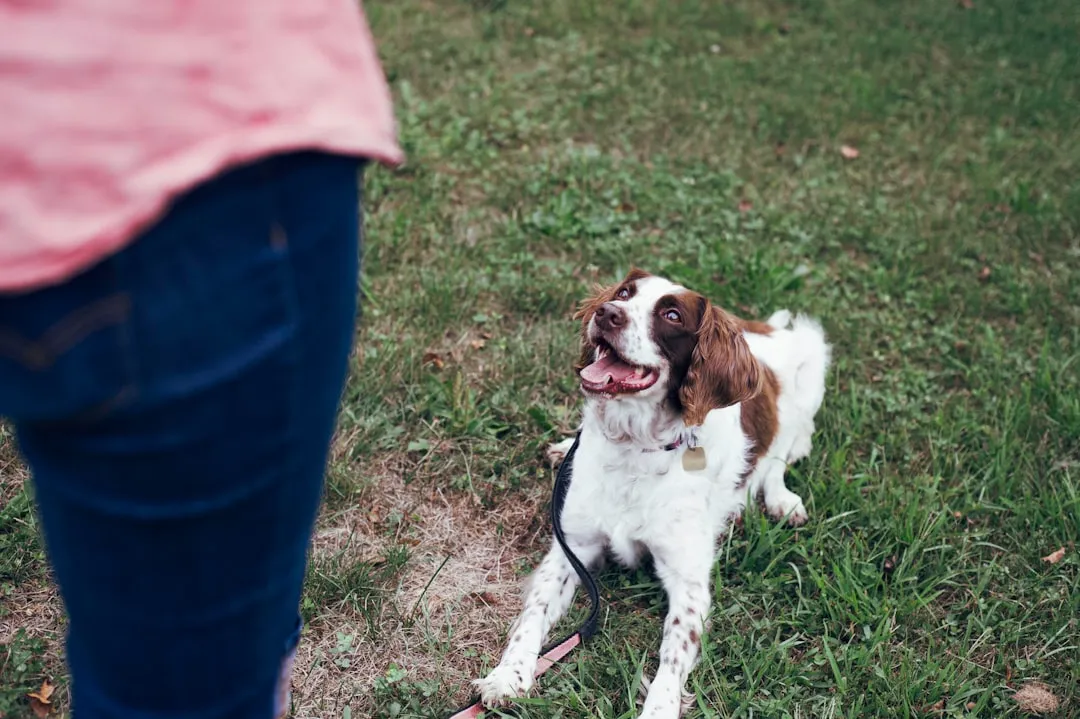
Hearing can fade with age, but attention to your voice often sharpens. A dog who seems deaf to the doorbell may still lift their head the instant you say their name. They may not always move, but their eyes, ears, or even their breathing pattern shift the moment you speak to them.
Watch for tiny ear twitches even with their eyes closed, a visibly relaxed body when you talk in a calm, low tone, or a subtle tail thump at certain phrases you’ve always used. Most people assume talking to a very old or sick dog is “for the human,” not the animal. Behaviorists strongly disagree.
Your dog has spent years decoding your tone, your rhythm, your favorite words. In their final season, your voice can be one of their last clear signals that they’re safe – which is exactly why many vets recommend narrating what’s happening during exams, treatments, and even euthanasia. It isn’t silly. It’s science plus loyalty. Your voice is the last bridge they walk across.
#10 – They Start Choosing Quiet Moments With You Over Excitement
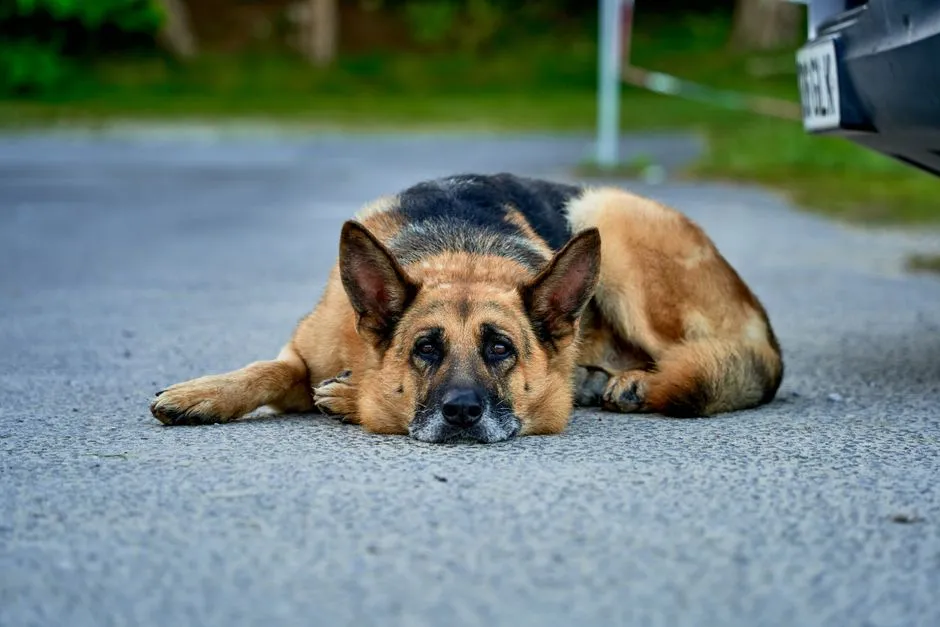
Remember when the doorbell meant total chaos, your dog flying across the house to greet every guest? In the final season, many dogs invert that hierarchy completely. They might glance up, wag politely, then retreat right back to wherever you are instead of joining the commotion.
They’re not antisocial – they’re just more selective, and you’re the selection. Look for them skipping the greeting line to stay by your chair, slipping out of the room once the noise level rises, or seeking you out in a quieter corner during family gatherings.
Some people find this upsetting, reading it as depression or “giving up.” More often, it’s a sign your dog is reallocating energy to what actually matters. Strangers and even beloved friends fade into background noise; your presence becomes the main event. This is also when dogs start accepting “boring” time – just lying at your feet while you work or scroll your phone – not as a compromise, but as the whole point.
Quick Compare: Then vs. Now
- Younger years: races to the door for every visitor, chases every noise and squirrel, sleeps wherever is comfiest.
- Final season: skips the greeting line, tunes out background noise, sleeps only within reach of you.
- Younger years: excitement is the reward.
- Final season: your presence is the reward.
#11 – They Seek Out One-on-One Time, Away From the Rest of the Family
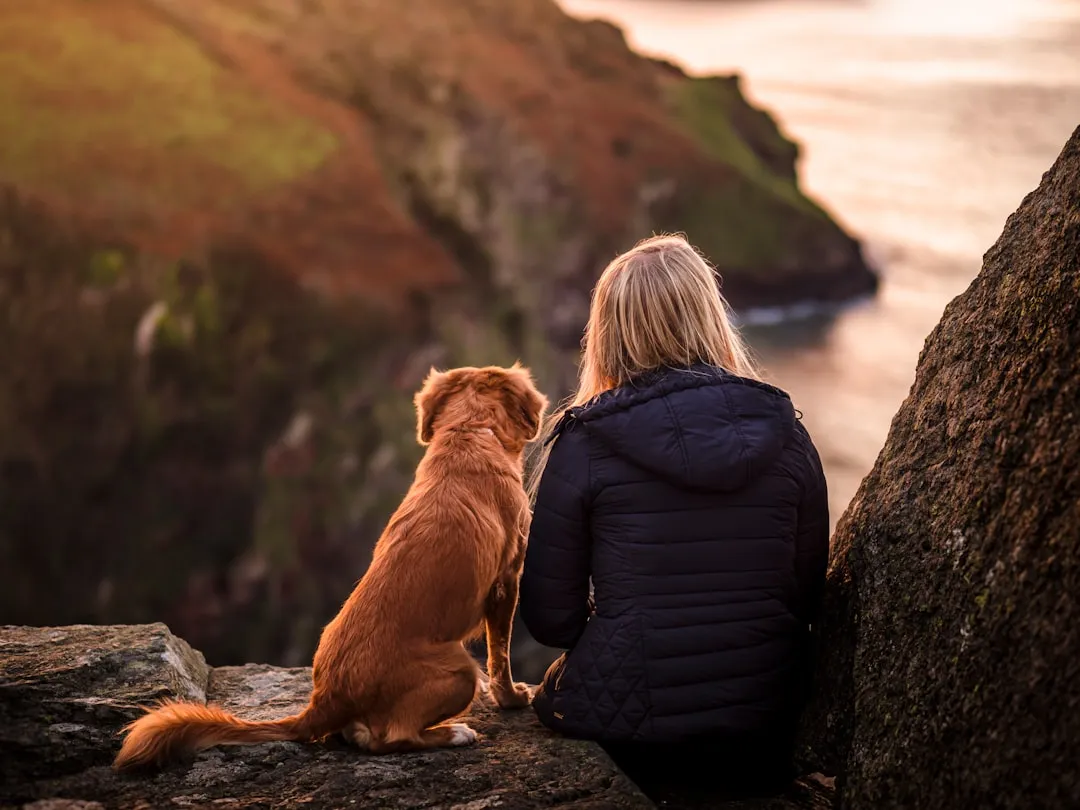
This is the behavior that splits opinions the most. Families like to imagine a dog’s final season as a group goodbye, everyone piled together on the couch. Many dogs don’t choose that. Instead, they quietly gravitate toward one primary person – often whoever did the feeding, walking, or comforting – and start asking for more private moments.
That can look like leaving a busy living room to follow just you into the kitchen, choosing to sleep in your room instead of a child’s, even if they were “the dog’s favorite,” or only fully relaxing once it’s just the two of you at home.
Some relatives find this hurtful – “why doesn’t she come to me anymore?” But seen through the dog’s eyes, it isn’t rejection, it’s focus. When they don’t have the stamina to spread themselves across everyone, they conserve what’s left for the bond that built their whole life. Put bluntly, they may be rehearsing their goodbye with one person first – their anchor – before the final exit.
#12 – They Have “Good Days” Where They Rally Just to Be With You
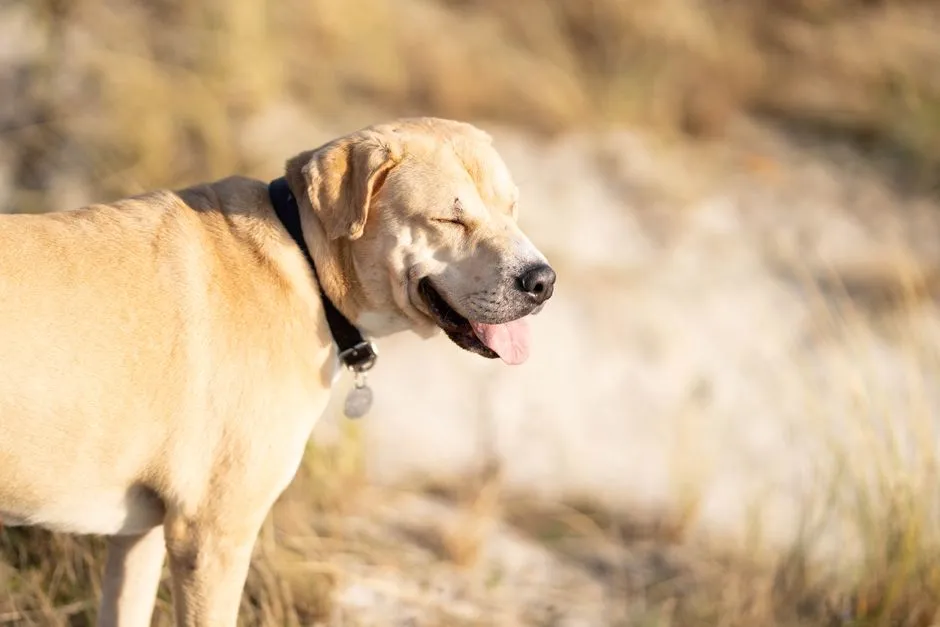
One of the most confusing parts of the final season is the “miracle rally.” After days of slowing down, your dog suddenly has a bright, almost normal day – eating well, following you around, wagging more, maybe even a short play bow. Many people take this as proof the crisis has passed. Painfully often, it’s the last surge before a steep decline.
On these days, dogs tend to stick to you like glue, as if cramming in missed time, revisit old routines with you like standing by the leash spot or nudging the toy basket, then rest deeper and closer than usual after that small burst of activity.
The controversial opinion among experienced owners: those good days aren’t the moment to pretend everything is fine. They’re the moment to cancel plans, get down on the floor, and be fully present. Your dog is spending precious reserves not on strangers or big adventures, but on you. Many people only recognize this pattern in hindsight, and wish they’d treated that last rally as the goodbye it quietly was.
At a Glance: Signs a Final Rally May Be Underway
- A sudden burst of energy after several days of noticeable slowing down
- Renewed interest in favorite treats or food after a poor appetite
- More affection or closeness than usual, even from a typically independent dog
- A pattern of “checking in” by following you from room to room
#13 – They Try to Slip Away in the One Place They Feel Safest: Right Next to You
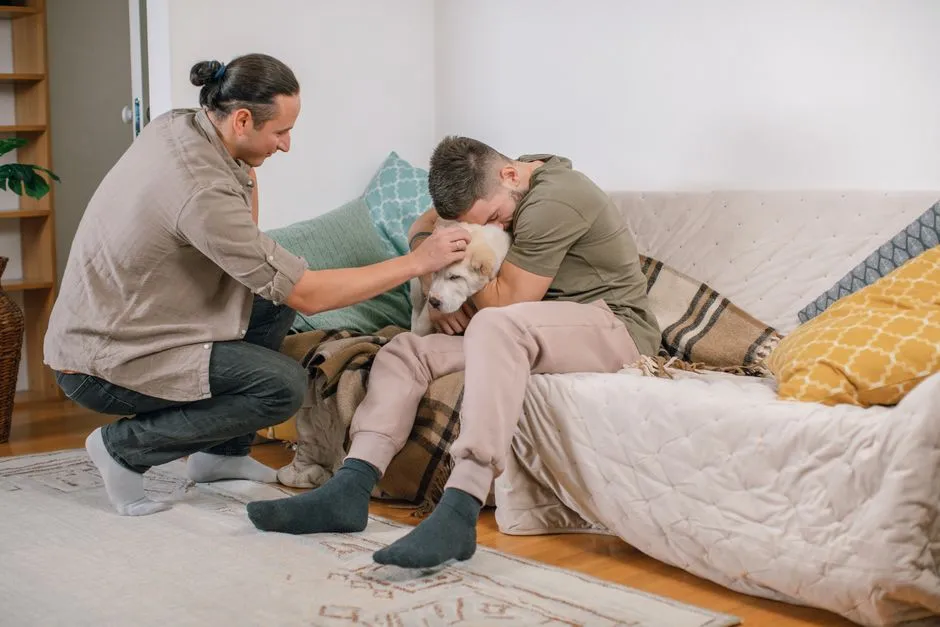
It’s uncomfortable to admit, but many dogs don’t want a dramatic ending at an emergency clinic. Given a choice – and many don’t get one – they naturally settle into the spots that smell like you when their body finally starts to shut down.
Under your bed, at your side of the couch, on the mat outside your bathroom door – these are their chosen exits. Some dogs will insist on lying closer than ever even if breathing is labored, refuse to move from your bedroom despite once roaming freely, or visibly calm the moment your hand stays on them, even when nothing else can be done.
There’s a hard truth here: while we imagine heroic rescues and last-minute saves, many dogs are simply trying to go the way they lived – within arm’s reach of their person. Vets who perform home euthanasia see this constantly. The dog finally relaxes once the room is quiet, the pain is managed, and the person they chose years ago is right there. It’s devastating, and it’s also the clearest proof that staying close to you was the whole point, from the first day to the last.
The Bottom Line
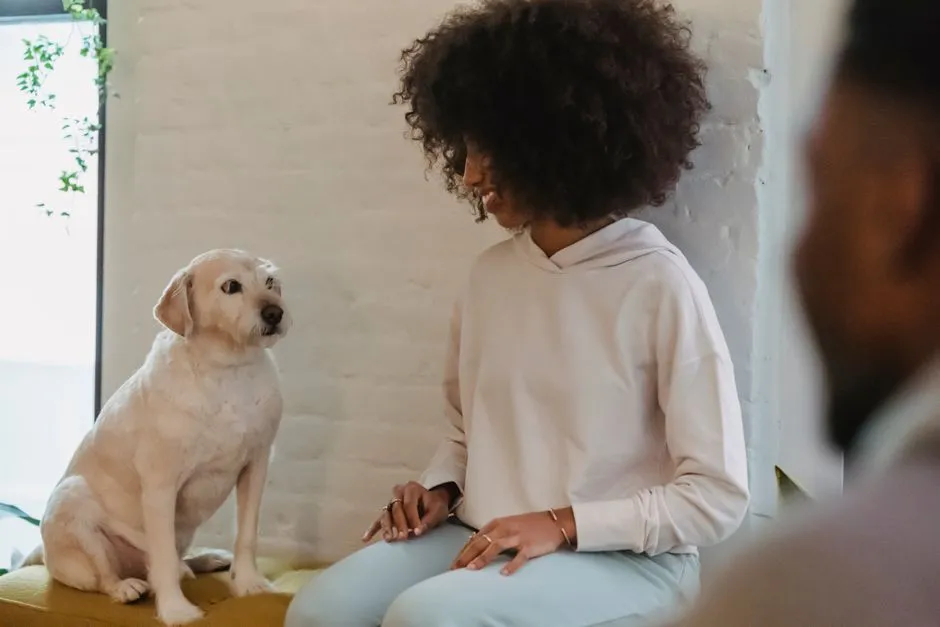
A dog’s final season isn’t only about medical charts and diagnoses. It’s a quiet, relentless re-orientation toward one thing: you. They trade favorite spots for your feet, rough play for soft touches, parties for one-on-one time in the hallway while you brush your teeth. The behavior a lot of people dismiss as “clingy” is actually your dog’s clearest statement of priorities.
When time shrinks, they push everything else aside and spend what’s left staying as close to you as they possibly can.
Opinionated truth? The biggest mistake isn’t “waiting too long” or “letting go too soon.” It’s underestimating what those small, final choices mean. Sit on the floor. Answer the stare. Let them follow you to one more room – it costs you nothing, and it’s everything to them.
Did your dog do something in their last season you’ll never forget? Tell us in the comments – someone out there needs to read it tonight.
