
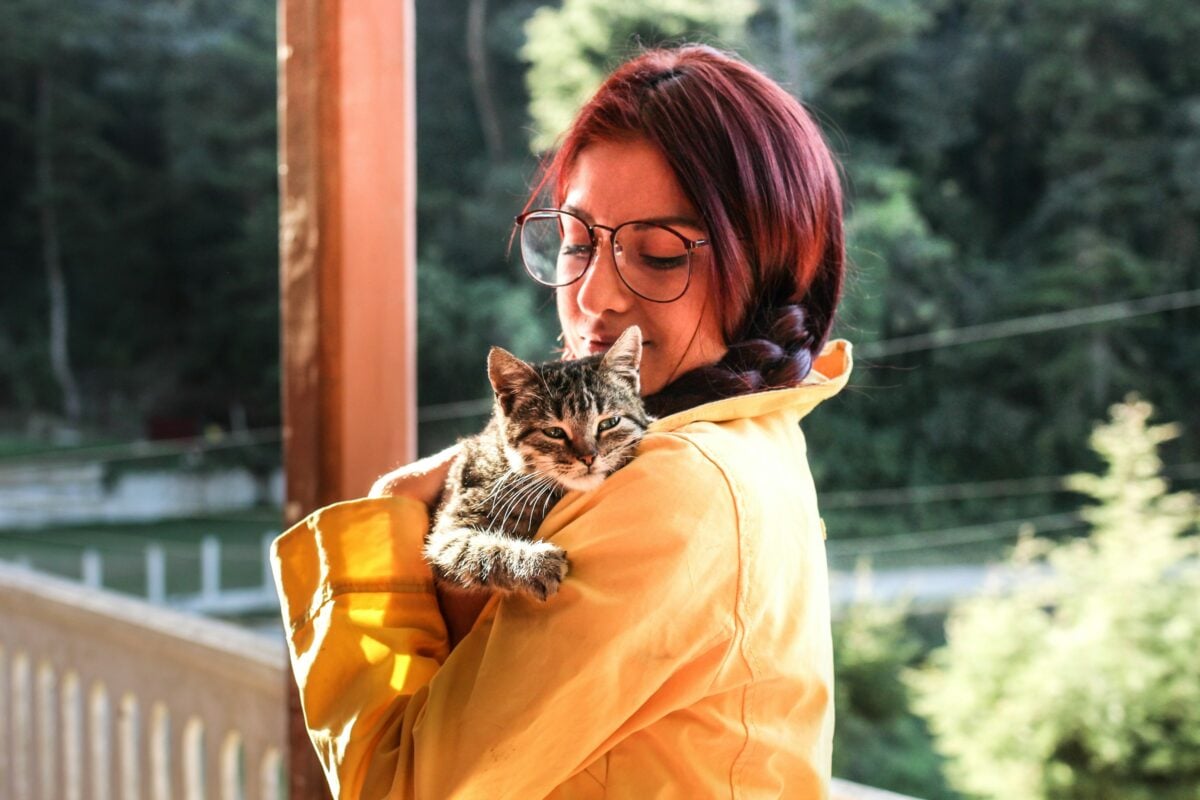
Most people assume old cats grow colder and more independent, drifting a little further from you with every passing year. Cat behaviorists say the truth is almost the opposite: the older a cat gets, the tighter it locks onto one person as its entire world. But the way it shows this isn’t cute cuddling on command – it’s stranger, quieter, and honestly a little heartbreaking once you know what you’re looking at.
A 3 a.m. stare from the hallway. A slow, creaky march across the room just to lie by your foot. None of it is random. Every one of these habits is a message from an aging animal that has quietly decided you’re the last safe place it has left – and once you see the pattern, you won’t be able to un-see it.
#1 – They Start Following You From Room to Room
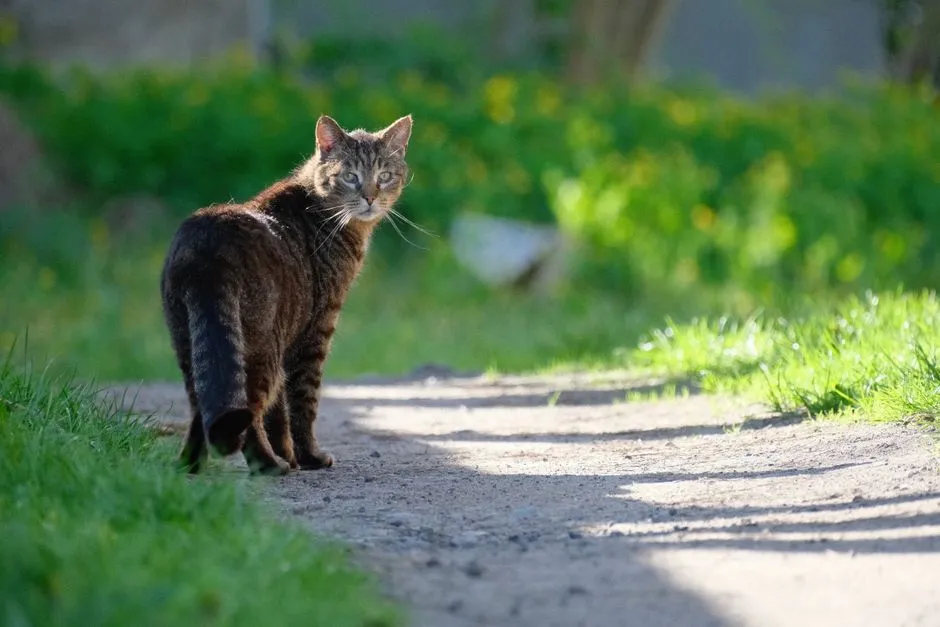
When an old cat turns into a slow-motion shadow, it’s rarely just neediness. It’s a security system. Senior cats lose hearing, vision, and confidence, and they literally borrow your presence as their safety bubble.
If you stand up to use the bathroom and they haul their stiff body off the couch just to lie on the bath mat, that’s not random. They’re choosing the one moving landmark in a world that feels less predictable: you.
Some people write this off as separation anxiety, but that oversimplifies it. Older cats know their limits. They follow because you predict food, warmth, and routine, and because your scent and voice are familiar anchors in a body that suddenly feels shaky. If they trail you even when it clearly costs them effort, that’s loyalty tangled up with fear of being alone.
Fast Facts
- Feline cognitive dysfunction affects more than 55% of cats aged 11 to 15, and over 80% of cats aged 16 to 20.
- Age-related decline often hits hearing and vision first, which is why a familiar human becomes the most reliable landmark left in a cat’s world.
- Vets note that behavior shifts from cognitive decline are often mistaken for a cat simply “getting old” and brushed off.
- Cats with cognitive changes can struggle to recognize familiar places, which helps explain why they cling harder to a familiar person instead.
#2 – They Sleep Where Your Scent Is Strongest
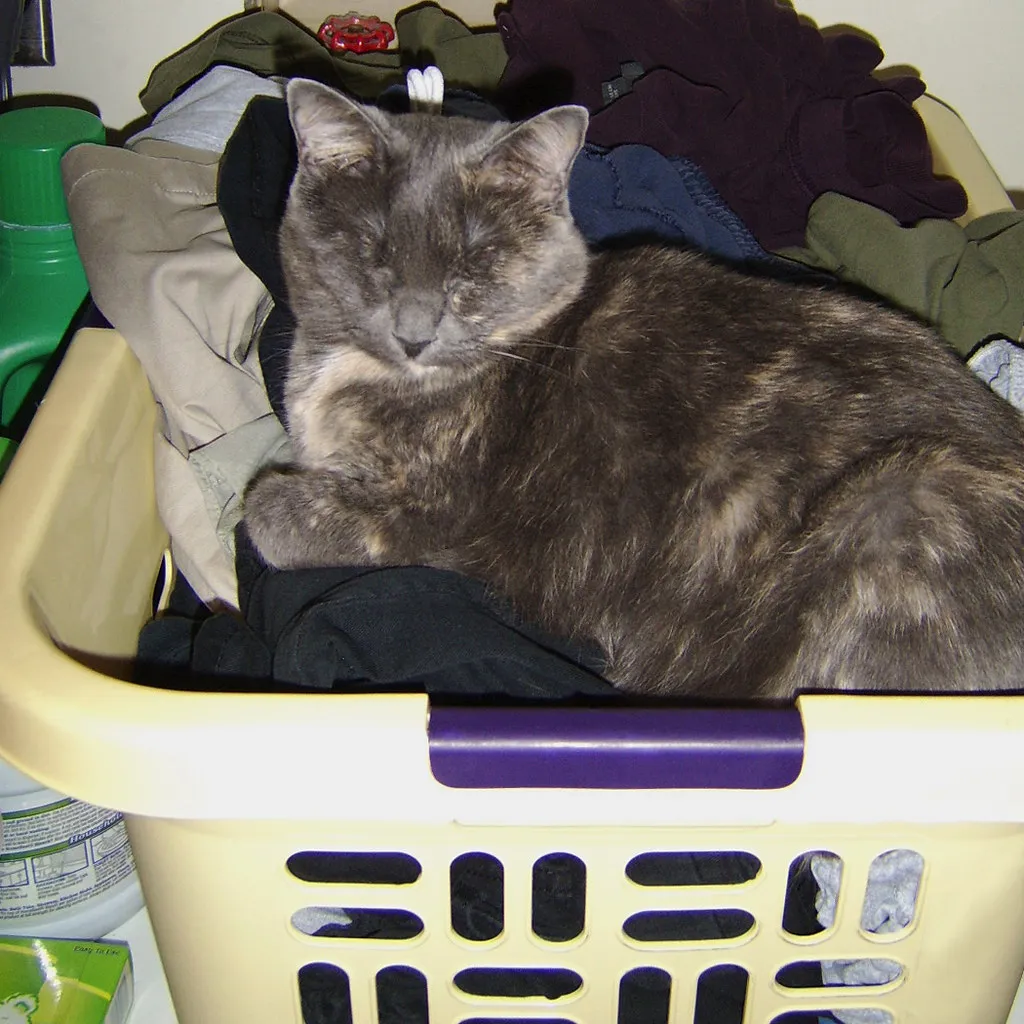
Most people assume cats pick nap spots at random. With senior cats, that’s rarely true. If your old cat consistently curls up on your unwashed hoodie, your pillow, or the exact dent your body leaves on the couch, they’re literally building a nest out of your smell.
Scent is how cats map safety. For an aging brain, your scent is a shortcut: here, I’m safe, here, nothing bad happens.
Watch the pattern closely. Do they ignore the plush cat bed you bought but sleep on your dirty laundry instead? Do they abandon a sunny window to lie on your side of the bed, even while you’re at work? That’s not gross – it’s survival logic. Your smell marks the safest zone they know, especially when pain, confusion, or arthritis flare up, because it’s where they finally let their guard down.
#3 – Their Eyes Search for You in Noisy or Stressful Moments
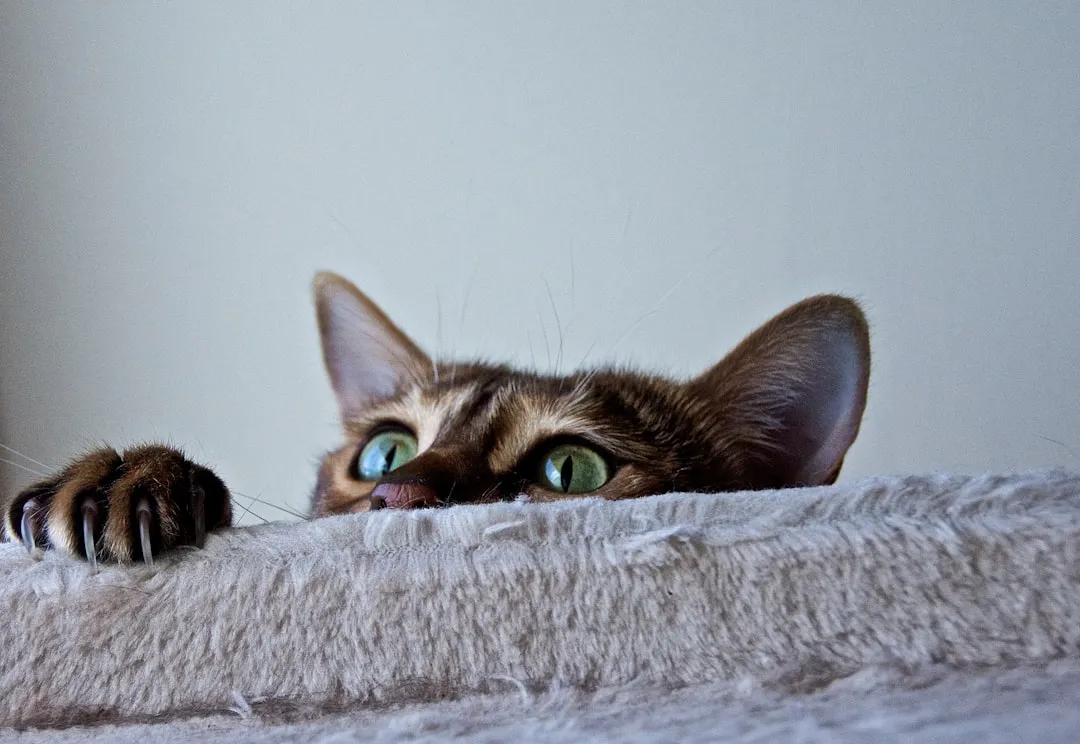
Watch your cat’s face the next time a delivery driver bangs on the door, thunder rolls in, or guests get loud. Many older cats don’t bolt and hide the way they used to. Instead they freeze, hunker down, and their eyes immediately scan the room for you.
That micro-second glance is proof. In a scary moment, they’re checking one thing: is my human here?
This shows up especially with age-related hearing loss, where loud sounds land as sudden shocks instead of gradual noise, and with cognitive changes that make new stimuli feel more threatening than they used to. If they’re sitting out in the open but only relax once they spot you, they’re using you as emotional armor – the reference point that tells them if you’re calm, they can be calm too.
#4 – They Tolerate Handling From You They’d Never Accept From Anyone Else
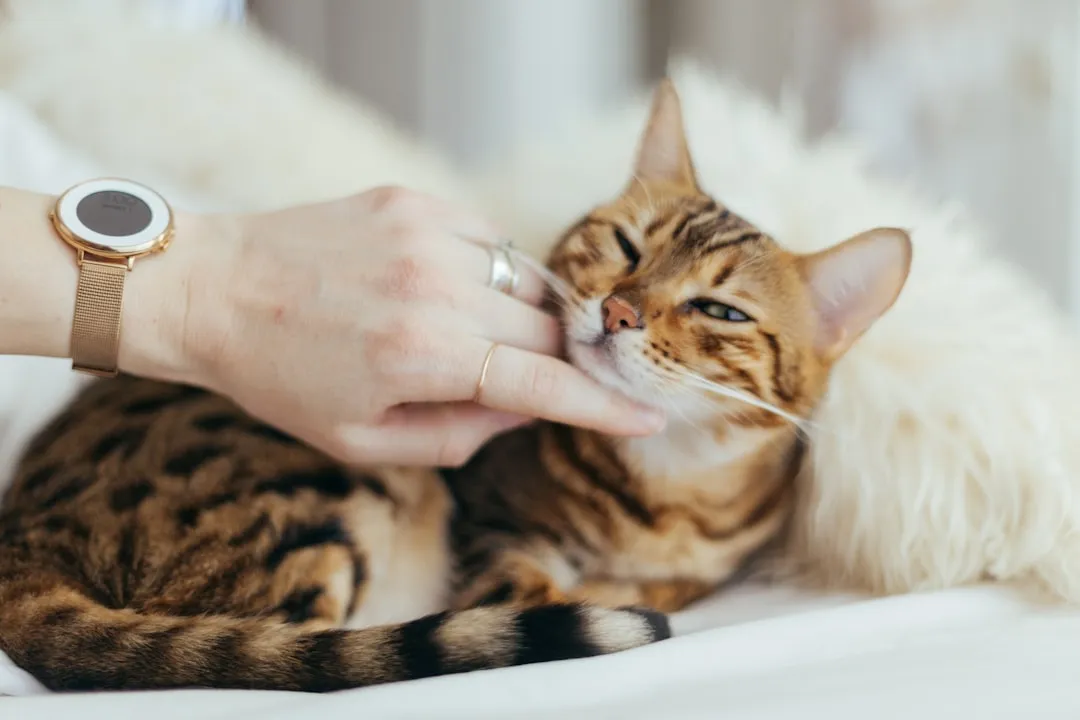
Most people underestimate how huge this one really is. A senior cat in pain often hates being touched, period. Yet some of those same cats will let their one main human clean their eyes, trim matted fur, or check sore paws with nothing more than a half-hearted grumble.
If anyone else tried the exact same thing? Claws, growls, or a dash under the bed.
That double standard is trust in its rawest form. They know you’ve helped them feel better before, and they believe you’ll stop if it actually hurts too much. Cats don’t fake tolerance to be polite – when an elderly cat grits through a medicated ear cleaning or a pill from your hand, they’re making a hard call in real time: this scares me, I hate it, but I trust you more than I fear it.
#5 – They Greet You Differently Than Anyone Else
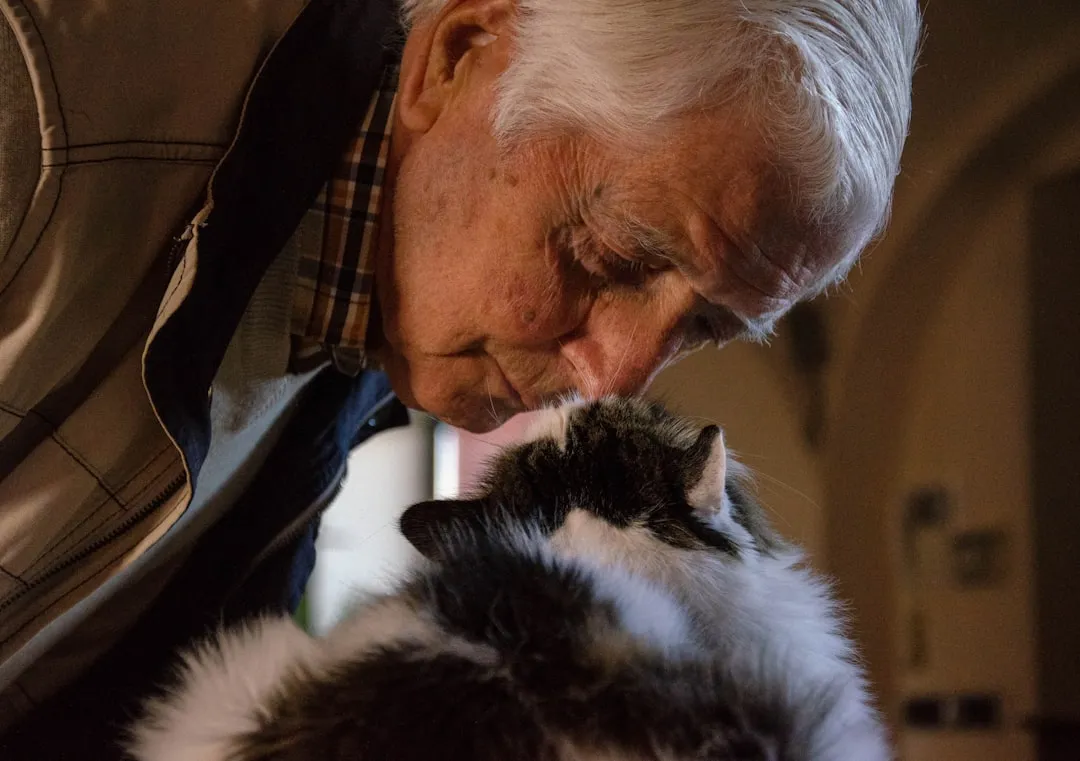
It’s not your imagination: the door greeting your old cat saves just for you is real data. Even stiff, sleepy senior cats often muster one special routine that only appears when you walk in.
Maybe it’s the slow, creaky walk to the door, the raspy meow they never waste on anyone else, or a head bump to your shin before they shuffle right back to bed.
Look at the contrast. For other people, it’s a glance and back to sleep, or total avoidance. For you, they rise, vocalize, blink softly, and physically make contact. That costs real energy from an aging body, and old cats conserve energy like it’s gold. When they spend it on greeting you, it’s a priority signal, not a habit – they’re saying, “you came back, the safe one came back.”
#6 – They Hide Less… But Only If You’re Around
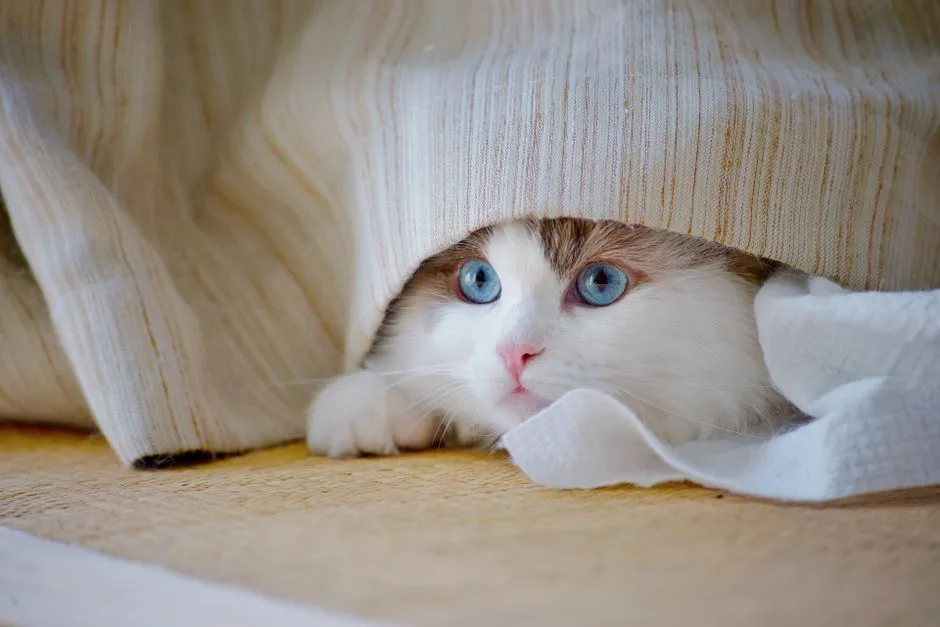
Here’s a subtle one most people miss. Kittens bolt fully under the bed when scared. Many seniors do something different – they choose semi-open spots where they can still see or hear you. They want cover, but not full disconnection.
You’ll find them under the coffee table instead of the bed, behind the curtain but peeking out, or tucked beside the couch where your hand can still reach them.
This half-hiding tells you two things at once: they still feel vulnerable enough to need shelter, but they trust you enough to stay within reaching distance. If they drag themselves out of a tight hiding spot the moment you sit on the couch, that’s a real behavioral confession. The safest place isn’t “away from everything” anymore. It’s “close to you, but slightly shielded.”
#7 – They Change Their Routine to Match Yours
Cats are creatures of habit – until the habit becomes you. When a senior cat starts shifting their own schedule to line up with yours, that’s a sign you’ve become their main predictable element.
Suddenly they wait to eat until you’re in the kitchen, nap while you’re working, and stir when you head to bed, even if they used to be a 3 a.m. zoomies menace.
Watch for it: they appear in “your spot” on the desk, couch, or bed right before you normally use it, and they stop demanding breakfast at dawn, waiting instead for your actual alarm. Older cats crave predictability over excitement, and if your pattern has come to equal safety, food, and calm, they’ll sync to it like clockwork. It isn’t about control. It’s them quietly telling you, “I function better when I orbit you.”
Worth Knowing
- About 28% of cats aged 11 to 14 show at least one sign of cognitive change, a number that climbs to roughly 50% in cats over 15.
- Common signs include disrupted sleep-wake cycles, disorientation, and a stronger pull toward familiar routines and people.
- Affected cats can seem to “get lost” or stuck even in their own home, which is exactly why your steady schedule feels like solid ground.
- This is one reason an aging cat may abandon a lifelong 3 a.m. habit to match your routine instead – yours is the schedule that still makes sense to them.
#8 – They Use Tiny, Soft Signals to Get Your Attention (And Only Yours)
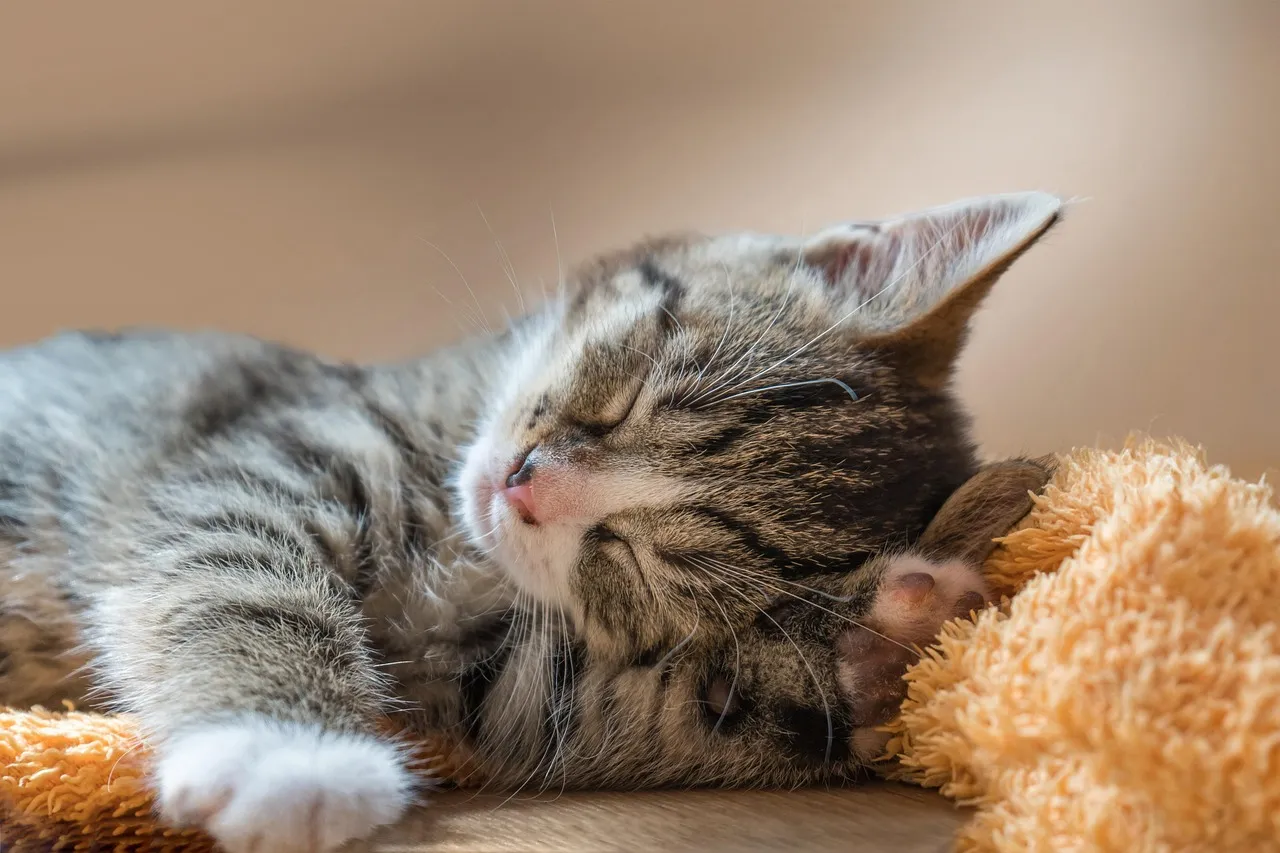
Most people think attention-seeking means loud meows. In seniors, it’s usually the opposite. They downshift into small, polite behaviors that only you seem to notice.
A single tap of a paw on your leg. A soft, questioning chirp. A slow approach to your chair, followed by a long blink until you finally look up.
These are intimate signals tailored to the one person who reliably responds. Guests miss these cues entirely, and your cat doesn’t even bother trying them on anyone else. That’s learned communication built over years – your cat has tested what works on you and kept it. When they’re old and tired and still choose that gentle tap instead of a full meltdown, it’s because they trust you to hear the whisper before they’d ever need to scream.
#9 – They Let You See Their Weakest Moments
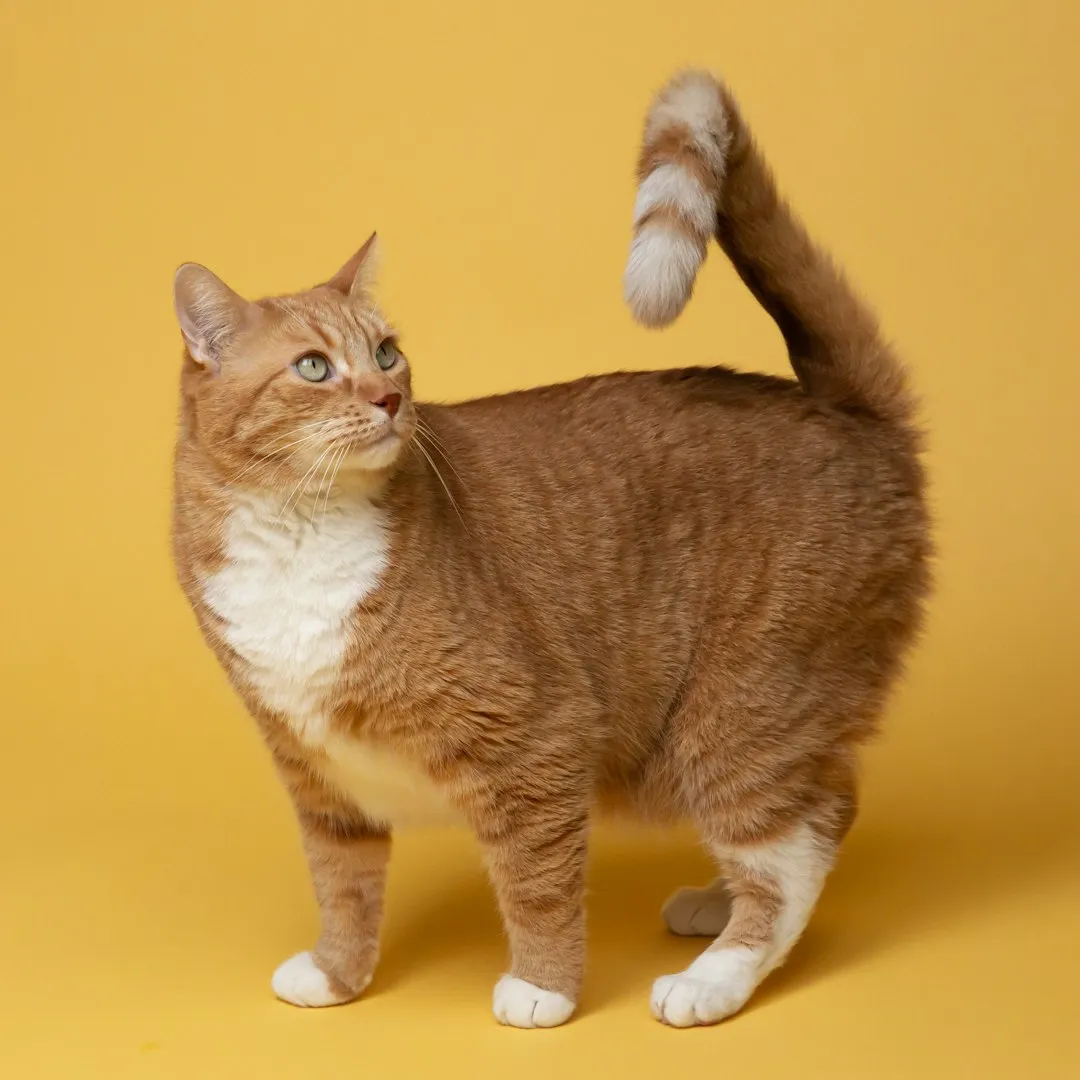
Healthy cats are masters at hiding vulnerability. Sick or old cats usually hide even more of it – unless they consider you the one safe witness. If your senior cat stays out in the open while feeling gross, wobbly, or confused, especially near you, that’s brutal honesty in action.
Watch for it: they flop down beside you after vomiting instead of disappearing. They sleep deeply with their belly exposed even while arthritic. They stay in your lap through a pain flare instead of crawling off alone.
A cat has absolute emotional honesty: human beings, for one reason or another, may hide their feelings, but a cat does not.
Ernest Hemingway
Some owners misread this as clingy or lazy. It’s actually a survival override. A wild cat would never let anyone witness it like that. Your old cat does, because on some level they expect help from you, not harm, exactly when they’re at their lowest.
#10 – They Accept Changes… As Long As You’re Involved
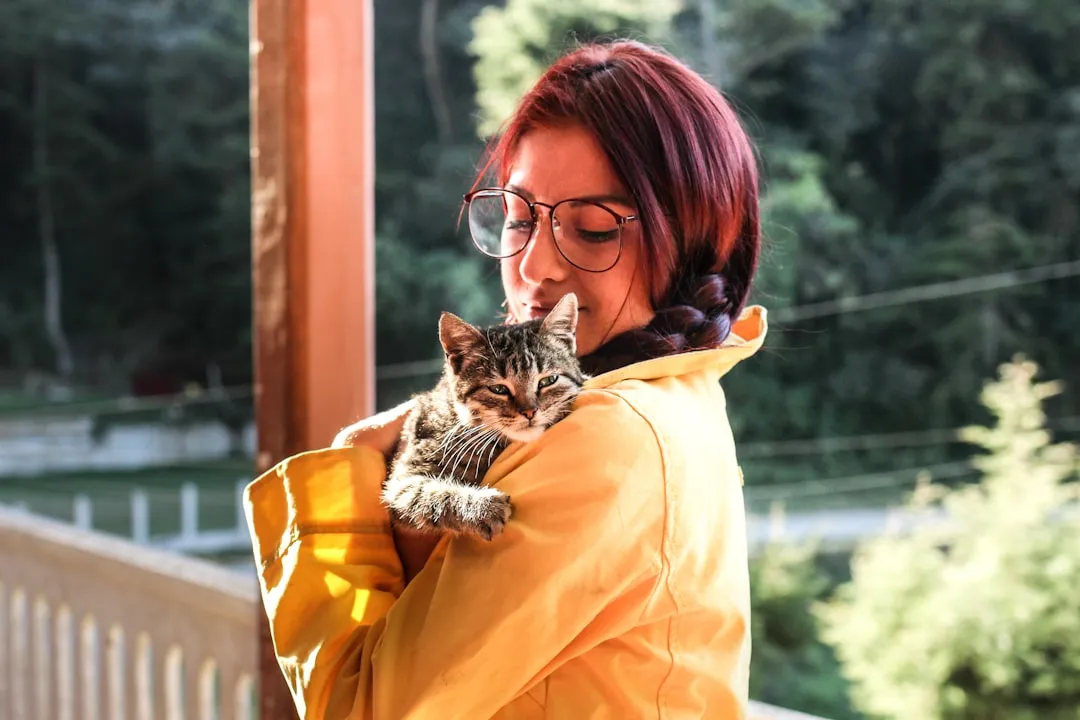
Most cats hate change. Older cats can unravel over it completely. But if you notice your senior cat copes with new beds, carriers, or even vet visits significantly better when you’re actively present, that’s a safety verdict in your favor.
The change itself doesn’t get less scary. You just make it survivable.
Pay attention to the details: do they calm down dramatically when you talk softly or keep a hand in the carrier? Will they explore a new room only after you sit on the floor first? Do they eat in a strange place only if your chair is nearby? Some behaviorists argue we overestimate our emotional impact on cats, but with seniors the reality is blunt – when mobility, senses, and predictability start crumbling, a trusted human becomes the bridge over anything new. They’re not braver. They’re borrowing your calm.
#11 – They Give You “Permission” to Handle Sacred Resources
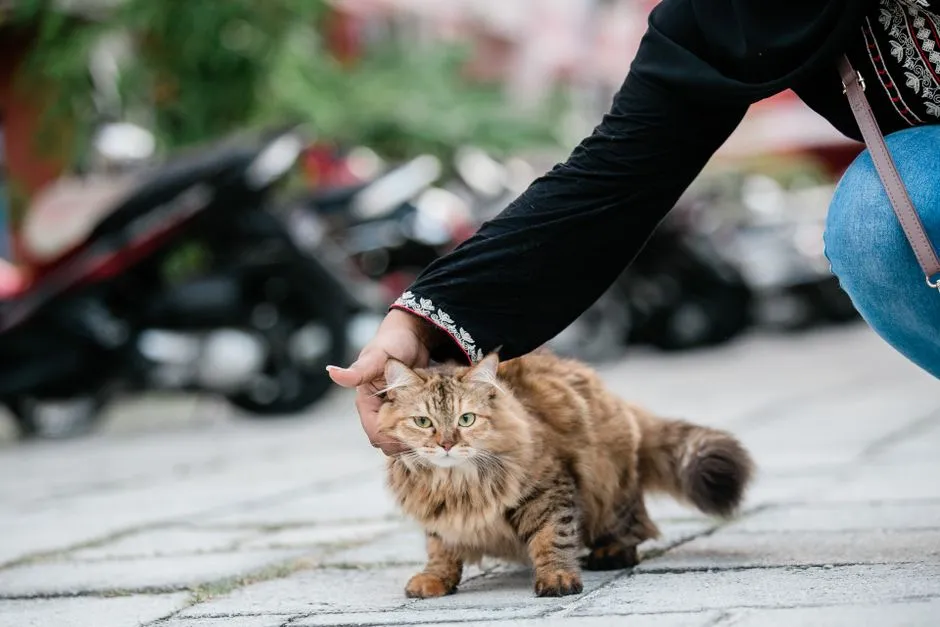
For many cats, food bowls, favorite sleeping spots, and hiding places are sacred territory. If your older cat lets you touch, move, or even temporarily remove those resources without panic, that’s beyond tolerance. That’s deference.
They’ve decided you control good things – you don’t steal them.
Notice the key clues: you can lift their bowl mid-meal to add meds or warm the food, and they wait instead of panicking. You gently adjust their position on a favorite blanket, and they settle back instead of storming off. You lift them out of a hiding spot for meds or a vet trip, and there’s no grudge afterward. Cats remember offenses, so if you keep invading “critical” spaces with zero fallout, it’s because your track record proves you restore comfort instead of ruining it.
#12 – They Seek Your Comfort Specifically During Pain Flare-Ups
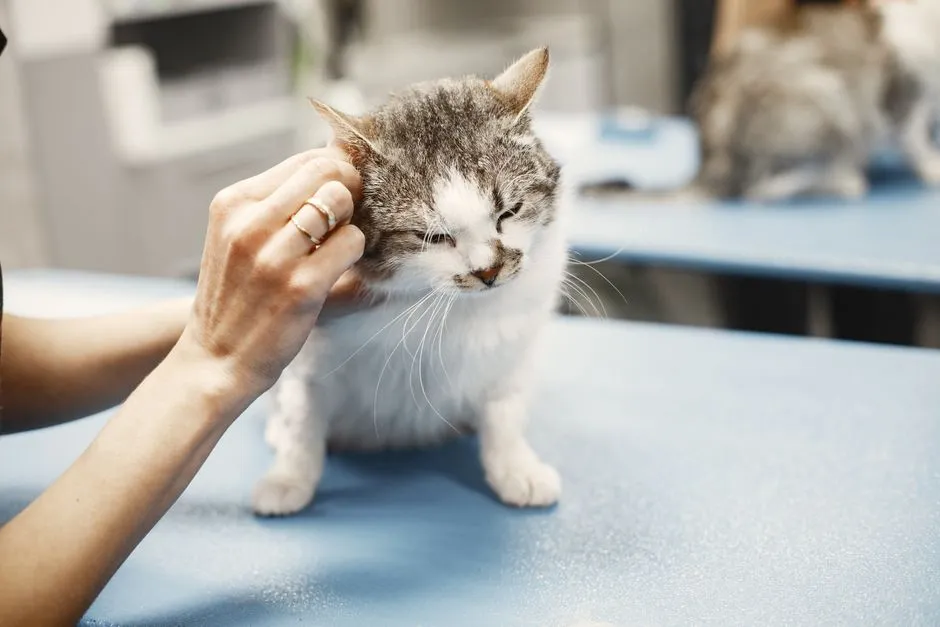
This one hits hard for a lot of owners. Arthritis, dental disease, kidney issues – senior cats cycle through pain more often than we realize. Some hide from it. Others actively choose their main human when things hurt the most.
They’ll climb, slowly and painfully, into your lap. They’ll press against your side at night, or sleep with their head resting right in your hand on the worst days.
Look at the pattern over time: on good days they’re independent, exploring or napping away from you. On bad days, they’re glued to you like Velcro. That’s not coincidence. Pain usually makes animals more cautious and defensive, so when your cat does the opposite and becomes more physically trusting, they’re gambling their safety on you. In the clearest language they have, they’re saying, “it’s worse today, I need you” – and that’s not something they’d ever offer a nice, cat-loving stranger.
At a Glance
- Up to 90% of cats over age 12 show signs of arthritis, though most owners never notice or report it.
- Cats are wired to hide pain, so stiff jumps, slower movement, and reduced grooming are often the only visible clues.
- In more than one study, only a small handful of arthritic cats were ever flagged as “in pain” by their owners or during routine vet exams.
- When a cat breaks its own hiding instinct to seek you out on a bad day, it’s overriding millions of years of survival wiring just for you.
#13 – They Slow-Blink and “Check In” With You More Often
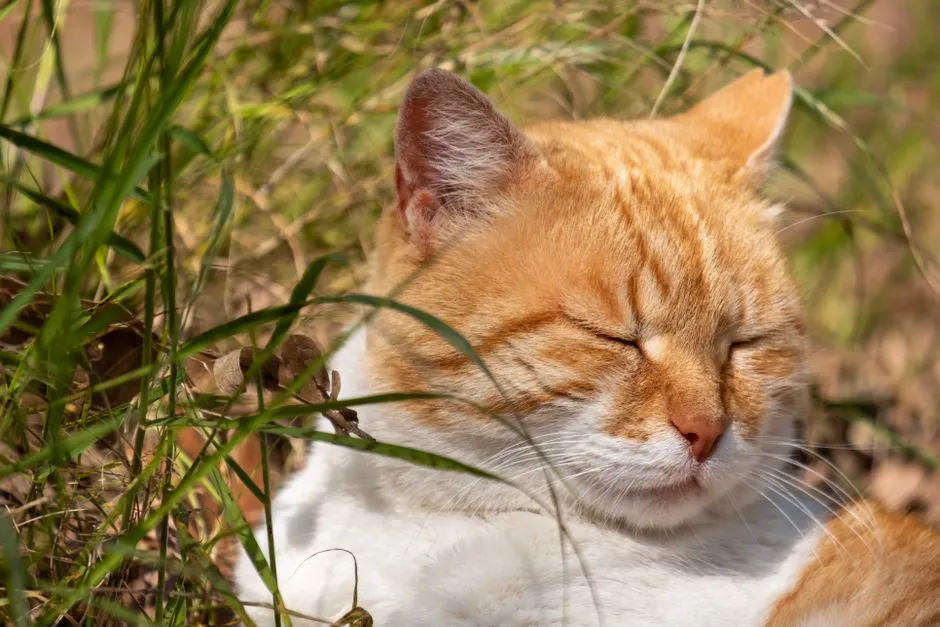
Slow blinks aren’t just cute internet content. Behaviorists widely read them as a cat’s version of a trust signal. When your old cat sits across the room, makes eye contact, and slowly closes and opens their eyes at you, that’s not random. In seniors, these check-ins often increase, especially in quiet moments.
Watch for it: they blink at you before curling up to sleep. They look for you, blink, then finally settle once you return it. They give you that soft, long look right after something stressful happens.
Older cats don’t waste energy on meaningless communication. Those silent eye conversations are micro check-ins – we’re good, you’re still you, then I can relax. People underestimate how powerful this is simply because it’s quiet. But to a cat who has outlived routines, homes, or even other humans, that shared blink is a small ritual of safety.
#14 – They Choose You Over Instinct at the End of the Day
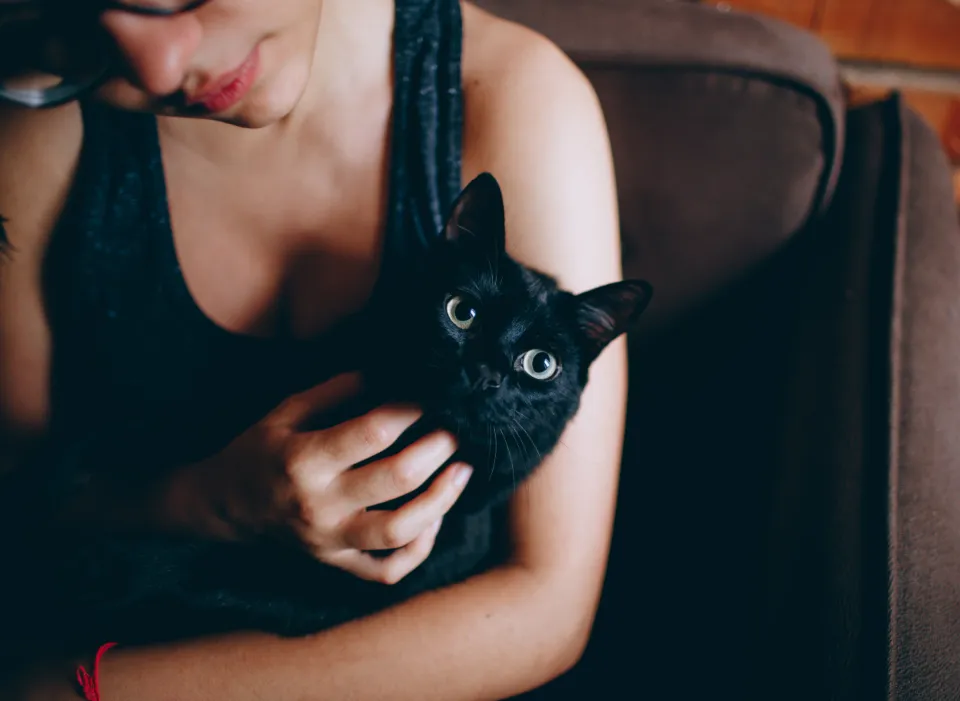
When everything else gets stripped away – the toys, the window views, even the appetite – pay attention to where your old cat chooses to spend their limited energy. If, again and again, they drag their tired body to finish the day near you instead of the “perfect” cat spot, that’s your proof.
Instinct says conserve energy, seek warmth, stay hidden. Whatever you want to call the other thing says, “I want to be next to my person.”
This can look like insisting on sleeping pressed against your leg every night, no matter how restless you are. It can look like leaving a quiet room to limp into the loud living room, simply because that’s where you are. In very late life, it can be as small as lying somewhere they can feel the vibration of your voice. Some people will say we’re projecting human feelings onto animals. Maybe. But behavior is data, and your senior cat is telling you, with every hard-won step toward you, that you’re not just a caretaker. You’re home.
The Bottom Line
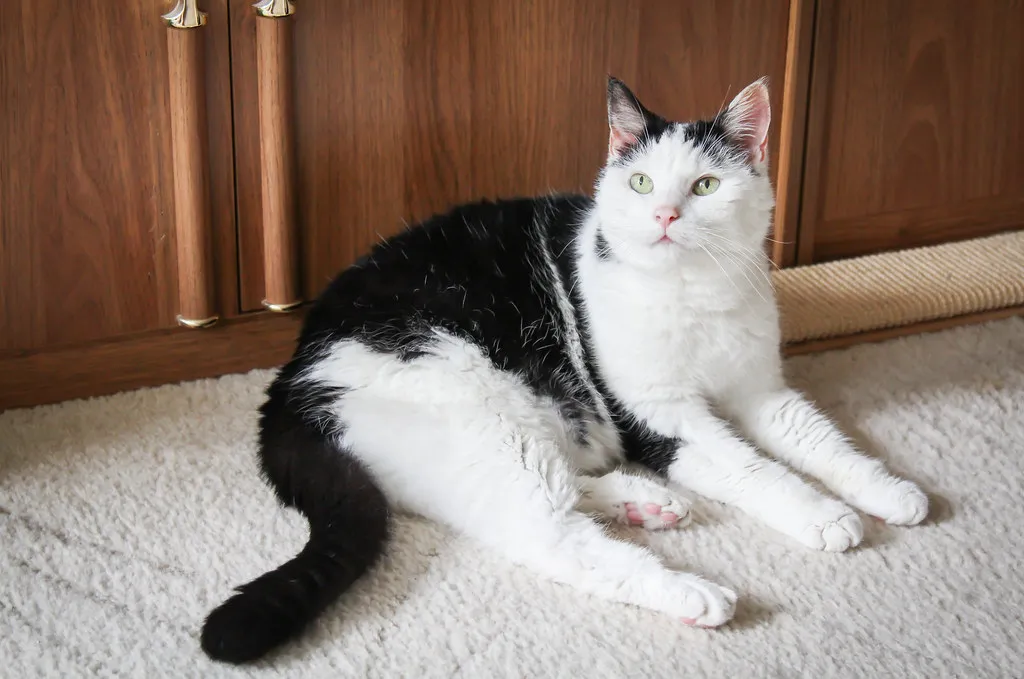
Old cats don’t write long speeches or make grand gestures. They deal in small choices, repeated over time: following you instead of hiding, sleeping on your worn-out hoodie instead of the expensive bed, crawling into your lap when everything hurts.
Put together, those choices form a blunt truth. If your aging cat keeps anchoring to you when they’re scared, sick, or unsure, you are the only truly safe place they believe they have left.
Some people will insist cats never really “bond” the way dogs do. Anyone who has lived through a senior cat’s moves, breakups, illnesses, and late-night vet runs knows better. Your cat has already voted with their paws on exactly who they trust – did you see your old cat in any of these signs, or does yours show it in a completely different way? Say it below. This is exactly where the real stories start.

- 13 Signs the Wild Birds in Your Yard Have Come to See You as Safe - July 24, 2026
- 14 Signs a Gray-Muzzle Dog Is Still Living Its Best, Vets Say - July 24, 2026
- 13 Signs a Horse Has Let Down Its Guard Only for You - July 24, 2026