

Moving to a new home is a significant event for both humans and their furry companions. While it’s an exciting time filled with fresh starts and possibilities, it can also be stressful as your pet gets acquainted with an unfamiliar environment. Pets thrive on routine and familiarity, so ensuring a smooth transition is crucial for their emotional and physical well-being. This comprehensive guide will provide you with practical tips and strategies to help your pet adjust to a new home with ease and comfort.
Prepare Before the Move

Preparing your pet before the move can make a substantial difference in how they handle the transition. Familiarize them with the moving process by gradually introducing moving boxes and packing materials into your current home. This helps them get used to changes in their environment before the big day arrives. Additionally, maintain regular feeding schedules and routines to provide a sense of stability.
Keep Comfort Items Handy

During the chaos of moving, make sure your pet has access to their favorite comfort items, like a cherished blanket, toy, or bed. These items carry familiar scents that can soothe and reassure your pet in the midst of change. Pets find solace in the familiar, and these comfort items serve as a tangible link to their old home.
Introduce Your Pet Gradually

Upon arrival at your new home, introduce your pet to their new surroundings gradually. Start by allowing them to explore just one room where their belongings are set up. As they become more comfortable, gradually expand their access to the rest of the house. This phased introduction helps prevent overwhelming your pet with too much unfamiliarity at once.
Set Up a Safe Space

Designate a quiet, safe space for your pet in your new home where they can retreat if they feel stressed or anxious. This could be a separate room or a cozy corner equipped with their bed, toys, and other comfort items. Having a personal sanctuary can help them feel secure and less anxious during the adjustment period.
Maintain Consistent Routines

Pets rely heavily on routine, so try to maintain consistency in their daily schedule as much as possible. Stick to regular feeding times, walks, and playtimes to establish a sense of normalcy. A stable routine helps reassure your pet that not everything in their life has changed, which can reduce anxiety and stress.
Familiarize With New Surroundings
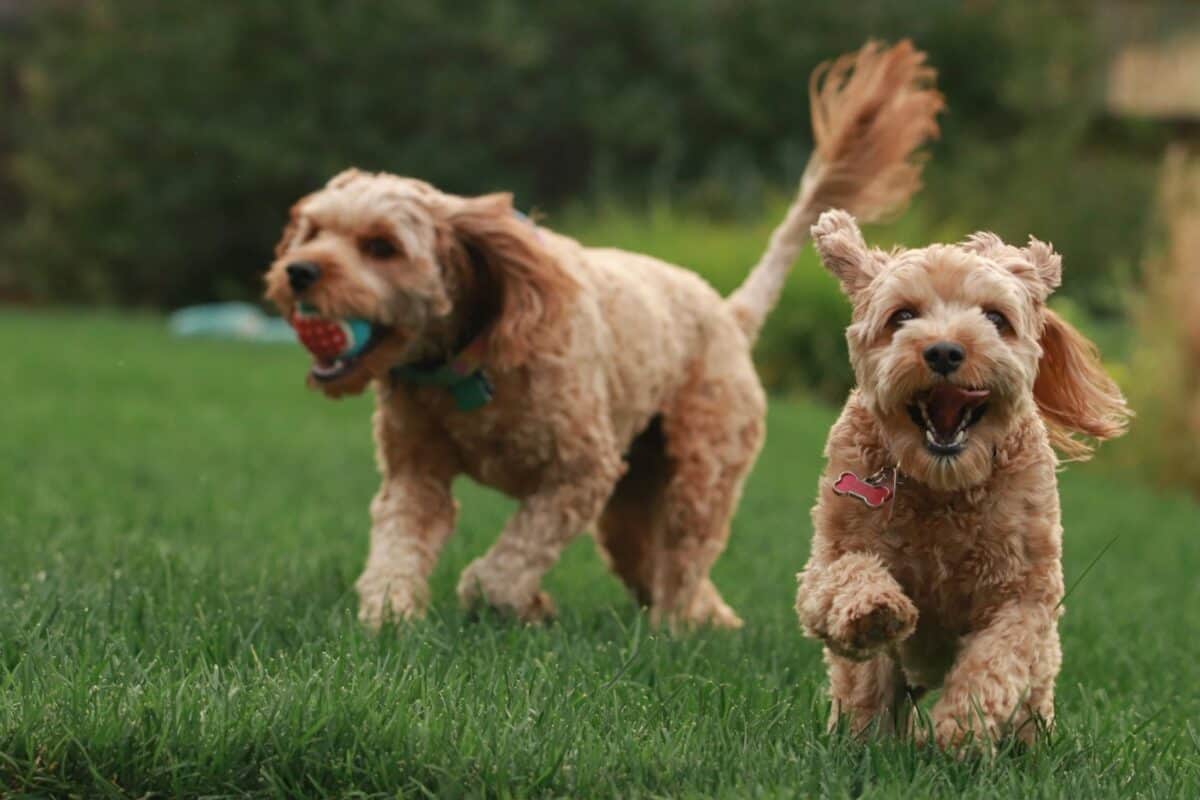
Spend time helping your pet become acquainted with their new environment. Take dogs for walks around the neighborhood to explore and get used to the new sights, sounds, and smells. For indoor pets, encourage exploration throughout the house and allow them to investigate at their own pace. This exploration helps them acclimate and feel more secure in their new surroundings.
Monitor Behavior and Stress Levels

Keep a close eye on your pet’s behavior for any signs of stress or anxiety during the transition. Common indicators may include changes in eating habits, excessive grooming, or withdrawal. Address any behavioral issues early on before they become more ingrained and seek professional help from a veterinarian if needed.
Engage in Positive Reinforcement

Use positive reinforcement to encourage your pet’s good behavior during the transition. Reward them with treats, praise, or extra playtime when they behave well or show bravery in exploring unfamiliar spaces. Positive reinforcement helps create positive associations with the new environment, easing the adjustment process.
Address Any Potential Hazards
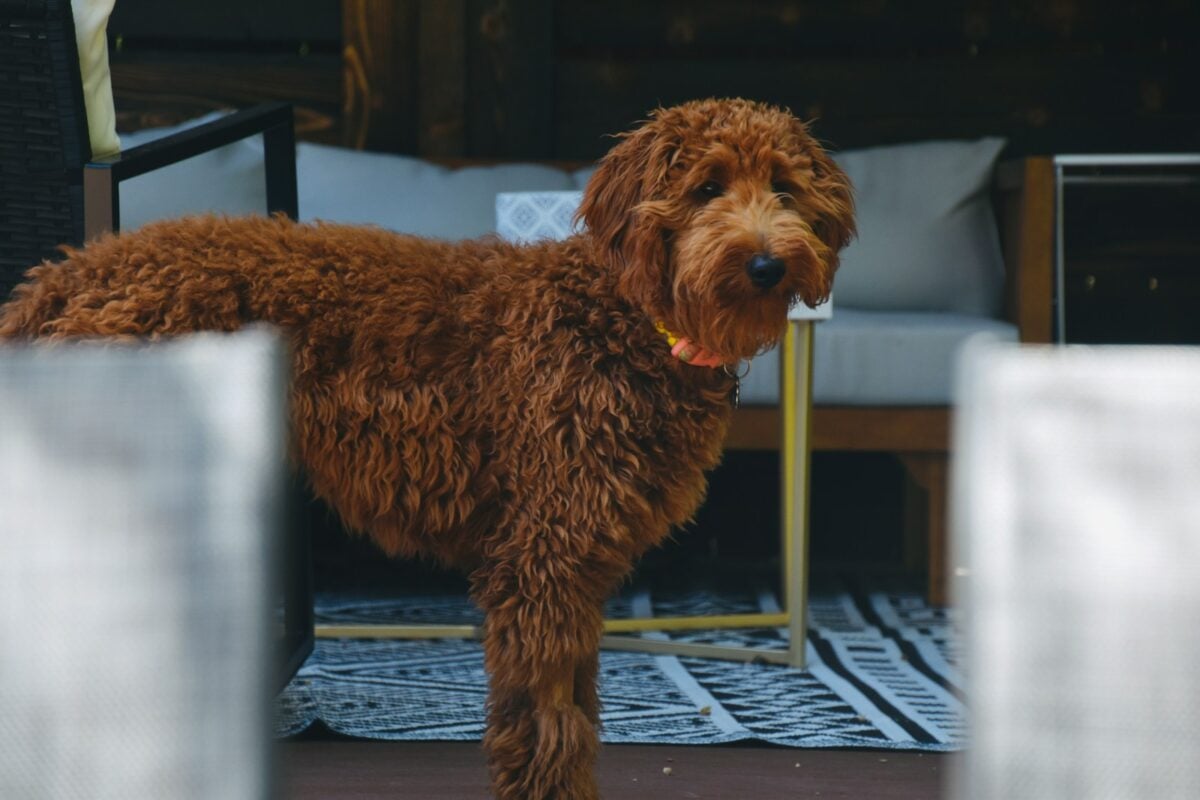
Ensure your new home is pet-proofed to prevent accidents or injuries. Check for hazardous items like loose wires, sharp objects, or toxic plants that might pose a danger to your pet. Making your home safe allows your pet to explore without the risk of harm, contributing to their overall sense of safety and comfort.
Introduce New Family Members Carefully

If you’re introducing your pet to new family members or other pets, take it slow to ensure a positive interaction. Monitor all initial meetings closely to prevent conflicts or stress. Gradual and controlled introductions lay the foundation for harmonious relationships within the household.
Stay Patient Throughout the Process

Remember that adjusting to a new home takes time, and each pet is unique in its adaptation process. Stay patient and understanding as your pet navigates through this change. Offer comfort and assurance, and avoid rushing their adjustment process. Your patience will pay off as your pet gradually settles into their new environment.
Consult a Professional if Needed

If your pet continues to struggle with the transition despite your efforts, consider seeking professional advice. A veterinarian or a pet behaviorist can provide expert guidance and support to help your pet acclimate successfully to their new home. Professional intervention can address underlying issues and ensure your pet’s well-being.
In conclusion, helping your pet adjust to a new home involves preparation, patience, and understanding. By following these practical strategies, you can ease the transition and ensure your pet feels safe, comfortable, and loved in their new environment. Remember, a bit of extra effort now can lead to a happier and healthier life together in your new home.

Leave a comment
You must be logged in to post a comment.